
Diving at 7 Mile North Reef, Site "07-01-05" (United States)
For certified divers seeking accessible coastal exploration, 7 Mile North Reef offers a dynamic underwater landscape. This site provides an opportunity to engage with a natural reef environment, suitable for recreational divers. Planning a dive here involves considering the prevailing ocean conditions.
Evening condition tracking at 7 Mile North Reef, Site "07-01-05" features an air temperature of 27°C. We have recorded wave heights measuring 0.4 m during this period. These figures outline the environmental parameters currently present.
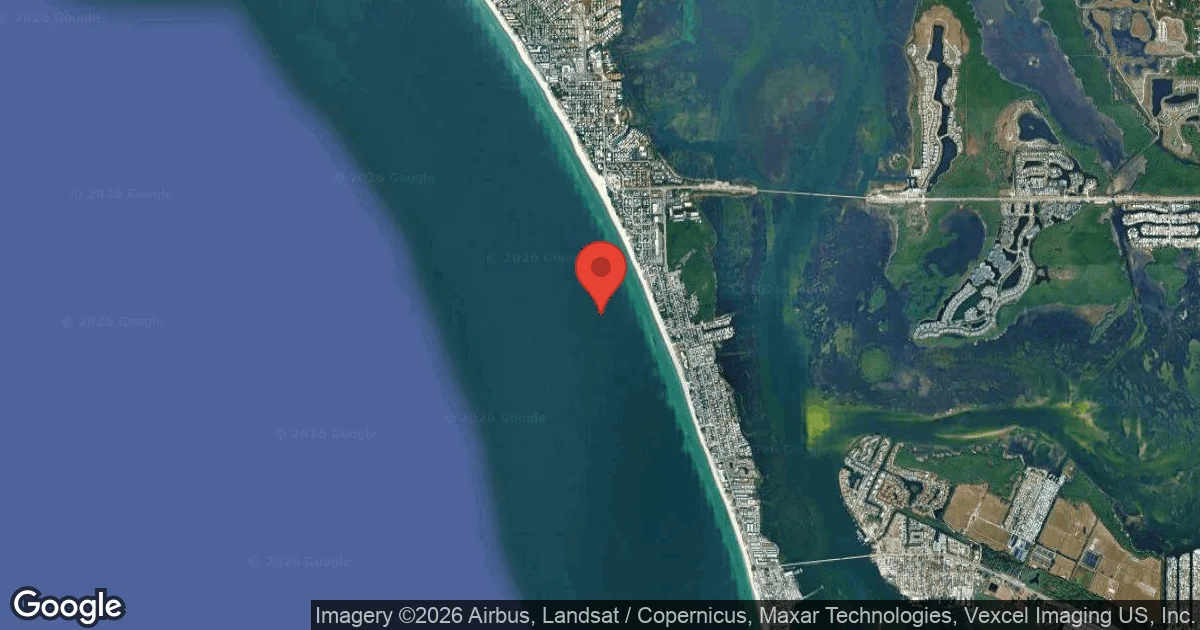
Dive Site Location & Key Facts
Dive Site Overview
The reef site, officially designated 07-01-05, typically presents a low-relief structure, characteristic of many natural reefs within this coastal region. Its seabed composition is diverse, often featuring sandy patches interspersed with rocky outcrops, which provide varied habitats for marine organisms.
Precise depth data isn't consistently available for 7 Mile North Reef, though recreational dives generally operate within established safe limits, likely staying above 30 m (100 ft) maximum. Divers exploring here can anticipate a gently sloping or varied bottom profile, offering a mosaic of environments rather than dramatic walls. Visibility underwater fluctuates with local currents and recent weather patterns; however, on calmer days, good viewing conditions are common, often allowing for clear observation of the reef's inhabitants.
Without pronounced topographical features like dramatic drop-offs or distinct pinnacles, navigating this site relies on an awareness of general reef characteristics and observable natural elements, making it suitable for unguided exploration by experienced divers. This dive location's primary appeal stems more from its ecological complexity than from spectacular structural formations.
Throughout the year, water temperatures in the region generally range between 22-27°C (72-81°F), supporting a diverse range of temperate and subtropical species. Current strength is not consistently reported, but divers should be prepared for potential mild to moderate water movement, particularly in shallower areas where surge might be more noticeable. Planning for these dynamic conditions enhances the overall dive experience.
Conditions are Good
Optimal conditions expected
Current conditions near 7 Mile North Reef, Site "07-01-05" show 27° air, 31° sea temperature, 0.4 m waves, and 35 km/h wind. Forecast data is refreshed regularly to ensure accuracy.
Best Time to Dive
Diving at 7 Mile North Reef is generally favorable throughout much of the year, although conditions tend to be more stable during specific periods. Air temperatures average from 27.5°C (82°F) in June to a cooler 15.5°C (60°F) in January, influencing surface comfort. Optimal conditions, marked by lower average wave heights, are typically seen from May through September, with average wave heights ranging from 0.4 to 0.6 m (1.3-2.0 ft). In contrast, months like January and October show higher average wave heights, around 1.0 m (3.3 ft) and 0.8 m (2.6 ft) respectively, suggesting potentially choppier surface conditions. Rainfall is generally low, peaking slightly in August at 8.7 mm, but remaining manageable for diving throughout the year.
PEAK SEASON SCORE
Scores combine air & water temps, waves, wind & rainfall for overall conditions.
BEST MONTHS TO DIVE
Monthly records compiled from satellite and marine observation nodes over the last 3 years. Data provided by Open-Meteo and MET Norway.
Dive Experience & Conditions
Expect conditions at 7 Mile North Reef to vary, with wave heights typically ranging from 0.4 to 1.0 m (1.3-3.3 ft) depending on the season and immediate weather patterns. Calm days offer a more relaxed experience, while stronger winds, averaging between 21.0 and 33.3 km/h (13-21 mph), can affect surface stability and underwater surge. This means buoyancy control is often crucial, particularly in shallower sections where surge might be more pronounced. Visibility is not consistently reported but can be influenced by weather. Divers should approach this site ready for dynamic conditions, adapting their dive plan to suit the day's specific environment. Water movement can feel gentle or moderate, rarely presenting extreme challenges within recreational depth ranges.
Dive Difficulty & Safety Guidelines
While specific hazards for 7 Mile North Reef are not listed, all divers should adhere to general safe diving practices. Maintaining excellent buoyancy control is essential to protect the delicate reef ecosystem and prevent accidental contact. It's prudent to monitor local weather forecasts before any dive, particularly paying attention to wind speed and wave height, which can impact surface conditions.
Divers should always plan their dive within their certification limits and consider currents, which, though not specifically reported, can be present in any open water reef environment. Always dive with a buddy and ensure proper equipment function before entering the water.
Emergency procedures should be reviewed pre-dive, covering scenarios like buddy separation or equipment malfunction.
Recommended Equipment
- Dive Computer
This gear list is based on verified equipment signals for 7 Mile North Reef, Site "07-01-05", United States. Always confirm final gear choices with your dive operator, guide, or liveaboard.
Recommended Dive Suit
Subtle variations in currents or depth can sometimes influence perceived water temperature.
Dive skin or rash guard tends to perform well in water temperatures like those currently observed here. Consider warmer surface protection (like a boat coat) due to brisk winds. Short-term weather patterns suggest stable conditions for divers visiting the area.
Water temperatures across the dive area at 7 Mile North Reef, Site "07-01-05" are presently estimated to be around 31°C (87°F). Surface air temperatures are resting at 27°C (81°F).
Emergency & Medical Support
Essential information to help you plan your dive trip to 7 Mile North Reef, Site "07-01-05".

Hyperbaric chambers are a critical part of dive safety infrastructure. Availability varies significantly by region, and not all dive areas have immediate access.
Before diving, it's recommended to:
- confirm nearest medical facilities
- check emergency procedures with local dive operators
- ensure dive insurance covers evacuation if required
Divers Alert Network
Diving emergency assistance available through DAN World.
+1-919-684-9111- 24/7 emergency hotline
- Diving medical assistance
- Evacuation coordination
Emergency contacts are provided for reference. Always verify local emergency services before diving.
Marine Life at 7 Mile North Reef, Site "07-01-05"
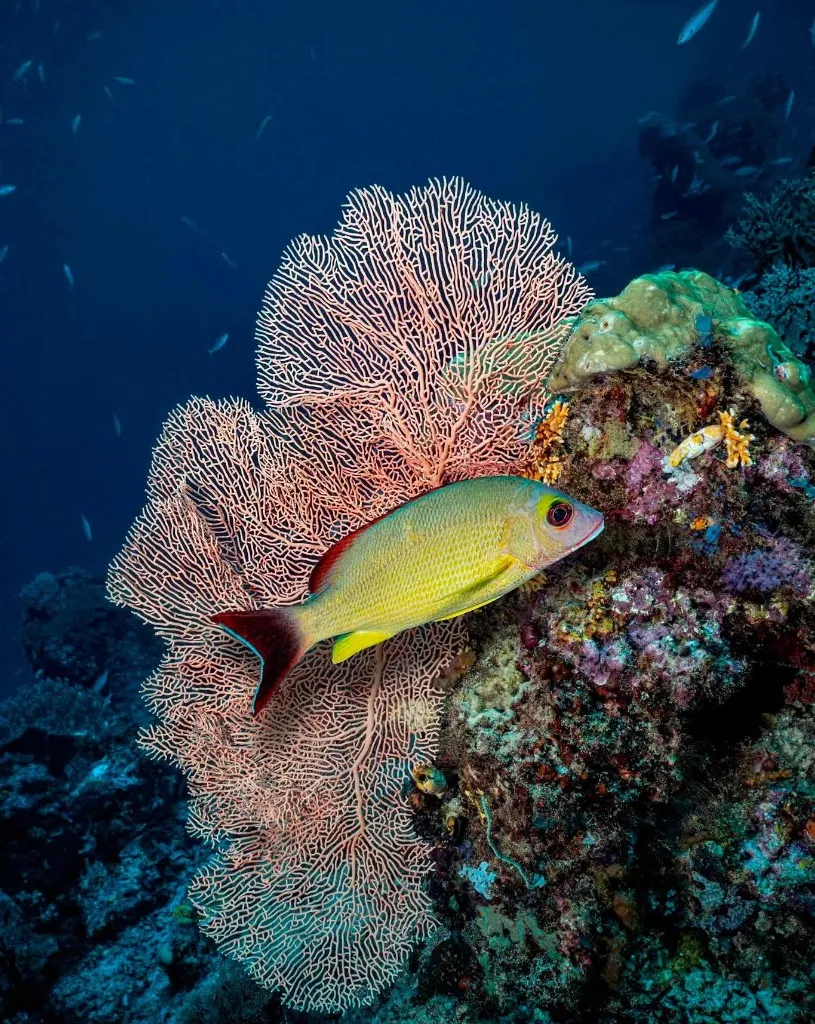
Diving at 7 Mile North Reef provides opportunities to observe a variety of marine species commonly found on coastal reefs in the United States. While no specific marine life data is available for this site, divers might notice various hard and soft corals forming the reef's structure.
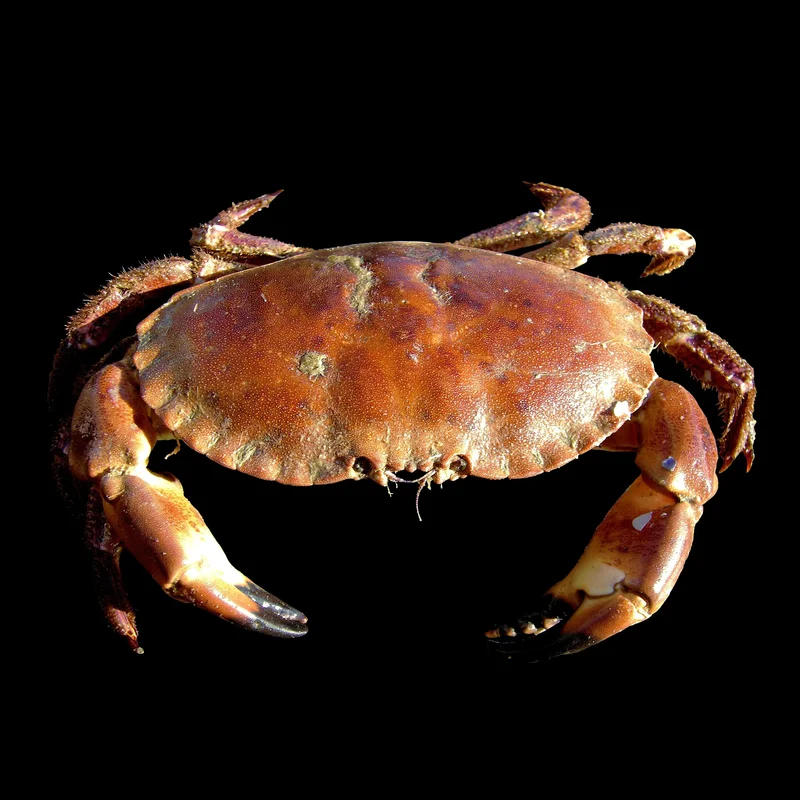
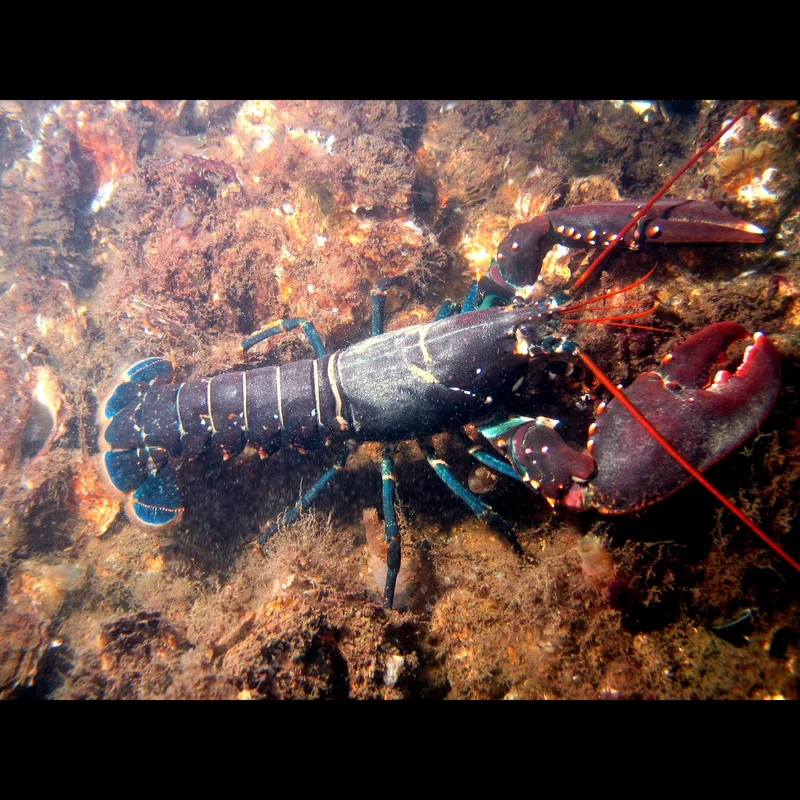
Look for typical reef fish, such as grunts, snappers, and wrasses, navigating through the coral formations. Invertebrates like crabs, lobsters, and sea stars commonly inhabit the crevices and sandy patches.
Patience and keen observation often reveal smaller, cryptic creatures camouflaged within the reef. Pelagic species may occasionally pass through, though they are not a consistent highlight.

Dive Sites Near 7 Mile North Reef, Site "07-01-05"
View all dive sites in United StatesDiscover more underwater gems in this area.
Dive Centers Near 7 Mile North Reef, Site "07-01-05"
Today: 09:00 - 18:00
Nearest Airports
Nearest airports to help plan travel to this dive area.
Search Flights
Check available flights and routes on Expedia, using the nearby airports listed in this section.
Search Flights on Expedia
Plan Your Stay
Looking for a place to stay for your dive trip? Explore hotels, stays, and vacation rentals for dive groups near Anna Maria.
Dive Navigator may earn a commission from these links at no extra cost to you.
Frequently Asked Questions
What is the typical depth range for diving at 7 Mile North Reef?
Specific depth data for 7 Mile North Reef is not consistently reported. However, as a natural reef site suitable for certified recreational divers, it generally falls within the recreational diving depth range, likely offering shallower and moderately deeper sections.
What kind of visibility can I expect at this dive site?
Visibility at 7 Mile North Reef varies depending on local currents and recent weather conditions. On calmer days, divers can typically expect good underwater visibility. However, strong winds or heavy rainfall can reduce clarity.
Are there strong currents at 7 Mile North Reef?
Current information is not consistently reported for this specific site. However, as with any open water reef, divers should be prepared for the possibility of currents and plan their dive accordingly, always diving within their experience and training.
What are the best months for favorable dive conditions?
The period from May through September generally offers more favorable diving conditions, characterized by lower average wave heights, around 0.4-0.6 m (1.3-2.0 ft). Air temperatures are also warmer during these months, typically between 25.5°C (78°F) and 29°C (84°F).
Are there any specific marine life highlights to look for?
While a detailed list isn't available, divers can anticipate observing a range of common reef fish, such as grunts and snappers. Look out for various hard and soft corals, along with invertebrates like crabs and lobsters inhabiting the reef structure.
Is this site suitable for beginner divers?
Given the potential for variable conditions, including changes in wave height and possible currents, this site is generally recommended for certified divers comfortable with open water reef diving. Beginners should consult with local dive operators for specific advice based on current conditions.
Planning to dive 7 Mile North Reef, Site "07-01-05"?
Send one inquiry and receive offers directly from the best verified local dive operators.
Conditions are Good
Optimal conditions expected
Current conditions near 7 Mile North Reef, Site "07-01-05" show 27° air, 31° sea temperature, 0.4 m waves, and 35 km/h wind. Forecast data is refreshed regularly to ensure accuracy.