
Diving at Bill Donaldson Reef (United States)
Bill Donaldson Reef offers insights into the underwater dynamics of its specific location within the United States. Without detailed site-specific information, understanding its current behavior requires local guidance. Divers can anticipate conditions typical of the broader region, influencing overall dive planning.
Tonight's objective overview for Bill Donaldson Reef shows an air temperature of 28.5°C. The measured surface conditions include wave heights around 1.4 m. This environmental data is logged for the close of the day.
Dive Site Location & Key Facts
Dive Site Overview
Exploring Bill Donaldson Reef entails a journey into a natural reef structure, where comprehensive site data for this specific location is not consistently reported. Diver accounts suggest it provides a vital habitat for various local marine species, contributing to the region's biodiversity.
However, specific information regarding the reef's precise depths, characteristic formations, or consistent current patterns remains limited in broader resources. This reality means successful dive planning necessitates a proactive approach. Without definitive details, divers typically anticipate a range of conditions commonly encountered across US coastal reefs.
Understanding the immediate surrounding marine environment and proactively seeking up-to-date local intelligence from experienced dive operators becomes absolutely essential prior to any descent. Individual observation during a dive often yields the most accurate understanding of this site's precise features and current behaviors.
Preparing for this site requires a focus on adaptability and self-reliance, recognizing the dynamic and less-charted nature of the location.
Conditions are Good
Optimal conditions expected
Current conditions near Bill Donaldson Reef show 28° air, 30° sea temperature, 0.8 m waves, and 14 km/h wind. Forecast data is refreshed regularly to ensure accuracy.
Best Time to Dive
Planning a dive at Bill Donaldson Reef is most pleasant during months exhibiting a 'Good' dive score. This generally includes January through March, and then May through September, with November and December also favorable. Air temperatures during these periods comfortably range from 18.5-28°C (65-82°F), creating agreeable surface conditions. Rainfall remains relatively low in the early and late parts of the year, increasing slightly in summer months like June, August, and September. Expect calmer seas between May and August, when wave heights typically average around 0.5-0.8 m (1.6-2.6 ft). October and April show a 'Moderate' dive score, with potentially higher wave heights averaging 1.1-1.6 m (3.6-5.3 ft) and increased winds, suggesting more challenging conditions. Water temperature data is not consistently reported for this specific site, so divers should consult local forecasts closer to their dive dates.
PEAK SEASON SCORE
Scores combine air & water temps, waves, wind & rainfall for overall conditions.
BEST MONTHS TO DIVE
Monthly records compiled from satellite and marine observation nodes over the last 3 years. Data provided by Open-Meteo and MET Norway.
Dive Experience & Conditions
Given the limited specific data for Bill Donaldson Reef, divers approaching this site should prepare for a range of conditions commonly found on natural reefs in the United States. Entry typically involves boat access, and divers should be ready for potential variations in visibility and current patterns that can shift with local weather and tidal influences. While a maximum depth isn't consistently reported, many reefs in the region often fall within recreational diving limits. Without precise details, divers might encounter anything from gentle drifts to more dynamic currents, necessitating good buoyancy control and navigation skills. Water temperatures are not consistently reported for this specific site, but regional averages for similar US coastal areas suggest ranges from 22-27°C (72-81°F) during warmer months, dropping lower in winter. Always check current local conditions.
Dive Difficulty & Safety Guidelines
Approaching Bill Donaldson Reef requires a high degree of self-reliance and adherence to general safe diving practices, especially due to the limited specific site information. Divers should prioritize having a solid understanding of basic navigation skills, including compass use, and effective air management. Maintaining situational awareness is critical, as unseen currents or changing conditions can arise.
It's recommended to dive with a local guide or operator who possesses recent experience at similar, less-documented sites in the area. Always conduct thorough buddy checks and ensure all equipment is in excellent working order.
Given the absence of reported hazards, divers should still maintain vigilance for common marine environment risks, such as sharp coral or unexpected marine encounters.
Recommended Equipment
- Dive Computer
This gear list is based on verified equipment signals for Bill Donaldson Reef, United States. Always confirm final gear choices with your dive operator, guide, or liveaboard.
Recommended Dive Suit
Thermal protection such as dive skin or rash guard is commonly used for water temperatures in this range. A hood or vest is suggested for sensitive divers due to surface winds.
Current readings at Bill Donaldson Reef show water temperatures near 30°C (86°F). Surface air temperatures are resting at 28°C (83°F).
The next few days appear likely to bring similar environmental conditions.
Due to technical issues with our weather providers, live updates are temporarily delayed. The data above reflects the conditions at the time of the last successful fetch.
Emergency & Medical Support
Essential information to help you plan your dive trip to Bill Donaldson Reef.

Hyperbaric chambers are a critical part of dive safety infrastructure. Availability varies significantly by region, and not all dive areas have immediate access.
Before diving, it's recommended to:
- confirm nearest medical facilities
- check emergency procedures with local dive operators
- ensure dive insurance covers evacuation if required
Divers Alert Network
Diving emergency assistance available through DAN World.
+1-919-684-9111- 24/7 emergency hotline
- Diving medical assistance
- Evacuation coordination
Emergency contacts are provided for reference. Always verify local emergency services before diving.
Marine Life at Bill Donaldson Reef
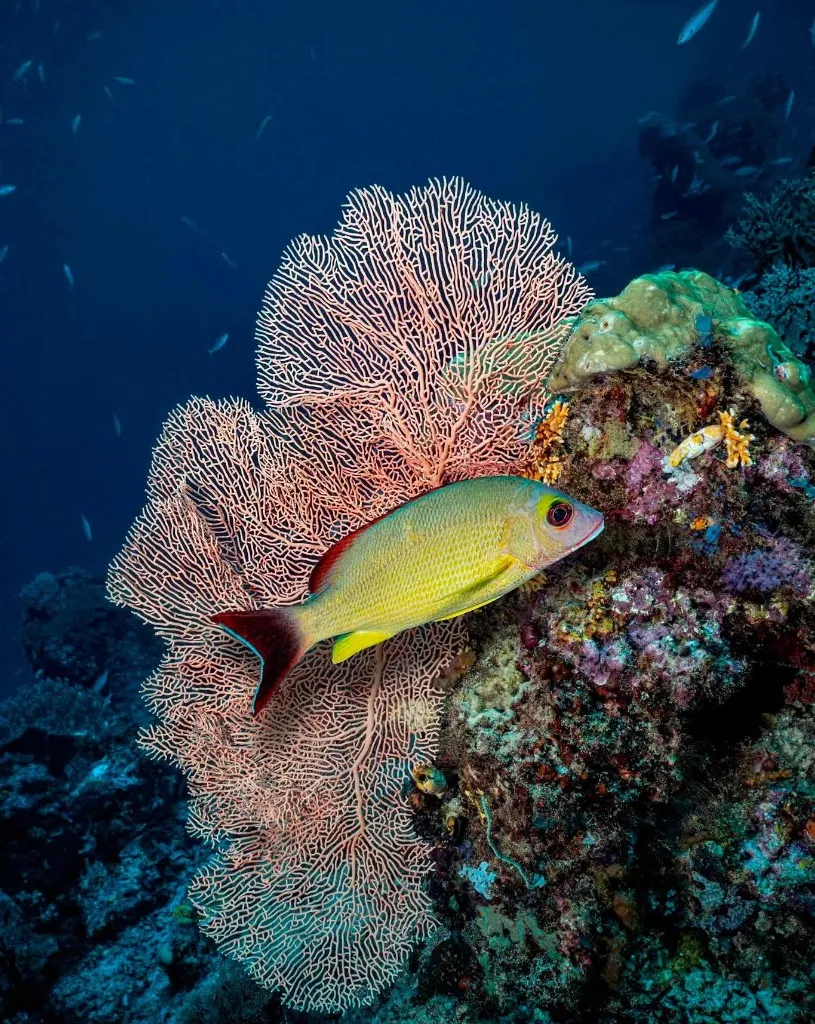
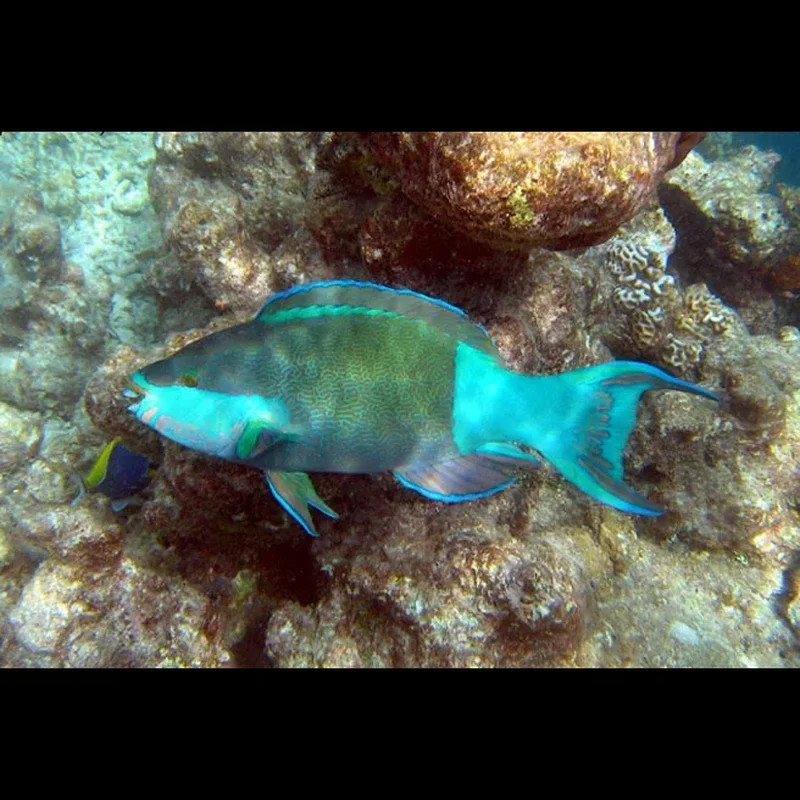
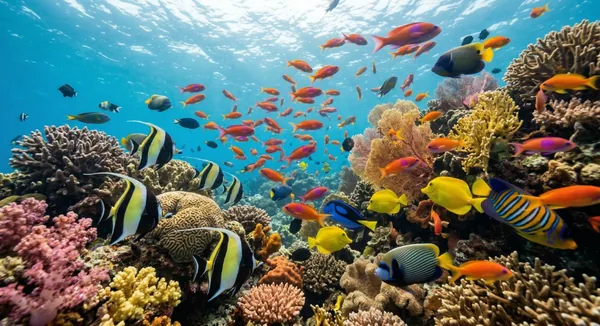
While specific marine life sightings for Bill Donaldson Reef are not documented, divers exploring similar natural reef environments in the US might encounter diverse fish populations. Expect to observe various species of reef fish, such as snapper, grunt, and possibly parrotfish, moving through the coral formations.
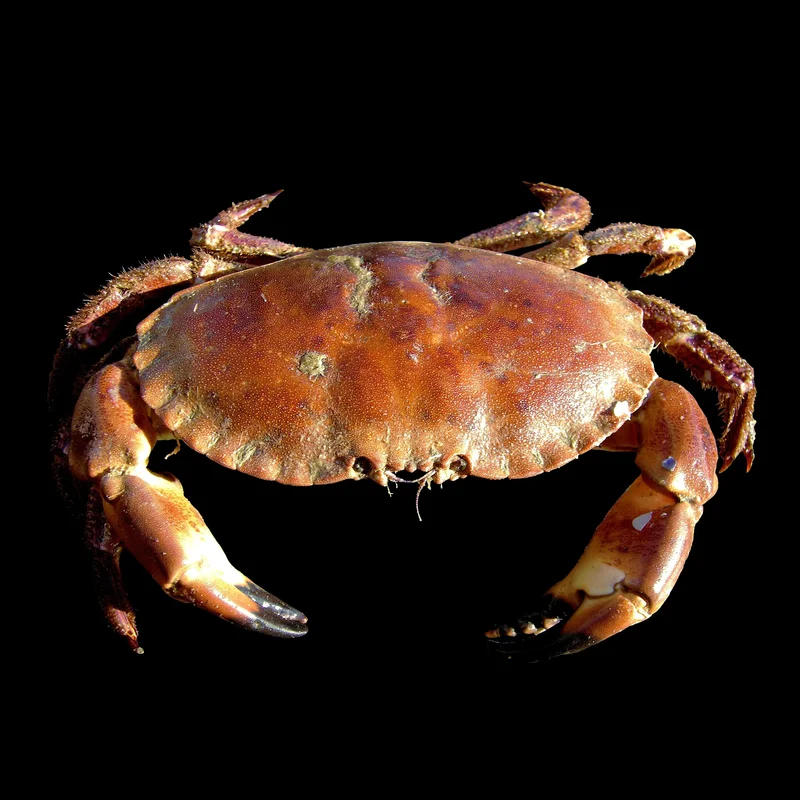
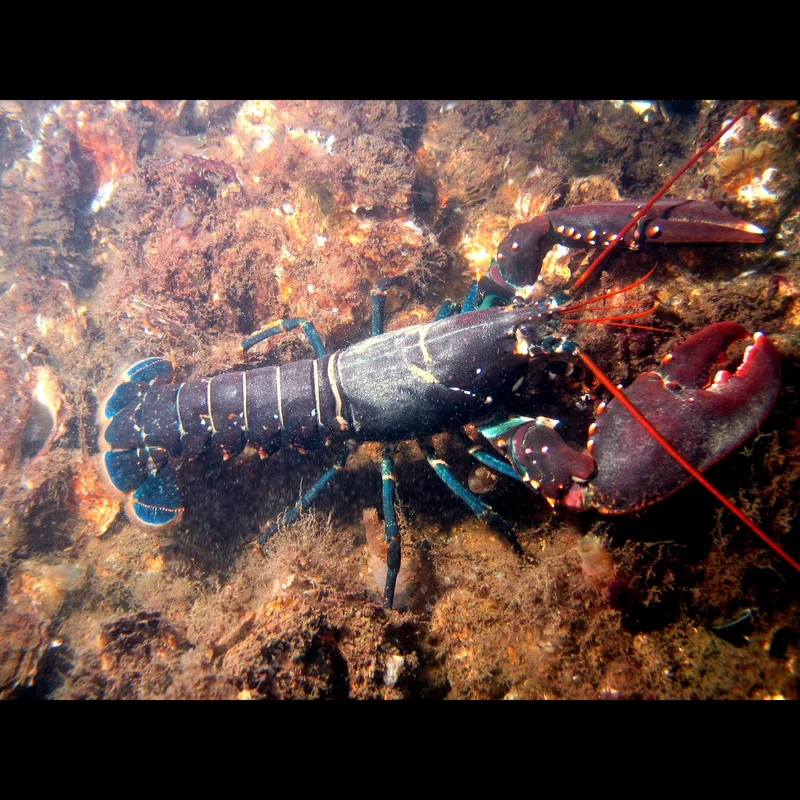
Depending on the substrate and depth, divers could spot smaller invertebrates like crabs and lobsters tucked into crevices. The ecosystem likely supports a variety of soft corals and sponges, contributing to the overall visual appeal.
Larger pelagic species are not consistently reported for this specific site, but the occasional passing school of fish could certainly be a highlight.
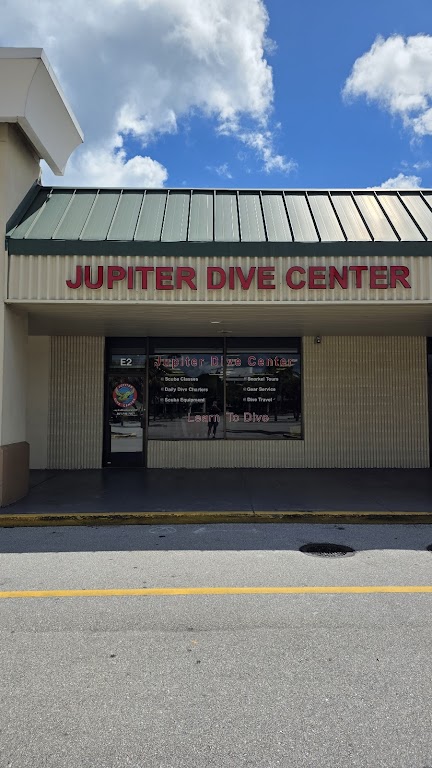
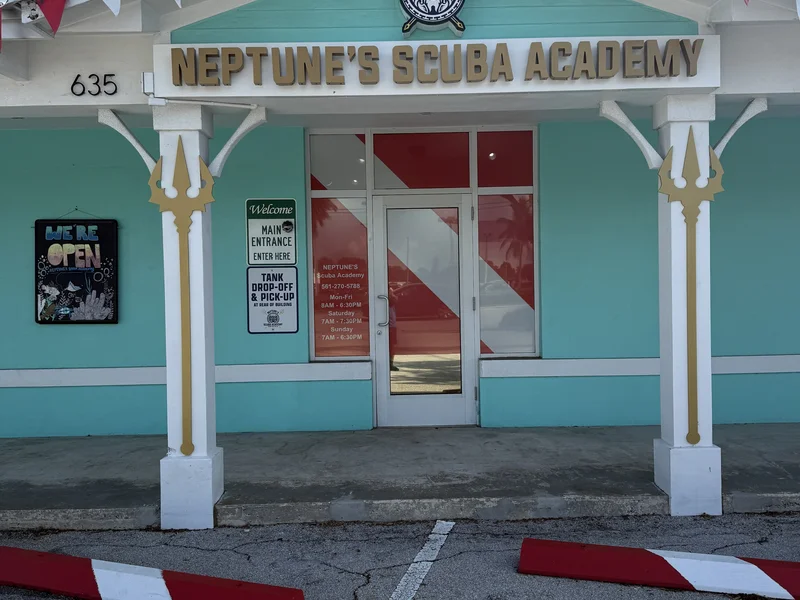
Dive Centers Near Bill Donaldson Reef
Today: 10:00 - 18:00
Nearest Airports
Nearest airports to help plan travel to this dive area.
Search Flights
Check available flights and routes on Expedia, using the nearby airports listed in this section.
Search Flights on Expedia
Plan Your Stay
Looking for a place to stay for your dive trip? Explore hotels, stays, and vacation rentals for dive groups near Sewall's Point.
Dive Navigator may earn a commission from these links at no extra cost to you.
Frequently Asked Questions
What is the typical depth range at Bill Donaldson Reef?
Specific depth ranges for Bill Donaldson Reef are not consistently reported. It's advisable to check with local dive operators for the most up-to-date information before planning your dive.
Are there strong currents at Bill Donaldson Reef?
Current conditions at Bill Donaldson Reef vary depending on local weather and tidal patterns. With limited specific data, divers should be prepared for potential currents and discuss anticipated conditions with their dive guide.
What kind of marine life can I expect to see?
While specific reports for Bill Donaldson Reef are not available, similar natural reefs in the region typically host various reef fish, some invertebrates, and a range of soft corals and sponges.
Is Bill Donaldson Reef suitable for beginner divers?
Given the limited detailed information on Bill Donaldson Reef, it's difficult to provide a definitive recommendation. Beginner divers should gain experience at well-documented sites first or consult a local instructor for guidance on less-charted locations.
Is drift diving common at this site?
Whether drift diving is common at Bill Donaldson Reef depends entirely on the prevailing currents on any given day. Always confirm current patterns with your dive operator and plan accordingly for a safe and enjoyable experience.
What are the visibility conditions like?
Visibility at Bill Donaldson Reef can fluctuate based on local weather, surge, and particulate matter in the water. Without consistent reporting, divers should anticipate conditions that can change and always maintain good buddy contact.
Planning to dive Bill Donaldson Reef?
Send one inquiry and receive offers directly from the best verified local dive operators.
Conditions are Good
Optimal conditions expected
Current conditions near Bill Donaldson Reef show 28° air, 30° sea temperature, 0.8 m waves, and 14 km/h wind. Forecast data is refreshed regularly to ensure accuracy.