
Diving at Bird Rock - Catalina Island (United States)
Bird Rock on Catalina Island typically presents calm underwater conditions, though divers should be aware that strong currents can sometimes develop. Its geological structure varies significantly, from expansive shallow rocky areas ideal for new divers to dramatic steep drop-offs and a notable arch formation appealing to advanced exploration. Access to this dive site is exclusively by boat, positioning it as a distinct experience for those seeking diverse depths and a serene underwater environment.
Tonight's objective overview for Bird Rock - Catalina Island shows an air temperature of 22°C. The measured surface conditions include wave heights around 0.9 m. This environmental data is logged for the close of the day.
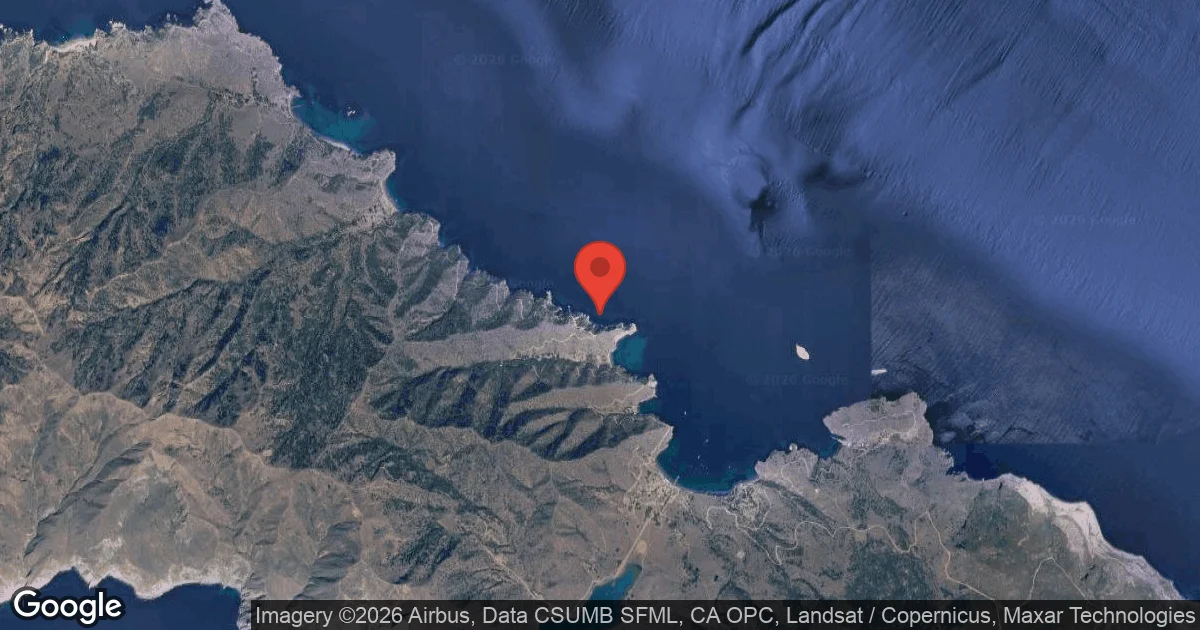
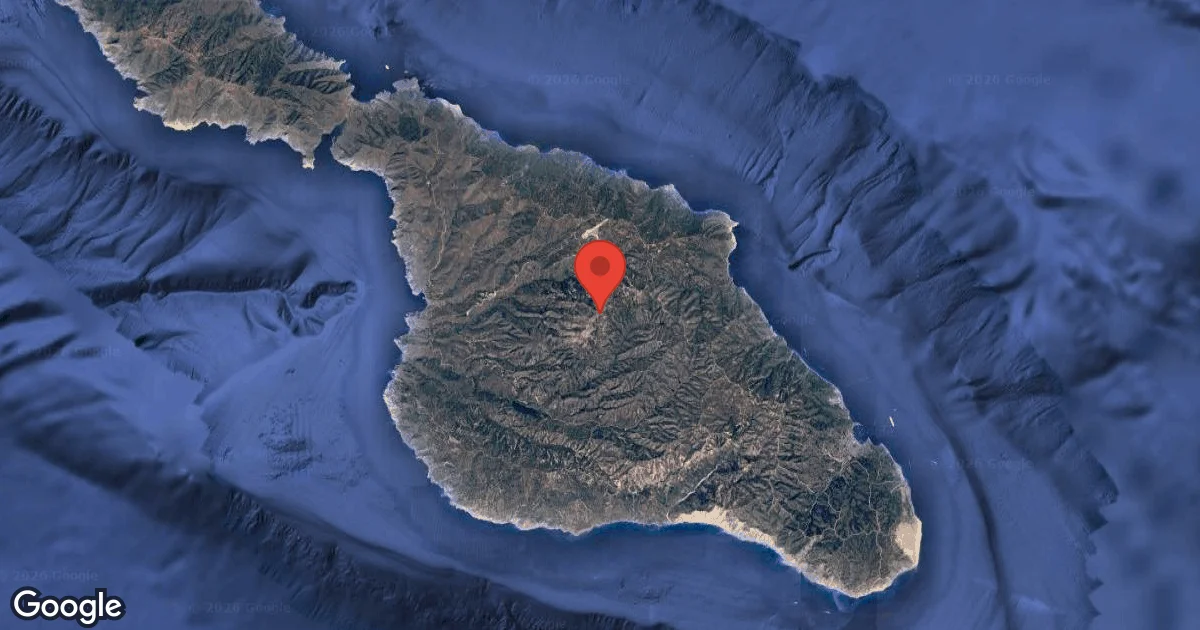
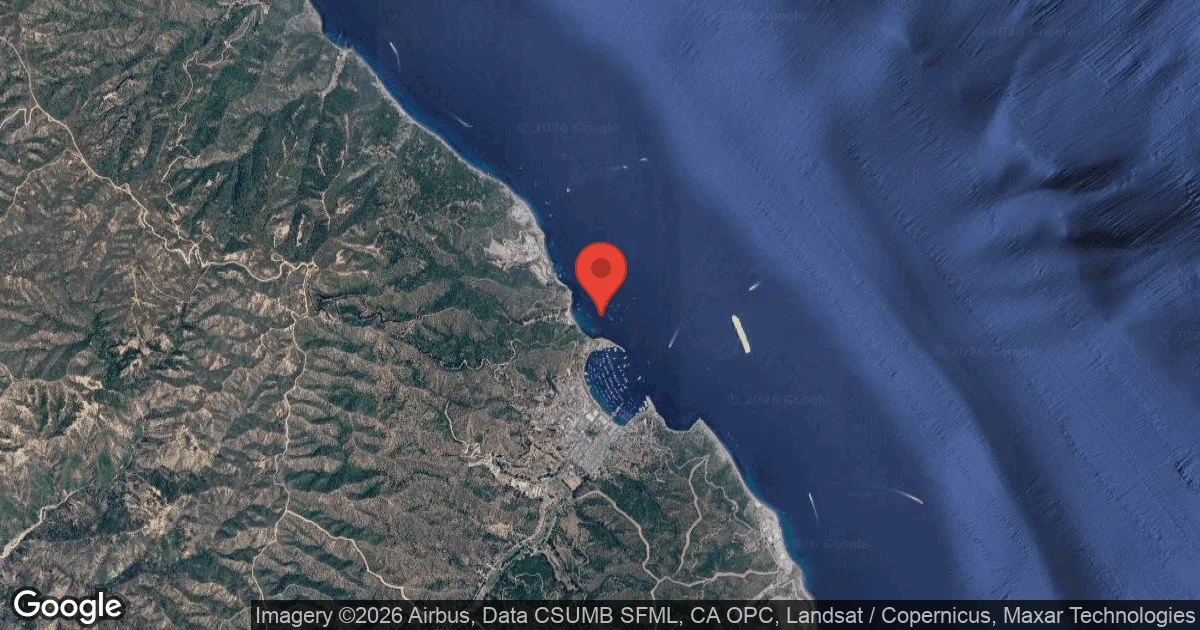
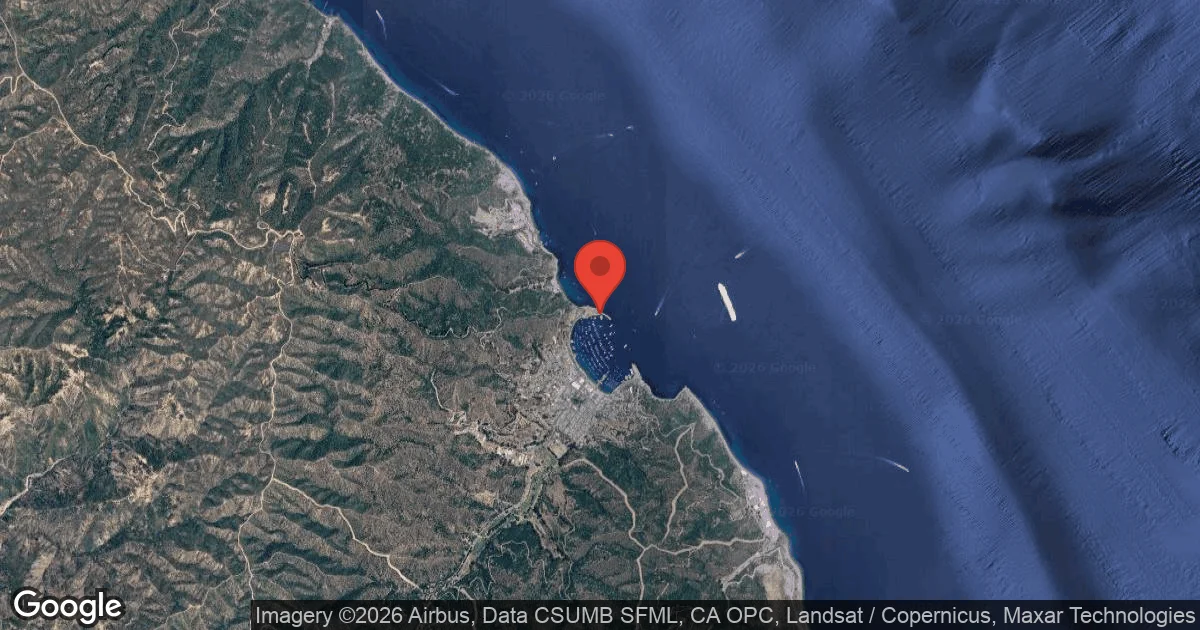
Dive Site Location & Key Facts
Dive Site Overview
Bird Rock distinguishes itself as a premier dive site on Catalina Island, appealing to a broad spectrum of divers with its unique underwater landscape. An intriguing mix of shallow rocky reefs, dramatic wall formations, and a notable underwater arch interweave with expansive kelp forests.
For newer divers and snorkelers, shallower areas provide a gentle entry into the marine environment. More experienced and technical divers can explore depths reaching up to approximately 70 m (230 ft), with some chart data suggesting a maximum depth of 76 m (250 ft) in the deeper channels, particularly on ambitious traverses like the one towards Ship Rock. These deeper sections often reveal spectacular rock formations.
Access to Bird Rock is exclusively via boat. While waters are generally clear and calm, planning dives for the morning is often recommended, as winds can pick up later in the day, potentially affecting surface conditions.
Diverse topography supports a vibrant ecosystem, making it a compelling destination for observing a variety of species within a dynamic environment.
Conditions are Good
Optimal conditions expected
Current conditions near Bird Rock - Catalina Island show 22° air, 22° sea temperature, 1.0 m waves, and 28 km/h wind. Forecast data is refreshed regularly to ensure accuracy.
Best Time to Dive
Favorable conditions for diving at Bird Rock typically extend throughout the year, with optimal periods often presenting warmer surface temperatures and very little rain. July through September usually offer the highest dive scores. During this peak time, average air temperatures are notably pleasant, ranging from approximately 19°C (66°F) in July to 20.5°C (69°F) in August and 20°C (68°F) in September. Rainfall is minimal, with July averaging only 0.01 mm. While summer and early fall are popular, the site remains accessible and enjoyable in cooler months. Even in winter, average air temperatures are around 14-15°C (57-59°F). Regardless of season, water conditions are frequently described as clear and calm. For the best experience, divers often plan morning excursions before potential afternoon winds begin to pick up.
PEAK SEASON SCORE
Scores combine air & water temps, waves, wind & rainfall for overall conditions.
BEST MONTHS TO DIVE
Monthly records compiled from satellite and marine observation nodes over the last 3 years. Data provided by Open-Meteo and MET Norway.
Dive Experience & Conditions
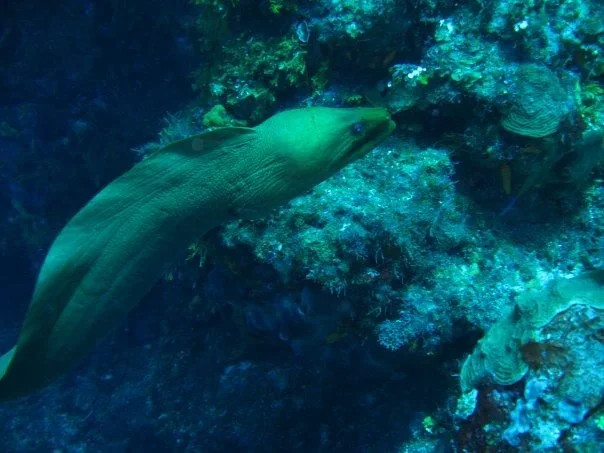
Descending into Bird Rock, divers often encounter an immediate sense of clarity and peacefulness. Underwater visibility here is typically superb, providing expansive views of the site's diverse structures. You'll move from gently sloping rocky shallows, suitable for buoyancy practice and leisurely snorkeling, into areas featuring steep drop-offs and impressive wall formations. A striking element might be dense kelp forests, which often create a sensation of diving through an illuminated underwater cathedral as sunlight filters through the green canopy. Within these kelp beds and along rocky substrates, life abounds. You might observe thousands of blue-banded gobies flitting across the reef or spot camouflaged forms of resident rockfish. Keep an eye out for moray eels often tucked into rocky crevices. While the site is generally characterized by calm conditions, localized currents may occasionally be present, so remaining observant of water movement is always prudent. A distinct arch offers a memorable architectural feature to explore.
Dive Difficulty & Safety Guidelines
For any dive at Bird Rock, prioritizing safety means being prepared for varying conditions. While typically calm, divers should remain vigilant for possible strong currents, especially around exposed areas; carrying a surface marker buoy (SMB) is always a smart practice. Given that Bird Rock is a boat-access-only site, establish clear communication and rendezvous procedures with your boat crew.
Exploration into the site's deeper sections, which can exceed 30 m (100 ft) and approach technical depths of 70 m (230 ft), requires appropriate advanced training and equipment. Consistently monitor prevailing sea conditions, especially wind patterns, which can shift throughout the day.
Opting for morning dives often helps avoid choppier surface conditions. Always perform thorough buddy checks and strictly adhere to your dive plan, considering your certification level and gas management.
Recommended Equipment
- Dive Computer
This gear list is based on verified equipment signals for Bird Rock - Catalina Island, United States. Always confirm final gear choices with your dive operator, guide, or liveaboard.
Recommended Dive Suit
According to recent observations, water temperatures near Bird Rock - Catalina Island are approximately 22°C (72°F). Surface air temperatures are resting at 22°C (71°F).
Weather projections show fairly stable environmental conditions ahead.
Most divers would typically feel comfortable using 3-5mm wetsuit in these conditions. Surface intervals may feel cooler. Dive depth and duration can significantly affect perceived warmth.
Emergency & Medical Support
Essential information to help you plan your dive trip to Bird Rock - Catalina Island.

Hyperbaric chambers are a critical part of dive safety infrastructure. Availability varies significantly by region, and not all dive areas have immediate access.
Before diving, it's recommended to:
- confirm nearest medical facilities
- check emergency procedures with local dive operators
- ensure dive insurance covers evacuation if required
Divers Alert Network
Diving emergency assistance available through DAN World.
+1-919-684-9111- 24/7 emergency hotline
- Diving medical assistance
- Evacuation coordination
Emergency contacts are provided for reference. Always verify local emergency services before diving.
Marine Life at Bird Rock - Catalina Island
Bird Rock's marine environment is characterized by a vibrant array of species, particularly within its impressive kelp forests and rocky reef structures. Divers are consistently treated to sightings of thousands of blue-banded gobies, which carpet the reef with their active movements and striking coloration.
Many resident rockfish call this site home, often subtly blending into crevices and ledges. Keep an eye out for painted greenlings navigating the substrate and moray eels peeking from their sheltered spots.
Occasionally, observant divers might even spot the rare abalone. Dense kelp beds themselves contribute significantly to the site's rich biodiversity, attracting and sheltering a multitude of smaller organisms.

Dive Sites Near Bird Rock - Catalina Island
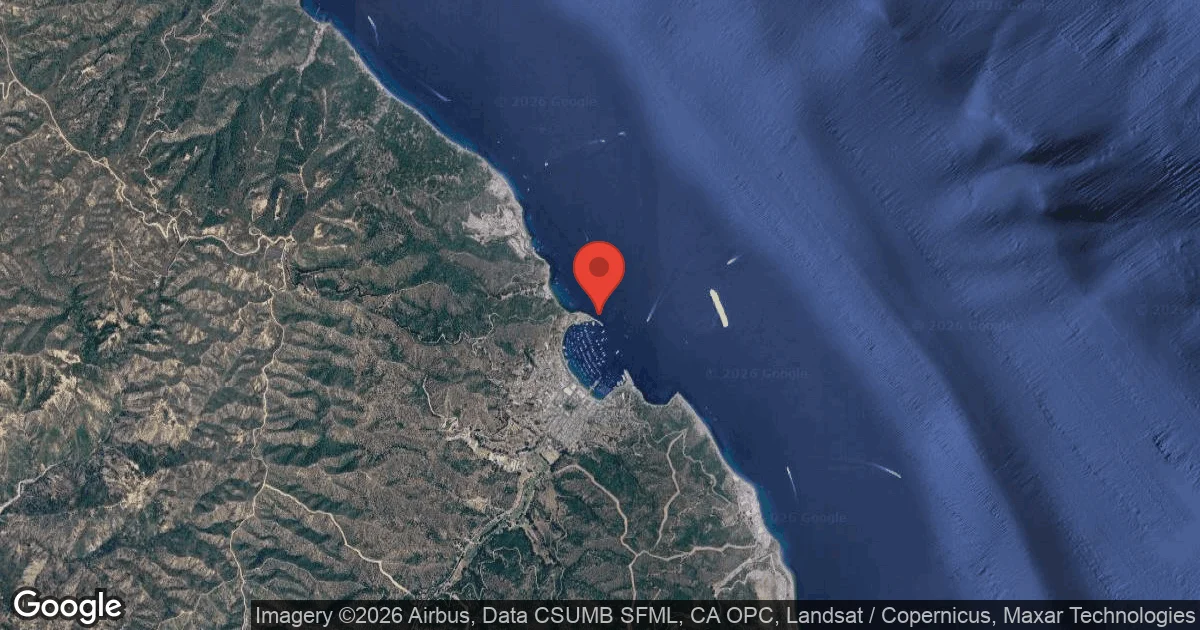
View all dive sites in United StatesDiscover more underwater gems in this area.
Dive Centers Near Bird Rock - Catalina Island
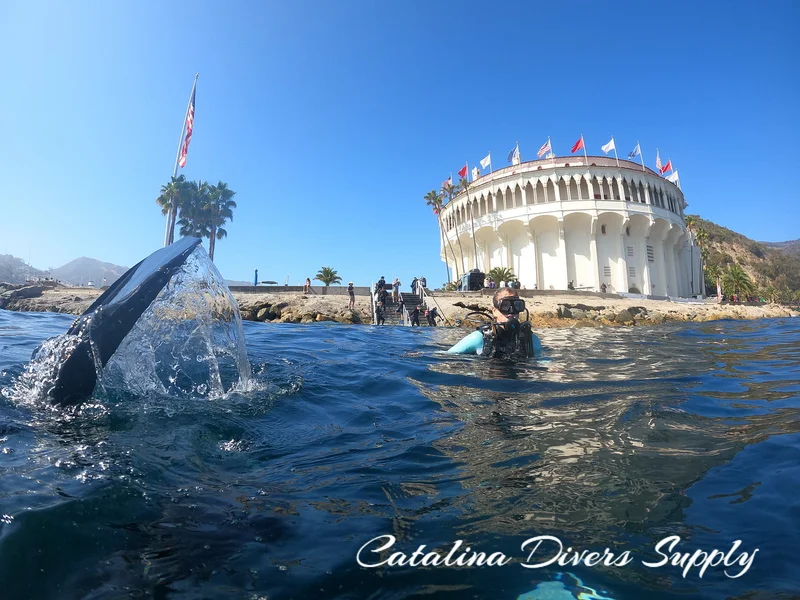
Today: 08:00 - 16:00
Nearest Airports
Nearest airports to help plan travel to this dive area.
Search Flights
Check available flights and routes on Expedia, using the nearby airports listed in this section.
Search Flights on Expedia
Plan Your Stay
Looking for a place to stay for your dive trip? Explore hotels, stays, and vacation rentals for dive groups near Avalon.
Dive Navigator may earn a commission from these links at no extra cost to you.
Frequently Asked Questions
Is Bird Rock accessible to all diver skill levels?
Yes, Bird Rock accommodates a wide range of certifications. Shallow rocky areas are ideal for new divers and snorkelers, while deeper drop-offs and walls challenge advanced and technical divers.
How do divers access Bird Rock?
Access to Bird Rock is exclusively by boat. Divers typically arrange private boat charters or join organized dive trips from Catalina Island or the mainland.
Are strong currents common at Bird Rock?
While the water is generally reported as calm and without current, strong currents can occasionally occur. Divers should be prepared and monitor conditions, especially around exposed points.
What is the typical visibility like at Bird Rock?
Bird Rock is known for its excellent visibility. The water is nearly always clear, offering great viewing opportunities of the diverse marine life and geological features.
What marine life can I expect to see?
The site is home to thousands of blue-banded gobies, resident rockfish, painted greenlings, and moray eels. You'll also explore extensive kelp forests, which serve as a habitat for many smaller creatures.
What depths can be explored at Bird Rock?
Depths range from shallow rocky reefs suitable for snorkeling, down to steep drop-offs. Technical divers can explore areas reaching 70 m (230 ft), with some charts indicating even deeper sections.
Is Bird Rock part of a larger traverse or dive plan?
Yes, for technical divers, Bird Rock can be part of an ambitious traverse to Ship Rock. This involves significant underwater distance and depth, requiring specialized planning and equipment.
Planning to dive Bird Rock - Catalina Island?
Send one inquiry and receive offers directly from the best verified local dive operators.
Conditions are Good
Optimal conditions expected
Current conditions near Bird Rock - Catalina Island show 22° air, 22° sea temperature, 1.0 m waves, and 28 km/h wind. Forecast data is refreshed regularly to ensure accuracy.