
Diving at Catalina Island (United States)
For divers exploring Southern California's underwater environments, Catalina Island provides accessible experiences catering to all certification levels. Its defining giant kelp forests create an otherworldly setting, attracting both novice and seasoned enthusiasts. Whether seeking shore entries or deeper drift dives, the island presents varied opportunities. Expect to navigate conditions from calmer protected areas to sites with notable currents.
Current morning readings from Catalina Island indicate an air temperature of 19.5°C. Surface wave heights are averaging around 0.9 m at this time. These local measurements provide a baseline for your daily dive planning.
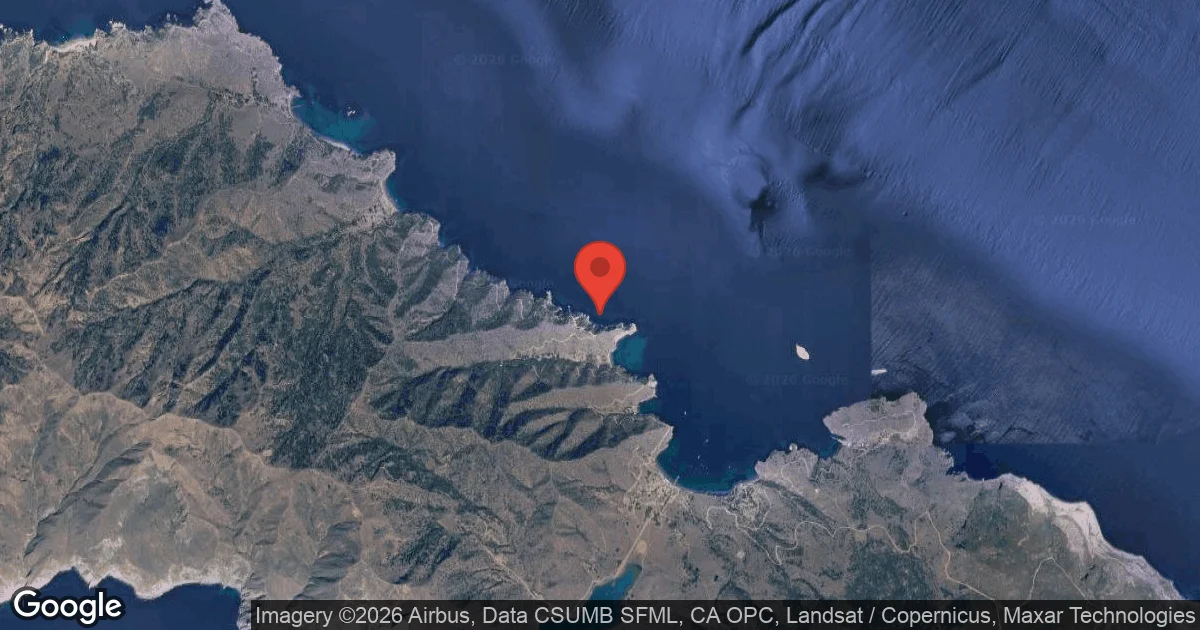
Dive Site Location & Key Facts
Dive Site Overview
Catalina Island has long been a cornerstone of Southern California's diving scene, evolving into a highly regarded destination due to its unique accessibility and rich underwater topography. Over decades, divers have been drawn to the island's extensive giant kelp forests, which often reach up to 20 m (65 ft) from the seafloor, forming lush, vibrant ecosystems.
This sustained appeal is supported by a variety of dive sites, ranging from tranquil shore entries like Casino Point Dive Park to challenging ocean dives such as Little Farnsworth. A memorial plaque dedicated to Jacques Cousteau at 12 m (40 ft) in Casino Point further anchors its place in dive history. Regularly scheduled ferry services from Dana Point, San Pedro, Long Beach, and Newport Beach have solidified its reputation as an easily reachable island getaway, typically a one-hour journey.
While many visit for day trips, the option to stay in towns like Avalon or Two Harbors allows for extended exploration. The island's underwater environment supports a wide array of marine species, contributing to its enduring popularity for underwater photography and exploration.
Conditions are Good
Optimal conditions expected
Current conditions near Catalina Island show 20° air, 23° sea temperature, 1.0 m waves, and 28 km/h wind. Forecast data is refreshed regularly to ensure accuracy.
Best Time to Dive
Optimizing your Catalina Island dive experience often depends on your preference for water temperature and visibility. Peak scuba diving season typically runs from mid-July to late September, when the water is warmest, averaging in the mid-70s F (around 24°C). During these months, air temperatures also reach their highest, around 16-17°C (61-63°F), with minimal rain (below 1 mm) and generally calmer waves (around 0.9-1.0 m). For divers prioritizing visibility, the months of September, October, and November usually offer the clearest conditions, often reaching 15-18 m (50-60 ft). While the yearly average visibility often hovers around 12 meters, roughly 40 feet, it can drop to about 6 meters, which is 20 feet, in summer due to phytoplankton blooms. Diving is possible year-round; however, winter months see water temperatures drop to the mid-50s F (around 13°C), with average air temperatures closer to 11-12°C (52-54°F) and slightly higher rainfall (up to 3 mm). Preparing for cold water diving with appropriate exposure protection is crucial during the cooler season.
PEAK SEASON SCORE
Scores combine air & water temps, waves, wind & rainfall for overall conditions.
BEST MONTHS TO DIVE
Monthly records compiled from satellite and marine observation nodes over the last 3 years. Data provided by Open-Meteo and MET Norway.
Dive Experience & Conditions
As divers descend into Catalina's waters, they often first encounter the towering giant kelp forests, creating an impressive vertical landscape. Visibility typically ranges from 9-30 m (30-100 ft), though it averages around 12 meters, approximately 40 feet, and can be less during summer months due to plankton. Water temperatures vary significantly, from the mid-50s F (approximately 13°C) in winter to the mid-70s F (around 24°C) during peak summer. While many sites offer calm conditions, particularly in protected coves, divers should prepare for occasional strong currents, especially at exposed sites like Little Farnsworth. The underwater terrain features diverse structures, including sandy bottoms, rock reefs, and deep walls, accommodating various dive profiles. Exploring deeper sections may reveal different marine life or more advanced technical challenges.
Dive Difficulty & Safety Guidelines
Approaching Catalina Island dives requires an understanding of its varied conditions and careful planning. While many sites are suitable for Open Water Divers, some deeper areas or those with significant currents, such as Little Farnsworth, are better suited for advanced certifications.
Given the potential for occasional strong currents, especially on exposed dive sites, prudent divers should assess conditions before entry and consider hiring a local dive guide if unfamiliar with the area. Cold water diving preparation is also essential; even during warmer months, many divers opt for a 7mm wetsuit or drysuit.
Always ensure your equipment is well-maintained and suited for cooler temperatures and potential depth requirements. Staying aware of your dive plan and buddy procedures is critical for a safe experience.
Recommended Equipment
- Dive Computer
This gear list is based on verified equipment signals for Catalina Island, United States. Always confirm final gear choices with your dive operator, guide, or liveaboard.
Recommended Dive Suit
For divers planning standard recreational dives, 3-5mm wetsuit is usually a suitable option. Surface intervals may feel cooler. Divers vary widely in how quickly they feel cold underwater.
The waters surrounding Catalina Island are currently maintaining temperatures close to 23°C (73°F). Surface air temperatures are resting at 20°C (67°F).
The forecast outlook suggests that temperatures will stay close to current levels.
Emergency & Medical Support
Essential information to help you plan your dive trip to Catalina Island.

Hyperbaric chambers are a critical part of dive safety infrastructure. Availability varies significantly by region, and not all dive areas have immediate access.
Before diving, it's recommended to:
- confirm nearest medical facilities
- check emergency procedures with local dive operators
- ensure dive insurance covers evacuation if required
Divers Alert Network
Diving emergency assistance available through DAN World.
+1-919-684-9111- 24/7 emergency hotline
- Diving medical assistance
- Evacuation coordination
Emergency contacts are provided for reference. Always verify local emergency services before diving.
Marine Life at Catalina Island
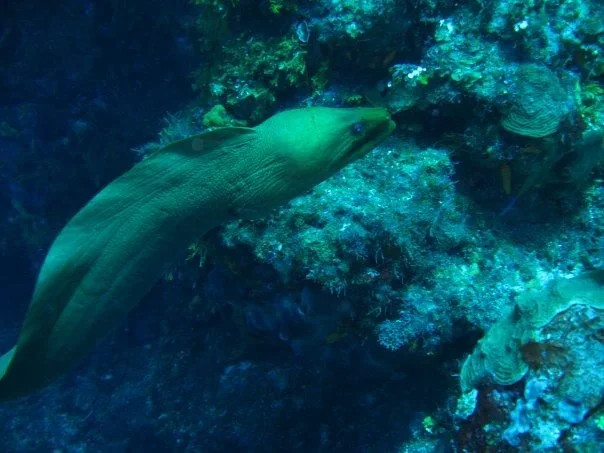
Entering the kelp forests, divers are often immediately greeted by bright orange Garibaldi and vibrant Sheephead, active among the swaying fronds. Deeper within the crevices, octopus and moray eels may be spotted, while mantis shrimp burrow in the substrate.
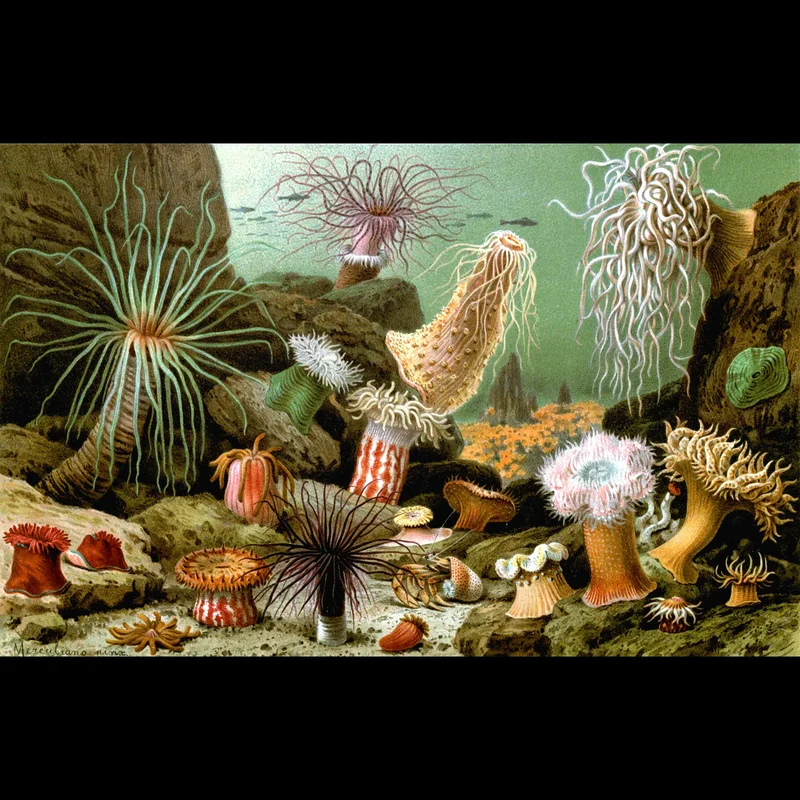
Around the reefs, sea fans and anemones add splashes of color. Keep an eye out for various shark species, including horn, angel, and leopard sharks, cruising the habitat.
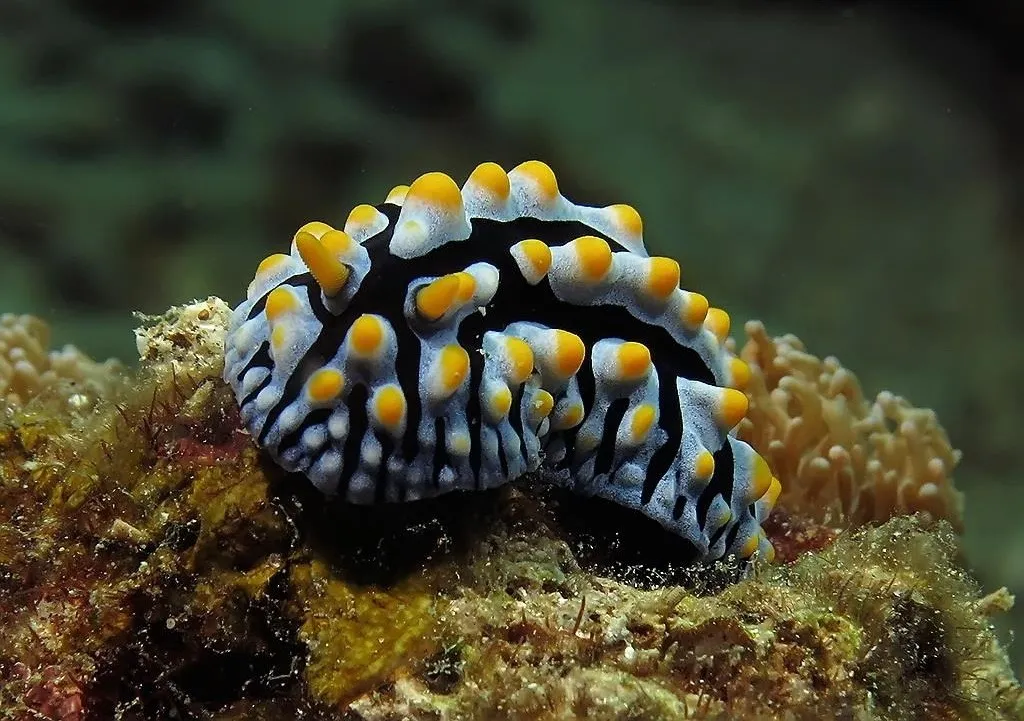
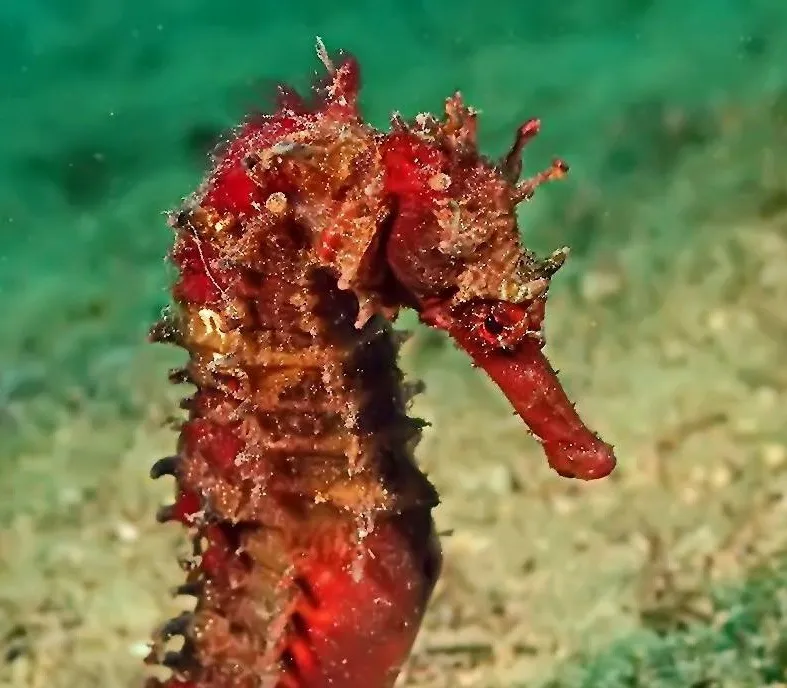
Larger marine mammals like harbor seals, California sea lions, and even dolphins can make appearances, adding another layer to the island's diverse ecosystem. Pacific seahorses, nudibranchs, and other crustaceans provide ample macro photography opportunities.

Dive Sites Near Catalina Island
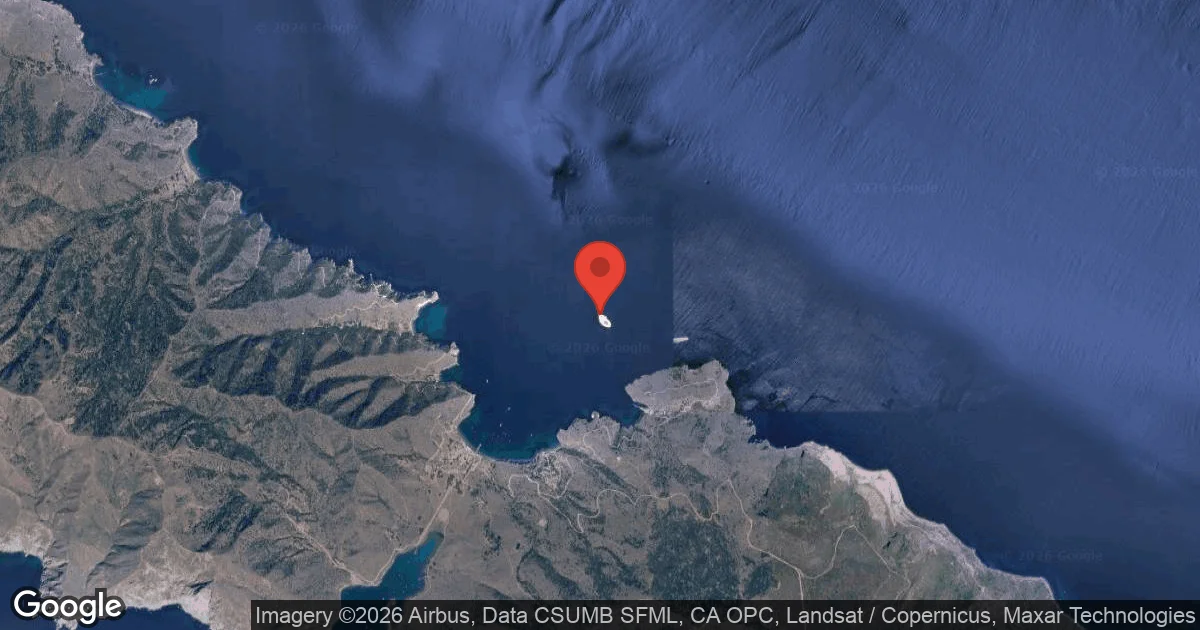
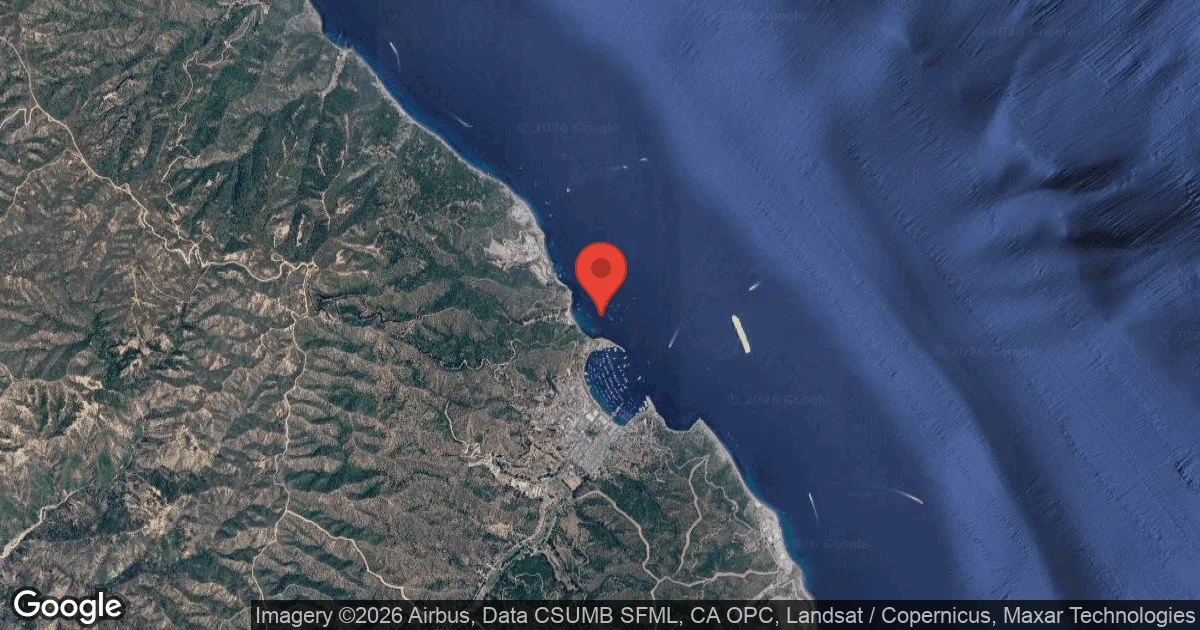
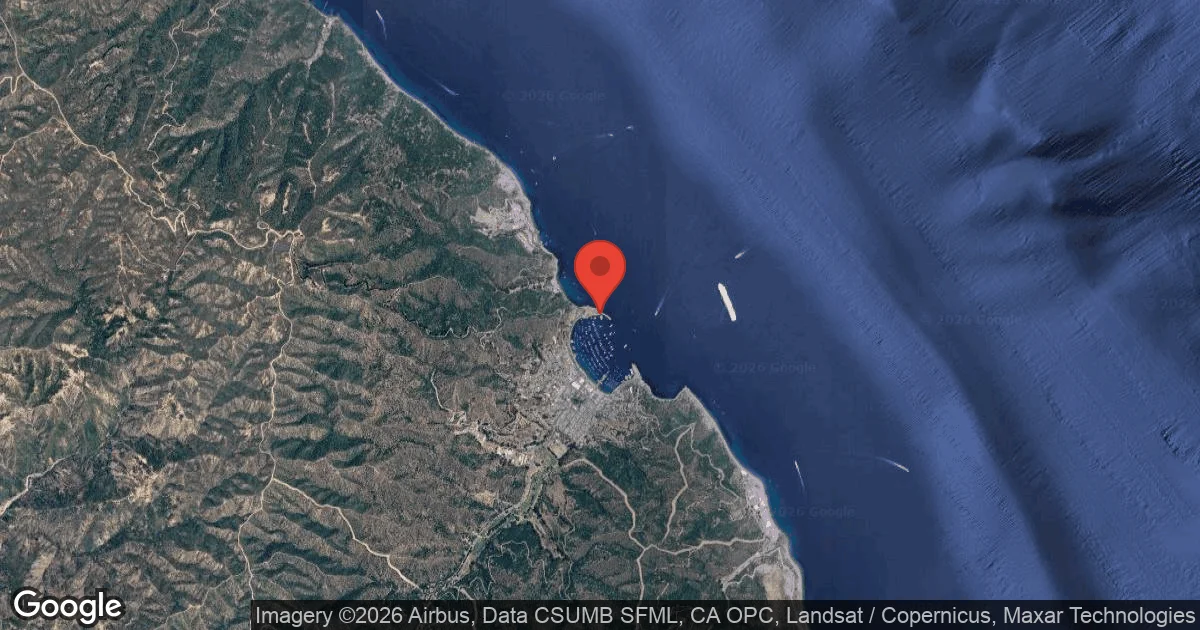
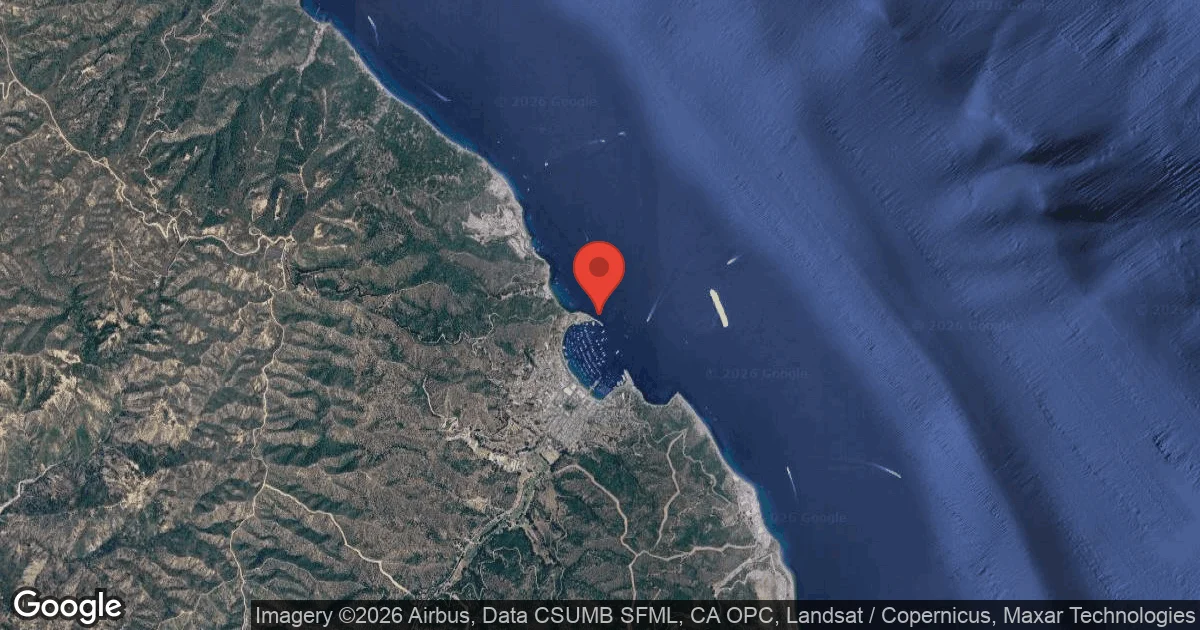
View all dive sites in United StatesDiscover more underwater gems in this area.
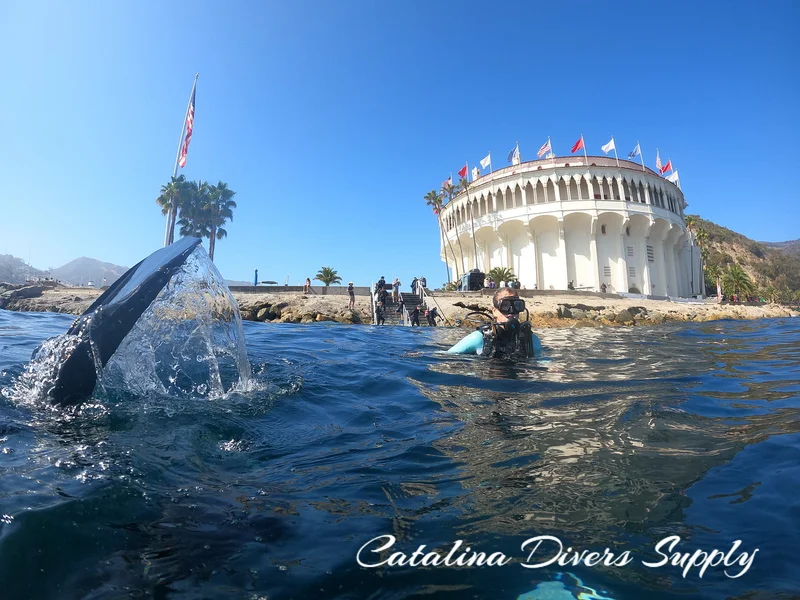
Dive Centers Near Catalina Island
Today: 08:00 - 16:00
Nearest Airports
Nearest airports to help plan travel to this dive area.
Search Flights
Check available flights and routes on Expedia, using the nearby airports listed in this section.
Search Flights on Expedia
Plan Your Stay
Looking for a place to stay for your dive trip? Explore hotels, stays, and vacation rentals for dive groups near Avalon.
Dive Navigator may earn a commission from these links at no extra cost to you.
Frequently Asked Questions
Are there sharks in the waters around Catalina Island?
While rare, it's possible to see sharks when diving Catalina Island. Divers occasionally encounter blue sharks, makos, horn, angel, and swell sharks. White shark sightings are reported but are uncommon.
What is the typical visibility when diving Catalina Island?
Visibility generally sits around 12 meters, which is approximately 40 feet. It can vary significantly, ranging from shallower conditions to much greater depths depending on current and plankton. The clearest conditions, offering extended sightlines, are typically observed from September to November.
Is a wetsuit necessary for diving Catalina Island?
Yes, adequate exposure protection is essential. While some may find a 5mm wetsuit sufficient in summer, most divers will be more comfortable in a 7mm wetsuit or a drysuit, given the water temperatures that can drop to the mid-50s F (around 13°C) in winter.
Can I snorkel around Catalina Island?
Yes, Catalina Island offers several excellent snorkeling locations. You can bring your own gear or rent it on the island; popular spots include areas around Two Harbors and Casino Point Dive Park. Guided snorkeling tours are also available.
How do I get to Catalina Island for diving?
Regularly scheduled ferry services depart from Southern Californian cities such as Dana Point, San Pedro, Long Beach, and Newport Beach. The journey to Avalon or Two Harbors typically takes about an hour.
Is it worthwhile to stay overnight on Catalina Island?
Most visitors take day trips, but staying overnight allows for more extensive exploration of the island before or after diving. Avalon and Two Harbors are the main towns offering accommodation options.
What are some of the key dive sites around Catalina Island?
Casino Point Dive Park is a popular shore entry site with points of interest at various depths, including a wreck. For more advanced divers, Little Farnsworth features deep drop-offs and walls, often with significant currents. Blue Cavern Point is also a notable drift dive within a controlled nature preserve.
Planning to dive Catalina Island?
Send one inquiry and receive offers directly from the best verified local dive operators.
Conditions are Good
Optimal conditions expected
Current conditions near Catalina Island show 20° air, 23° sea temperature, 1.0 m waves, and 28 km/h wind. Forecast data is refreshed regularly to ensure accuracy.