
Diving at Blanda's Reef Rock (United States)
Venturing into the underwater realm of Blanda's Reef Rock reveals a typical vibrant coral ecosystem within the Florida Keys, inviting divers to explore its intricate structure. The site exemplifies natural reef formations common to the region, offering a glimpse into its resident marine life. A classic reef dive awaits, suitable for varied experience levels.
As evening covers Blanda's Reef Rock, the local air temperature is measured at 27.5°C. The current wave height at the surface is recorded at 0.7 m. These late-day readings characterize the surface conditions for the night.
Dive Site Location & Key Facts
Dive Site Overview
Approaching Blanda's Reef Rock, divers discover a foundational limestone structure characteristic of the Florida Keys outer reefs. The formation likely presents a varied profile, including shallower crests suitable for new divers, descending gradually to deeper ledges and sand channels.
Recreational depths typically range from around 6 m (20 ft) down to 30 m (100 ft), supporting diverse coral growth and providing shelter for marine life. While specific details on distinct caves or dramatic drop-offs are not consistently reported for this particular rock, its general reef topography offers plenty of nooks and crannies to investigate. It functions as a habitat for a variety of reef fish and invertebrate species, making it a representative example of the local underwater environment. Prevailing ocean dynamics of the Florida Keys shape this site's character.
Conditions are Good
Optimal conditions expected
Current conditions near Blanda's Reef Rock show 28° air, 31° sea temperature, 0.3 m waves, and 22 km/h wind. Forecast data is refreshed regularly to ensure accuracy.
Best Time to Dive
Favorable diving conditions prevail at Blanda's Reef Rock throughout much of the year, with a notable summer peak. July typically presents excellent scores for diving, marked by the lowest average wave heights of 0.4 m (1.3 ft) and light winds around 20.76 km/h (12.9 mph), alongside warm air temperatures averaging 29°C (84°F). While winter months see slightly cooler air temperatures, such as January at 17.5°C (64°F), conditions remain quite pleasant. From November through April, divers often find good scores, with average wave heights ranging from 0.8 m (2.6 ft) to 1.0 m (3.3 ft), and wind speeds between 26.91 km/h (16.7 mph) and 30.49 km/h (18.9 mph). Rainfall during these months remains relatively low, often below 2.5 mm, ensuring clear surface conditions. Calmer conditions for surface intervals and visibility are typically found during the summer, particularly in July.
PEAK SEASON SCORE
Scores combine air & water temps, waves, wind & rainfall for overall conditions.
BEST MONTHS TO DIVE
Monthly records compiled from satellite and marine observation nodes over the last 3 years. Data provided by Open-Meteo and MET Norway.
Dive Experience & Conditions
Entering the water at Blanda's Reef Rock typically involves mild to moderate conditions, suitable for a range of certified divers. Water temperatures remain comfortably warm, generally fluctuating between 22-27°C (72-81°F) throughout the year. Visibility varies depending on local weather patterns and currents, but is often good, characteristic of Florida Keys reefs, often exceeding 15 m (50 ft) on calm days. Strong currents are not consistently reported as a primary feature, though local conditions can always introduce some flow, requiring divers to remain aware of their positioning relative to the boat. Natural reef structure means boat entry and exit are standard, with careful attention to any surface chop or light surge. Divers should expect typical reef diving, with opportunities to navigate around coral formations.
Dive Difficulty & Safety Guidelines
While no specific hazards are consistently reported for Blanda's Reef Rock, divers should always adhere to general safety protocols for reef environments. Maintaining proper buoyancy control is crucial to protect delicate coral structures and prevent accidental contact, especially in shallower sections. It's advisable to carry a dive knife or cutting tool, particularly when diving near potential entanglement points, though these are not prominent features here.
Always dive within your certification limits and plan dives considering air consumption, no-decompression limits, and buddy separation procedures. Respecting marine life by observing from a distance and avoiding touching any organisms is also a core guideline to preserve this natural habitat.
Recommended Equipment
- Dive Computer
This gear list is based on verified equipment signals for Blanda's Reef Rock, United States. Always confirm final gear choices with your dive operator, guide, or liveaboard.
Recommended Dive Suit
Dive skin or rash guard is often considered an appropriate level of exposure protection for conditions like these. Consider warmer surface protection (like a boat coat) due to brisk winds.
Divers entering the water at Blanda's Reef Rock today can expect temperatures near 31°C (89°F) beneath the surface. Surface air temperatures are resting at 28°C (82°F).
The forecast outlook suggests that temperatures will stay close to current levels.
Due to technical issues with our weather providers, live updates are temporarily delayed. The data above reflects the conditions at the time of the last successful fetch.
Emergency & Medical Support
Essential information to help you plan your dive trip to Blanda's Reef Rock.

Hyperbaric chambers are a critical part of dive safety infrastructure. Availability varies significantly by region, and not all dive areas have immediate access.
Before diving, it's recommended to:
- confirm nearest medical facilities
- check emergency procedures with local dive operators
- ensure dive insurance covers evacuation if required
Divers Alert Network
Diving emergency assistance available through DAN World.
+1-919-684-9111- 24/7 emergency hotline
- Diving medical assistance
- Evacuation coordination
Emergency contacts are provided for reference. Always verify local emergency services before diving.
Marine Life at Blanda's Reef Rock
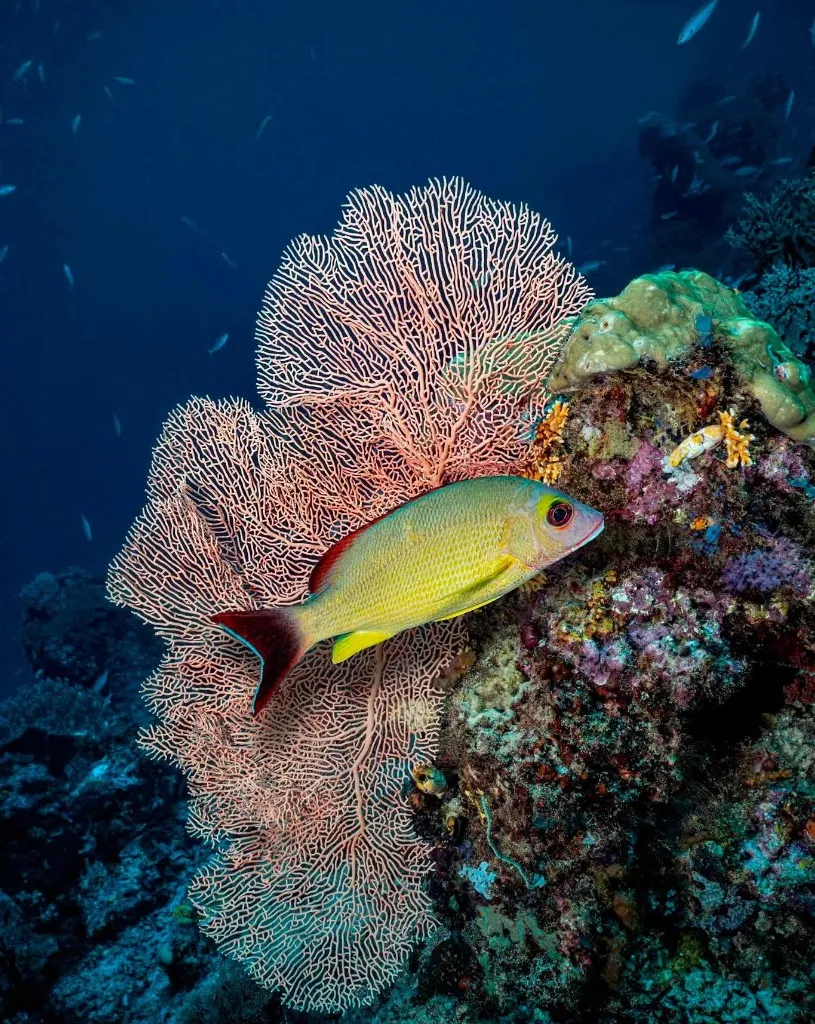
Blanda's Reef Rock's underwater landscape supports a range of typical Florida Keys marine life. Divers might encounter various species of hard and soft corals forming the reef's structure.
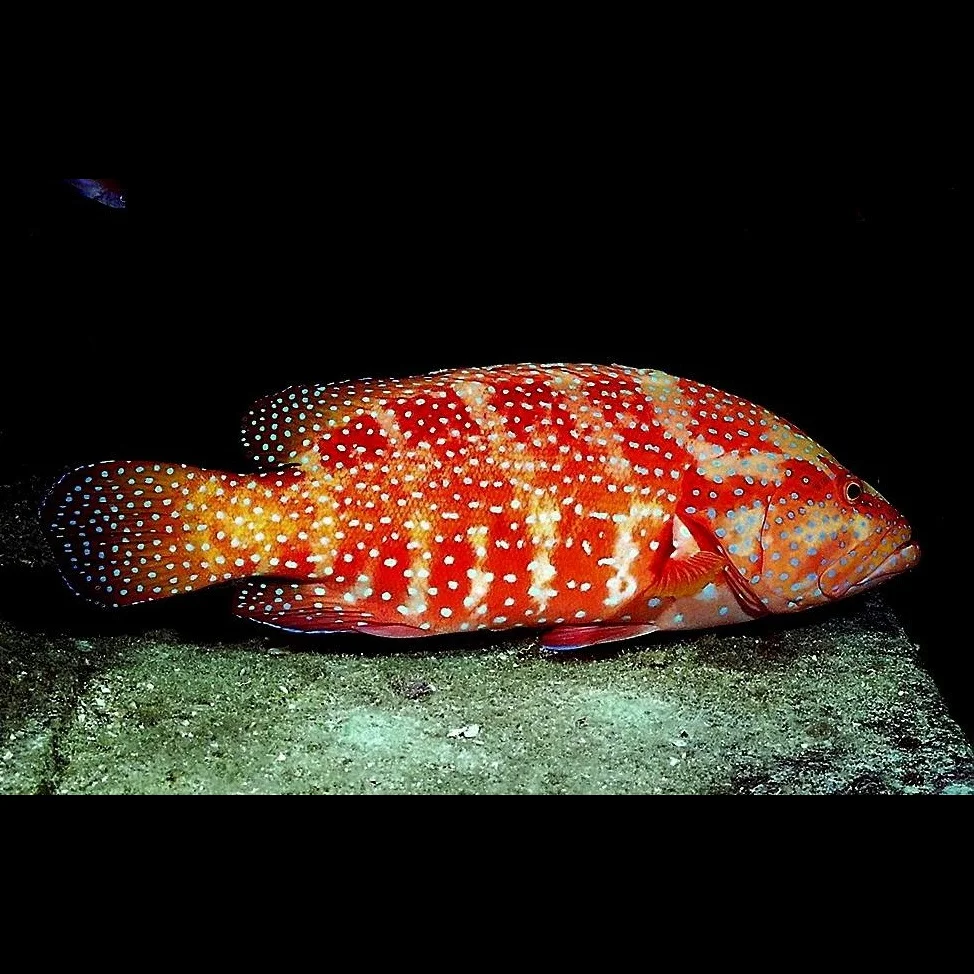
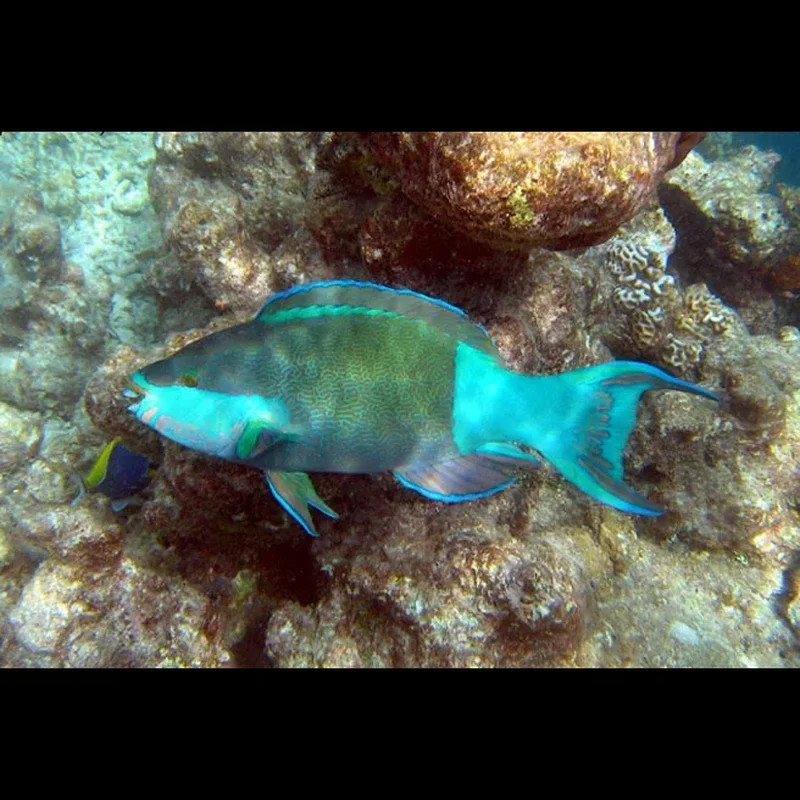
Look for schools of tropical fish moving through coral heads, alongside parrotfish grazing on algae along the reef. Encounters with larger reef fish, such as groupers or snapper, are possible as they patrol deeper sections.
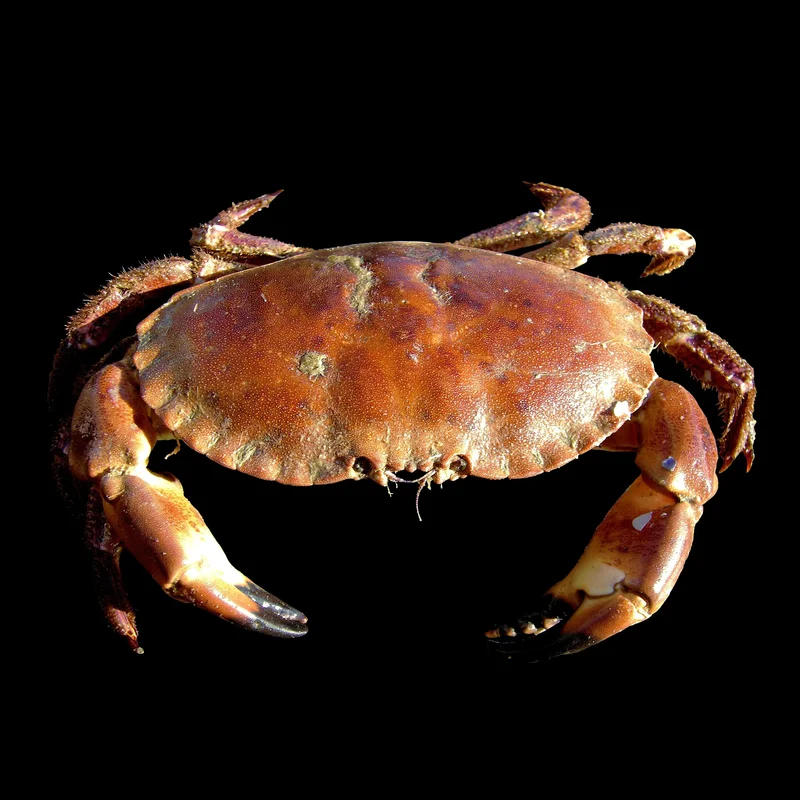
Smaller creatures like crabs, shrimp, and blennies often hide within the reef, rewarding patient observers.
Dive Centers Near Blanda's Reef Rock
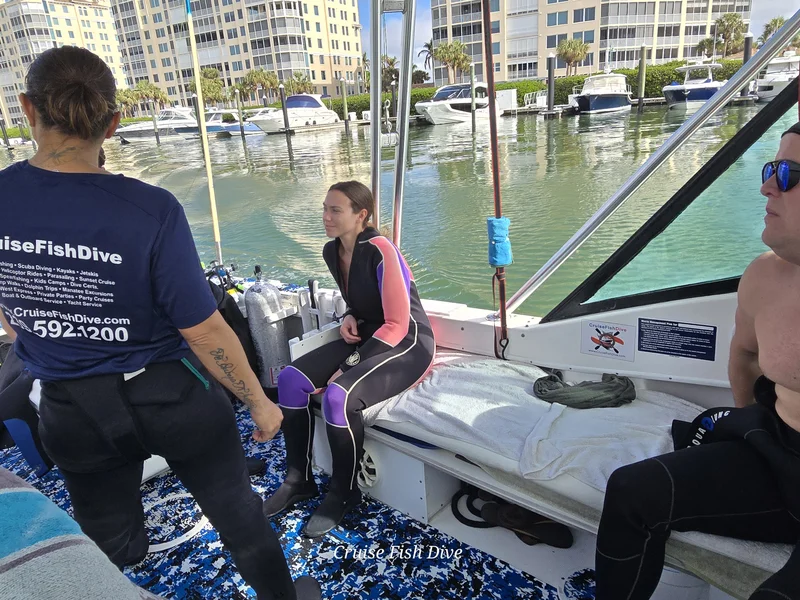
Today: 11:00 - 17:00

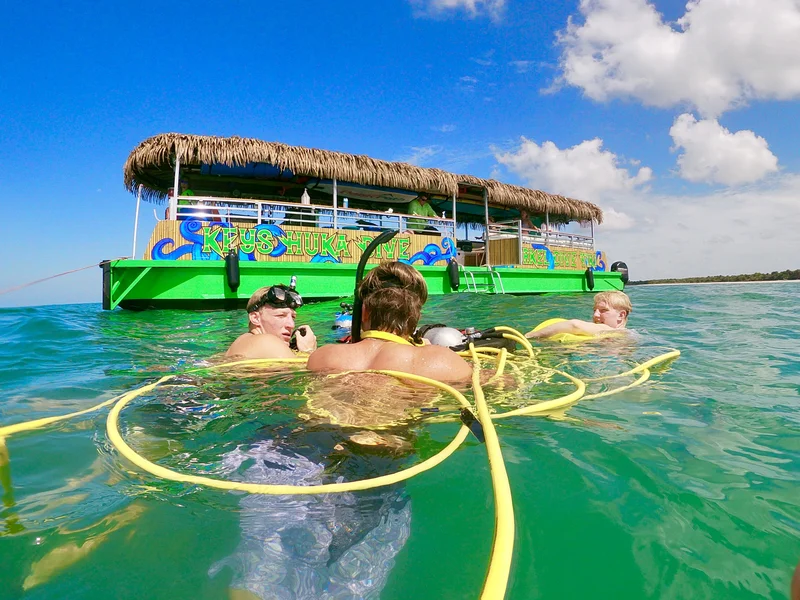
Nearest Airports
Nearest airports to help plan travel to this dive area.
Search Flights
Check available flights and routes on Expedia, using the nearby airports listed in this section.
Search Flights on Expedia
Plan Your Stay
Looking for a place to stay for your dive trip? Explore hotels, stays, and vacation rentals for dive groups near Captiva.
Dive Navigator may earn a commission from these links at no extra cost to you.
Frequently Asked Questions
What is the typical depth range at Blanda's Reef Rock?
Generally, the site offers recreational depths, with shallower areas starting around 6 m (20 ft) and sloping down to approximately 30 m (100 ft). It is suitable for divers of various experience levels.
What are the water temperatures like at Blanda's Reef Rock?
Water temperatures are consistently warm throughout the year, typically ranging between 22-27°C (72-81°F). Such conditions allow for comfortable diving with minimal thermal protection needed.
What kind of marine life can be seen at Blanda's Reef Rock?
Divers commonly observe typical Florida Keys reef inhabitants, including a variety of hard and soft corals, schools of tropical fish, parrotfish, groupers, and snapper. Patient observers may spot smaller invertebrates such as crabs and shrimp.
Are there strong currents at the site?
Strong currents are not consistently reported as a primary feature. Conditions typically range from mild to moderate, but as with any ocean dive, local weather patterns can influence water movement.
Is Blanda's Reef Rock suitable for beginner divers?
Yes, Blanda's Reef Rock is generally suitable for beginner divers, especially in its shallower sections. Such areas offer good opportunities to practice skills while enjoying the reef environment.
How is the visibility at Blanda's Reef Rock?
Visibility at the site is generally good, often reflecting clear waters of the Florida Keys. However, it can vary based on weather conditions, recent rainfall, and localized currents.
Planning to dive Blanda's Reef Rock?
Send one inquiry and receive offers directly from the best verified local dive operators.
Conditions are Good
Optimal conditions expected
Current conditions near Blanda's Reef Rock show 28° air, 31° sea temperature, 0.3 m waves, and 22 km/h wind. Forecast data is refreshed regularly to ensure accuracy.