
Diving at Car Float (United States)
Planning a dive at Car Float, part of Point Lobos State Natural Reserve, means engaging with a structured yet rewarding system. This special diving experience requires advance reservations, ensuring controlled access for up to ten dive teams daily. It's a system designed to preserve the delicate marine environment while providing a focused, less crowded underwater encounter.
Evening condition tracking at Car Float features an air temperature of 24°C. We have recorded wave heights measuring 0.6 m during this period. These figures outline the environmental parameters currently present.
Dive Site Location & Key Facts
Dive Site Overview
Car Float is a specific site nested within the protected waters of Point Lobos State Natural Reserve, primarily accessed via Whalers Cove. Divers typically initiate their dive from the designated access ramp at the Whalers Cove parking lot, which serves as the sole entry and exit point for all aquatic activities and vessels.
This entry strategy streamlines operations and focuses exploration within the managed zones of Whalers and Bluefish Coves. Divers exploring these waters should be aware that coming ashore at any of the coves, including Whalers or Bluefish Cove, is prohibited. The underwater topography here likely features a diverse array of rocky reefs, crevices, and the dense kelp forests characteristic of the central California coast.
These kelp forests create a dynamic, ever-changing environment, filtering light and providing habitat. While specific depth data for Car Float isn't consistently reported, recreational divers can anticipate a maximum depth typically found within the standard limits of 30 m (100 ft), exploring various shallower sections.
Visibility in these coves can fluctuate significantly based on swell, recent weather patterns, and surge, influencing the overall diving experience. Dive teams must adhere to registration procedures and specific deadlines related to the Reserve's closing times.
For those launching hand-launchable vessels, such as kayaks or paddleboards, a strict limit of four per day applies at the Whalers dive ramp, and all vessels must maintain speeds under 5 mph (8 km/h) with no wake.
Conditions are Moderate
Optimal conditions expected
Current conditions near Car Float show 24° air, 24° sea temperature, 1.1 m waves, and 37 km/h wind. Forecast data is refreshed regularly to ensure accuracy.
Best Time to Dive
For optimal diving at Car Float, aiming for periods with generally calmer conditions is advisable to enhance underwater visibility. Months from June through November often provide a 'Good' dive score, indicating more favorable conditions overall. During June and July, air temperatures are comfortably warm, averaging around 22°C (72°F) and 25°C (77°F) respectively, with relatively low rainfall. These warmer months, paired with wave heights typically around 1 meter (3 feet), generally contribute to better light penetration and less stirred-up sediment, improving visibility. While specific water temperatures aren't reported, these air temperatures suggest a temperate diving environment. October and November also present 'Good' dive scores, experiencing similarly low rainfall, which minimizes runoff that can impact clarity. However, air temperatures during these months drop to around 15.5°C (60°F) in October and 10°C (50°F) in November, requiring appropriate thermal protection. Periods of higher wind and wave activity can noticeably reduce underwater visibility in the coves.
PEAK SEASON SCORE
Scores combine air & water temps, waves, wind & rainfall for overall conditions.
BEST MONTHS TO DIVE
Monthly records compiled from satellite and marine observation nodes over the last 3 years. Data provided by Open-Meteo and MET Norway.
Dive Experience & Conditions
Navigating the underwater environment at Car Float, particularly within Whalers and Bluefish Coves, means encountering variable current dynamics. Divers should anticipate conditions ranging from relatively calm to noticeable surge, especially near rocky structures or during stronger swells. This variability often dictates the ease of entry and exit at the Whalers Cove ramp, directly influencing navigation effort. Strong, consistent currents aren't consistently reported as a dominant feature; however, localized water movement can occur. Positive buoyancy control becomes crucial, particularly when surfacing or nearing the entry point. Kelp forests also influence water movement, providing some buffering in certain areas while simultaneously requiring careful navigation to avoid entanglement. These conditions indicate Car Float is best suited for certified divers with temperate water experience, comfortable managing moderate surge and variable visibility. Divers must remain mindful of wildlife, especially marine mammals and nesting birds, adjusting dive plans to maintain respectful distances and avoid disturbance.
Dive Difficulty & Safety Guidelines
Prioritizing safety at Car Float means adhering strictly to the established reserve regulations, which begin before you even enter the water. Diving alone is expressly prohibited; every diver must have a certified buddy, and the entire team must be present during registration. Proof of diver certification is mandatory, along with photo identification if your C-card lacks one.
For SCUBA divers, carrying a device capable of maintaining positive buoyancy is required. Entry and exit are restricted solely to the dive access ramp at Whalers Cove parking lot; no other areas permit aquatic activity.
Divers must remain within Whalers and Bluefish Coves, as the rest of the Reserve is closed to diving. Collecting anything from the marine environment, including plants and animals, is strictly forbidden, upholding its status as a fully protected area.
Maintaining a respectful distance from all marine mammals and nesting birds is also crucial to comply with federal and state protection acts. Be aware of closing times, as no teams can register within two hours of the Reserve's closure.
Recommended Equipment
- Dive Computer
This gear list is based on verified equipment signals for Car Float, United States. Always confirm final gear choices with your dive operator, guide, or liveaboard.
Recommended Dive Suit
With water temperatures around 24°C (75°F), many divers find a 3-5mm wetsuit provides comfortable protection.
Local conditions can vary slightly across different parts of the same dive site.
Weather models indicate a small drop in surface temperatures later this week. Cooler days are ahead; you might want a warmer option for later in the week. A warmer option can provide additional comfort if conditions shift.
Emergency & Medical Support
Essential information to help you plan your dive trip to Car Float.

Hyperbaric chambers are a critical part of dive safety infrastructure. Availability varies significantly by region, and not all dive areas have immediate access.
Before diving, it's recommended to:
- confirm nearest medical facilities
- check emergency procedures with local dive operators
- ensure dive insurance covers evacuation if required
Divers Alert Network
Diving emergency assistance available through DAN World.
+1-919-684-9111- 24/7 emergency hotline
- Diving medical assistance
- Evacuation coordination
Emergency contacts are provided for reference. Always verify local emergency services before diving.
Marine Life at Car Float
The protected status of Point Lobos State Natural Reserve ensures a healthy marine ecosystem around Car Float, making it a habitat for diverse cold-water species. Divers here often encounter various types of rockfish seeking shelter among the kelp and rocky crevices.
California sea lions and harbor seals are frequently observed, either resting on the surface or swimming inquisitively through the coves. While specific whale sightings depend on seasonal migrations, a variety of seabirds are consistently present, nesting in the protected areas above.
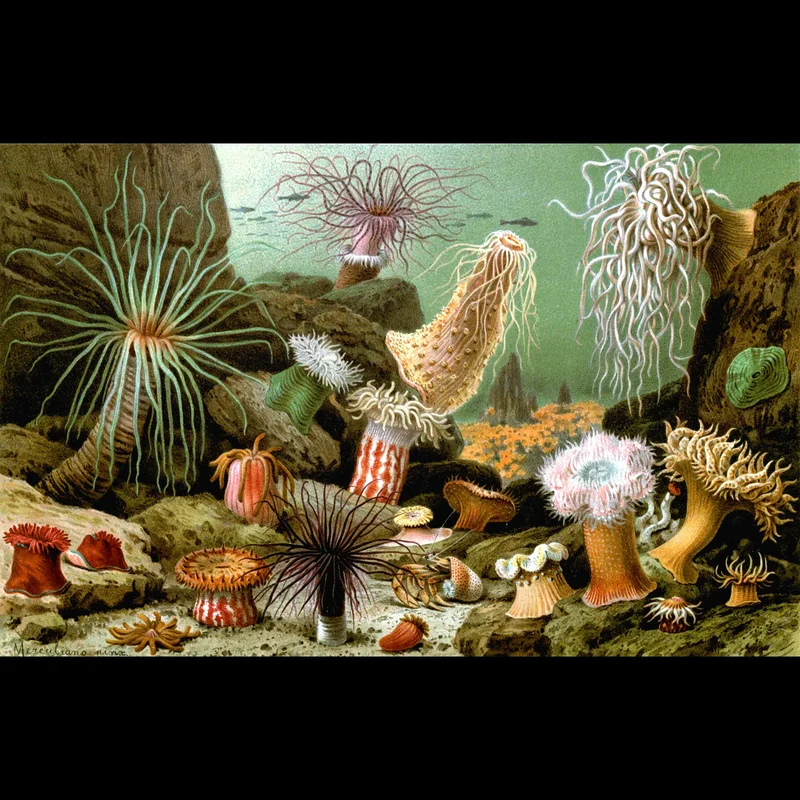
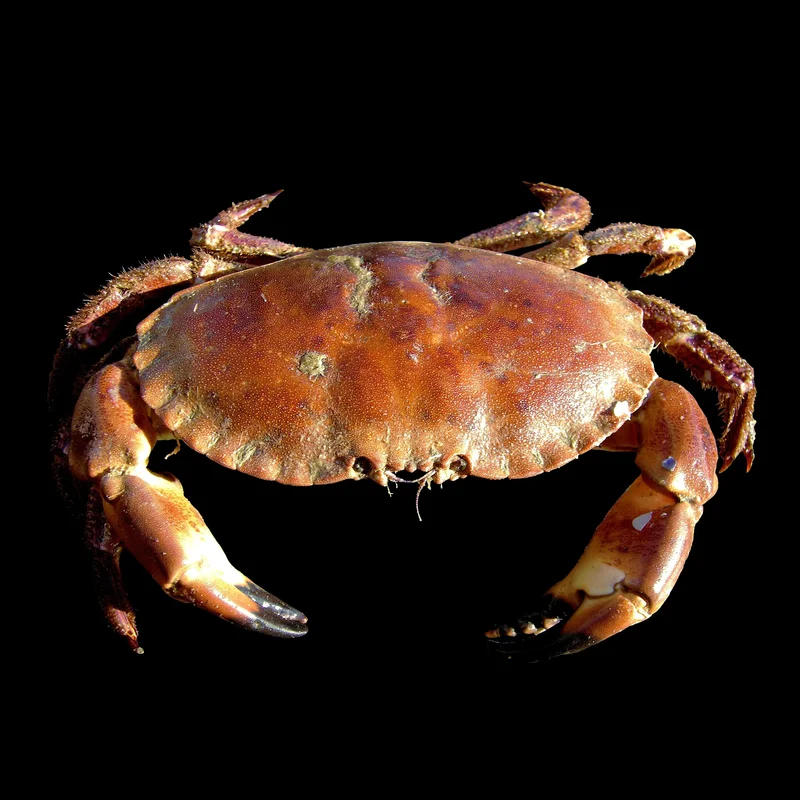
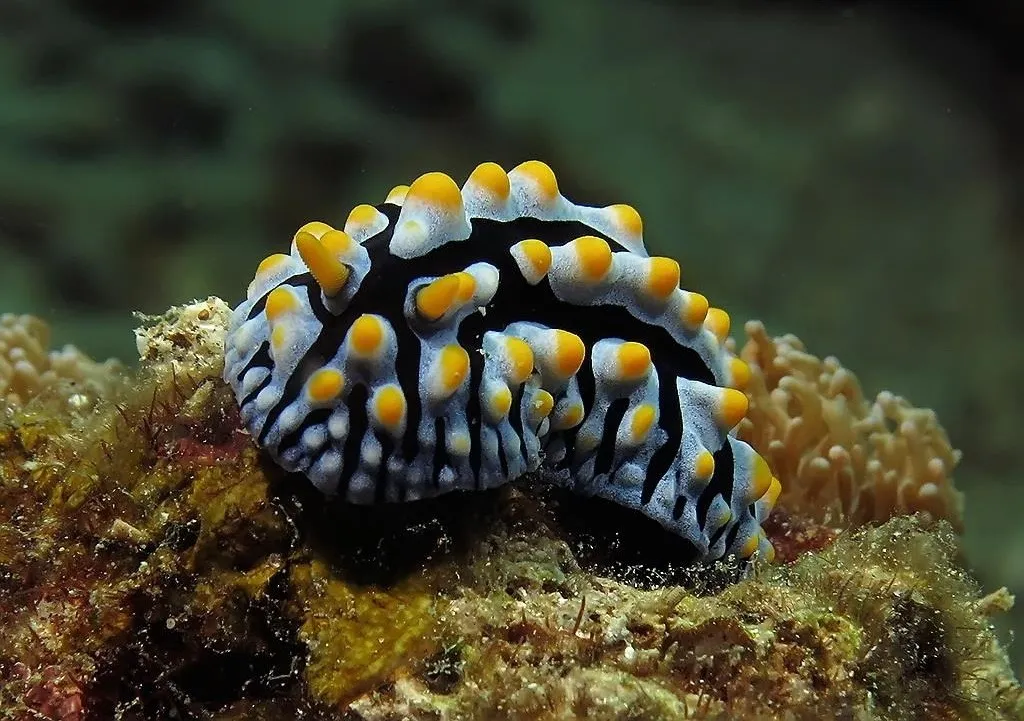
These waters also support numerous invertebrates like anemones, crabs, and nudibranchs, adding intricate detail to the dive.

Dive Centers Near Car Float
Nearest Airports
Nearest airports to help plan travel to this dive area.
Search Flights
Check available flights and routes on Expedia, using the nearby airports listed in this section.
Search Flights on Expedia
Plan Your Stay
Looking for a place to stay for your dive trip? Explore hotels, stays, and vacation rentals for dive groups near Brigantine.
Dive Navigator may earn a commission from these links at no extra cost to you.
Frequently Asked Questions
Do I need a reservation to dive Car Float?
Yes, reservations are mandatory for diving at Point Lobos State Natural Reserve, including Car Float. These must be made in advance, and only ten dive teams are permitted per day.
What are the entry requirements for divers?
All divers must present a valid certification card from a recognized organization upon registration. Photo identification is also required if your C-card doesn't include a picture.
Can I dive alone at Car Float?
No, solo diving is strictly prohibited. You must dive with a buddy, and both divers must be present at registration.
What are the allowed diving areas?
Diving is limited to Whalers and Bluefish Coves only. All other areas of the Reserve are closed to diving and aquatic activity.
Can I collect marine specimens?
No, collecting any animals, plants, or natural features within the Reserve is prohibited. The entire area is fully protected.
Are personal watercraft allowed?
Personal watercraft, such as Jet-Skis, are prohibited within the diving areas. Hand-launchable vessels like kayaks are permitted with a daily limit and specific launch requirements.
Are there fees involved?
Yes, there is a per-car entry fee, plus separate diving/snorkeling reservation fees depending on weekday or weekend/holiday. Vessel launch fees also apply if bringing a boat or kayak.
What is the maximum depth?
While specific depth data for Car Float isn't consistently reported, recreational divers can expect to explore within typical limits, often reaching a max depth of around 30 m (100 ft) in various sections.
Planning to dive Car Float?
Send one inquiry and receive offers directly from the best verified local dive operators.
Conditions are Moderate
Optimal conditions expected
Current conditions near Car Float show 24° air, 24° sea temperature, 1.1 m waves, and 37 km/h wind. Forecast data is refreshed regularly to ensure accuracy.