
Diving at Clearwater C Site (United States)
Divers approaching Clearwater C Site should always prioritize local safety briefings, as conditions can shift rapidly offshore. While many Florida dive sites are generally accessible, understanding specific entry points and any localized currents at the C Site is crucial before descending. Always consult with Clearwater dive centers for the most current information and required skill levels for specific areas. This proactive approach ensures a safer and more enjoyable experience.
Evening condition tracking at Clearwater C Site features an air temperature of 26°C. We have recorded wave heights measuring 0.2 m during this period. These figures outline the environmental parameters currently present.
Dive Site Location & Key Facts
Dive Site Overview
Clearwater diving is broadly acknowledged for its accessible dive sites, many situated within an hour offshore, catering to a range of experience levels. Historical context for these sites often reveals a combination of natural formations and artificial reef projects.
For instance, Veteran's Reef, an artificial structure, was created by sinking three barges, which now serve as habitat for marine life. Similarly, the Sheridan wreck site represents another significant artificial reef, attracting diverse aquatic species. Depths at various Clearwater sites vary, from shallower sections like Veteran's Reef at around 13 m (44 ft) to deeper areas, including Kings Spring which reaches 16 m (55 ft) and features caverns at 15 m (50 ft).
Visibility often averages between 7 and 27 m (25 and 90 ft), depending on prevailing weather and water conditions. These sites collectively contribute to a varied underwater landscape, suitable for recreational divers seeking both structured wrecks and natural habitats.
Conditions are Good
Optimal conditions expected
Current conditions near Clearwater C Site show 26° air, 30° sea temperature, 0.2 m waves, and 30 km/h wind. Forecast data is refreshed regularly to ensure accuracy.
Best Time to Dive
Planning a dive at Clearwater C Site often means considering the comfortable conditions experienced from late spring through early fall. July, with its excellent dive score, typically brings the calmest seas with average wave heights around 0.4 m, and the lowest wind speeds at approximately 14.7 km/h. During these months, air temperatures are at their highest, often peaking at 28°C (82°F) in July and August, creating pleasant surface conditions. Rain, while present, averages between 5.5 and 6.8 mm in summer months, usually occurring in short, intense afternoon showers that don't significantly impede morning diving. Conversely, the coldest time for air temperature is January, averaging around 14.5°C (58°F), which also sees higher average wave heights of about 0.9 m. Water temperatures, while not consistently reported in system data, are generally between 22-29°C (73-85°F) throughout the year, suggesting a full dive suit is often unnecessary for most people outside of cooler periods.
PEAK SEASON SCORE
Scores combine air & water temps, waves, wind & rainfall for overall conditions.
BEST MONTHS TO DIVE
Monthly records compiled from satellite and marine observation nodes over the last 3 years. Data provided by Open-Meteo and MET Norway.
Dive Experience & Conditions
Entering the waters around Clearwater C Site generally presents calm conditions, though local dive centers will offer precise current updates. Water temperatures vary depending on the time of year, with averages typically ranging from 22-29°C (73-85°F). Visibility, while good, is not consistently reported with exact figures, but often falls between 7 and 27 m (25 and 90 ft), influenced by weather and surge. Depths across Clearwater's dive sites are varied, accommodating multiple skill levels. Shallower sections are suitable for beginners, while some sites like the Sheridan wreck or Kings Spring offer deeper exploration for more experienced divers. The underwater topography includes artificial reefs, like sunk barges, and natural formations such as caverns in Kings Spring, providing diverse exploration opportunities.
Dive Difficulty & Safety Guidelines
For any dive at Clearwater C Site, always consult local dive centers to assess current conditions and receive safety briefings. Understanding the specific requirements for each site and being accompanied by a professional are critical steps before entering the water. While local data does not indicate specific hazards, general safe diving practices apply.
Divers should always plan dives within their training and certification limits. Given the presence of varied depths and structures, proper buoyancy control is paramount.
Checking equipment thoroughly and familiarizing oneself with emergency procedures is also essential for a safe outing. Always carry a surface marker buoy, and ensure all gear is in proper working order.
Recommended Equipment
- Dive Computer
This gear list is based on verified equipment signals for Clearwater C Site, United States. Always confirm final gear choices with your dive operator, guide, or liveaboard.
Recommended Dive Suit
Dive skin or rash guard is frequently recommended by dive operators for conditions like these. A hood or vest is suggested for sensitive divers due to surface winds. For divers entering the water at Clearwater C Site, temperatures are currently hovering around 30°C (86°F). Surface air temperatures are resting at 26°C (79°F).
Forecast trends indicate little change in overall diving conditions during the next few days.
Even small thermoclines can occasionally cause noticeable changes in water temperature.
Emergency & Medical Support
Essential information to help you plan your dive trip to Clearwater C Site.

Hyperbaric chambers are a critical part of dive safety infrastructure. Availability varies significantly by region, and not all dive areas have immediate access.
Before diving, it's recommended to:
- confirm nearest medical facilities
- check emergency procedures with local dive operators
- ensure dive insurance covers evacuation if required
Divers Alert Network
Diving emergency assistance available through DAN World.
+1-919-684-9111- 24/7 emergency hotline
- Diving medical assistance
- Evacuation coordination
Emergency contacts are provided for reference. Always verify local emergency services before diving.
Marine Life at Clearwater C Site
The waters surrounding Clearwater C Site teem with a diverse range of marine creatures, making each dive a discovery. Angelfish, barracuda, and various butterfly fish are commonly observed navigating the reefs.
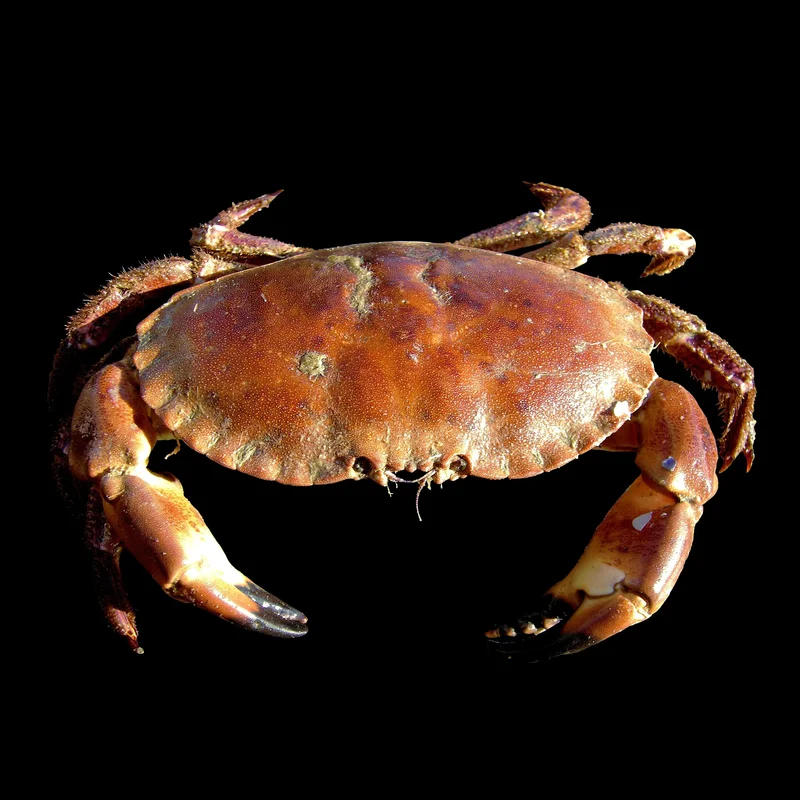
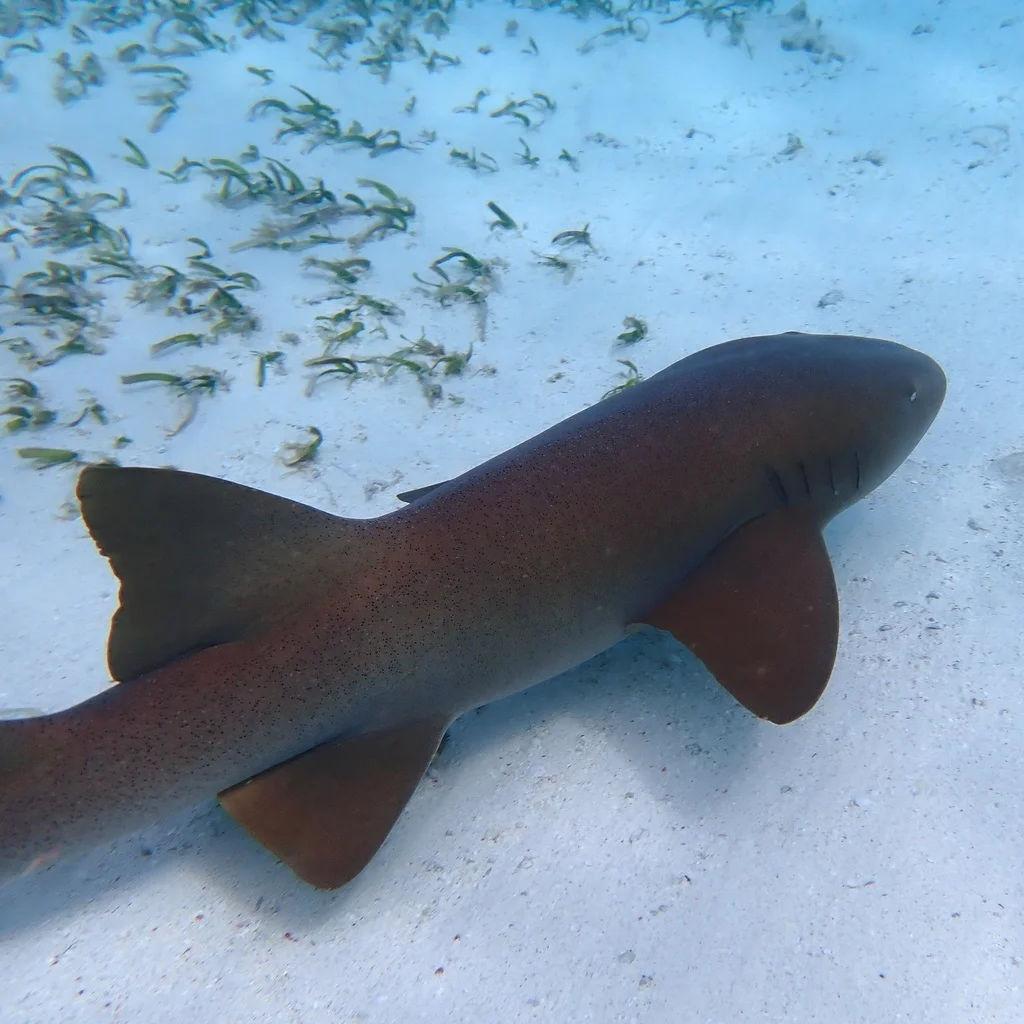
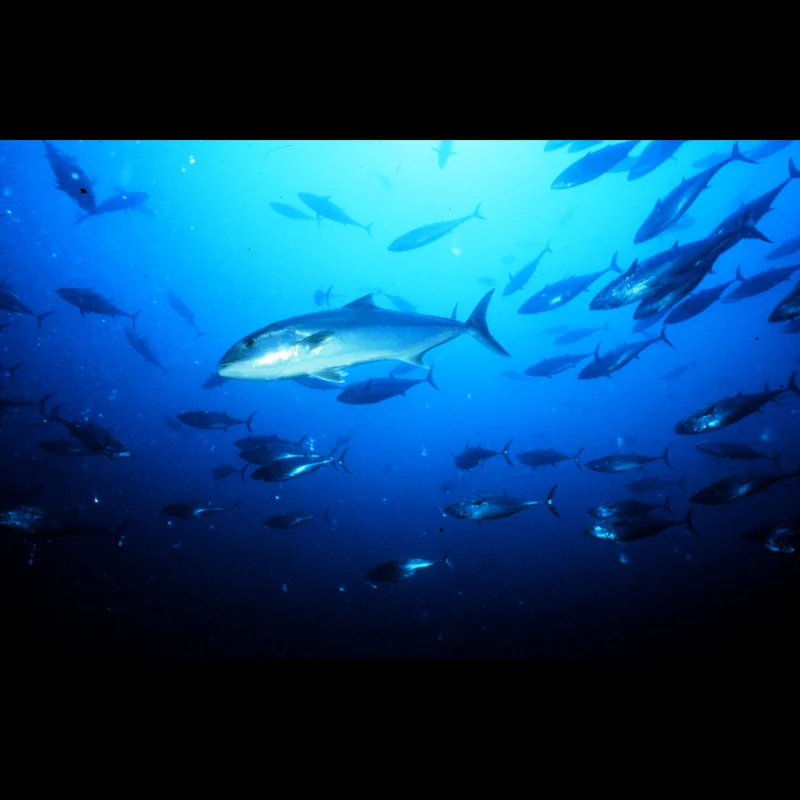
Keep an eye out for crustaceans like crabs and lobster, often hidden among the structures. Larger pelagics, such as grouper, jackfish, and occasionally nurse sharks, are also present, often patrolling the artificial reefs.
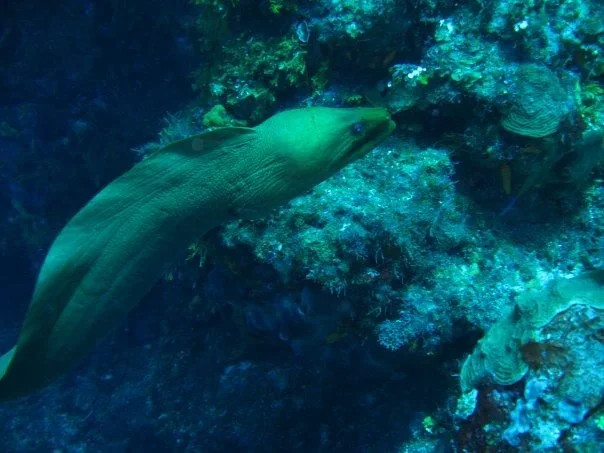
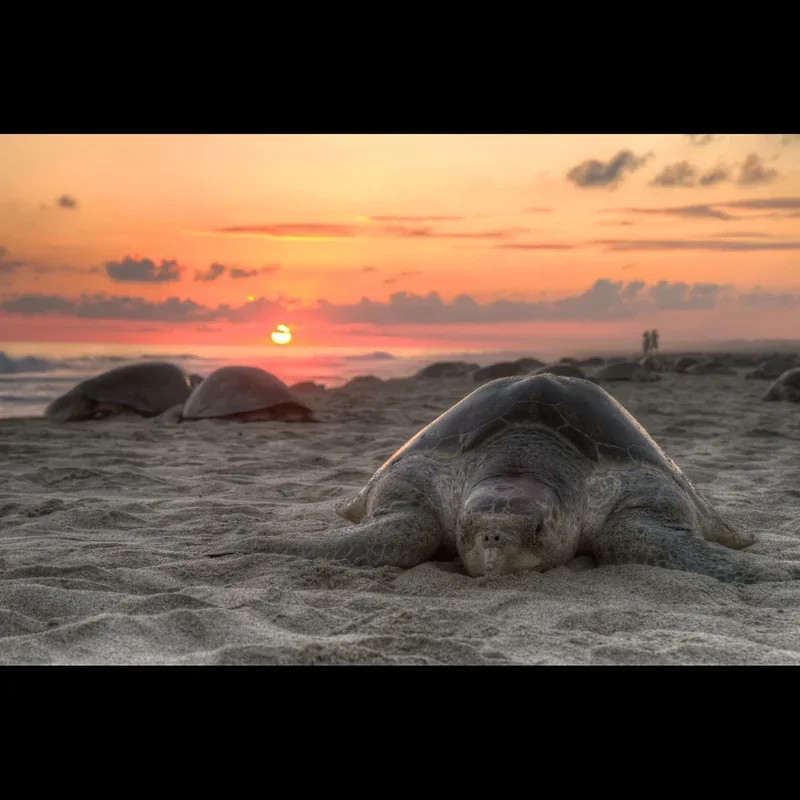
Unique sightings might include octopus and moray eels peeking from crevices. Divers can also frequently spot parrotfish, sea turtles, and various tropical fish. Other notable inhabitants include spiny lobster, curious triggers, impressive nudibranchs, starfish, hogfish, flounder, amberjacks, manatees, large tarpon, blue crabs, and mangrove snapper.
Dive Centers Near Clearwater C Site
Today: 10:00 - 17:00
Nearest Airports
Nearest airports to help plan travel to this dive area.
Search Flights
Check available flights and routes on Expedia, using the nearby airports listed in this section.
Search Flights on Expedia
Plan Your Stay
Looking for a place to stay for your dive trip? Explore hotels, stays, and vacation rentals for dive groups near Clearwater.
Dive Navigator may earn a commission from these links at no extra cost to you.
Frequently Asked Questions
What are the typical water temperatures in Clearwater?
Water temperatures in Clearwater generally range between 22-29°C (73-85°F) throughout the year. This range suggests that for many divers, a full wetsuit may not be necessary during warmer months, though individual comfort levels vary.
What kind of dive sites are available in Clearwater?
Clearwater offers a variety of dive sites, including artificial reefs like the Veteran's Reef (sunk barges) and the Sheridan wreck. Natural formations such as Kings Spring, with its caverns, also provide interesting underwater environments. These sites cater to different experience levels.
What is the typical visibility for diving in Clearwater?
Visibility in Clearwater varies depending on weather and sea conditions, but generally ranges between 7 and 27 meters (25 and 90 feet). Local dive centers can provide the most current visibility reports for specific dive days.
Are there specific hazards divers should be aware of at Clearwater C Site?
While no specific hazards for Clearwater C Site are consistently reported, general diving safety applies. Divers should always check with local dive centers for current conditions, follow their training, and be aware of any localized currents or weather changes. Always dive within your certification limits.
What marine life can be seen while diving in Clearwater?
Divers can expect to encounter a wide array of marine life, including angelfish, barracuda, various butterfly fish, crabs, and lobster. Larger species like grouper, jackfish, and occasionally nurse sharks are also present. Unique sightings often include octopus, moray eels, parrotfish, and sea turtles.
What are the best months for diving in Clearwater?
The period from late spring to early fall generally offers comfortable diving conditions in Clearwater. July often sees the calmest seas and highest air temperatures, making it an excellent time to plan a dive. Diving is possible year-round, but conditions vary seasonally.
Planning to dive Clearwater C Site?
Send one inquiry and receive offers directly from the best verified local dive operators.
Conditions are Good
Optimal conditions expected
Current conditions near Clearwater C Site show 26° air, 30° sea temperature, 0.2 m waves, and 30 km/h wind. Forecast data is refreshed regularly to ensure accuracy.