
Diving at County Site #1 -Reef-Ex #2 (United States)
Divers seeking accessible reef exploration will find County Site #1 -Reef-Ex #2 a suitable destination. With sections accommodating a range of certifications, from entry-level open water divers to those with advanced training, it offers varied underwater terrain. Whether you prefer shallower, protected areas or deeper, current-exposed drifts, the site provides opportunities for multiple skill sets to engage with its diverse marine ecosystem.
Evening condition tracking at County Site #1 -Reef-Ex #2 features an air temperature of 25.5°C. We have recorded wave heights measuring 0.4 m during this period. These figures outline the environmental parameters currently present.
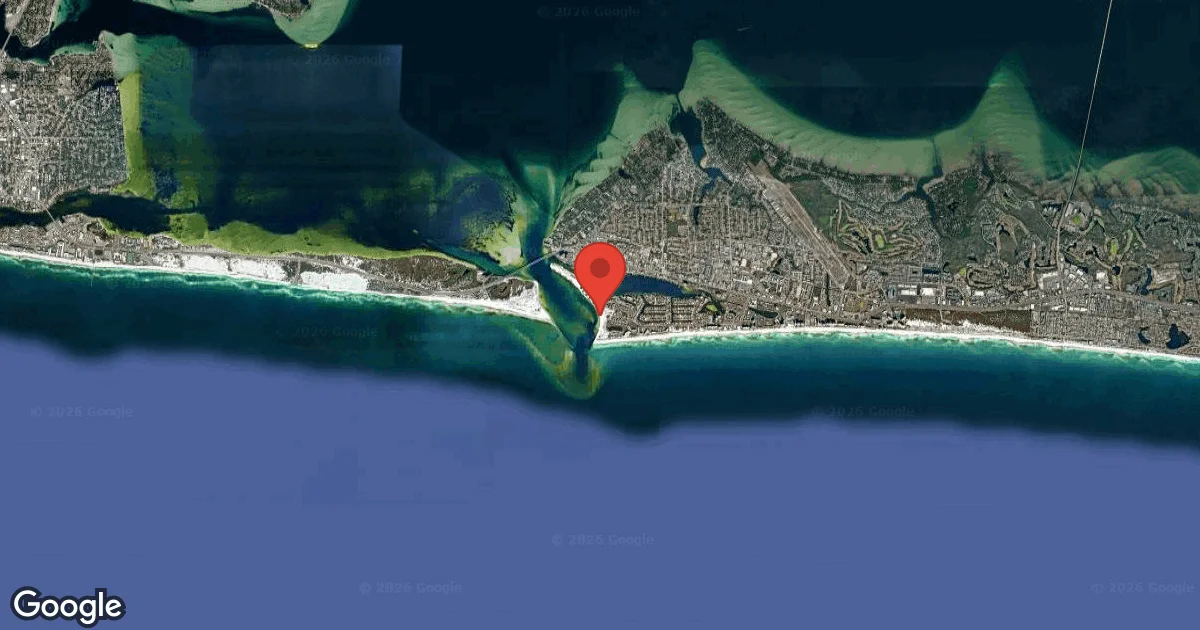
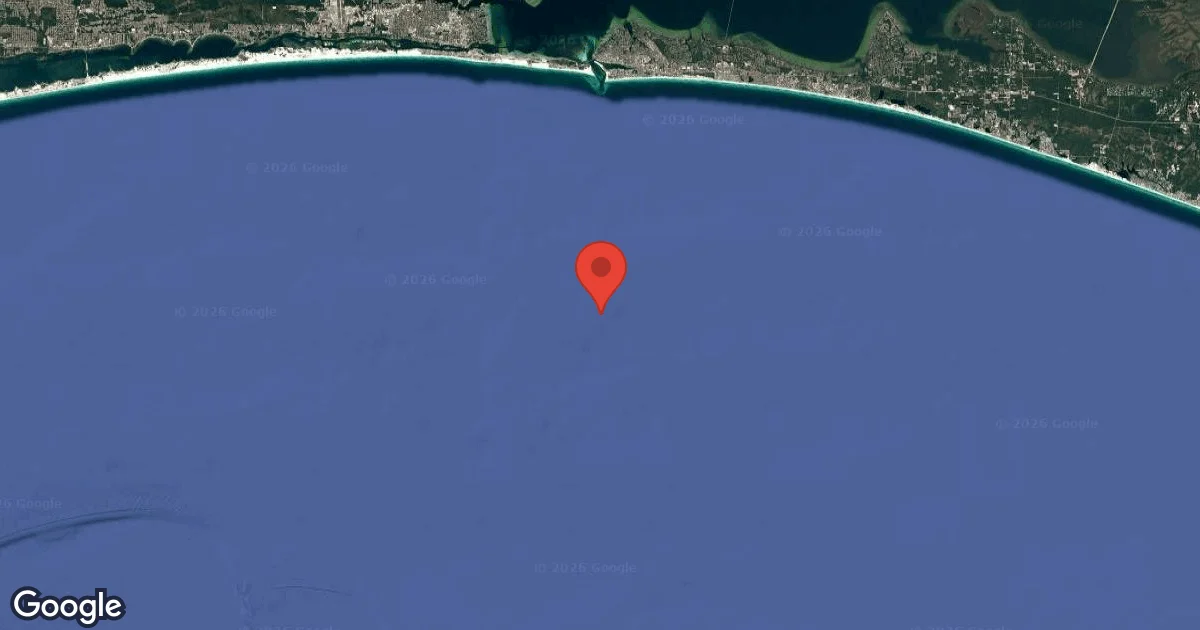
Dive Site Location & Key Facts
Dive Site Overview
Reef-Ex #2 represents a dynamic collection of reef environments typical of the United States' rich coastal waters, drawing general characteristics from well-known dive regions like the Florida Keys. Visitors can anticipate a blend of spur-and-groove coral formations interspersed with broader fields of coral, creating complex habitats.
Some areas feature sloping terrain and sizable boulders, adding structural interest for navigation. This site isn't confined to a single profile; certain sections offer a natural sand-filled bowl encircled by volcanic boulders, decorated with gorgonians, sponges, and sea fans that thrive in varied conditions.
The overall structure supports a vibrant ecosystem, making it a compelling area for those exploring different reef topographies. Depending on specific dive plans, encounters with mild to strong currents are possible, and some sections naturally lend themselves to drift diving, providing an effortless way to cover more ground.
Its varied structure ensures that each dive can present a fresh perspective on the underwater landscape.
Conditions are Excellent
07:00 - 14:00
Optimal conditions expected
Current conditions near County Site #1 -Reef-Ex #2 show 25° air, 30° sea temperature, 0.4 m waves, and 18 km/h wind. Forecast data is refreshed regularly to ensure accuracy.
Best Time to Dive
Planning a dive at County Site #1 -Reef-Ex #2 generally offers a good experience year-round, with dive scores consistently rated positively across all months. For maximum comfort above water, the warmer air temperatures from May through October, ranging from 24°C to 28°C (75°F to 84°F), might appeal most. During these months, wave heights tend to be lower, and wind speeds are generally calmer, which can contribute to smoother boat rides and better surface conditions. Rain activity is relatively low throughout the year, typically staying below 7 mm per month, minimizing disruptions. While specific water temperature data isn't consistently reported, regional patterns suggest warmer waters during these peak summer and early fall months. Conversely, the cooler air temperatures of January and February, averaging 12-15°C (54-59°F), may require more protective gear topside.
PEAK SEASON SCORE
Scores combine air & water temps, waves, wind & rainfall for overall conditions.
BEST MONTHS TO DIVE
Monthly records compiled from satellite and marine observation nodes over the last 3 years. Data provided by Open-Meteo and MET Norway.
Dive Experience & Conditions
Navigating County Site #1 -Reef-Ex #2 reveals a diverse depth profile, catering to both shallow and deeper recreational dives. Some sections are quite accessible, with depths ranging from just 3 m (10 ft) to around 9 m (30 ft), making them ideal for new divers or extended bottom times. Other areas descend to maximum depths of 24 m (80 ft), allowing for more profound exploration. Throughout the site, divers may encounter spur-and-groove coral formations or continuous coral fields. Currents here vary; some areas might be calm, while others experience mild to strong flows, especially on cross-course routes. This variability means drift diving can be an excellent way to cover ground in certain parts. Although specific water temperatures for this site are not consistently reported, local conditions for similar reef environments often see seasonal fluctuations.
Dive Difficulty & Safety Guidelines
Ensuring a safe dive at County Site #1 -Reef-Ex #2 requires adherence to established marine guidelines, as many analogous reef sites are often located within protected areas like National Marine Sanctuaries or Ecological Reserves. These designations typically mean specific rules regarding interaction with marine life and the environment are in place. Always verify if a section of the reef is a 'no-take' zone, where fishing and spearfishing are strictly prohibited, or if such activities are permitted.
Mild to strong currents can be present, necessitating careful dive planning, especially when considering drift dives or navigating specific routes. Always dive with a buddy, maintain appropriate buoyancy control to protect the delicate coral structures, and carry a surface marker buoy for visibility when currents are anticipated.
Checking local forecasts for wave height and wind speed before diving is also crucial, especially when boat access is involved.
Recommended Equipment
- Dive Computer
This gear list is based on verified equipment signals for County Site #1 -Reef-Ex #2, United States. Always confirm final gear choices with your dive operator, guide, or liveaboard.
Recommended Dive Suit
Weather models currently point toward consistent diving conditions over the next several days.
For typical recreational dives, dive skin or rash guard generally provides comfortable insulation.
At County Site #1 -Reef-Ex #2, the water is currently sitting around 30°C (87°F). Surface air temperatures are resting at 25°C (78°F).
Emergency & Medical Support
Essential information to help you plan your dive trip to County Site #1 -Reef-Ex #2.

Hyperbaric chambers are a critical part of dive safety infrastructure. Availability varies significantly by region, and not all dive areas have immediate access.
Before diving, it's recommended to:
- confirm nearest medical facilities
- check emergency procedures with local dive operators
- ensure dive insurance covers evacuation if required
Divers Alert Network
Diving emergency assistance available through DAN World.
+1-919-684-9111- 24/7 emergency hotline
- Diving medical assistance
- Evacuation coordination
Emergency contacts are provided for reference. Always verify local emergency services before diving.
Marine Life at County Site #1 -Reef-Ex #2
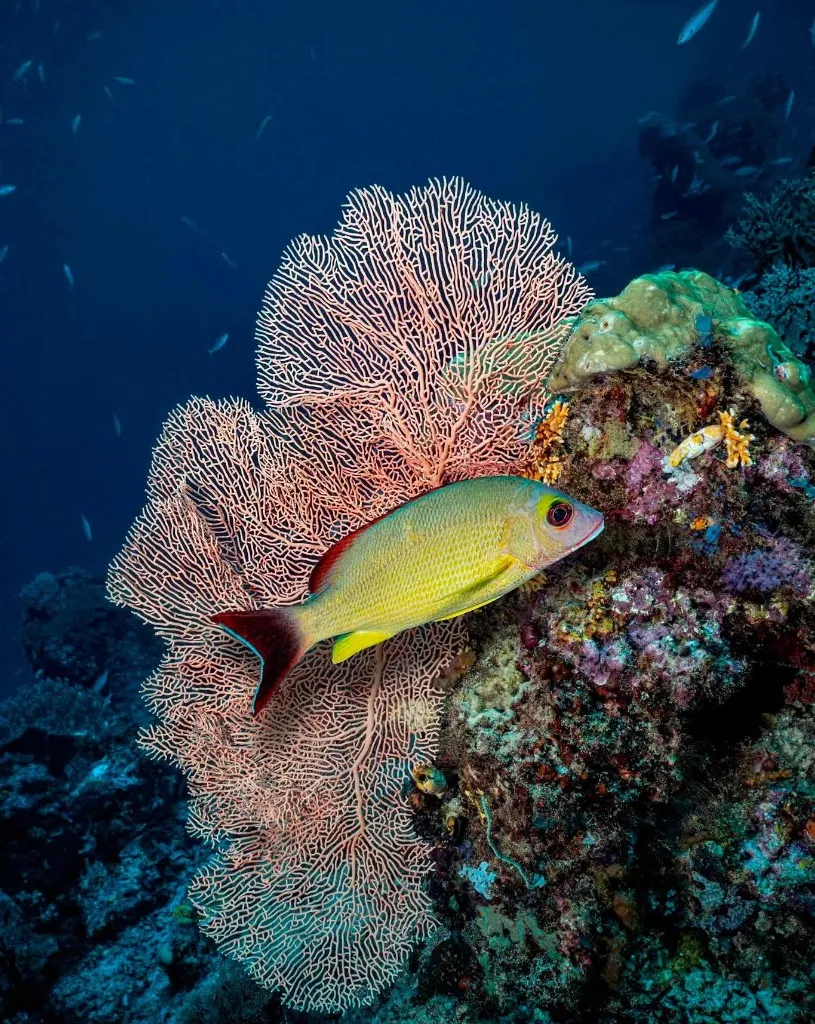
Exploration of County Site #1 -Reef-Ex #2 typically reveals a healthy aggregation of reef fish, thriving among its varied coral structures. Divers can frequently spot colorful fan corals, sponges, and sea rods adorning the reef's surfaces, which contribute to a vibrant visual experience.
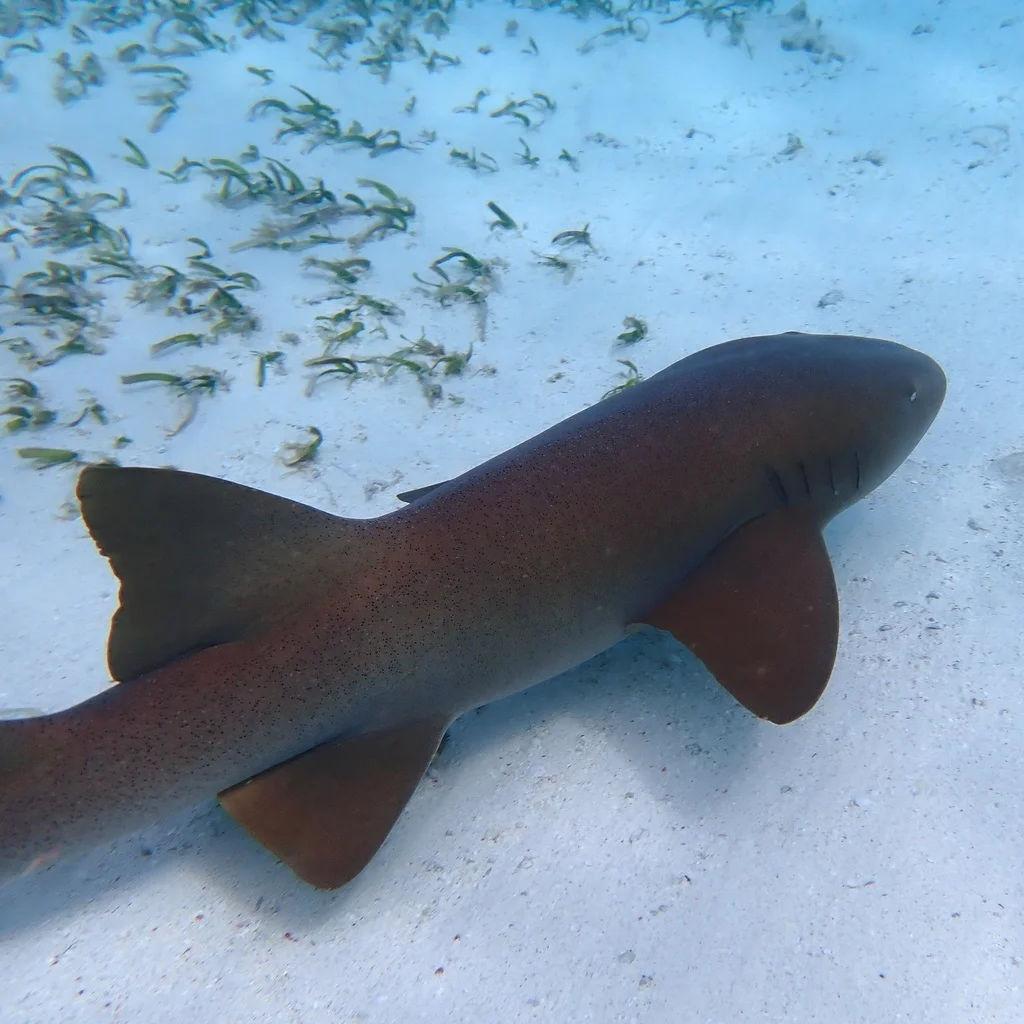
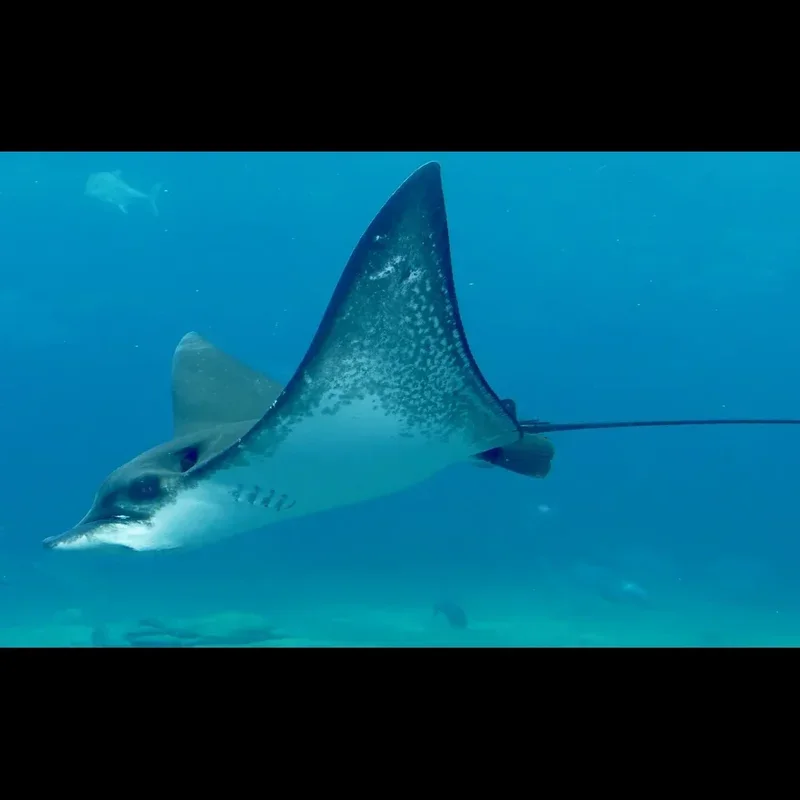
In some of the more structurally complex areas, it's possible to observe nurse sharks resting, or catch a glimpse of an eagle ray gracefully gliding by. Schools of yellowtail snapper often congregate around the reef, particularly in sections with healthy coral.
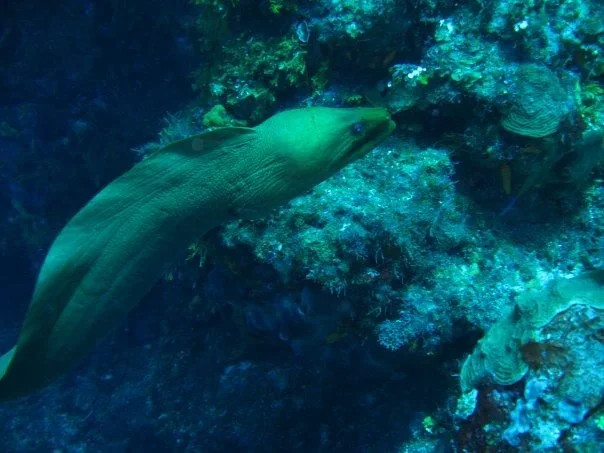
Keep an eye out for moray eels, which are sometimes found tucked into the crevices of the reef, adding another element to the underwater tableau.

Dive Sites Near County Site #1 -Reef-Ex #2
View all dive sites in United StatesDiscover more underwater gems in this area.
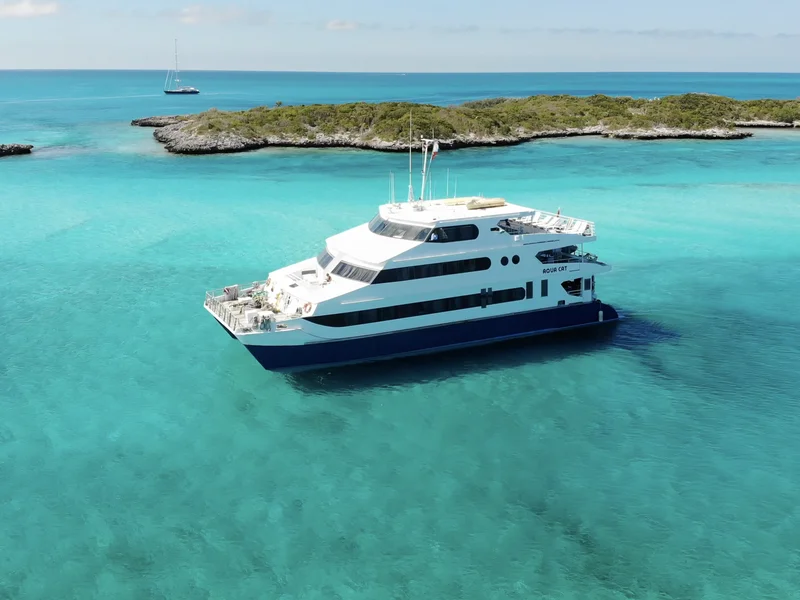
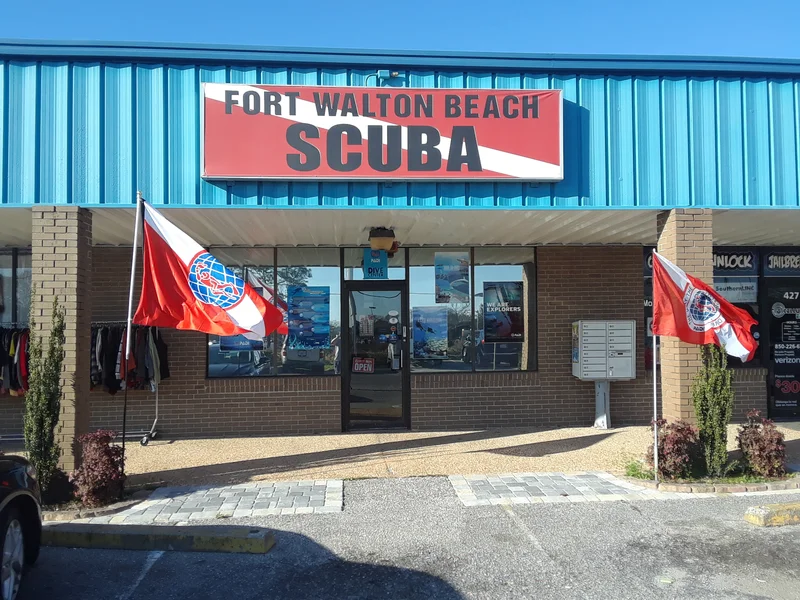
Dive Centers Near County Site #1 -Reef-Ex #2
Today: 08:00 - 17:00
Nearest Airports
Nearest airports to help plan travel to this dive area.
Search Flights
Check available flights and routes on Expedia, using the nearby airports listed in this section.
Search Flights on Expedia
Plan Your Stay
Looking for a place to stay for your dive trip? Explore hotels, stays, and vacation rentals for dive groups near Fort Walton Beach.
Dive Navigator may earn a commission from these links at no extra cost to you.
Frequently Asked Questions
What is the typical depth range for diving at Reef-Ex #2?
Reef-Ex #2 offers a varied depth profile. Shallower sections are quite accessible, extending from approximately 3 to 9 meters (10 to 30 feet). Deeper exploration reaches a maximum recreational depth of 24 meters (80 feet). This range accommodates both novice and more experienced divers.
What are the current conditions like at this dive site?
Current conditions at Reef-Ex #2 can vary significantly across different sections. Divers might encounter calm conditions in some sheltered areas. Elsewhere, especially on cross-course routes, mild to strong currents are possible, making careful planning essential. This variability can also create excellent opportunities for drift diving in specific areas.
Is Reef-Ex #2 suitable for beginner divers?
Yes, Reef-Ex #2 offers sections well-suited for entry-level open water divers. Shallower areas, typically between 3 and 9 meters (10-30 feet), provide an accessible environment for skill development and extended bottom times. Always choose a dive plan appropriate for your certification level and current conditions.
What kind of marine life can I expect to see?
Expect a healthy aggregation of reef fish, thriving among its varied coral structures. Divers frequently spot colorful fan corals, sponges, and sea rods adorning the reef. In complex areas, look for nurse sharks, schools of yellowtail snapper, or even an eagle ray. Moray eels are also sometimes found tucked into crevices.
Are there any specific conservation guidelines to follow?
Adherence to established marine guidelines is essential, as similar reef sites often fall within protected zones. Divers should always verify if a section of Reef-Ex #2 is designated a 'no-take' zone, prohibiting fishing or spearfishing. Practicing excellent buoyancy control protects the delicate coral structures. Always leave marine life undisturbed.
What's the best way to access the dive site?
Access to Reef-Ex #2 is typically by boat, aligning with many offshore reef environments. Planning for smoother boat rides is easier during months with lower wave heights and calmer winds, usually May through October. Always confirm logistical details with local dive operators.
What exposure protection is recommended?
Given the potential for fluctuating water temperatures and brisk surface winds, appropriate exposure protection is recommended. Regional patterns suggest warmer waters in summer and early fall. During cooler months, particularly January and February when air temperatures average 12-15°C (54-59°F), more substantial thermal protection, both in and out of the water, may be needed.
Planning to dive County Site #1 -Reef-Ex #2?
Send one inquiry and receive offers directly from the best verified local dive operators.
Conditions are Excellent
07:00 - 14:00
Optimal conditions expected
Current conditions near County Site #1 -Reef-Ex #2 show 25° air, 30° sea temperature, 0.4 m waves, and 18 km/h wind. Forecast data is refreshed regularly to ensure accuracy.