
Diving at Crescent Bay (United States)
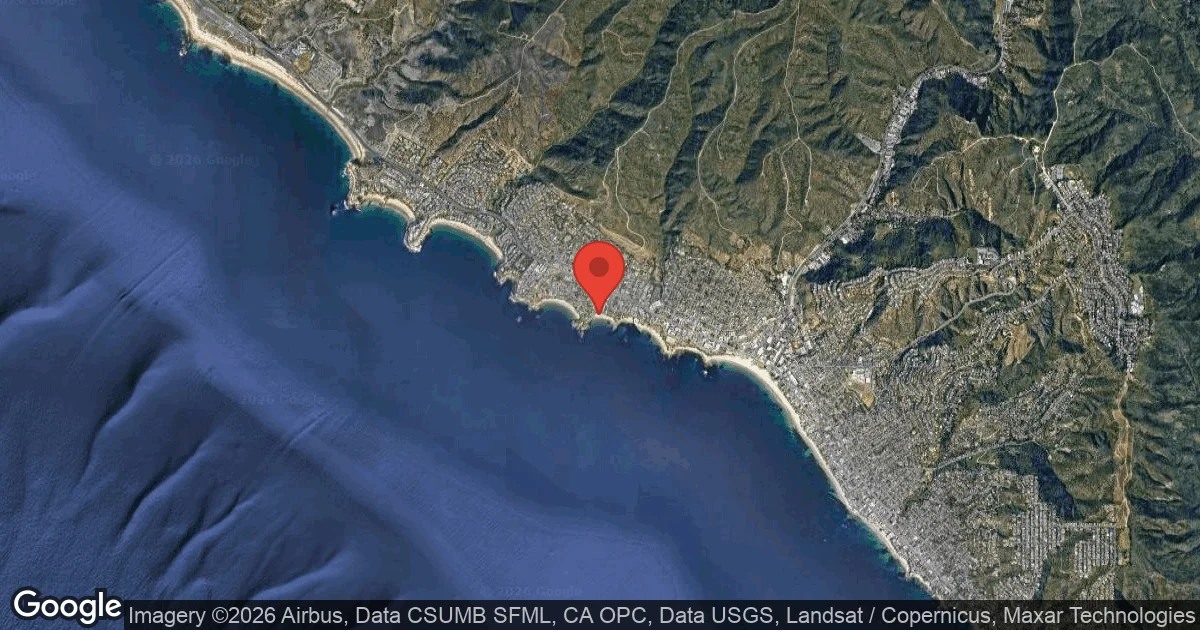
Crescent Bay presents a substantial cove, spanning approximately a quarter-mile, delineated by rocky structures at its northern and southern extremities. A popular Laguna Beach location, it serves as a primary entry point for divers heading toward Seal Rock. Designated a Marine Sanctuary, access to its sandy beach is typically via a stairway off Circle Way, a one-way street; other access points exist.
Tonight's objective overview for Crescent Bay shows an air temperature of 18.5°C. The measured surface conditions include wave heights around 0.8 m. This environmental data is logged for the close of the day.
Dive Site Location & Key Facts
Dive Site Overview
Exploring Crescent Bay reveals an accessible yet surprisingly varied underwater topography, segmented into three distinct dive zones. Initial areas close to shore feature scattered rocks and reefs, popular for immediate accessibility and providing ample habitat for diverse marine life.
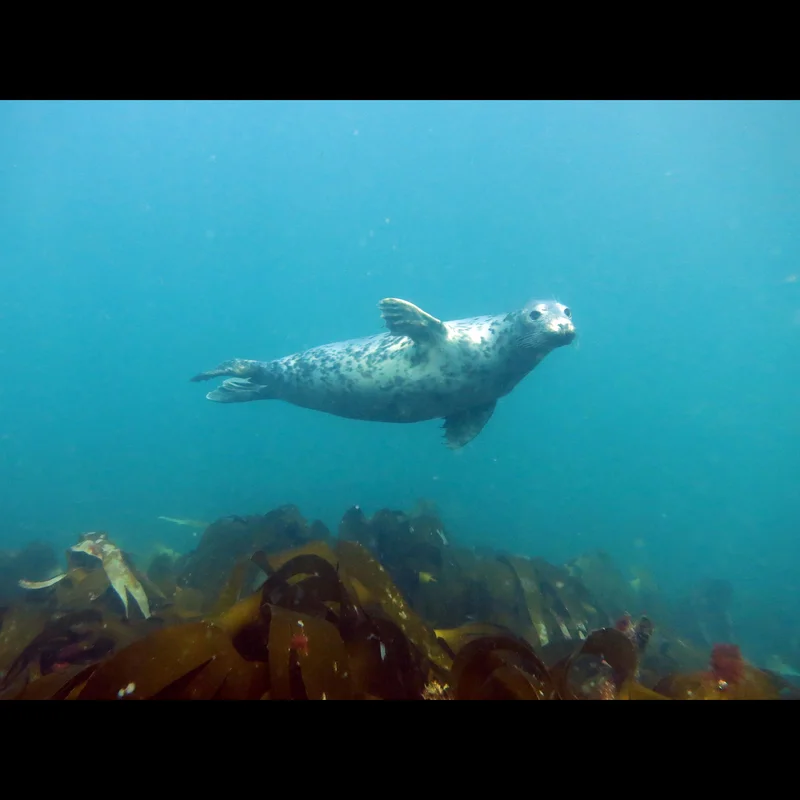
These nearshore formations cater to divers seeking shorter excursions or those focusing on macro observation within the shallows. Prominent Seal Rock, a central feature of the bay, consistently draws divers due to its well-known resident population of sea lions. These active pinnipeds offer near-guaranteed encounters, making it a highlight for many visitors keen on observing their natural behavior underwater.
Further offshore, approximately 200 yards directly from Seal Rock, lies Dead Man's Reef. A more remote site, it earns its name from a diver's adage, rumored to be a jest among those who completed the considerable swim out.
Due to its distance from direct entry points, Dead Man's Reef frequently boasts superior water clarity and a notably more untouched environment compared to closer reefs. This particular outer reef often presents a different character, appealing to divers willing to venture further for potentially less disturbed ecosystems.
When compared to nearby Shaw's Cove, Crescent Bay is generally shallower and can be somewhat more exposed to oceanic conditions.
However, it reliably provides some of Laguna's easiest all-sand surf entries and exits, a significant advantage for shore divers managing gear.
Conditions are Good
07:00 - 14:00
Optimal conditions expected
Current conditions near Crescent Bay show 18° air, 23° sea temperature, 0.9 m waves, and 22 km/h wind. Forecast data is refreshed regularly to ensure accuracy.
Best Time to Dive
Planning a dive to Crescent Bay benefits from understanding seasonal patterns to maximize enjoyment. Months from June through November generally offer the most favorable conditions, with average air temperatures ranging from 18.5°C / 65°F in June to 21.5°C / 71°F in August, tapering to 16°C / 61°F in November. Rainfall is minimal during this period, often less than 1 mm / 0.04 inches, contributing to clearer skies. Wave heights tend to be lower, averaging around 0.9 m / 3 ft, though conditions can vary. While water temperature isn't consistently reported, late summer and early fall usually present the warmest conditions. Even when other Laguna Beach sites struggle with less-than-ideal conditions, Crescent Bay can sometimes maintain decent diving.
PEAK SEASON SCORE
Scores combine air & water temps, waves, wind & rainfall for overall conditions.
BEST MONTHS TO DIVE
Monthly records compiled from satellite and marine observation nodes over the last 3 years. Data provided by Open-Meteo and MET Norway.
Dive Experience & Conditions
Entering the water at Crescent Bay involves traversing a sandy stretch, often via stair access points where handrails are advisable due to potential sand on concrete. Once in, the site offers a maximum depth of 6 m / 19 ft, making it suitable for a range of skill levels. Underwater topography shifts from sandy fields to scattered reefs and extensive rock formations. Divers should be mindful that following rock formations too far northwest-ward can lead to unexpected shallow areas upon return. Shallow zones are particularly noted for large mussel beds. While water visibility varies depending on surge and recent weather, general conditions here are characterized by saltwater, typical of a coastal marine environment.
Dive Difficulty & Safety Guidelines
Prioritizing diver safety at Crescent Bay requires adherence to local regulations and careful planning. A Marine Sanctuary, it is part of the Laguna Beach Marine Protected Area, meaning all marine life is protected and no take is permitted. Laguna Beach lifeguards monitor the area and may check for buddy teams and snorkels, so always dive with a partner.
Before gearing up, perform an environmental assessment of the area, paying close attention to surf conditions, and apply a surf entry appropriate to your training and experience. Always use prudent judgment, as strong surge can make entries and exits challenging.
Recommended Equipment
- Dive Computer
- Hard-soled Dive Boots
This gear list is based on verified equipment signals for Crescent Bay, United States. Always confirm final gear choices with your dive operator, guide, or liveaboard.
Recommended Dive Suit
3-5mm wetsuit is often considered an appropriate level of exposure protection for conditions like these. Surface intervals may feel cooler.
Current readings at Crescent Bay show water temperatures near 23°C (74°F). Surface air temperatures are resting at 18°C (65°F).
The upcoming forecast points to generally steady conditions in the area.
Emergency & Medical Support
Essential information to help you plan your dive trip to Crescent Bay.

Hyperbaric chambers are a critical part of dive safety infrastructure. Availability varies significantly by region, and not all dive areas have immediate access.
Before diving, it's recommended to:
- confirm nearest medical facilities
- check emergency procedures with local dive operators
- ensure dive insurance covers evacuation if required
Divers Alert Network
Diving emergency assistance available through DAN World.
+1-919-684-9111- 24/7 emergency hotline
- Diving medical assistance
- Evacuation coordination
Emergency contacts are provided for reference. Always verify local emergency services before diving.
Marine Life at Crescent Bay
Crescent Bay's vibrant ecosystem provides ample opportunities for marine life observation. Seal Rock, specifically, is a reliable spot for encountering sea lions.
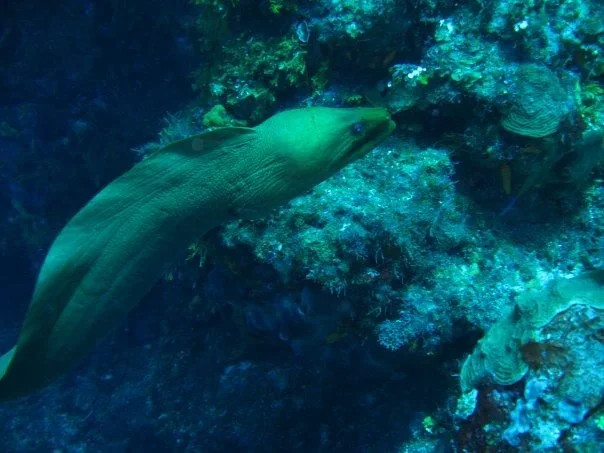
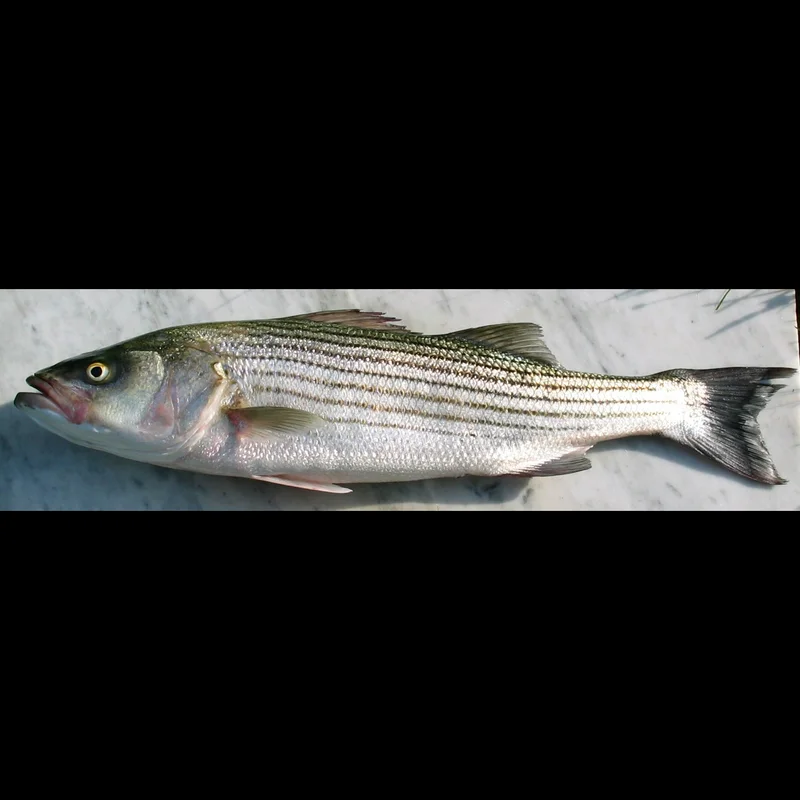
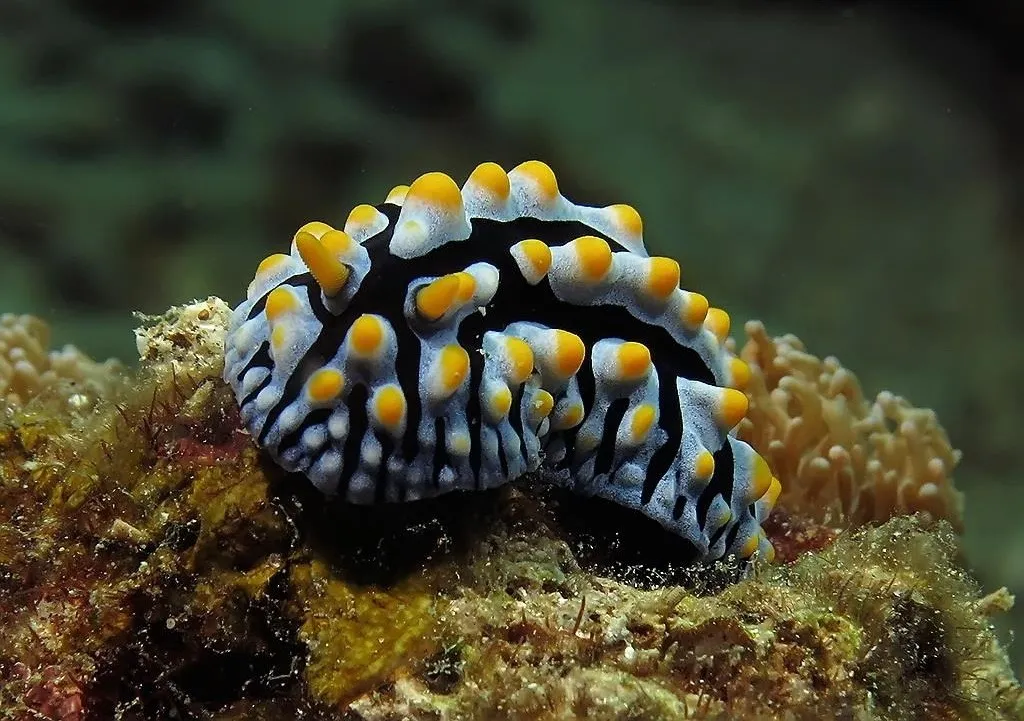
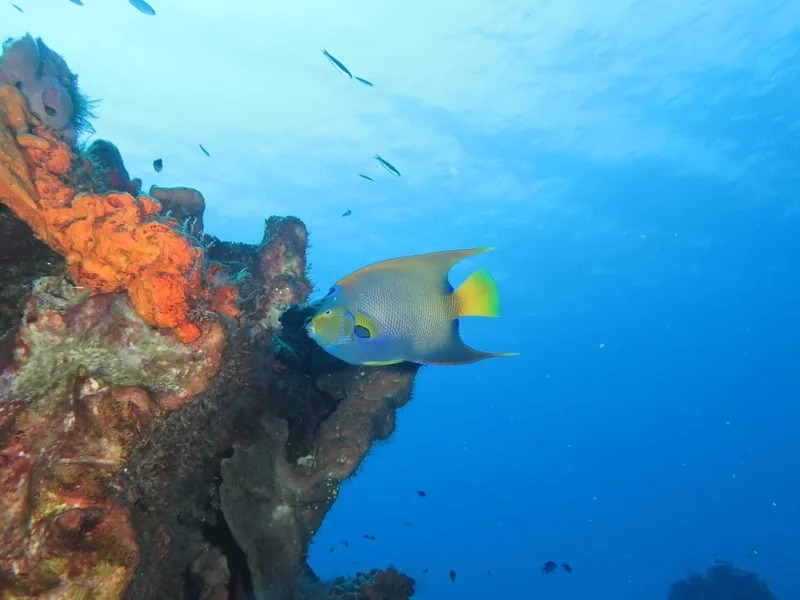
Within the reefs and sandy areas, divers regularly spot Garibaldi, Blacksmith, and various Sand Bass. Closer inspection often reveals Octopus, Blennies, Moray Eels, and diverse Nudibranchs.
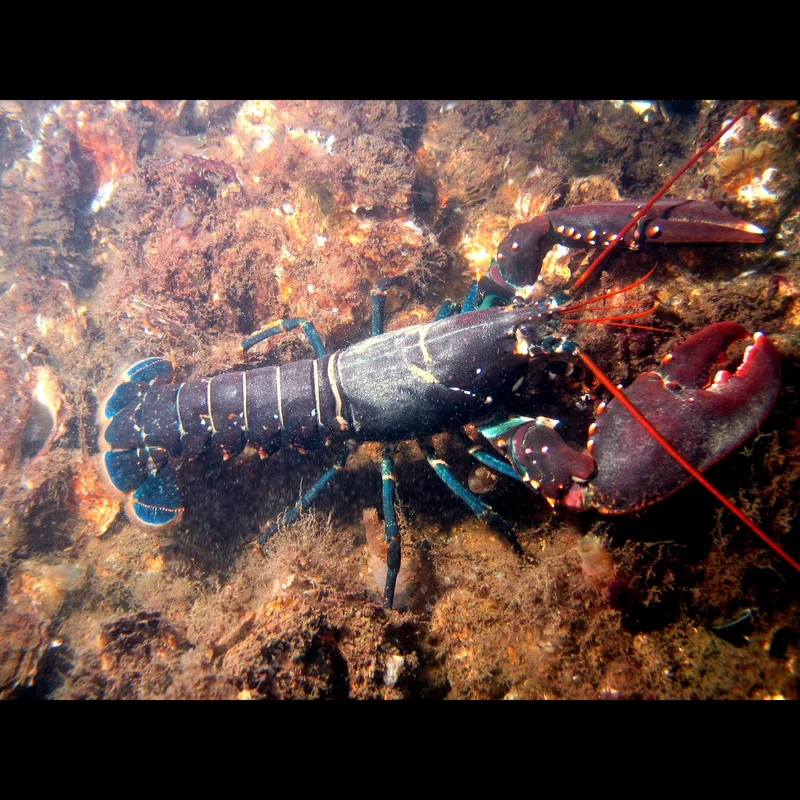
Larger species such as Bat Rays, Lobster, Cabezon, and Halibut are also common sights within the bay.
Dive Sites Near Crescent Bay
View all dive sites in United StatesDiscover more underwater gems in this area.
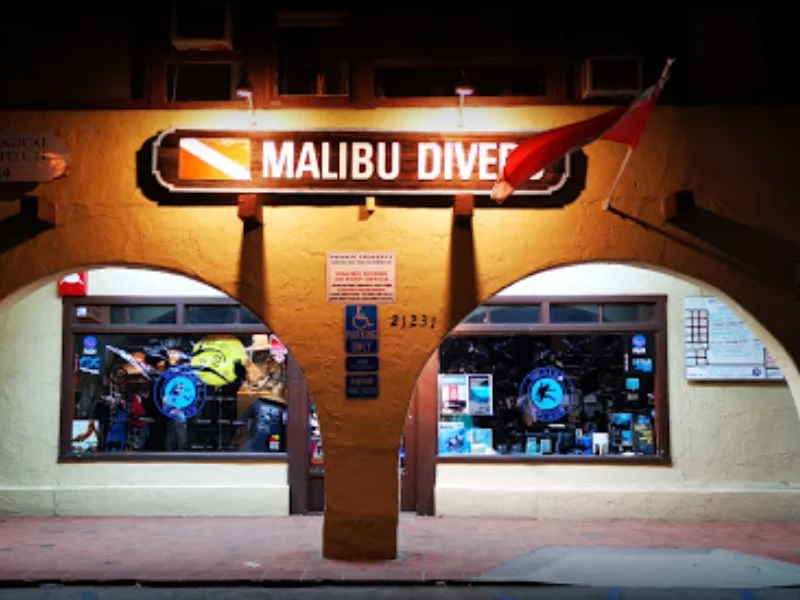
Dive Centers Near Crescent Bay
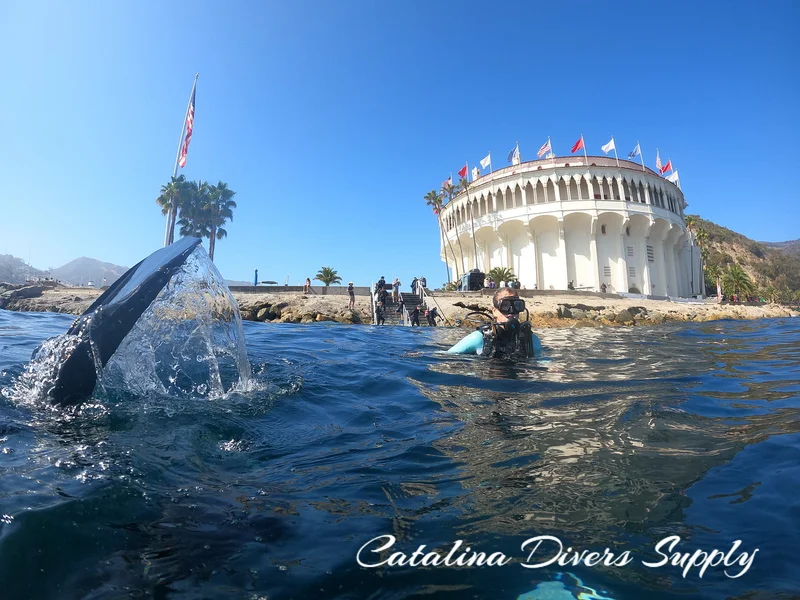
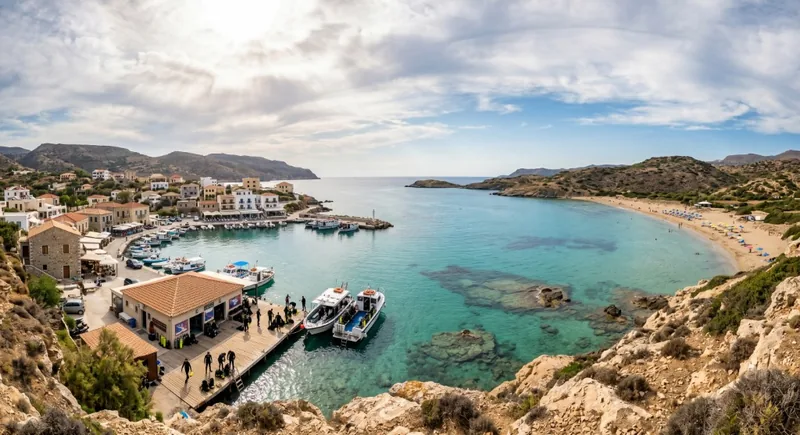
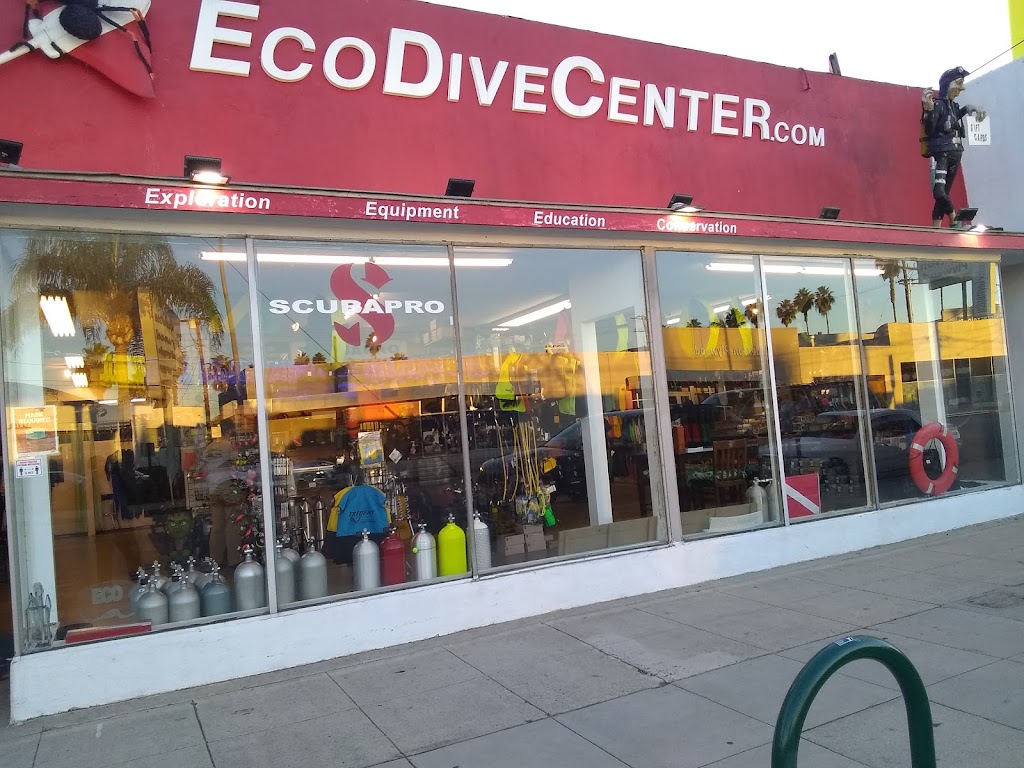
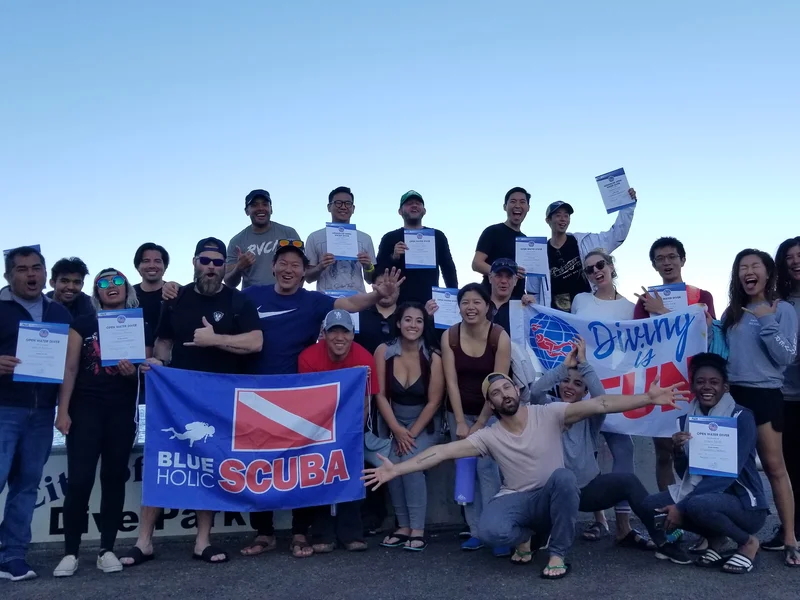
Today: 08:00 - 16:00
Nearest Airports
Nearest airports to help plan travel to this dive area.
Search Flights
Check available flights and routes on Expedia, using the nearby airports listed in this section.
Search Flights on Expedia
Plan Your Stay
Looking for a place to stay for your dive trip? Explore hotels, stays, and vacation rentals for dive groups near Laguna Beach.
Dive Navigator may earn a commission from these links at no extra cost to you.
Frequently Asked Questions
Is Crescent Bay suitable for beginner divers?
Yes, Crescent Bay is considered accessible for beginner divers, especially with its sandy entry and relatively shallow maximum depth of 6 m / 19 ft. However, always assess the surf conditions, as this is a beach dive.
What types of marine life can I expect to see?
You can often see Garibaldi, Blacksmith, Sand Bass, and Blue Banded Gobies. Seal Rock is known for sea lion encounters. Octopus, Moray Eels, and Bat Rays are also frequently spotted.
Are there any specific hazards to be aware of at Crescent Bay?
Strong surge can sometimes create challenging entry and exit conditions. Be aware that following rock formations too far can lead to shallow areas. Always monitor conditions and dive within your training limits.
Is Crescent Bay a protected area?
Yes, Crescent Bay is part of a Marine Protected Area (MLPA) and is designated as a Marine Sanctuary. This means all marine life is protected, and no collection or take of any kind is allowed.
Do I need a buddy to dive here?
Laguna Beach lifeguards monitor the area and may check for buddy teams. It's highly recommended, and often required, to dive with a buddy for safety.
What is the maximum depth at Crescent Bay?
The maximum depth reported for diving at Crescent Bay is approximately 6 meters or 19 feet, making it a relatively shallow dive site.
Are there facilities available at the dive site?
Crescent Bay has restrooms and outdoor showers. However, showers can be a bit of a walk from the main stair access if you're carrying heavy gear.
What's the difference between Crescent Bay and Dead Man's Reef?
Crescent Bay is the primary entry point and general dive area. Dead Man's Reef is a more remote reef located about 200 yards from Seal Rock, offering potentially clearer water and less-touched scenery.
Planning to dive Crescent Bay?
Send one inquiry and receive offers directly from the best verified local dive operators.
Conditions are Good
07:00 - 14:00
Optimal conditions expected
Current conditions near Crescent Bay show 18° air, 23° sea temperature, 0.9 m waves, and 22 km/h wind. Forecast data is refreshed regularly to ensure accuracy.