
Diving at Shaw's Cove (United States)
Entry and exit at Shaw's Cove demand careful attention, particularly with the 58-step staircase leading down to the beach. While generally protected from large swells, specific areas like the crevice leading to Crescent Bay can experience a strong surge, creating overhead environments. Divers should watch for sand on the concrete access points, as it can be slippery. This site remains a popular shore dive, but situational awareness is key to safely navigating its diverse features.
Evening condition tracking at Shaw's Cove features an air temperature of 21°C. We have recorded wave heights measuring 0.9 m during this period. These figures outline the environmental parameters currently present.
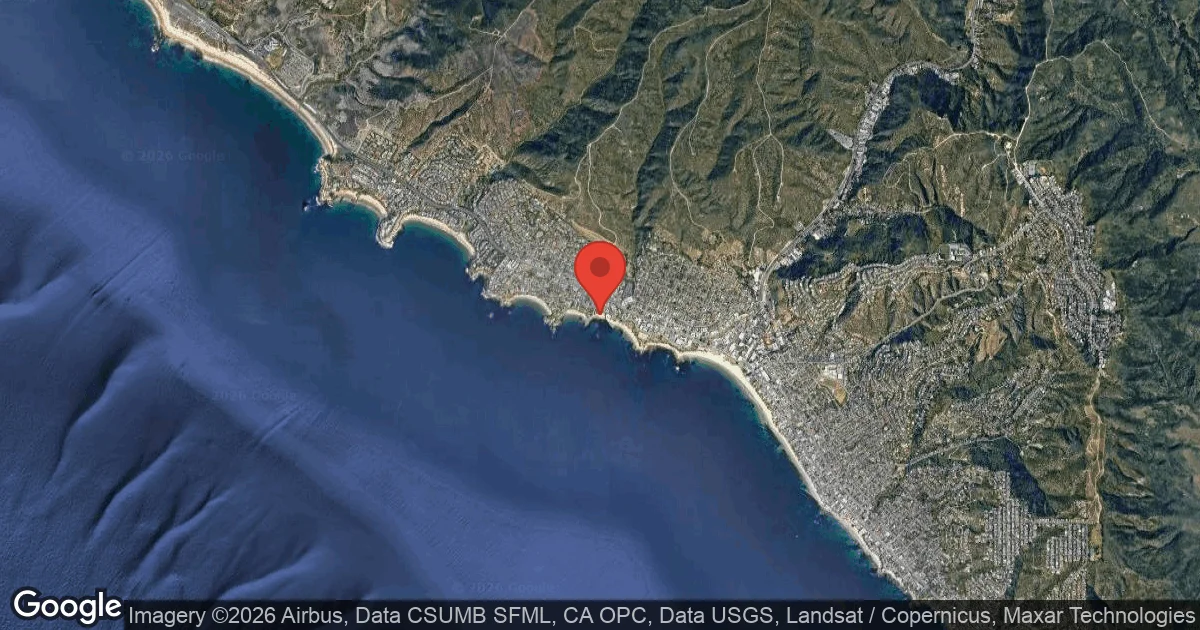
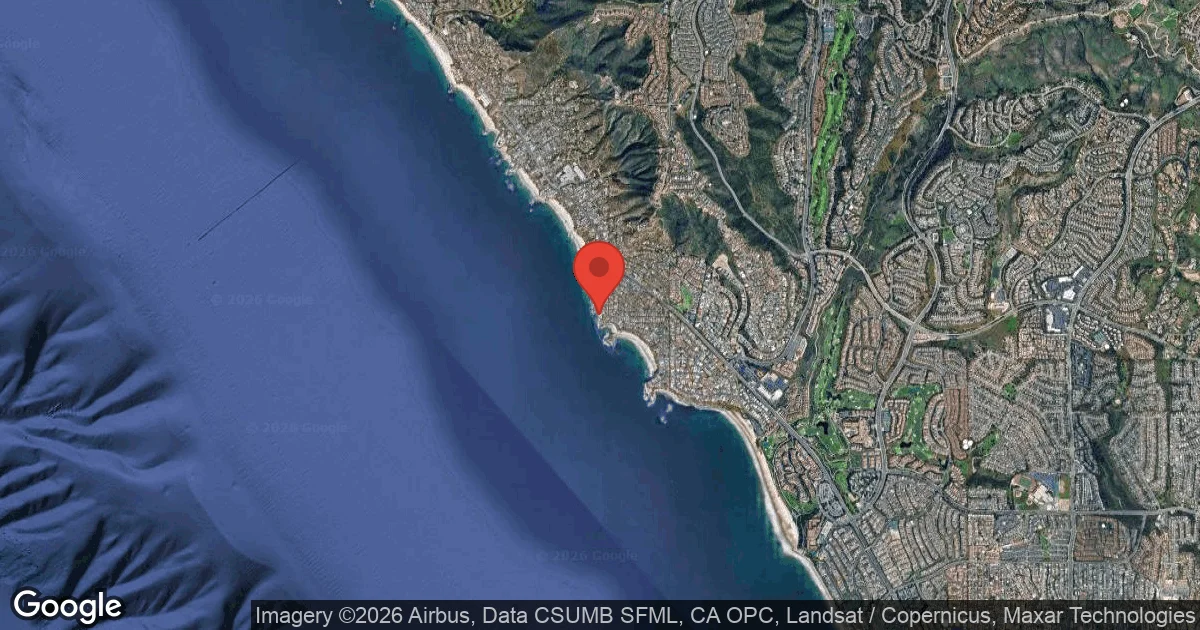
Dive Site Location & Key Facts
Dive Site Overview
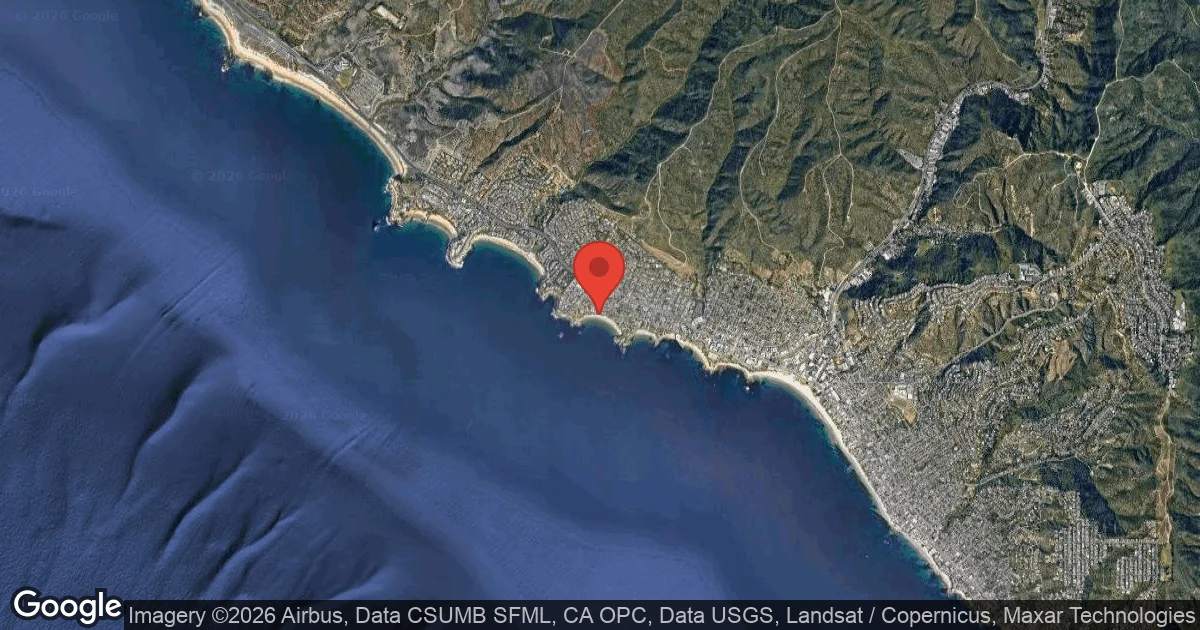
Shaw's Cove presents a diverse underwater landscape, a compelling draw for Southern California beach divers. Past the 58-step access staircase, a sandy beach transitions to a reef around 23 meters to the west.
A distinctive jumble of large boulders characterizes this reef, forming a labyrinthine network of trenches and smaller channels for exploration. A prominent 1.8-meter wide trench, approximately 30 meters from shore, provides an engaging swim-through for those comfortable with overhead environments. This trench begins with an underwater arch, creating the impression of entering a confined space before splitting into a Y configuration.
Depths in the wider cove can approach 15.5 meters, though the trench itself remains shallower, often around 6 meters, even at high tide. Well-protected from large swells, this area consistently suits various skill levels, frequently accommodating many scuba classes for training.
This site's diverse structure and depth range create compelling navigation and exploration possibilities, making repeat visits rewarding for shore divers.
Conditions are Excellent
07:00 - 14:00
Optimal conditions expected
Current conditions near Shaw's Cove show 21° air, 23° sea temperature, 0.9 m waves, and 18 km/h wind. Forecast data is refreshed regularly to ensure accuracy.
Best Time to Dive
Optimizing a dive at Shaw's Cove often means prioritizing calmer conditions and clearer visibility. While diving is possible year-round, the summer months from June to September typically see the busiest periods and often favorable surface conditions. Air temperatures during these months range from 18.5°C (65°F) to 21.5°C (71°F), with minimal rainfall, averaging less than 1 mm. Water temperatures fluctuate widely, reported between 11-25.5°C (52-78°F). Visibility varies, ranging from 1.5-7.6 m (5-25 ft) or more, depending on recent weather and surge. Winter months (December-March) see cooler air temperatures, from 13-14°C (55-57°F), and higher average rainfall, which might impact local water clarity. Planning dives during low tide can also enhance the experience, allowing for shallower wading entries.
PEAK SEASON SCORE
Scores combine air & water temps, waves, wind & rainfall for overall conditions.
BEST MONTHS TO DIVE
Monthly records compiled from satellite and marine observation nodes over the last 3 years. Data provided by Open-Meteo and MET Norway.
Dive Experience & Conditions
Shaw's Cove typically provides a relatively sheltered environment from large ocean swells, making it generally accessible for shore dives. Water conditions, however, exhibit dynamic behavior depending on the specific location and tide. During low tide, divers can often wade out significantly due to the flat bottom before needing to swim. The western side, particularly around the crevice leading towards Crescent Bay, can experience strong surge, especially when the tide is running. This crevice, found in approximately 4.5-6 m (15-20 ft) of water, includes an arch that creates an overhead environment requiring careful navigation. The distinctive trench, roughly 30 m (100 ft) from shore, should only be attempted when conditions are calm, as water can push through at high speed otherwise. Water temperatures range from 11-25.5°C (52-78°F), requiring appropriate thermal protection.
Dive Difficulty & Safety Guidelines
Divers approaching Shaw's Cove should understand the entry logistics and site regulations. The 58-step staircase descent requires prudence; using handrails is essential due to potential slippery sand on concrete. Always dive with a buddy, as lifeguards monitor the area and may check for proper equipment like snorkels.
As a designated Marine Protected Area, a strict no-take zone is enforced, prohibiting any hunting or collection of marine life.
Furthermore, a strong surge can occur in specific areas, such as the crevice, necessitating awareness of overhead environments. Essential safety gear includes a Surface Marker Buoy (SMB) for surface visibility, a knife, and an underwater light, especially for observing smaller reef inhabitants. Be mindful of the residential surroundings, keeping noise to a minimum.
Recommended Equipment
- Dive Computer
This gear list is based on verified equipment signals for Shaw's Cove, United States. Always confirm final gear choices with your dive operator, guide, or liveaboard.
Recommended Dive Suit
Recent conditions suggest the water at Shaw's Cove remains near 23°C (74°F), offering typical conditions for the area. Surface air temperatures are resting at 21°C (70°F).
The forecast outlook suggests that temperatures will stay close to current levels.
Divers who prefer moderate insulation typically choose 3-5mm wetsuit in similar environments. A hood or vest is suggested for sensitive divers due to surface winds. Surface intervals may feel cooler. Many experienced divers adjust their exposure protection depending on the type of dive planned.
Emergency & Medical Support
Essential information to help you plan your dive trip to Shaw's Cove.

Hyperbaric chambers are a critical part of dive safety infrastructure. Availability varies significantly by region, and not all dive areas have immediate access.
Before diving, it's recommended to:
- confirm nearest medical facilities
- check emergency procedures with local dive operators
- ensure dive insurance covers evacuation if required
Divers Alert Network
Diving emergency assistance available through DAN World.
+1-919-684-9111- 24/7 emergency hotline
- Diving medical assistance
- Evacuation coordination
Emergency contacts are provided for reference. Always verify local emergency services before diving.
Marine Life at Shaw's Cove
Upon descending into Shaw's Cove, divers are immediately greeted by an active ecosystem, with vibrant Garibaldi often among the first to be spotted. The rocky reefs and trenches provide habitat for a variety of species.
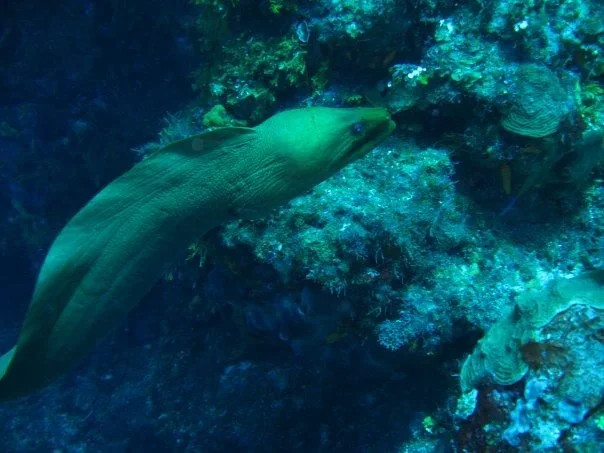
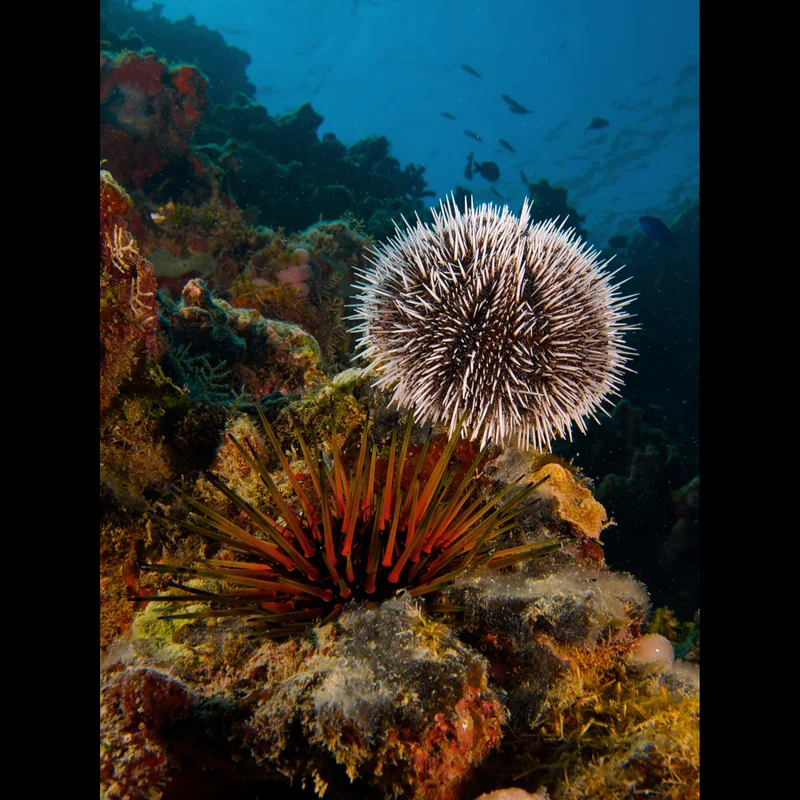
Look for Sheephead, Senoritas, and the occasional Bat Ray gliding across the sand. Within the intricate boulder formations and along the trench walls, sea urchins are prevalent, providing shelter for Octopus and Moray Eels.
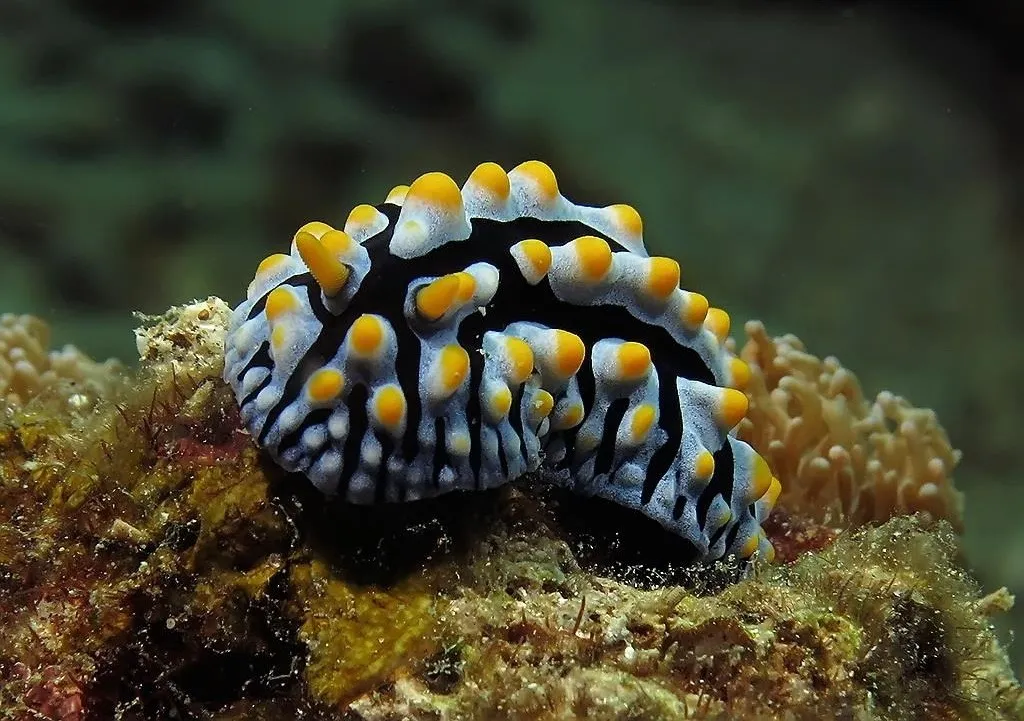
Horn Sharks, Leopard Sharks, and Halibut are also common bottom dwellers, while smaller Blennies and an array of Nudibranchs offer macro-level observations.

Dive Sites Near Shaw's Cove
View all dive sites in United StatesDiscover more underwater gems in this area.
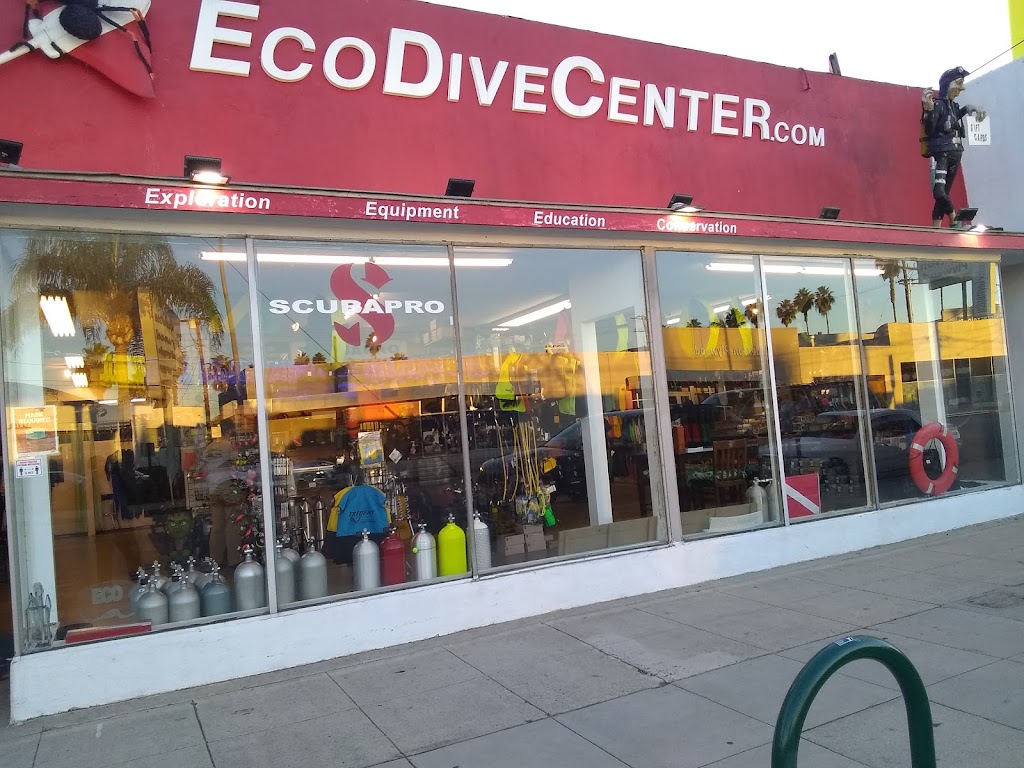
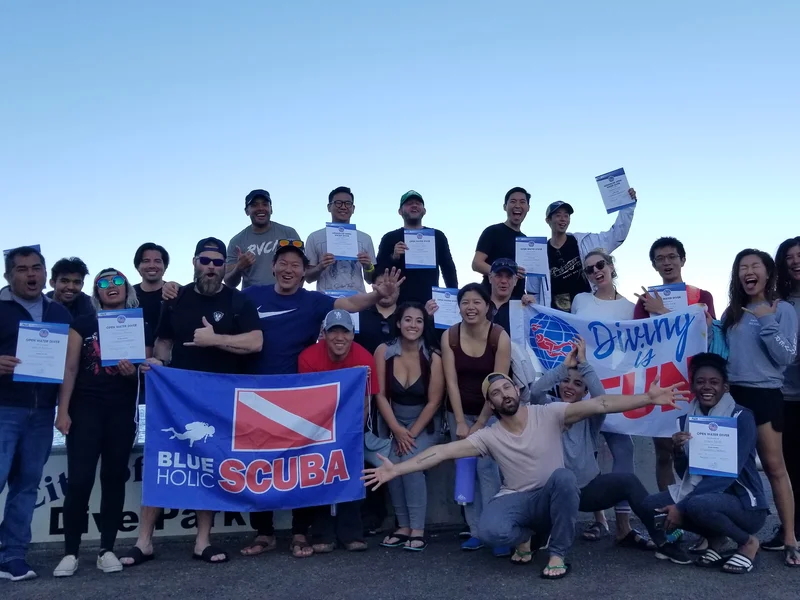
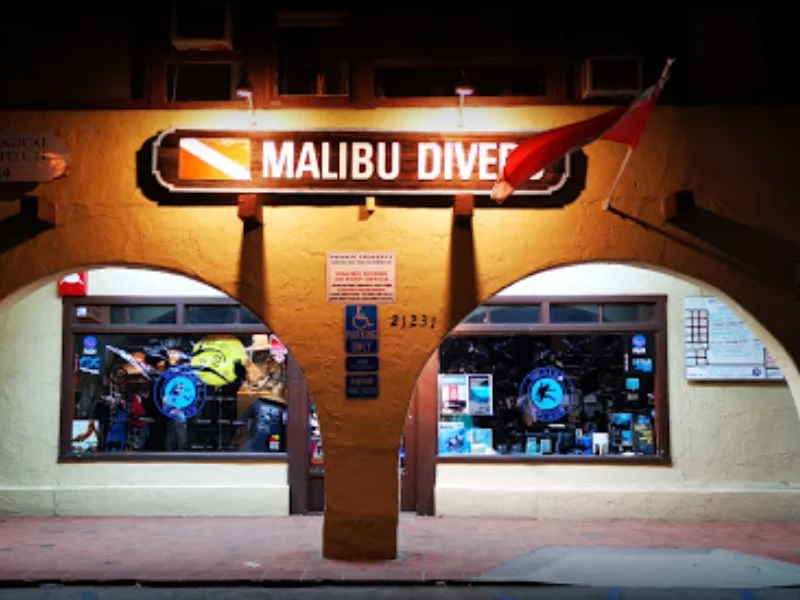
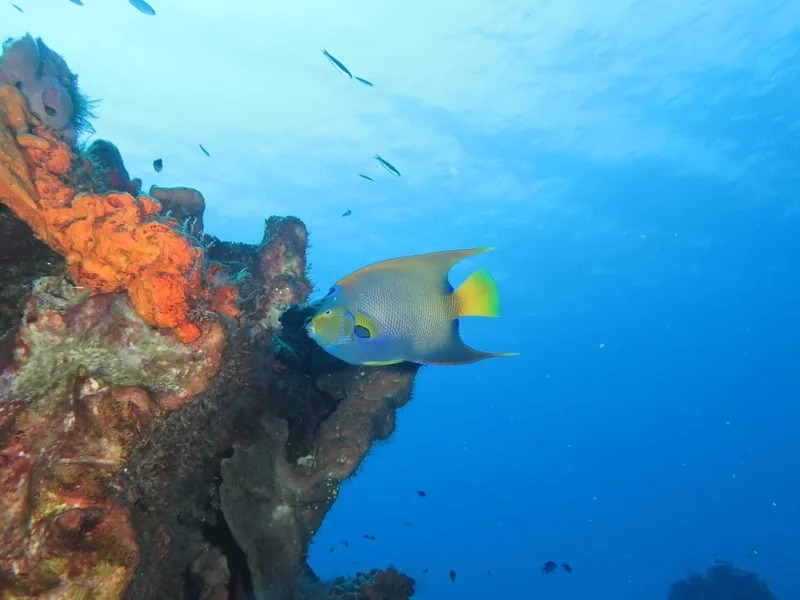
Dive Centers Near Shaw's Cove
Today: 08:00 - 16:00
Nearest Airports
Nearest airports to help plan travel to this dive area.
Search Flights
Check available flights and routes on Expedia, using the nearby airports listed in this section.
Search Flights on Expedia
Plan Your Stay
Looking for a place to stay for your dive trip? Explore hotels, stays, and vacation rentals for dive groups near Laguna Beach.
Dive Navigator may earn a commission from these links at no extra cost to you.
Frequently Asked Questions
What is the typical dive difficulty at Shaw's Cove?
Shaw's Cove is widely considered suitable for beginner to intermediate beach divers due to its protected nature. However, specific areas like the crevice or trench can present challenges such as surge or overhead environments, requiring more experience.
Are there any facilities available at Shaw's Cove?
No, Shaw's Cove itself does not have bathroom facilities or showers. Crescent Bay, located just around the corner to the west, offers multiple restrooms and outdoor showers for diver convenience.
Is Shaw's Cove part of a Marine Protected Area?
Yes, Shaw's Cove is situated within a Marine Protected Area (MPA). This designation means that no hunting or taking of marine life is permitted; it is a strict no-take zone.
What are the typical depths found at Shaw's Cove?
Depths at Shaw's Cove range from a shallow entry to a maximum of approximately 15.5 m (51 ft). The notable trench area is typically shallower, around 6 m (20 ft), even during high tide.
How do I access the dive site from the parking area?
Access is via a 58-step, 6-landing staircase off Cliff Drive, which leads down to the sandy beach. It's advisable to drop gear with a buddy at the top before parking, and always use the handrails due to potential slippery sand.
What water temperatures can I expect when diving here?
Water temperatures at Shaw's Cove can vary significantly, generally ranging from 11-25.5°C (52-78°F). Proper thermal protection, such as a thick wetsuit or drysuit, is recommended.
Is the main trench or crevice always safe to enter?
No, the main trench is only safe to enter when conditions are calm, as strong currents can push through at high speed otherwise. The crevice on the western side can also experience strong surge and presents an overhead environment.
What marine life is commonly seen?
Divers frequently encounter Garibaldi, Sheephead, Octopus, and various sharks like Horn and Leopard Sharks. Bat Rays, Moray Eels, and diverse Nudibranchs also inhabit the reef and trenches.
Planning to dive Shaw's Cove?
Send one inquiry and receive offers directly from the best verified local dive operators.
Conditions are Excellent
07:00 - 14:00
Optimal conditions expected
Current conditions near Shaw's Cove show 21° air, 23° sea temperature, 0.9 m waves, and 18 km/h wind. Forecast data is refreshed regularly to ensure accuracy.