
Diving at CSX Reef (United States)
Navigating artificial reef sites like CSX Reef often requires attention to mooring line etiquette. These structures can be magnets for marine life, but their exact layout and potential for entanglement vary significantly. Always conduct a thorough predive safety check, confirm local conditions with your dive operator, and be mindful of your buoyancy. Doing so helps protect the delicate growth on the reef and ensures a safe experience for all divers.
As evening covers CSX Reef, the local air temperature is measured at 24.5°C. The current wave height at the surface is recorded at 0.4 m. These late-day readings characterize the surface conditions for the night.
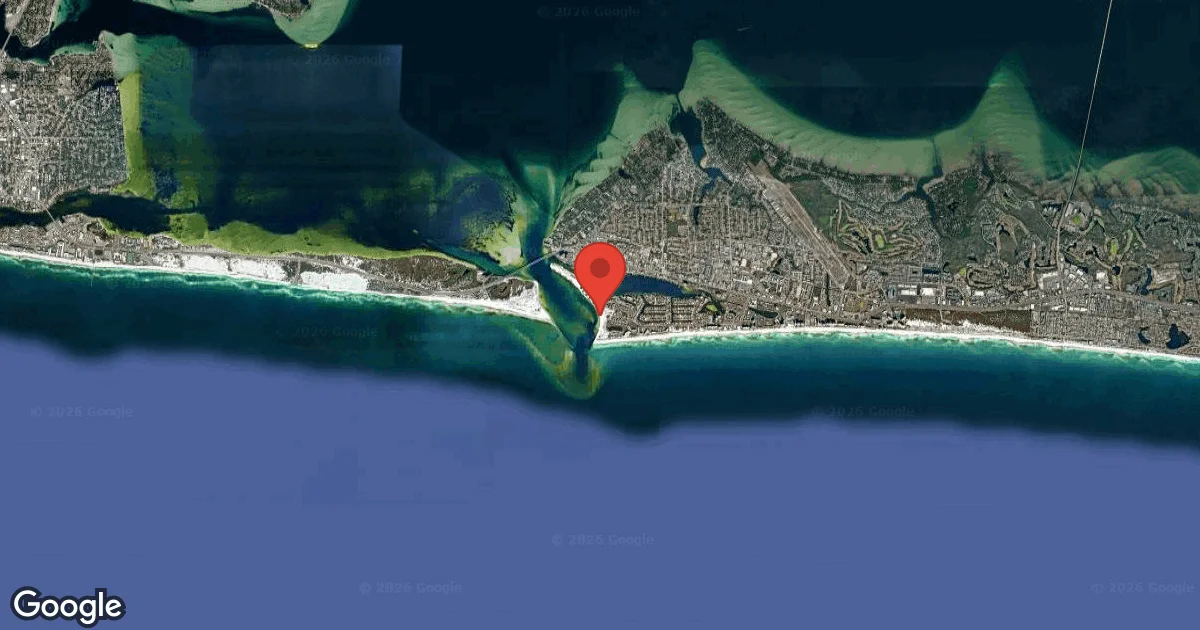
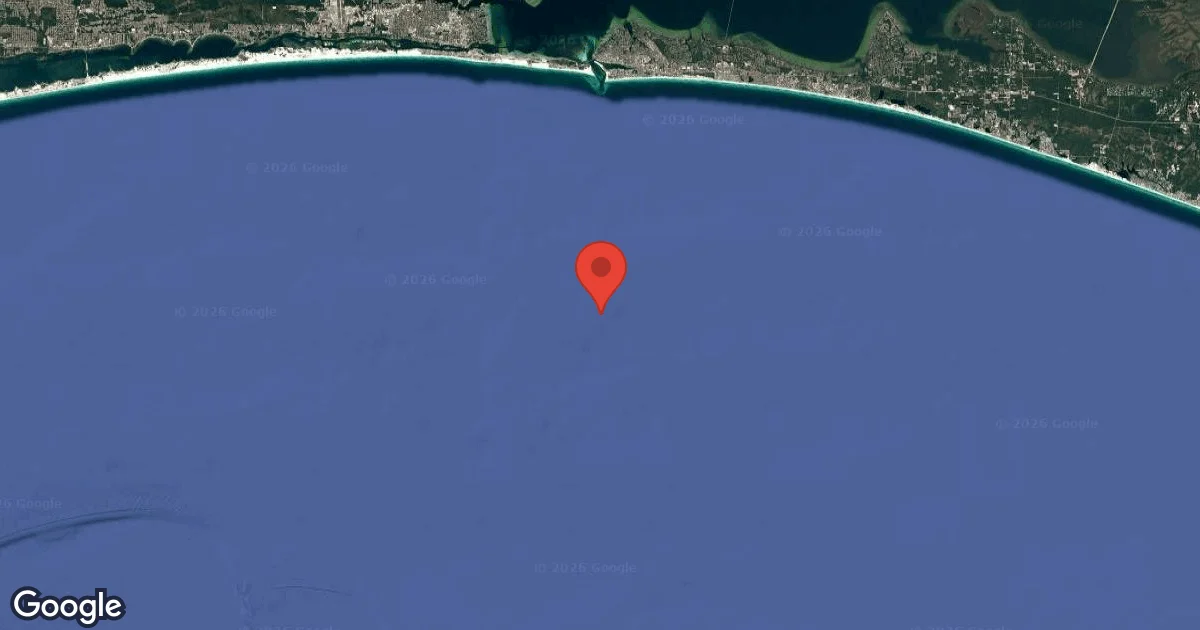
Dive Site Location & Key Facts
Dive Site Overview
Imagine descending onto a structure that began as purposeful debris, now transformed into an evolving underwater habitat. CSX Reef, a component of the broader artificial reef network off the United States coast, provides a compelling example of ocean restoration and ecological growth.
While specific details on its original deployment are not consistently reported, this site, much like others in the area, contributes significantly to marine biodiversity. Divers exploring such artificial structures typically find remnants of various materials, ranging from concrete culverts and slabs to sections of metal, all strategically placed to encourage reef formation. Often positioned within recreational depth ranges, these sites serve as vital havens for fish species that would otherwise lack complex environments in sandy or flat bottom areas.
The purpose-built nature of artificial reefs aims to bolster local fishing and diving opportunities, transforming former industrial materials into vibrant underwater cities. Exploring CSX Reef offers a chance to witness this transformation firsthand.
Such a dive tells a story of human intervention and nature's resilience, inviting thorough exploration of its every crevice and revealing the surprising life that thrives around man-made structures.
Conditions are Excellent
07:00 - 14:00
Optimal conditions expected
Current conditions near CSX Reef show 24° air, 30° sea temperature, 0.4 m waves, and 18 km/h wind. Forecast data is refreshed regularly to ensure accuracy.
Best Time to Dive
The optimal period for diving artificial reefs like CSX Reef often contrasts significantly between the warmer, more active summer months and the cooler, clearer winter season. During the peak summer months, from June through August, air temperatures consistently hover around 27-29°C (81-84°F), contributing to potentially warmer surface conditions, though water temperature data is not consistently reported. These months also tend to have lower average wave heights, around 0.5-0.8 meters, which can translate to calmer boat rides and smoother descents. However, September often marks a shift with increased rainfall, averaging around 6.1 mm, and elevated wind speeds which could affect visibility or surface conditions. Conversely, the cooler period from November to April typically presents better overall dive scores, largely due to reduced rain events and potentially clearer visibility. Air temperatures during these months range from 12-21°C (54-70°F), suggesting the need for appropriate thermal protection. While wave heights can be slightly higher in winter, overall stability often makes it a preferred time for deeper exploration.
PEAK SEASON SCORE
Scores combine air & water temps, waves, wind & rainfall for overall conditions.
BEST MONTHS TO DIVE
Monthly records compiled from satellite and marine observation nodes over the last 3 years. Data provided by Open-Meteo and MET Norway.
Dive Experience & Conditions
Entering the water at a site like CSX Reef generally means descending into varied conditions typical of Florida's artificial reefs. While specific depth information for this particular reef is not available, these structures commonly fall within recreational limits, often ranging from shallower sections to depths around 30 m (100 ft). Visibility can fluctuate significantly, sometimes presenting clear conditions conducive to photography, while at other times appearing murkier, with a pea-green tint, depending on recent weather and currents. Currents around artificial structures can be localized and sometimes strong, requiring divers to pay close attention to positioning. The structure itself often presents numerous features for exploration, from open sections to areas with dense growth, offering different experiences for divers with varying comfort levels. Buoyancy control remains essential to avoid disturbing the delicate marine life and sediment.
Dive Difficulty & Safety Guidelines
Navigating an artificial reef like CSX Reef presents inherent challenges that require careful attention to safety protocols. Given that these sites are often composed of discarded materials and older wrecks, entanglement hazards from loose cables or structural components are a possibility. Always maintain positive control over your equipment and position.
Strong currents can develop around these structures, potentially sweeping divers away or making ascent difficult; vigilance is key. Divers must respect any overhead environments, such as within a potential wreck component, as these areas can be unstable and entrances may shift due to currents or sediment, making penetration risky without proper training and equipment.
Planning dives with a buddy, carrying appropriate safety signaling devices, and adhering to depth and time limits are fundamental for a secure exploration of this dynamic environment.
Recommended Equipment
- Dive Computer
This gear list is based on verified equipment signals for CSX Reef, United States. Always confirm final gear choices with your dive operator, guide, or liveaboard.
Recommended Dive Suit
Divers visiting CSX Reef today can expect water conditions around 30°C (87°F). Surface air temperatures are resting at 24°C (76°F).
For the majority of recreational dives here, dive skin or rash guard should provide suitable protection.
Environmental conditions are expected to remain consistent in the short-term outlook.
Emergency & Medical Support
Essential information to help you plan your dive trip to CSX Reef.

Hyperbaric chambers are a critical part of dive safety infrastructure. Availability varies significantly by region, and not all dive areas have immediate access.
Before diving, it's recommended to:
- confirm nearest medical facilities
- check emergency procedures with local dive operators
- ensure dive insurance covers evacuation if required
Divers Alert Network
Diving emergency assistance available through DAN World.
+1-919-684-9111- 24/7 emergency hotline
- Diving medical assistance
- Evacuation coordination
Emergency contacts are provided for reference. Always verify local emergency services before diving.
Marine Life at CSX Reef
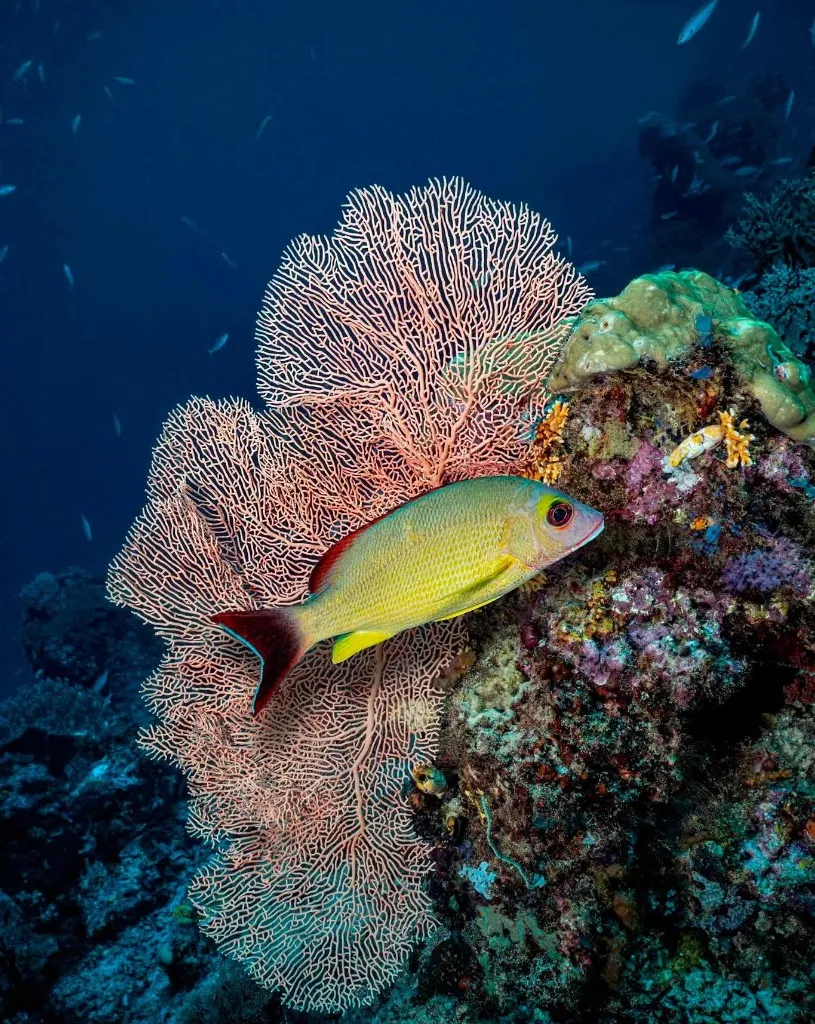
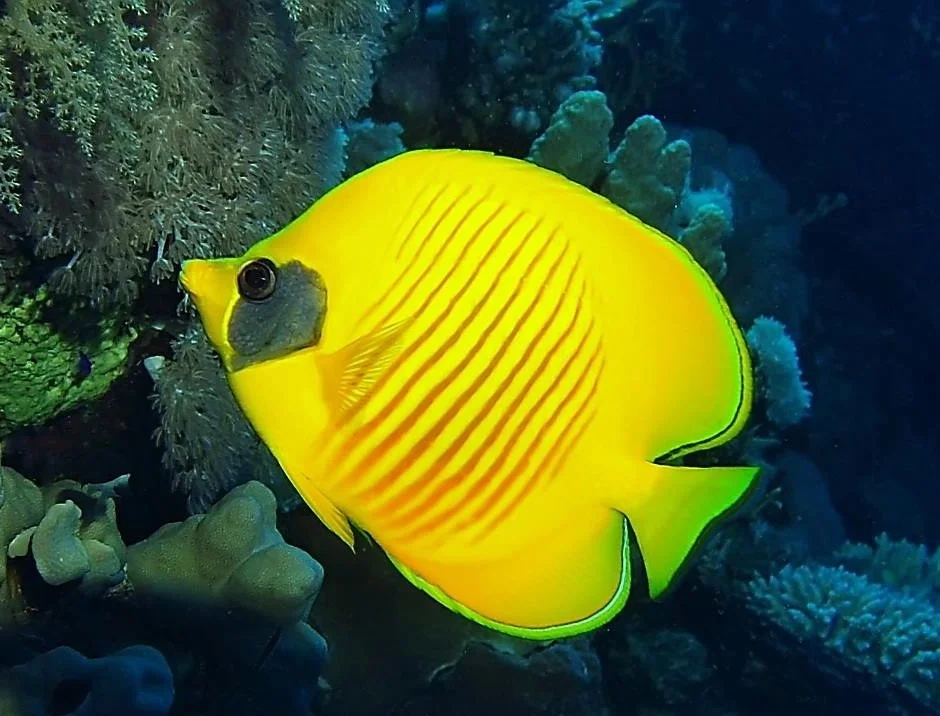
The underwater landscape of CSX Reef, like many artificial structures, buzzes with marine activity, creating vibrant ecosystems where life thrives amidst human-made forms. Divers exploring here often encounter diverse schools of fish, including various snapper, butterflyfish, and triggerfish, which utilize the reef's many nooks for shelter.
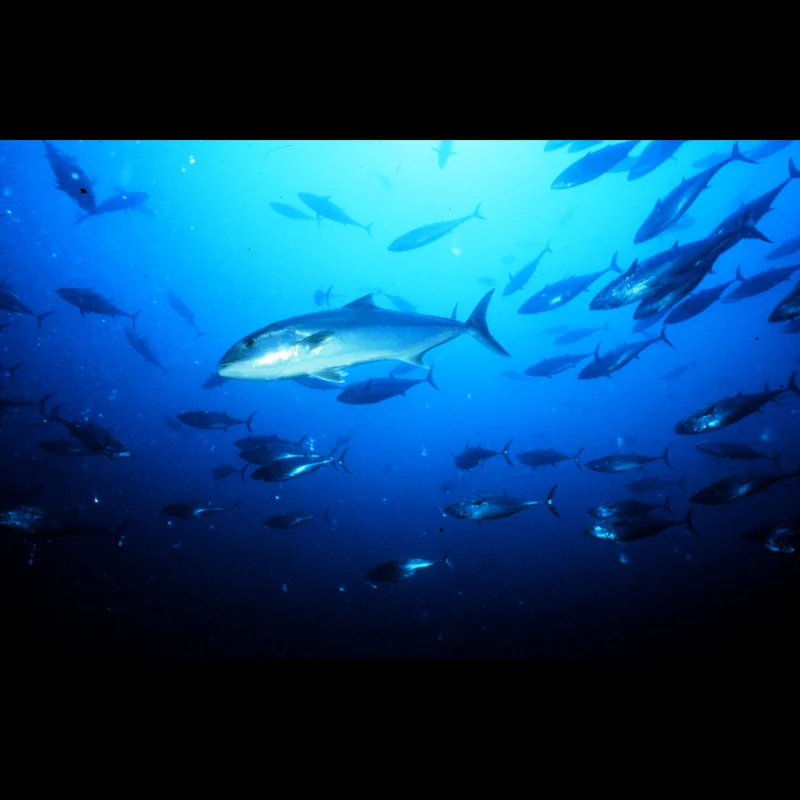
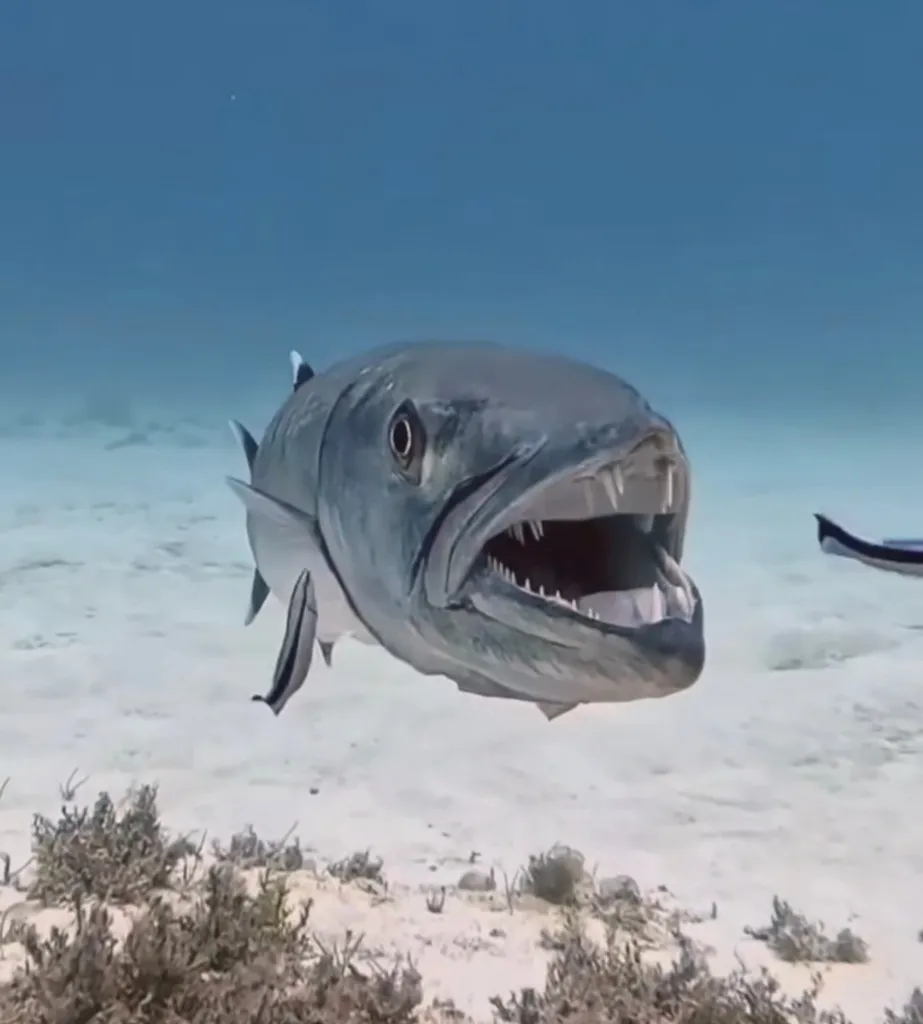
Larger pelagic species such as barracuda, crevalle jack, and amberjacks are also common sights, circling the structure. Goliath groupers frequently hover near the more substantial sections of the reef.
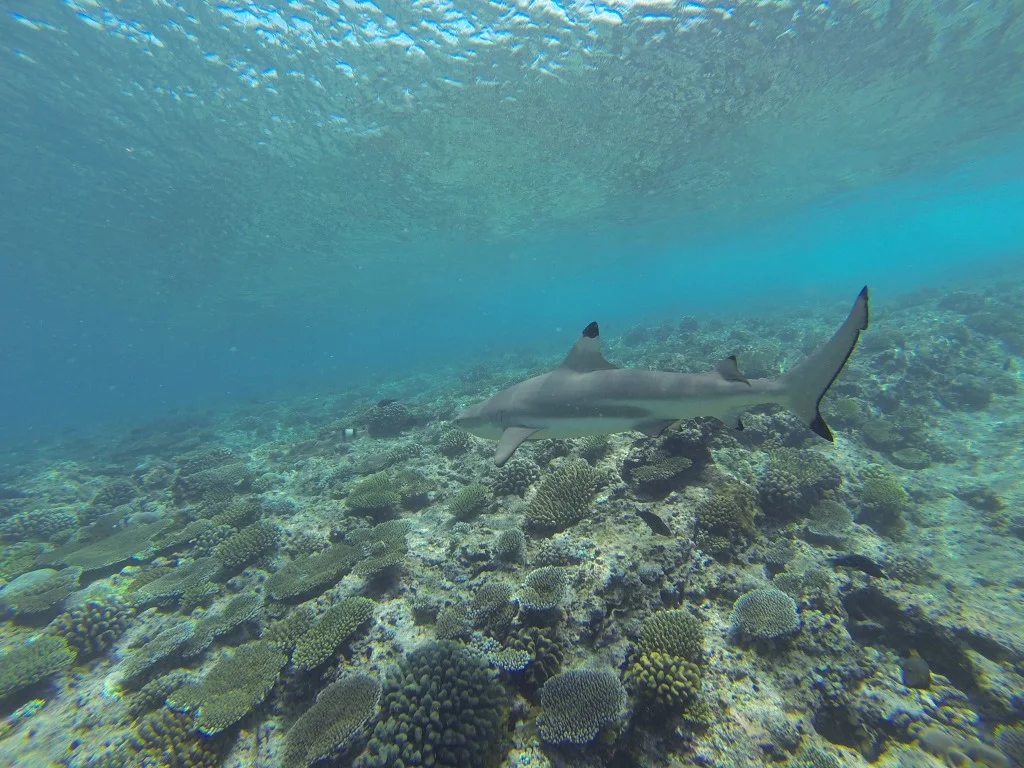
Occasionally, active sharks, including blacktips, are reported in the vicinity, adding to the dynamic nature of this artificial habitat.
Dive Sites Near CSX Reef
View all dive sites in United StatesDiscover more underwater gems in this area.
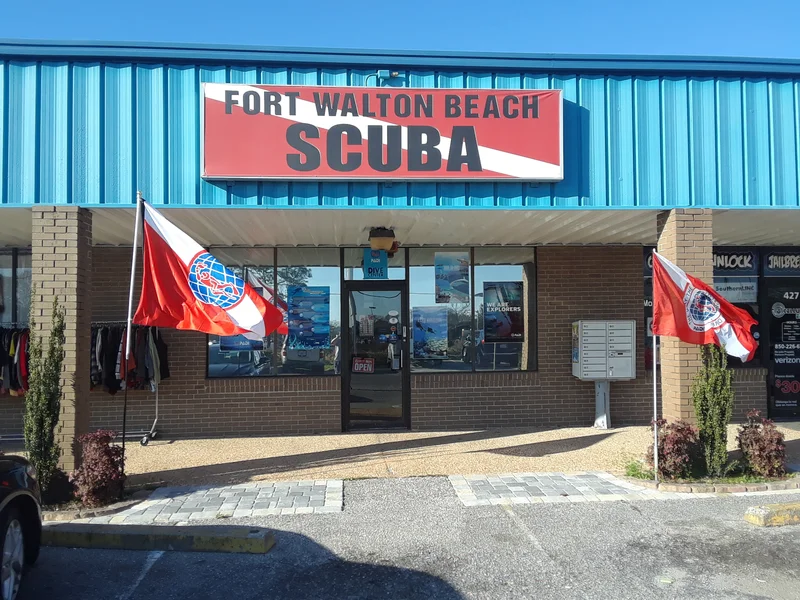
Dive Centers Near CSX Reef
Today: 08:00 - 17:00
Nearest Airports
Nearest airports to help plan travel to this dive area.
Search Flights
Check available flights and routes on Expedia, using the nearby airports listed in this section.
Search Flights on Expedia
Plan Your Stay
Looking for a place to stay for your dive trip? Explore hotels, stays, and vacation rentals for dive groups near Fort Walton Beach.
Dive Navigator may earn a commission from these links at no extra cost to you.
Frequently Asked Questions
What is an artificial reef?
An artificial reef is a human-made structure placed on the seafloor to promote marine life. They are often constructed from concrete, metal, or purpose-sunk vessels, creating habitat and food sources in areas that might otherwise be barren. These reefs contribute to local biodiversity and support fishing and diving opportunities.
What kind of depths can be expected at artificial reefs like CSX Reef?
Depths at artificial reef sites in this region typically vary widely. Many sites are within recreational diving limits, with shallower sections starting around 7 meters (20 ft) and deeper areas extending to 30 meters (100 ft) or more. Divers should confirm specific depth profiles with their dive operator for any given site.
How is visibility generally at artificial reefs in the region?
Visibility at these sites can be quite variable and depends heavily on recent weather patterns, currents, and plankton blooms. It can range from excellent, offering clear views for photography, to murkier conditions with a greenish tint. Planning dives after periods of calm weather often yields better visibility.
Are strong currents common at these artificial reef sites?
Currents can indeed be a factor around artificial reefs, sometimes presenting moderate to strong conditions. The structures themselves can create localized eddies and flows. Divers should be prepared to manage varying current strengths and practice good buoyancy control.
What marine life is commonly seen on artificial reefs here?
These reefs attract a wide array of marine species, including various snappers, groupers, and barracudas. You might also spot triggerfish, butterflyfish, and large schools of jacks. Occasionally, larger pelagics like sharks are observed circling the structures.
Is wreck penetration advised on artificial reefs with vessel components?
Penetrating wreck components on artificial reefs is generally advised only for divers with specialized training and equipment. Many artificial wrecks are unstable, and their internal structures can shift, creating serious hazards. It's best to enjoy the exterior of these sites unless certified and experienced in wreck penetration.
Planning to dive CSX Reef?
Send one inquiry and receive offers directly from the best verified local dive operators.
Conditions are Excellent
07:00 - 14:00
Optimal conditions expected
Current conditions near CSX Reef show 24° air, 30° sea temperature, 0.4 m waves, and 18 km/h wind. Forecast data is refreshed regularly to ensure accuracy.