
Diving at Davis Reef (United States)
Davis Reef in the Florida Keys strikes a balance, offering an accessible dive for newer divers while still providing rich features that keep experienced enthusiasts engaged. Its welcoming mild currents and clear conditions make it an excellent training ground. Yet, the vibrant coral formations, coupled with the unique presence of a Buddha statue, present enough intrigue to reward repeat visits. It's an intermediate-rated site, accommodating a range of skill levels within its comfortable depth limits.
Evening condition tracking at Davis Reef features an air temperature of 28.5°C. We have recorded wave heights measuring 0.6 m during this period. These figures outline the environmental parameters currently present.
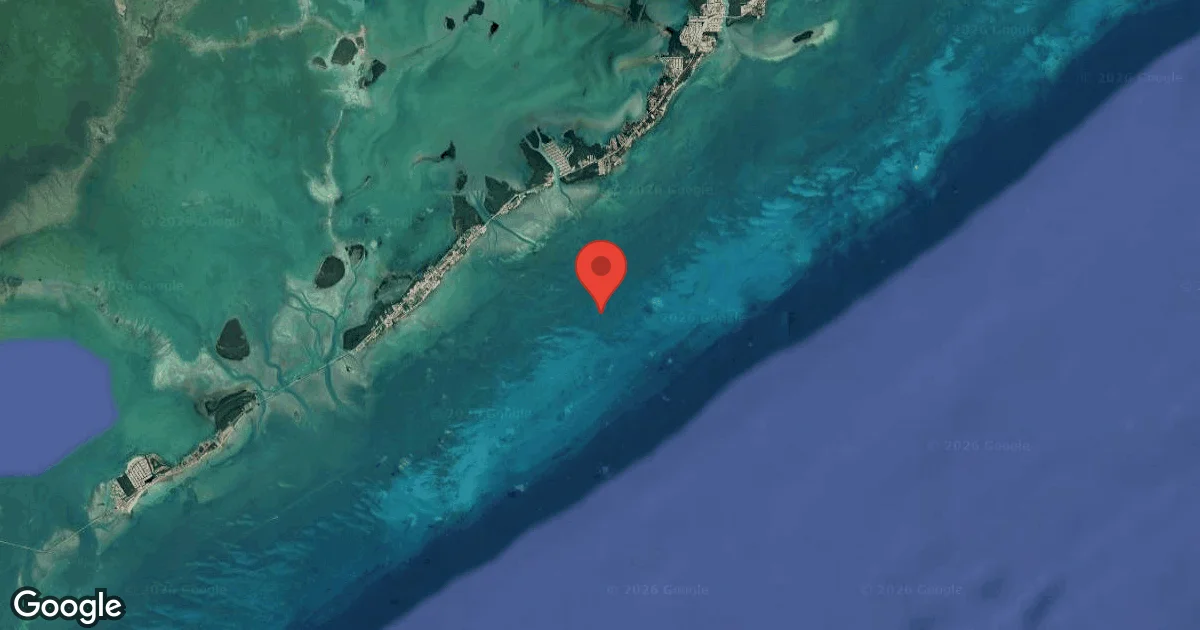
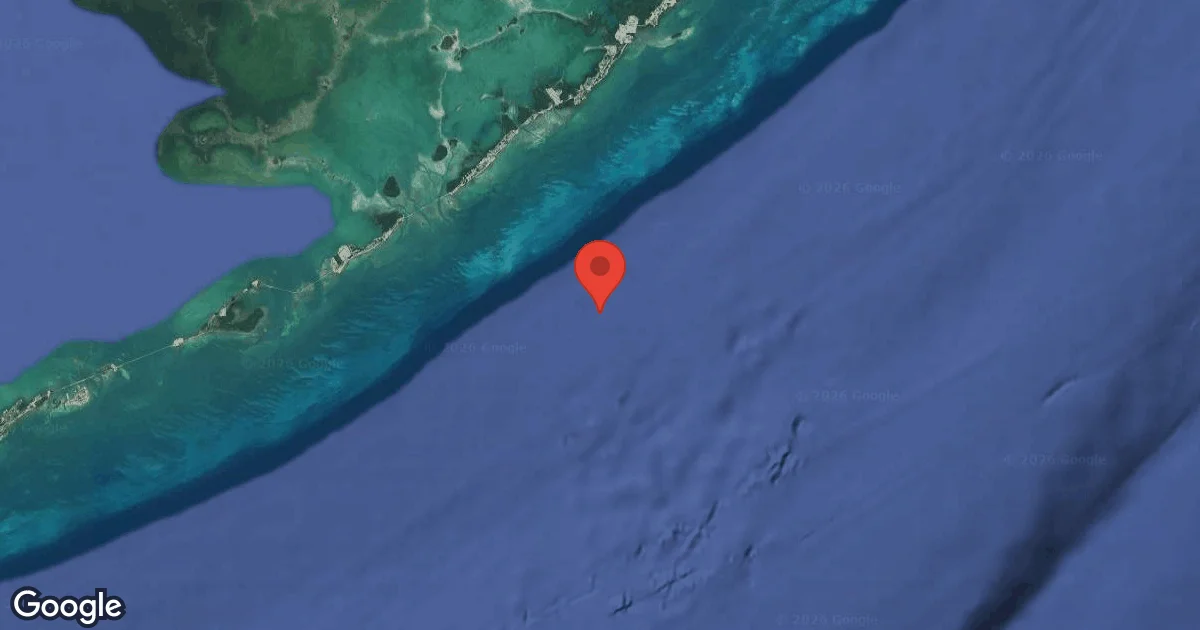
Dive Site Location & Key Facts
Dive Site Overview
The topography of Davis Reef provides an engaging underwater exploration, characterized by a mix of hard and soft corals forming distinct reef structures. Divers can navigate various swim-throughs and ledges, adding an element of discovery to the site.
Bottom types consist primarily of coral, sand, and rock, creating a varied habitat for marine life. A notable feature is the Buddha statue placed on the reef, serving as both a landmark and a unique photo opportunity. This site is widely recognized as suitable for night dives, transforming its appearance and the behavior of its inhabitants after dark.
It's also promoted as a good location for snorkelers due to shallower sections and generally clear conditions. Entry to the site is typically made by boat.
With a recommended maximum depth of 18 m (59 ft), it remains well within recreational dive limits, ensuring ample bottom time for exploration. Visibility here is quite variable, generally ranging from 10.0 to 30.0 m (33 to 100 ft), depending on local conditions and recent weather patterns.
Conditions are Good
Optimal conditions expected
Current conditions near Davis Reef show 28° air, 31° sea temperature, 0.5 m waves, and 27 km/h wind. Forecast data is refreshed regularly to ensure accuracy.
Best Time to Dive
Optimizing for visibility, the months from April to November are generally considered ideal for diving Davis Reef. During this period, surface conditions often stabilize, leading to clearer waters and a more pleasant overall experience. Air temperatures during these months consistently remain comfortable, averaging from 25°C (77°F) in April to 29.5°C (85°F) in August, ensuring warm surface intervals. While rain percentages are present, particularly in summer, they don't consistently impact underwater visibility significantly, which typically ranges from 10.0–30.0 m (33–100 ft). Wave heights tend to be lower in the summer months compared to winter, averaging around 0.6-0.7 meters, which contributes to calmer surface conditions and better water clarity. Winds are also generally lighter between May and September. October and November can see an increase in wind speed and wave height, potentially affecting comfort.
PEAK SEASON SCORE
Scores combine air & water temps, waves, wind & rainfall for overall conditions.
BEST MONTHS TO DIVE
Monthly records compiled from satellite and marine observation nodes over the last 3 years. Data provided by Open-Meteo and MET Norway.
Dive Experience & Conditions
Current dynamics at Davis Reef are typically mild, making it an approachable site for divers across various skill levels, including those newer to the sport. There is generally no significant surge reported, contributing to a calm and stable underwater environment. Water temperatures show a distinct seasonal variation; summer dives between June and August typically experience pleasant warmth, ranging from 26–30°C (79–86°F). During the cooler winter months, from December to February, temperatures drop to a still comfortable 21–25°C (70–77°F). Visibility, while good, can vary depending on recent weather and local water movement, typically maintaining a range of 10 to 30 meters. These conditions support an average dive time of approximately 50 minutes, allowing for thorough exploration of the reef's features. Recreational divers will find the max depth of around 18 meters suitable for extended bottom times without advanced decompression planning.
Dive Difficulty & Safety Guidelines
Davis Reef generally presents minimal inherent hazards, making it a suitable environment for a broad range of certified divers. No specific hazards are consistently reported for this site beyond standard diving precautions. Currents are typically mild, but as with any ocean dive, conditions can vary, so assessing the current upon entry is always advised.
Maintaining proper buoyancy control is essential to protect the delicate coral formations, which are a key feature of the reef. Divers should adhere to their training and dive within their certification limits, especially given the site's intermediate rating.
Always dive with a buddy and ensure your equipment is well-maintained. While permits are not required for diving here, using a reputable local dive operator for boat entry is highly recommended for safety and convenience.
Recommended Equipment
- Dive Computer
This gear list is based on verified equipment signals for Davis Reef, United States. Always confirm final gear choices with your dive operator, guide, or liveaboard.
Recommended Dive Suit
For relaxed exploration dives, dive skin or rash guard generally provides adequate warmth. A hood or vest is suggested for sensitive divers due to surface winds. For divers entering the water at Davis Reef, temperatures are currently hovering around 31°C (88°F). Surface air temperatures are resting at 28°C (83°F).
Forecast trends indicate similar diving conditions over the next few days.
A diver's personal tolerance to cold water can play a large role in suit selection.
Due to technical issues with our weather providers, live updates are temporarily delayed. The data above reflects the conditions at the time of the last successful fetch.
Emergency & Medical Support
Essential information to help you plan your dive trip to Davis Reef.

Hyperbaric chambers are a critical part of dive safety infrastructure. Availability varies significantly by region, and not all dive areas have immediate access.
Before diving, it's recommended to:
- confirm nearest medical facilities
- check emergency procedures with local dive operators
- ensure dive insurance covers evacuation if required
Divers Alert Network
Diving emergency assistance available through DAN World.
+1-919-684-9111- 24/7 emergency hotline
- Diving medical assistance
- Evacuation coordination
Emergency contacts are provided for reference. Always verify local emergency services before diving.
Marine Life at Davis Reef
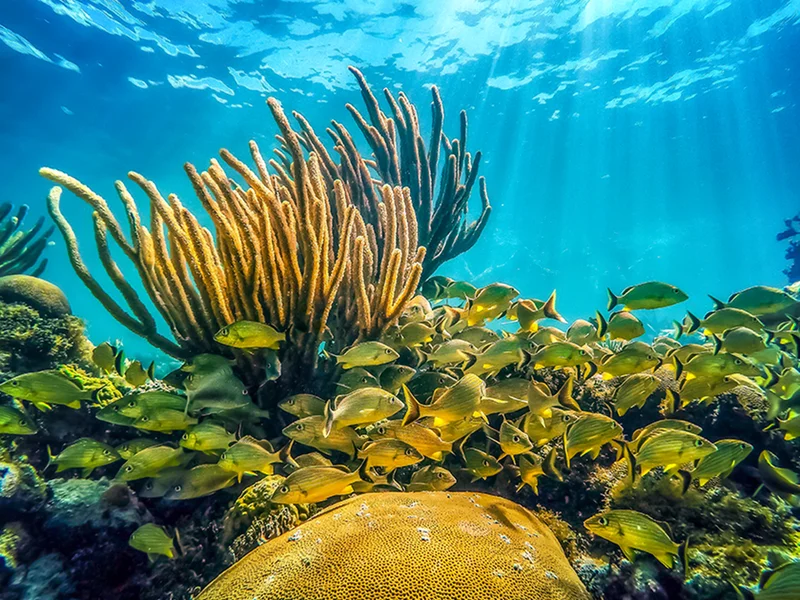
The underwater landscape of Davis Reef supports a vibrant array of marine life, making each dive a visual experience. Exploring the coral formations reveals a dense population of tropical fish species moving amongst the hard and soft corals.
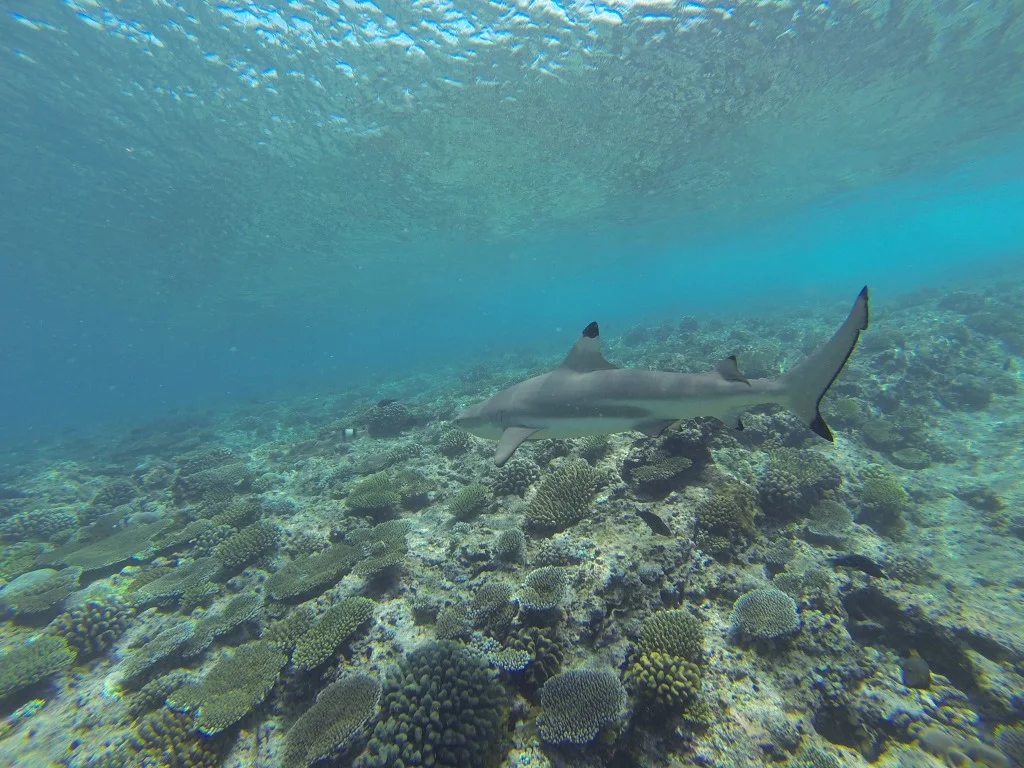
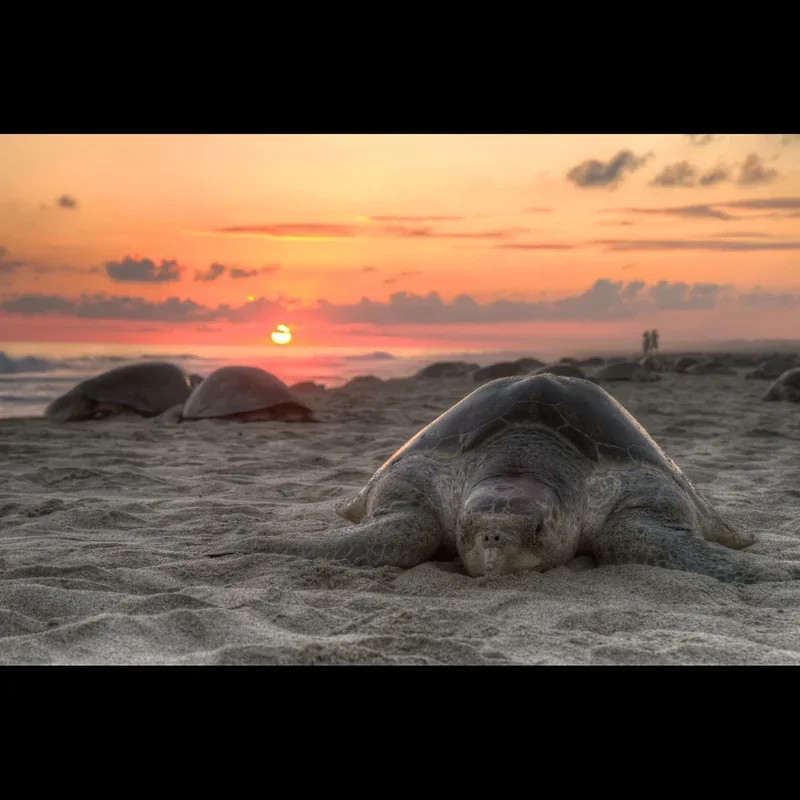
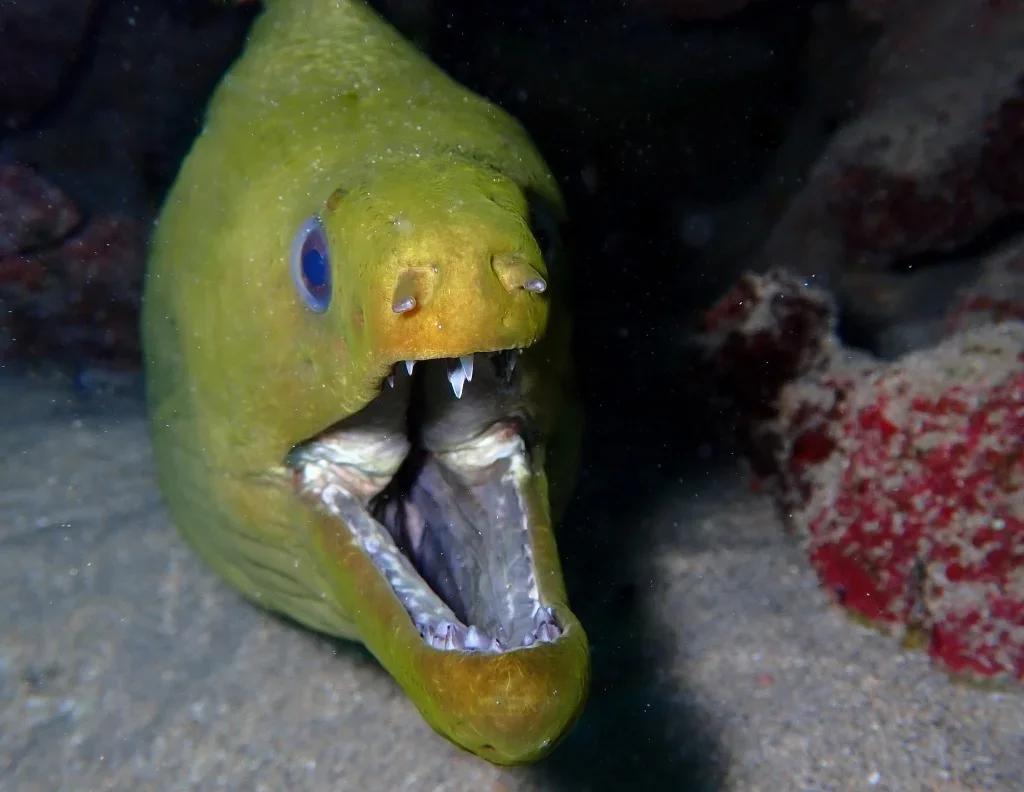
Keep an eye out for larger pelagics; common sightings include various sharks, rays, and sea turtles, which are frequently encountered throughout the reef. Large green moray eels are a notable resident, often seen peering from crevices within the reef structure.
The presence of these creatures further enriches the detailed ecosystem, offering photographers and naturalists ample subjects. While whales and dolphins are less common, they have been sighted in the broader area, adding a rare but exciting possibility.
Dive Sites Near Davis Reef
View all dive sites in United StatesDiscover more underwater gems in this area.
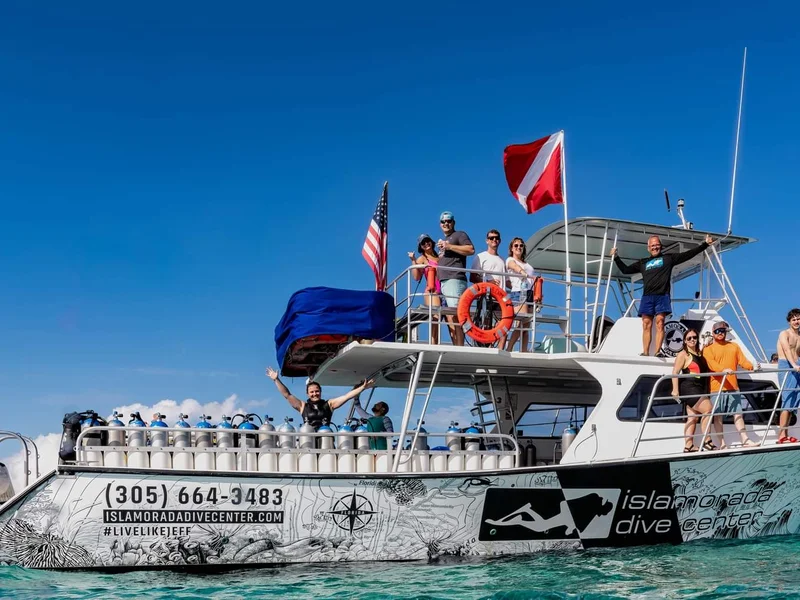
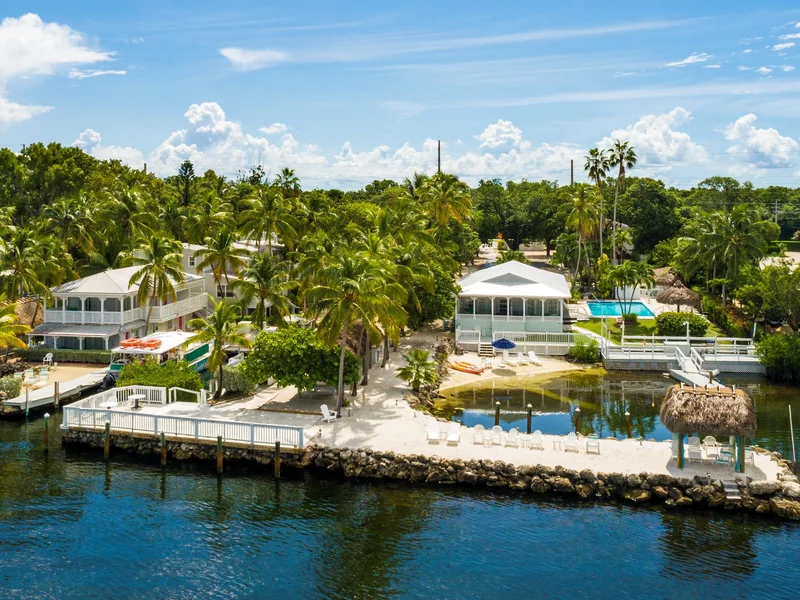
Dive Centers Near Davis Reef
Today: 08:00 - 17:00


Nearest Airports
Nearest airports to help plan travel to this dive area.
Search Flights
Check available flights and routes on Expedia, using the nearby airports listed in this section.
Search Flights on Expedia
Plan Your Stay
Looking for a place to stay for your dive trip? Explore hotels, stays, and vacation rentals for dive groups near Plantation.
Dive Navigator may earn a commission from these links at no extra cost to you.
Frequently Asked Questions
Is Davis Reef suitable for beginner divers?
Yes, Davis Reef is described as approachable for newer divers due to its generally mild currents and lack of significant surge. Its maximum recreational depth of around 18 m (59 ft) also makes it suitable for less experienced individuals.
What types of marine life can I expect to see at Davis Reef?
Divers frequently encounter tropical fish, sea turtles, sharks, and rays. Large green moray eels are also a common and distinctive sight within the reef's structure.
Are there any unique features on Davis Reef?
The reef is known for a Buddha statue placed on the seafloor, which serves as an interesting landmark and photographic subject. Additionally, its diverse coral formations include natural swim-throughs and ledges.
What are the typical water temperatures?
Water temperatures vary seasonally, ranging from 26–30°C (79–86°F) in summer to 21–25°C (70–77°F) in winter. Divers should plan their thermal protection accordingly.
Is Davis Reef good for night diving?
Yes, Davis Reef is highlighted as a good site for night dives. The change in marine activity after dark can offer a completely different experience.
Do I need a special permit to dive Davis Reef?
No, permits are not required to dive at Davis Reef. However, boat entry is standard, so arranging your trip through a local dive shop is the typical approach.
How is the visibility at this dive site?
Visibility at Davis Reef is quite good, generally ranging from 10 to 30 meters. This can fluctuate based on recent weather and sea state.
Planning to dive Davis Reef?
Send one inquiry and receive offers directly from the best verified local dive operators.
Conditions are Good
Optimal conditions expected
Current conditions near Davis Reef show 28° air, 31° sea temperature, 0.5 m waves, and 27 km/h wind. Forecast data is refreshed regularly to ensure accuracy.