
Diving at The Eagle Shipwreck 75-110FT (United States)
The Eagle Shipwreck remains a premier dive site in the Florida Keys, even decades after its intentional sinking. Currently resting on its starboard side, this 287-foot freighter presents an evocative silhouette beneath the waves, testament to its resilience despite repeated hurricane encounters. Known as a 'crown jewel' for wreck divers, the Eagle consistently draws interest for its rich history and accessible structure.
As evening covers The Eagle Shipwreck 75-110FT, the local air temperature is measured at 27.5°C. The current wave height at the surface is recorded at 0.6 m. These late-day readings characterize the surface conditions for the night.
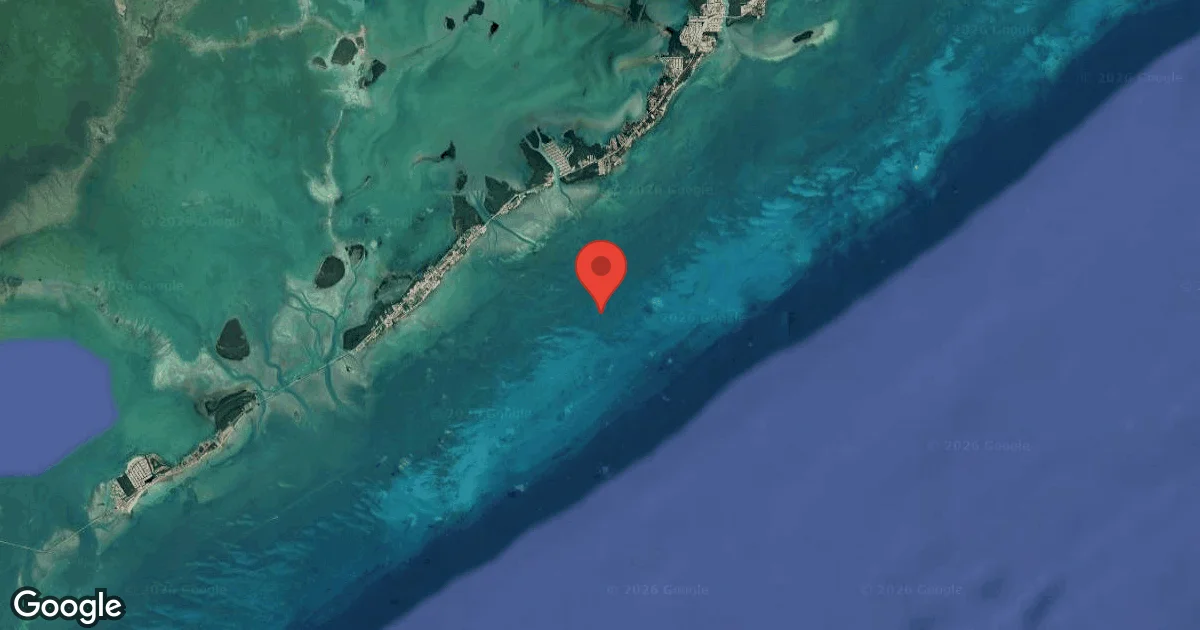
Dive Site Location & Key Facts
Dive Site Overview
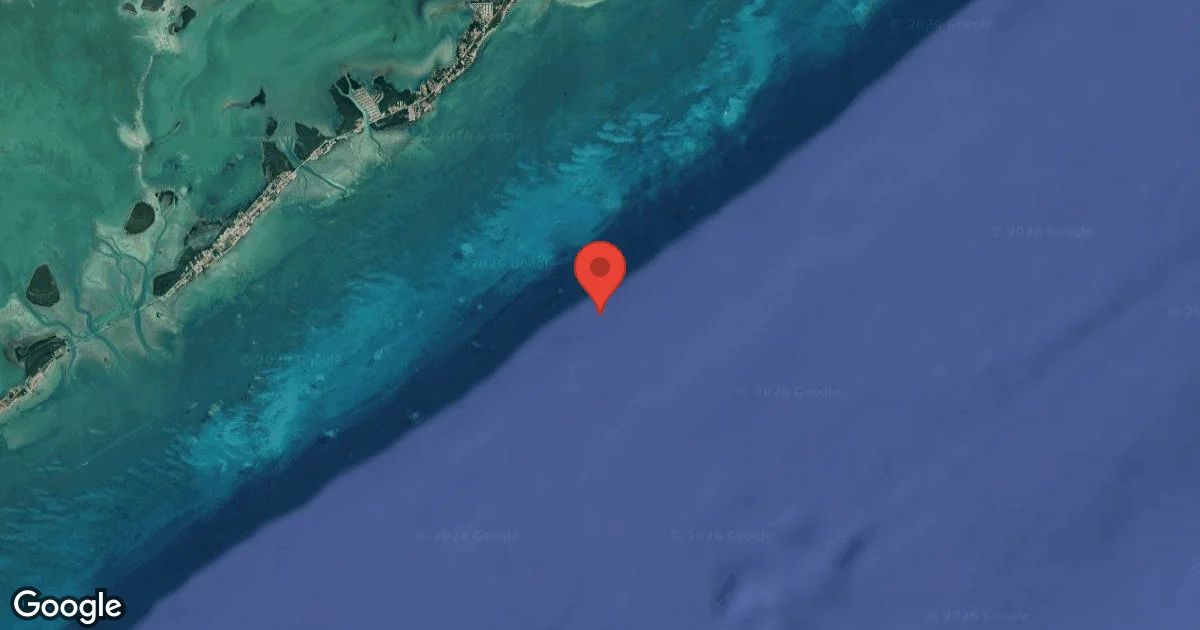
This iconic wreck, the Eagle, distinguishes itself through a captivating blend of history and natural forces. Originally a 287-foot (87 m) freighter launched in 1962, it was intentionally scuttled in 1985 as part of an artificial reef program off Islamorada.
While initially landing upright, subsequent powerful storms, particularly Hurricane Georges in 1998, dramatically altered its structure, breaking the ship in half and laying it down on its starboard side at about 33.5 m (110 ft). Hurricane Irma in 2017 further compromised the bow section, creating an appearance that divers often describe as 'torpedoed'. Navigating this artificial reef reveals numerous open penetrations, making it an engaging experience for certified wreck divers.
Its massive propeller and anchor chain can be observed leading out into the surrounding sandy bottom.
Conditions are Good
Optimal conditions expected
Current conditions near The Eagle Shipwreck 75-110FT show 27° air, 31° sea temperature, 0.6 m waves, and 25 km/h wind. Forecast data is refreshed regularly to ensure accuracy.
Best Time to Dive
Planning a dive to the Eagle Shipwreck often prioritizes calm conditions and comfortable air temperatures. The period from May to September generally offers the best dive scores, coinciding with warmer air temperatures, which average between 27°C (81°F) in May and 29.5°C (85°F) in August. During these months, wave heights tend to be lower, typically below 0.8 meters (2.6 feet), and wind speeds are also less impactful. Months like January, April, October, and December, while still offering moderate dive conditions, see slightly higher average wave heights, sometimes exceeding 1 meter (3.3 feet), and stronger winds, averaging above 30 km/h (18.6 mph). Rain levels are variable throughout the year but typically remain manageable.
PEAK SEASON SCORE
Scores combine air & water temps, waves, wind & rainfall for overall conditions.
BEST MONTHS TO DIVE
Monthly records compiled from satellite and marine observation nodes over the last 3 years. Data provided by Open-Meteo and MET Norway.
Dive Experience & Conditions
Divers approach this wreck by following a mooring line down to its hull, which is first encountered around 23 m (75 ft). The Eagle's maximum depth at the sandy bottom is approximately 33.5 m (110 ft). Its unique posture, broken in two and resting on its side, offers open access to many internal sections without requiring advanced penetration techniques. For instance, the pilot house is a popular swim-through, described as spacious with windows all around, allowing light to enter and minimizing claustrophobia. Exploring the wreck's exterior reveals the impressive propeller and the anchor chain extending into the sand. Water temperatures are not consistently reported in available data, but local reports mention clear, warm waters, which generally characterize the Florida Keys.
Dive Difficulty & Safety Guidelines
Exploring the Eagle Shipwreck requires careful attention to its structure and your dive plan. While the wreck provides many open penetrations, proper wreck diving certification and experience are always recommended for exploring overhead environments. Checking your gauges frequently is crucial due to the depth range, and always monitor no-decompression limits.
Given the history of hurricane damage, some sections may have unstable debris. Maintaining neutral buoyancy helps protect both the wreck and the marine life colonizing it. Always dive within your training and comfort level.
Recommended Equipment
Overhead / entanglement risk. Wreck penetration requires proper training.
- Dive Computer
- Primary & Backup Lights
- Wreck Reel
- Cutting Tool
This gear list is based on verified equipment signals for The Eagle Shipwreck 75-110FT, United States. Always confirm final gear choices with your dive operator, guide, or liveaboard.
Recommended Dive Suit
Experienced divers often bring flexible gear options.
Divers exploring The Eagle Shipwreck 75-110FT today will likely encounter water temperatures close to 31°C (88°F). Surface air temperatures are resting at 27°C (81°F). Divers who spend longer periods underwater often choose dive skin or rash guard.
The next few days appear likely to bring similar environmental conditions.
Emergency & Medical Support
Essential information to help you plan your dive trip to The Eagle Shipwreck 75-110ft.

Hyperbaric chambers are a critical part of dive safety infrastructure. Availability varies significantly by region, and not all dive areas have immediate access.
Before diving, it's recommended to:
- confirm nearest medical facilities
- check emergency procedures with local dive operators
- ensure dive insurance covers evacuation if required
Divers Alert Network
Diving emergency assistance available through DAN World.
+1-919-684-9111- 24/7 emergency hotline
- Diving medical assistance
- Evacuation coordination
Emergency contacts are provided for reference. Always verify local emergency services before diving.
Marine Life at The Eagle Shipwreck 75-110FT
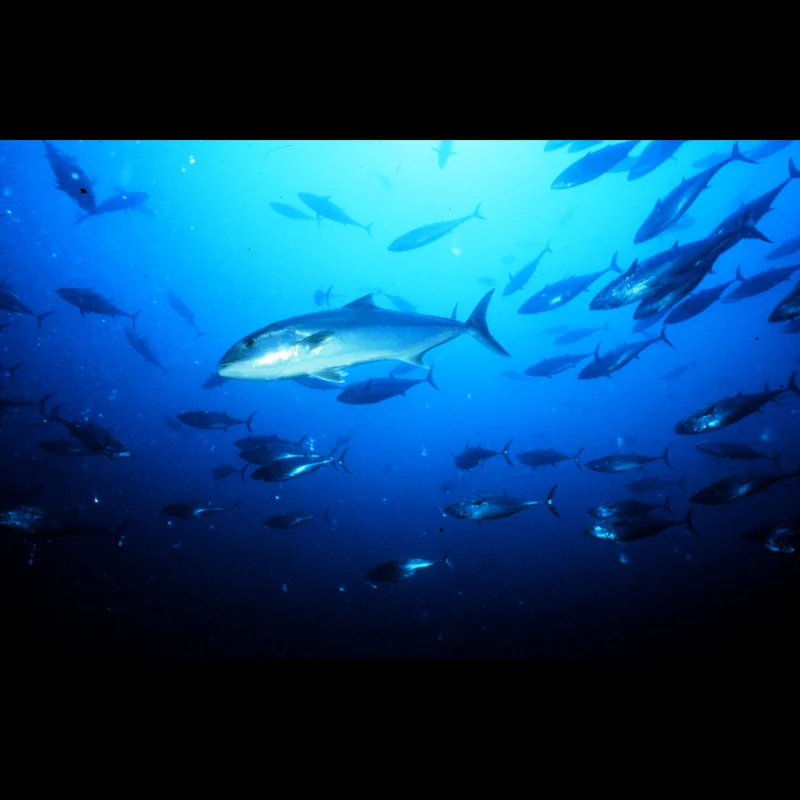
The Eagle Shipwreck teems with diverse marine inhabitants, thriving on its surfaces and within its recesses. Divers frequently encounter huge Goliath groupers, often found sheltering within the wreck's larger openings.
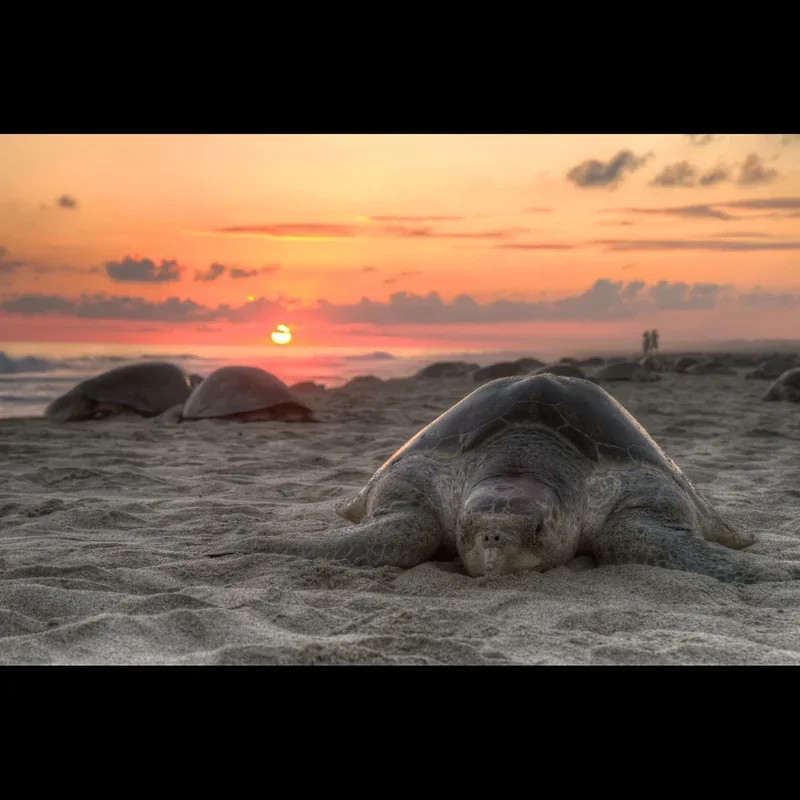
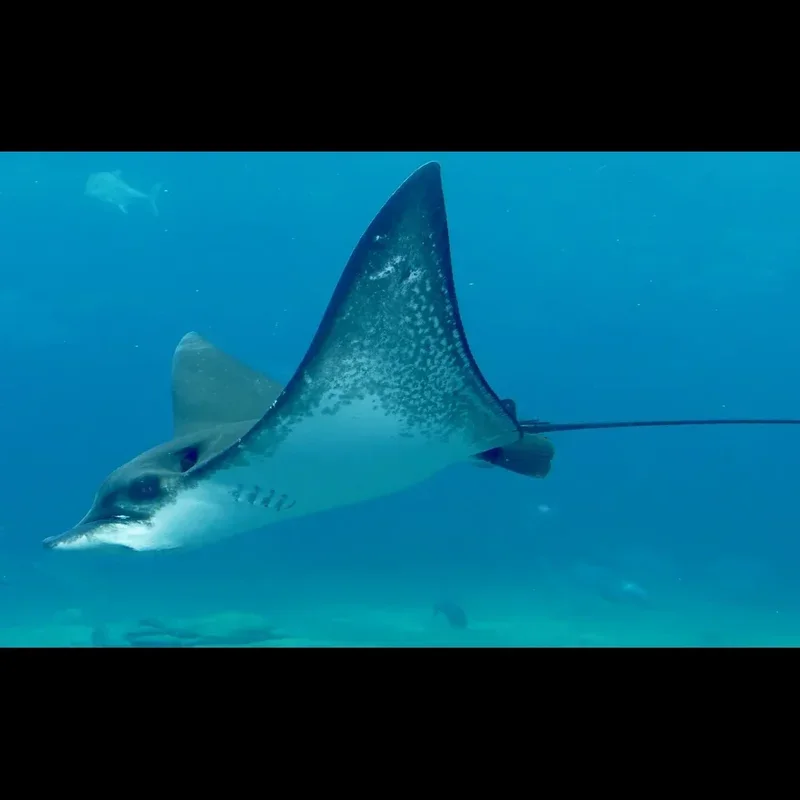
Keep an eye out for graceful eagle rays cruising the perimeter, alongside impressive bull sharks which, despite their size, are often described as timid around divers. Massive sea turtles are commonly spotted navigating the wreck, while schooling pelagic fish like pompano and amberjack often congregate around the structure.
Vibrant coral growth and colorful sponges have extensively colonized the wreck, creating an artificial reef ecosystem.

Dive Sites Near The Eagle Shipwreck 75-110FT
View all dive sites in United StatesDiscover more underwater gems in this area.
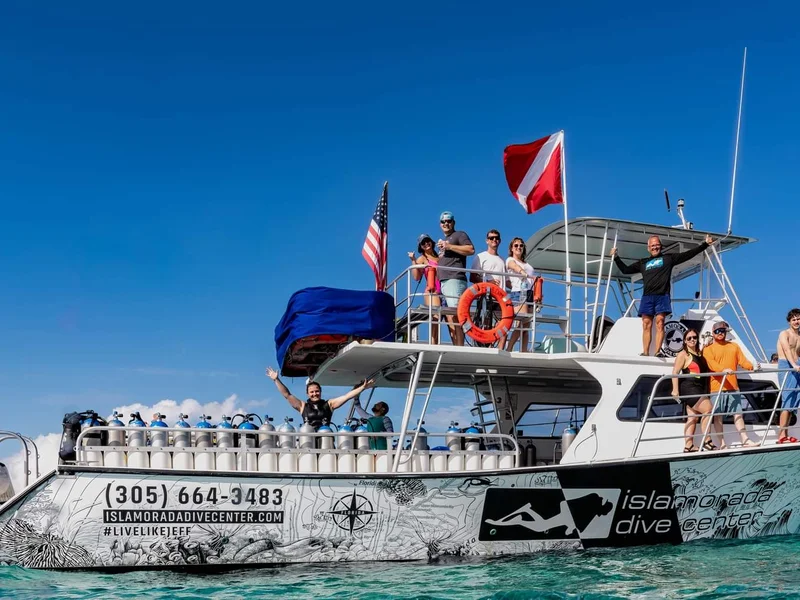
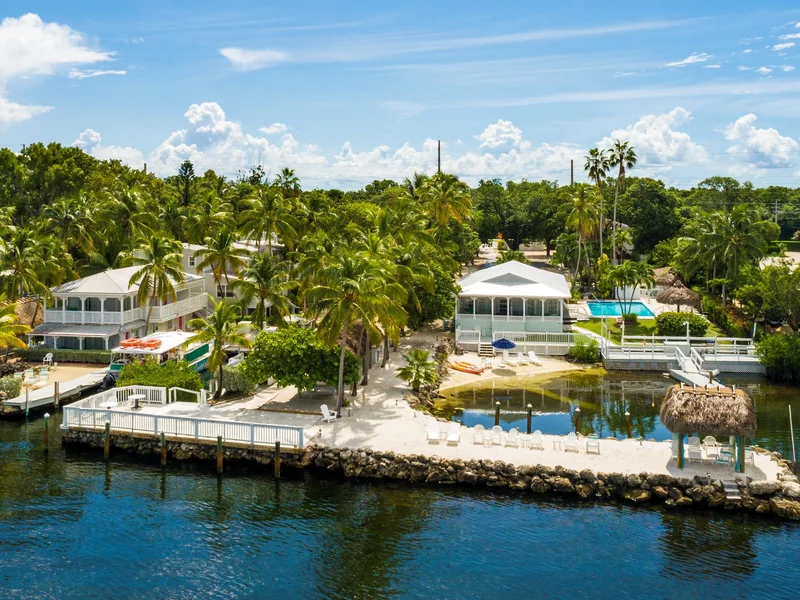
Dive Centers Near The Eagle Shipwreck 75-110FT
Today: 08:00 - 17:00
Nearest Airports
Nearest airports to help plan travel to this dive area.
Search Flights
Check available flights and routes on Expedia, using the nearby airports listed in this section.
Search Flights on Expedia
Plan Your Stay
Looking for a place to stay for your dive trip? Explore hotels, stays, and vacation rentals for dive groups near Islamorada.
Dive Navigator may earn a commission from these links at no extra cost to you.
Frequently Asked Questions
What is The Eagle Shipwreck?
A 287-foot (87 m) former freighter, the Eagle, was intentionally sunk in 1985 as part of the Florida Keys artificial reef program. It subsequently suffered significant damage from hurricanes, notably Hurricane Georges in 1998 and Hurricane Irma in 2017, breaking the ship in half and laying it on its starboard side.
How deep is the Eagle Shipwreck?
Divers will typically encounter the wreck's hull at approximately 23 m (75 ft). Its deepest sections, where it rests on the sandy bottom, reach the maximum recreational depth.
Can divers penetrate The Eagle Shipwreck?
Yes, due to hurricane damage fracturing the ship and opening its interior, the Eagle Shipwreck features numerous open penetrations. Its pilot house is a particularly popular and accessible swim-through, often used for training.
What caused the wreck to break apart?
Hurricane Georges in 1998 was the primary cause of the wreck breaking in half and listing on its side. Later, Hurricane Irma in 2017 delivered further damage, particularly affecting the bow section and other parts of the ship.
What marine life can be seen at The Eagle Shipwreck?
Home to a variety of marine life, the wreck attracts large Goliath groupers, eagle rays, and bull sharks. Divers also commonly spot massive sea turtles, as well as schooling fish like pompano and amberjack around the structure.
Is The Eagle suitable for less experienced wreck divers?
While it's considered an 'easy dive' to simply follow the mooring line and explore the exterior, the wreck's open penetrations make it suitable for divers with some wreck diving experience or those undergoing basic wreck training. Its pilot house, in particular, is noted for being a non-claustrophobic entry point.
Planning to dive The Eagle Shipwreck 75-110FT?
Send one inquiry and receive offers directly from the best verified local dive operators.
Conditions are Good
Optimal conditions expected
Current conditions near The Eagle Shipwreck 75-110FT show 27° air, 31° sea temperature, 0.6 m waves, and 25 km/h wind. Forecast data is refreshed regularly to ensure accuracy.