
Diving at Patch Reefs - 20-30 Ft (United States)
The Islamorada patch reefs reveal an intricate underwater landscape. These distinct coral islands, dotting the seabed for over 12 miles, are often surrounded by stretches of white sand. Their structures vary, appearing as round, oval, or irregularly shaped formations that rise from the ocean floor. Diving here means exploring these vibrant, shallow ecosystems, where reef meets sand in a dynamic mosaic.
Tonight's objective overview for Patch Reefs - 20-30 Ft shows an air temperature of 28.5°C. The measured surface conditions include wave heights around 0.5 m. This environmental data is logged for the close of the day.
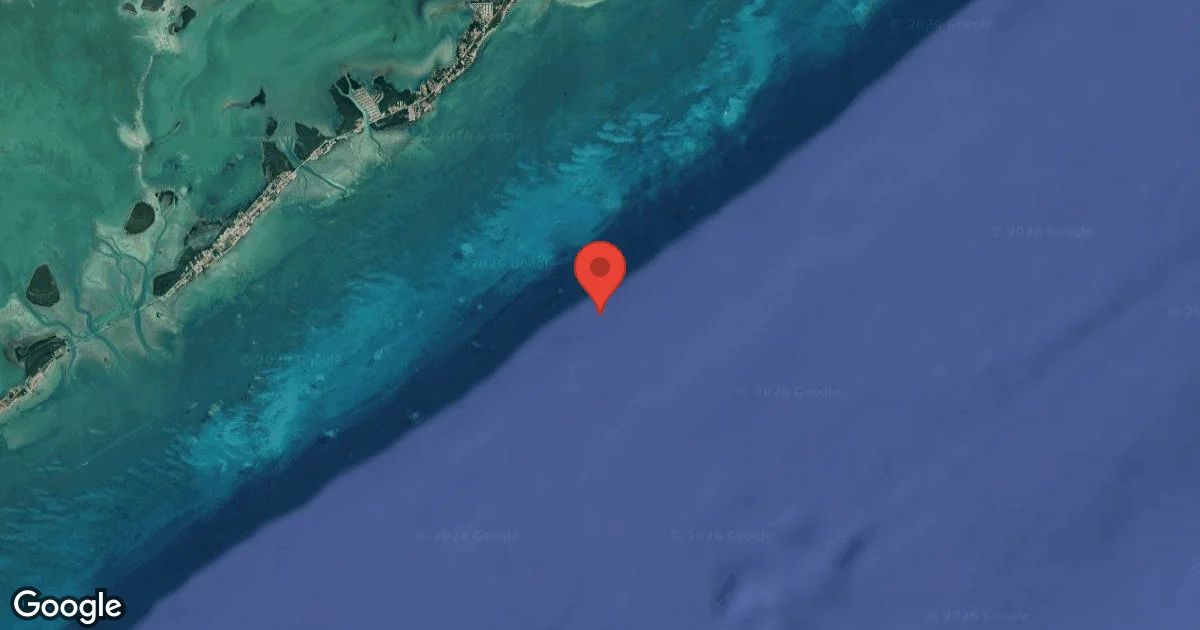
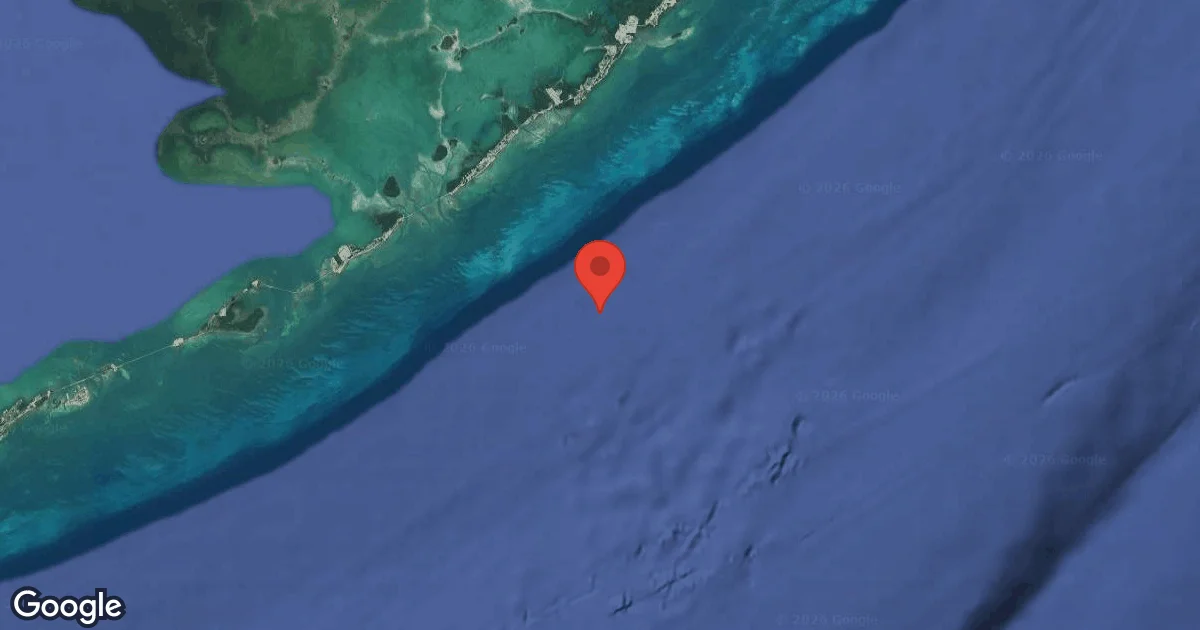
Dive Site Location & Key Facts
Dive Site Overview
Exploring the Patch Reefs in the Florida Keys immediately immerses divers in a vibrant, shallow water environment. These reefs, starting just a couple miles offshore, offer an accessible yet rewarding experience.
Many, like Rocky Top and Morada, rest in depths around 6-9 m (20-30 ft), making them ideal for new divers or those seeking extended bottom time. These unique formations act as isolated oases, concentrating marine life in pockets across the sandy expanse. Sites such as Davis Reef are designated Sanctuary Preservation Areas, safeguarding established gorgonians including sea rods and purple sea fans.
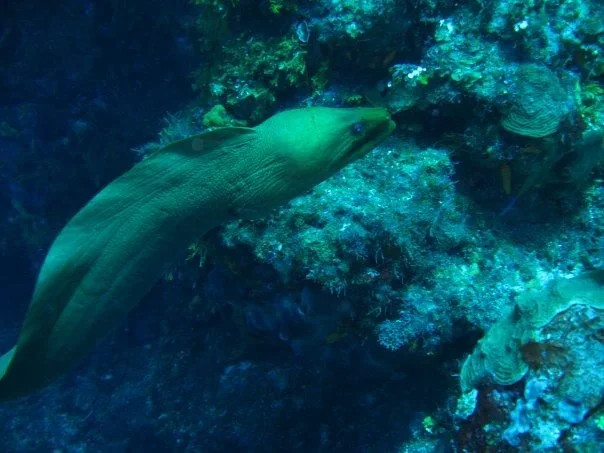
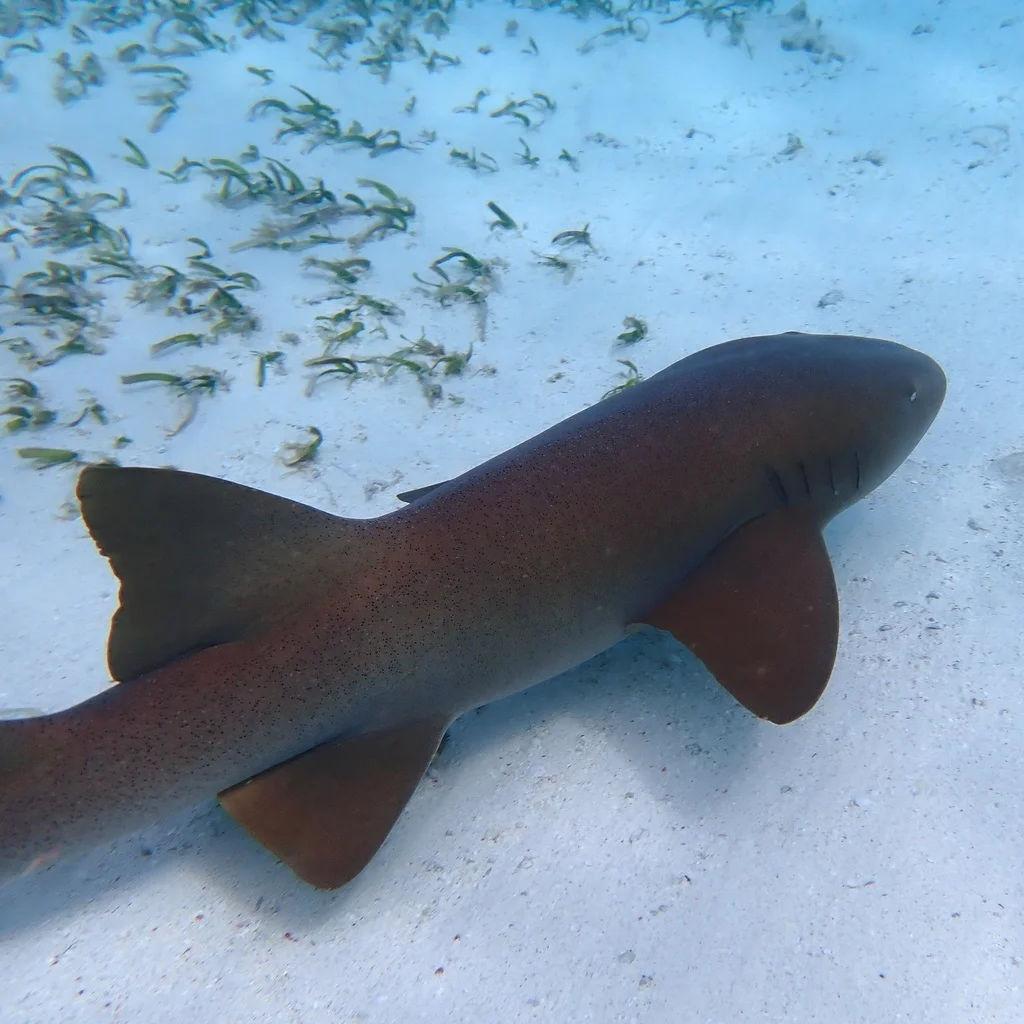
Captain Grumpy offers opportunities to encounter nurse sharks and various eel species among its many nooks and crannies. Ham is another lively patch reef, resembling 'swiss cheese' with its intricate structure, harboring countless juvenile critters alongside schools of grunts and goatfish.
These areas are frequently utilized for 'Discover Scuba' classes and Open Water training due to their manageable depths and rich biodiversity, making them a fantastic introduction to reef diving.
Conditions are Good
Optimal conditions expected
Current conditions near Patch Reefs - 20-30 Ft show 29° air, 31° sea temperature, 0.6 m waves, and 23 km/h wind. Forecast data is refreshed regularly to ensure accuracy.
Best Time to Dive
For optimal visibility on the patch reefs, planning your dive during months with calmer conditions is advised. February through September generally receive 'Good' dive scores, indicating more favorable weather. Air temperatures during these periods range from approximately 21.5°C (71°F) in February to 29°C (84°F) in August, ensuring comfortable surface intervals. While specific water temperature data isn't consistently reported, the shallow nature of these reefs and the warm air temperatures suggest pleasant water conditions. Wave heights tend to be lower from May through September, often below 0.8 meters (2.6 feet), which significantly contributes to clearer underwater views. Lower wind speeds also generally coincide with better visibility, enhancing the overall dive experience on these shallow reefs. October through December and January can present moderate dive scores due to increased wave action and wind.
PEAK SEASON SCORE
Scores combine air & water temps, waves, wind & rainfall for overall conditions.
BEST MONTHS TO DIVE
Monthly records compiled from satellite and marine observation nodes over the last 3 years. Data provided by Open-Meteo and MET Norway.
Dive Experience & Conditions
Beginning your descent onto the patch reefs brings you quickly into the heart of the activity, given their shallow depths. Typically ranging from 6 to 9 m (20 to 30 ft), the reefs allow for leisurely explorations. Many sites feature distinct coral mounds, some like Hens and Chickens Reef rising almost 4.5 m (15 ft) from the sandy bottom, creating natural labyrinths for divers to navigate. Conditions can vary, but generally, expect good visibility across these areas. However, as with any shallow site, strong currents or surge can occasionally affect visibility. Exploring the periphery of these coral islands often reveals sandy channels and ledges with under-cuts, where numerous creatures find shelter. The water temperature is generally warm, characteristic of the Florida Keys, though specific readings are not consistently available. Divers should always monitor local reports before entry.
Dive Difficulty & Safety Guidelines
Diving the shallow patch reefs presents unique considerations. Maintaining excellent buoyancy control is paramount to avoid contact with the delicate coral structures and sandy bottom, preventing damage and maintaining clear visibility. Many areas, like Davis Reef, are designated Sanctuary Preservation Areas, meaning strict rules apply to protect the marine ecosystem.
Divers should always be aware of boat traffic, especially in locations a few miles offshore. Respecting marine life means observing from a distance, never touching, feeding, or harassing animals.
While marine hazards are minimal, staying alert and following your dive plan ensures a safe and enjoyable exploration of these vibrant shallow habitats.
Recommended Equipment
- Dive Computer
This gear list is based on verified equipment signals for Patch Reefs - 20-30 Ft, United States. Always confirm final gear choices with your dive operator, guide, or liveaboard.
Recommended Dive Suit
Dive skin or rash guard is often considered an appropriate level of exposure protection for conditions like these.
Current readings at Patch Reefs - 20-30 Ft show water temperatures near 31°C (88°F). Surface air temperatures are resting at 29°C (84°F).
The upcoming forecast points to generally steady conditions in the area.
Emergency & Medical Support
Essential information to help you plan your dive trip to Patch Reefs - 20-30 ft.

Hyperbaric chambers are a critical part of dive safety infrastructure. Availability varies significantly by region, and not all dive areas have immediate access.
Before diving, it's recommended to:
- confirm nearest medical facilities
- check emergency procedures with local dive operators
- ensure dive insurance covers evacuation if required
Divers Alert Network
Diving emergency assistance available through DAN World.
+1-919-684-9111- 24/7 emergency hotline
- Diving medical assistance
- Evacuation coordination
Emergency contacts are provided for reference. Always verify local emergency services before diving.
Marine Life at Patch Reefs - 20-30 Ft
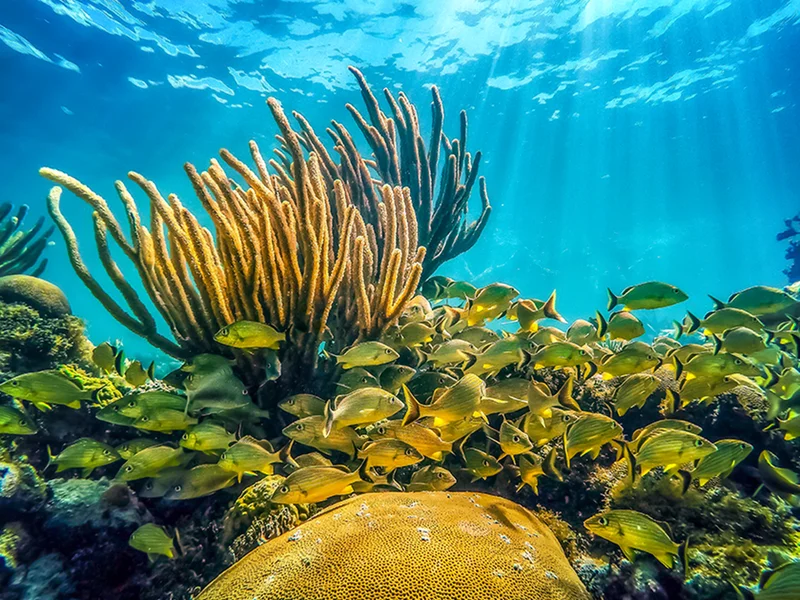
The Patch Reefs serve as bustling hubs of marine activity. Here, nurse sharks are a common sight, often found resting beneath ledges or cruising the sandy perimeter.
Various eel species, including green moray, spotted moray, goldentail, and viper eels, peek from the reef's many crevices. Divers regularly encounter large schools of grunts and goatfish, especially at sites like Ham.
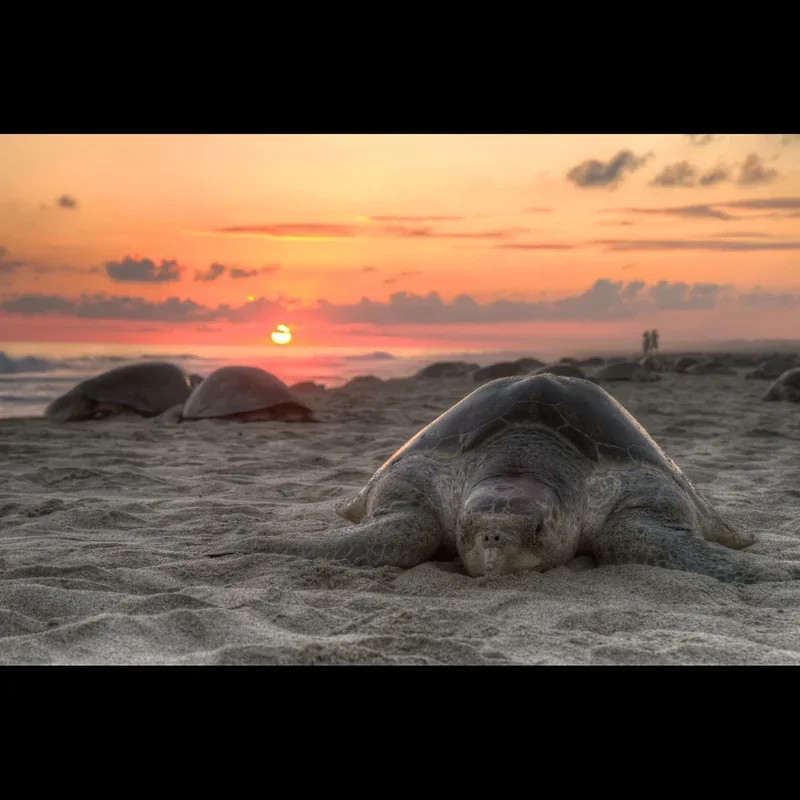
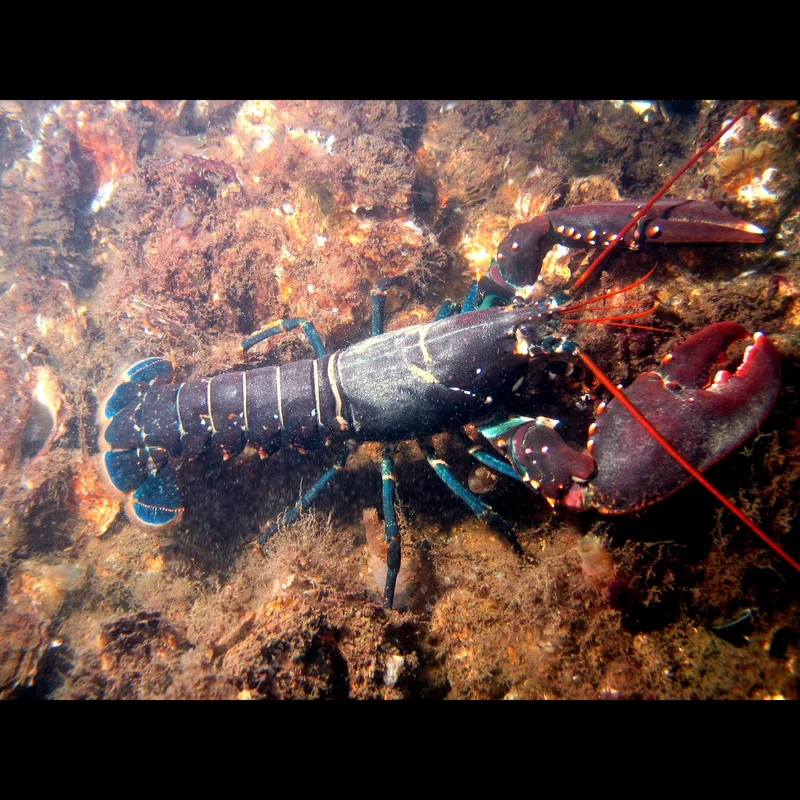
Lobster hide within the intricate reef structure, while sea turtles, particularly loggerheads, can be seen gliding over the grass and sandy bottom areas adjacent to the reef. The corals themselves are a highlight, with impressive brain and star coral mounds alongside abundant purple sea fans and other gorgonians, providing habitat for a thriving community of juvenile critters.

Dive Sites Near Patch Reefs - 20-30 Ft
View all dive sites in United StatesDiscover more underwater gems in this area.
Dive Centers Near Patch Reefs - 20-30 Ft
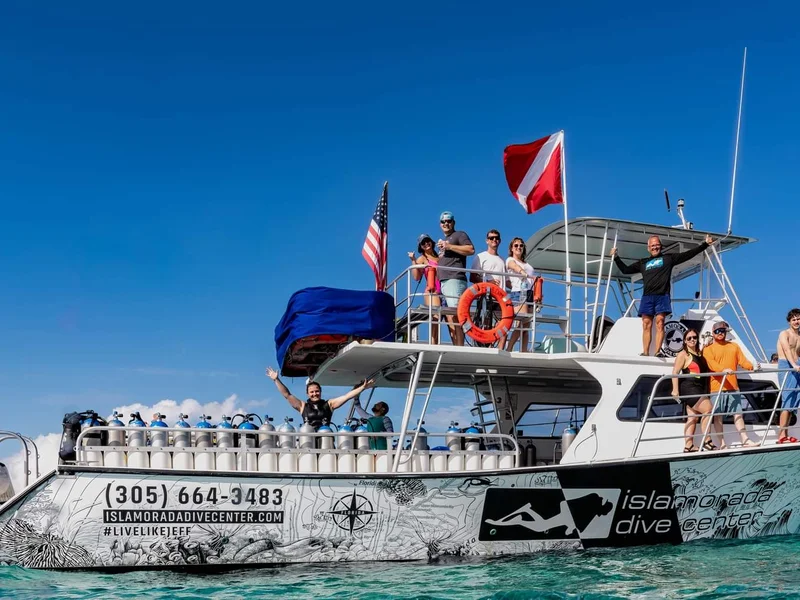
Today: 08:00 - 17:00


Nearest Airports
Nearest airports to help plan travel to this dive area.
Search Flights
Check available flights and routes on Expedia, using the nearby airports listed in this section.
Search Flights on Expedia
Plan Your Stay
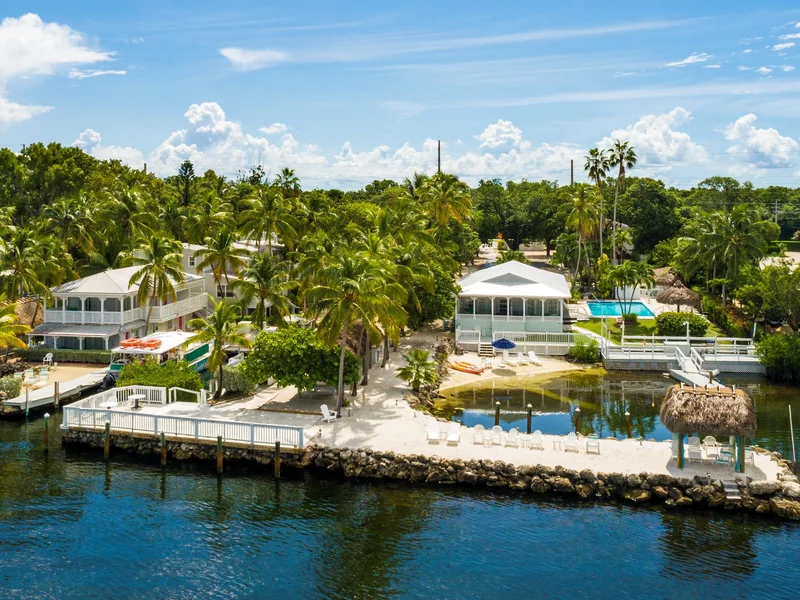
Looking for a place to stay for your dive trip? Explore hotels, stays, and vacation rentals for dive groups near Islamorada.
Dive Navigator may earn a commission from these links at no extra cost to you.
Frequently Asked Questions
What is the typical depth range for these patch reefs?
Most of these patch reefs are found in shallow waters, with depths commonly ranging from 6 to 9 meters (20 to 30 feet). Some sections, like Hens and Chickens Reef, can be even shallower, starting at 3 meters (10 feet).
Is an advanced certification required to dive here?
No, an Open Water Diver certification is generally sufficient for the patch reefs due to their shallow nature. Many sites are also suitable for 'Discover Scuba' experiences and snorkelers, making them accessible to a wide range of visitors.
What kind of marine life can I expect to see?
You can anticipate encountering a rich variety of marine life, including nurse sharks, several species of eels, schools of grunts and goatfish, lobsters, and sea turtles. The coral formations themselves house numerous smaller fish and invertebrates.
Are there any strong currents?
Currents on the shallow patch reefs are generally mild, but can vary depending on local weather and tidal conditions. It's always advisable to check with local dive operators for the most current information before your dive.
What is the water temperature like?
While specific water temperature data for these patch reefs is not consistently reported, the Florida Keys are known for warm tropical waters. Given the shallow depths and warm air temperatures, comfortable conditions are generally expected year-round.
Can snorkelers enjoy these sites?
Absolutely. Many of the patch reefs, such as Hens and Chickens Reef, are excellent for snorkeling due to their shallow depths and abundant marine life. The clear water typically allows for great surface viewing.
Planning to dive Patch Reefs - 20-30 Ft?
Send one inquiry and receive offers directly from the best verified local dive operators.
Conditions are Good
Optimal conditions expected
Current conditions near Patch Reefs - 20-30 Ft show 29° air, 31° sea temperature, 0.6 m waves, and 23 km/h wind. Forecast data is refreshed regularly to ensure accuracy.