
Diving at Elliot Pier (United States)
Divers approaching Elliot Pier should note the significant marine debris, particularly glass bottles, carpeting portions of the seafloor. This man-made hazard necessitates diligent buoyancy control and awareness to prevent accidental contact. Located off Seattle, this dive site offers unique exploration opportunities, though conditions demand attentive diving practices.
Evening condition tracking at Elliot Pier features an air temperature of 26°C. We have recorded wave heights measuring 0.6 m during this period. These figures outline the environmental parameters currently present.
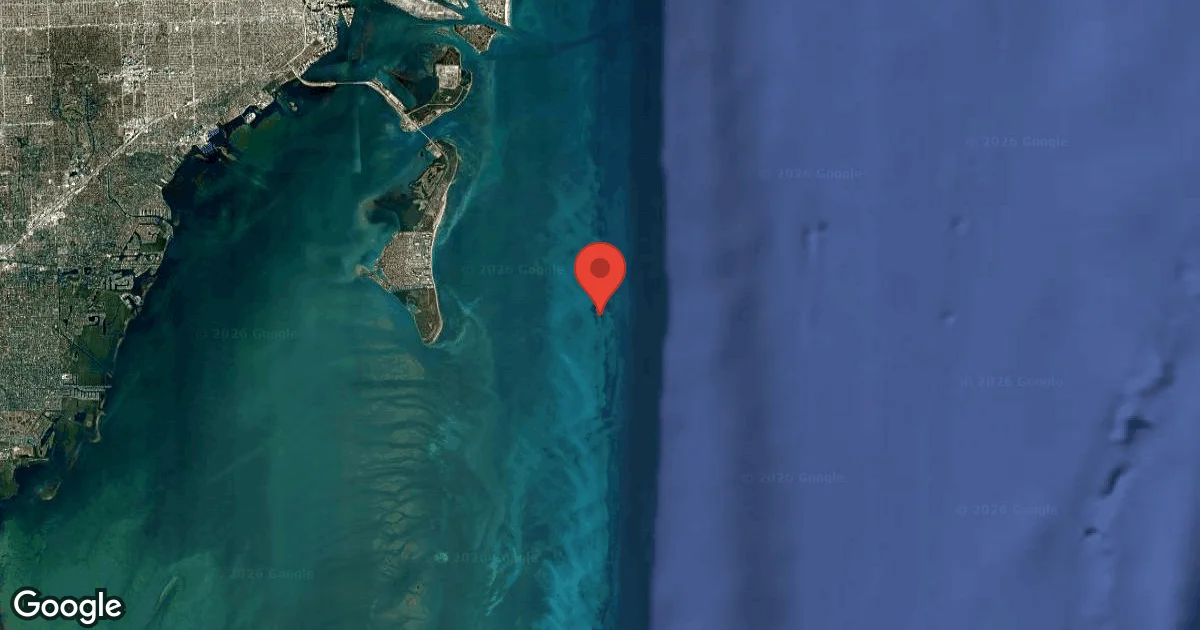
Dive Site Location & Key Facts
Dive Site Overview
Exploring Elliot Bay offers a distinct dive experience, providing access to an underwater environment more commonly viewed via submersibles. Recreational divers can explore the areas closer to the Seattle Aquarium, where visibility has been reported as surprisingly decent at times, allowing views of the bottom from 6 m (20 ft).
Descending to deeper sections, such as a small canyon, will take divers to approximately 40 m (130 ft). This dive provides a unique opportunity to observe the impact of urban activity, as a substantial volume of discarded glass bottles are present on the seafloor, highlighting the issue of marine debris. Such an environment fosters diverse macro-life, adapting to the artificial structures of the pier and the surrounding seabed.
It's a dive that encourages observation and reflection on human interaction with marine ecosystems, contrasting sharply with more natural reef systems. Encounters with various invertebrates and smaller fish are possible throughout the site.
The structural integrity of Elliot Pier creates shadowed habitats and attachment points, adding complexity to the underwater landscape. Divers navigate a blend of natural bottom features and anthropogenic influences, making each exploration potentially different depending on currents and local conditions.
Conditions are Good
Optimal conditions expected
Current conditions near Elliot Pier show 26° air, 31° sea temperature, 0.3 m waves, and 23 km/h wind. Forecast data is refreshed regularly to ensure accuracy.
Best Time to Dive
Optimal diving conditions at Elliot Pier generally occur during the summer months, particularly July and August, which consistently receive an 'Excellent' dive score. Air temperatures during this peak season average between 27°C (81°F) in June and 28.5°C (83°F) in August, creating pleasant surface conditions. Rain is minimal in July at 4.4 mm, and relatively low in August at 6.1 mm, reducing runoff that could affect visibility. While specific water temperature data isn't consistently reported, the warmer air and drier weather of summer typically correspond to more comfortable diving. Other months like May, September, October, November, December, January, February, March, and April also offer good diving conditions, though with slightly higher average rainfall, ranging from 1.5 mm in February to 10.1 mm in June. Air temperatures in these 'Good' months range from 20°C (68°F) to 27°C (81°F).
PEAK SEASON SCORE
Scores combine air & water temps, waves, wind & rainfall for overall conditions.
BEST MONTHS TO DIVE
Monthly records compiled from satellite and marine observation nodes over the last 3 years. Data provided by Open-Meteo and MET Norway.
Dive Experience & Conditions
Upon descending at Elliot Pier, divers will typically find initially good visibility close to the Seattle Aquarium, reportedly allowing views of the bottom from about 6 m (20 ft) down. As you move away from the immediate pier area and deeper towards the west, particularly into the small canyon at around 40 m (130 ft), visibility often becomes more challenging. The bottom composition here includes both natural substrate and extensive marine debris, specifically numerous glass bottles. Water temperature is not consistently reported for this specific site, but divers should anticipate colder conditions typical of the region's Puget Sound waters. Currents can vary, impacting both visibility and ease of navigation, requiring divers to remain aware of their surroundings. This dive unfolds from relatively brighter, shallower zones to darker, siltier depths.
Dive Difficulty & Safety Guidelines
An expert tip for diving Elliot Pier emphasizes meticulous buoyancy control and situational awareness. Given the presence of considerable marine debris, especially glass bottles on the bottom, careful finning is essential to avoid disturbing the sediment and entangling in discarded items. Visibility, while sometimes decent, can degrade quickly, particularly in deeper sections or with strong currents, warranting conservative dive planning.
Always dive with a reliable buddy and carry appropriate signaling devices. The site's urban proximity means boat traffic might be present, so a dive flag and surface marker buoy are crucial for safety.
Stay within recreational depth limits and carry redundant light sources, as natural light diminishes quickly in deeper, murkier areas.
Recommended Equipment
- Dive Computer
This gear list is based on verified equipment signals for Elliot Pier, United States. Always confirm final gear choices with your dive operator, guide, or liveaboard.
Recommended Dive Suit
Weather models currently point toward consistent diving conditions over the next several days.
For typical recreational dives, dive skin or rash guard generally provides comfortable insulation.
At Elliot Pier, the water is currently sitting around 31°C (88°F). Surface air temperatures are resting at 26°C (79°F).
Due to technical issues with our weather providers, live updates are temporarily delayed. The data above reflects the conditions at the time of the last successful fetch.
Emergency & Medical Support
Essential information to help you plan your dive trip to Elliot Pier.

Hyperbaric chambers are a critical part of dive safety infrastructure. Availability varies significantly by region, and not all dive areas have immediate access.
Before diving, it's recommended to:
- confirm nearest medical facilities
- check emergency procedures with local dive operators
- ensure dive insurance covers evacuation if required
Divers Alert Network
Diving emergency assistance available through DAN World.
+1-919-684-9111- 24/7 emergency hotline
- Diving medical assistance
- Evacuation coordination
Emergency contacts are provided for reference. Always verify local emergency services before diving.
Marine Life at Elliot Pier
Elliot Pier's submerged structures and varied bottom host a range of local marine life. Divers might observe small fish sheltering among the pilings and discarded items.
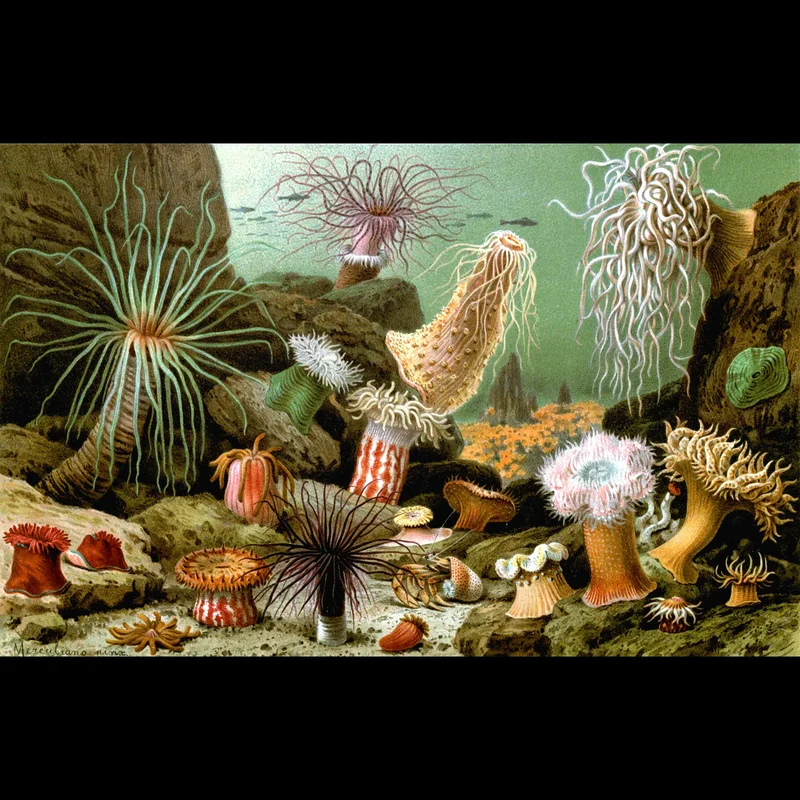
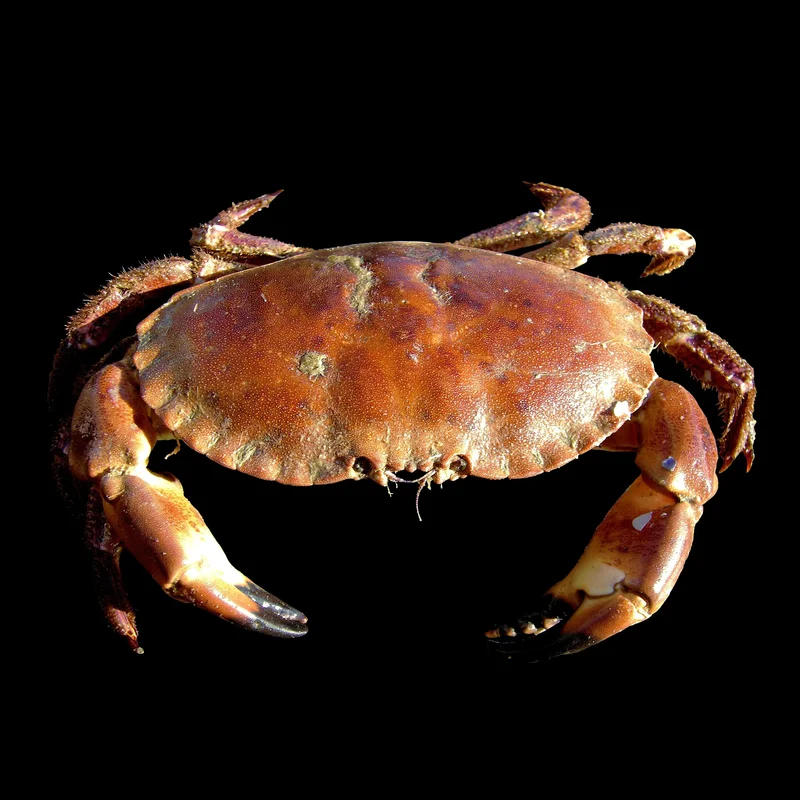
Anemones cling to various surfaces, adding splashes of color to the environment. Dungeness crab are commonly spotted scuttling across the seafloor, while patient observation could reveal a baby octopus.
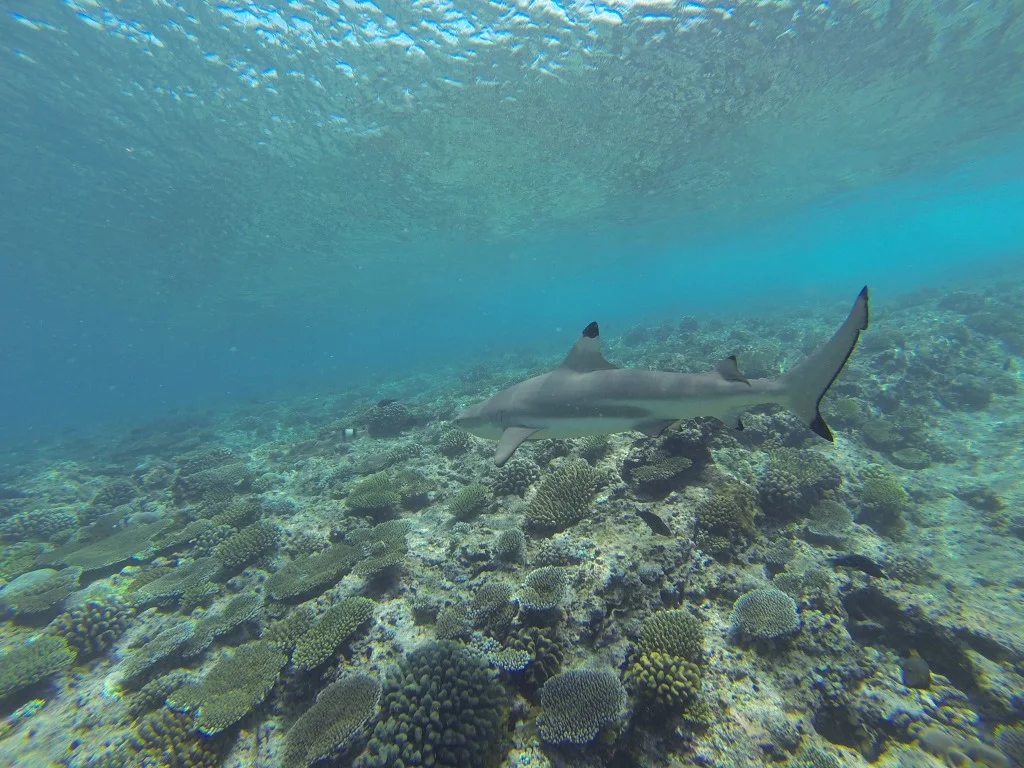
Deeper sections, particularly in the small canyon, have shown instances of spot prawns. Historically, a 'bait box' was used to attract larger species, such as Six Gill sharks, suggesting the potential for encountering larger pelagic visitors, though direct sightings by divers are not consistently reported.

Dive Sites Near Elliot Pier
View all dive sites in United StatesDiscover more underwater gems in this area.
Dive Centers Near Elliot Pier
Today: 08:00 - 17:00
Nearest Airports
Nearest airports to help plan travel to this dive area.
Search Flights
Check available flights and routes on Expedia, using the nearby airports listed in this section.
Search Flights on Expedia
Plan Your Stay
Looking for a place to stay for your dive trip? Explore hotels, stays, and vacation rentals for dive groups near North Bay Village.
Dive Navigator may earn a commission from these links at no extra cost to you.
Frequently Asked Questions
What are the typical depths at Elliot Pier?
Depths at Elliot Pier range from shallower sections near the Seattle Aquarium, around 6 m (20 ft), to deeper areas where a small canyon can be found at approximately 40 m (130 ft). This range accommodates various recreational dive levels.
What is the visibility generally like at Elliot Pier?
Visibility can vary considerably. Near the Seattle Aquarium, it's sometimes surprisingly decent. However, in deeper areas or within the canyon, it tends to be more challenging and can change quickly due to currents or stirred sediment.
What kind of marine life can I expect to see at Elliot Pier?
Divers may encounter small fish, anemones, Dungeness crab, and even baby octopus in shallower areas. Deeper dives might reveal spot prawns. Historical reports of bait boxes attracting Six Gill sharks suggest the possibility of larger species, though direct sightings by divers are not frequently reported.
Are there any specific hazards at Elliot Pier?
A primary concern is the significant volume of marine debris, particularly glass bottles, on the seafloor, requiring careful buoyancy control. Additionally, variable visibility, potential currents, and urban boat traffic necessitate increased awareness and safety precautions.
When is the best time to dive Elliot Pier?
The best time to dive is typically during July and August, when conditions are rated 'Excellent' due to warmer air temperatures and minimal rain. Many other months offer 'Good' diving, though with slightly higher rainfall averages that could impact visibility.
Is Elliot Pier suitable for beginner divers?
Given the variable visibility, potential for currents, and the presence of marine debris, divers with strong buoyancy control and situational awareness will find the site more manageable. It may present challenges for absolute beginners without proper guidance.
Are there strong currents at the dive site?
Currents at Elliot Pier can vary depending on conditions. Divers should be prepared for potential currents, as they can affect both visibility and ease of navigation. Monitoring local reports and planning your dive accordingly is advisable.
Planning to dive Elliot Pier?
Send one inquiry and receive offers directly from the best verified local dive operators.
Conditions are Good
Optimal conditions expected
Current conditions near Elliot Pier show 26° air, 31° sea temperature, 0.3 m waves, and 23 km/h wind. Forecast data is refreshed regularly to ensure accuracy.