
Diving at Emerald Reef (United States)
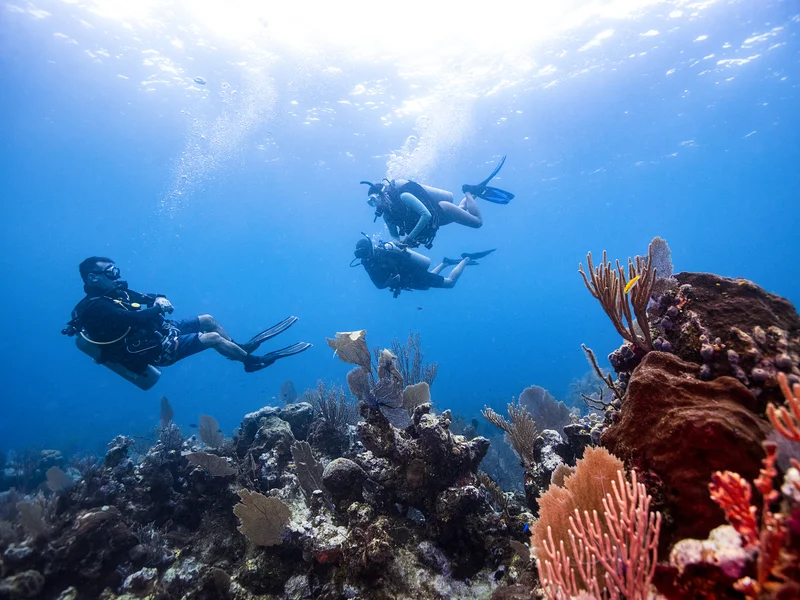
Discover a vibrant, accessible reef experience at Emerald Reef, a prime example of Miami's natural underwater environment. This shallow formation is ideal for divers seeking colorful corals and diverse marine life without extreme depths. Expect clear conditions and a relaxing dive, perfect for underwater photography and spotting unique critters among its rocky structures. It's an inviting site, offering rewarding encounters for various skill levels.
Tonight's objective overview for Emerald Reef shows an air temperature of 28°C. The measured surface conditions include wave heights around 0.4 m. This environmental data is logged for the close of the day.
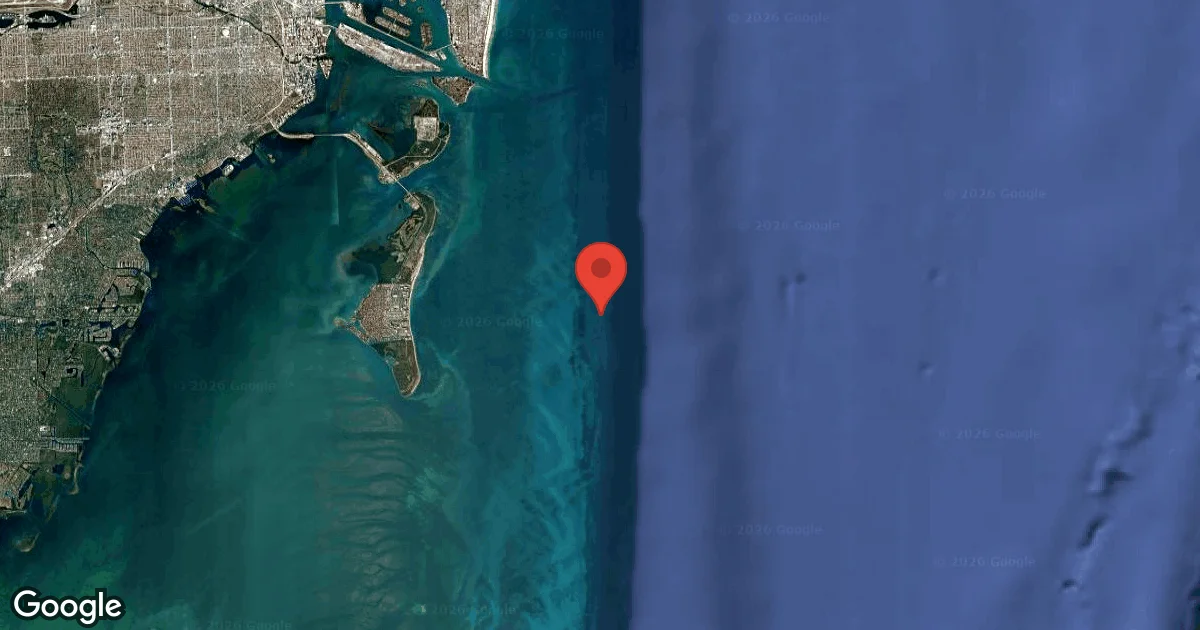
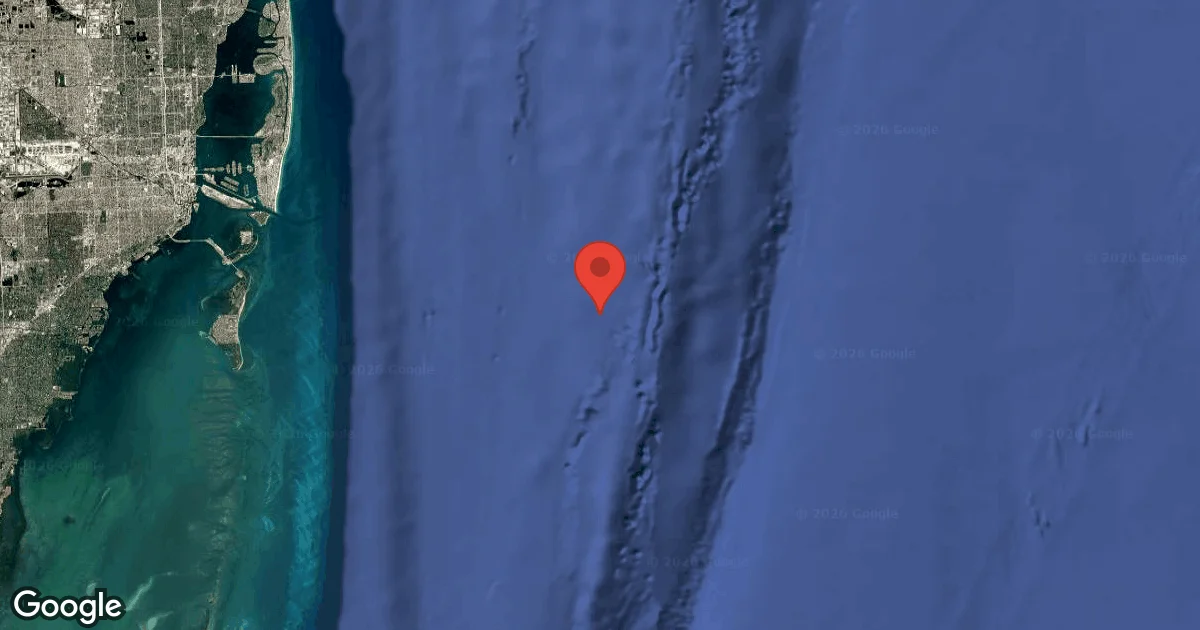
Dive Site Location & Key Facts
Dive Site Overview
Emerald Reef forms Miami's largest natural reef, a sprawling underwater landscape shaped by substantial rocky formations. It provides excellent hiding spots for marine creatures and intriguing macro opportunities.
Depths are generally quite shallow, averaging around 9 m / 30 ft, making the site very accessible for less experienced divers. Its structure features diverse corals, including significant pillar and elkhorn formations, alongside an abundance of sea fans, sponges, and gorgonians that paint a colorful, dynamic picture.
Sandy patches intersperse the coral gardens, offering areas where divers can carefully observe bottom-dwelling species. The reef's overall composition of reef and sandy bottom areas makes for a varied underwater exploration, rich in visual interest and supporting a broad range of Atlantic marine life.
Access to this reef, found furthest south from Miami Beach, is primarily by boat, which helps maintain a tranquil setting away from shore-based crowds. Combining shallow depth with varied topography creates an engaging environment for underwater photographers, from wide-angle reef shots to intimate macro details within crevices.
Conditions are Good
Optimal conditions expected
Current conditions near Emerald Reef show 28° air, 31° sea temperature, 0.4 m waves, and 22 km/h wind. Forecast data is refreshed regularly to ensure accuracy.
Best Time to Dive
Seasonal planning for Emerald Reef involves considering distinct variations throughout the year. May to October generally offers advisable conditions, characterized by warmer air temperatures often reaching 27-32°C / 81-90°F. During these months, waters are also at their warmest, ranging from 27-29°C / 80-84°F, offering comfortable diving. Rainfall during this "hot and wet" season tends to be higher, with June and September seeing average rainfall around 9.4 mm and 7.1 mm respectively, though this typically doesn't deter diving. Cooler, drier months from January to April still offer good dive conditions, with air temperatures averaging 20-24°C / 68-75°F. Water temperatures are cooler then, around 22-23°C / 72-73°F, and visibility can be more variable, sometimes dropping to 5 m / 16 ft in January compared to the excellent 25-30 m often experienced in summer. Wind speeds average 18-21 km/h / 11-13 mph year-round, influencing surface chop. July stands out with an "Excellent" dive score due to its minimal wave height and high water clarity.
PEAK SEASON SCORE
Scores combine air & water temps, waves, wind & rainfall for overall conditions.
BEST MONTHS TO DIVE
Monthly records compiled from satellite and marine observation nodes over the last 3 years. Data provided by Open-Meteo and MET Norway.
Dive Experience & Conditions
Current dynamics are a key consideration for planning a dive at Emerald Reef. Currents average around 2 knots but can vary significantly, with July often experiencing minimal to zero current, making for exceptionally calm conditions. Visibility generally extends to 25-30 m / 82-98 ft on optimal days. However, it's not consistently reported, occasionally dropping to 5 m during certain periods, highlighting variability depending on weather and marine activity. With an approximate depth of 9 m, this site is suitable for novice divers, offering a relaxed environment to explore the natural reef. Water temperature typically ranges from 22-30°C / 72-86°F across the year, providing a comfortable diving experience without heavy thermal protection. Surface conditions generally present moderate wave heights, averaging 0.4-0.9 m / 1.3-3.0 ft throughout the year, with July often having the calmest surface.
Dive Difficulty & Safety Guidelines
Protecting this fragile reef structure is a primary consideration for all divers. Anchoring directly on corals is strictly discouraged; always aim to drop anchors in sandy areas upcurrent from the reef to prevent mechanical damage. Given currents can reach 2 knots, particularly outside of peak summer months, divers should be mindful of drift and plan accordingly, potentially opting for a drift dive with boat support.
Without specific hazards beyond general reef diving considerations, maintaining situational awareness, monitoring air supply, and staying close to your buddy remain standard best practices. Shallow depths make it a forgiving site for less experienced divers, but good buoyancy control is always essential to avoid accidental contact with the reef.
Recommended Equipment
- Dive Computer
- DSMB
This gear list is based on verified equipment signals for Emerald Reef, United States. Always confirm final gear choices with your dive operator, guide, or liveaboard.
Recommended Dive Suit
Water temperatures at Emerald Reef are currently estimated to be around 31°C (87°F), shaping the overall diving conditions for today. Surface air temperatures are resting at 28°C (83°F).
Dive skin or rash guard is generally considered suitable for water temperatures like this. A hood or vest is suggested for sensitive divers due to surface winds.
Forecast trends indicate similar diving conditions over the next few days.
Emergency & Medical Support
Essential information to help you plan your dive trip to Emerald Reef.

Hyperbaric chambers are a critical part of dive safety infrastructure. Availability varies significantly by region, and not all dive areas have immediate access.
Before diving, it's recommended to:
- confirm nearest medical facilities
- check emergency procedures with local dive operators
- ensure dive insurance covers evacuation if required
Divers Alert Network
Diving emergency assistance available through DAN World.
+1-919-684-9111- 24/7 emergency hotline
- Diving medical assistance
- Evacuation coordination
Emergency contacts are provided for reference. Always verify local emergency services before diving.
Marine Life at Emerald Reef
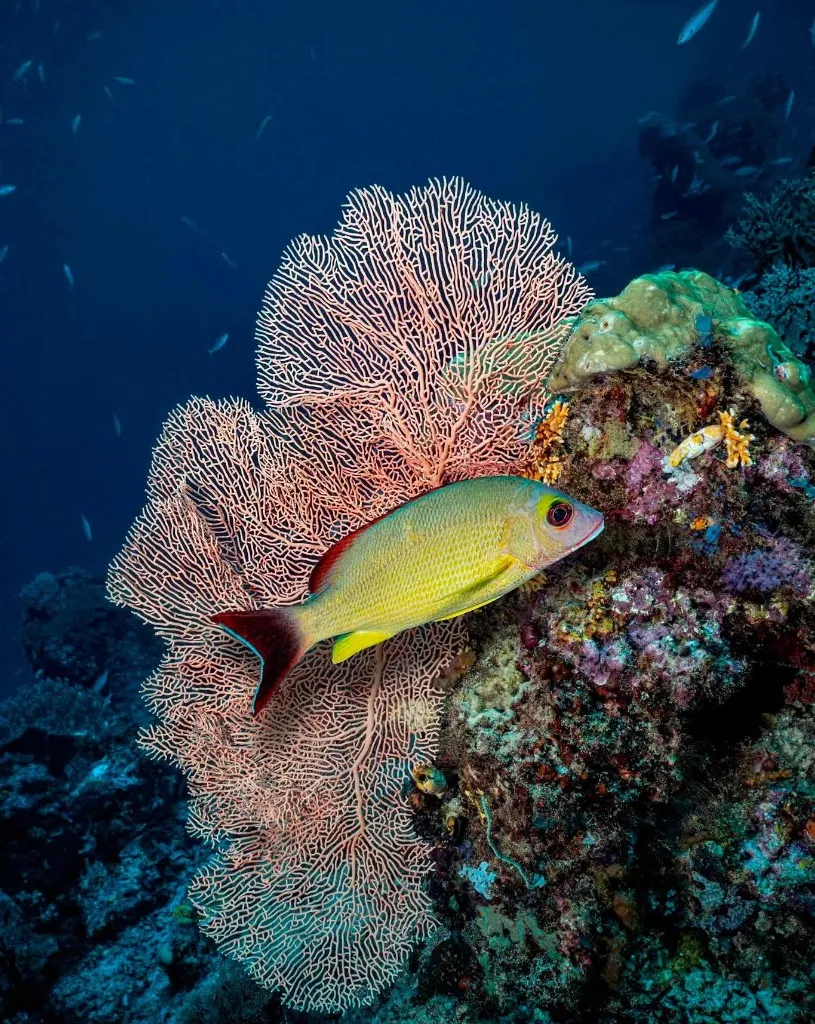
An array of captivating marine life populates Emerald Reef's underwater landscape. Divers frequently encounter schooling grunts and snappers, along with the distinct patterns of barracuda and angelfish.
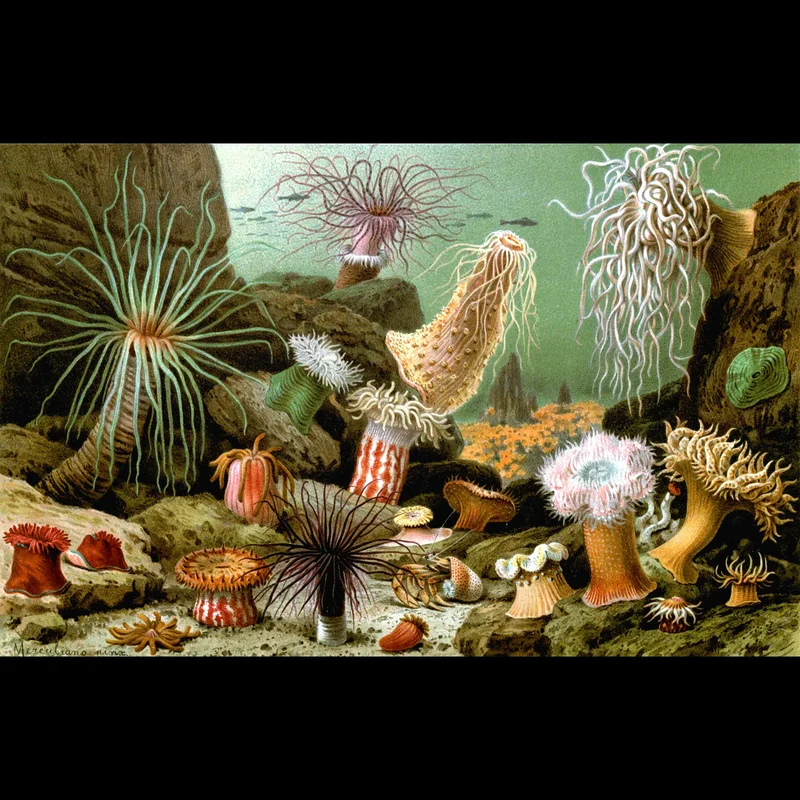
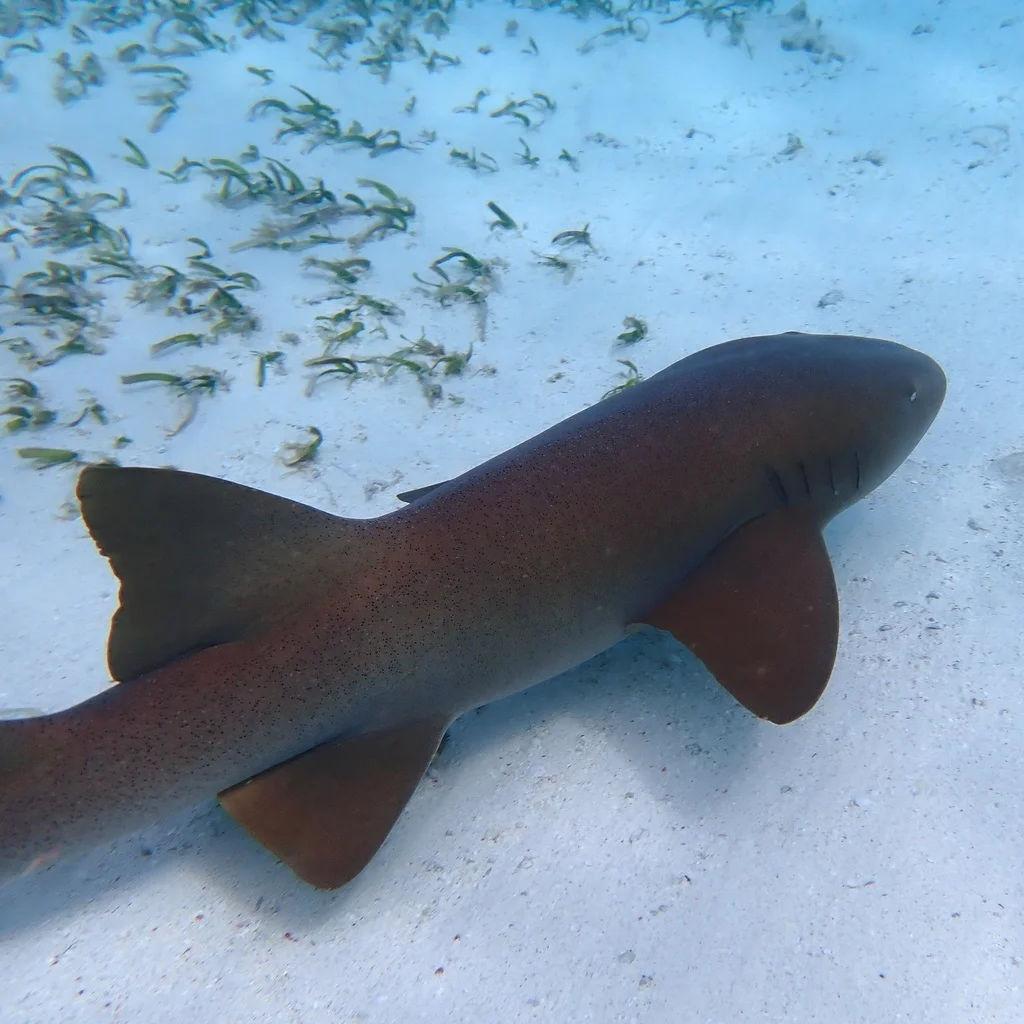
Parrotfish are often seen grazing on the reef, while various anemones provide shelter for smaller inhabitants. Nurse sharks are a common sighting, often resting on the sandy bottom or within reef structures.
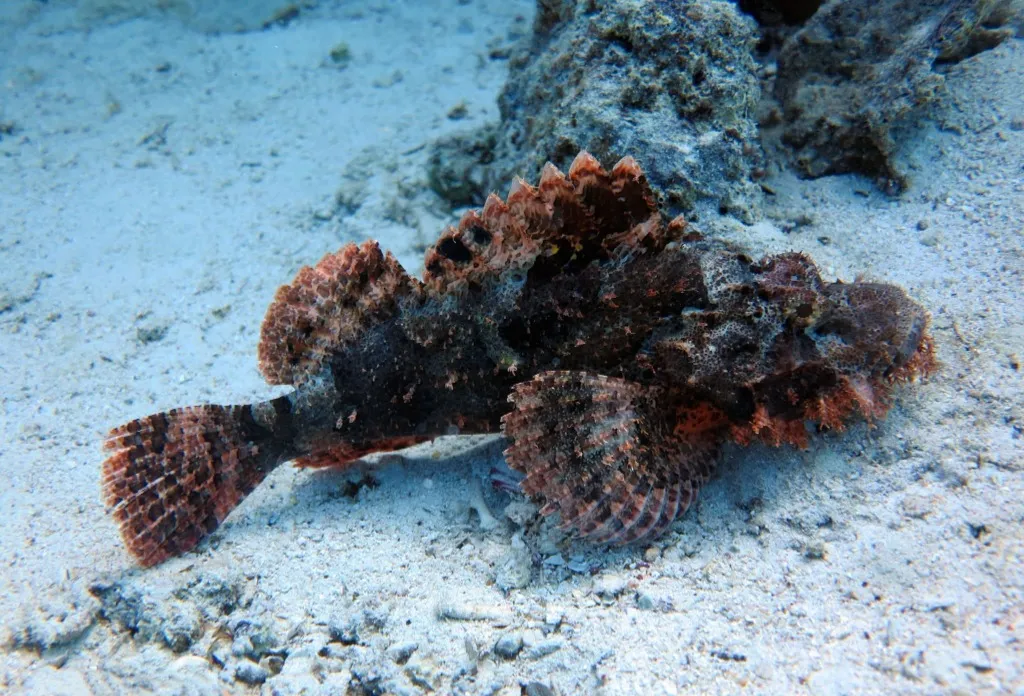
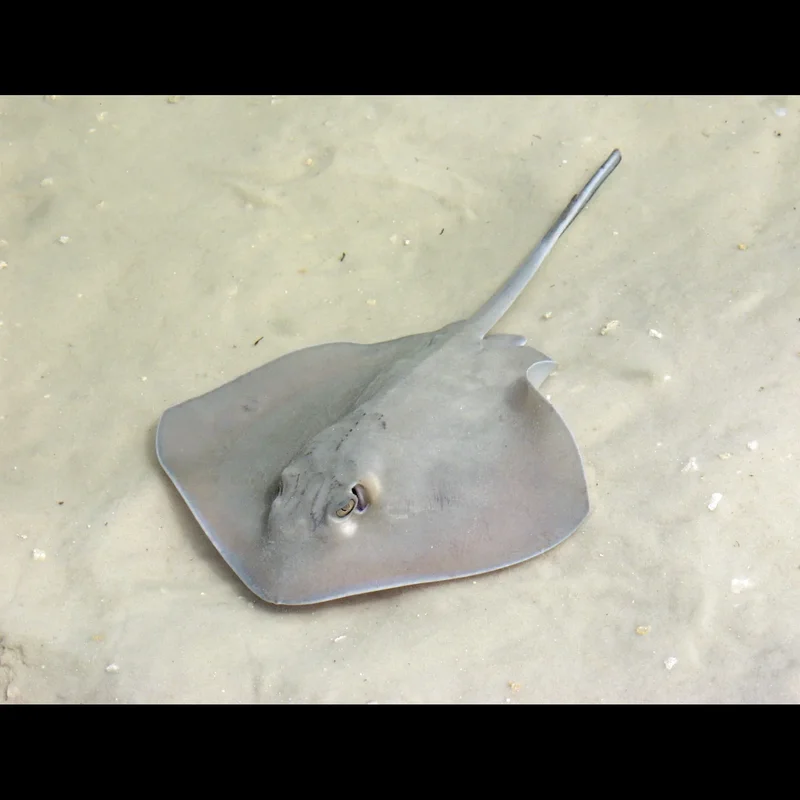
Keep an eye out for stingrays, turtles, and the occasional squid. Large rocky formations and coral crevices provide ideal hideouts for lobsters, especially early in their season, and present opportunities for macro photography of jaw fish and scorpion fish.
Dive Sites Near Emerald Reef
View all dive sites in United StatesDiscover more underwater gems in this area.
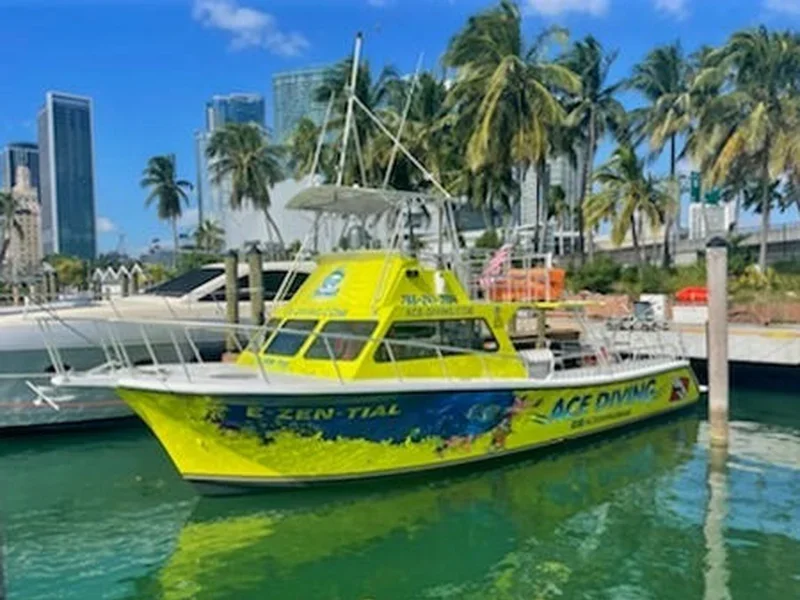
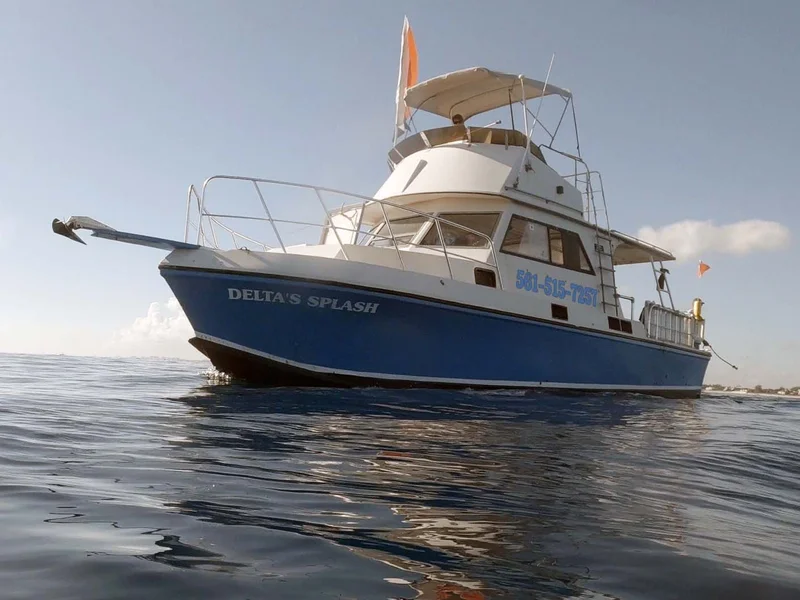
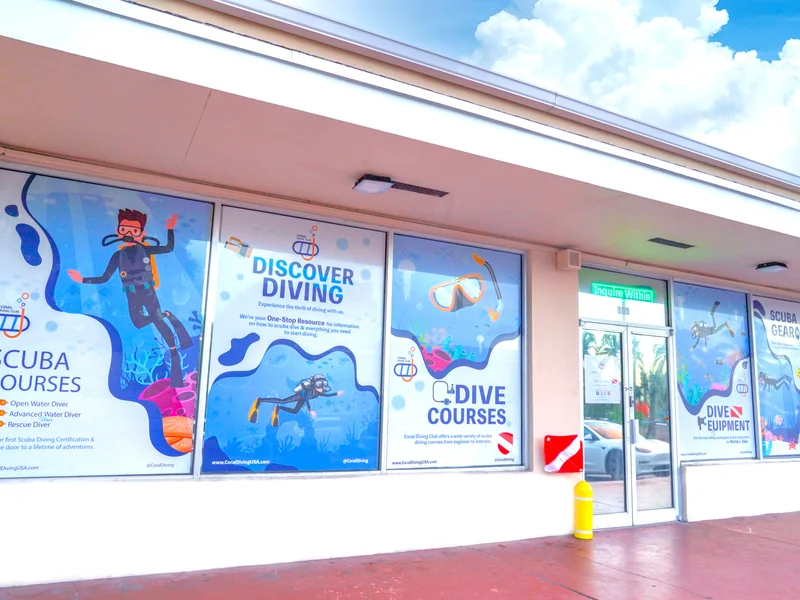
Dive Centers Near Emerald Reef
Today: 08:00 - 17:00
Nearest Airports
Nearest airports to help plan travel to this dive area.
Search Flights
Check available flights and routes on Expedia, using the nearby airports listed in this section.
Search Flights on Expedia
Plan Your Stay
Looking for a place to stay for your dive trip? Explore hotels, stays, and vacation rentals for dive groups near Key Biscayne.
Dive Navigator may earn a commission from these links at no extra cost to you.
Frequently Asked Questions
What is the average depth at Emerald Reef?
Generally shallow, the reef averages around 9 meters (30 feet). This depth makes it an accessible site for divers of various experience levels.
What are the typical water temperatures at Emerald Reef?
Water temperatures typically range from 22-30°C (72-86°F) throughout the year. The warmest water, reaching 27-29°C (80-84°F), is usually experienced between May and October.
Is Emerald Reef suitable for novice divers?
Yes, with its shallow nature and generally moderate conditions, Emerald Reef is well-suited for novice divers. Good buoyancy control is always recommended to protect the reef.
What marine life can be seen at Emerald Reef?
Divers often encounter schooling grunts, snappers, barracuda, angelfish, and parrotfish. Nurse sharks, stingrays, and turtles are also common, along with various corals, sea fans, sponges, and gorgonians.
When is the best time to dive Emerald Reef?
The period from May to October is generally advisable for the warmest water and air temperatures. However, good diving conditions are available year-round, with cooler temperatures in the winter months.
What are the typical current conditions at this dive site?
Currents at Emerald Reef average around 2 knots. Conditions can vary, with July often experiencing minimal to zero current, providing very calm diving opportunities.
How is visibility at Emerald Reef?
Visibility is generally good, often extending to 25 to 30 meters (82 to 98 feet) on optimal days. However, it can be variable, occasionally dropping to 5 meters (16 feet) depending on conditions.
Are there any specific environmental guidelines for diving Emerald Reef?
To protect the fragile reef, divers should only drop anchors in sandy areas upcurrent from it. Direct anchoring on corals is strongly discouraged.
Planning to dive Emerald Reef?
Send one inquiry and receive offers directly from the best verified local dive operators.
Conditions are Good
Optimal conditions expected
Current conditions near Emerald Reef show 28° air, 31° sea temperature, 0.4 m waves, and 22 km/h wind. Forecast data is refreshed regularly to ensure accuracy.