
Diving at Neptune Memorial Reef (United States)
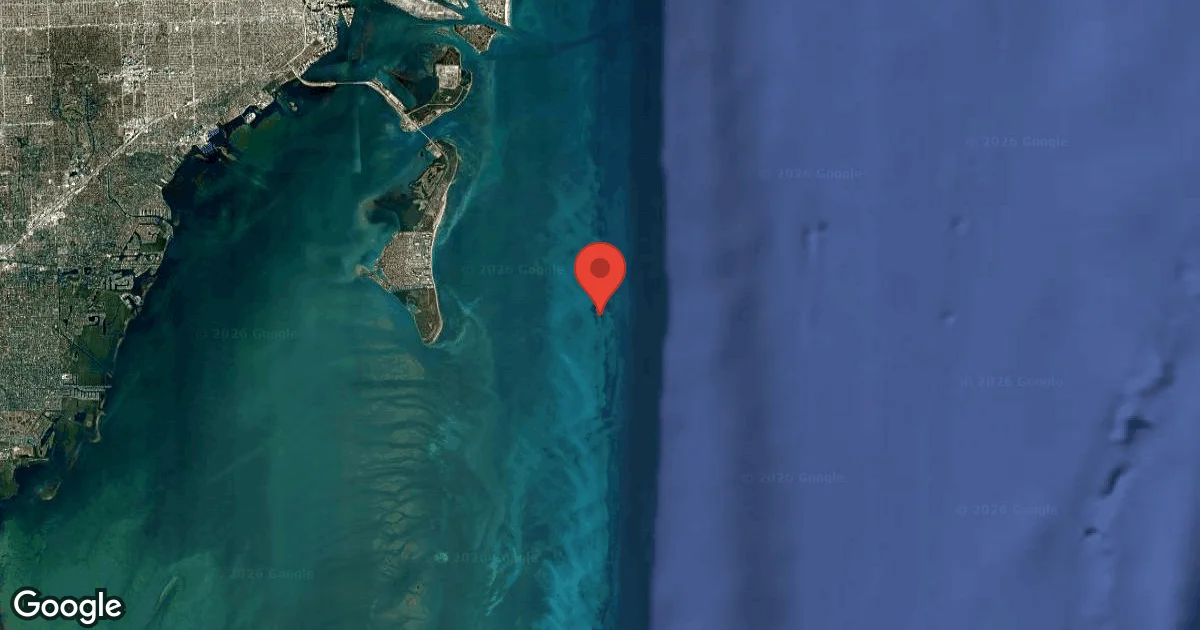
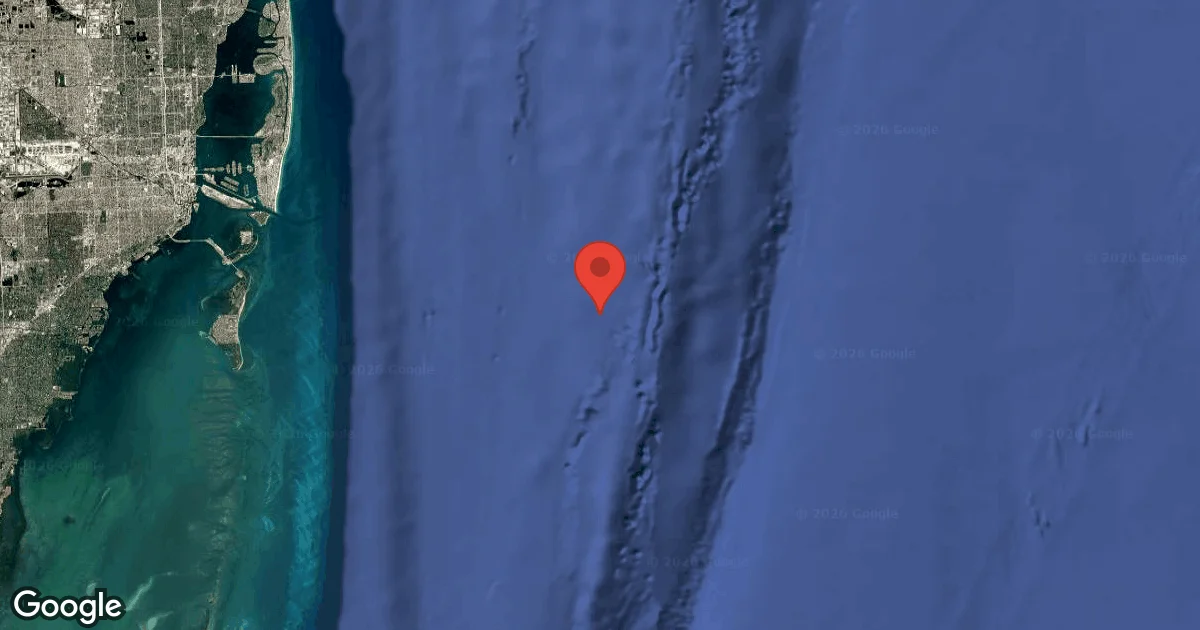
Neptune Memorial Reef unfolds as an extraordinary underwater landscape, an artistic replica of the Lost City of Atlantis. Found approximately 3.25 miles east of Key Biscayne, Miami, it functions as the largest man-made artificial reef and an underwater cemetery. Concrete structures, including pillars and arches, foster marine habitat. This submerged city offers an accessible experience for certified Open Water Divers. Its distinct topography blends memorialization with ecological preservation, creating a foundation for diverse marine growth.
Evening condition tracking at Neptune Memorial Reef features an air temperature of 26.5°C. We have recorded wave heights measuring 0.4 m during this period. These figures outline the environmental parameters currently present.
Dive Site Location & Key Facts
Dive Site Overview
Entering the waters above Neptune Memorial Reef reveals an unfolding narrative beneath the waves. An ambitious project, it was conceived as the largest artificial reef and an underwater mausoleum, designed with the aesthetic of the mythical Lost City of Atlantis.
Descending, divers encounter intricate architectural elements like large cement arches and towering pillars, deliberately placed to promote coral and marine organism growth. Reef's primary goal is ecological enhancement, providing new habitat for marine life and reducing impact on natural reefs nearby. Operating as a 'Green Burial' site, it merges remembrance with environmental stewardship.
Structures, specifically crafted to encourage biodiversity, now provide homes to a growing population of reef fish and invertebrates. Observations indicate a significant increase in marine life since installation, illustrating its success as a functioning ecosystem.
Divers can explore this evolving underwater city, witnessing the subtle interplay between artifice and nature. A destination serving as both an environmental masterpiece and a living laboratory for marine biologists and researchers.
Silence of the clear blue ocean wraps around this innovative space, offering a reflective and engaging dive experience.
Conditions are Good
Optimal conditions expected
Current conditions near Neptune Memorial Reef show 27° air, 31° sea temperature, 0.6 m waves, and 26 km/h wind. Forecast data is refreshed regularly to ensure accuracy.
Best Time to Dive
Optimizing for visibility is key when planning a visit to Neptune Memorial Reef, though conditions generally remain favorable throughout the year. Calmest wave conditions typically occur from May to September, with wave heights averaging around 0.4-0.6 meters (1.3-2.0 feet), leading to potentially clearer water columns. During these months, average air temperatures range from 27-28.5°C (81-83°F), indicating generally pleasant surface conditions. Water temperatures are not consistently reported, but often mirror surface air temperatures, suggesting warm diving conditions. Rainfall varies, with July and September showing higher averages of 7.05-9.40 mm (0.28-0.37 inches), which could temporarily impact clarity. Average dive scores, however, remain good to excellent across all months, with July peaking at "Excellent." Periods of lower wind speeds, particularly in summer months, also contribute to less surface chop and improved visibility. Winter months, from December to March, see slightly higher wind speeds and wave heights, which can sometimes reduce underwater clarity, though average air temperatures remain mild at 20-23°C (68-73°F). Summer and early fall generally present the most consistent conditions for clear, comfortable diving.
PEAK SEASON SCORE
Scores combine air & water temps, waves, wind & rainfall for overall conditions.
BEST MONTHS TO DIVE
Monthly records compiled from satellite and marine observation nodes over the last 3 years. Data provided by Open-Meteo and MET Norway.
Dive Experience & Conditions
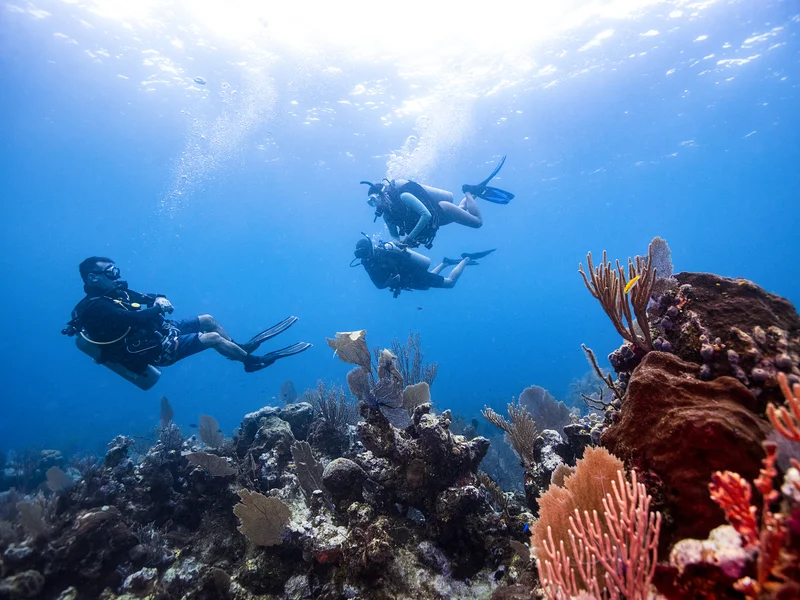
Upon descent to Neptune Memorial Reef, divers transition into a meticulously designed underwater realm. Reef typically begins at a minimum depth of 12 meters (40 feet) and extends to a maximum depth of 13.7 meters (45 feet), making it comfortably accessible for Open Water certified divers. Currents at this site are generally mild, often allowing for relaxed exploration of structures. Visibility can fluctuate, but it frequently remains good, providing clear views of sculptural elements and developing marine growth. Boat is the primary entry method, given the site's offshore location. Navigating through the "Lost City of Atlantis," divers encounter large pillars and arches serving as focal points for marine activity. Structures themselves are encrusted with various species of reef-building coral and coralline algae, showcasing the reef's success in fostering a new ecosystem. Salt water environment is home to various fish species, adapting to their new artificial habitat. Diving here offers a calm, visually engaging experience suitable for photographers and those interested in artificial reef development.
Dive Difficulty & Safety Guidelines
Navigating Neptune Memorial Reef is straightforward for certified Open Water divers, though adhering to responsible diving practices remains crucial. Primary challenge involves managing buoyancy to avoid contact with delicate artificial reef structures and any developing coral. As an artificial reef and memorial site, touching or disturbing any part of the structures or marine life is prohibited, ensuring its preservation and respect for its unique purpose.
Divers should maintain a safe distance and observe the environment without interference. No specific hazards are consistently reported for this site beyond general ocean diving considerations like variable currents or marine life interactions.
Due to its offshore nature, boat entry and exit procedures are essential, requiring attention to tender operations. Always dive within your certification limits and plan your dive, dive your plan.
Being mindful of other divers and the site's role as a memorial enhances the experience for everyone. Proper training, such as an Underwater Photographer course, can also help divers approach the site with enhanced observational skills.
Recommended Equipment
- Dive Computer
This gear list is based on verified equipment signals for Neptune Memorial Reef, United States. Always confirm final gear choices with your dive operator, guide, or liveaboard.
Recommended Dive Suit
The latest conditions reported around Neptune Memorial Reef place the water temperature close to 31°C (87°F). Surface air temperatures are resting at 27°C (80°F).
Dive skin or rash guard generally offers enough warmth for most dives under these conditions.
Forecast conditions over the next few days suggest temperatures will remain relatively stable.
Emergency & Medical Support
Essential information to help you plan your dive trip to Neptune Memorial Reef.

Hyperbaric chambers are a critical part of dive safety infrastructure. Availability varies significantly by region, and not all dive areas have immediate access.
Before diving, it's recommended to:
- confirm nearest medical facilities
- check emergency procedures with local dive operators
- ensure dive insurance covers evacuation if required
Divers Alert Network
Diving emergency assistance available through DAN World.
+1-919-684-9111- 24/7 emergency hotline
- Diving medical assistance
- Evacuation coordination
Emergency contacts are provided for reference. Always verify local emergency services before diving.
Marine Life at Neptune Memorial Reef
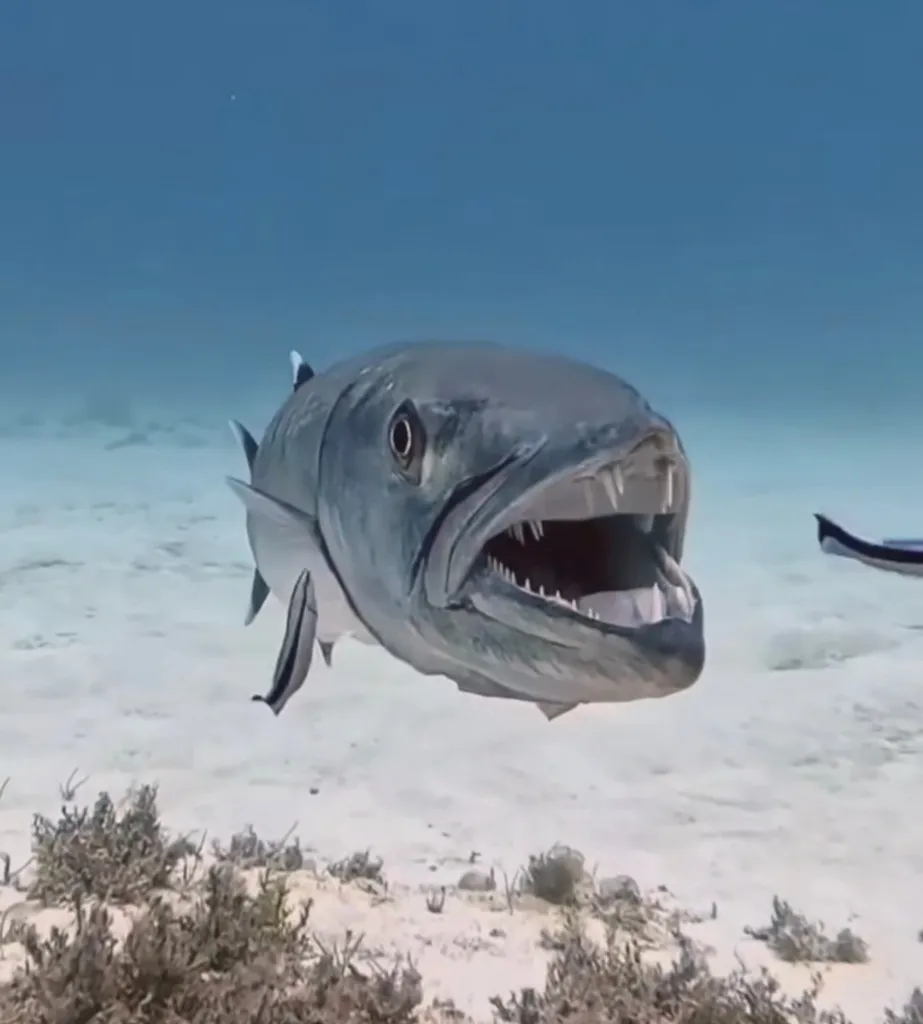
Neptune Memorial Reef has demonstrated significant success in attracting and sustaining diverse marine life. Divers exploring its structures frequently encounter schools of great barracuda congregating beneath large cement arches.
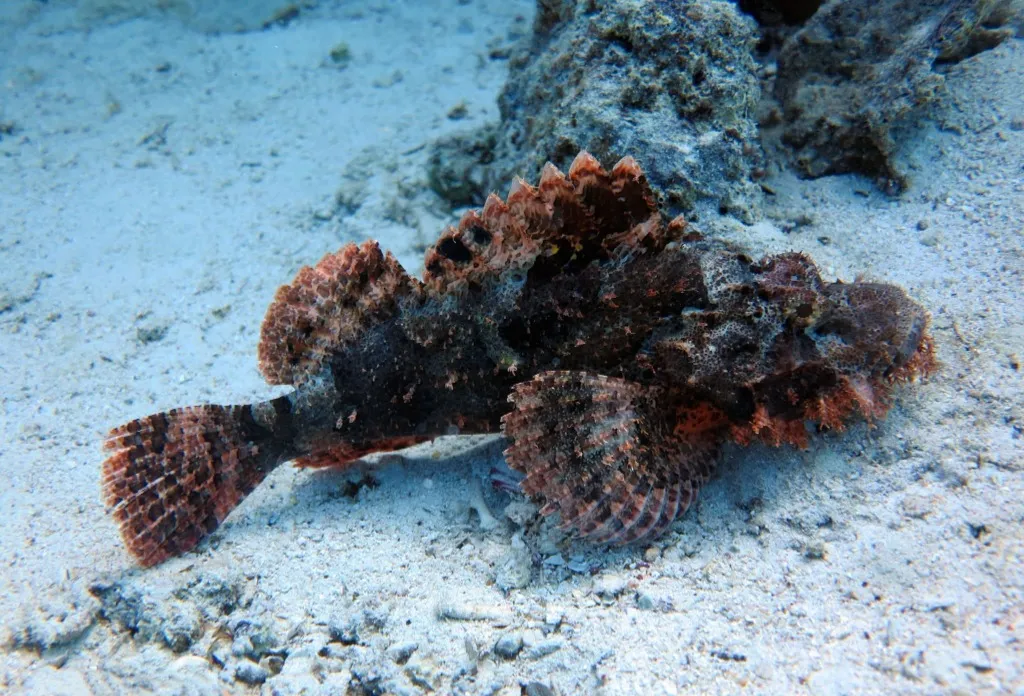
Close inspection of artificial reef often reveals well-camouflaged scorpionfish blending seamlessly into the environment. Pillars encrusted with 14 different species of colorful reef-building coral and coralline algae provide essential habitats.
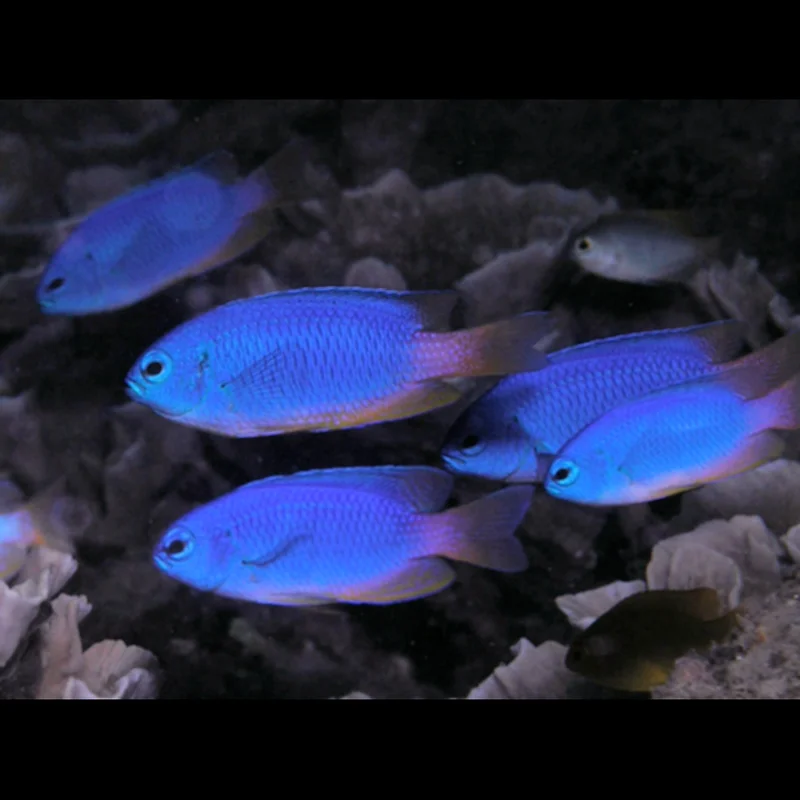
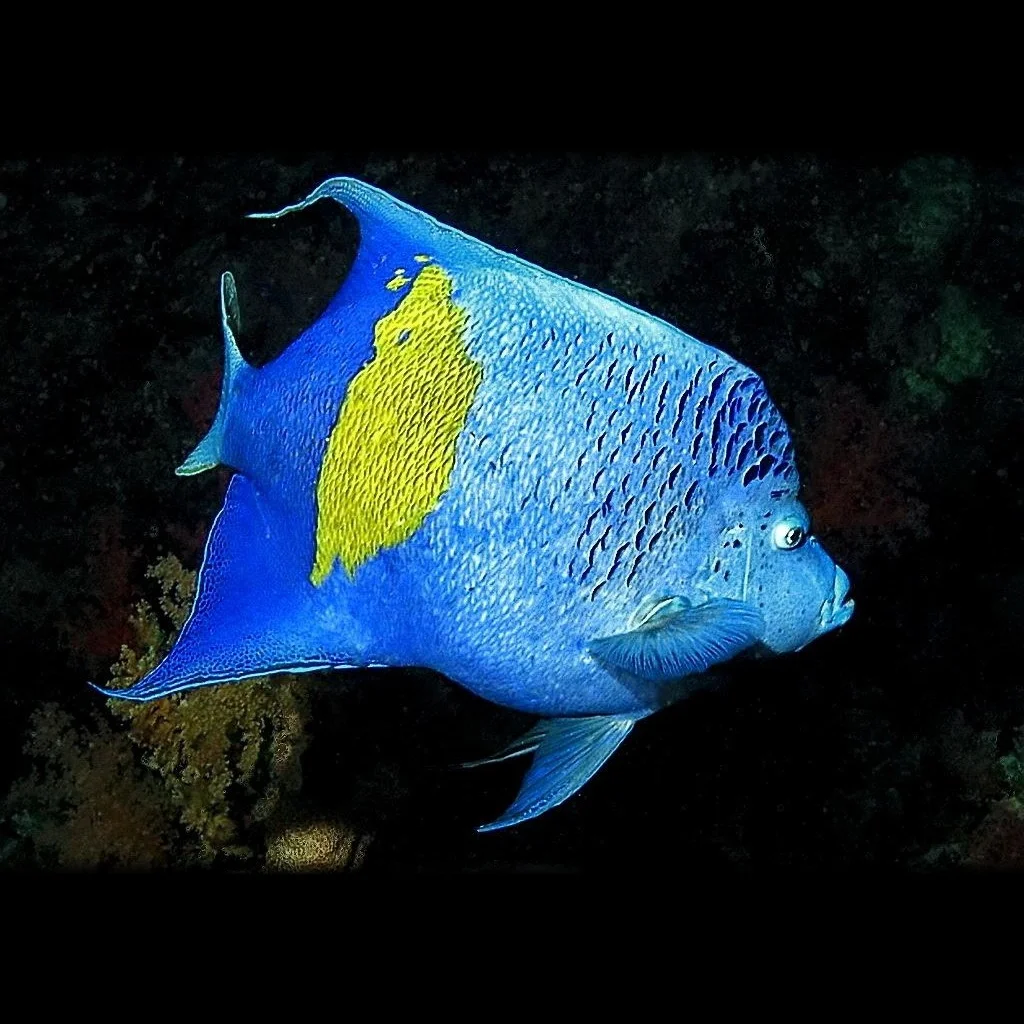
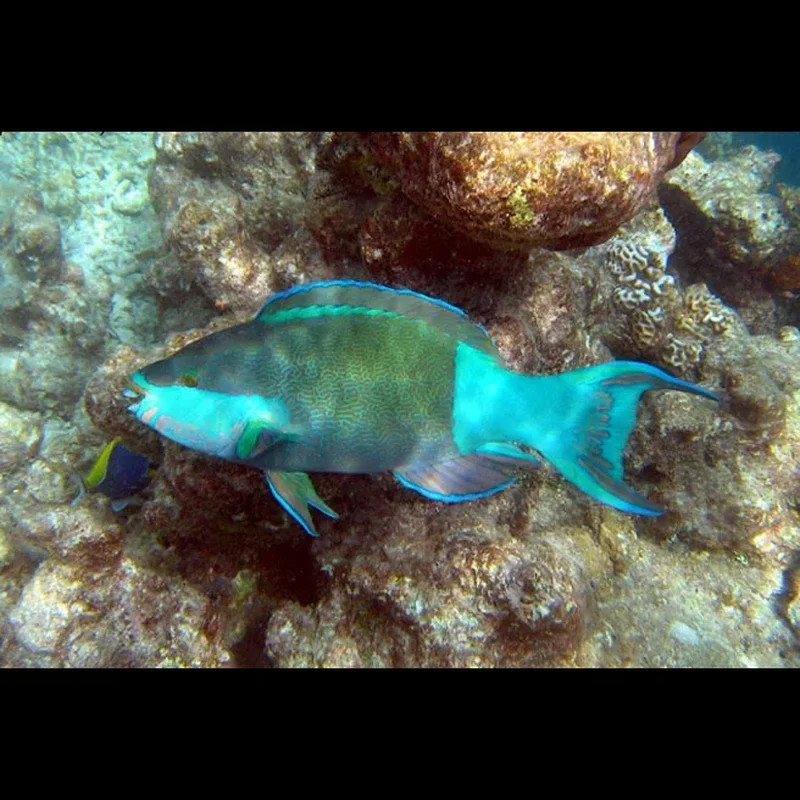
A variety of fish inhabit this site, including parrotfish, smooth trunkfish, pufferfish, and filefish. Angelfish, bar jacks, and damselfish species like sergeant majors are also common sightings. Rapid growth of marine populations from zero to thousands within the first two years underscores the reef's ecological value.
Such a vibrant ecosystem provides an engaging experience for observing marine organisms adapting to an innovative artificial habitat.
Dive Sites Near Neptune Memorial Reef
View all dive sites in United StatesDiscover more underwater gems in this area.
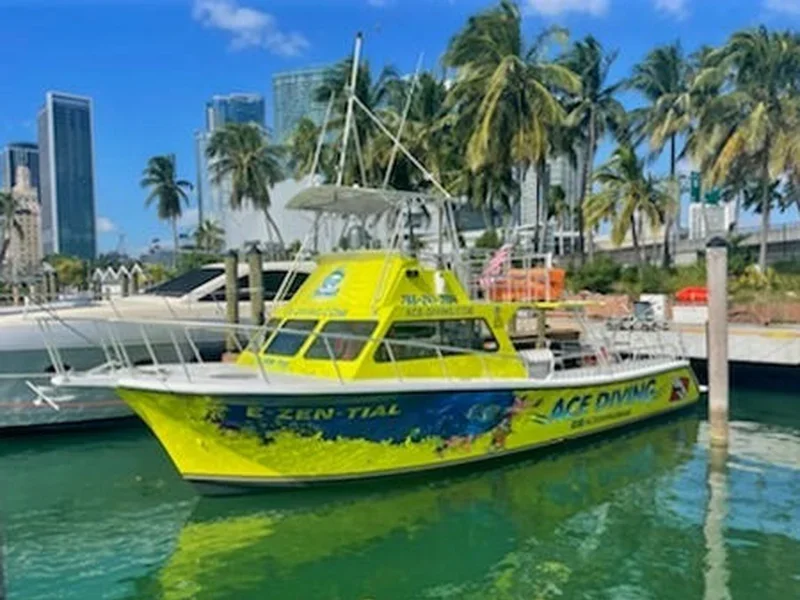
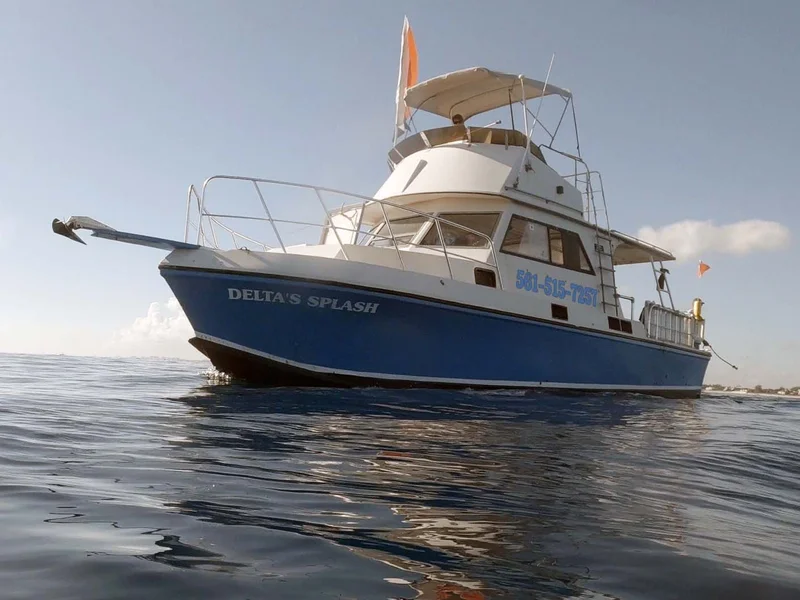
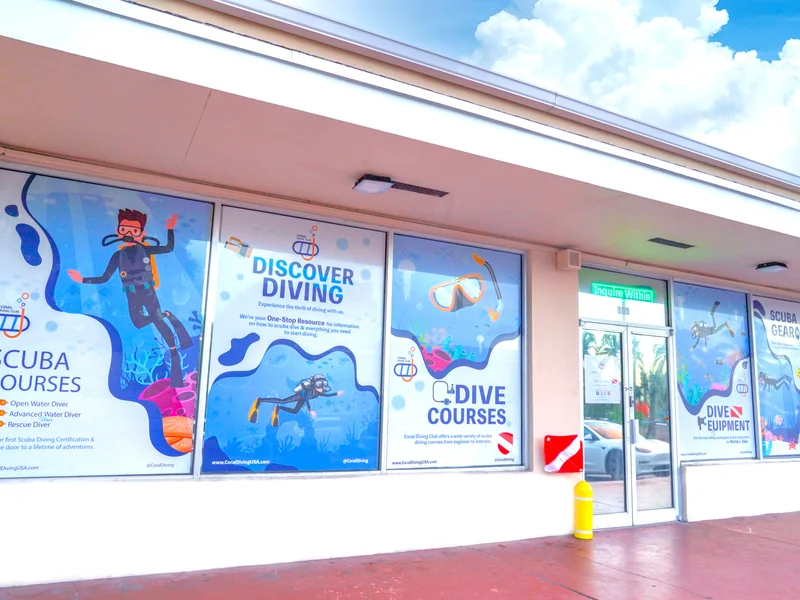
Dive Centers Near Neptune Memorial Reef
Today: 08:00 - 17:00
Nearest Airports
Nearest airports to help plan travel to this dive area.
Search Flights
Check available flights and routes on Expedia, using the nearby airports listed in this section.
Search Flights on Expedia
Plan Your Stay
Looking for a place to stay for your dive trip? Explore hotels, stays, and vacation rentals for dive groups near Key Biscayne.
Dive Navigator may earn a commission from these links at no extra cost to you.
Frequently Asked Questions
What is the Neptune Memorial Reef?
Neptune Memorial Reef functions as an artificial reef and underwater cemetery, artistically designed as a replica of the Lost City of Atlantis. It serves as both a resting place for cremated remains and a thriving marine habitat off the coast of Miami. Considered the largest man-made reef structure of its kind, it combines remembrance with ecological benefit.
How deep is the Neptune Memorial Reef?
The reef rests at a depth of approximately 12 to 13.7 meters (40 to 45 feet) underwater. This depth makes it readily accessible for certified Open Water divers and snorkelers, suitable for a range of experience levels.
What type of marine life can I expect to see?
A variety of fish are attracted to the reef, including schools of barracuda, scorpionfish, parrotfish, pufferfish, and angelfish. Structures also host 14 species of reef-building coral and coralline algae, creating a vibrant ecosystem.
Is special certification required to dive here?
No advanced certification is strictly required; the site is accessible to certified Open Water Divers. However, courses like Underwater Photography might enhance your experience by improving observation skills and interaction.
What is the best way to access the reef?
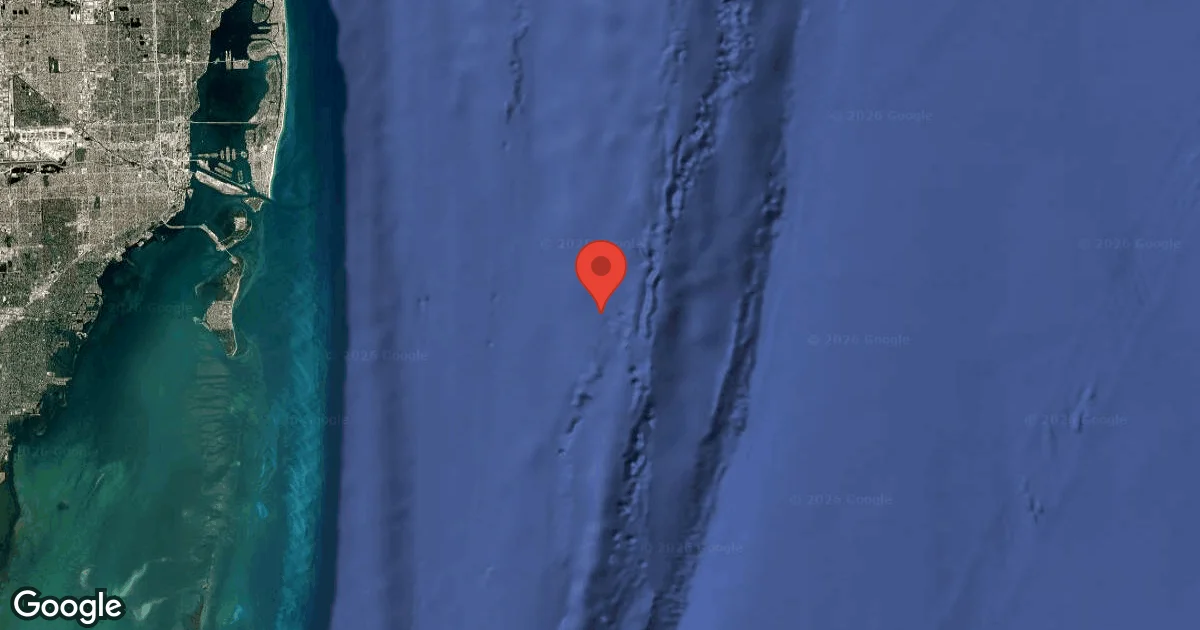
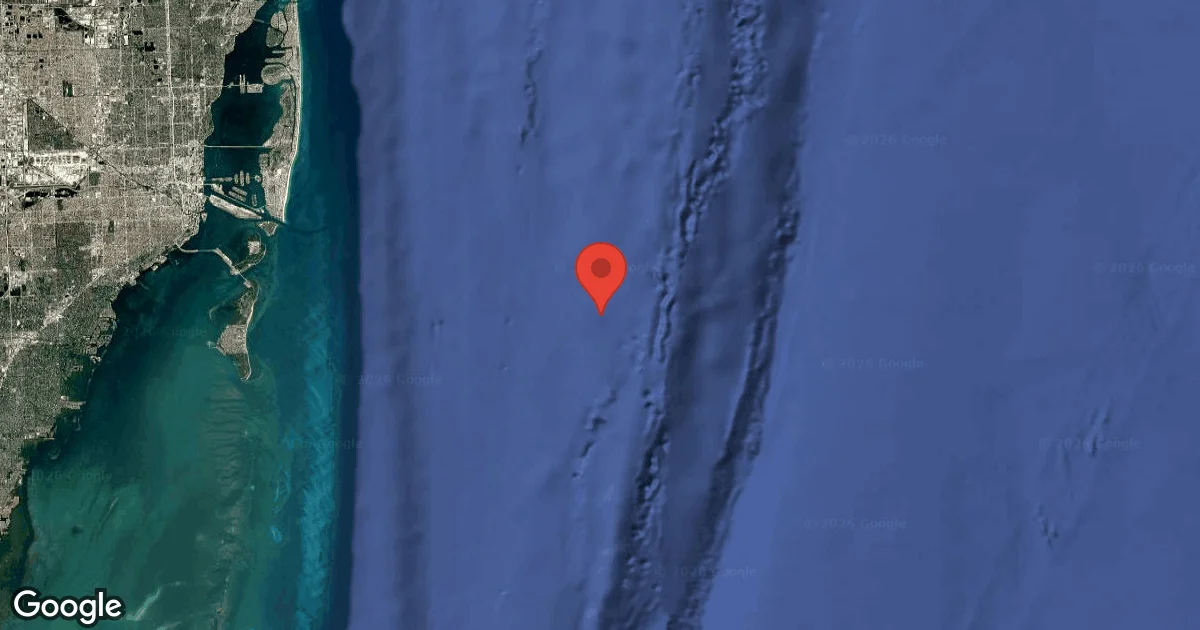
Access to Neptune Memorial Reef is exclusively by boat. It lies 3.25 miles east of Key Biscayne, Miami. Dive operators typically arrange trips to this unique submerged monument.
Can I touch the structures at the Neptune Memorial Reef?
No, touching any part of the reef structures or marine life is prohibited. This guideline preserves the delicate ecosystem and respects the site's dual role as a memorial and an environmental project, ensuring its longevity.
Planning to dive Neptune Memorial Reef?
Send one inquiry and receive offers directly from the best verified local dive operators.
Conditions are Good
Optimal conditions expected
Current conditions near Neptune Memorial Reef show 27° air, 31° sea temperature, 0.6 m waves, and 26 km/h wind. Forecast data is refreshed regularly to ensure accuracy.