
Diving at Fish Haven 19 (SE) (United States)
Beneath the waves of the southeastern United States, sites like Fish Haven 19 emerge as vital artificial structures. Divers first notice the foundational elements of these man-made reefs, which serve as crucial anchors for diverse marine ecosystems. This underwater landscape, often composed of deliberately placed materials, quickly attracts and sustains a rich variety of aquatic life. It's a vibrant contrast to the surrounding sandy seabed, creating an immediate focal point.
As evening covers Fish Haven 19 (SE), the local air temperature is measured at 24°C. The current wave height at the surface is recorded at 0.6 m. These late-day readings characterize the surface conditions for the night.
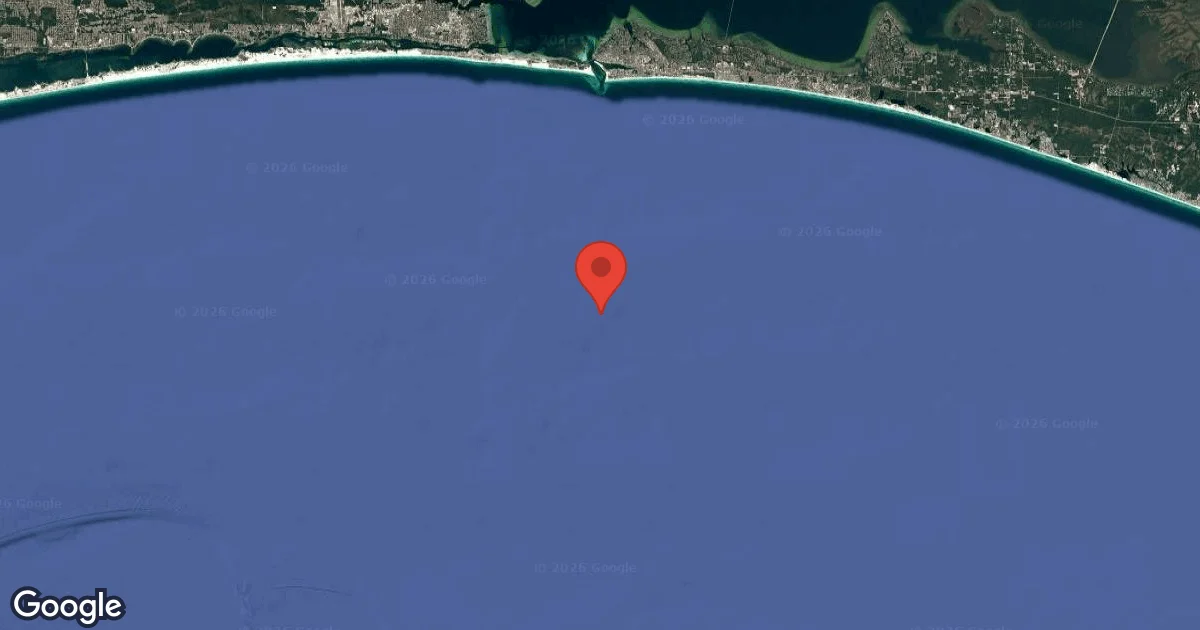
Dive Site Location & Key Facts
Dive Site Overview
Exploring dive sites along the Crystal Coast of North Carolina often means encountering the legacies of maritime history and conservation efforts. Fish Haven 19, like many other local sites, likely serves as an artificial reef, a common practice in this region to enhance marine habitats.
The area boasts a rich history of shipwrecks, with many vessels meeting their fate during conflicts like World War II, such as the Caribsea, torpedoed in 1942, and the Papoose, a tanker also sunk in 1942. Later, ships like the Aeolus, a 409-foot attack cargo ship, were intentionally sunk as part of North Carolina’s artificial reef program in 1988, transforming them into thriving underwater havens.
These structures, whether accidental or purposeful, create complex environments, offering shelter and feeding grounds. Depths vary across the region, with some wrecks accessible within recreational limits, while others, like the Papoose, rest deeper at around 38 m (125 ft).
Conditions are Excellent
07:00 - 14:00
Optimal conditions expected
Current conditions near Fish Haven 19 (SE) show 24° air, 30° sea temperature, 0.6 m waves, and 21 km/h wind. Forecast data is refreshed regularly to ensure accuracy.
Best Time to Dive
Planning a dive to Fish Haven 19 is best considered during the summer months when surface conditions are typically most favorable. From July through September, the air temperatures average a warm 25.5°C to 28.5°C (78-83°F), making surface intervals more comfortable. Wave heights during this period consistently measure lower, often around 0.5 to 0.6 meters, which indicates calmer seas and smoother boat rides to and from the site. Wind speeds also tend to decrease, averaging between 14 to 15 km/h, further contributing to pleasant diving conditions. While some rain is reported, typically between 4.5 to 6.4 mm per month, this usually doesn't significantly impede dive plans, allowing for consistent good diving opportunities.
PEAK SEASON SCORE
Scores combine air & water temps, waves, wind & rainfall for overall conditions.
BEST MONTHS TO DIVE
Monthly records compiled from satellite and marine observation nodes over the last 3 years. Data provided by Open-Meteo and MET Norway.
Dive Experience & Conditions
Current dynamics at sites within this region can vary, influenced by offshore weather patterns and tides, but often present manageable conditions for experienced divers. While specific current data for Fish Haven 19 is not consistently reported, divers should prepare for moderate to strong currents at times, particularly in deeper sections. Visibility, a critical factor for exploring artificial reefs, can fluctuate significantly, sometimes reaching excellent ranges, as noted for other local wrecks. It is advisable to visit on days with high visibility to best appreciate the intricate structures and marine life. Water temperatures in the Atlantic generally remain temperate, with warmer conditions prevailing during the summer, enhancing comfort for extended bottom times. The maximum depth of sites in the vicinity can vary, encompassing a broad recreational depth range.
Dive Difficulty & Safety Guidelines
Approaching any dive site, particularly artificial reefs or wrecks, requires thorough planning and adherence to established safety protocols. Divers should always assess their skill level against the conditions presented, especially when contemplating exploration of any overhead environments or deeper sections. Wreck penetration, if available and tempting at artificial reefs, should only be attempted by divers holding appropriate wreck diving certifications and with proper equipment.
Maintaining a conservative dive profile and strictly adhering to no-decompression limits are essential. Always dive with a reliable buddy, and ensure all necessary gear is in excellent working order before taking the plunge.
Recommended Equipment
- Dive Computer
This gear list is based on verified equipment signals for Fish Haven 19 (SE), United States. Always confirm final gear choices with your dive operator, guide, or liveaboard.
Recommended Dive Suit
Divers visiting Fish Haven 19 (SE) today can expect water conditions around 30°C (86°F). Surface air temperatures are resting at 24°C (76°F).
Dive skin or rash guard generally offers enough warmth for most dives under these conditions. A hood or vest is suggested for sensitive divers due to surface winds.
Forecast trends indicate little change in overall diving conditions during the next few days.
Emergency & Medical Support
Essential information to help you plan your dive trip to Fish Haven 19 (SE).

Hyperbaric chambers are a critical part of dive safety infrastructure. Availability varies significantly by region, and not all dive areas have immediate access.
Before diving, it's recommended to:
- confirm nearest medical facilities
- check emergency procedures with local dive operators
- ensure dive insurance covers evacuation if required
Divers Alert Network
Diving emergency assistance available through DAN World.
+1-919-684-9111- 24/7 emergency hotline
- Diving medical assistance
- Evacuation coordination
Emergency contacts are provided for reference. Always verify local emergency services before diving.
Marine Life at Fish Haven 19 (SE)
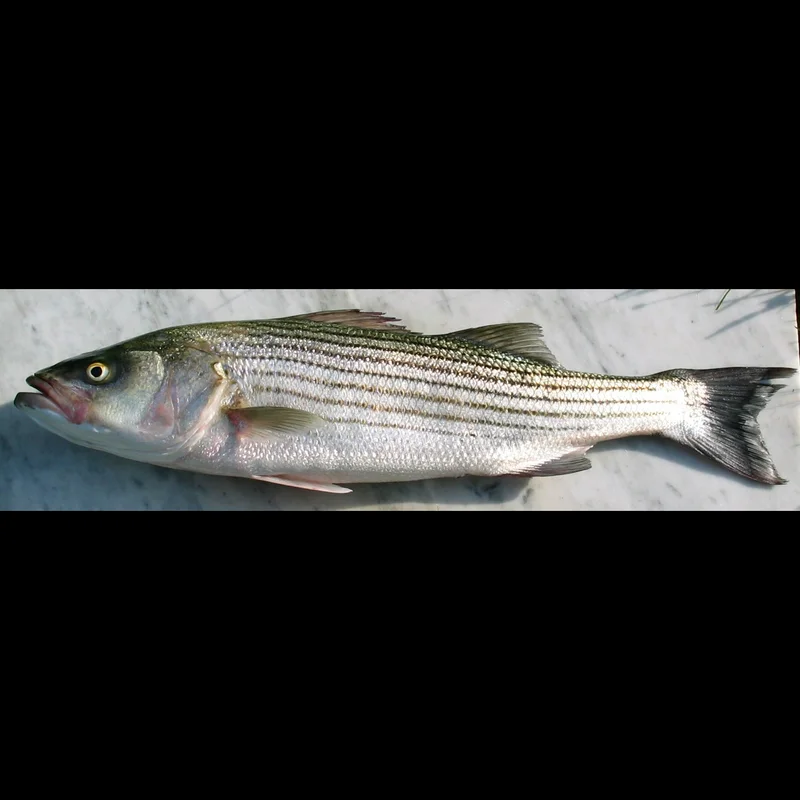
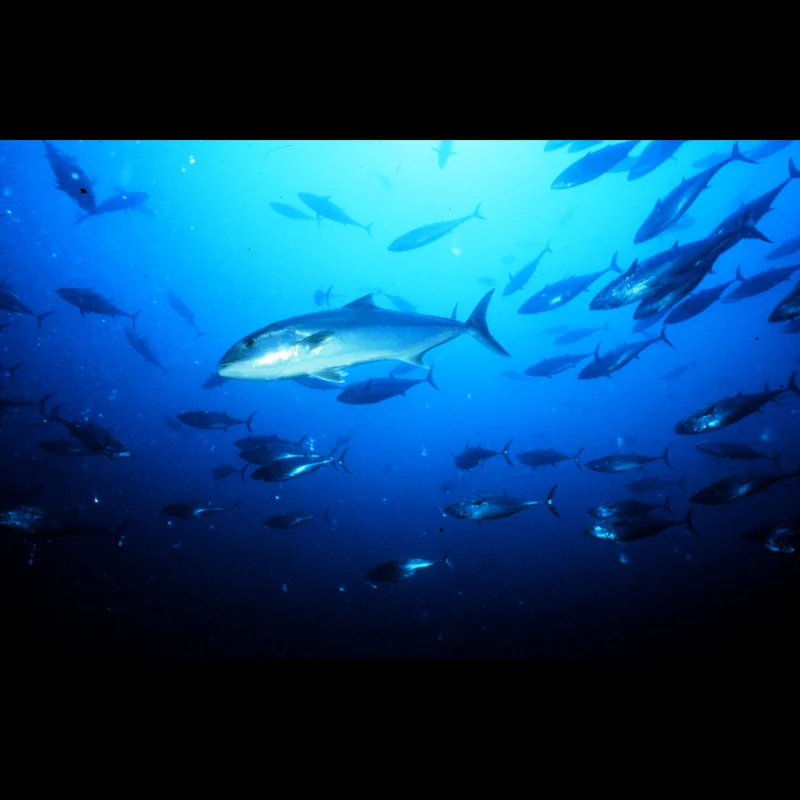
The structures of Fish Haven 19 create a thriving ecosystem, attracting a rich array of marine inhabitants. Divers frequently encounter vibrant schools of baitfish, which in turn draw larger predatory species like amberjacks, cobia, and Spanish Mackerel during the warmer months.
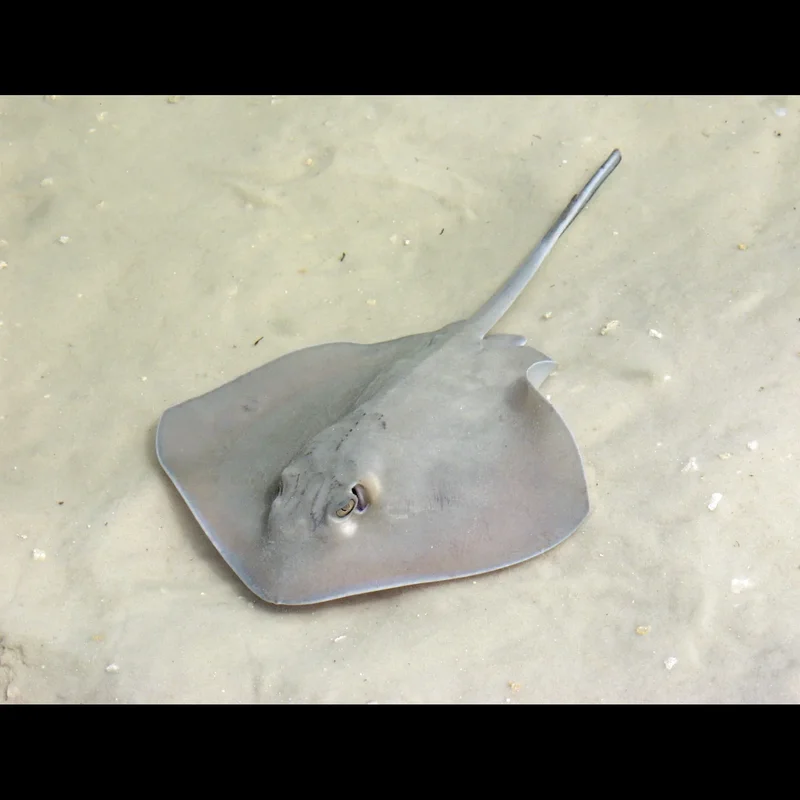
Observing stingrays gliding gracefully across the sand or resting on the wreck is a common highlight. The artificial reef also supports significant coral growth, providing shelter for various colorful reef fish and spadefish.
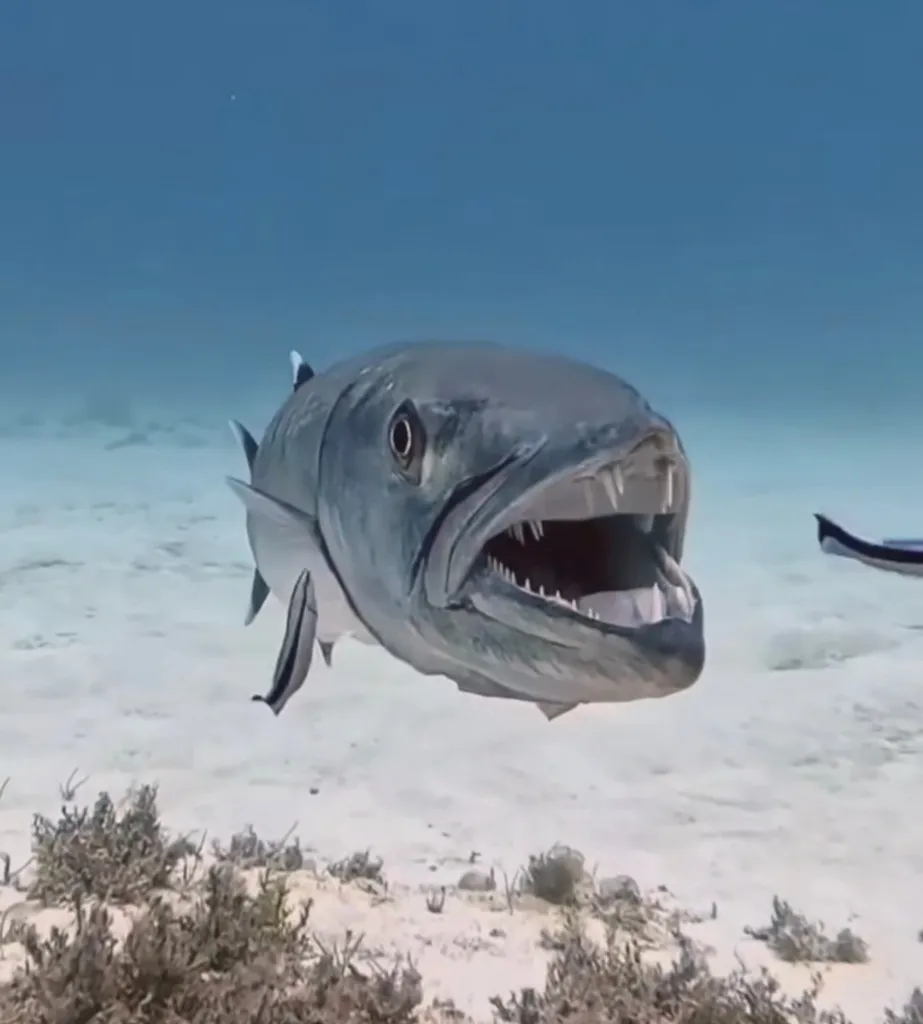
Barracuda, sea bass, and flounder can also be spotted within the wreckage, showcasing the site's biodiversity.

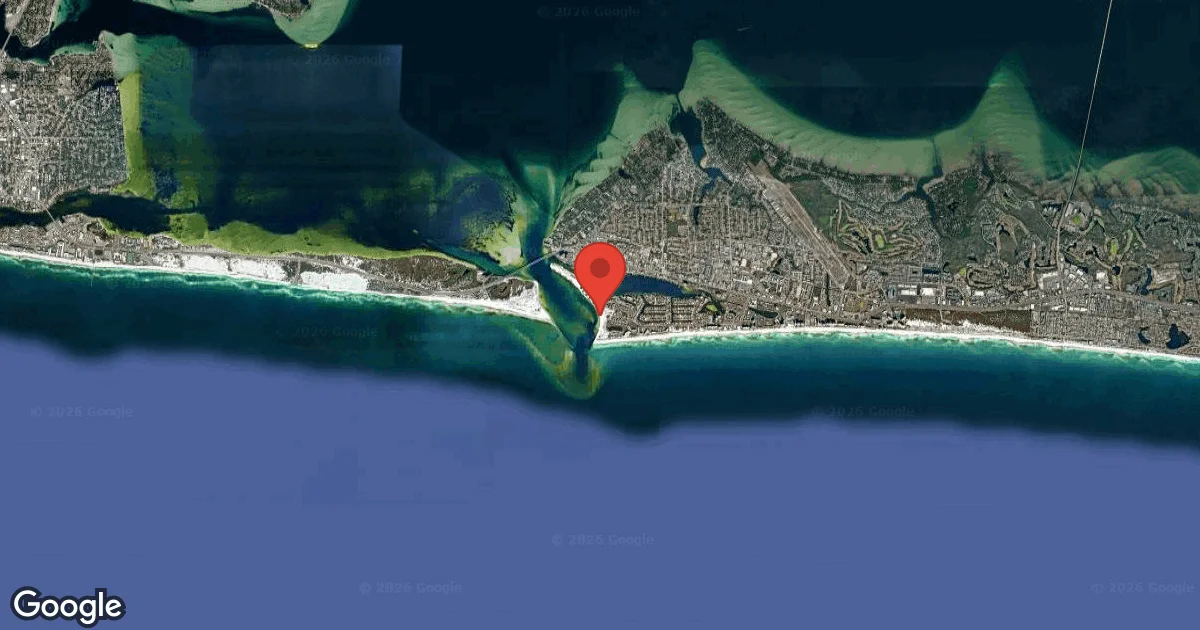
Dive Sites Near Fish Haven 19 (SE)
View all dive sites in United StatesDiscover more underwater gems in this area.
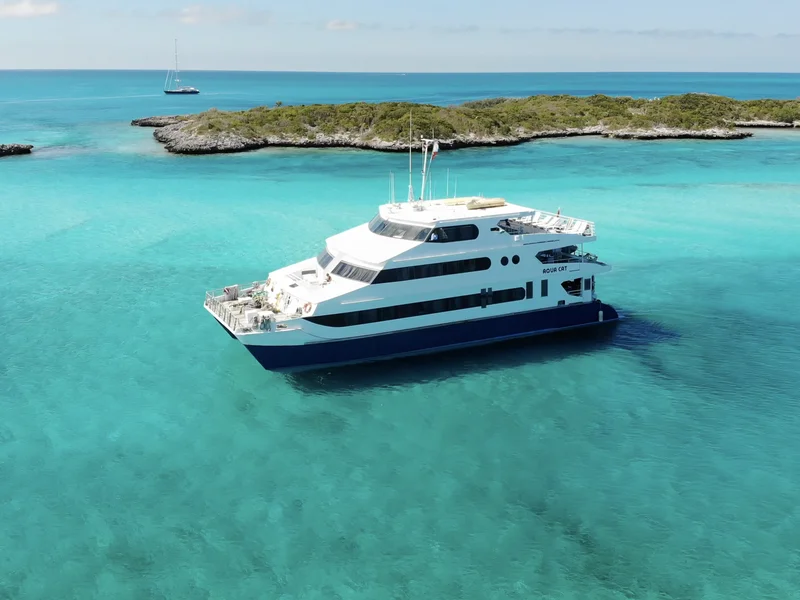
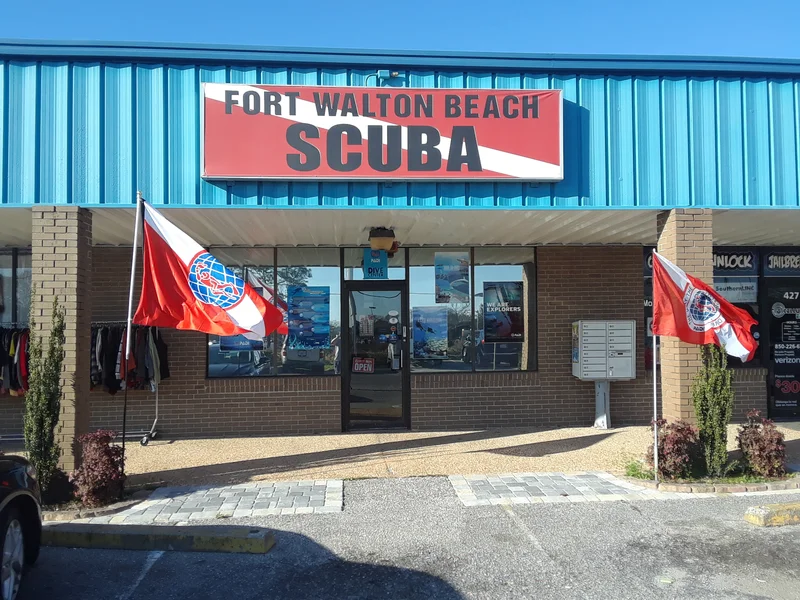
Dive Centers Near Fish Haven 19 (SE)
Today: 08:00 - 17:00
Nearest Airports
Nearest airports to help plan travel to this dive area.
Search Flights
Check available flights and routes on Expedia, using the nearby airports listed in this section.
Search Flights on Expedia
Plan Your Stay
Looking for a place to stay for your dive trip? Explore hotels, stays, and vacation rentals for dive groups near Fort Walton Beach.
Dive Navigator may earn a commission from these links at no extra cost to you.
Frequently Asked Questions
What kind of dive site is Fish Haven 19?
Fish Haven 19 is considered an artificial reef site, similar to others in North Carolina's Crystal Coast region. These sites are typically composed of intentionally placed structures or historical wrecks designed to enhance marine habitats and provide diving opportunities.
What is the typical depth range at Fish Haven 19?
While the exact depth for Fish Haven 19 is not specified, similar artificial reef sites in the area can range from shallower recreational depths to over 30 m (100 ft). Divers should consult local dive operators for precise depth information for this specific site.
What marine life can divers expect to see?
The artificial reef attracts a variety of marine life, including schools of baitfish, amberjacks, spadefish, cobia, and Spanish Mackerel. Divers often spot stingrays, barracuda, sea bass, and flounder, alongside diverse coral formations.
How is the visibility at this dive site?
Visibility at artificial reef sites in this region can be quite variable, ranging from moderate to very good. Optimal diving conditions often coincide with days of high visibility, making planning important for the best experience.
Is wreck penetration permitted at Fish Haven 19?
If there are opportunities for wreck penetration at Fish Haven 19, they should only be undertaken by divers who are specifically certified in wreck diving. Such activities require specialized training and equipment for safety.
What months offer the best diving conditions?
The summer months, particularly July through September, are generally recommended due to warmer air temperatures and calmer sea conditions. Reduced wave heights and lighter winds during this period contribute to a more comfortable diving experience.
Planning to dive Fish Haven 19 (SE)?
Send one inquiry and receive offers directly from the best verified local dive operators.
Conditions are Excellent
07:00 - 14:00
Optimal conditions expected
Current conditions near Fish Haven 19 (SE) show 24° air, 30° sea temperature, 0.6 m waves, and 21 km/h wind. Forecast data is refreshed regularly to ensure accuracy.