
Diving at Hathaway Bridge 1 Start (United States)
Challenging conditions often define diving at the Hathaway Bridge 1 Start, where visibility can vary significantly, and strong currents are a common factor. Divers encounter a dynamic underwater environment here. Its collapsed bridge spans provide a distinctive structure to explore, requiring careful planning and awareness of the prevailing water movement. Surface conditions also influence the overall dive accessibility.
Tonight's objective overview for Hathaway Bridge 1 Start shows an air temperature of 27.5°C. The measured surface conditions include wave heights around 0.9 m. This environmental data is logged for the close of the day.
Dive Site Location & Key Facts
Dive Site Overview
Exploring the Hathaway Bridge spans involves navigating substantial man-made structures that have transitioned into artificial reefs. Several sections, including original Bridge Spans 5 & 6, and Spans 7-10, now lie collapsed beneath the surface, presenting a complex network for exploration.
Additionally, Span 14, Span 12, and Span 2 are also noted as collapsed metal truss sections, adding to the extensive underwater wreckage. These dives typically reach depths of 30-33 m (100-110 ft) to the sand, with significant structural elements beginning around 21 m (70 ft). The deep nature of these sites, combined with the often-present currents and reduced visibility, dictates that advanced-adventure certification and Nitrox are generally required.
Encrustation on the spans suggests a developing ecosystem, transforming engineered steel into habitat. Divers should approach these sites with an understanding of their dynamic nature and the need for precision buoyancy control.
Conditions are Excellent
07:00 - 14:00
Optimal conditions expected
Current conditions near Hathaway Bridge 1 Start show 27° air, 30° sea temperature, 0.4 m waves, and 18 km/h wind. Forecast data is refreshed regularly to ensure accuracy.
Best Time to Dive
Planning a dive to Hathaway Bridge 1 Start is best undertaken during the warmer months, specifically from May through October, when conditions are generally more favorable for boat access and overall dive enjoyment. During this period, the air temperatures average a comfortable 24-29°C (75-84°F), typically signaling warmer surface waters, though specific water temperatures are not consistently reported. Wave heights tend to be lower, averaging around 0.7-0.9 meters, and wind speeds are generally calmer, which eases boat travel to the site. Conversely, the cooler months from November to April see air temperatures ranging from 13-21°C (55-70°F), with higher average wave heights and stronger winds, potentially making surface conditions choppier and dives more demanding. Rain levels vary throughout the year but are generally manageable during the peak dive season.
PEAK SEASON SCORE
Scores combine air & water temps, waves, wind & rainfall for overall conditions.
BEST MONTHS TO DIVE
Monthly records compiled from satellite and marine observation nodes over the last 3 years. Data provided by Open-Meteo and MET Norway.
Dive Experience & Conditions
A descent at Hathaway Bridge 1 Start reveals a stark, industrial underwater landscape, transitioning from open water to the complex structure of collapsed bridge spans. Visibility often fluctuates; divers should anticipate conditions that range from moderate to limited, impacted by tides and recent weather. As one approaches the site, the first signs of the structure typically appear around 21 m (70 ft), signaling the beginning of the wreckage. The dive continues to depths of 30-33 m (100-110 ft) as divers navigate among the heavily encrusted metal trusses and support beams resting on the seabed. Currents are a constant consideration here, often requiring divers to employ drift techniques or strong finning against the flow. Exploring these sections demands careful attention to depth, bottom time, and gas management.
Dive Difficulty & Safety Guidelines
Before planning a dive to the Hathaway Bridge, divers must be aware of significant advisories regarding its legality and safety. A local dive center has reported that diving under the bridge is prohibited due to Homeland Security concerns, although this remains a point of discussion. Divers are strongly advised to verify current regulations and permissions through official channels or local authorities before attempting a dive.
Given the typical depths of 30-33 m (100-110 ft) and often challenging conditions like strong currents and variable visibility, an Advanced Open Water certification and Nitrox are practically mandatory for safe exploration. Navigation through collapsed structures also demands proficient wreck diving skills and a high level of situational awareness. Always dive with an experienced guide familiar with the specific site conditions.
Recommended Equipment
- Dive Computer
This gear list is based on verified equipment signals for Hathaway Bridge 1 Start, United States. Always confirm final gear choices with your dive operator, guide, or liveaboard.
Recommended Dive Suit
Experienced divers often bring flexible gear options.
The water around Hathaway Bridge 1 Start is currently holding at approximately 30°C (86°F), setting the tone for today's dives. Surface air temperatures are resting at 27°C (81°F). Divers who spend longer periods underwater often choose dive skin or rash guard. Consider warmer surface protection (like a boat coat) due to brisk winds.
Current forecasts indicate relatively stable conditions for the coming days.
Due to technical issues with our weather providers, data hasn't been fetched for over 48 hours. The data above reflects the conditions at the time of the last successful fetch.
Emergency & Medical Support
Essential information to help you plan your dive trip to Hathaway Bridge 1 Start.

Hyperbaric chambers are a critical part of dive safety infrastructure. Availability varies significantly by region, and not all dive areas have immediate access.
Before diving, it's recommended to:
- confirm nearest medical facilities
- check emergency procedures with local dive operators
- ensure dive insurance covers evacuation if required
Divers Alert Network
Diving emergency assistance available through DAN World.
+1-919-684-9111- 24/7 emergency hotline
- Diving medical assistance
- Evacuation coordination
Emergency contacts are provided for reference. Always verify local emergency services before diving.
Marine Life at Hathaway Bridge 1 Start
The collapsed Hathaway Bridge spans have evolved into a significant artificial reef, providing ample surface area for marine growth. Heavily encrusted sections are home to a variety of sessile invertebrates, including sponges, barnacles, and soft corals, which cling to the metalwork.
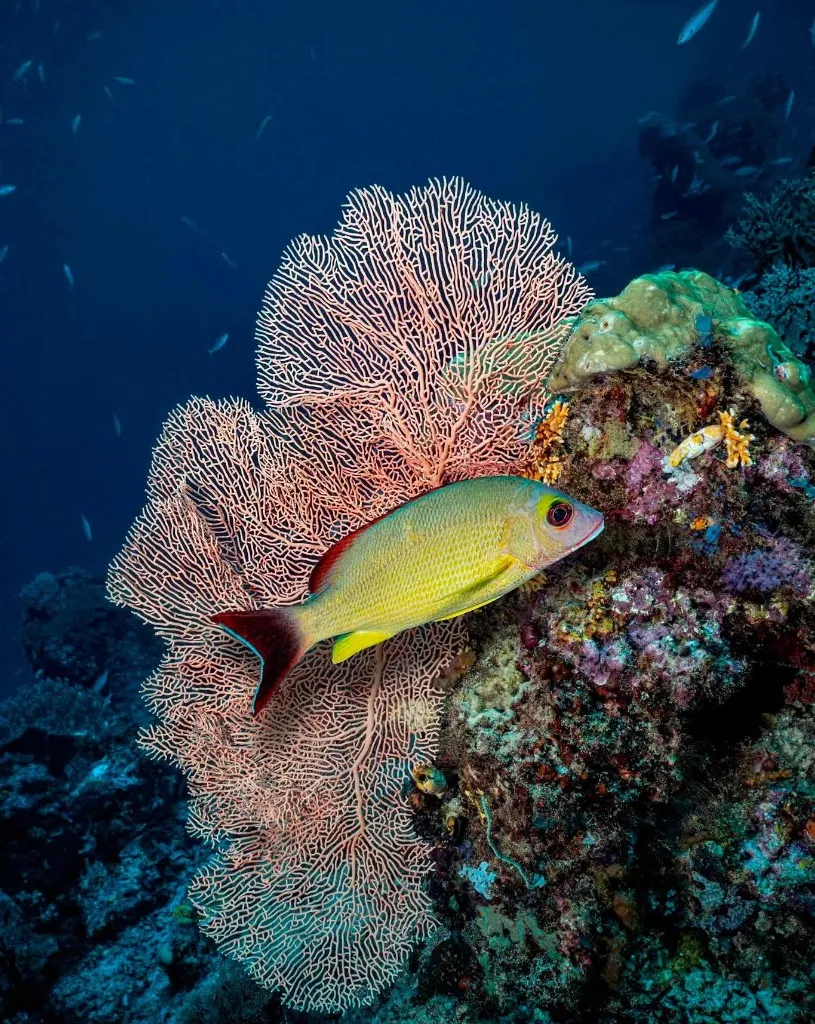
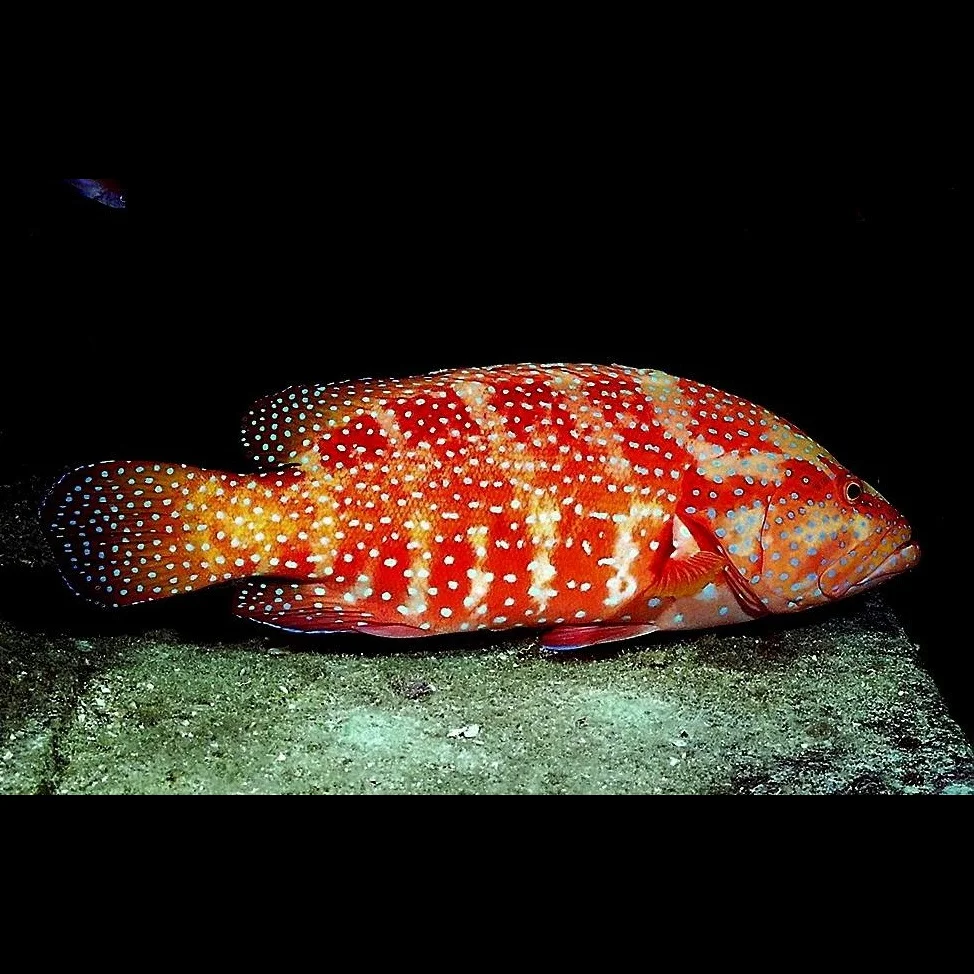
These structures also attract and shelter numerous fish species common to Gulf waters. Divers might encounter schools of baitfish congregating around the debris, along with larger predators such as various snapper and grouper species.
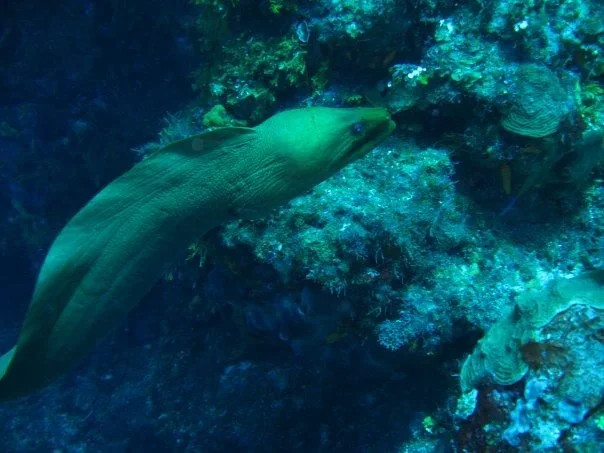
Moray eels or other bottom dwellers may seek refuge within the crevices and under the overturned sections of the bridge structure, using the complex landscape to their advantage.
Dive Sites Near Hathaway Bridge 1 Start
View all dive sites in United StatesDiscover more underwater gems in this area.
Dive Centers Near Hathaway Bridge 1 Start
Today: 09:00 - 16:00
Nearest Airports
Nearest airports to help plan travel to this dive area.
Search Flights
Check available flights and routes on Expedia, using the nearby airports listed in this section.
Search Flights on Expedia
Plan Your Stay
Looking for a place to stay for your dive trip? Explore hotels, stays, and vacation rentals for dive groups near Laguna Beach.
Dive Navigator may earn a commission from these links at no extra cost to you.
Frequently Asked Questions
Is diving under the Hathaway Bridge legal?
There are conflicting reports on the legality. A local dive center has advised that diving under the bridge is illegal due to Homeland Security concerns. It's crucial to confirm current regulations with local authorities or official sources before planning any dive.
What are the typical depths at the Hathaway Bridge dive site?
The collapsed bridge spans typically rest at depths ranging from 30-33 m (100-110 ft) to the sandy bottom. Structural elements of the wreckage usually begin to appear around 21 m (70 ft) during the descent.
What certifications are recommended for diving this site?
Due to the significant depths and often challenging conditions, an Advanced Open Water certification is generally considered a minimum requirement. Using Nitrox is also highly recommended for extended bottom times and safer decompression limits.
What are the usual visibility and current conditions?
Visibility at the Hathaway Bridge can be variable, often ranging from moderate to limited, influenced by tides and recent weather patterns. Strong currents are a common feature of this site, demanding experienced dive planning and execution.
Is Hathaway Bridge 1 Start accessible as a shore dive?
No, diving the collapsed bridge spans requires boat access. The site is not suitable for shore entry due to its offshore location and the nature of the underwater structures.
What kind of marine life can be seen on the bridge structures?
The heavily encrusted spans support a variety of marine life typical of artificial reefs, including sponges, soft corals, and barnacles. Divers can expect to see schools of baitfish, snappers, groupers, and potentially moray eels utilizing the shelter of the wreckage.
Planning to dive Hathaway Bridge 1 Start?
Send one inquiry and receive offers directly from the best verified local dive operators.
Conditions are Excellent
07:00 - 14:00
Optimal conditions expected
Current conditions near Hathaway Bridge 1 Start show 27° air, 30° sea temperature, 0.4 m waves, and 18 km/h wind. Forecast data is refreshed regularly to ensure accuracy.