
Diving at Horseshoe Beach Reef Site E2 (United States)
Horseshoe Reef stands out as a distinctive site, recognized by its namesake horseshoe-shaped re-entrants that carve into the reef structure. Found off the coast in the general South Florida area, often accessed from Pompano Beach or Boynton Beach, this site is a prime example of the region's diverse shallow reef environments. Its unique contours create appealing habitats for various marine species.
As evening covers Horseshoe Beach Reef Site E2, the local air temperature is measured at 25.5°C. The current wave height at the surface is recorded at 0.7 m. These late-day readings characterize the surface conditions for the night.
Dive Site Location & Key Facts
Dive Site Overview
This reef system offers a compelling drift dive, inviting Open Water certified divers to explore its intricate structures. Descending to depths ranging from approximately 11 to 17 meters (35 to 55 ft), divers will encounter a main ledge that meanders much like a snake, rather than following a straight path.
This prominent reef formation features numerous twists and turns, creating varied habitats along its length. Multiple horseshoe-shaped cutouts and undercut ledges characterize the northern end of the site, forming natural havens for marine life. Divers can typically follow the reef edge as it extends, navigating its contours until the main structure begins to dissipate.
From there, a short eastward navigation is often necessary before doubling back along the eastern perimeter, allowing for thorough exploration. Its varied terrain, blending ledges with sandy bottom sections, promises an engaging underwater journey.
Conditions are Good
Optimal conditions expected
Current conditions near Horseshoe Beach Reef Site E2 show 25° air, 30° sea temperature, 0.6 m waves, and 34 km/h wind. Forecast data is refreshed regularly to ensure accuracy.
Best Time to Dive
Planning a dive to Horseshoe Reef is often best during periods of calmer waters and lower rainfall, which tend to coincide with the late spring and early summer months. For instance, May sees average wave heights around 0.6 meters (2.0 ft) and minimal rainfall. July typically brings the calmest surface conditions, with average wave heights of just 0.5 meters (1.6 ft) and lower wind speeds, despite slightly higher rainfall averages. Air temperatures during these favorable months comfortably hover between 25-29°C (77-84°F). While water temperatures are not consistently reported, they generally track with seasonal air temperature patterns in these shallower reef environments.
PEAK SEASON SCORE
Scores combine air & water temps, waves, wind & rainfall for overall conditions.
BEST MONTHS TO DIVE
Monthly records compiled from satellite and marine observation nodes over the last 3 years. Data provided by Open-Meteo and MET Norway.
Dive Experience & Conditions
Navigating Horseshoe Reef primarily involves a drift dive, with currents often dictating the optimal entry and exit points. For divers encountering a north-flowing current, starting at the reef section that forms a 'V' and heading east provides a strategic approach. Conversely, a south-flowing current suggests dropping onto the prominent 'Horseshoe' feature on the northern end, allowing ample time to explore before continuing along the main ledge southward. Depths vary across the site; the reef top typically starts at 12-14 meters (40-45 ft), while the sandy bottom on the western side extends deeper, to around 15-17 meters (50-55 ft).
Dive Difficulty & Safety Guidelines
Appropriate for Open Water certified divers, Horseshoe Reef requires attentive navigation due to its meandering reef edge and unique cutouts. Engaging in drift diving here necessitates proficiency in current awareness and control; carrying an SMB (Surface Marker Buoy) is highly recommended for signaling to the boat. While no specific hazards are reported, divers should maintain good buoyancy to avoid contact with the delicate reef structures.
Always ensure adequate gas planning, especially when exploring deeper sections or covering more ground with the current.
Recommended Equipment
- Dive Computer
This gear list is based on verified equipment signals for Horseshoe Beach Reef Site E2, United States. Always confirm final gear choices with your dive operator, guide, or liveaboard.
Recommended Dive Suit
Conditions in the coming days are expected to stay within a similar temperature range.
Many experienced divers would consider dive skin or rash guard an appropriate choice here. Consider warmer surface protection (like a boat coat) due to brisk winds.
Recent environmental data from Horseshoe Beach Reef Site E2 indicates water temperatures near 30°C (86°F). Surface air temperatures are resting at 25°C (78°F).
Due to technical issues with our weather providers, live updates are temporarily delayed. The data above reflects the conditions at the time of the last successful fetch.
Emergency & Medical Support
Essential information to help you plan your dive trip to Horseshoe Beach Reef Site E2.

Hyperbaric chambers are a critical part of dive safety infrastructure. Availability varies significantly by region, and not all dive areas have immediate access.
Before diving, it's recommended to:
- confirm nearest medical facilities
- check emergency procedures with local dive operators
- ensure dive insurance covers evacuation if required
Divers Alert Network
Diving emergency assistance available through DAN World.
+1-919-684-9111- 24/7 emergency hotline
- Diving medical assistance
- Evacuation coordination
Emergency contacts are provided for reference. Always verify local emergency services before diving.
Marine Life at Horseshoe Beach Reef Site E2
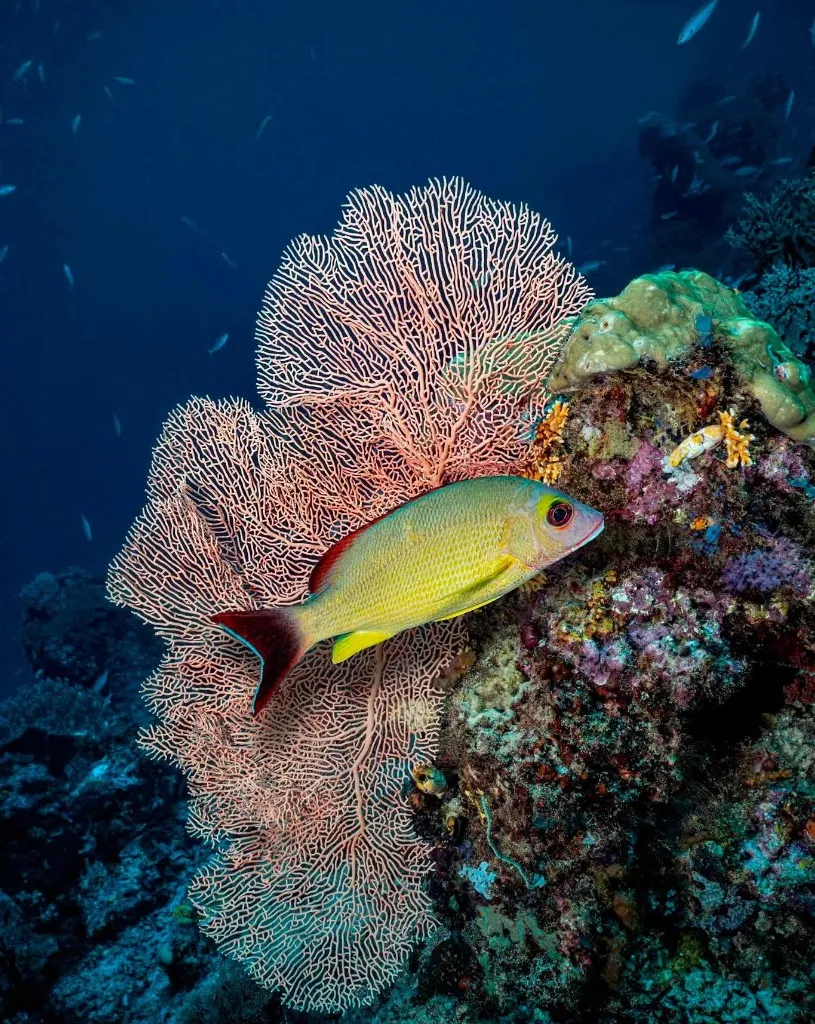
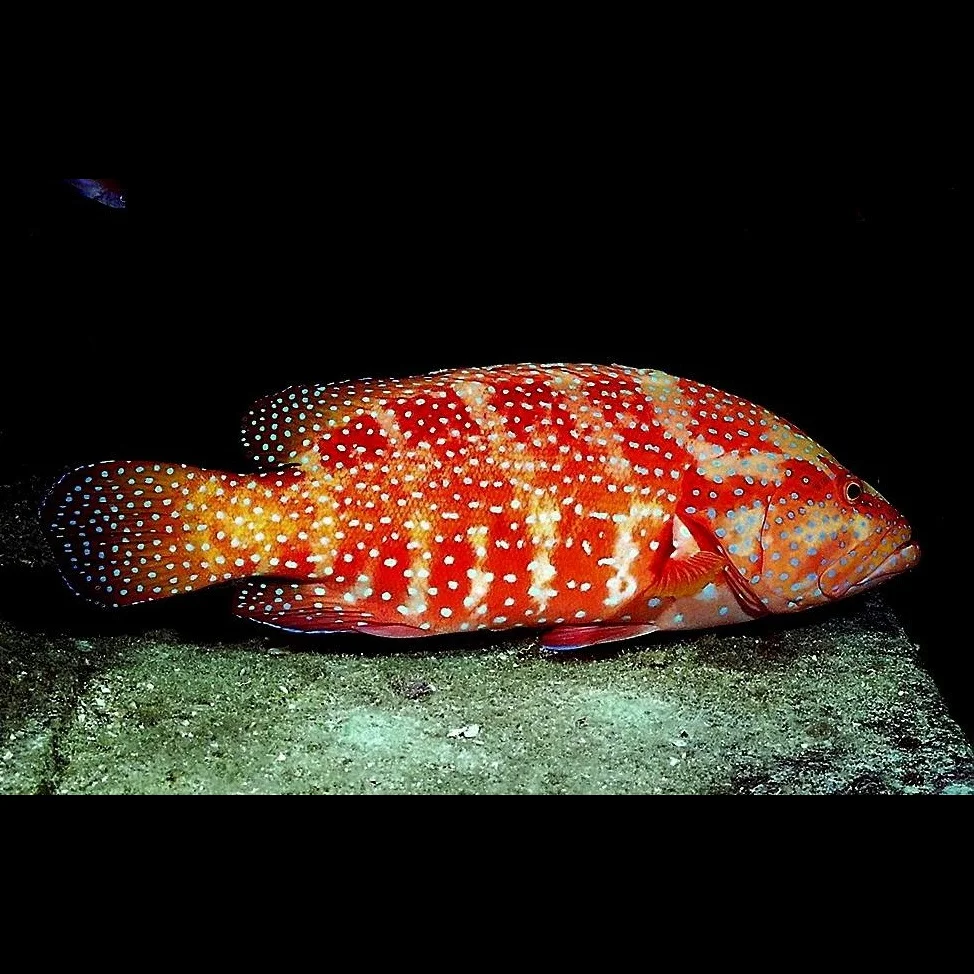
Around Horseshoe Reef, divers often encounter a dynamic array of resident marine species inhabiting the ledges and re-entrants. Observant divers frequently spot grouper and snapper taking refuge in the reef's numerous crevices.
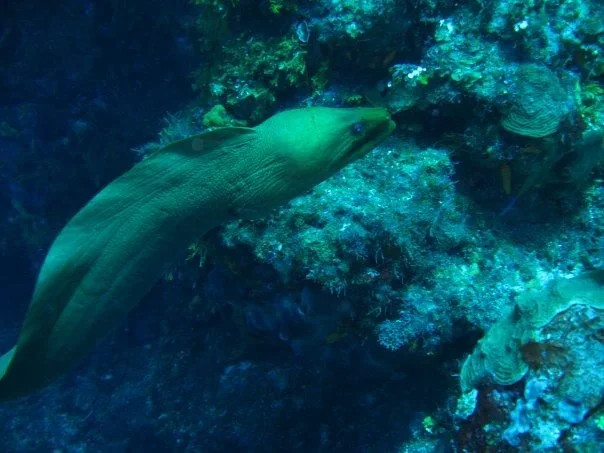
Large moray eels are common, often seen peeking from their rocky hideaways. The reef also supports populations of trumpet fish and the distinctive spotted drums.
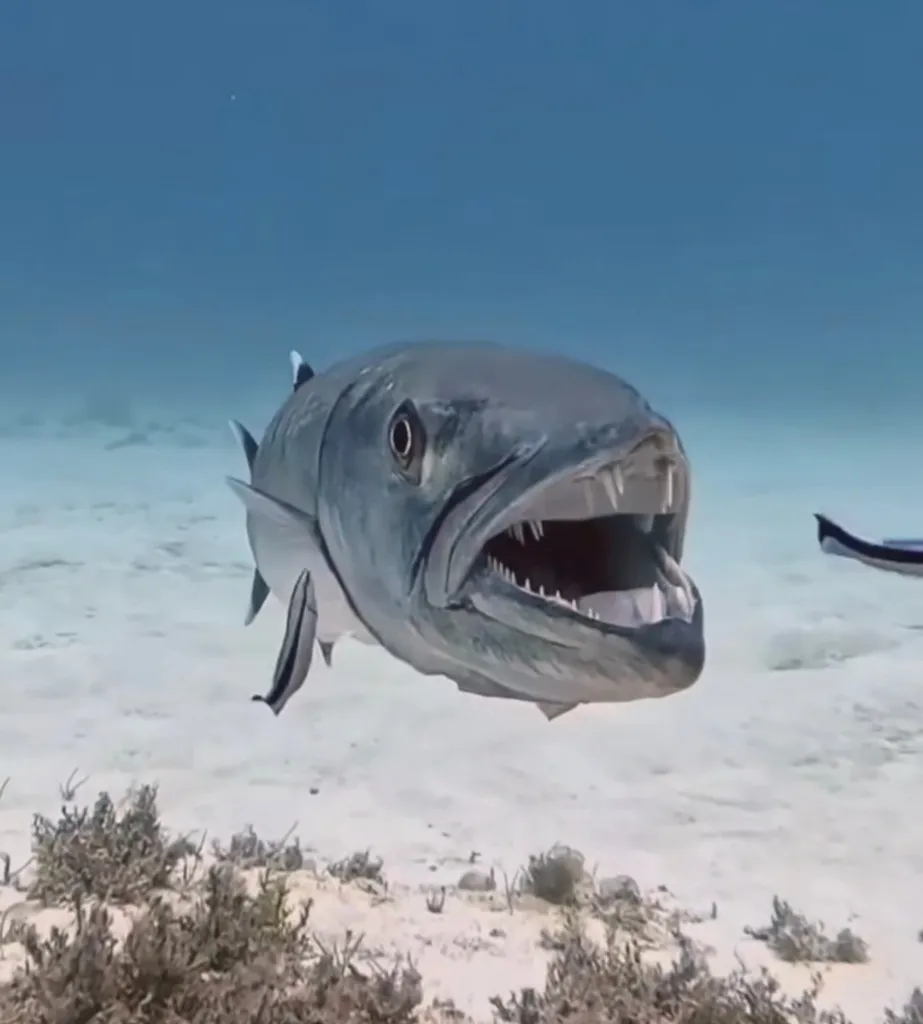
Additionally, expect to see considerable numbers of small barracuda schooling throughout the area, alongside occasional schools of spade fish adding to the visual spectacle.

Dive Centers Near Horseshoe Beach Reef Site E2
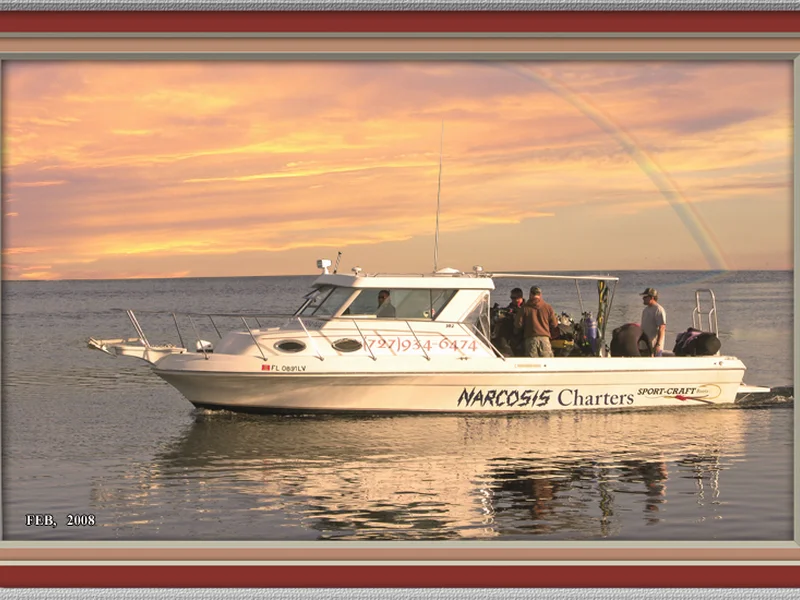
Today: 11:00 - 19:00
Nearest Airports
Nearest airports to help plan travel to this dive area.
Search Flights
Check available flights and routes on Expedia, using the nearby airports listed in this section.
Search Flights on ExpediaFrequently Asked Questions
What skill level is required to dive Horseshoe Reef?
Horseshoe Reef is suitable for Open Water certified divers. Its drift dive nature and navigation challenges mean divers should be comfortable with currents.
What is the typical depth range at this dive site?
The reef structure typically ranges from 11 to 17 meters (35 to 55 ft). Reef top depths generally start at 12-14 meters (40-45 ft), with the sandy western side reaching about 15-17 meters (50-55 ft).
How should I navigate the reef during a dive?
Navigation can be challenging due to the reef's meandering edge. With a north current, start at the 'V' section heading east. For a south current, drop onto the prominent 'Horseshoe' feature on the north end before following the main ledge south.
What kind of marine life can I expect to see?
Divers often observe grouper, snapper, large moray eels, trumpet fish, and spotted drums. Large numbers of small barracuda and schools of spade fish are also common sights.
Are there any specific safety considerations for this dive?
Given it's a drift dive, divers should be comfortable with currents and consider carrying an SMB (Surface Marker Buoy). Careful buoyancy control is important to protect the reef structure.
What are the best months to dive Horseshoe Reef?
Late spring and early summer months, such as May and July, generally offer more favorable conditions. These months often feature calmer seas and lower average wave heights, though summer may bring slightly higher rainfall.
Planning to dive Horseshoe Beach Reef Site E2?
Send one inquiry and receive offers directly from the best verified local dive operators.
Conditions are Good
Optimal conditions expected
Current conditions near Horseshoe Beach Reef Site E2 show 25° air, 30° sea temperature, 0.6 m waves, and 34 km/h wind. Forecast data is refreshed regularly to ensure accuracy.