
Diving at Little River (United States)
Little River presents divers with an accessible gateway to coastal exploration along the United States eastern seaboard. Approaching this dive destination involves understanding its general regional characteristics rather than specific site-centric details. Divers can anticipate a mix of local boat dives, offering opportunities to discover nearshore reefs or artificial structures. This area serves as a practical starting point for certified divers seeking straightforward coastal diving adventures, suitable for various experience levels.
Recent updates for Little River show an air temperature measuring 30.5°C. Overall water conditions reflect the typical seasonal state for United States. Please exercise standard safety precautions before entering the water.
Dive Site Location & Key Facts
Dive Site Overview
What sets the diving in Little River apart is its potential as a regional launch point for diverse underwater experiences, even if specific sites aren't consistently detailed. Divers here typically access dive opportunities offshore, where the ocean environment offers a dynamic setting for exploration.
Local waters may feature a range of sites from natural rock formations and ledges to various artificial reef components, which act as focal points for marine activity. Without specific site information, true uniqueness stems from the variability inherent in coastal diving; each outing can reveal something new. These environments often support a variety of temperate marine species, creating a dynamic ecosystem.
Recreational depths are generally encountered, typically ranging down to 30 m (100 ft), suitable for Open Water certified divers and beyond. Visibility can fluctuate with local currents and weather, impacting the overall feel of a dive and often varies depending on offshore conditions.
An absence of consistently reported water temperatures means preparation for a wide thermal range is prudent, but air temperatures suggest temperate conditions for much of the year. Planning dives in this area involves adapting to these dynamic factors, providing a flexible framework for divers exploring the broader coastal ecosystem and its many submerged features.
Conditions are Good
Optimal conditions expected
Current conditions near Little River show 31° air, --° sea temperature, N/A waves, and 16 km/h wind. Forecast data is refreshed regularly to ensure accuracy.
Best Time to Dive
Optimal diving conditions are largely dictated by the region's climate patterns, making certain periods more favorable for Little River excursions. Dive scores indicate "Good" conditions for much of the year, with July and August showing slightly lower scores, likely due to increased rain and potentially stronger summer fronts. Air temperatures are mildest from April through June, averaging 21°C (70°F) in April and rising to 27°C (81°F) in June. These months also present lower average rainfall, ranging from 1.6 mm in April to 4.4 mm in June, contributing to potentially calmer surface conditions. Wind speeds remain fairly consistent throughout the year, typically between 13.6 km/h (8.5 mph) and 17.9 km/h (11.1 mph), but can influence sea state. For those prioritizing warmer air and minimal rain, late spring to early summer offers a compelling window. While specific water temperatures aren't available, coastal waters generally reflect air temperatures, suggesting comfortable conditions during these warmer months. Conversely, cooler months from November to March still maintain "Good" dive scores but with significantly lower air temperatures, such as 11°C (52°F) in January, requiring more substantial thermal protection.
PEAK SEASON SCORE
Scores combine air & water temps, waves, wind & rainfall for overall conditions.
BEST MONTHS TO DIVE
Monthly records compiled from satellite and marine observation nodes over the last 3 years. Data provided by Open-Meteo and MET Norway.
Dive Experience & Conditions
Upon entering the water off Little River, divers can expect a gradual descent into varied coastal environments. Without specific site data, the underwater landscape might involve natural hardbottom ledges, shell hash, or sandy bottoms transitioning to artificial structures like wrecks or concrete reef balls. Visibility varies depending on offshore currents, recent rainfall, and localized turbidity; it's not consistently reported but can range from moderate to good on favorable days. As one descends, ambient light diminishes, highlighting the need for good dive lights on deeper sections or during overcast conditions. Water temperatures are not consistently reported for this specific location, but based on regional air temperature trends, divers will likely experience cooler conditions in winter, possibly around 15-20°C (59-68°F), warming significantly in summer months, potentially reaching 25-28°C (77-82°F). Mild to moderate currents are possible, particularly on offshore sites or during tidal changes, requiring divers to be mindful of drift. Many recreational sites typically fall within 30 m (100 ft) maximum depth.
Dive Difficulty & Safety Guidelines
Navigating the dynamic coastal environment of Little River requires adherence to established safety protocols and a proactive approach to dive planning. Before any dive, always check local marine forecasts for wind and sea state, as conditions can change rapidly offshore. Expert divers recommend staying well within your certification limits and diving with a buddy.
Given the potential for currents, carrying a surface marker buoy (SMB) is a crucial safety item for signaling to surface support, especially if drift diving. Boat traffic can be present, so careful entry and exit procedures are essential, along with listening to your dive operator's instructions.
Ensure your equipment is properly maintained and consider bringing backup gear for essential items. Always maintain situational awareness underwater and monitor your air supply diligently.
Recommended Equipment
- Dive Computer
This gear list is based on verified equipment signals for Little River, United States. Always confirm final gear choices with your dive operator, guide, or liveaboard.
Recommended Dive Suit
Based on regional estimates and current weather, the likely required exposure protection is light protection (dive skin or 3mm shorty). Note that local currents and upwellings can alter this. Divers vary widely in how quickly they feel cold underwater.
Because recent water temperature readings are not available for Little River, the guidance below is based mainly on current air conditions and seasonal expectations. Current surface air temperatures are roughly 31°C (87°F).
Forecast confidence is somewhat lower, with potential for varied conditions ahead. A significant temperature drop is forecast; strongly suggest bringing a backup warmer suit option. Bringing an additional thermal layer can be helpful if conditions change.
Emergency & Medical Support
Essential information to help you plan your dive trip to Little River.

Hyperbaric chambers are a critical part of dive safety infrastructure. Availability varies significantly by region, and not all dive areas have immediate access.
Before diving, it's recommended to:
- confirm nearest medical facilities
- check emergency procedures with local dive operators
- ensure dive insurance covers evacuation if required
Divers Alert Network
Diving emergency assistance available through DAN World.
+1-919-684-9111- 24/7 emergency hotline
- Diving medical assistance
- Evacuation coordination
Emergency contacts are provided for reference. Always verify local emergency services before diving.
Marine Life at Little River
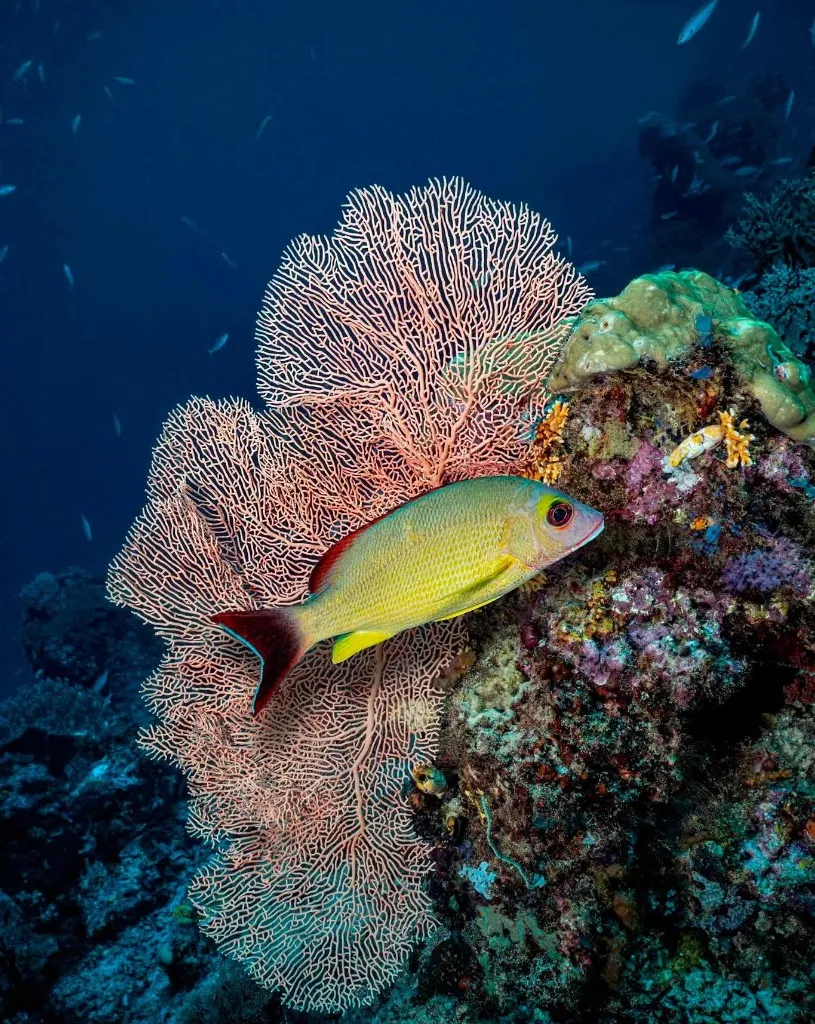
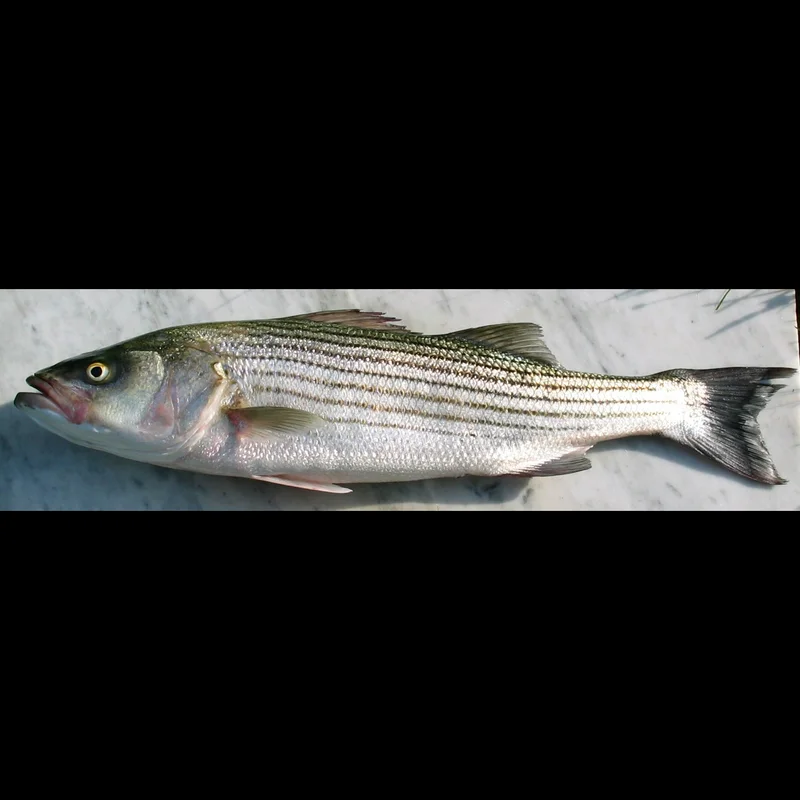
While specific marine life sightings vary with conditions and site location, divers in the Little River area can generally anticipate encountering a range of temperate coastal species. Expect to observe various types of bottom-dwelling fish, such as groupers, snappers, and sea bass, often congregating around structures.
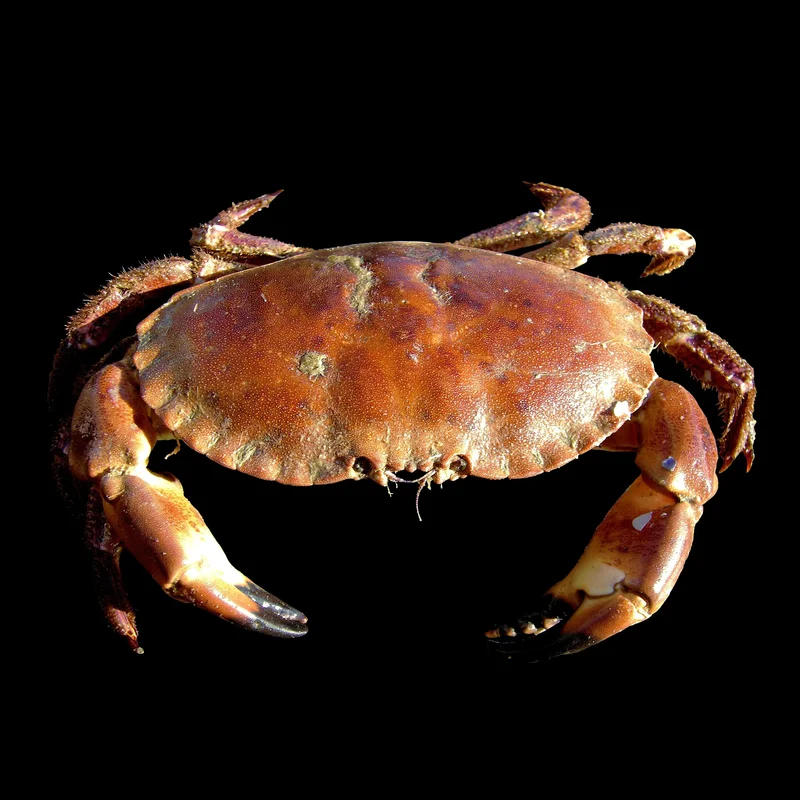
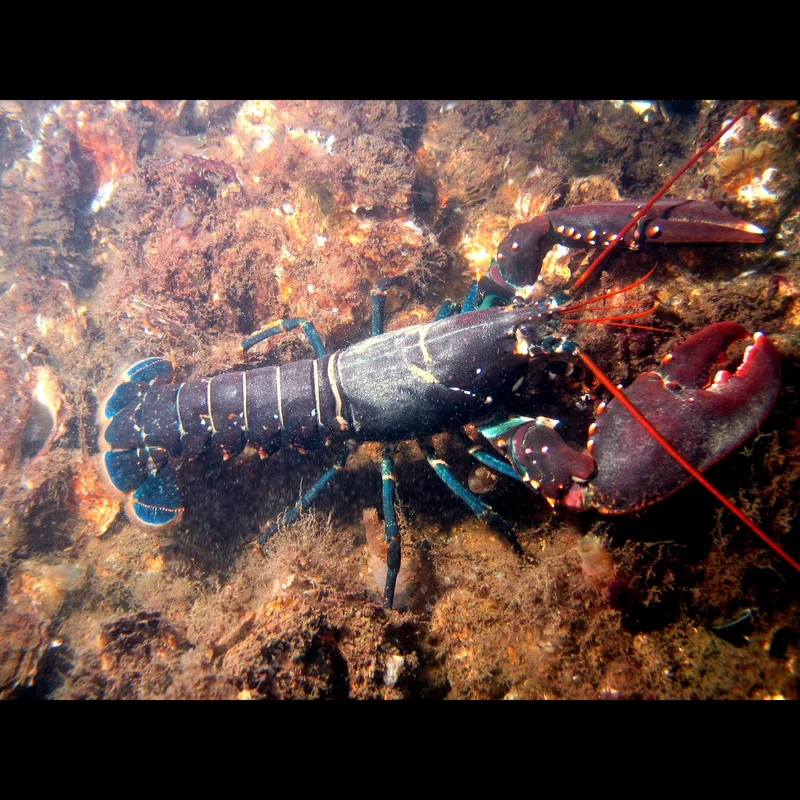
Crabs, lobsters, and other crustaceans may be seen inhabiting crevices and hiding spots. Pelagic species like barracuda or jacks can occasionally pass through, especially on offshore sites.
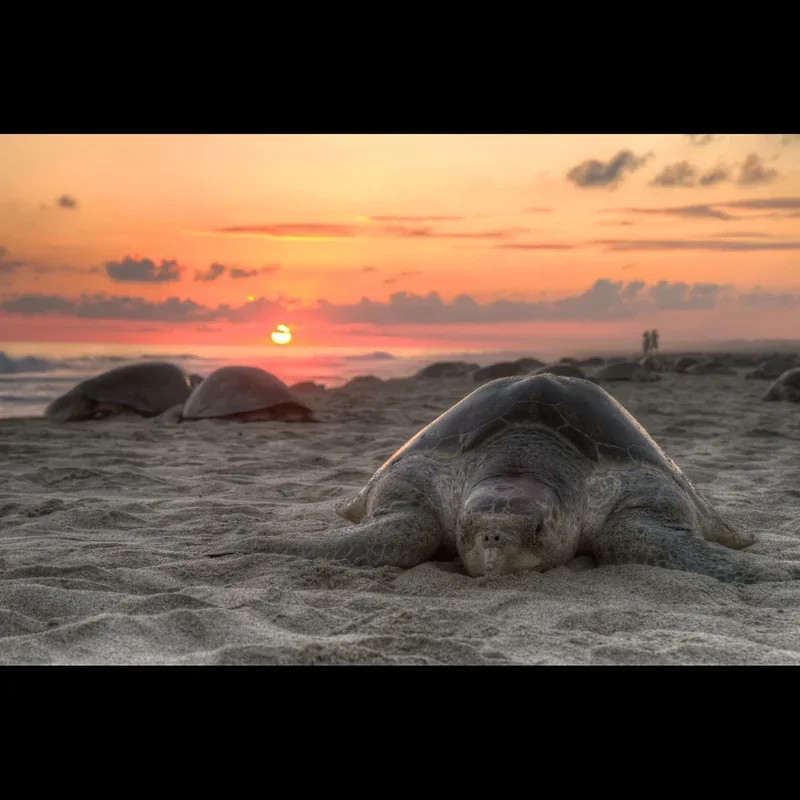
An occasional sea turtle might also make an appearance, adding to the richness of the underwater experience.
Dive Centers Near Little River
No Dive Centers Local To Little River
Are you a dive center visiting this location? Get listed to reach divers.
Nearest Airports
Nearest airports to help plan travel to this dive area.
Search Flights
Check available flights and routes on Expedia, using the nearby airports listed in this section.
Search Flights on Expedia
Plan Your Stay
Looking for a place to stay for your dive trip? Explore hotels, stays, and vacation rentals for dive groups near Branford.
Dive Navigator may earn a commission from these links at no extra cost to you.
Frequently Asked Questions
What certification level is generally required for diving in Little River?
Most recreational dive sites in the Little River area are suitable for Open Water certified divers, as depths typically remain within 30 m (100 ft). Advanced Open Water certification would provide more flexibility for deeper explorations.
Is current a concern when diving here?
Currents can be present, particularly on offshore sites or during strong tidal movements. Dive operators generally plan around these conditions, but divers should be prepared for mild to moderate currents and carry an SMB.
What is the typical visibility range?
Visibility is not consistently reported and can vary significantly. It depends on factors like recent weather, rainfall, and offshore conditions, but divers might expect anywhere from moderate to good visibility on a given day.
Are there many dive shops or operators in Little River?
While specific data isn't provided, coastal towns often have local dive shops or charter operations catering to divers. It's advisable to research and contact local providers in advance for current offerings.
What kind of dive sites can I expect?
The area likely features a mix of natural rock formations, ledges, and artificial reef structures, including potential wrecks. These sites offer diverse habitats for marine life.
Should I be concerned about boat traffic?
As with any coastal diving location, boat traffic is a consideration. Always pay attention to surface support instructions, use an SMB when surfacing, and stay aware of your surroundings.
What is the best time of year for good weather?
Late spring to early summer, particularly April through June, generally offers warmer air temperatures and lower rainfall, which can lead to calmer surface conditions and more comfortable diving.
Planning to dive Little River?
Send one inquiry and receive offers directly from the best verified local dive operators.
Conditions are Good
Optimal conditions expected
Current conditions near Little River show 31° air, --° sea temperature, N/A waves, and 16 km/h wind. Forecast data is refreshed regularly to ensure accuracy.