
Diving at Marion O'Boyle (United States)
Exploring Marion O'Boyle presents divers with the rewarding challenge of navigating a site where conditions frequently shift. Preparing for dynamic underwater environments is key, as divers often encounter cooler water temperatures and variable visibility. This location offers a distinct diving experience for those seeking to hone their cold-water or temperate diving skills.
Tonight's objective overview for Marion O'Boyle shows an air temperature of 24°C. The measured surface conditions include wave heights around 0.7 m. This environmental data is logged for the close of the day.
Dive Site Location & Key Facts
Dive Site Overview
Descend into the waters surrounding Marion O'Boyle, where the underwater topography provides a varied exploration within recreational depth limits. While specific site features are not consistently reported, divers can generally expect a temperate water environment.
Depths typically range within standard recreational limits, allowing for extended bottom times at shallower sections. Deeper excursions, potentially reaching 30 m (100 ft), might reveal different structural elements or marine communities. Underwater exploration here is shaped by local climate patterns, influencing seasonal conditions.
The experience demands careful attention to dive planning and a readiness for a range of underwater sensations. Seasonal changes profoundly impact both visibility and water conditions, making each dive potentially distinct.
Divers should approach Marion O'Boyle with a flexible mindset, ready to adapt to the prevailing natural environment.
Conditions are Moderate
Optimal conditions expected
Current conditions near Marion O'Boyle show 24° air, 24° sea temperature, 1.2 m waves, and 32 km/h wind. Forecast data is refreshed regularly to ensure accuracy.
Best Time to Dive
Optimal visibility at Marion O'Boyle often aligns with the calmer summer months, offering improved conditions for exploration. Periods from June through August show a 'Good' dive score, indicating more favorable environmental factors. During these months, average air temperatures range from 20.5°C (69°F) in June to 24.5°C (76°F) in July, with August remaining similarly pleasant at 23°C (73°F). Wave heights also tend to be lower, averaging around 1.1 to 1.4 m (3.6 to 4.6 ft), contributing to calmer surface conditions. Rainfall is generally light in these peak summer months, minimizing runoff that could reduce underwater clarity. Conversely, colder months like January, with air temperatures around 3.5°C (38°F) and higher average wave heights of 1.6 m (5.2 ft), receive a 'Poor' dive score, suggesting significantly reduced visibility and harsher conditions. Targeting the late spring and early fall, such as May or November, can also yield moderate dive scores, with slightly cooler air temperatures but potentially manageable conditions.
PEAK SEASON SCORE
Scores combine air & water temps, waves, wind & rainfall for overall conditions.
BEST MONTHS TO DIVE
Monthly records compiled from satellite and marine observation nodes over the last 3 years. Data provided by Open-Meteo and MET Norway.
Dive Experience & Conditions
Current dynamics at Marion O'Boyle can vary significantly, often influencing the overall dive experience. While consistent data on water temperature is not reported, given the air temperature ranges from 3.5°C (38°F) in winter to 24.5°C (76°F) in summer, divers should anticipate cool to cold water. Surface conditions may be choppy, particularly outside the peak summer months, with average wave heights ranging from 1.1 m (3.6 ft) to over 1.7 m (5.6 ft) in winter. Divers must be prepared for potential thermoclines, which can cause noticeable temperature drops at certain depths. Visibility is also subject to environmental factors, including wave action, rainfall, and seasonal plankton blooms. It typically ranges from moderate to good during calmer periods, but can be significantly reduced after heavy weather. This site truly emphasizes adapting to natural, unpredictable conditions.
Dive Difficulty & Safety Guidelines
Diving at Marion O'Boyle demands meticulous preparation and adherence to established safety practices. Given the potential for cooler water and variable conditions, advanced training in cold water diving, buoyancy control, and current navigation is highly recommended.
Always dive with a reliable buddy and maintain situational awareness throughout the dive. Prioritize conservative dive planning, allowing for extra air and no-decompression limits, especially when exploring deeper sections or during longer bottom times.
Pay close attention to local weather forecasts and tidal information before and during any dive trip. Conditions can change rapidly, necessitating a flexible approach to dive scheduling.
Proper thermal protection, such as a drysuit or a thick wetsuit, is essential to mitigate the risks associated with exposure to cold water.
Recommended Equipment
- Dive Computer
This gear list is based on verified equipment signals for Marion O'Boyle, United States. Always confirm final gear choices with your dive operator, guide, or liveaboard.
Recommended Dive Suit
Divers who spend more time observing marine life often prefer slightly warmer gear.
The water around Marion O'Boyle is currently holding at approximately 24°C (74°F), setting the tone for today's dives. Surface air temperatures are resting at 24°C (75°F). Water temperatures in this range are often well suited to diving with 3-5mm wetsuit.
Forecast models indicate that diving conditions should remain largely unchanged.
Emergency & Medical Support
Essential information to help you plan your dive trip to Marion O'Boyle.

Hyperbaric chambers are a critical part of dive safety infrastructure. Availability varies significantly by region, and not all dive areas have immediate access.
Before diving, it's recommended to:
- confirm nearest medical facilities
- check emergency procedures with local dive operators
- ensure dive insurance covers evacuation if required
Divers Alert Network
Diving emergency assistance available through DAN World.
+1-919-684-9111- 24/7 emergency hotline
- Diving medical assistance
- Evacuation coordination
Emergency contacts are provided for reference. Always verify local emergency services before diving.
Marine Life at Marion O'Boyle
Beneath the surface, observant divers might spot hardy marine species adapted to cooler waters at Marion O'Boyle. While specific fauna hasn't been consistently documented, temperate zone environments often host various rockfish, lingcod, and occasional wolf eels in their crevices.
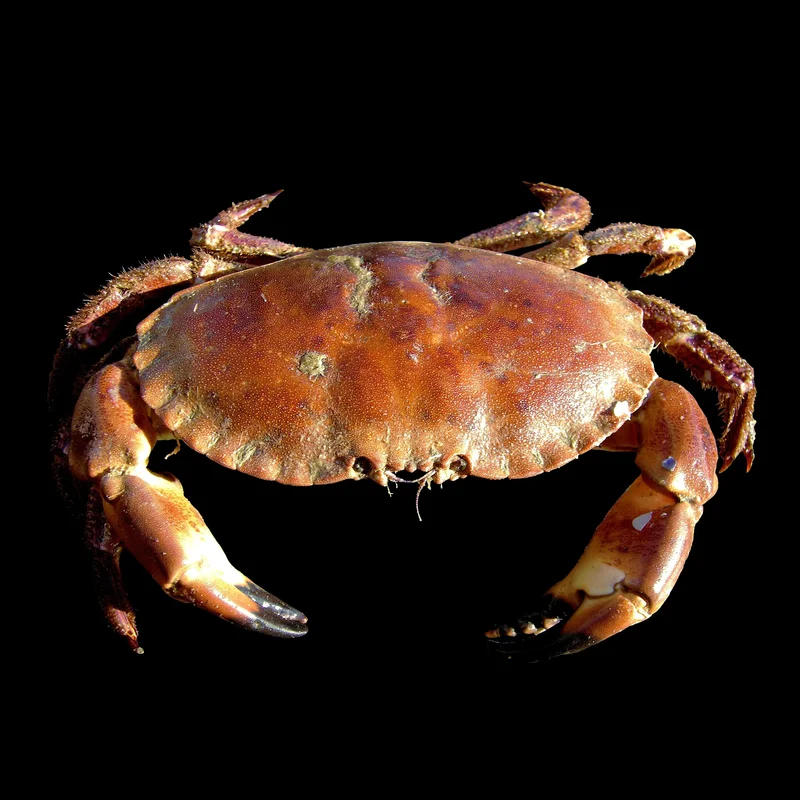
Crustaceans, including crabs and shrimp, can be found among the rocky substrate. Look for schools of baitfish, which are common and can attract larger predatory fish.
Divers often notice diverse macroalgae and kelp formations that provide shelter and foraging grounds for smaller organisms, adding texture and movement to the underwater landscape.

Dive Centers Near Marion O'Boyle
No Dive Centers Local To Marion O'Boyle
Are you a dive center visiting this location? Get listed to reach divers.
Nearest Airports
Nearest airports to help plan travel to this dive area.
Search Flights
Check available flights and routes on Expedia, using the nearby airports listed in this section.
Search Flights on ExpediaFrequently Asked Questions
What is the typical depth range for diving at Marion O'Boyle?
Diving at Marion O'Boyle generally occurs within standard recreational limits. Divers can expect to explore various sections, with maximum depths potentially reaching up to 30 m (100 ft).
What kind of water temperatures can be expected?
Specific water temperature data is not consistently reported for Marion O'Boyle. However, based on air temperatures and regional climate, divers should anticipate cool to cold water conditions throughout the year, with seasonal variations.
Is visibility generally good at this dive site?
Visibility at Marion O'Boyle can vary. It tends to be moderate to good during the calmer summer months but may be reduced during periods of high wave action, strong currents, or after heavy rainfall.
Are there noticeable currents at Marion O'Boyle?
Currents at Marion O'Boyle can be dynamic and should be anticipated. Dive planning should always account for potential current variations to ensure a safe and enjoyable experience.
What is the best time of year to dive here?
The summer months, particularly June through August, generally offer the most favorable diving conditions due to warmer air temperatures, lower wave heights, and typically better visibility, resulting in 'Good' dive scores.
What dive experience level is recommended for Marion O'Boyle?
Due to variable conditions, including potential currents and cold water, advanced open water certification is recommended. Additional training in cold water diving or drysuit usage would be beneficial for maximum comfort and safety.
Planning to dive Marion O'Boyle?
Send one inquiry and receive offers directly from the best verified local dive operators.
Conditions are Moderate
Optimal conditions expected
Current conditions near Marion O'Boyle show 24° air, 24° sea temperature, 1.2 m waves, and 32 km/h wind. Forecast data is refreshed regularly to ensure accuracy.