
Diving at MB 216 (United States)
While specific details for the dive site designated MB 216 are not extensively documented, the regional climate profile suggests a temperate diving environment in the United States. Divers considering this area can anticipate seasonal variations in air temperature, influencing overall comfort both above and below the surface. Its appeal lies in the potential for uncrowded conditions, allowing for a more focused dive experience without the typical bustle of highly frequented locations.
Evening condition tracking at MB 216 features an air temperature of 29°C. We have recorded wave heights measuring 0.2 m during this period. These figures outline the environmental parameters currently present.
Dive Site Location & Key Facts
Dive Site Overview
Diving in the region associated with MB 216 involves an environment shaped by fluctuating air temperatures and generally manageable sea states. The available data indicates annual air temperatures ranging significantly from approximately 11°C (52°F) in January to highs of around 28°C (82°F) in August.
With wave heights typically ranging from 0.5 to 0.8 meters (1.6 to 2.6 feet) throughout the year, surface conditions tend to remain calm enough for regular boat access. Wind speeds are generally moderate, hovering between 14.3 and 20.1 km/h (8.9 and 12.5 mph). Rain levels are consistently low, averaging between 1.3 mm and 6.3 mm per month.
Water temperature specifics for MB 216 are not consistently reported, requiring divers to prepare for cooler conditions than the surface air, especially during the colder months. Given the lack of specific bathymetric data, most dives in such temperate coastal areas typically occur within recreational depth limits, often exploring diverse substrates like rocky reefs, sandy bottoms, or perhaps artificial structures, though these are not confirmed for MB 216.
Expect conditions that generally support varied temperate marine ecosystems, adapted to these seasonal shifts.
Conditions are Excellent
07:00 - 14:00
Optimal conditions expected
Current conditions near MB 216 show 29° air, 30° sea temperature, 0.2 m waves, and 23 km/h wind. Forecast data is refreshed regularly to ensure accuracy.
Best Time to Dive
Determining the optimal period for diving around MB 216 involves weighing seasonal changes in air temperature and sea conditions. The climate data suggests August and September offer excellent diving scores, correlating with the warmest air temperatures, peaking at 28°C (82°F) in August, and the lowest average wave heights, around 0.5 meters (1.6 feet). These months also present relatively calm winds and moderate rainfall. Conversely, winter months like January and February see air temperatures drop to 11°C (52°F) and 14.5°C (58°F) respectively, paired with slightly higher wave activity and wind speeds. While diving is rated 'Good' year-round, the warmer periods from late spring through early autumn, particularly May through October, generally provide a more comfortable and potentially rewarding experience, with less chance of surface chop impacting boat travel.
PEAK SEASON SCORE
Scores combine air & water temps, waves, wind & rainfall for overall conditions.
BEST MONTHS TO DIVE
Monthly records compiled from satellite and marine observation nodes over the last 3 years. Data provided by Open-Meteo and MET Norway.
Dive Experience & Conditions
Underwater, divers exploring areas similar to MB 216's climate profile should anticipate a dynamic environment. Visibility can vary, influenced by local weather patterns and sediment in specific sites, though no specific data is available for MB 216 itself. Without explicit water temperature readings, planning for thermal protection is crucial; water temperatures will likely be significantly cooler than the warmer air temperatures experienced during summer, and cold during winter. Currents are not consistently reported for MB 216, but temperate coastal diving often involves mild to moderate currents, which can enhance drift diving experiences or require attention to entry and exit points. Exploring at recreational depths, the general underwater landscape in such regions often includes a mix of rocky formations, sandy patches, and potentially kelp forests or seagrass beds depending on exact substrate and light penetration. It's a setting that rewards careful observation.
Dive Difficulty & Safety Guidelines
Without specific site data or reported hazards for MB 216, standard diving safety protocols remain paramount. Divers should always plan their dives within their certification limits and ensure all equipment is well-maintained. Given the unknown water temperatures, precise thermal protection is critical to prevent hypothermia, making a thicker wetsuit or drysuit a prudent choice.
Always dive with a buddy and maintain clear communication. Awareness of local boat traffic and surface conditions, especially wind and wave height, is essential for safe entry, exit, and navigation.
Before any dive, consult with local dive operators or experienced divers in the broader region for the most current and specific safety briefings, as conditions can change rapidly. Respecting the marine environment is also key; practice responsible buoyancy control.
Recommended Equipment
- Dive Computer
This gear list is based on verified equipment signals for MB 216, United States. Always confirm final gear choices with your dive operator, guide, or liveaboard.
Recommended Dive Suit
Forecasts suggest a slight cooling pattern in the days ahead. Cooler days are ahead; you might want a warmer option for later in the week. A hood or vest can noticeably improve warmth during longer dives.
For typical recreational dives, dive skin or rash guard generally provides comfortable insulation.
At MB 216, the water is currently sitting around 30°C (86°F). Surface air temperatures are resting at 29°C (84°F).
Emergency & Medical Support
Essential information to help you plan your dive trip to MB 216.

Hyperbaric chambers are a critical part of dive safety infrastructure. Availability varies significantly by region, and not all dive areas have immediate access.
Before diving, it's recommended to:
- confirm nearest medical facilities
- check emergency procedures with local dive operators
- ensure dive insurance covers evacuation if required
Divers Alert Network
Diving emergency assistance available through DAN World.
+1-919-684-9111- 24/7 emergency hotline
- Diving medical assistance
- Evacuation coordination
Emergency contacts are provided for reference. Always verify local emergency services before diving.
Marine Life at MB 216
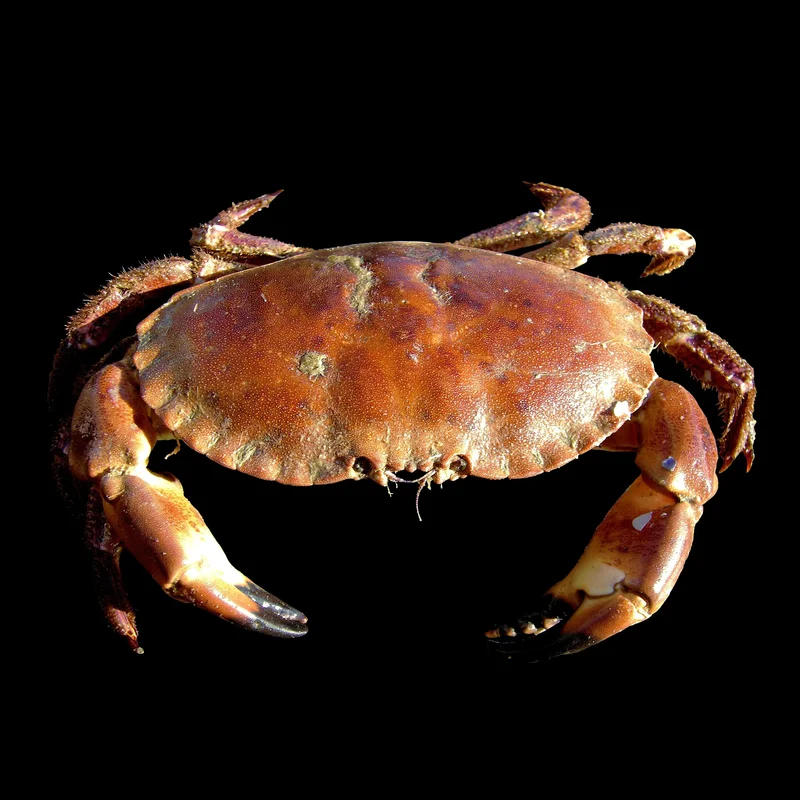
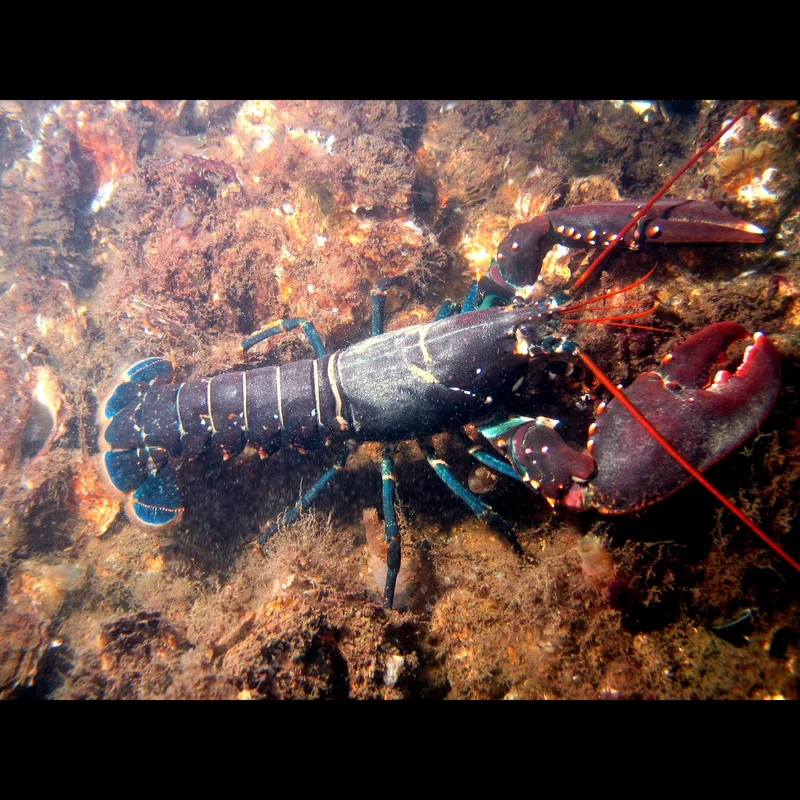
Given the limited available data on MB 216's specific marine inhabitants, the underwater landscape is expected to support life typical of temperate coastal environments. Divers might encounter various types of bottom-dwelling invertebrates, such as crabs, lobsters, and starfish, inhabiting rocky substrates or sandy areas.
Schooling fish, which adapt to seasonal temperature changes, could be present, ranging from smaller baitfish to larger predatory species. While not confirmed for MB 216, such regions often host a diversity of algal growth, including kelp, providing habitat and shelter for smaller creatures.
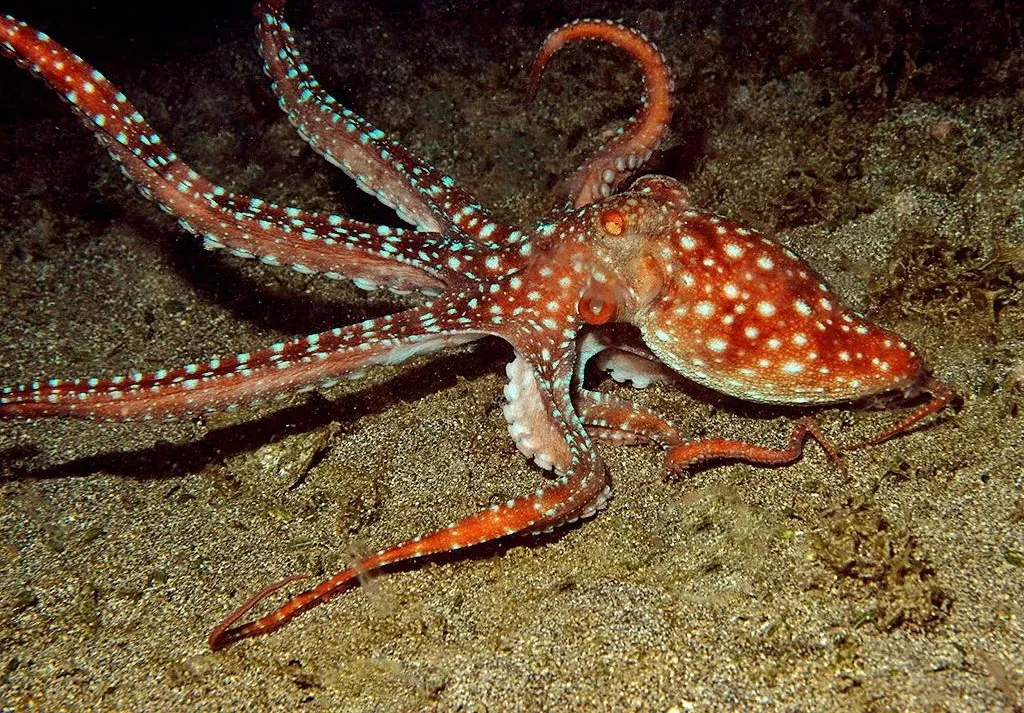
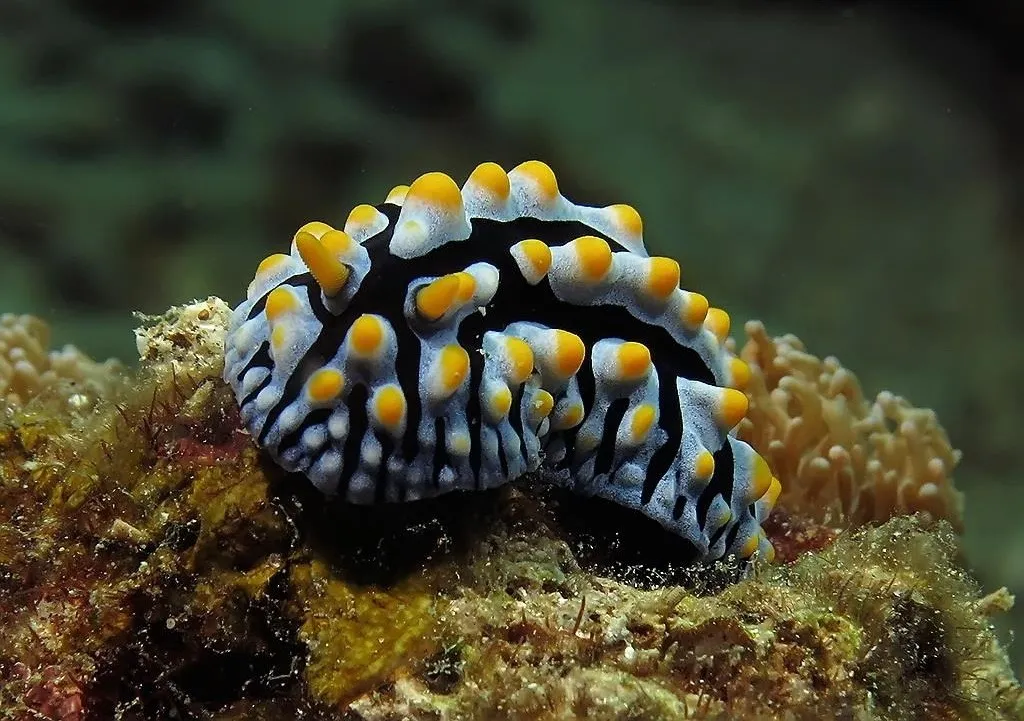
Observant divers may spot mollusks like nudibranchs or octopuses camouflaged within the environment. This setting encourages detailed exploration of micro-environments rather than large pelagic encounters.

Dive Centers Near MB 216
Today: 09:00 - 16:00
Nearest Airports
Nearest airports to help plan travel to this dive area.
Search Flights
Check available flights and routes on Expedia, using the nearby airports listed in this section.
Search Flights on Expedia
Plan Your Stay
Looking for a place to stay for your dive trip? Explore hotels, stays, and vacation rentals for dive groups near Mexico Beach.
Dive Navigator may earn a commission from these links at no extra cost to you.
Frequently Asked Questions
What is the typical water temperature at MB 216?
Specific water temperature data for MB 216 is not consistently reported. Divers should anticipate that water temperatures will likely be cooler than the air, especially in winter months when air temperatures drop to around 11°C (52°F). It's advisable to prepare for a range of conditions.
What is the best time of year to dive MB 216?
The months of August and September are rated as 'Excellent' for diving, offering the warmest air temperatures, calmest waves, and lowest wind speeds. However, diving is considered 'Good' year-round. Late spring through early autumn generally provides the most comfortable conditions.
Are there strong currents at MB 216?
Information regarding specific currents at MB 216 is not available. As with any coastal dive site, divers should be prepared for potential mild to moderate currents, which can vary with tides and local topography. Always check local conditions on the day of your dive.
What marine life can I expect to see at MB 216?
Specific marine life details for MB 216 are not provided. However, a temperate coastal environment typically supports various invertebrates like crabs and starfish, as well as schooling fish and diverse algal growth. Expect to find species adapted to seasonal temperature shifts.
What depths can be explored at MB 216?
Detailed depth information for MB 216 is not documented. Based on typical temperate coastal diving, dives would generally fall within recreational depth limits, allowing exploration of various underwater structures that might exist. Always dive within your training and comfort levels.
What kind of visibility can I expect?
Visibility at MB 216 is not consistently reported. It can vary significantly based on factors such as local weather, recent rainfall, and sediment disturbance. Divers should anticipate variable conditions and plan accordingly with appropriate lighting equipment.
Planning to dive MB 216?
Send one inquiry and receive offers directly from the best verified local dive operators.
Conditions are Excellent
07:00 - 14:00
Optimal conditions expected
Current conditions near MB 216 show 29° air, 30° sea temperature, 0.2 m waves, and 23 km/h wind. Forecast data is refreshed regularly to ensure accuracy.