
Diving at Nrda Phase 3 Cell 482 (United States)
Recreational opportunities define the NRDA Phase 3 Cell 482 dive site, situated within a broader initiative to restore and enhance marine habitats. This extensive project, part of the Deepwater Horizon Natural Resource Damage Assessment, deploys prefabricated artificial reefs across Florida's state waters. Divers exploring here contribute to the human-use monitoring efforts designed to evaluate the success of these restoration sites.
Evening condition tracking at Nrda Phase 3 Cell 482 features an air temperature of 29°C. We have recorded wave heights measuring 0.9 m during this period. These figures outline the environmental parameters currently present.
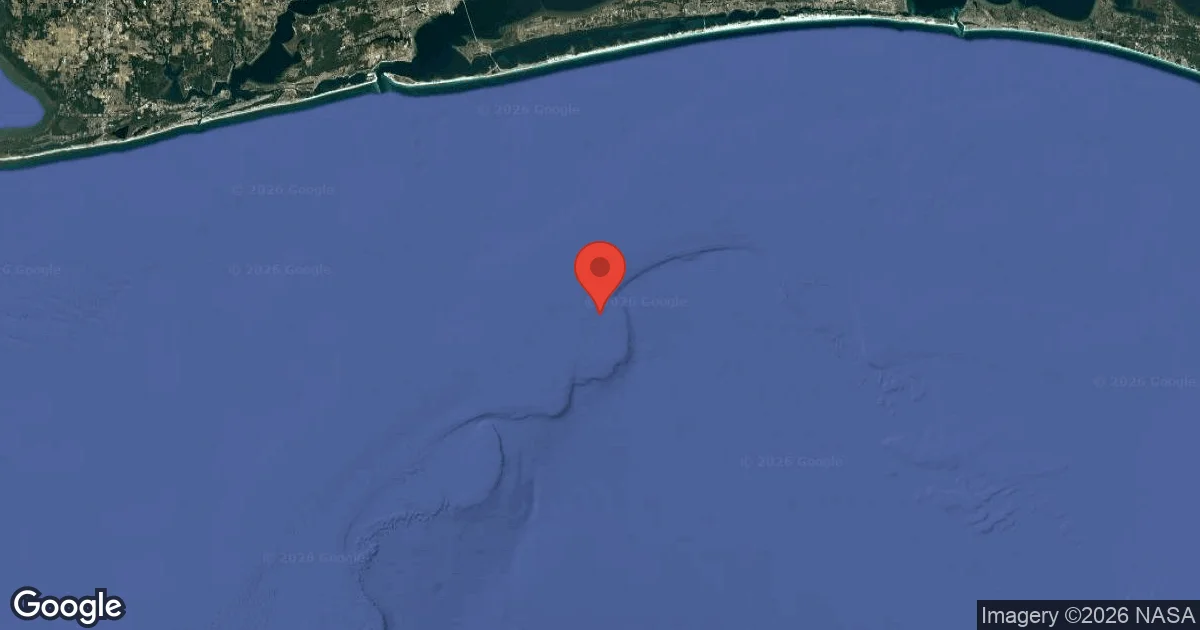
Dive Site Location & Key Facts
Dive Site Overview
This dive site is part of the substantial NRDA Early Restoration Phase III project, which commenced in 2013 with a goal of deploying over 3,000 artificial reefs across several counties. These structures create diverse underwater topography, offering new habitats for marine life.
Reef designs include Small Tetrahedron Reefs, typically 1.8-2.4 m (6-8 ft) tall, and larger versions up to 5.5 m (18 ft) tall. Other structures feature Concrete Disk Reefs, reaching up to 2.4 m (8 ft) with rock or shell embedded layers, often intended for shallower, inshore snorkeling areas.
Ledge and Disk Reefs, also 1.8-2.4 m (6-8 ft) tall, have hollow concrete bases with vertical extensions. Finally, Large Dome Reefs, 1.8-2.4 m (6-8 ft) tall, present solid bases with multiple small holes, providing varied architectural elements for exploration.
These diverse structures are monitored post-construction to assess both their biological colonization and structural integrity.
Conditions are Excellent
07:00 - 14:00
Optimal conditions expected
Current conditions near Nrda Phase 3 Cell 482 show 29° air, 30° sea temperature, 0.5 m waves, and 22 km/h wind. Forecast data is refreshed regularly to ensure accuracy.
Best Time to Dive
Diving at NRDA Phase 3 Cell 482 is generally favorable during the warmer months, with 'Good' dive scores reported from May through October. Air temperatures during these periods average between 24°C (75°F) and 29°C (84°F). These months also tend to see lower average wave heights, improving surface conditions. Conversely, the cooler period from January to April and November through December, with air temperatures ranging from 13°C (55°F) to 21°C (70°F), typically brings 'Moderate' dive scores, higher wind speeds, and greater wave activity. Rainfall varies throughout the year, with averages between 2.58 mm (February) and 4.78 mm (September), so divers might encounter occasional showers regardless of the season. Water temperature is not consistently reported for this specific site, but generally aligns with regional seasonal patterns.
PEAK SEASON SCORE
Scores combine air & water temps, waves, wind & rainfall for overall conditions.
BEST MONTHS TO DIVE
Monthly records compiled from satellite and marine observation nodes over the last 3 years. Data provided by Open-Meteo and MET Norway.
Dive Experience & Conditions
Divers exploring NRDA Phase 3 Cell 482 will encounter artificial reef structures designed to foster marine habitat. Depths can vary depending on the specific reef deployment area, with structures such as the Concrete Disk Reefs sometimes placed in shallower sections suitable for snorkeling. However, larger tetrahedron reefs reaching up to 5.5 m (18 ft) in height imply deeper deployment points within the recreational depth range. Visibility can fluctuate, influenced by local currents, sediment, and plankton blooms. Divers should anticipate conditions characteristic of artificial reef environments, where currents may sometimes sweep through, particularly around the larger, more exposed structures. The modular designs of these reefs create intricate environments for navigation and observation.
Dive Difficulty & Safety Guidelines
Diving at this artificial reef site requires awareness of the purpose-built structures. Divers should maintain appropriate buoyancy control to avoid contact with the reefs, preserving the delicate ecosystems developing on them. Pay attention to local weather forecasts, as variable wind speeds, which can average from 23 km/h (14 mph) to over 35 km/h (22 mph) depending on the month, may affect surface conditions and currents.
As part of a restoration project, these sites undergo regular post-construction biological and structural surveys. Respect any ongoing monitoring activities and maintain a safe distance from research equipment. Always dive within your certification limits and consider the experience level of your buddy.
Recommended Equipment
- Dive Computer
This gear list is based on verified equipment signals for Nrda Phase 3 Cell 482, United States. Always confirm final gear choices with your dive operator, guide, or liveaboard.
Recommended Dive Suit
The latest conditions reported around Nrda Phase 3 Cell 482 place the water temperature close to 30°C (86°F). Surface air temperatures are resting at 29°C (84°F).
Many divers choose dive skin or rash guard when diving in similar conditions. Consider warmer surface protection (like a boat coat) due to brisk winds.
Short-term weather patterns suggest stable conditions for divers visiting the area.
Emergency & Medical Support
Essential information to help you plan your dive trip to NRDA Phase 3 Cell 482.

Hyperbaric chambers are a critical part of dive safety infrastructure. Availability varies significantly by region, and not all dive areas have immediate access.
Before diving, it's recommended to:
- confirm nearest medical facilities
- check emergency procedures with local dive operators
- ensure dive insurance covers evacuation if required
Divers Alert Network
Diving emergency assistance available through DAN World.
+1-919-684-9111- 24/7 emergency hotline
- Diving medical assistance
- Evacuation coordination
Emergency contacts are provided for reference. Always verify local emergency services before diving.
Marine Life at Nrda Phase 3 Cell 482
NRDA Phase 3 Cell 482's artificial reefs are actively attracting a diverse range of marine species. These structures provide essential habitat, drawing in various fish species seeking shelter and foraging opportunities.
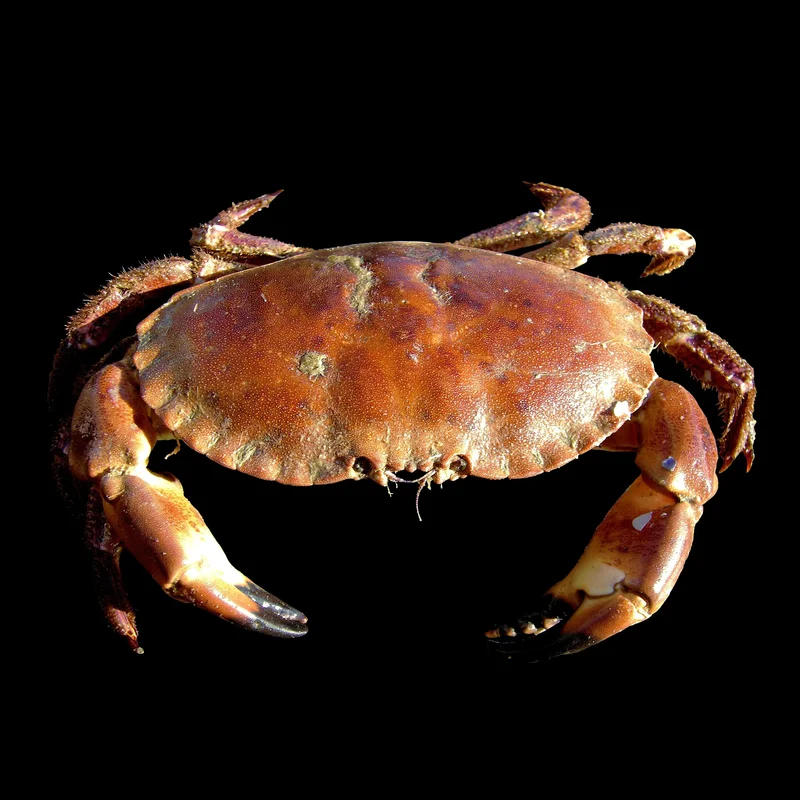
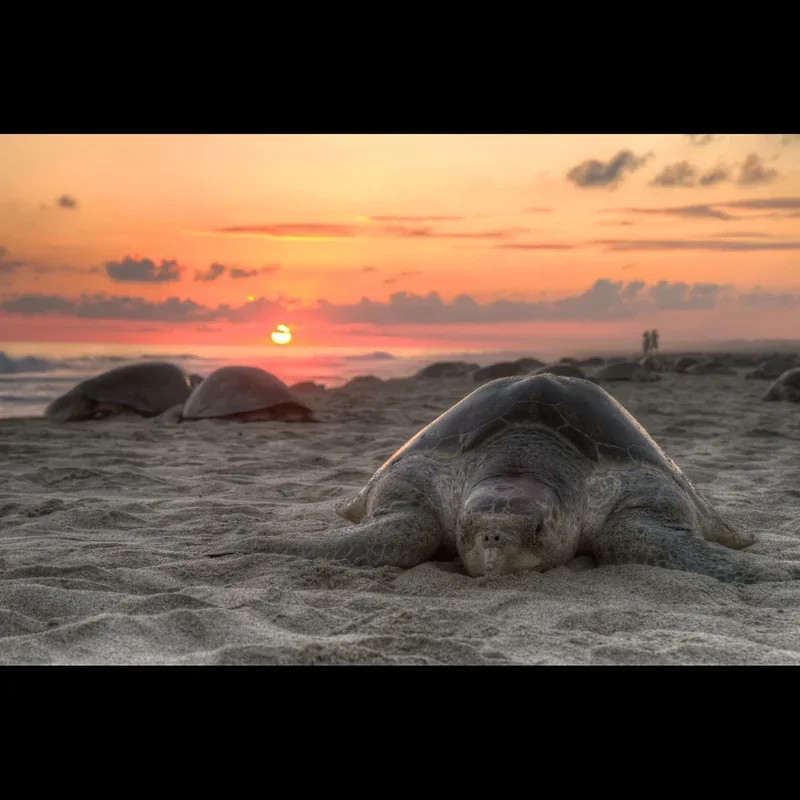
Divers might observe crabs, shrimp, and other shellfish making these reefs their home. Potential exists to encounter marine mammals and sea turtles, which benefit from the enhanced environment, although sightings vary.
This restoration effort aims to support a thriving ecosystem, contributing to the recovery of wildlife injured by past environmental events, including corals that may colonize the structures over time.
Dive Sites Near Nrda Phase 3 Cell 482
View all dive sites in United StatesDiscover more underwater gems in this area.
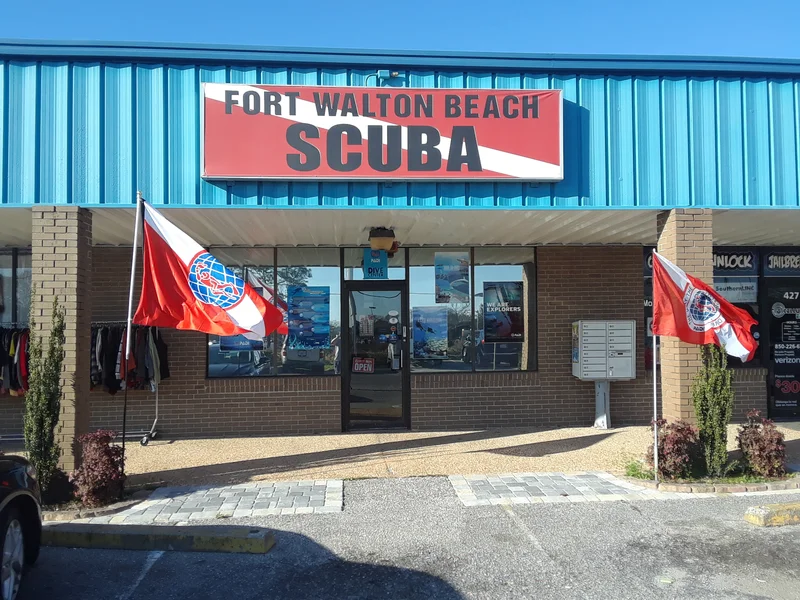
Dive Centers Near Nrda Phase 3 Cell 482
Today: 10:00 - 16:00
Nearest Airports
Nearest airports to help plan travel to this dive area.
Search Flights
Check available flights and routes on Expedia, using the nearby airports listed in this section.
Search Flights on Expedia
Plan Your Stay
Looking for a place to stay for your dive trip? Explore hotels, stays, and vacation rentals for dive groups near Gulf Breeze.
Dive Navigator may earn a commission from these links at no extra cost to you.
Frequently Asked Questions
What is the primary purpose of the NRDA Phase 3 Cell 482 project?
A primary goal involves creating and restoring artificial reefs to enhance long-term recreational opportunities and help restore natural resources injured by the Deepwater Horizon oil spill. It's part of a larger Natural Resource Damage Assessment initiative.
What types of artificial reefs are deployed at this site?
Various prefabricated designs are utilized, including Small and Large Tetrahedron Reefs, Concrete Disk Reefs, Ledge and Disk Reefs, and Large Dome Reefs. These structures, made of concrete, vary in size and shape.
Are there any depth considerations for diving here?
Reef structures range in height from 1.8 to 5.5 m (6 to 18 ft), suggesting varied deployment depths within state waters. Some reef types, like the Concrete Disk Reefs, are primarily intended for inshore snorkeling areas.
What kind of marine life can I expect to see?
Artificial reefs here are designed to attract various fish, shellfish, and potentially larger marine animals like sea turtles and marine mammals. This restoration initiative aims to foster a diverse ecosystem.
What are the best months for diving at NRDA Phase 3 Cell 482?
May through October generally offers the best diving conditions, with 'Good' dive scores, warmer air temperatures (24-29°C / 75-84°F), and typically lower wave heights.
How do I approach diving this restoration site responsibly?
Maintain excellent buoyancy control to avoid damaging the developing marine life on the structures. Be mindful of any monitoring equipment and respect the site's role in ongoing restoration efforts.
Planning to dive Nrda Phase 3 Cell 482?
Send one inquiry and receive offers directly from the best verified local dive operators.
Conditions are Excellent
07:00 - 14:00
Optimal conditions expected
Current conditions near Nrda Phase 3 Cell 482 show 29° air, 30° sea temperature, 0.5 m waves, and 22 km/h wind. Forecast data is refreshed regularly to ensure accuracy.