
Diving at Rotary Reef Bridge South (United States)
Envision a comfortable drift over vibrant ledges, the Rotary Reef Bridge South site invites divers to passively explore a thriving segment of South Florida's continental reef tract. Its consistent, gentle currents allow for relaxed observation, making it ideal for those seeking an immersive, slow-paced encounter with diverse marine life. Prepare for an engaging dive that seamlessly blends comfort with captivating underwater scenery, perfect for a memorable experience.
As evening covers Rotary Reef Bridge South, the local air temperature is measured at 30°C. The current wave height at the surface is recorded at 0.2 m. These late-day readings characterize the surface conditions for the night.
Dive Site Location & Key Facts
Dive Site Overview
Rotary Reef Bridge South forms a part of the extensive Southeast Florida Reef Tract, characterized by its linear reef structures running parallel to the coastline. The site typically presents a terrain of continuous ledges, undercuts, and various patch reefs.
Depths generally range within recreational limits, commonly encountered around 14 to 18 meters (45-60 ft), though shallower sections can exist at 12 meters (40 ft) with deeper sand channels reaching up to 19 meters (62 ft) in surrounding areas. Geologically, these reefs developed upon ancient beach ridge complexes and submerged lithified sand dunes, which established the foundation for coral growth after the last glacial period. This intricate substrate provides numerous hiding spots and thriving surfaces for marine organisms.
Divers often encounter sections featuring collapsed reef tops, creating the distinct ledges visible today. These topographical features, combined with the site’s position within the larger reef system, foster a rich and varied underwater environment that divers can appreciate. Vertical relief across the reef profile in this region typically spans 3 to 4 feet.
Conditions are Excellent
07:00 - 14:00
Optimal conditions expected
Current conditions near Rotary Reef Bridge South show 30° air, 30° sea temperature, 0.2 m waves, and 28 km/h wind. Forecast data is refreshed regularly to ensure accuracy.
Best Time to Dive
Determining the optimal time for diving at Rotary Reef Bridge South involves weighing seasonal conditions. While the area generally offers good diving conditions year-round, July and November often stand out with higher dive scores. July typically presents the calmest seas, with wave heights averaging around 0.4 meters (1.3 ft) and wind speeds at their lowest, approximately 25.15 km/h (15.6 mph). Air temperatures during July and August are the warmest, averaging 28.5°C (83°F), creating a comfortable surface environment. However, these summer months also see some of the highest rainfall, with August averaging nearly 6mm. Conversely, the cooler months from December to March, with air temperatures ranging from 11.5-17.5°C (53-64°F), provide consistently good dive conditions and lower rainfall, often less than 5mm. Water temperature data is not consistently reported for this specific site but generally reflects ambient air temperatures, making a wetsuit a consideration for cooler periods. September sees a moderate dive score due to increased rainfall, averaging close to 7mm.
PEAK SEASON SCORE
Scores combine air & water temps, waves, wind & rainfall for overall conditions.
BEST MONTHS TO DIVE
Monthly records compiled from satellite and marine observation nodes over the last 3 years. Data provided by Open-Meteo and MET Norway.
Dive Experience & Conditions
The prevailing current dynamics at Rotary Reef Bridge South are a defining feature of the dive experience. Influence from the Gulf Stream often creates a mild to moderate drift that runs parallel to the shoreline. This natural current makes drift diving the primary method of exploration, allowing divers to cover significant reef areas effortlessly. Visibility in these waters can be quite good, frequently described as clear due to the Gulf Stream's influence. Divers typically encounter depths within the recreational range, maxing out around 18 meters (60 ft). While specific water temperature data isn't consistently available, regional waters are often warm, particularly in summer months; however, a 3mm or 5mm wetsuit may be preferred for extended dives or cooler seasons. Conditions generally feel relaxed, but awareness of boat traffic and your dive vessel's location is always important in drift scenarios.
Dive Difficulty & Safety Guidelines
Navigating the currents at Rotary Reef Bridge South is the primary safety consideration for divers. Given the typical drift diving approach, proper buoyancy control and current management are essential. Always ensure a surface marker buoy (SMB) is deployed at the end of your dive to signal your position to the dive boat, especially important with parallel currents.
Maintain situational awareness regarding your dive buddy and the dive group. Respect the marine environment by avoiding contact with corals or disturbing marine life.
Entry and exit points usually involve boat operations; follow your dive operator's briefings closely. Planning your dive within your certification limits for depth and bottom time is crucial.
The absence of consistently reported water temperature data necessitates checking local conditions or consulting with dive operators beforehand to ensure appropriate thermal protection is worn.
Recommended Equipment
- Dive Computer
This gear list is based on verified equipment signals for Rotary Reef Bridge South, United States. Always confirm final gear choices with your dive operator, guide, or liveaboard.
Recommended Dive Suit
Dive skin or rash guard usually provides adequate warmth in water around this temperature. Those diving at Rotary Reef Bridge South today will likely encounter water temperatures in the region of 30°C (86°F). Surface air temperatures are resting at 30°C (86°F).
Surface temperatures may decrease slightly later in the week. Cooler days are ahead; you might want a warmer option for later in the week. Some divers bring an extra layer for surface intervals between dives.
Conditions can vary slightly across different parts of the same dive site.
Emergency & Medical Support
Essential information to help you plan your dive trip to Rotary Reef Bridge South.

Hyperbaric chambers are a critical part of dive safety infrastructure. Availability varies significantly by region, and not all dive areas have immediate access.
Before diving, it's recommended to:
- confirm nearest medical facilities
- check emergency procedures with local dive operators
- ensure dive insurance covers evacuation if required
Divers Alert Network
Diving emergency assistance available through DAN World.
+1-919-684-9111- 24/7 emergency hotline
- Diving medical assistance
- Evacuation coordination
Emergency contacts are provided for reference. Always verify local emergency services before diving.
Marine Life at Rotary Reef Bridge South
The ledges and crevices of Rotary Reef Bridge South create a vibrant habitat for numerous species. Divers frequently observe both soft and hard corals thriving alongside massive sponges.
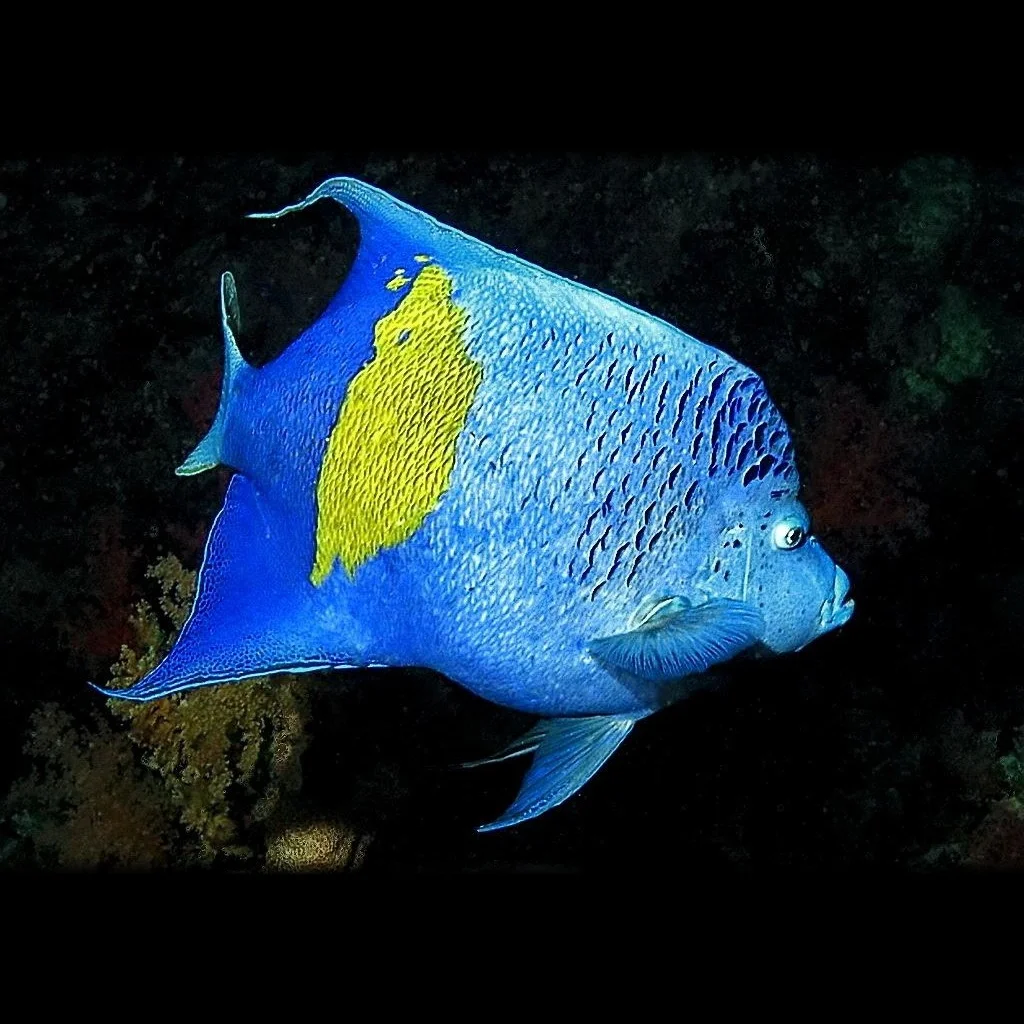
Angelfish, parrotfish, and various other tropical fish species congregate here, often in impressive numbers. Keep an eye out for rays gracefully gliding across the sand or tucked into reef depressions.
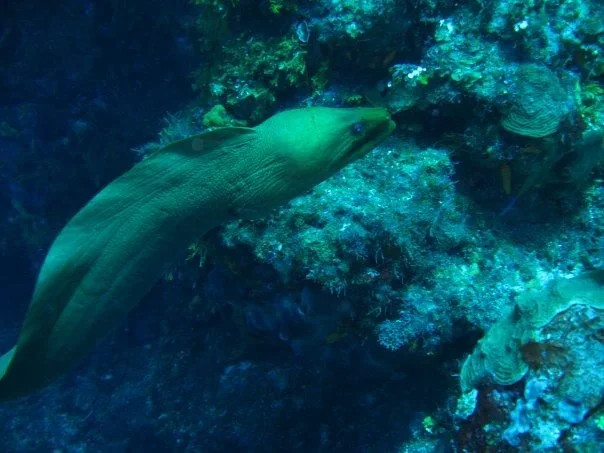
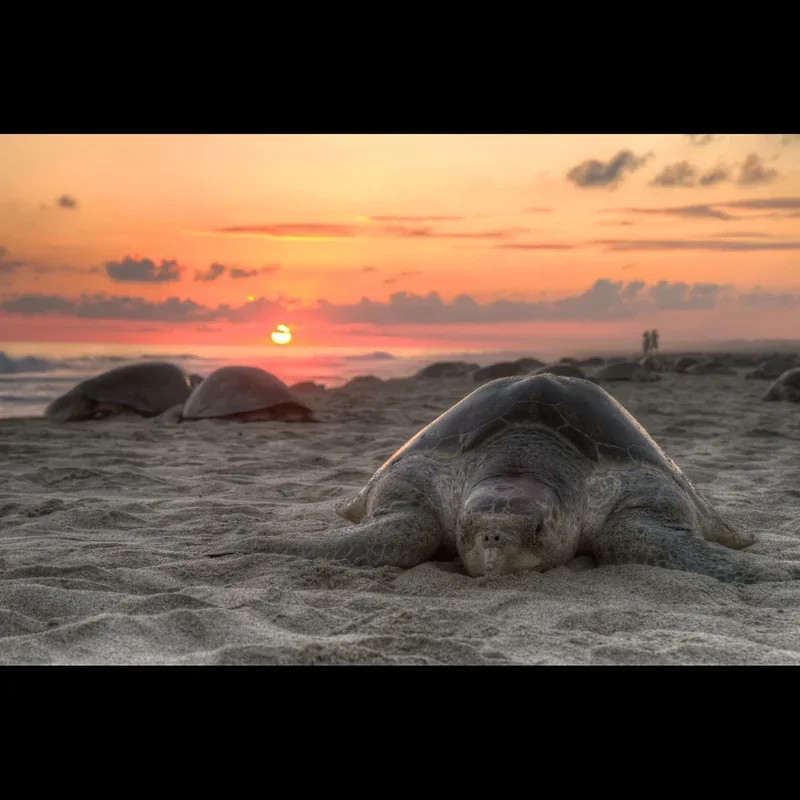
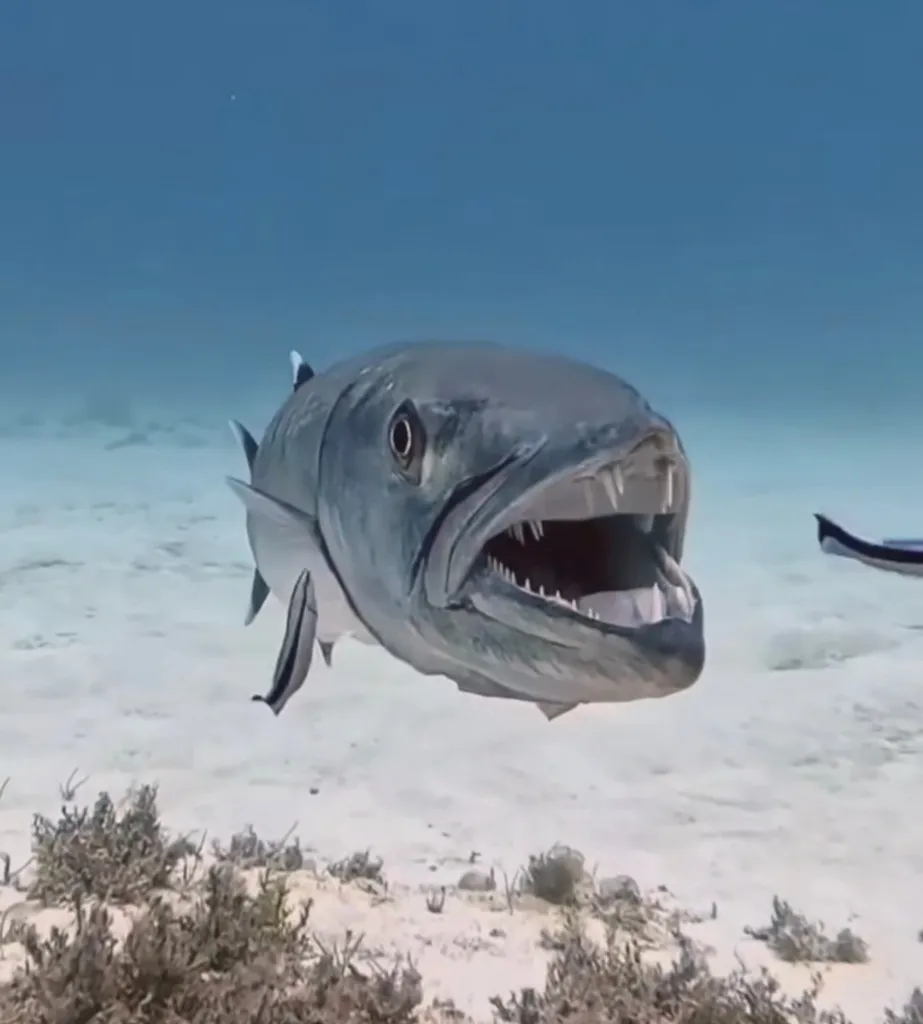
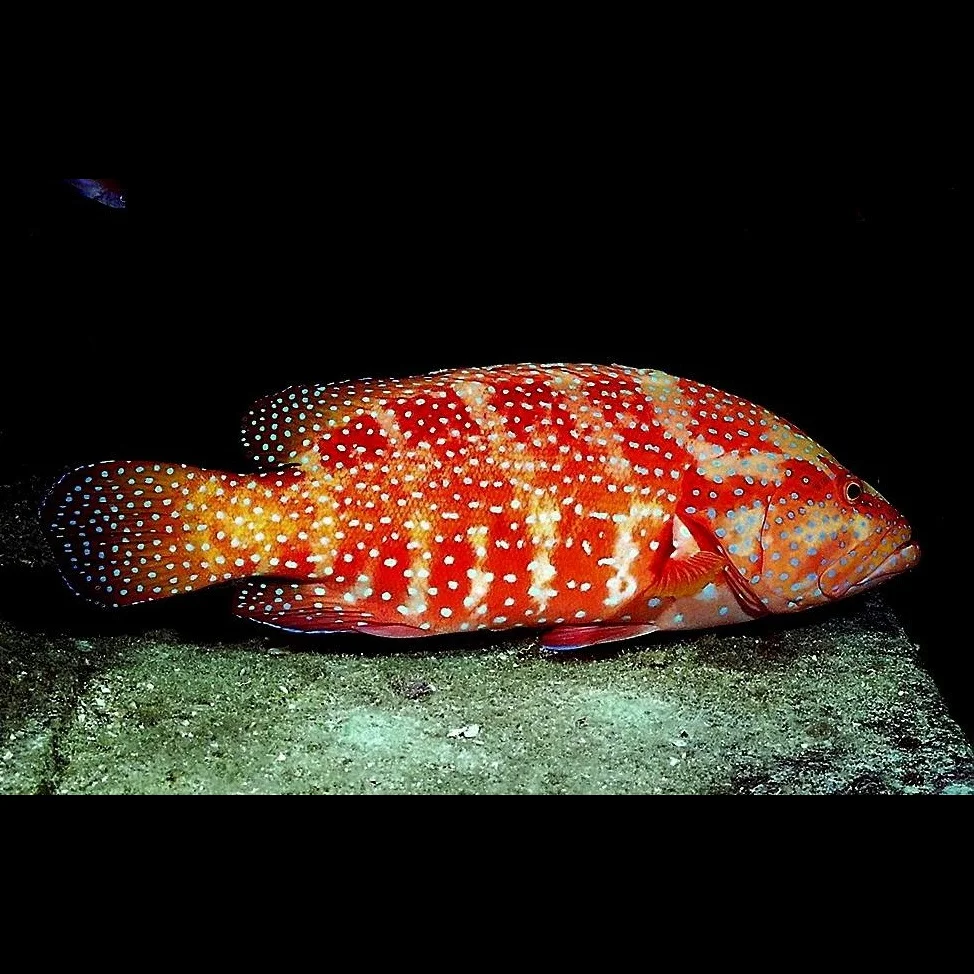
Moray eels and spiny lobsters commonly inhabit the reef's undercuts and darker recesses. This site can also serve as a nursery, with frequent sightings of juvenile fish. Sea turtles are occasional visitors, sometimes observed near cleaning stations alongside barracuda or grouper.
Dive Centers Near Rotary Reef Bridge South
No Dive Centers Local To Rotary Reef Bridge South
Are you a dive center visiting this location? Get listed to reach divers.
Nearest Airports
Nearest airports to help plan travel to this dive area.
Search Flights
Check available flights and routes on Expedia, using the nearby airports listed in this section.
Search Flights on Expedia
Plan Your Stay
Looking for a place to stay for your dive trip? Explore hotels, stays, and vacation rentals for dive groups near Panacea.
Dive Navigator may earn a commission from these links at no extra cost to you.
Frequently Asked Questions
What is the typical depth range at Rotary Reef Bridge South?
Divers can expect to explore within a maximum depth around 18 meters (60 ft). Shallower sections are found closer to 12 meters (40 ft), offering varied depths for different experience levels.
Are there strong currents at this dive site?
Yes, the site often experiences a mild to moderate drift current, influenced by the Gulf Stream. This makes drift diving the preferred and most effective method of exploration.
What kind of marine life can I expect to see?
Expect to encounter a rich variety of tropical fish, including angelfish and parrotfish. You'll also see soft and hard corals, sponges, moray eels, spiny lobsters, and potentially rays and sea turtles.
Is Rotary Reef Bridge South suitable for beginner divers?
While recreational depths are generally within beginner limits, experience with drift diving and good buoyancy control is advisable due to the presence of currents. Consult with a local dive operator for guidance.
What is the water visibility like?
Visibility at this site is generally good to very good. It is often described as clear due to the influence of the Gulf Stream, enhancing the overall dive experience.
What is the best way to dive this site?
Most dives here are conducted as drift dives from a boat. Divers enter the water at one point and are picked up down-current from their entry point, allowing for extensive reef coverage.
Planning to dive Rotary Reef Bridge South?
Send one inquiry and receive offers directly from the best verified local dive operators.
Conditions are Excellent
07:00 - 14:00
Optimal conditions expected
Current conditions near Rotary Reef Bridge South show 30° air, 30° sea temperature, 0.2 m waves, and 28 km/h wind. Forecast data is refreshed regularly to ensure accuracy.