
Diving at Rube Allyn Reef (United States)
Rube Allyn Reef serves as a significant artificial reef structure, intentionally deployed to enhance marine habitat and provide recreational diving opportunities. It consists of various components strategically placed on the seafloor. Divers encounter a mosaic of purpose-sunk materials creating complex hideaways and surfaces for marine growth. The site forms a defined underwater landscape, inviting exploration within its established boundaries.
Tonight's objective overview for Rube Allyn Reef shows an air temperature of 28°C. The measured surface conditions include wave heights around 0.7 m. This environmental data is logged for the close of the day.
Dive Site Location & Key Facts
Dive Site Overview
An artificial reef, Rube Allyn Reef was established through a thoughtful initiative focused on marine conservation and recreational development. Its creation involved the deliberate sinking of various purpose-built and repurposed materials, all meticulously designed to mimic natural reef formations and functions.
These structures provide essential new habitat in areas previously lacking complex underwater environments, actively fostering biodiversity and sustaining marine ecosystems. Initial deployment aimed to serve as an accessible dive destination for certified divers, offering both ecological value and recreational interest. Since its strategic placement, the reef has progressively evolved, accumulating significant marine growth and attracting a diverse variety of inhabitants as it adapts and integrates into its submerged surroundings.
Divers exploring the site will typically find depths up to 20-30 meters (65-100 ft), making it suitable for a broad range of certified divers, from those recently certified in open water to more experienced advanced divers. Observing this ongoing development offers insight into ecological succession within an artificial environment.
Continuing maintenance and development efforts further augment marine life, providing consistent opportunities for underwater exploration, education, and study.
Conditions are Good
Optimal conditions expected
Current conditions near Rube Allyn Reef show 28° air, 31° sea temperature, 0.5 m waves, and 32 km/h wind. Forecast data is refreshed regularly to ensure accuracy.
Best Time to Dive
For an optimal dive experience at Rube Allyn Reef, consider planning your trip between late spring and early fall. Months like May, June, July, and September consistently register "Good" dive scores, indicating favorable overall conditions. During these periods, air temperatures are comfortably warm, ranging from 25.5°C (78°F) in May to 29°C (84°F) in August, making surface intervals pleasant. While August and September see slightly higher average rainfall, it's often transient and usually doesn't significantly impact underwater visibility. Conditions generally include lower wave heights and reduced wind speeds, contributing to calmer seas and better boat access. Even October and November offer good dive scores with air temperatures still around 21-24°C (70-75°F), providing a comfortable, less crowded option.
PEAK SEASON SCORE
Scores combine air & water temps, waves, wind & rainfall for overall conditions.
BEST MONTHS TO DIVE
Monthly records compiled from satellite and marine observation nodes over the last 3 years. Data provided by Open-Meteo and MET Norway.
Dive Experience & Conditions
Beginning your descent at Rube Allyn Reef, divers will notice the water column's clarity can vary, depending on recent weather patterns and tidal movements. Visibility is typically good, allowing divers to appreciate the reef's structure as they approach it. Water temperatures are not consistently reported in available data but are generally comfortable for the region; most divers find a 3-5mm wetsuit suitable for extended bottom times. Expect to find the main reef structures rising from the seafloor, which generally lies at depths up to 30 m (100 ft). Currents are usually mild but can occasionally pick up, especially during tidal changes, so paying attention to local conditions is advisable. The structural diversity of the artificial reef creates numerous swim-throughs and sheltered nooks, which can be explored leisurely without excessive current. Divers can navigate along the various components, observing the established marine life.
Dive Difficulty & Safety Guidelines
Approaching Rube Allyn Reef requires careful attention to responsible diving practices, particularly due to its status as an artificial reef with varying structural integrity over time. Divers should maintain neutral buoyancy to avoid contact with the reef components, protecting both themselves and the delicate marine growth. Awareness of depth limits, particularly the maximum recreational depth, is crucial, as is careful gas management for the planned dive profile.
Always dive within the limits of your certification and experience. Operators typically provide detailed briefings on specific entry and exit procedures, current conditions, and any known temporary hazards.
A surface marker buoy (SMB) is recommended for all dives, especially if there is potential for boat traffic or varying surface conditions.
Recommended Equipment
- Dive Computer
This gear list is based on verified equipment signals for Rube Allyn Reef, United States. Always confirm final gear choices with your dive operator, guide, or liveaboard.
Recommended Dive Suit
Water temperatures at Rube Allyn Reef are currently estimated to be around 31°C (87°F), shaping the overall diving conditions for today. Surface air temperatures are resting at 28°C (83°F).
Dive skin or rash guard is generally considered suitable for water temperatures like this. Consider warmer surface protection (like a boat coat) due to brisk winds.
Forecast trends indicate similar diving conditions over the next few days.
Emergency & Medical Support
Essential information to help you plan your dive trip to Rube Allyn Reef.

Hyperbaric chambers are a critical part of dive safety infrastructure. Availability varies significantly by region, and not all dive areas have immediate access.
Before diving, it's recommended to:
- confirm nearest medical facilities
- check emergency procedures with local dive operators
- ensure dive insurance covers evacuation if required
Divers Alert Network
Diving emergency assistance available through DAN World.
+1-919-684-9111- 24/7 emergency hotline
- Diving medical assistance
- Evacuation coordination
Emergency contacts are provided for reference. Always verify local emergency services before diving.
Marine Life at Rube Allyn Reef
What first captures a diver's attention at Rube Allyn Reef is often the density of fish sheltering within its artificial structures. You'll commonly observe schools of baitfish swirling around the larger components, attracting predatory species.
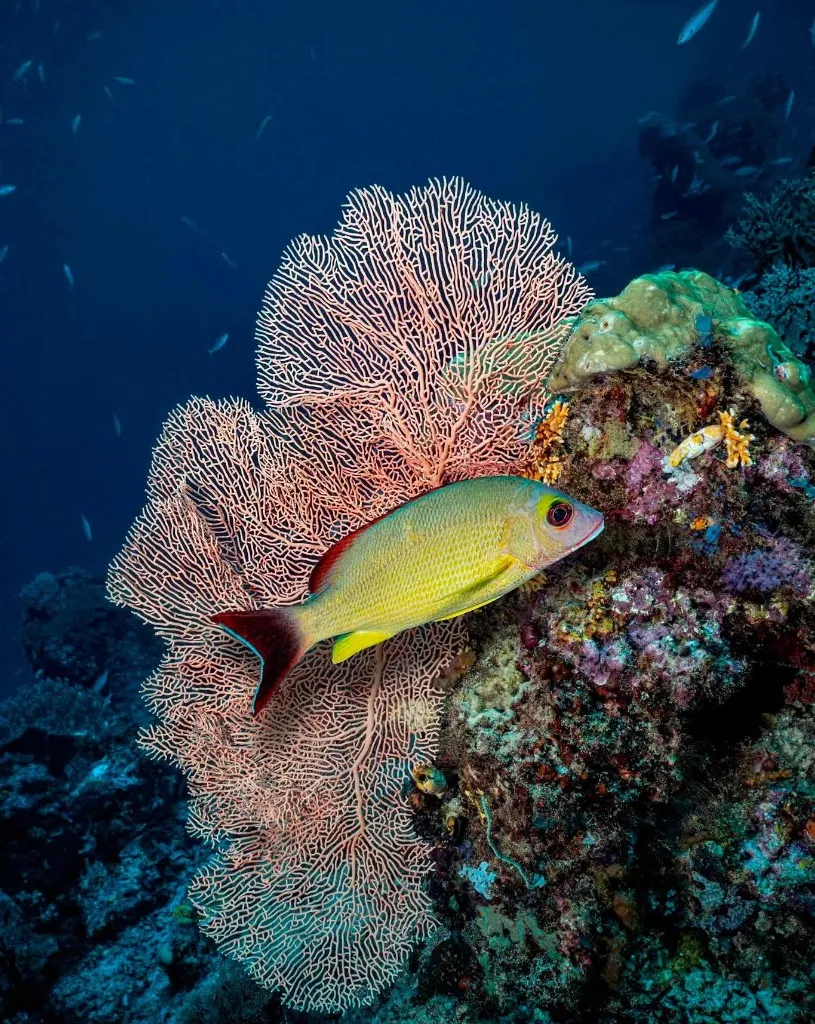
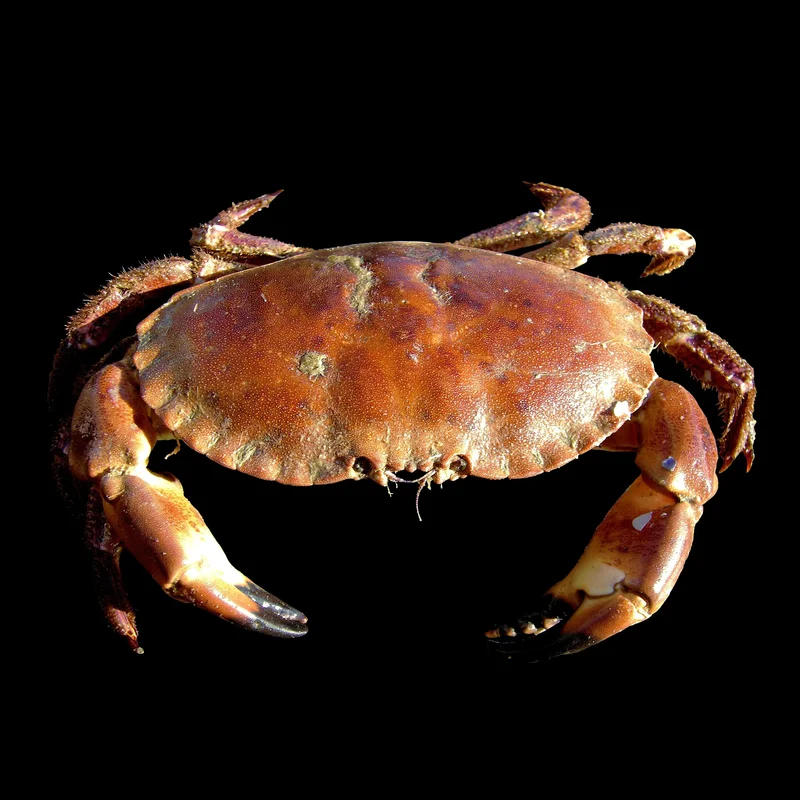
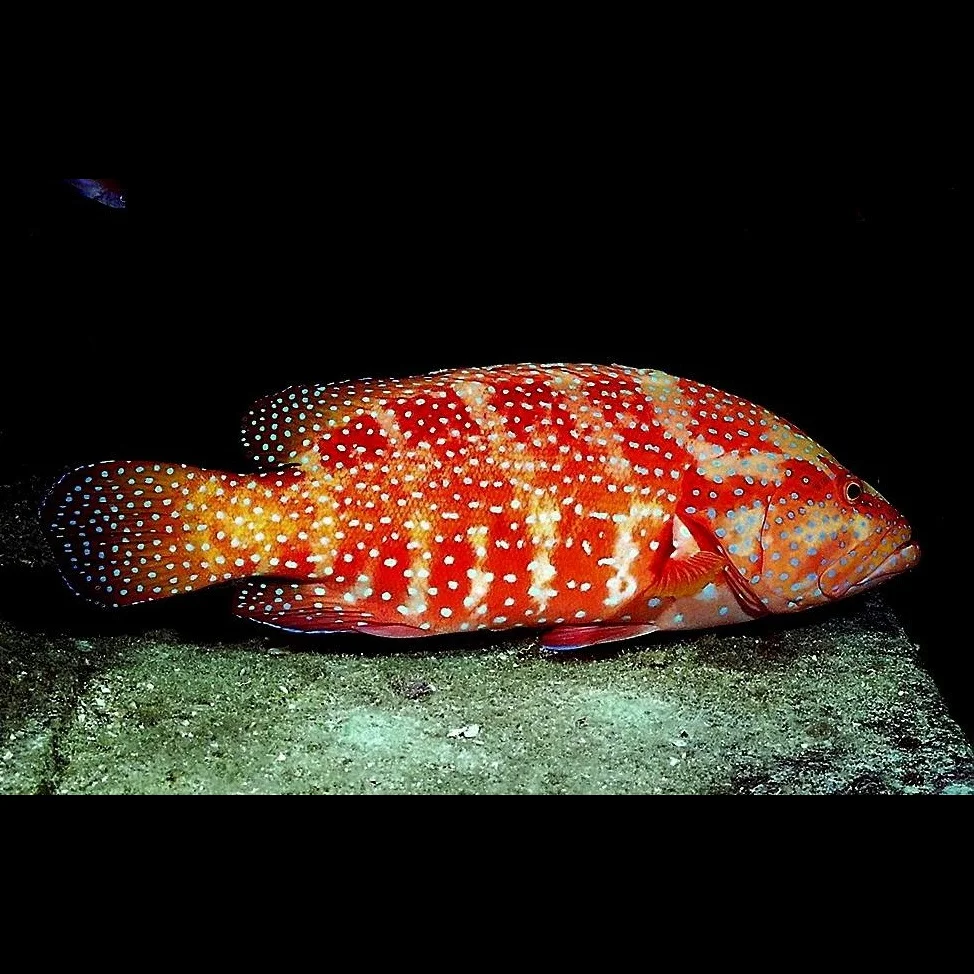
Groupers and snapper frequently patrol the deeper sections, making use of the abundant hiding spots. Closer inspection of the reef's surfaces may reveal various types of crabs, shrimp, and other invertebrates.
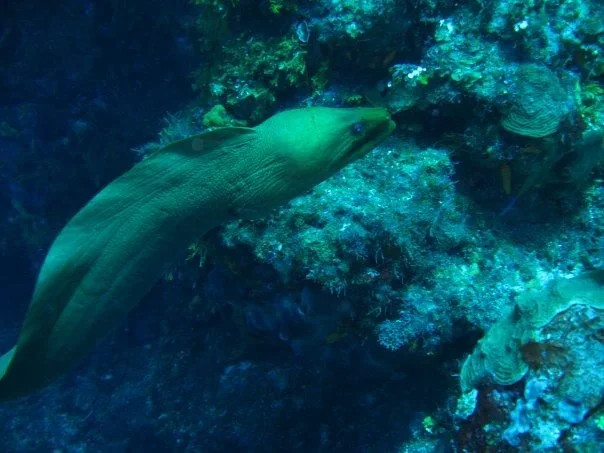
Look for moray eels peering from crevices, or small blennies and gobies darting among the encrusting corals and sponges. This ecosystem provides a dynamic setting for observing typical reef inhabitants.
Dive Centers Near Rube Allyn Reef
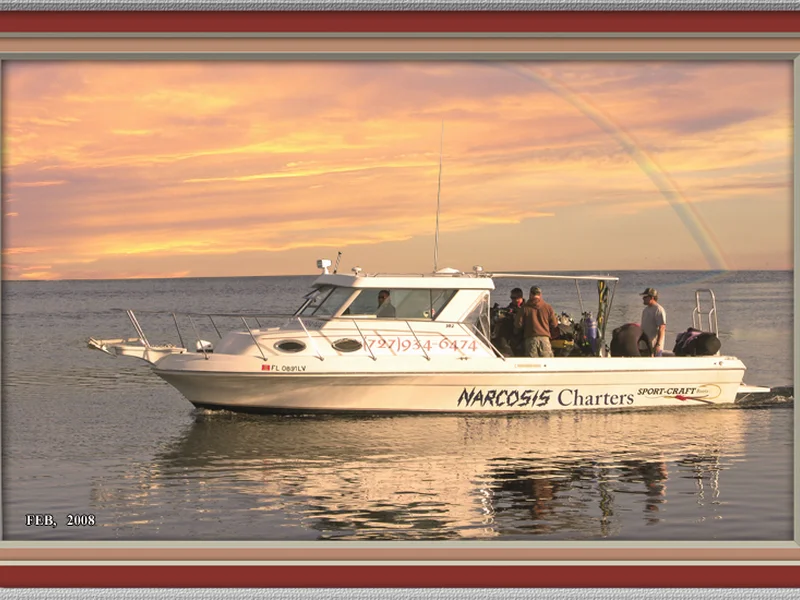
Today: 11:00 - 19:00
Nearest Airports
Nearest airports to help plan travel to this dive area.
Search Flights
Check available flights and routes on Expedia, using the nearby airports listed in this section.
Search Flights on Expedia
Plan Your Stay
Looking for a place to stay for your dive trip? Explore hotels, stays, and vacation rentals for dive groups near Indian Rocks Beach.
Dive Navigator may earn a commission from these links at no extra cost to you.
Frequently Asked Questions
What type of dive site is Rube Allyn Reef?
Rube Allyn Reef is an artificial reef site, intentionally created to provide marine habitat and recreational diving opportunities. It consists of various man-made structures placed on the seabed.
What is the typical depth range at Rube Allyn Reef?
The reef typically extends to a maximum depth of around 30 meters (100 ft). This makes it accessible for a wide range of certified recreational divers.
Are there strong currents at the reef?
Currents at Rube Allyn Reef are generally mild. However, they can increase at times, particularly with tidal shifts or strong weather patterns. Divers should always assess current conditions before and during their dive.
What marine life can be seen there?
Divers often encounter schools of baitfish, groupers, snapper, and various invertebrates like crabs and shrimp. Moray eels are also commonly spotted using the reef's crevices for shelter.
What is the best time of year to dive Rube Allyn Reef?
The best time to dive is generally from late spring through early fall, specifically May to September, for the most favorable air temperatures and calmer sea conditions. October and November also offer good opportunities.
Is Rube Allyn Reef suitable for beginner divers?
While the maximum depth is within recreational limits, conditions can vary. Divers should be comfortable with buoyancy control and potentially mild currents. It's suitable for certified divers with some experience, or beginners under close supervision.
Planning to dive Rube Allyn Reef?
Send one inquiry and receive offers directly from the best verified local dive operators.
Conditions are Good
Optimal conditions expected
Current conditions near Rube Allyn Reef show 28° air, 31° sea temperature, 0.5 m waves, and 32 km/h wind. Forecast data is refreshed regularly to ensure accuracy.