
Diving at Site 1_2014_N (United States)
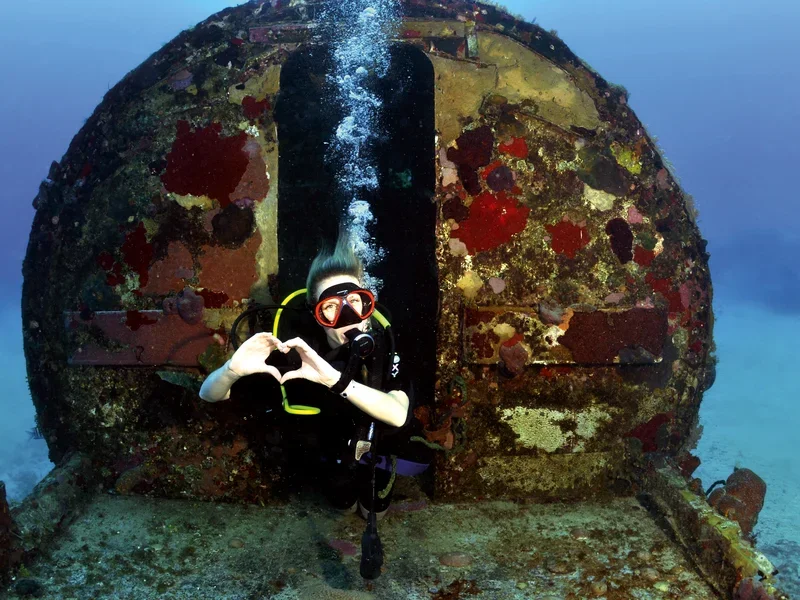
Beneath the Gulf's surface, the Tampa Bay area reveals a landscape shaped by deliberate human efforts to enhance marine environments. Numerous artificial reefs, formed from vessels like tugboats and barges, along with construction debris, create complex underwater structures. Divers encounter varied topography across these sites, ranging from intact wrecks sitting upright to fields of concrete blocks, providing extensive exploration within recreational depth limits.
Tonight's objective overview for Site 1_2014_N shows an air temperature of 28.5°C. The measured surface conditions include wave heights around 1.5 m. This environmental data is logged for the close of the day.
Dive Site Location & Key Facts
Dive Site Overview
Exploring the Tampa Bay region introduces divers to an extensive artificial reef program, initiated in the 1960s to foster marine life and underwater adventure. This area presents a diverse collection of dive sites, many originating from deliberately sunk vessels and construction materials.
Key sites include the 80 ft (24 m) steel-hulled Tugboat Orange, purposely sunk in 2004, and the 240 ft (73 m) Upside-down Barge Wreck, notable for its large schools of fish.
Additionally, the St. Pete Beach Reef features concrete blocks, a steel barge, and ten US Army tanks, all fostering fish populations. Depths span a considerable range, from shallower sections around 7 m (22 ft) at St. Pete Beach Reef to deeper areas reaching 30 m (98 ft) at the Landing Ships Wreck.
These sites, built over decades, serve as vibrant ecosystems attracting a variety of marine inhabitants to their structures.
Conditions are Moderate
Optimal conditions expected
Current conditions near Site 1_2014_N show 28° air, 29° sea temperature, 1.4 m waves, and 35 km/h wind. Forecast data is refreshed regularly to ensure accuracy.
Best Time to Dive
Optimizing visibility for your dive in this region often aligns with the periods of calmer weather and lighter winds. The months from May through August, and then again in November, generally offer 'Good' dive scores, indicating more favorable conditions. During July, wave heights typically average around 0.6 m (2.0 ft), with wind speeds at approximately 24.6 km/h (15.3 mph), contributing to potentially better underwater clarity. May also presents excellent opportunities, with average wave heights of 0.9 m (3.0 ft) and moderate wind. Rainfall varies, but overall, these months tend to provide more stable conditions for enjoying the area's artificial reefs and wrecks.
PEAK SEASON SCORE
Scores combine air & water temps, waves, wind & rainfall for overall conditions.
BEST MONTHS TO DIVE
Monthly records compiled from satellite and marine observation nodes over the last 3 years. Data provided by Open-Meteo and MET Norway.
Dive Experience & Conditions
Current dynamics in the Tampa Bay area can vary significantly across dive sites and depend heavily on tidal movements. While many sites, particularly the South County Artificial Reef, offer conditions suitable for underwater photography with good visibility, others like the Upside-down Barge Wreck can experience strong currents that might affect wreck penetration. Water temperatures are consistently described as warm in the Gulf of Mexico, supporting coral growth and diverse marine communities. Depths cater to a wide range of certifications; sites like St. Pete Beach Reef are shallower, around 7-10 m (22-32 ft) and accessible to Open Water divers, while others like the Landing Ships Wreck extend to maximum recreational depths and require Advanced Open Water certification. Air temperatures during peak dive season, such as July, average around 27.5°C (82°F), contributing to comfortable surface intervals.
Dive Difficulty & Safety Guidelines
Approaching dive sites in the Tampa Bay region requires careful consideration of both environmental conditions and the nature of artificial reef structures. Strong currents pose a significant challenge at specific wrecks, such as the Upside-down Barge, where entrances can become sealed rapidly. For wrecks with accessible interiors, including the Sheridan, penetration is strictly advised only for experienced wreck divers holding appropriate certification.
Always adhere to your certification limits and training. Proper dive planning, a reliable buddy system, and carrying necessary safety equipment are essential for navigating these varied underwater environments.
Recommended Equipment
- Dive Computer
This gear list is based on verified equipment signals for Site 1_2014_N, United States. Always confirm final gear choices with your dive operator, guide, or liveaboard.
Recommended Dive Suit
Divers planning deeper dives may feel cooler than those staying in shallower areas.
Many divers find that 2-3mm shorty or light wetsuit offers a comfortable balance between warmth and mobility. Consider warmer surface protection (like a boat coat) due to brisk winds. The coming days appear slightly cooler according to the latest forecast. Cooler days are ahead; you might want a warmer option for later in the week. Carrying a secondary suit is common practice among experienced divers.
Current temperature readings suggest that the water at Site 1_2014_N is around 29°C (83°F). Surface air temperatures are resting at 28°C (83°F).
Emergency & Medical Support
Essential information to help you plan your dive trip to Site 1_2014_N.

Hyperbaric chambers are a critical part of dive safety infrastructure. Availability varies significantly by region, and not all dive areas have immediate access.
Before diving, it's recommended to:
- confirm nearest medical facilities
- check emergency procedures with local dive operators
- ensure dive insurance covers evacuation if required
Divers Alert Network
Diving emergency assistance available through DAN World.
+1-919-684-9111- 24/7 emergency hotline
- Diving medical assistance
- Evacuation coordination
Emergency contacts are provided for reference. Always verify local emergency services before diving.
Marine Life at Site 1_2014_N
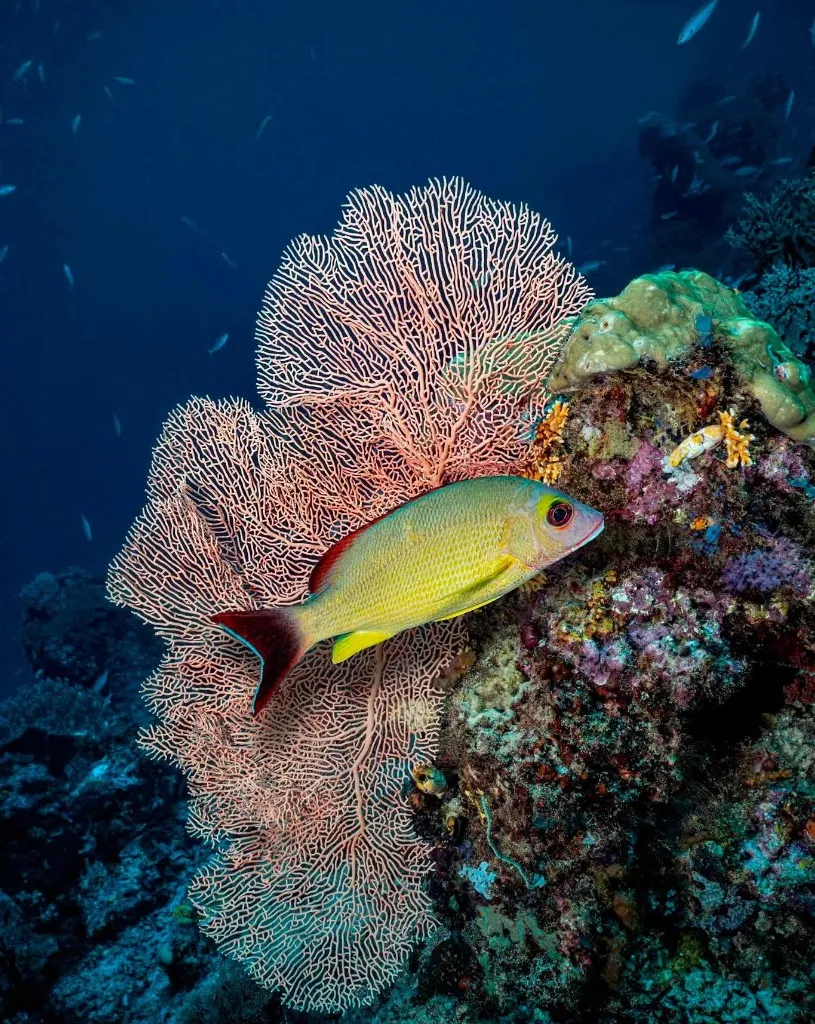
Aquatic inhabitants across these artificial reefs present a rich tapestry for observation. Divers frequently encounter large schools of fish at sites like the Upside-down Barge, providing excellent photographic opportunities.
Predatory species such as sharks, crevalle jack, and amber jacks are commonly sighted, especially around the Orange Wreck. At the Sheridan Wreck, a diverse population of mackerel, grouper, spadefish, and snappers often blankets the structure.
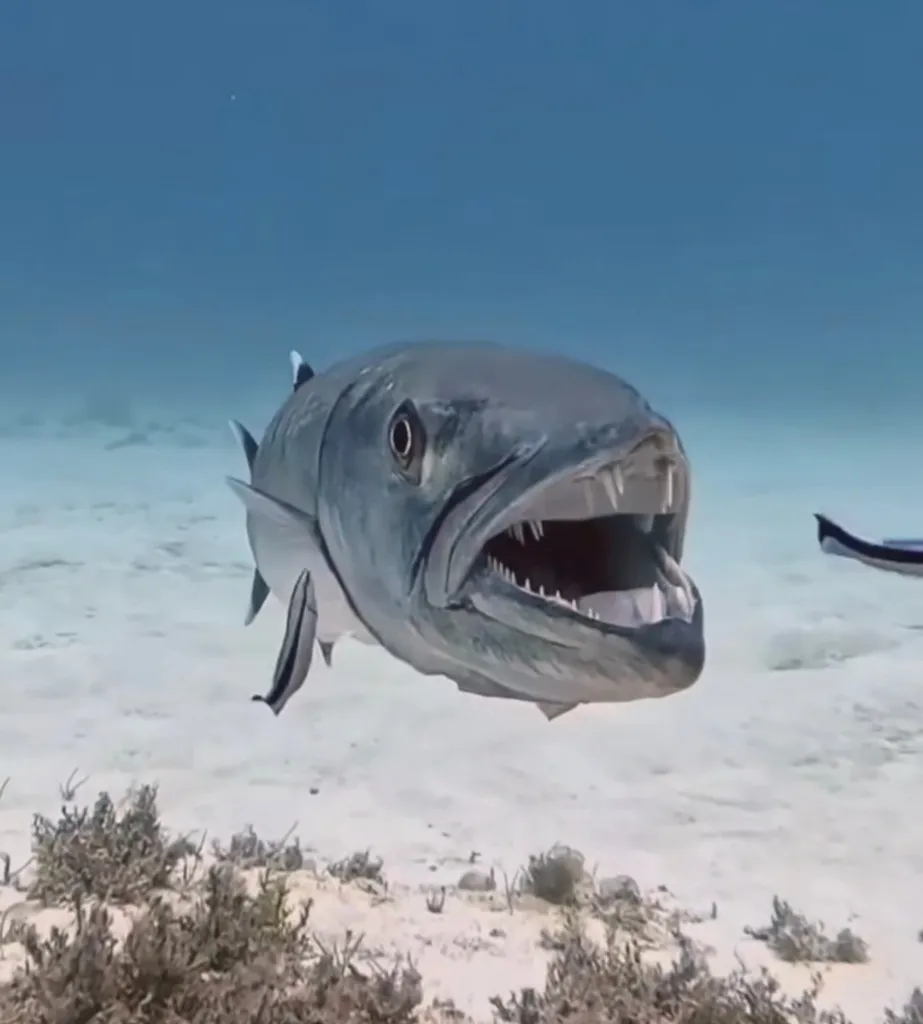
Reports of blacktip sharks, goliath groupers, and barracuda add to the allure of deeper sites, particularly the Landing Ships Wreck, ensuring each dive offers unique wildlife encounters.

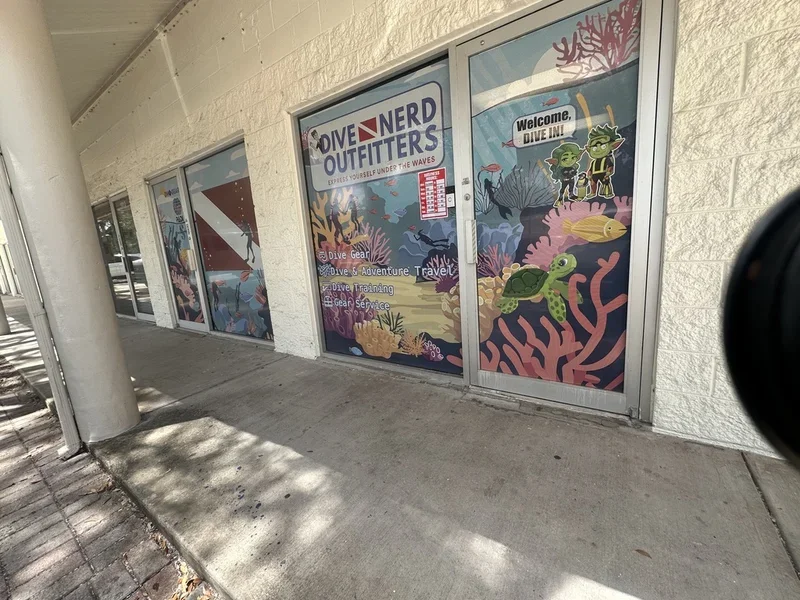
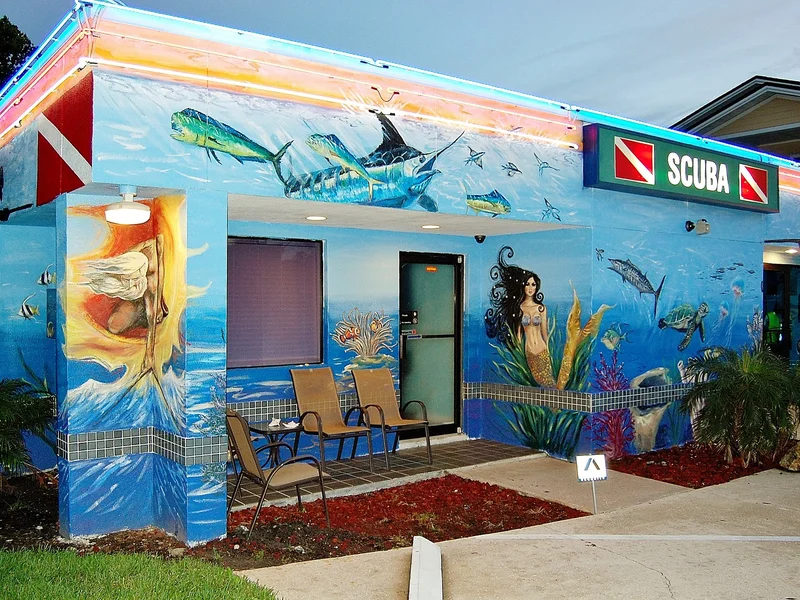
Dive Centers Near Site 1_2014_N
Today: 10:00 - 19:00
Nearest Airports
Nearest airports to help plan travel to this dive area.
Search Flights
Check available flights and routes on Expedia, using the nearby airports listed in this section.
Search Flights on ExpediaFrequently Asked Questions
What types of dive sites are available in the Tampa Bay area?
This region offers a variety of artificial reef sites, including sunken tugboats like the Orange and Sheridan, a large Upside-down Barge, and constructed reefs made from concrete blocks, bridge pilings, and even US Army tanks.
What are the typical dive depths?
Depths vary significantly, ranging from approximately 7 meters at sites like St. Pete Beach Reef to deeper sections around 30 meters for wrecks such as the Landing Ships Wreck. Divers can find options suitable for various certification levels.
Is wreck penetration common?
Some wrecks, like the Sheridan, have openings suitable for penetration, but it is strictly advised only for experienced and appropriately certified wreck divers. Strong currents at sites like the Upside-down Barge make penetration dangerous due to the risk of entrances sealing off.
What marine life can I expect to see?
The artificial reefs attract a wide array of marine life, including large schools of fish, crevalle jack, amber jacks, mackerel, grouper, spadefish, and snappers. Sharks, blacktip sharks, goliath groupers, and barracuda are also commonly reported at various sites.
What certification level is needed?
Many shallower sites are accessible to Open Water certified divers. However, deeper wrecks and more complex structures, such as the Blackthorn, Sheridan, and Landing Ships Wreck, typically require Advanced Open Water certification or higher due to their depth and potential for wreck entry.
How are the currents generally?
Currents can be a factor, particularly around certain wrecks like the Upside-down Barge, where they can be strong and unpredictable. Divers should always be aware of local conditions and plan their dives accordingly, especially when considering wreck exploration.
What are the best months for diving in Tampa Bay?
The months of May through August, and November, are generally rated 'Good' for diving, characterized by lower wave heights and lighter winds. These periods often provide more favorable conditions for visibility and overall dive enjoyment.
Planning to dive Site 1_2014_N?
Send one inquiry and receive offers directly from the best verified local dive operators.
Conditions are Moderate
Optimal conditions expected
Current conditions near Site 1_2014_N show 28° air, 29° sea temperature, 1.4 m waves, and 35 km/h wind. Forecast data is refreshed regularly to ensure accuracy.