
Diving at Stetson Bank NMS (United States)
Venturing to Stetson Bank NMS demands a spirit for open ocean exploration. This remote outpost, far offshore in the Gulf of Mexico, offers an experience for advanced divers seeking pristine conditions away from coastal influences. Expect a dive where planning and self-sufficiency are paramount, rewarding you with encounters in a truly unique underwater landscape.
Midday environmental data at Stetson Bank NMS reports an ambient temperature of 29.5°C. Surface tracking indicates wave heights of approximately 1.3 m. This summarizes the present water and weather conditions.
Dive Site Location & Key Facts
Dive Site Overview
Stetson Bank, located 48 km (30 miles) northwest of the Flower Gardens, features a distinct topography born from salt diapirs. The bank's surface, comprised of uplifted claystone and sandstone, has eroded unevenly, resulting in a fascinating 'moonscape' appearance.
As a smaller mid-shelf bank within the Flower Garden Banks National Marine Sanctuary, its geological character sets it apart. Recreational diving typically explores depths ranging from 21 m (70 ft) to 40 m (130 ft), with particular dive sites often falling within the 21-27 m (70-90 ft) range. Unlike the more coral-dominated Flower Gardens, Stetson Bank supports scattered coral colonies alongside a significant sponge community.
This unique structure provides diverse habitats, making it a pelagic zone feature with a clay/siltstone bedrock foundation. Overall, it's a dive into an unusual underwater mountain in the northern Gulf of Mexico.
Conditions are Good
Optimal conditions expected
Current conditions near Stetson Bank NMS show 30° air, 29° sea temperature, 1.3 m waves, and 27 km/h wind. Forecast data is refreshed regularly to ensure accuracy.
Best Time to Dive
Optimizing visibility for your Stetson Bank dive often aligns with the calmer summer months. The best dive scores typically occur from June to September, coinciding with lower average wave heights, which can reduce sediment disturbance. During these months, average air temperatures are at their highest, ranging from 28.5-29.5°C (83-85°F), contributing to overall comfort on liveaboard trips. Rainfall is moderate, generally between 2.1-5.2 mm (0.08-0.2 inches), not consistently impacting offshore visibility. Conversely, the period from October through May sees moderate dive scores, with increased wave heights up to 1.8 m (5.9 ft) and stronger winds, potentially reducing visibility and making surface conditions less hospitable. The water temperature for the bank has been reported to range from a minimum of 18°C (64°F) to a maximum of 30°C (86°F), varying by season and depth.
PEAK SEASON SCORE
Scores combine air & water temps, waves, wind & rainfall for overall conditions.
BEST MONTHS TO DIVE
Monthly records compiled from satellite and marine observation nodes over the last 3 years. Data provided by Open-Meteo and MET Norway.
Dive Experience & Conditions
Immersing yourself at Stetson Bank reveals an environment that feels distinctly offshore and dynamic. Divers often encounter multiple currents, which can vary in speed and direction across different depths. These conditions demand advanced dive skills, as currents might appear or change mid-dive, requiring strong navigation and finning to return to an exit point. The water at Stetson Bank tends to be a few degrees cooler in winter than at the main Flower Gardens. Temperatures range from 18-30°C (64-86°F) seasonally, with summer offering warmer conditions. Dive profiles are frequently described as deep and flat, necessitating careful nitrogen management. Expect significant surface intervals—at least two and a half hours—to manage decompression obligations effectively.
Dive Difficulty & Safety Guidelines
Diving at Stetson Bank requires diligent adherence to safety protocols, primarily due to the unpredictable nature of offshore currents and weather. This site is best suited for advanced divers who are proficient in navigating potentially strong and shifting currents, which can develop or change direction during a dive. All divers must maintain slow ascents, incorporating a one-minute safety stop at half their maximum depth and a three- to five-minute stop at 4.5 m (15 ft).
Dive operations typically limit divers to a maximum depth of 40 m (130 ft) on the first dive of the day and 30 m (100 ft) on subsequent dives. Ensure all surface intervals are a minimum of two and a half hours, without exception, to minimize risk.
Recommended Equipment
- Dive Computer
- DSMB
This gear list is based on verified equipment signals for Stetson Bank NMS, United States. Always confirm final gear choices with your dive operator, guide, or liveaboard.
Recommended Dive Suit
Water temperatures at Stetson Bank NMS are currently estimated to be around 29°C (85°F), shaping the overall diving conditions for today. Surface air temperatures are resting at 30°C (85°F).
Many divers choose dive skin or rash guard when diving in similar conditions. A hood or vest is suggested for sensitive divers due to surface winds.
Short-term weather patterns suggest stable conditions for divers visiting the area.
Emergency & Medical Support
Essential information to help you plan your dive trip to Stetson Bank NMS.

Hyperbaric chambers are a critical part of dive safety infrastructure. Availability varies significantly by region, and not all dive areas have immediate access.
Before diving, it's recommended to:
- confirm nearest medical facilities
- check emergency procedures with local dive operators
- ensure dive insurance covers evacuation if required
Divers Alert Network
Diving emergency assistance available through DAN World.
+1-919-684-9111- 24/7 emergency hotline
- Diving medical assistance
- Evacuation coordination
Emergency contacts are provided for reference. Always verify local emergency services before diving.
Marine Life at Stetson Bank NMS
Stetson Bank divers will immediately notice the prominent sponge community dominating the landscape. While scattered coral colonies are present, they are less extensive here compared to the Flower Garden Banks.
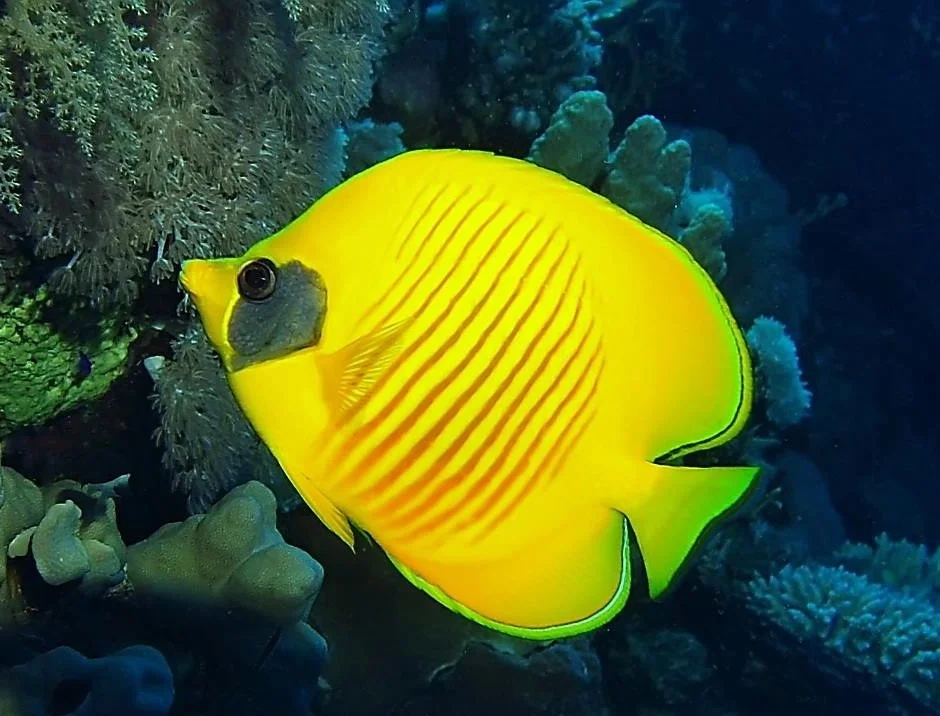
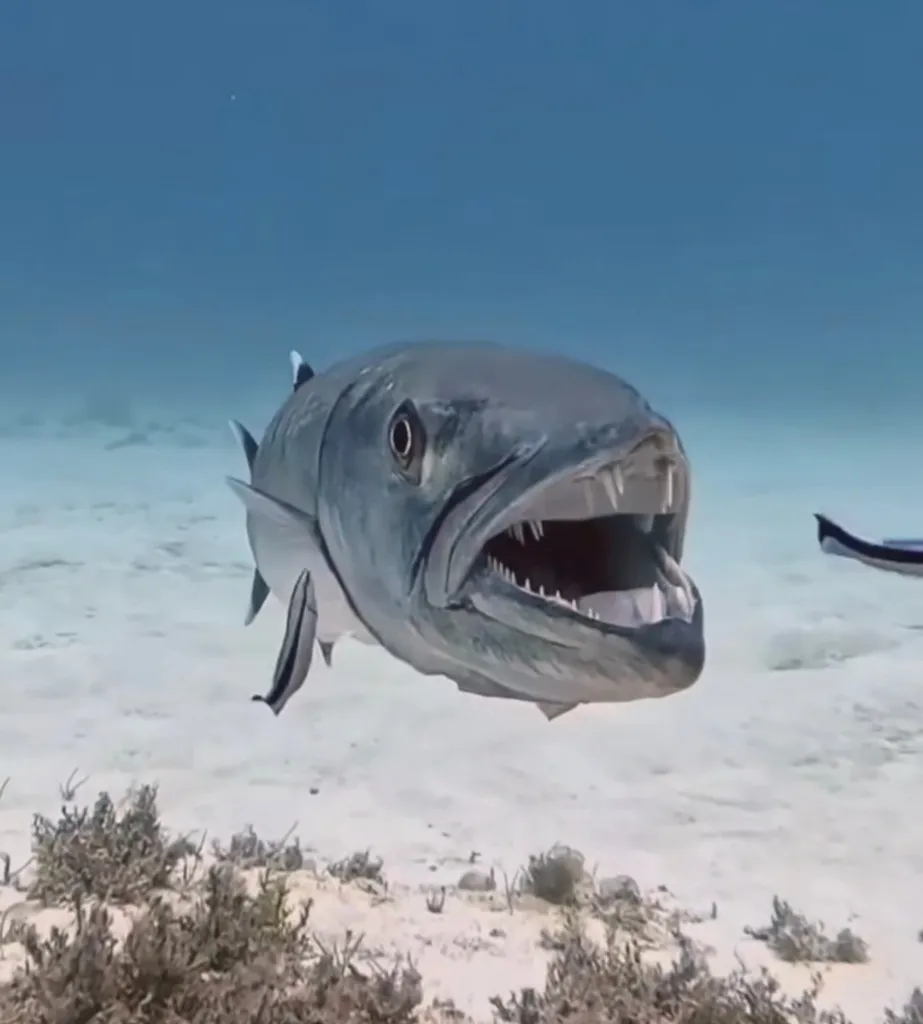
Cooler winter temperatures at Stetson Bank contribute to this community structure. An extraordinary fish community thrives here, offering frequent sightings of tropical species such as Triggerfish, Barracuda, Butterflyfish, Parrotfish, and Angelfish.
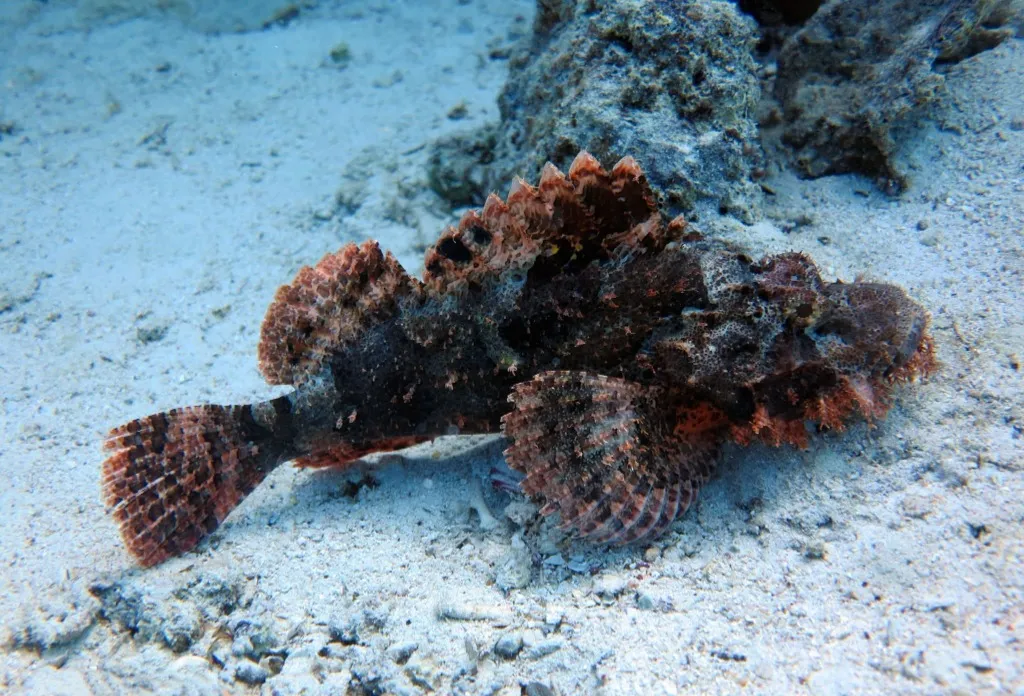
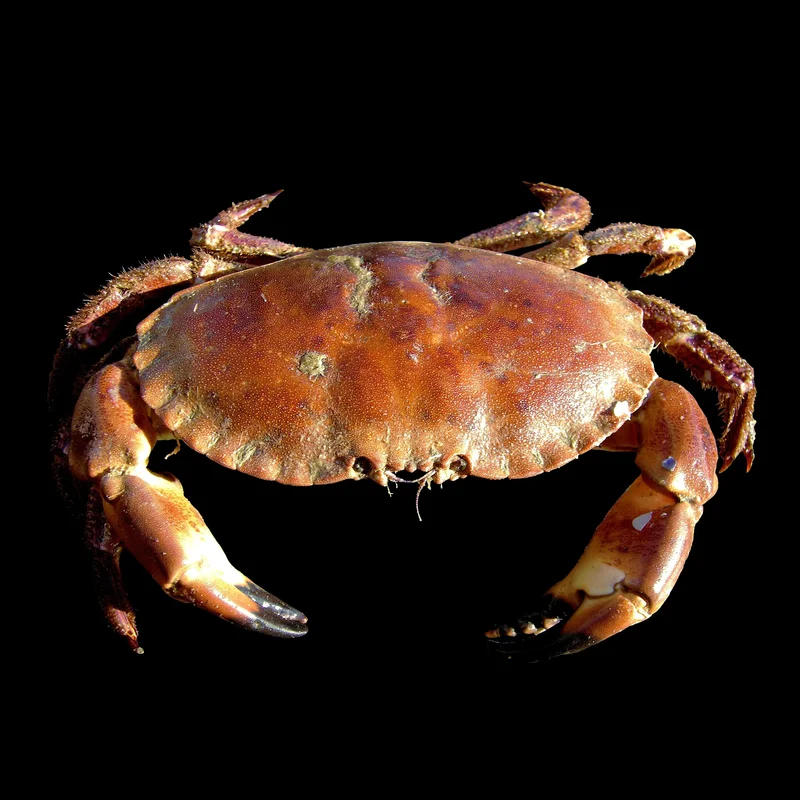
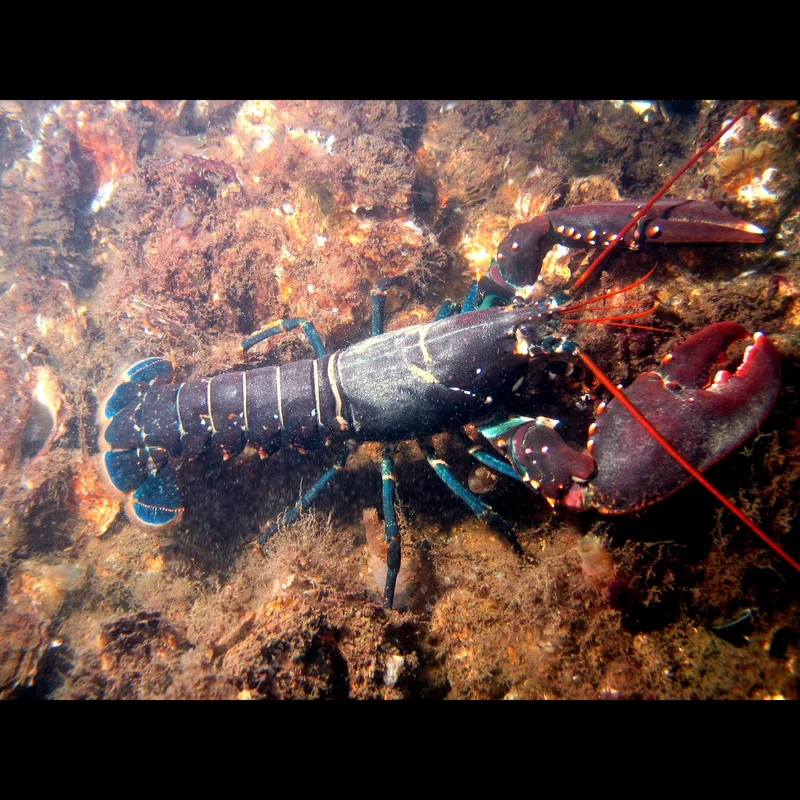
Patient observers may spot masters of camouflage like Frogfish and Scorpionfish, often blending seamlessly into the unique claystone and sandstone formations. Various crustaceans, including Crabs and Lobsters, are also common, inhabiting crevices of this 'moonscape' environment.
Dive Centers Near Stetson Bank NMS
No Dive Centers Local To Stetson Bank NMS
Are you a dive center visiting this location? Get listed to reach divers.
Nearest Airports
Nearest airports to help plan travel to this dive area.
Search Flights
Check available flights and routes on Expedia, using the nearby airports listed in this section.
Search Flights on ExpediaFrequently Asked Questions
What makes Stetson Bank unique compared to the Flower Garden Banks?
Stetson Bank has a distinct 'moonscape' topography formed by eroded claystone and sandstone, unlike the more coral-capped Flower Gardens. It also features a dominant sponge community and slightly cooler water temperatures in winter, which results in fewer coral colonies than its counterparts.
What is the typical dive depth range at Stetson Bank?
Typical dive profiles generally range from 21 m (70 ft) to 40 m (130 ft), with many sites often explored between 21-27 m (70-90 ft). Specific liveaboard safety protocols may limit the first dive to 40 m (130 ft) and subsequent dives to 30 m (100 ft).
Are strong currents common at Stetson Bank?
Yes, currents and weather can be unpredictable far offshore. Divers may experience multiple currents varying in direction and speed at different depths, sometimes developing or changing mid-dive.
Is Nitrox recommended for diving Stetson Bank?
Yes, Nitrox is a good choice for offsetting some of the extra nitrogen loading that can occur on the deep, flat profiles typical of Stetson Bank dives. It can help extend bottom time and reduce nitrogen absorption.
What marine life can I expect to see most commonly?
You can expect to see a dominant sponge community, an extraordinary variety of tropical fish, including Triggerfish, Barracuda, Butterflyfish, and Angelfish. Frogfish, Scorpionfish, and various crabs are also common sightings.
What is the best time of year to dive Stetson Bank?
The calmer summer months, typically from June to September, often offer the best dive conditions with higher dive scores, lower wave heights, and warmer average air temperatures. Visibility tends to be better during these periods.
Planning to dive Stetson Bank NMS?
Send one inquiry and receive offers directly from the best verified local dive operators.
Conditions are Good
Optimal conditions expected
Current conditions near Stetson Bank NMS show 30° air, 29° sea temperature, 1.3 m waves, and 27 km/h wind. Forecast data is refreshed regularly to ensure accuracy.