
Diving at WM-LB-95 (United States)
Navigating California's diverse dive sites often requires careful attention to currents, which can fluctuate significantly by location and conditions. While many areas offer sheltered diving, others, like some Channel Island sites or areas off Jupiter Inlet, can experience strong flows. Diver preparedness for variable conditions, including cooler water temperatures, is a primary consideration for safe exploration. Understanding local forecasts ensures a smoother, more enjoyable underwater experience across the state.
Evening condition tracking at WM-LB-95 features an air temperature of 30°C. We have recorded wave heights measuring 1.2 m during this period. These figures outline the environmental parameters currently present.
Dive Site Location & Key Facts
Dive Site Overview
California's underwater world beckons with a striking array of cold-water diving experiences, encompassing vibrant kelp forests, intriguing wreck sites, and dramatic geological formations. From the dynamic ecosystem of the Channel Islands to the artificial reefs off San Diego, divers can explore a wide spectrum of environments.
In Monterey Bay, for instance, inshore reefs drop off in steps to depths of 15-17 m (50-55 ft), offering rich biodiversity close to shore. Further south, the Jupiter Wreck Trek involves multiple sunken vessels, with one at a depth of 26 m (85 ft), providing habitat for larger marine species.
For the adventurous, sites like Hole in the Wall begin at 41 m (135 ft) and exit deeper at about 46 m (150 ft). Shore dives offer easy access to coastal marine life, while boat excursions lead to more remote reefs and offshore islands.
Night dives here reveal plankton bioluminescence and nocturnal creature activity, adding another dimension to the exploration.
Conditions are Excellent
07:00 - 14:00
Optimal conditions expected
Current conditions near WM-LB-95 show 30° air, 30° sea temperature, 0.5 m waves, and 18 km/h wind. Forecast data is refreshed regularly to ensure accuracy.
Best Time to Dive
Optimal diving conditions in California typically present from May through September, when surface conditions are generally calmer. During these months, average air temperatures range from 24-29°C (76-84°F), contributing to more comfortable topside experiences. Wave heights tend to be lower, often below 1 meter, and wind speeds decrease, reducing chop. Rainfall is minimal, averaging 3-7 mm across this period, which generally correlates with 'Good' dive scores. Outside this window, from October to April, dive scores shift to 'Moderate,' with cooler air temperatures ranging from 15-24°C (59-75°F) and increased wave heights. Diving during these cooler periods requires greater attention to thermal protection due to variable, often colder water temperatures.
PEAK SEASON SCORE
Scores combine air & water temps, waves, wind & rainfall for overall conditions.
BEST MONTHS TO DIVE
Monthly records compiled from satellite and marine observation nodes over the last 3 years. Data provided by Open-Meteo and MET Norway.
Dive Experience & Conditions
Divers entering California's waters will encounter a spectrum of experiences, from easily accessible shore dives to more challenging boat-only locations. Many sites, particularly in Monterey Bay and around Catalina Island's Isthmus Reef, feature easy entries and shallower depths suitable for open water students and newer divers. Protected areas, such as Doran Beach, benefit from headlands that minimize surge, though visibility can be variable, often not consistently clear. Conversely, sites like Bird Rock on Catalina Island are noted for their nearly always clear and calm waters, with minimal current. However, other locations, including Eagle Reef, can present strong currents, requiring experienced navigation. While specific water temperatures vary seasonally, California diving typically involves cooler waters, necessitating appropriate thermal protection for comfort and extended bottom times.
Dive Difficulty & Safety Guidelines
For safe and enjoyable diving in California, anticipating variable conditions is an essential step. Divers should always consult local current reports and weather forecasts, particularly when planning boat dives or exploring exposed sites. Given the prevalence of cold-water environments, adequate thermal protection, such as a thick wetsuit or drysuit, is crucial for extended dives.
In areas with significant boat traffic, like Doran Beach, it's advised to remain clear of designated boat channels. When strong currents are anticipated, especially in drift-prone areas, proper planning for entry, exit, and group management becomes paramount. Always dive within your certification limits and consider the benefits of local guide knowledge.
Recommended Equipment
- Dive Computer
This gear list is based on verified equipment signals for WM-LB-95, United States. Always confirm final gear choices with your dive operator, guide, or liveaboard.
Recommended Dive Suit
Subtle variations in currents or depth can sometimes influence perceived water temperature.
Dive skin or rash guard tends to perform well in water temperatures like those currently observed here. Consider warmer surface protection (like a boat coat) due to brisk winds. Forecasts suggest a slight cooling pattern in the days ahead. Cooler days are ahead; you might want a warmer option for later in the week. Carrying a secondary suit is common practice among experienced divers.
Water temperatures across the dive area at WM-LB-95 are presently estimated to be around 30°C (86°F). Surface air temperatures are resting at 30°C (86°F).
Due to technical issues with our weather providers, data hasn't been fetched for over 48 hours. The data above reflects the conditions at the time of the last successful fetch.
Emergency & Medical Support
Essential information to help you plan your dive trip to WM-LB-95.

Hyperbaric chambers are a critical part of dive safety infrastructure. Availability varies significantly by region, and not all dive areas have immediate access.
Before diving, it's recommended to:
- confirm nearest medical facilities
- check emergency procedures with local dive operators
- ensure dive insurance covers evacuation if required
Divers Alert Network
Diving emergency assistance available through DAN World.
+1-919-684-9111- 24/7 emergency hotline
- Diving medical assistance
- Evacuation coordination
Emergency contacts are provided for reference. Always verify local emergency services before diving.
Marine Life at WM-LB-95
The vibrant kelp forests define much of California's marine ecosystem, creating dramatic underwater landscapes that teem with life. Within these swaying forests, divers frequently observe the bright orange Garibaldi and the colorful California sheephead.
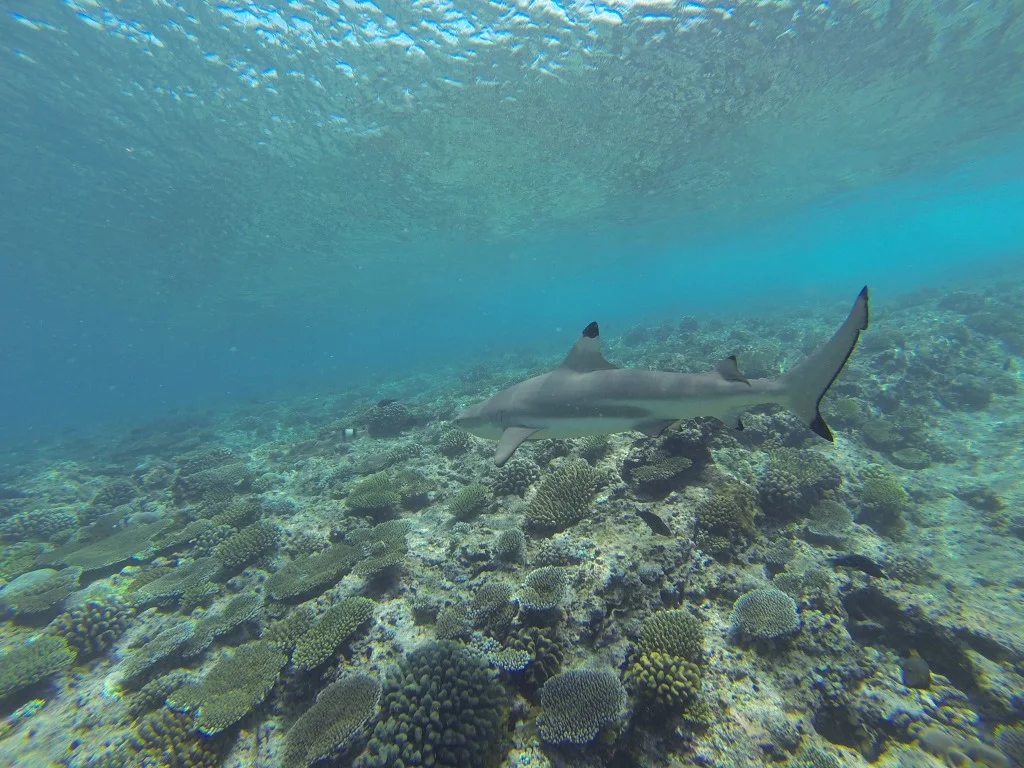
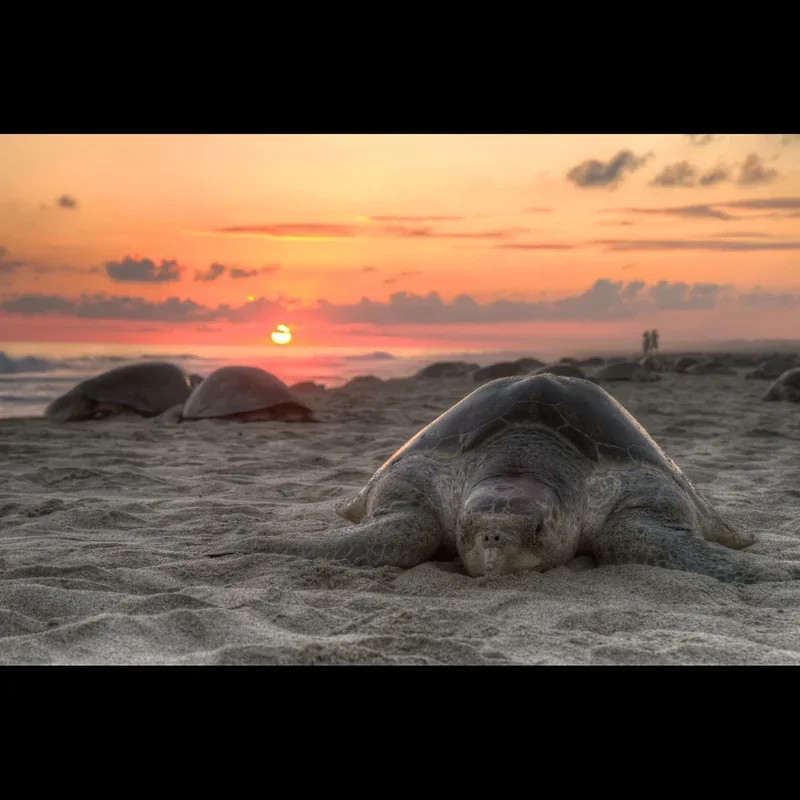
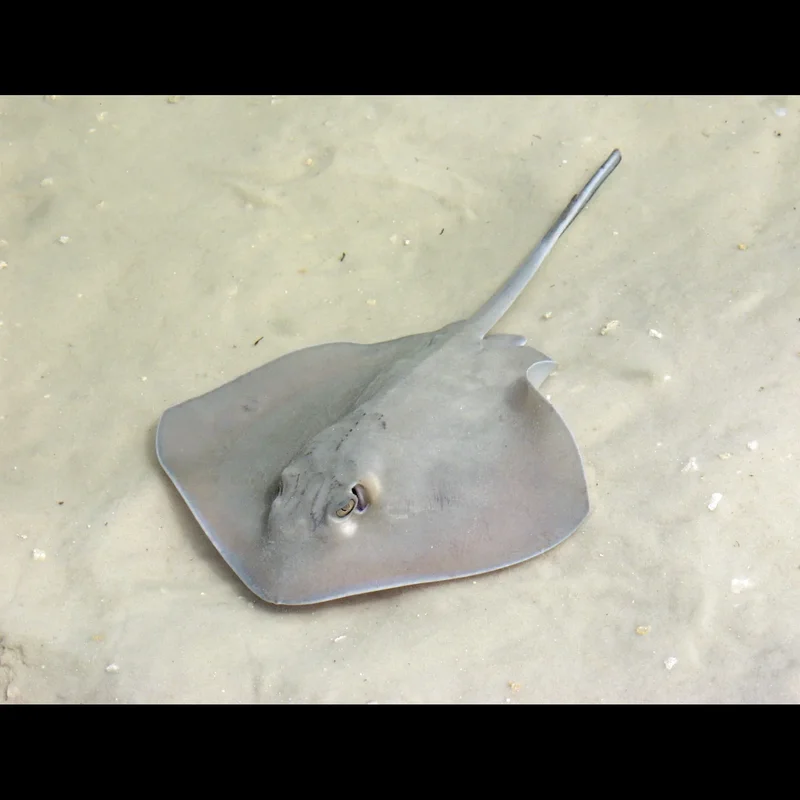
Playful sea lions are often encountered in coastal areas and around islands, adding an interactive element to dives. In deeper waters or around wrecks, massive goliath groupers, sea turtles, stingrays, and various shark species can be seen, particularly in areas with prevailing currents.
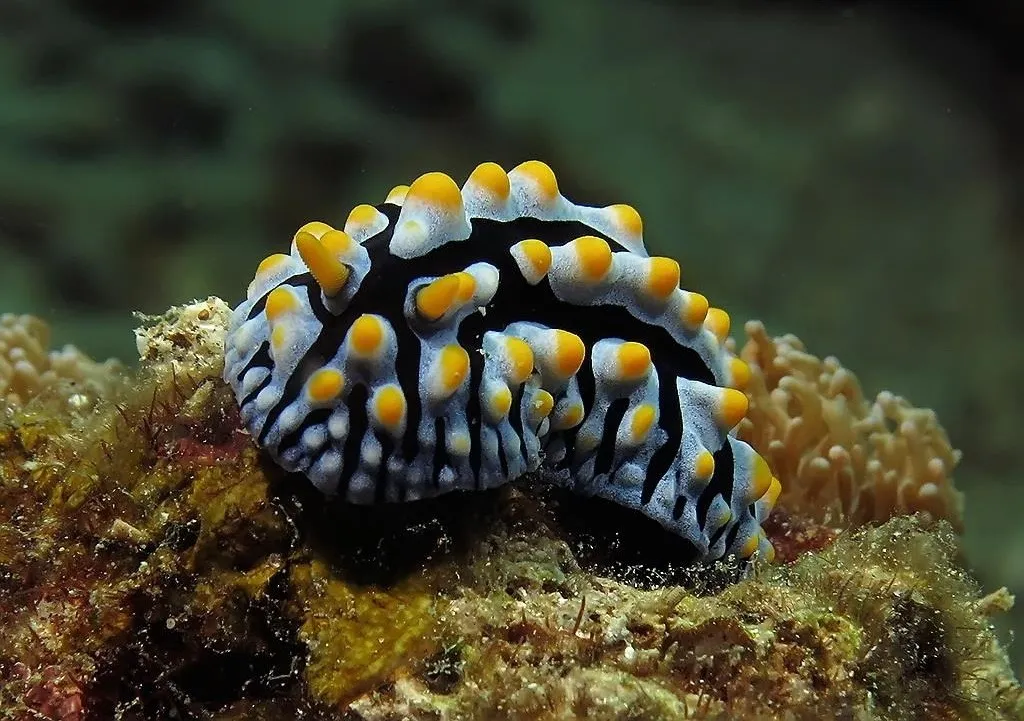
Exploring these diverse habitats reveals an array of smaller creatures, including colorful nudibranchs and various reef fish, enriching the experience.

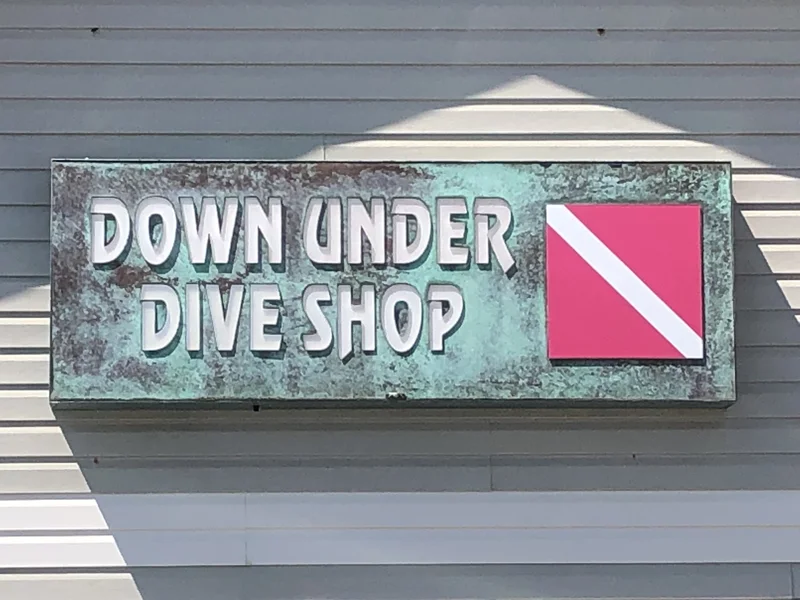
Dive Centers Near WM-LB-95
Today: 08:00 - 17:00
Nearest Airports
Nearest airports to help plan travel to this dive area.
Search Flights
Check available flights and routes on Expedia, using the nearby airports listed in this section.
Search Flights on ExpediaFrequently Asked Questions
What are the general water conditions for diving in California?
California's waters are generally cool, often requiring a thick wetsuit or drysuit. Visibility varies significantly by site and conditions; some areas, like Bird Rock, are consistently clear, while others, such as Doran Beach, may have limited visibility. Currents can range from mild in sheltered coves to strong in exposed locations or specific wreck sites.
Is California diving suitable for new divers?
Yes, California offers numerous dive sites well-suited for new divers and open water students. Locations like Isthmus Reef on Catalina Island and many shore entries in Monterey Bay provide sheltered, shallower environments with easy access. These sites allow newer divers to build experience comfortably.
What types of underwater environments can divers explore here?
Divers can explore a rich diversity of underwater environments, including extensive kelp forests, natural reefs with varying topography, and artificial reefs from sunken wrecks. Some sites also feature unique formations like steep drop-offs, underwater arches, and caves. Shore diving, boat diving, and liveaboard trips all provide access to these varied landscapes.
Are there specific marine life to look for in the kelp forests?
Kelp forests are home to iconic California marine life. Divers frequently encounter the bright orange Garibaldi, the colorful California sheephead, and various species of rockfish. Playful sea lions are also common inhabitants, particularly around the Channel Islands and other coastal areas.
How do currents typically affect dives in this region?
Currents are a notable factor in California diving and can vary widely. While many protected sites have minimal currents, certain exposed locations or offshore reefs can experience strong flows, sometimes necessitating drift diving techniques. Always check local current forecasts before planning your dive to ensure safety.
What is the recommended thermal protection for California diving?
Due to the generally cool to cold water temperatures throughout the year, a thick wetsuit (7mm or thicker) or a drysuit is strongly recommended for diving in California. This ensures diver comfort and safety, especially during longer dives or in deeper sections.
Planning to dive WM-LB-95?
Send one inquiry and receive offers directly from the best verified local dive operators.
Conditions are Excellent
07:00 - 14:00
Optimal conditions expected
Current conditions near WM-LB-95 show 30° air, 30° sea temperature, 0.5 m waves, and 18 km/h wind. Forecast data is refreshed regularly to ensure accuracy.