
Diving at Alice in Wonderland (Venezuela)
Exploring Alice in Wonderland in Venezuela typically involves a reef environment, though specific contour details aren't widely documented. Divers can generally expect a gentle slope or drop-off characteristic of many Caribbean reef systems. Its potential for vibrant coral formations and diverse smaller marine life creates a serene experience, appealing to certified divers seeking underwater tranquility.
Tonight's objective overview for Alice in Wonderland shows an air temperature of 28.5°C. The measured surface conditions include wave heights around 1.4 m. This environmental data is logged for the close of the day.
Dive Site Location & Key Facts
Dive Site Overview
Alice in Wonderland reef system in Venezuela offers certified divers an engaging underwater experience, defined by intricate coral formations more than specific, widely-charted geological features. While granular details of its exact underwater topography are not consistently reported, divers can generally expect a landscape dominated by varied reef structures.
As a designated reef dive, the site likely features a succession of coral ridges and sandy patches, common to healthy Caribbean environments, creating diverse microhabitats. These formations contribute significantly to the site's appeal, supporting a community of reef-dwelling organisms. Conditions often see average wave heights ranging from 1.0 to 1.3 meters / 3.3 to 4.3 feet, with air temperatures maintaining a warm 27-30°C / 81-86°F.
Navigating these waters, divers can anticipate encountering the rich biodiversity typical of a thriving reef. Absent strong currents, a condition not explicitly documented for this specific site but aligning with typical Caribbean reef conditions, leisurely exploration of the reef's natural contours is facilitated.
Expect an authentic Caribbean reef experience, encouraging a keen eye for its smaller inhabitants and broader ecosystem interactions.
Conditions are Moderate
High Wind Advisory (42km/h). Unsafe surface.
Current conditions near Alice in Wonderland show 29° air, 29° sea temperature, 1.4 m waves, and 42 km/h wind. Forecast data is refreshed regularly to ensure accuracy.
Best Time to Dive
Optimal diving conditions at this Venezuelan reef often correlate with periods of minimal rainfall and stable wave patterns, directly influencing underwater visibility. During months with lower precipitation, such as September through April, water clarity tends to improve, offering better viewing opportunities for the reef's intricacies. Average monthly rainfall generally remains low, typically between 0.4-3.4 mm, contributing to consistently good visibility. Prevailing air temperatures, consistently warm at 27-30°C / 81-86°F year-round, ensure comfortable surface conditions regardless of the season. However, localized and seasonal wind patterns, which can average 20-30 km/h / 12-19 mph, may cause surface chop or slight variations in visibility. Overall dive scores remain "Good" or "Moderate" throughout the year, suggesting that while minor fluctuations occur, the site generally presents favorable conditions for exploration. For peak visibility, consider planning dives outside of any localized rainy season, even if average rainfall is low.
PEAK SEASON SCORE
Scores combine air & water temps, waves, wind & rainfall for overall conditions.
BEST MONTHS TO DIVE
Monthly records compiled from satellite and marine observation nodes over the last 3 years. Data provided by Open-Meteo and MET Norway.
Dive Experience & Conditions
A gradual descent often initiates a dive at this reef, allowing divers to acclimate to ambient conditions and observe upper reef structure. Specific entry points and maximum depths are not consistently reported for this particular Venezuelan site. However, for a typical Caribbean reef, divers can generally expect a profile that descends through varying coral zones. Water temperatures, while not specifically logged in all months, are typically warm year-round, suggesting comfortable conditions requiring only a shorty wetsuit or rashguard for thermal protection. Mild currents are generally anticipated, which can make for an easy drift along the reef, though local conditions can always vary. Such conditions encourage leisurely exploration of the diverse reef architecture. A calm underwater environment makes it suitable for a range of certified divers, from those recently qualified to more experienced explorers.
Dive Difficulty & Safety Guidelines
Ensuring a safe dive at this location emphasizes adherence to standard safe diving practices. While specific hazards for Alice in Wonderland in Venezuela are not consistently reported, divers should always monitor local weather and current conditions prior to entry. General reef diving protocols apply: maintain appropriate buoyancy to prevent contact with delicate corals, and respect marine life by observing without touching.
Always dive within your certification limits and ensure your equipment is well-maintained. Given the potential for varying surface conditions, particularly regarding wave action, proper boat entry/exit procedures or shore entry planning is crucial, depending on access.
Diving with a buddy and carrying an audible surface signaling device are fundamental precautions here. Stay alert to changes in current or visibility, especially in deeper or less explored sections of the reef.
Recommended Equipment
- Dive Computer
- DSMB
- Hard-soled Dive Boots
This gear list is based on verified equipment signals for Alice in Wonderland, Venezuela. Always confirm final gear choices with your dive operator, guide, or liveaboard.
Recommended Dive Suit
With water temperatures around 29°C (83°F), many divers find a 2-3mm shorty or light wetsuit provides comfortable protection.
Being prepared with flexible exposure options is a common approach among experienced divers.
Current forecasts indicate relatively stable conditions for the coming days.
Emergency & Medical Support
Essential information to help you plan your dive trip to Alice in Wonderland.

Hyperbaric chambers are a critical part of dive safety infrastructure. Availability varies significantly by region, and not all dive areas have immediate access.
Before diving, it's recommended to:
- confirm nearest medical facilities
- check emergency procedures with local dive operators
- ensure dive insurance covers evacuation if required
Divers Alert Network
Diving emergency assistance available through DAN World.
+1-919-684-9111- 24/7 emergency hotline
- Diving medical assistance
- Evacuation coordination
Emergency contacts are provided for reference. Always verify local emergency services before diving.
Marine Life at Alice in Wonderland
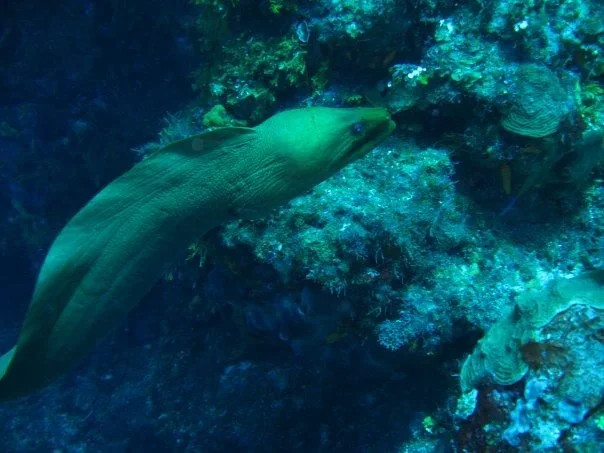
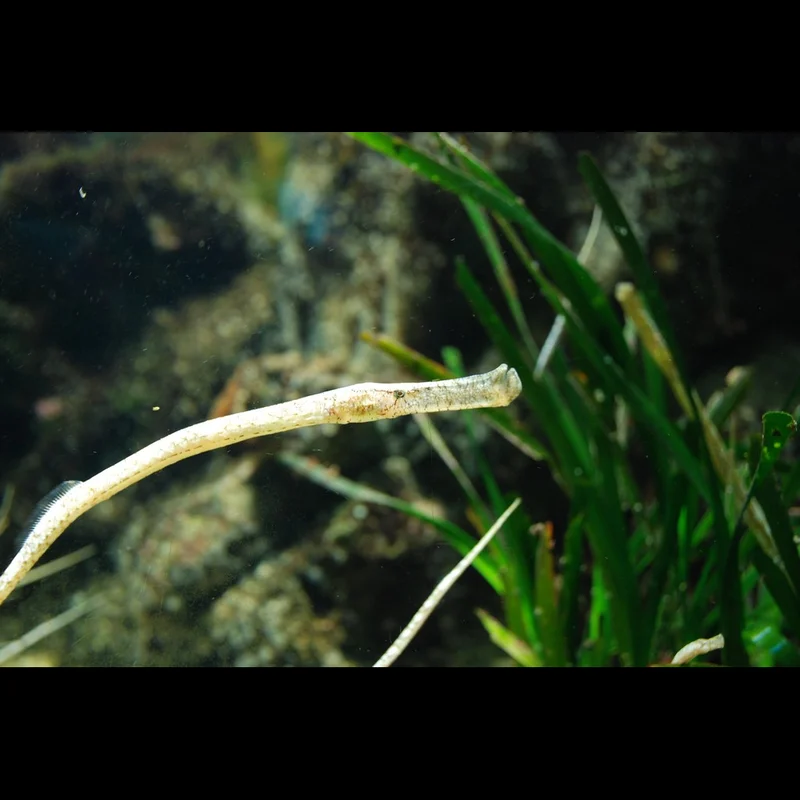
An underwater landscape at this Venezuelan reef provides a dynamic habitat for a variety of life, making each dive an observation of its residents. Among noted species are Moray Eels, often found tucked into crevices within coral formations, and Pipefish, which are more elusive and blend seamlessly with sea grass and sandy patches.
A broader reef ecosystem supports a typical Caribbean array of reef fish, sponges, and corals. Keep an eye out for smaller crustaceans and juvenile fish utilizing the reef's intricate hiding spots.
Encounters with larger pelagics are less consistently reported but always a possibility in a healthy reef environment.
Dive Sites Near Alice in Wonderland
View all dive sites in VenezuelaDiscover more underwater gems in this area.
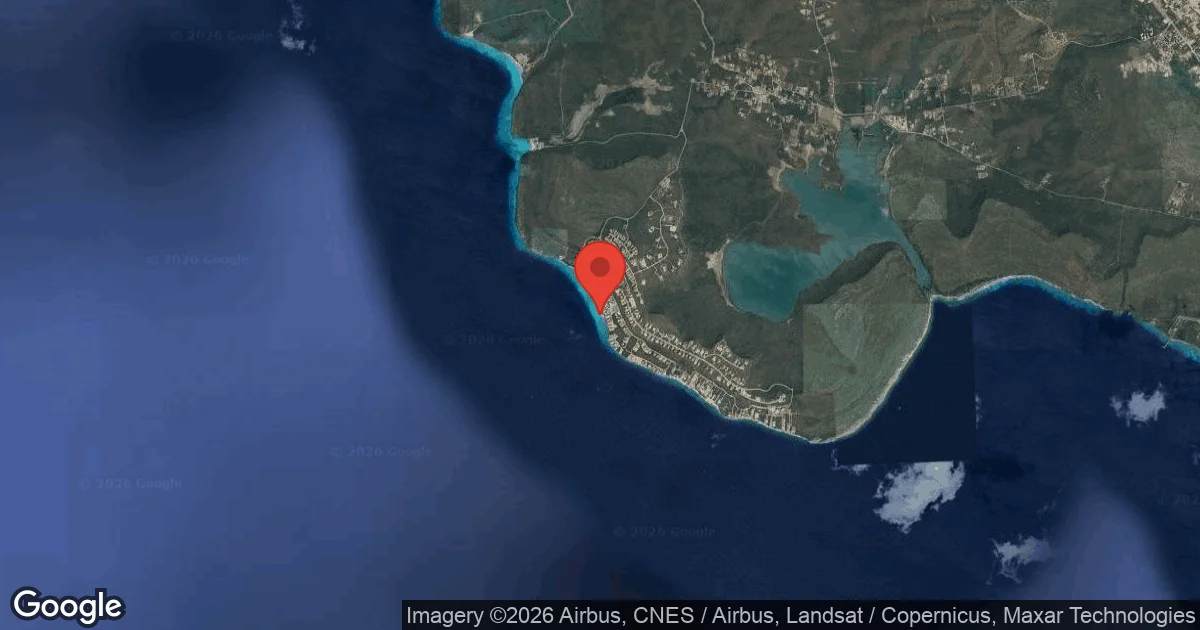
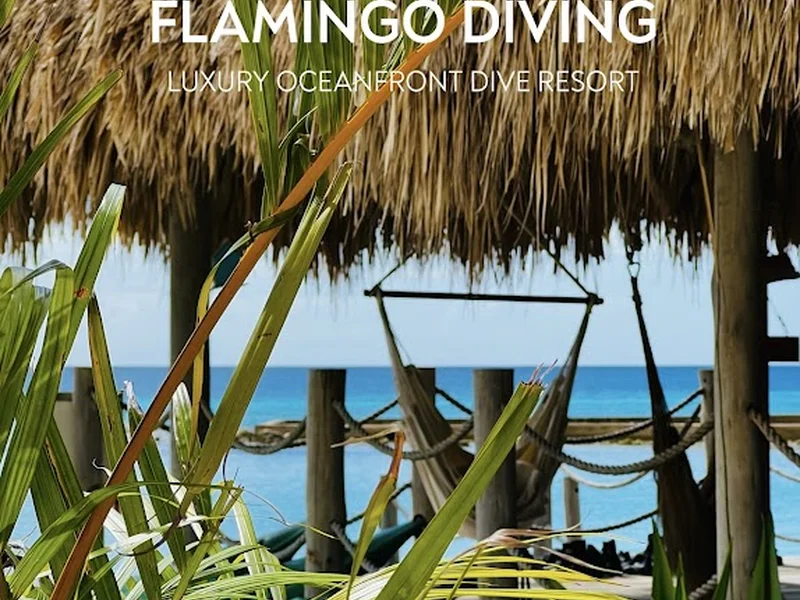
Dive Centers Near Alice in Wonderland
Today: 09:00 - 17:00
Nearest Airports
Nearest airports to help plan travel to this dive area.
Search Flights
Check available flights and routes on Expedia, using the nearby airports listed in this section.
Search Flights on ExpediaFrequently Asked Questions
What are the general water conditions like for diving this site?
While precise water temperature data is limited for some months, conditions are generally warm year-round. Divers typically experience mild currents, which can vary based on local weather patterns, making it generally suitable for relaxed exploration.
Is shore entry or boat entry more common for Alice in Wonderland in Venezuela?
Information on the common entry method for this particular site is not widely available. However, many Caribbean reef dives can be accessed either from shore or by boat, depending on the specific location's logistics and local dive operator services.
What type of marine life can I expect to see?
This reef ecosystem supports a range of species, including Moray Eels often hidden in coral, and Pipefish among the sandy areas. Divers can also anticipate encountering various reef fish and invertebrates typical of a healthy Caribbean coral reef.
When is the best time of year to dive Alice in Wonderland for optimal visibility?
Optimal visibility is generally experienced during months with lower rainfall and stable wave conditions, which tend to be from September through April. While rainfall is low year-round, avoiding any localized wet periods is advisable for the clearest water.
What level of dive experience is recommended for this site?
With generally mild conditions and a reef environment, the site is suitable for certified divers of varying experience levels. Beginners should ensure they are comfortable with buoyancy control, while more experienced divers can appreciate the extensive reef ecosystem.
Planning to dive Alice in Wonderland?
Send one inquiry and receive offers directly from the best verified local dive operators.
Conditions are Moderate
High Wind Advisory (42km/h). Unsafe surface.
Current conditions near Alice in Wonderland show 29° air, 29° sea temperature, 1.4 m waves, and 42 km/h wind. Forecast data is refreshed regularly to ensure accuracy.