
Diving at Coral Habitat (Venezuela)
Venezuela's diving legacy in regions like Los Roques and Henri Pittier National Park extends back over 18 years, with local operators actively engaged in conservation. Establishing artificial reefs and managing coral farm projects highlights a deep commitment to marine protection. This long-standing dedication has cultivated a vibrant underwater environment, drawing divers to diverse sites across the Venezuelan Caribbean coast.
Evening condition tracking at Coral Habitat features an air temperature of 28.5°C. We have recorded wave heights measuring 0.8 m during this period. These figures outline the environmental parameters currently present.
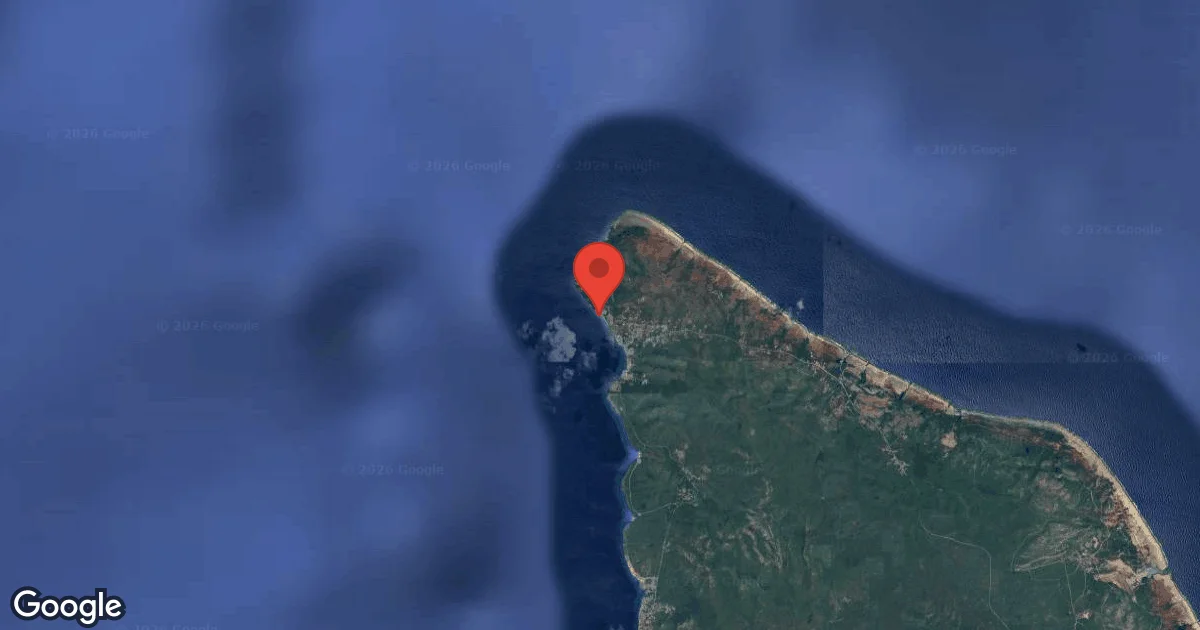
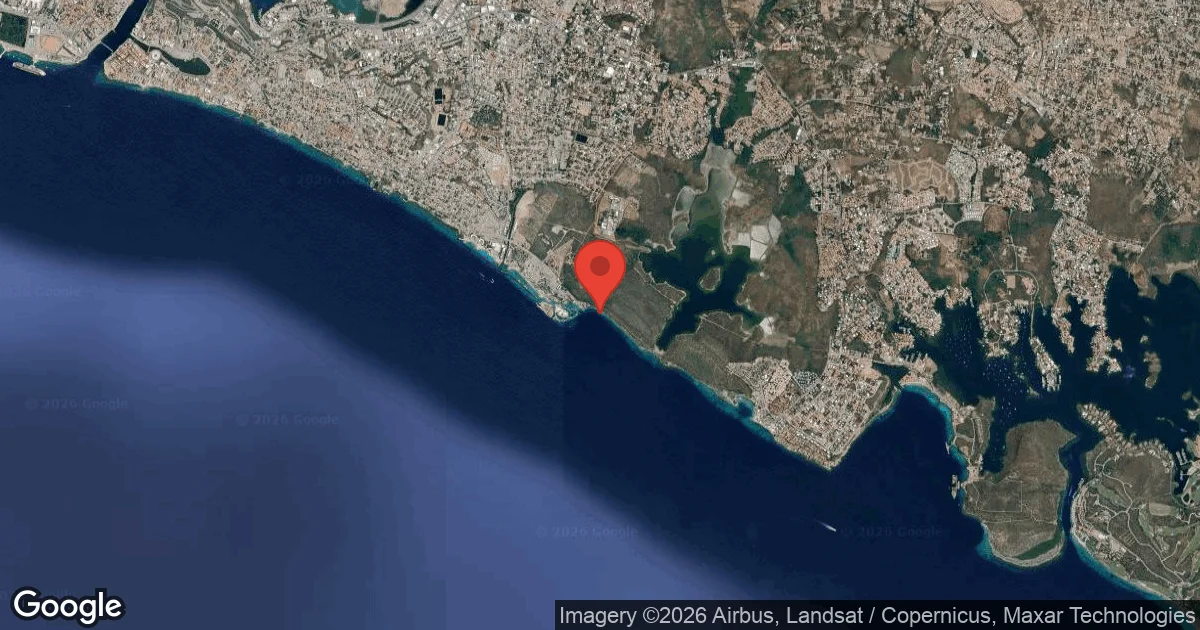
Dive Site Location & Key Facts
Dive Site Overview
Exploring Venezuela's 'Coral Habitat' reveals a captivating and varied underwater topography, primarily characterized by extensive coral reefs and dramatic vertical walls. Sites like Dos Mosquises plunge to depths of 43 m (140 ft), showcasing vast coral formations, while La Salina offers thrilling vertical walls and grottos descending to 32 m (105 ft).
Elsewhere, the tranquil coral gardens of Madrisquí, shallower at 15 m (50 ft), provide excellent opportunities for macro photography. Navigating these diverse terrains, divers will encounter everything from intricate reef structures to the remnants of a sailing ship wreck at Morrito, found at a more accessible 18 m (60 ft). Many locations, particularly within Henri Pittier National Park and around La Ciénaga, feature multiple distinct dive points, ensuring a different experience for every dive.
Conditions are Good
Optimal conditions expected
Current conditions near Coral Habitat show 28° air, 29° sea temperature, 1.3 m waves, and 39 km/h wind. Forecast data is refreshed regularly to ensure accuracy.
Best Time to Dive
Considering the regional climate patterns, planning a dive in Venezuela is generally favorable from January to May and then again from August to December. During these periods, dive scores are typically rated 'Good'. Air temperatures consistently range between 27-30°C (81-86°F) year-round, contributing to comfortable surface conditions. Rainfall remains notably low, often below 2 mm, ensuring clear skies. However, some months like June and July see a moderate dive score due to higher average wave heights, reaching around 1.2 m (3.9 ft), and stronger winds. While specific water temperature data isn't consistently reported, the warm Caribbean air temperatures generally indicate pleasant underwater conditions.
PEAK SEASON SCORE
Scores combine air & water temps, waves, wind & rainfall for overall conditions.
BEST MONTHS TO DIVE
Monthly records compiled from satellite and marine observation nodes over the last 3 years. Data provided by Open-Meteo and MET Norway.
Dive Experience & Conditions
Current dynamics are a notable factor across Venezuela's diverse dive sites, influencing the overall underwater experience. Locations such as La Salina are known for strong currents, presenting a challenging yet rewarding dive along its vertical walls and grottos. Conversely, Morrito is celebrated for its calm conditions, often without current, making it a suitable choice for introductory or refresher dives. Moderate currents can be anticipated at sites like Ahogada. Visibility also varies significantly, ranging from more limited conditions in some deeper wall sections up to an exceptional clarity, extending over 40 meters in clearer areas, depending on the specific site and prevailing conditions. These varied conditions ensure a dynamic environment for divers to explore. Divers should expect depths primarily within recreational limits, though some walls extend much deeper.
Dive Difficulty & Safety Guidelines
Diving in areas with strong currents, particularly at sites like La Salina, requires careful planning and appropriate skill levels. Divers should always assess current strength before entering the water and be prepared with proper drift diving techniques if conditions warrant. When exploring grottos and vertical walls, maintaining good buoyancy control and being aware of overhead environments is crucial.
Operators affiliated with recognized agencies like SSI prioritize safety, emphasizing instructor guidance and adherence to established protocols. Always ensure your equipment is in good working order and consider diving with experienced local guides who possess intimate knowledge of the specific site's conditions and any potential hazards.
Recommended Equipment
- Dive Computer
This gear list is based on verified equipment signals for Coral Habitat, Venezuela. Always confirm final gear choices with your dive operator, guide, or liveaboard.
Recommended Dive Suit
Forecast trends indicate similar diving conditions over the next few days.
Many experienced divers would consider 2-3mm shorty or light wetsuit an appropriate choice here. Consider warmer surface protection (like a boat coat) due to brisk winds.
At Coral Habitat, the water is currently sitting around 29°C (83°F). Surface air temperatures are resting at 28°C (83°F).
Due to technical issues with our weather providers, live updates are temporarily delayed. The data above reflects the conditions at the time of the last successful fetch.
Emergency & Medical Support
Essential information to help you plan your dive trip to Coral Habitat.

Hyperbaric chambers are a critical part of dive safety infrastructure. Availability varies significantly by region, and not all dive areas have immediate access.
Before diving, it's recommended to:
- confirm nearest medical facilities
- check emergency procedures with local dive operators
- ensure dive insurance covers evacuation if required
Divers Alert Network
Diving emergency assistance available through DAN World.
+1-919-684-9111- 24/7 emergency hotline
- Diving medical assistance
- Evacuation coordination
Emergency contacts are provided for reference. Always verify local emergency services before diving.
Marine Life at Coral Habitat
The underwater landscape throughout the Venezuelan 'Coral Habitat' fosters a rich and diverse array of marine life. Abundant coral formations, including striking black coral, characterize many sites, providing habitat for numerous reef fishes of every type.
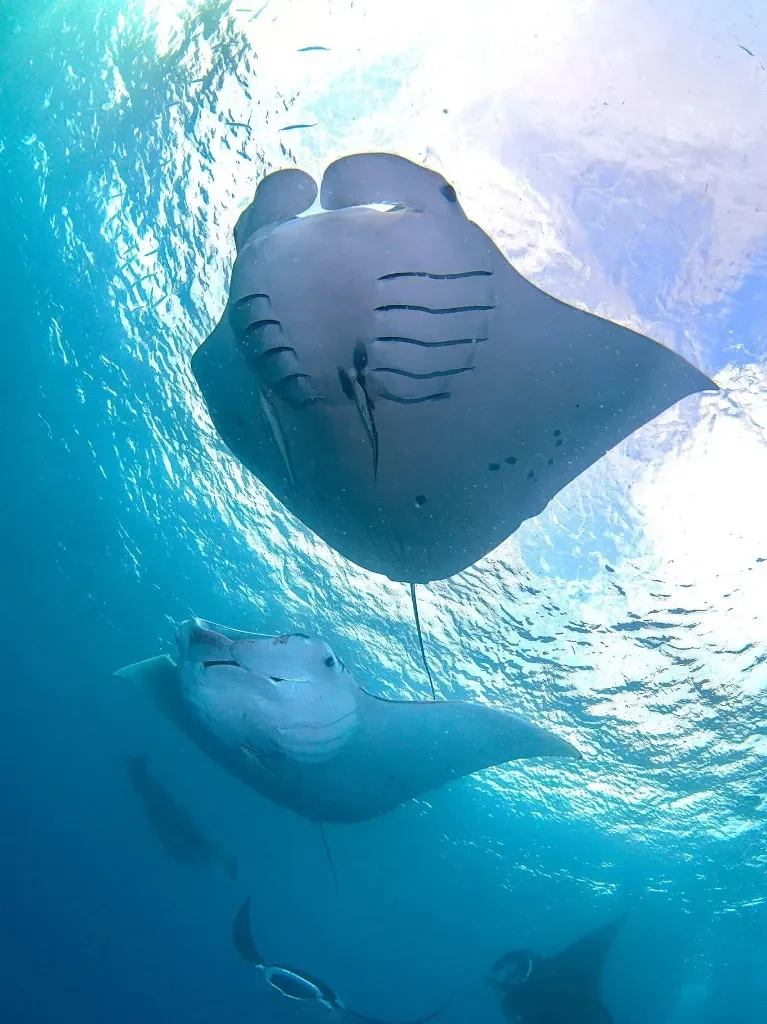
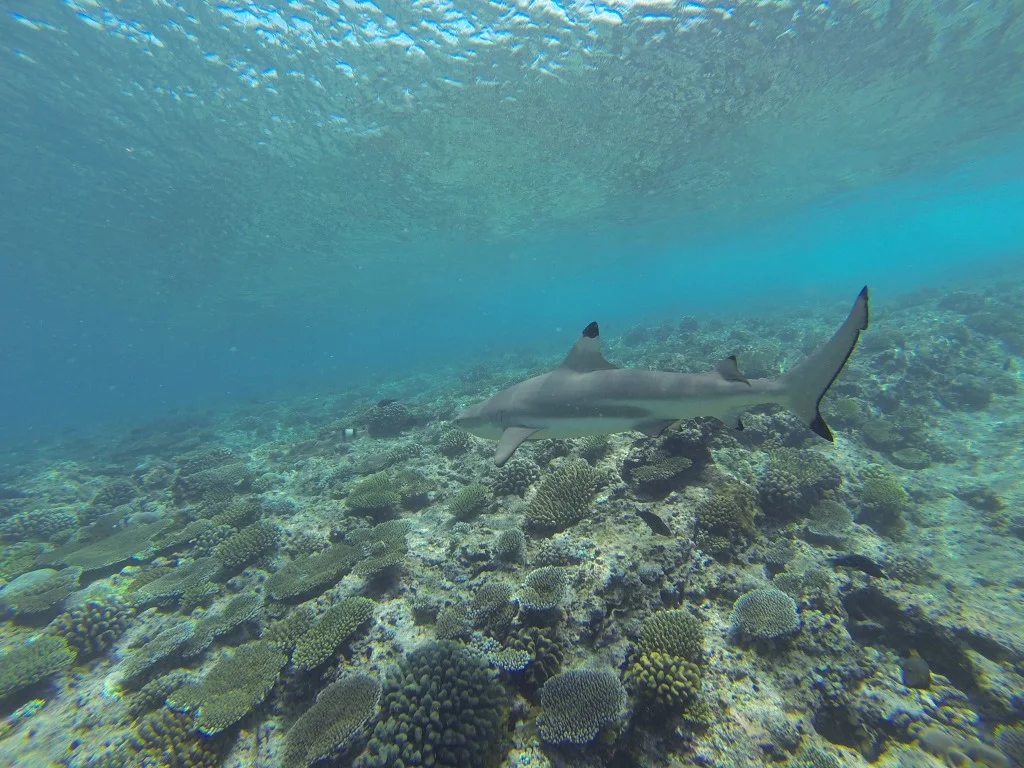
Observing marine turtles is a common delight, especially around Dos Mosquises and Boca de Cote, where they frequent the extensive coral. Encounters with pelagic fish are regular, and chances to spot sharks and various rays, including manta rays, are good at sites like La Salina and Sebastopol.
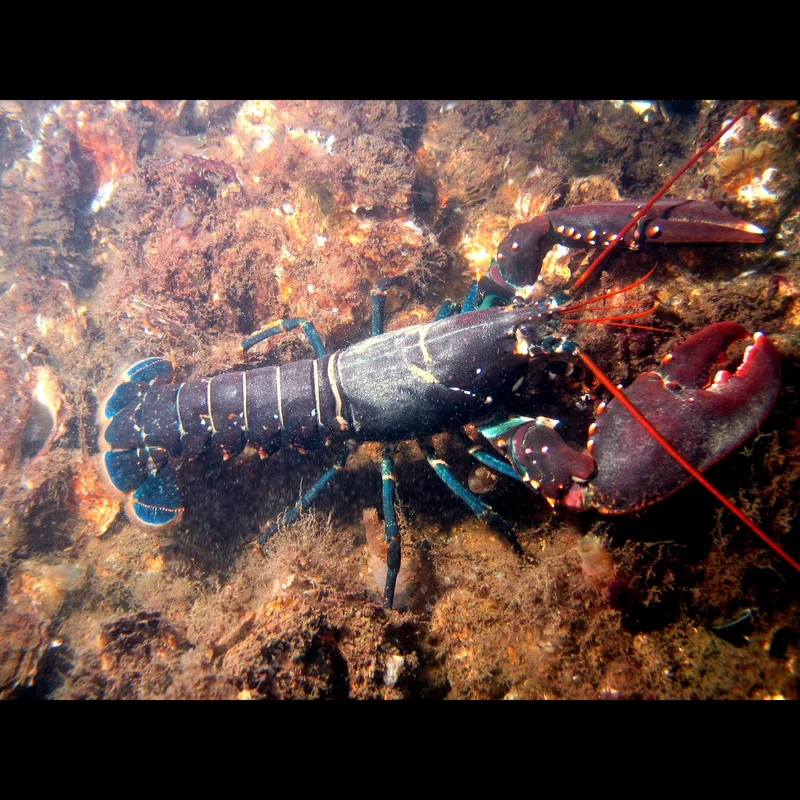
Lobster populations thrive along the walls, and grottos are home to a vibrant collection of shellfishes and colored sponges.

Dive Sites Near Coral Habitat
View all dive sites in VenezuelaDiscover more underwater gems in this area.
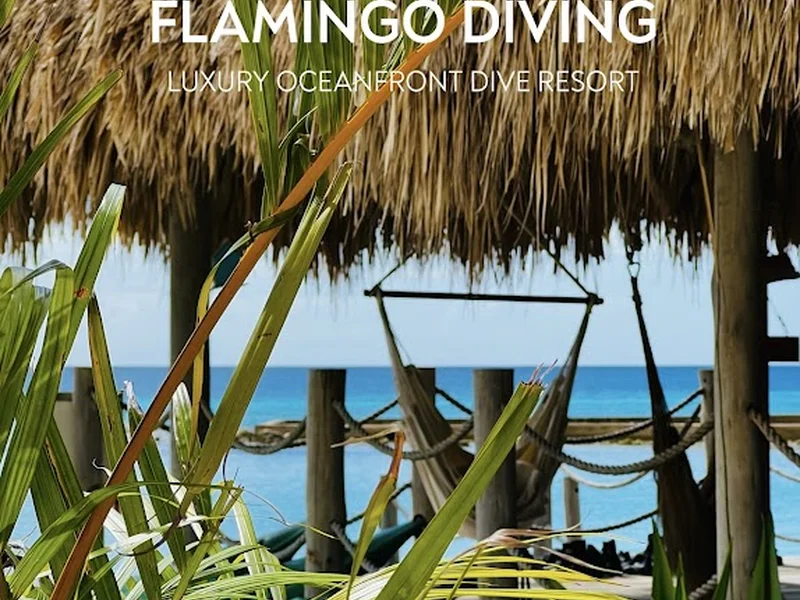
Dive Centers Near Coral Habitat
Today: 09:00 - 17:00
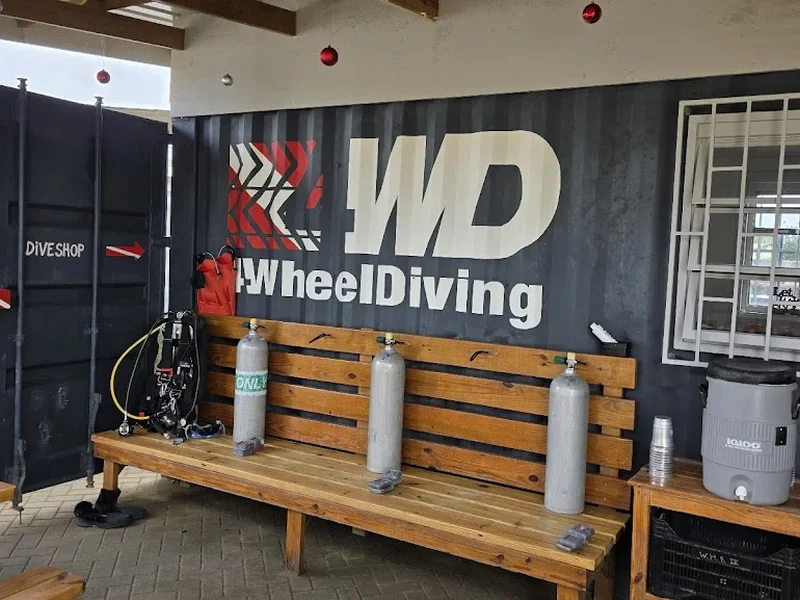
Nearest Airports
Nearest airports to help plan travel to this dive area.
Search Flights
Check available flights and routes on Expedia, using the nearby airports listed in this section.
Search Flights on ExpediaFrequently Asked Questions
What is the typical visibility range at Venezuelan dive sites?
Visibility varies considerably across the region. Some sites, especially deeper wall sections, might experience more limited visibility, while clearer conditions can extend to impressive distances, often reaching up to 45 meters in optimal areas.
Are there any specific dive sites known for strong currents?
Yes, La Salina is noted for its strong currents, offering an exciting drift dive experience. Other sites, such as Ahogada, may experience moderate currents, requiring divers to be proficient in relevant techniques.
What kind of marine life can I expect to see?
Divers can expect to encounter diverse coral species, a wide variety of reef and pelagic fish, marine turtles, lobsters, and sponges. Opportunities also exist to spot sharks, rays, and even manta rays at certain sites like Sebastopol.
Are there dive sites suitable for less experienced divers?
Absolutely. Morrito, with its maximum recreational depth and lack of strong currents, is often recommended for refreshing skills or for divers seeking a simpler, safer experience. Many areas also have shallower sections suitable for all levels.
Are there any wrecks to explore in the area?
Yes, a sailing ship wreck is present at the Morrito dive site. This relatively shallow wreck adds an interesting historical element to the natural reef landscape.
What dive organizations operate in this region?
Refugio de Buzos, an SSI Instructor Training Center, operates in the region, organizing trips from Valencia to various dive sites, including those around Morrocoy and La Ciénaga de Ocumare. They are involved in both training and conservation efforts.
Planning to dive Coral Habitat?
Send one inquiry and receive offers directly from the best verified local dive operators.
Conditions are Good
Optimal conditions expected
Current conditions near Coral Habitat show 28° air, 29° sea temperature, 1.3 m waves, and 39 km/h wind. Forecast data is refreshed regularly to ensure accuracy.