
Diving in Venezuela
Dive sites throughout Venezuela offer varying conditions, requiring awareness of local differences when planning. We currently feature 11 mapped dive sites across Venezuela.
Venezuela's diving identity is anchored by its extensive Caribbean coastline and the pristine nature of its protected marine areas. Los Roques Archipelago, notably its oldest marine park, stands out as a prime example, offering some of the Caribbean Sea’s most untouched dive sites.
Diving here allows for encounters with tropical fish, graceful rays, and sea turtles, particularly in areas like Los Roques and Mochima National Park. This country, with its significant coastal stretch, provides distinct underwater environments for exploration.
Dive Map of Venezuela
Diving activity in Venezuela is concentrated along its Caribbean coastline and across its various islands and remote archipelagos. Key locations for underwater exploration include the Los Roques Archipelago, situated in the Caribbean Sea off the Venezuelan coast.
Further dive sites are found in Mochima National Park and around Isla de Margarita, located in Northeast Venezuela. La Blanquilla also contributes to the Venezuelan Caribbean's documented dive sites.
Dive Sites to Explore
View all 11 sites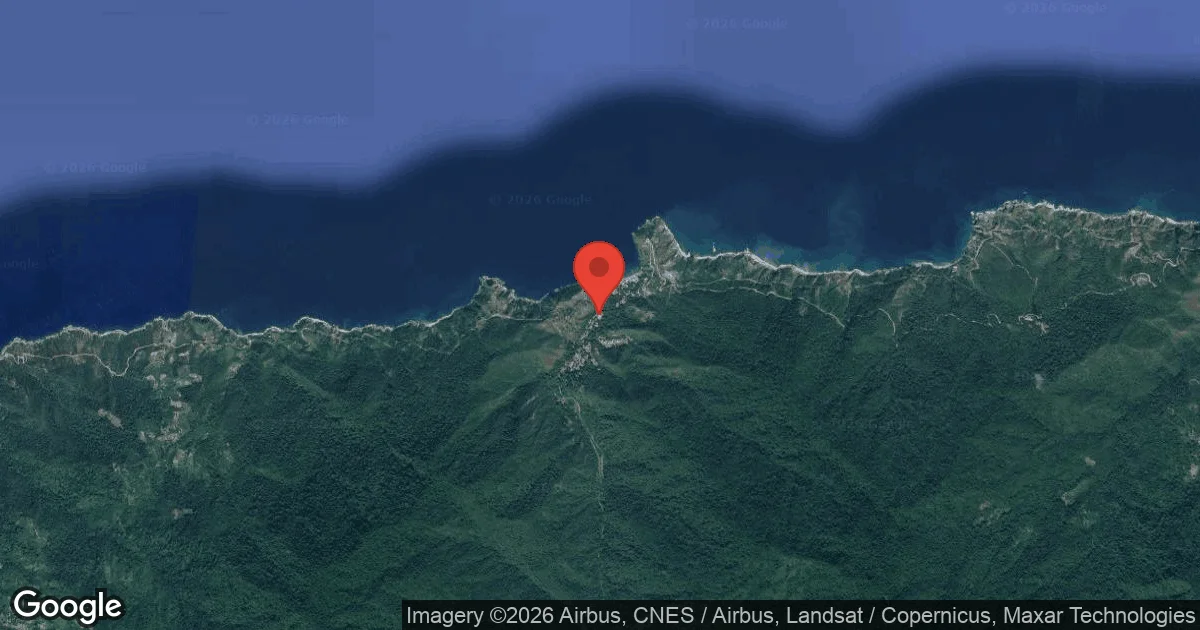
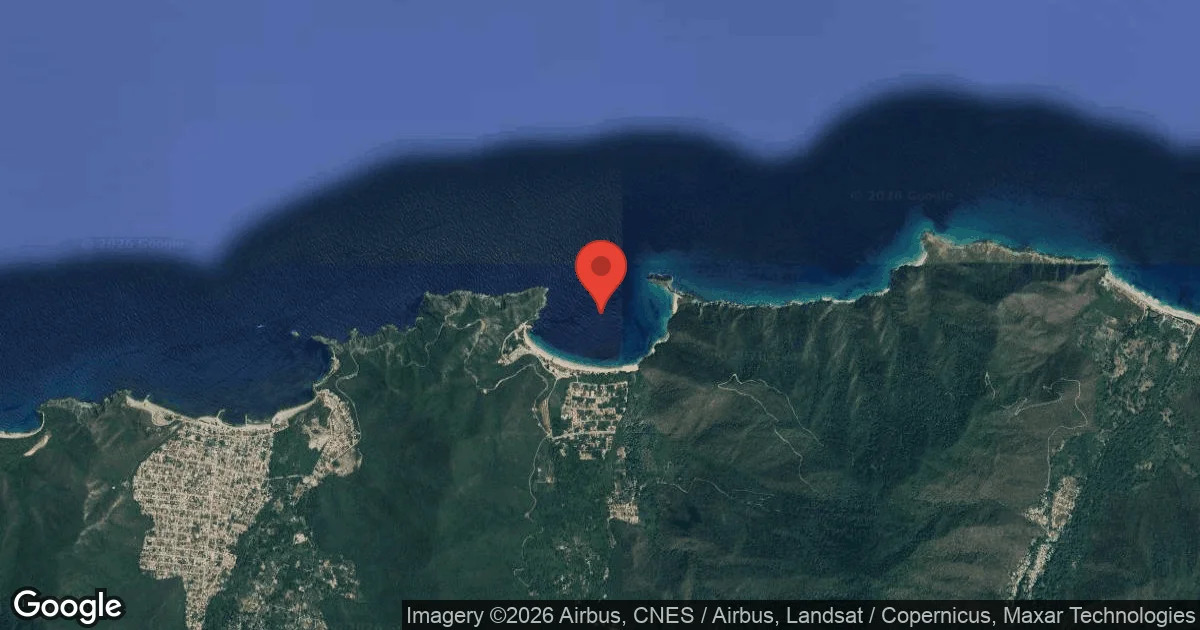
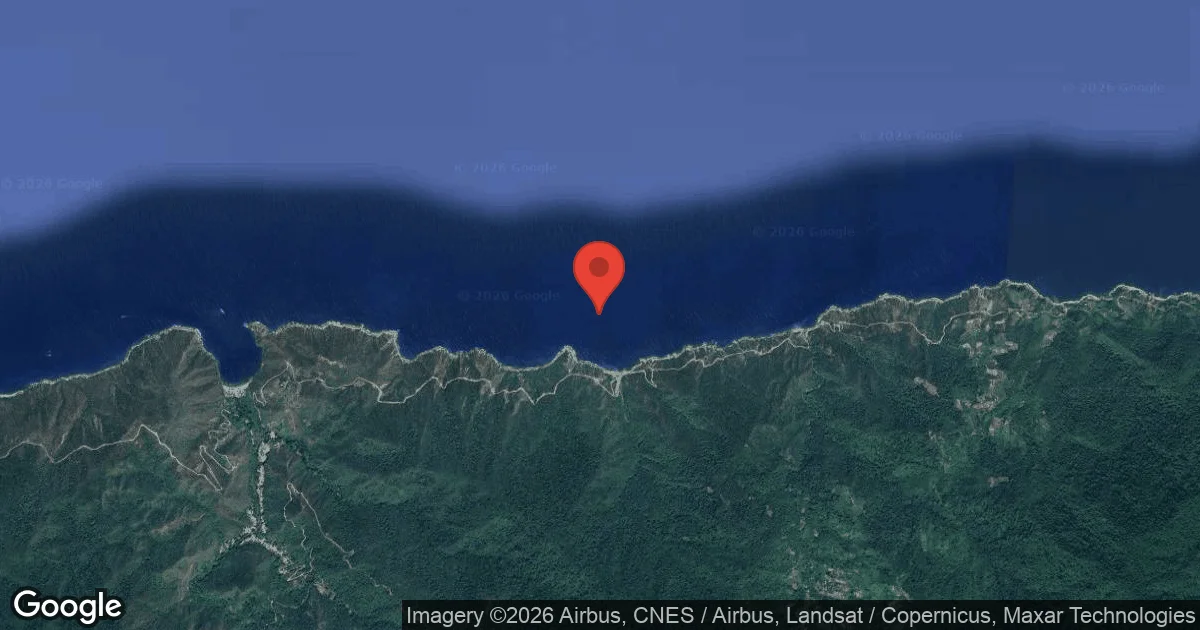
Diving in Venezuela offers a range of experiences, primarily centered around vibrant coral reefs and impressive wall dives. The Los Roques Archipelago is recognized for its pristine dive sites and clear waters, where divers can observe diverse marine life.
Isla de Margarita, in Northeast Venezuela, features extensive coral gardens and a variety of marine species. For those seeking dramatic topography, La Blanquilla in the Venezuelan Caribbean presents stunning wall dives alongside its own pristine coral reefs. Visibility generally ranges from 20 to 30 meters (65 to 98 feet), occasionally exceeding 30 meters (100 feet).
Best Time to Dive in Venezuela
The optimal period for diving in Venezuela is from December to April. This timeframe coincides with the dry season, characterized by calmer seas and excellent visibility.
While good visibility can be experienced year-round in the warm Caribbean waters, conditions can fluctuate. Bad weather along the coast may lead to a decrease in water visibility.
Monthly Sea Temperatures
Sea temperatures in Venezuela exhibit a comfortable range, typically between 26°C and 29°C (79°F to 84°F). In the northern areas, summer temperatures can reach the mid-80s°F (around 29°C).
During the winter months, these temperatures may drop slightly to the mid-70s°F (around 24°C-25°C), still providing pleasant conditions for diving.
| Jan | Feb | Mar | Apr | May | Jun | Jul | Aug | Sep | Oct | Nov | Dec | |
|---|---|---|---|---|---|---|---|---|---|---|---|---|
| Max | 27° | 27° | 27° | 27° | 29° | 29° | 29° | 29° | 30° | 30° | 30° | 29° |
| Avg | 26° | 25° | 25° | 25° | 27° | 27° | 27° | 28° | 28° | 29° | 28° | 26° |
| Min | 24° | 24° | 24° | 24° | 25° | 26° | 25° | 27° | 27° | 27° | 26° | 24° |
Dive Conditions
The underwater environment in Venezuela generally features good visibility, often ranging from 20 to 30 meters (65 to 98 feet), and at times exceeding 30 meters (100 feet). However, adverse weather along the coast can reduce this clarity.
Currents are typically mild throughout the dive sites. It's important to note that current strength can vary depending on the specific location and local conditions.
Marine Life Highlights
Most Mentioned Species
Marine life in Venezuela varies across dive locations, with different species appearing depending on environment and conditions. The species highlighted here are the most frequently associated with dive sites in our data, offering a realistic overview of what divers are most likely to encounter.
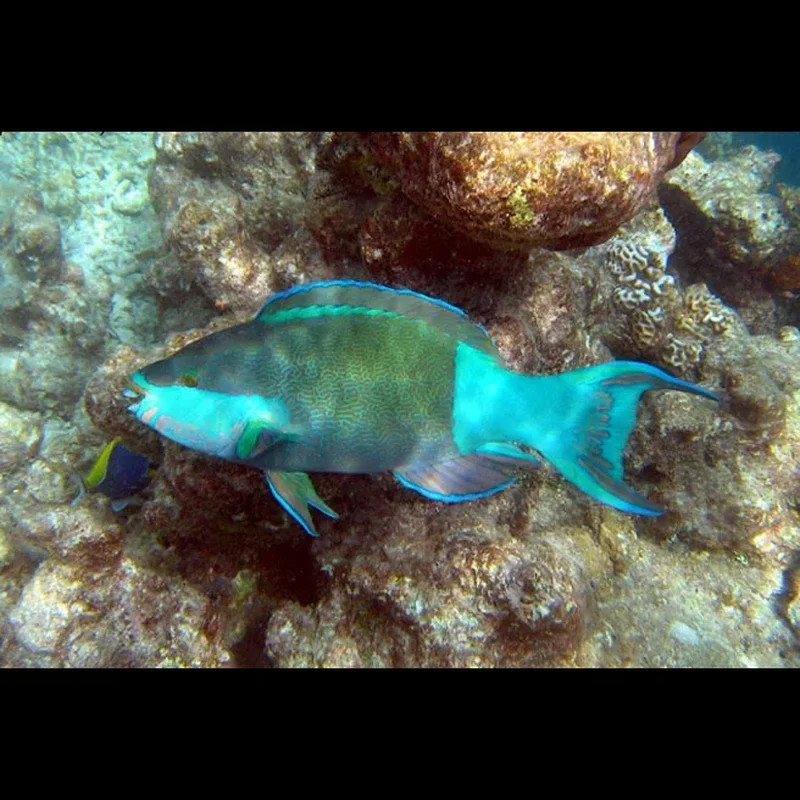
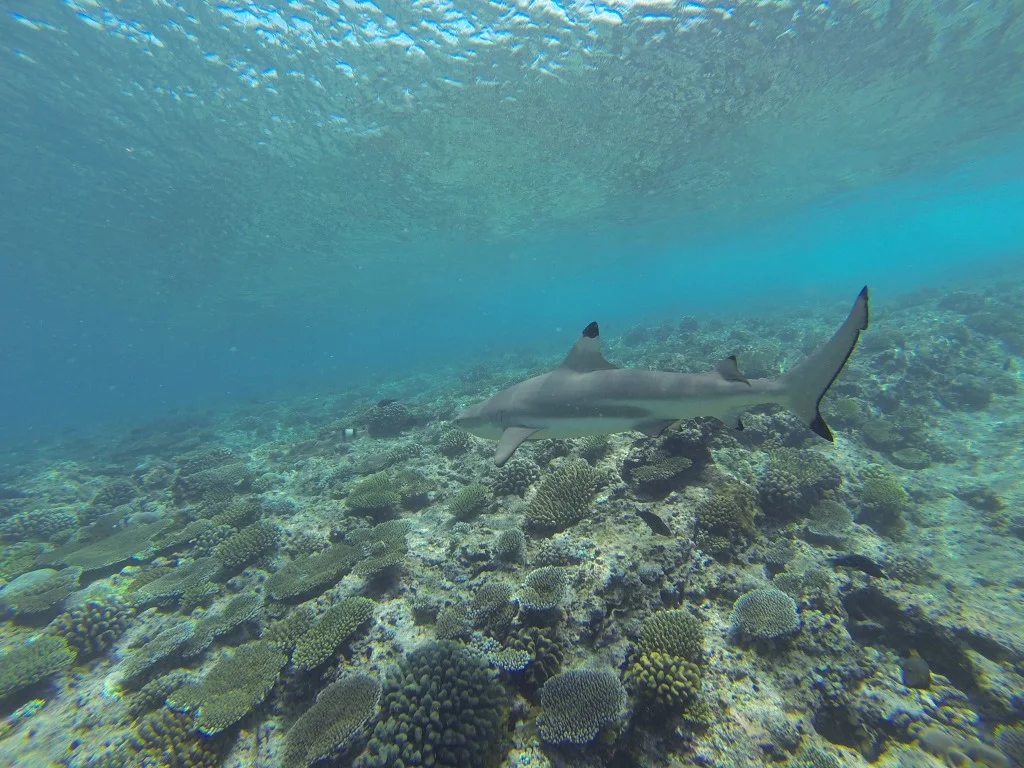
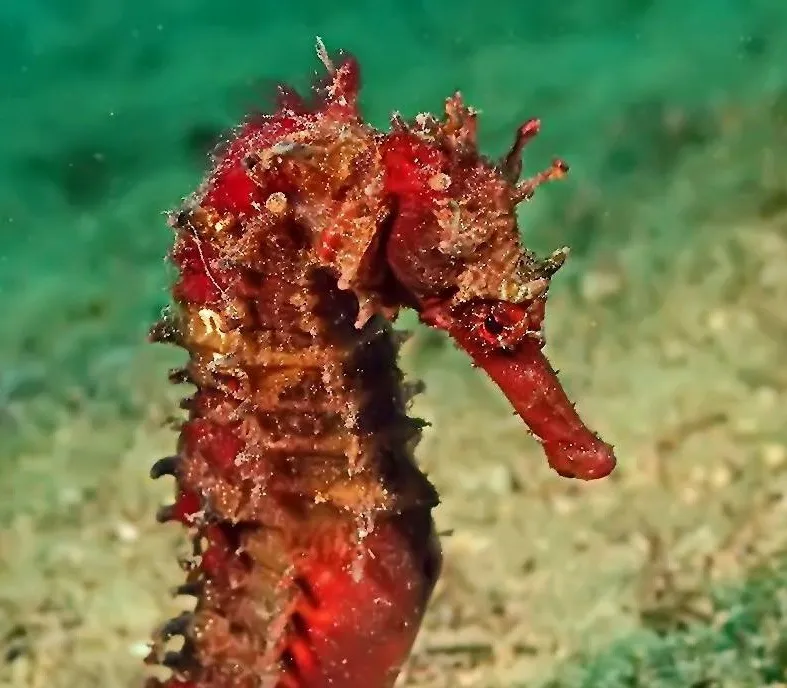
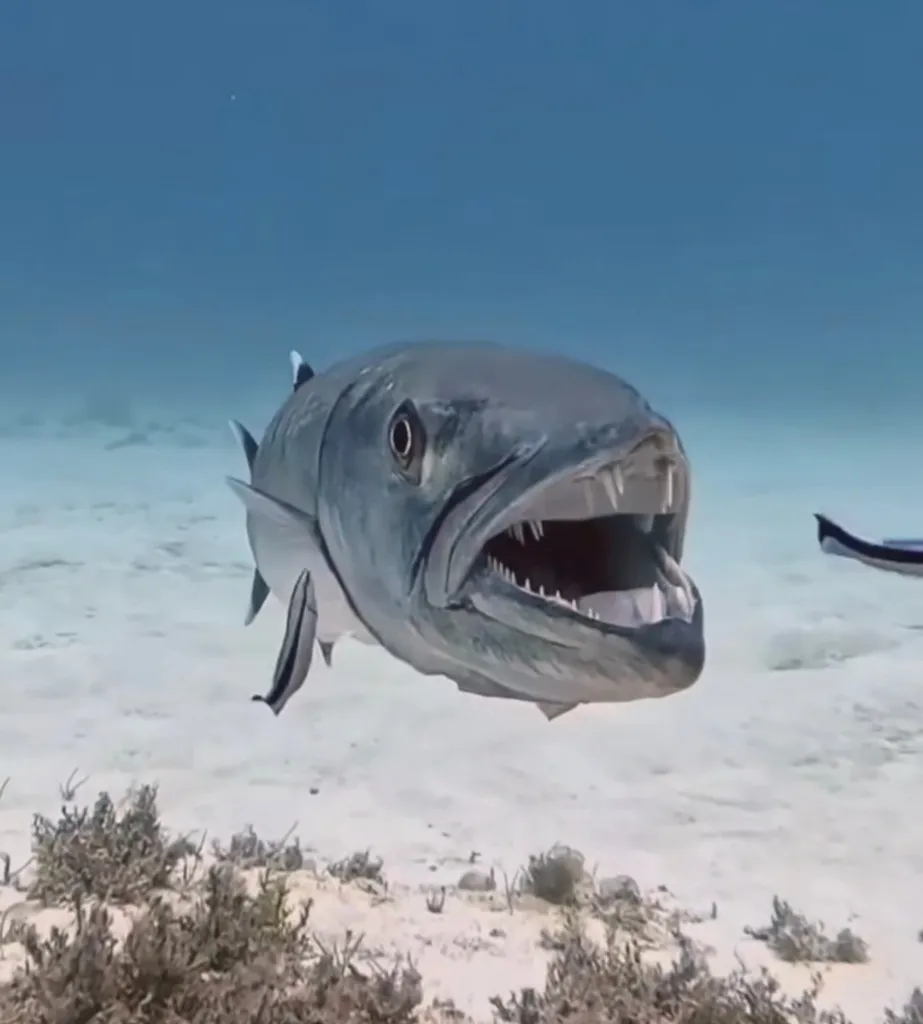
The marine life observed in Venezuela's waters includes a variety of species, from common sightings to occasional larger encounters. Divers frequently encounter sea turtles, graceful rays, barracudas, and numerous species of tropical fish.
Notable species include the queen angelfish and parrotfish. There are also occasional sightings of whale sharks, adding to the diversity of the underwater ecosystem.
Regions for Diving
Diving styles across Venezuela's coastal regions vary, offering distinct experiences. The Los Roques Archipelago is known for its pristine dive sites, where the focus is on clear waters and observing marine life like turtles and rays.
Mochima National Park provides opportunities to see schools of tropical fish, rays, and sea turtles within its marine environments. In Northeast Venezuela, Isla de Margarita is recognized for its coral gardens and diverse marine species. The Venezuelan Caribbean also features La Blanquilla, offering wall dives and pristine coral reefs.
Travel & Passport Guide
Travel Basics
Trip Planning
Safety & Diving Considerations
Available dive information for Venezuela is concentrated around a limited number of documented locations rather than being widely distributed. When planning dives, it is important to consider the local conditions.
Currents are generally mild across sites, though they can vary. Divers should always consult with local operators for site-specific conditions and safety protocols.
Dive Centers in Venezuela
View all 13 dive centers
Frequently Asked Questions
What is the best time of year to go diving in Venezuela?
The prime diving season in Venezuela is from December to April. This period offers the dry season's calmest seas and best visibility, though good visibility is often experienced year-round.
What kind of marine life can I expect to see while diving?
Divers can expect to encounter sea turtles, graceful rays, barracudas, and a variety of tropical fish. Specific sightings may include queen angelfish, parrotfish, and on occasion, whale sharks.