
Diving at Aldens Cave - Flinders Reef (Australia)
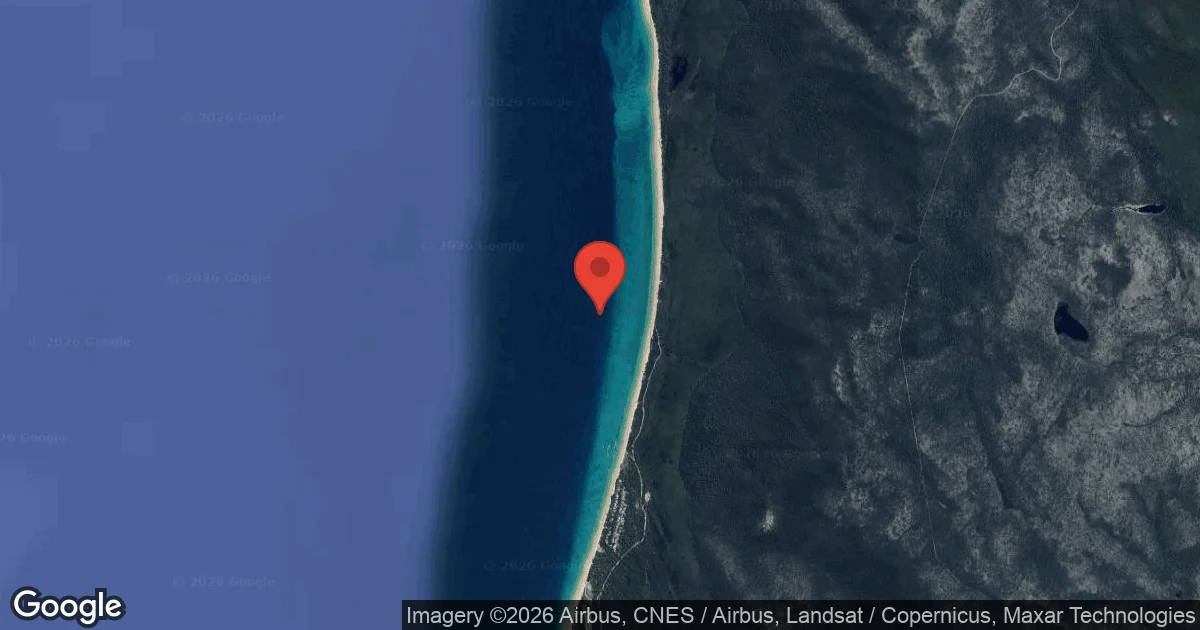
Aldens Cave challenges divers with a short, wide swim-through located on Flinders Reef's exposed Eastern flank. Expect dynamic conditions here, with dramatic reef structures and often clearer visibility serving as rewards. It's a site that tests and rewards certified recreational divers, offering depths up to 20 m (65 ft).
Evening condition tracking at Aldens Cave - Flinders Reef features an air temperature of 21.5°C. We have recorded wave heights measuring 0.9 m during this period. These figures outline the environmental parameters currently present.
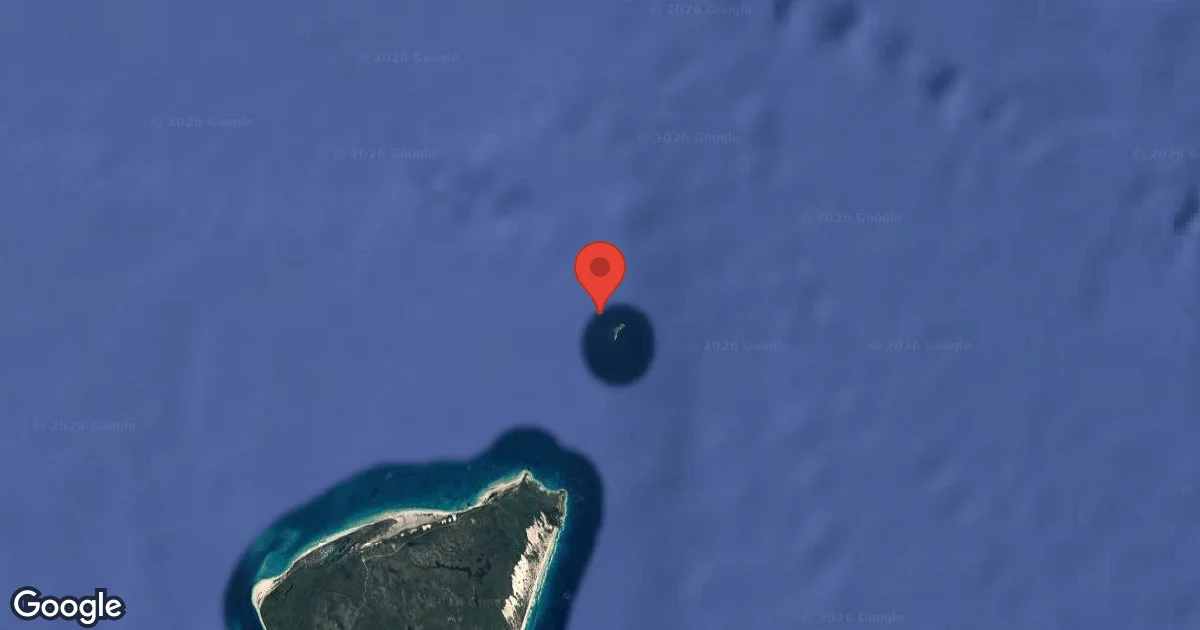
Dive Site Location & Key Facts
Dive Site Overview
Located on the eastern side of Flinders Reef, Aldens Cave is a prominent swim-through, inviting divers into a resilient underwater landscape. Its exposure to weather and heavier seas has fostered exceptionally hardy coral structures across this reef section.
Consequently, reef formations appear more dramatic here, with extensive encrusting and boulder-type corals dominating the scene. Visibility often proves better due to the exposed nature of the area, providing clear views both within the short, wide swim-through and into the surrounding blue. Divers can observe fast-swimming pelagic fish patrolling the deeper eastern waters.
Closer inspection of numerous cracks and crevices reveals smaller crustaceans, morays, and crayfish. Aldens Cave offers a glimpse into the more robust, outer fringes of the extensive Flinders Reef system.
Reaching a maximum depth of 20 m (65 ft), it combines the thrill of a natural swim-through with a chance to witness life adapted to dynamic oceanic conditions.
Conditions are Good
Optimal conditions expected
Current conditions near Aldens Cave - Flinders Reef show 21° air, 22° sea temperature, 1.1 m waves, and 27 km/h wind. Forecast data is refreshed regularly to ensure accuracy.
Best Time to Dive
Optimizing a dive at Aldens Cave for prime visibility involves considering seasonal weather patterns influencing Flinders Reef. From June through November, conditions are generally better for diving, with moderate dive scores (6) indicating a favorable period. During this time, average wave heights tend to be lower, reaching a minimum of 1.1 m (3.6 ft). This typically translates to calmer waters and improved underwater clarity. Rainfall also decreases significantly in the cooler months, with September seeing the lowest average at 0.96 mm (0.04 in), minimizing runoff and sediment disruption. Air temperatures during these months range from approximately 19°C (66°F) to 23°C (73°F). While specific water temperature data isn't consistently reported, surface water temperatures generally align with the ambient air, suggesting cooler conditions in winter. March, by contrast, shows poorer dive scores (4) due to higher average wave heights of 1.8 m (5.9 ft) and increased rainfall.
PEAK SEASON SCORE
Scores combine air & water temps, waves, wind & rainfall for overall conditions.
BEST MONTHS TO DIVE
Monthly records compiled from satellite and marine observation nodes over the last 3 years. Data provided by Open-Meteo and MET Norway.
Dive Experience & Conditions
Descending into Aldens Cave, divers immediately sense the robust character of this eastern Flinders Reef site. A short, wide swim-through feels both expansive and enclosed, inviting cautious exploration. Coral structures here are notably hardy, dominated by encrusting and substantial boulder-type corals, speaking to the area's exposure to weather and heavy seas. Such resilience creates a visually striking environment, with dramatic reef formations and numerous cracks begging for closer inspection. Often, visibility surpasses expectations in this more exposed area, allowing light to penetrate effectively and reveal vibrant life within. Dynamic water movement acts as a constant reminder of the ocean's power shaping this unique habitat. Expect to navigate a maximum depth of 20 m (65 ft) through fascinating geological features, making each pass a discovery.
Dive Difficulty & Safety Guidelines
Approaching Aldens Cave safely requires adherence to established dive protocols and an awareness of the site's characteristics. PADI Advanced Open Water Diver certification or equivalent training is recommended, given the cave environment. Always carry a dive computer for accurate depth and bottom time tracking.
A surface marker buoy (SMB) and dive flag are essential for boat entries, ensuring your presence is known to surface vessels. Crucially, a torch is a vital piece of equipment, not only for navigating the swim-through's internal features but also for revealing hidden colors and marine life.
While no specific hazards are consistently reported, the site's exposure to heavier seas means conditions can vary; always consult local dive professionals about current conditions before entering the water.
Recommended Equipment
Overhead environment. Do not enter beyond training and gas planning limits.
- Dive Computer
- DSMB
- Primary & Backup Lights
- Reel / Spool
- Cutting Tool
This gear list is based on verified equipment signals for Aldens Cave - Flinders Reef, Australia. Always confirm final gear choices with your dive operator, guide, or liveaboard.
Recommended Dive Suit
Individual comfort in the water can vary significantly from diver to diver, even under the same conditions.
For most recreational dives, 3-5mm wetsuit should provide comfortable protection. A hood or vest is suggested for sensitive divers due to surface winds. Surface intervals may feel cooler. Forecast conditions over the next few days suggest temperatures will remain relatively stable.
Water temperatures across the dive area at Aldens Cave - Flinders Reef are presently estimated to be around 22°C (71°F). Surface air temperatures are resting at 21°C (70°F).
Emergency & Medical Support
Essential information to help you plan your dive trip to Aldens Cave - Flinders Reef.

Hyperbaric chambers are a critical part of dive safety infrastructure. Availability varies significantly by region, and not all dive areas have immediate access.
Before diving, it's recommended to:
- confirm nearest medical facilities
- check emergency procedures with local dive operators
- ensure dive insurance covers evacuation if required
Divers Alert Network
Diving emergency assistance available through DAN World.
+1-919-684-9111- 24/7 emergency hotline
- Diving medical assistance
- Evacuation coordination
Emergency contacts are provided for reference. Always verify local emergency services before diving.
Marine Life at Aldens Cave - Flinders Reef
Upon entering the water at Aldens Cave, divers are often greeted by the larger residents of Flinders Reef. Rays and sea turtles are common sightings, gracefully navigating the reef system.
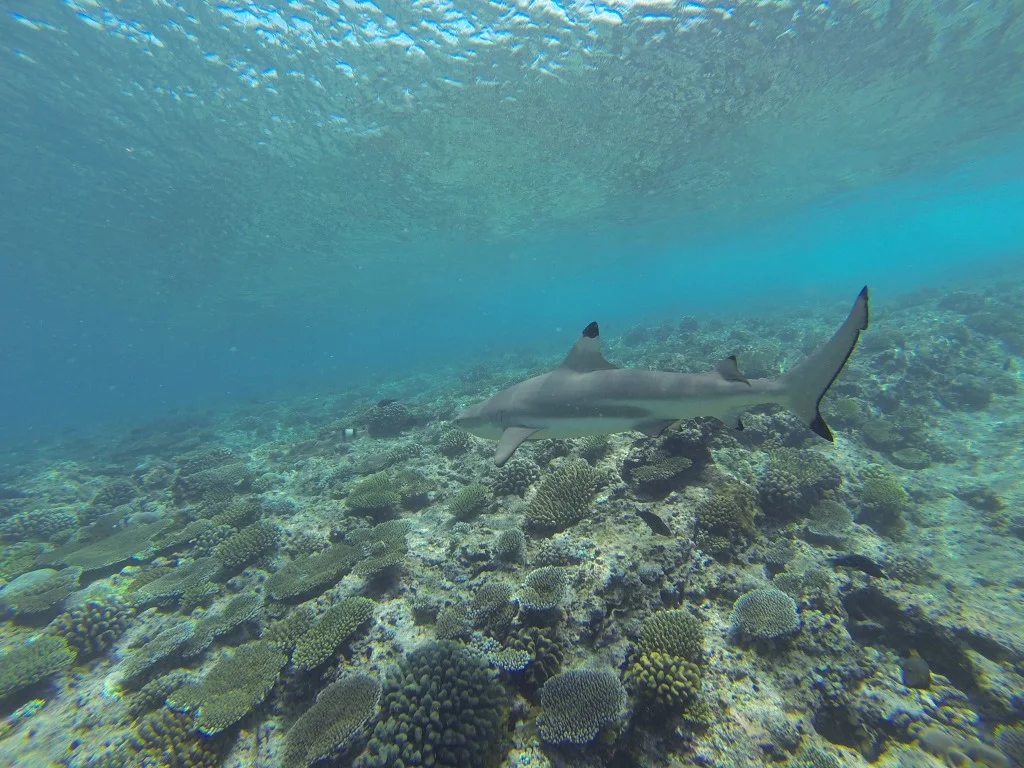
Further out in the blue, particularly off the Eastern areas, keep an eye out for fast-swimming pelagic fish. Though not always guaranteed, occasional sightings of sharks, whales, and dolphins are reported around the broader Flinders Reef area, adding to the anticipation.
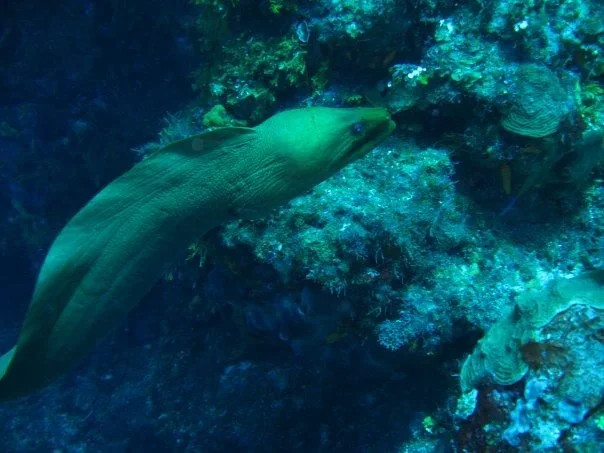
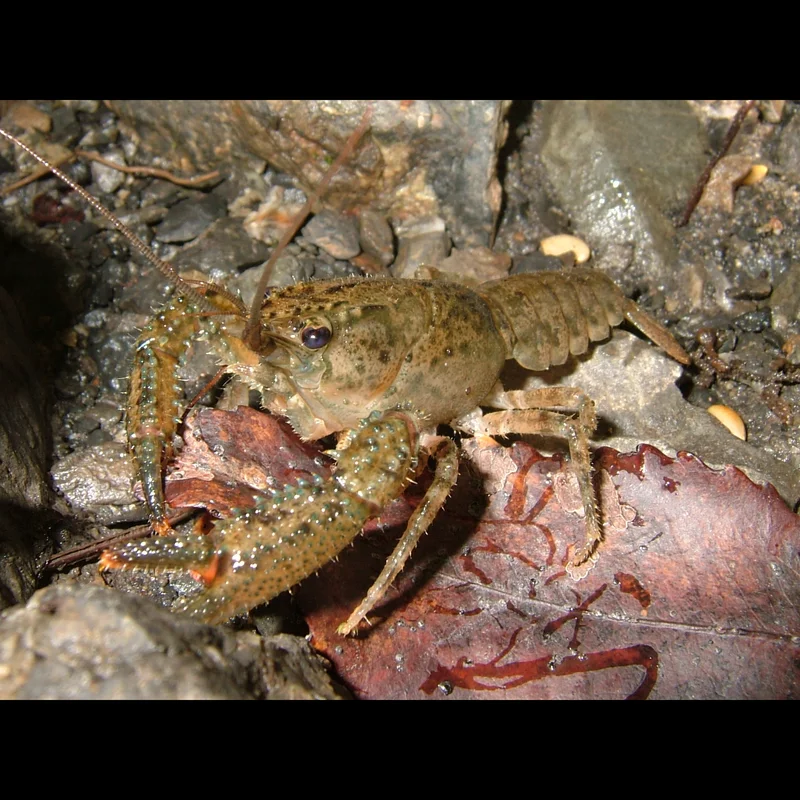
Within the shallower sections and the many reef cracks and crevices around the cave, a different world emerges. Here, you'll observe smaller crustaceans, various morays, and crayfish, perfectly camouflaged against the encrusting corals.

Dive Sites Near Aldens Cave - Flinders Reef
View all dive sites in AustraliaDiscover more underwater gems in this area.
Dive Centers Near Aldens Cave - Flinders Reef

Nearest Airports
Nearest airports to help plan travel to this dive area.
Search Flights
Check available flights and routes on Expedia, using the nearby airports listed in this section.
Search Flights on ExpediaFrequently Asked Questions
What is the maximum depth at Aldens Cave?
Recreational diving at Aldens Cave reaches a maximum depth of 20 meters (65 feet). Certified divers can safely explore these depths.
What type of dive is Aldens Cave?
Aldens Cave is primarily a reef dive with a short, wide swim-through, categorized as both a cave and reef dive type. It's accessible via boat entry.
What kind of coral will I see?
Coral structures on the eastern side of Flinders Reef, near Aldens Cave, are notably hardy. Divers will observe extensive encrusting and boulder-type corals, shaped by the area's exposure to heavier seas.
Is visibility generally good at Aldens Cave?
Visibility often proves better on the Eastern side of Flinders Reef due to its more exposed nature. However, conditions can vary depending on weather.
What marine life can I expect to see?
Divers frequently encounter rays and sea turtles. Keep an eye out for fast-swimming pelagic fish, and look for smaller crustaceans, morays, and crayfish within the reef's cracks and crevices.
Is any special training recommended for this site?
PADI Advanced Open Water Diver certification or equivalent is recommended for diving at Aldens Cave due to its cave environment and potentially dynamic conditions.
What equipment is suggested for Aldens Cave?
Essential gear includes a dive computer, a surface marker buoy, a dive flag, and a torch for exploring the swim-through and revealing details.
Planning to dive Aldens Cave - Flinders Reef?
Send one inquiry and receive offers directly from the best verified local dive operators.
Conditions are Good
Optimal conditions expected
Current conditions near Aldens Cave - Flinders Reef show 21° air, 22° sea temperature, 1.1 m waves, and 27 km/h wind. Forecast data is refreshed regularly to ensure accuracy.