
Diving at Flinders Reef (Australia)
Arriving at Flinders Reef, divers encounter a protected marine sanctuary, distinct in its isolation. This small, true coral reef is the closest to Brisbane, offering an accessible yet immersive experience. Its status within the Moreton Bay Marine Park ensures a preserved environment. Anticipate a vibrant introduction to Queensland's underwater world, a significant draw for local and visiting divers.
Tonight's objective overview for Flinders Reef shows an air temperature of 20°C. The measured surface conditions include wave heights around 1.4 m. This environmental data is logged for the close of the day.
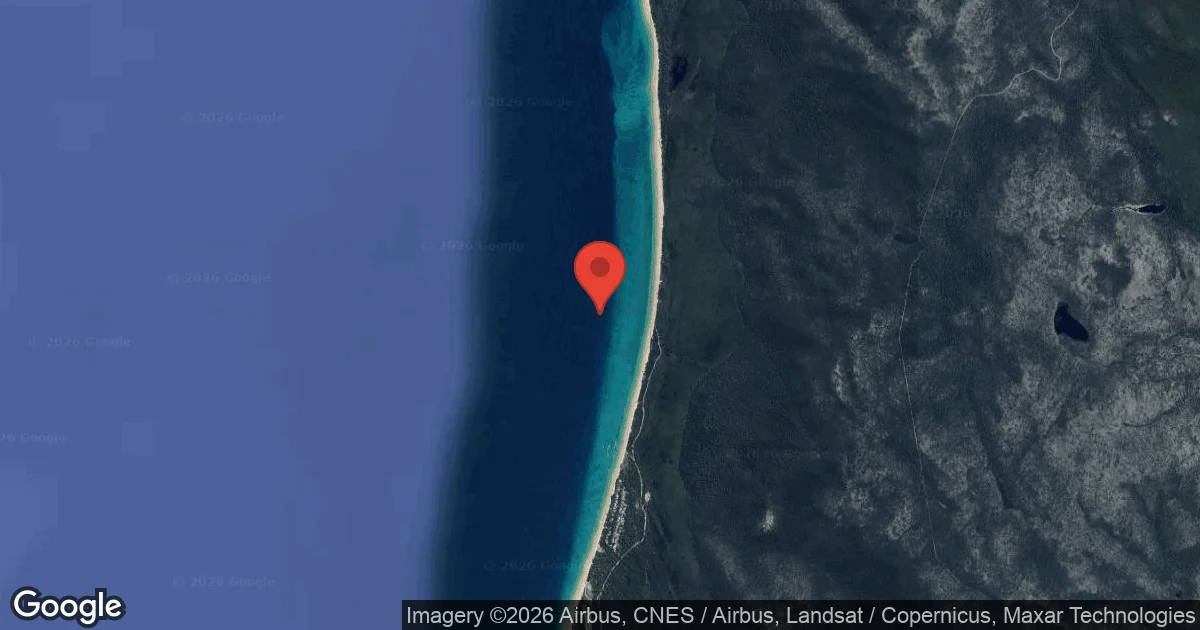
Dive Site Location & Key Facts
Dive Site Overview
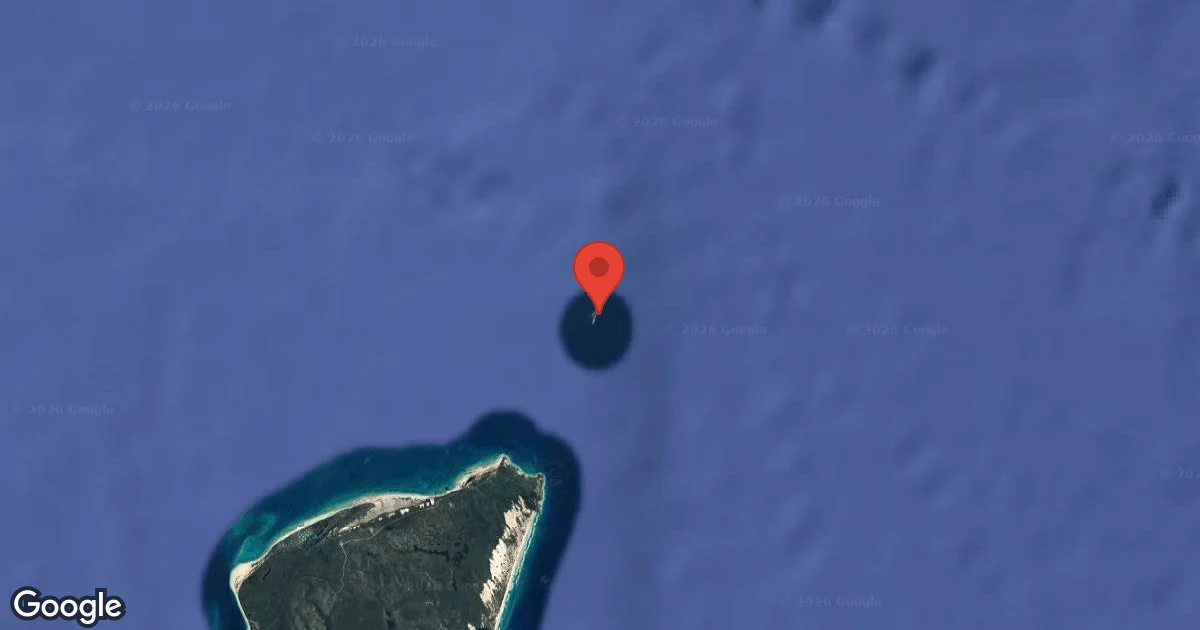
Flinders Reef stands as a significant, isolated coral system within the Moreton Bay Marine Park. Recognized as the closest true coral reef to Brisbane, this sanctuary holds a diverse array of marine life and coral species.
It contains more species and varieties of corals than any other single reef on the Great Barrier Reef, a notable characteristic for its subtropical location. Dives here typically involve boat entry, catering to Open Water certified divers and those with higher qualifications. The typical depth range spans from 8 to 20 metres (26 to 66 ft), with a maximum reported depth of 15 m (49 ft) at certain points.
Operators like Sunreef have been facilitating dives in the Sunshine Coast area since 1976, offering extensive local knowledge. A typical Flinders Reef trip often requires a full day, starting early morning and returning mid-afternoon, accounting for travel to this offshore site.
Exploring the reef reveals a complex ecosystem where various fish species interact with intricate coral formations, making each descent a detailed observation of a thriving protected area.
Conditions are Moderate
High Swell Advisory. Not recommended.
Current conditions near Flinders Reef show 20° air, 22° sea temperature, 2.2 m waves, and 27 km/h wind. Forecast data is refreshed regularly to ensure accuracy.
Best Time to Dive
Planning your dive for optimal conditions at Flinders Reef often aligns with the cooler, drier months. June through November generally present moderate dive scores, with September registering the lowest average rainfall at 0.96 mm. During these months, air temperatures cool to averages ranging from 19.5°C (67°F) in June to 23.5°C (74°F) in November, providing comfortable surface intervals. From June to September, divers might also witness humpback whales migrating past the reef, adding another layer to the experience. Conversely, March tends to have a lower dive score due to higher average rainfall, peaking at 8.29 mm, potentially impacting visibility or comfort. Water temperatures are not consistently reported, but generally follow air temperature trends. For the clearest conditions and reduced chance of rain, targeting the late winter and spring months is often a sound approach, offering a more predictable and enjoyable dive outing.
PEAK SEASON SCORE
Scores combine air & water temps, waves, wind & rainfall for overall conditions.
BEST MONTHS TO DIVE
Monthly records compiled from satellite and marine observation nodes over the last 3 years. Data provided by Open-Meteo and MET Norway.
Dive Experience & Conditions
Beneath the surface, the reef presents a dynamic depth profile, suitable for Open Water certified divers and above. While the maximum depth can reach 15 m (49 ft), many captivating features are found within shallower ranges, often between 8 to 20 metres (26 to 66 ft). Divers will navigate clear saltwater, exploring sites like the enchanting Turtle Cleaning Station, where turtles visit to have parasites removed. Alden's Cave offers a glimpse into the reef's mysterious depths. The site generally offers easy diving conditions, with water temperatures that vary seasonally but are typically comfortable for a wetsuit. Conditions such as wave height and wind speed contribute to the overall 'moderate' dive score for most of the year, although specific days can be calmer or more active. This range of depths and features ensures a varied dive experience, from vibrant shallow coral gardens to slightly deeper intriguing formations.
Dive Difficulty & Safety Guidelines
Approaching Flinders Reef diving requires adherence to the guidelines set for this protected marine sanctuary. It's accessible to Open Water certified divers and above, but participants should have dived within the last 12 months to maintain proficiency. Prior to any dive, completing online waivers is mandatory, and divers must confirm they are fit to dive.
As part of the Moreton Bay Marine Park, respecting marine life and formations is paramount; touching or disturbing the reef is prohibited. While no specific hazards are consistently reported, general dive safety practices, such as buddy system adherence and monitoring no-decompression limits, are always crucial.
Optional Nitrox is available, which can enhance bottom time, especially when conducting multiple dives. Divers are encouraged to listen to their expert dive guides for real-time condition updates and site-specific advice.
Recommended Equipment
- Dive Computer
- DSMB
This gear list is based on verified equipment signals for Flinders Reef, Australia. Always confirm final gear choices with your dive operator, guide, or liveaboard.
Recommended Dive Suit
For relaxed exploration dives, 3-5mm wetsuit generally provides adequate warmth. Consider warmer surface protection (like a boat coat) due to brisk winds. Surface intervals may feel cooler. Water conditions at Flinders Reef are currently measured at approximately 22°C (71°F). Surface air temperatures are resting at 20°C (68°F).
Forecast trends indicate similar diving conditions over the next few days.
A diver's personal tolerance to cold water can play a large role in suit selection.
Emergency & Medical Support
Essential information to help you plan your dive trip to Flinders Reef.

Hyperbaric chambers are a critical part of dive safety infrastructure. Availability varies significantly by region, and not all dive areas have immediate access.
Before diving, it's recommended to:
- confirm nearest medical facilities
- check emergency procedures with local dive operators
- ensure dive insurance covers evacuation if required
Divers Alert Network
Diving emergency assistance available through DAN World.
+1-919-684-9111- 24/7 emergency hotline
- Diving medical assistance
- Evacuation coordination
Emergency contacts are provided for reference. Always verify local emergency services before diving.
Marine Life at Flinders Reef
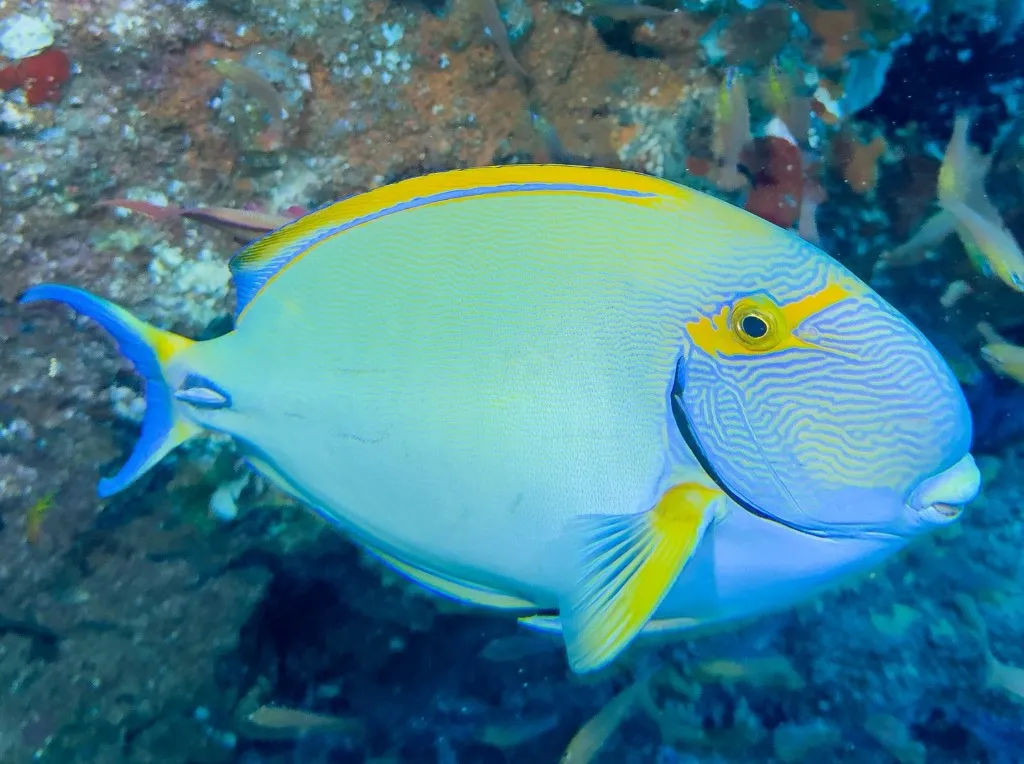
The vibrant underwater landscape of Flinders Reef supports an impressive array of marine species. Its coral gardens, noted for having more species than many Great Barrier Reef sites, provide habitat for over 175 fish species, including schools of Wrasse, Sweetlip, Trevally, Parrot, Bat, and Surgeonfish.
Among the larger residents, divers regularly encounter Whitetip and Leopard sharks. Grey Nurse sharks are also a recorded presence.
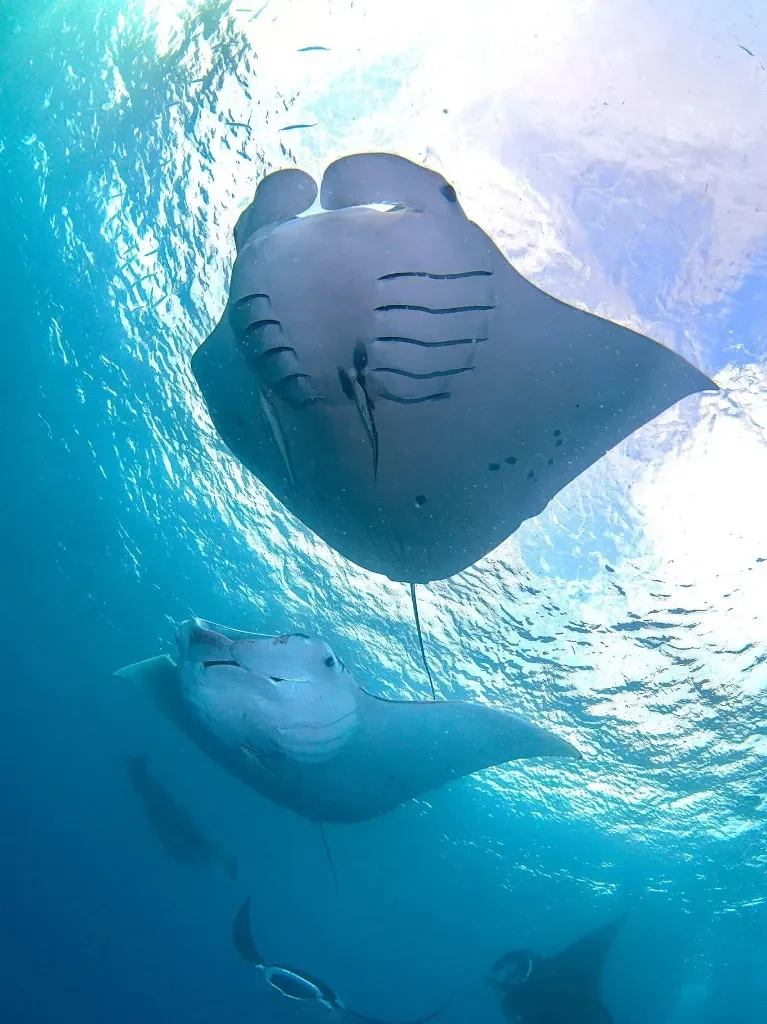
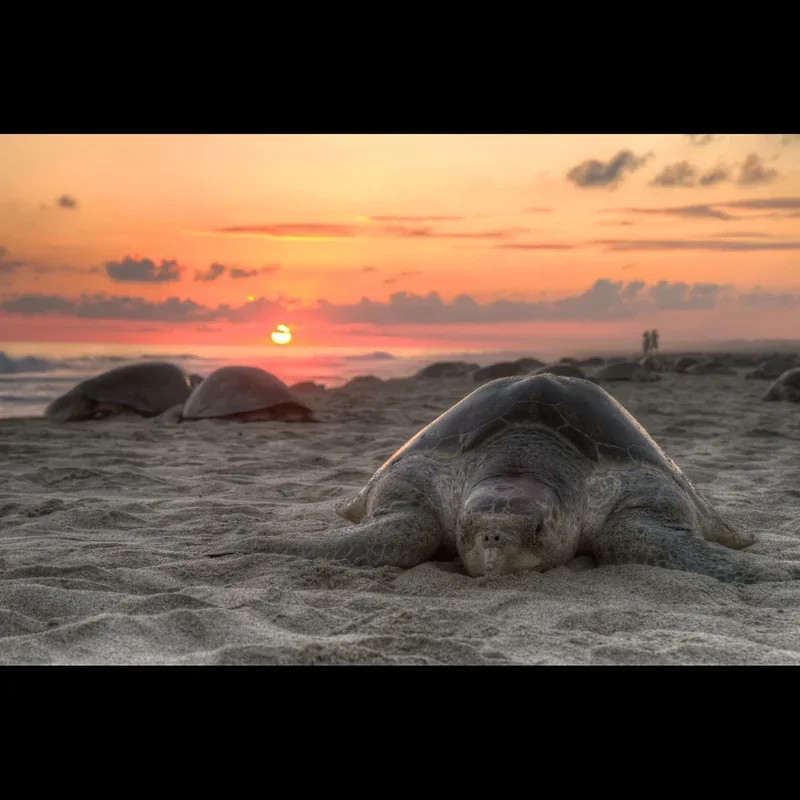
During the migration season from June to September, humpback whales can be observed on the surface. Occasional sightings of Manta Rays, Wobbegongs, and even Whaler sharks on the eastern side add to the diverse encounters, while various sea turtles are a common sight throughout the reef.

Dive Sites Near Flinders Reef
View all dive sites in AustraliaDiscover more underwater gems in this area.
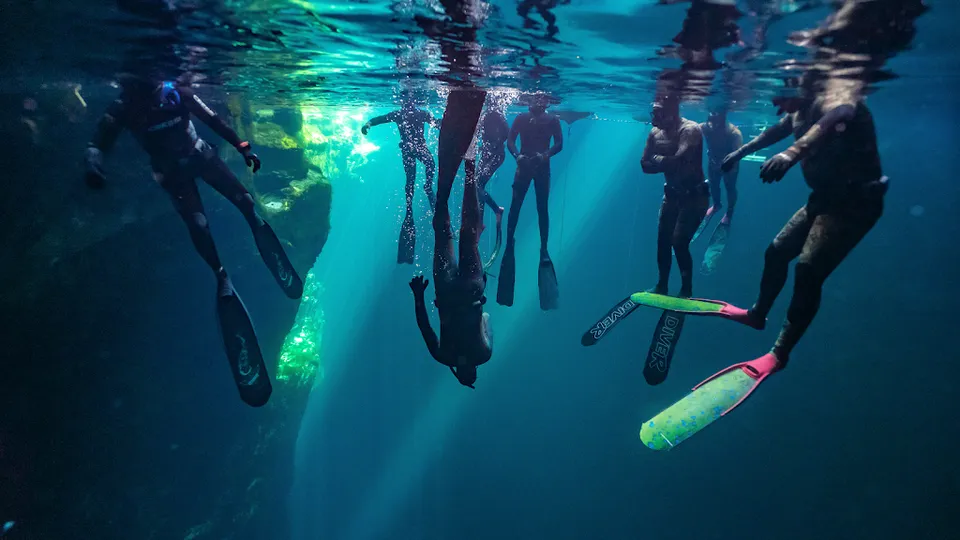
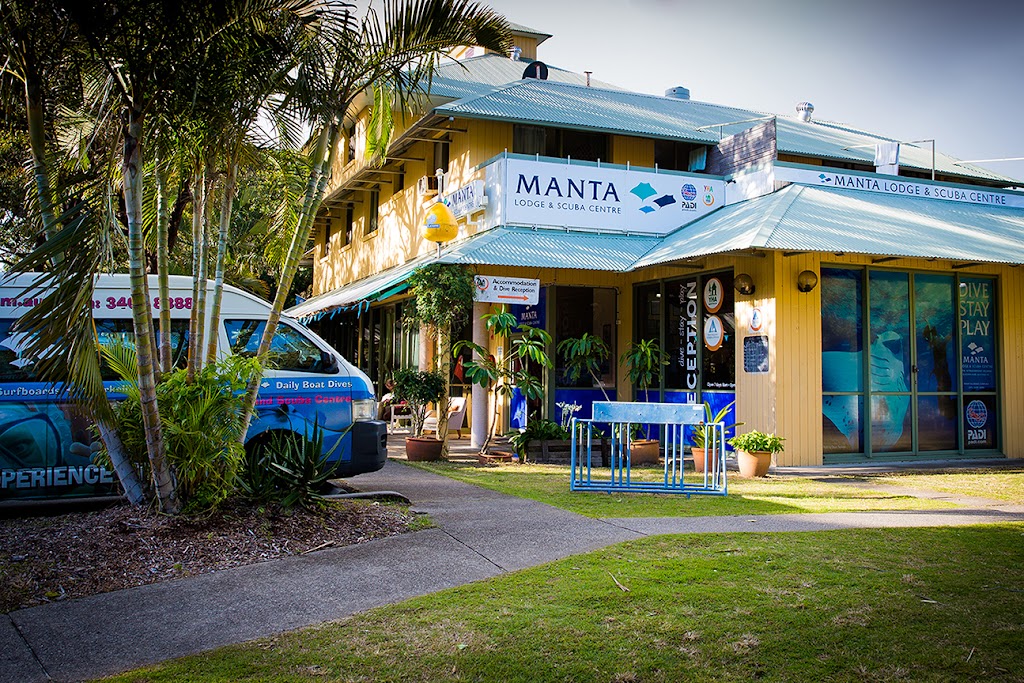
Dive Centers Near Flinders Reef
Nearest Airports
Nearest airports to help plan travel to this dive area.
Search Flights
Check available flights and routes on Expedia, using the nearby airports listed in this section.
Search Flights on ExpediaFrequently Asked Questions
What is Flinders Reef?
Flinders Reef is a protected marine sanctuary within the Moreton Bay Marine Park, located off the coast of South East Queensland, Australia. It's recognized as the closest true coral reef to Brisbane and is distinct for its high diversity of coral species.
What is the maximum depth for diving at Flinders Reef?
The maximum reported depth for diving at Flinders Reef is 15 meters (49 feet). However, the overall depth range typically explored by divers can extend to 20 meters (66 feet) in some areas.
What kind of marine life can I expect to see?
Divers often encounter a rich variety of fish, including Wrasse, Sweetlip, and Parrotfish. Larger species such as Whitetip and Leopard sharks, sea turtles, and Grey Nurse sharks are commonly sighted. During winter months, humpback whales can also be observed.
When is the best time to dive Flinders Reef?
The period from June to November generally offers moderate dive conditions with lower rainfall and comfortable air temperatures, making it a favorable time. September specifically has the lowest average rainfall.
What dive certification level is required for Flinders Reef?
Flinders Reef is suitable for Open Water certified divers and above. It's also recommended that divers have logged a dive within the last 12 months.
How long does a typical dive trip to Flinders Reef take?
A full-day trip is typical for Flinders Reef, often beginning early in the morning, around 6:00-7:00 am, and returning in the mid-afternoon, usually around 2:00-3:30 pm. This allows for travel time and usually includes a double dive.
Is Nitrox available for diving at Flinders Reef?
Yes, Nitrox (Enriched Air) is often available as an optional extra for certified divers. Using Nitrox can enhance bottom time and improve the overall dive experience.
Planning to dive Flinders Reef?
Send one inquiry and receive offers directly from the best verified local dive operators.
Conditions are Moderate
High Swell Advisory. Not recommended.
Current conditions near Flinders Reef show 20° air, 22° sea temperature, 2.2 m waves, and 27 km/h wind. Forecast data is refreshed regularly to ensure accuracy.