
Diving at Bait Reef (Australia)
Entering the water at Bait Reef, divers are met with striking clarity, a consistent feature across its diverse sites. As you descend, the intricate structure of coral bommies and reef walls becomes apparent, leading into a world where recreational depths provide ample exploration opportunities. This Great Barrier Reef location promises engaging underwater discovery from the first moments below the surface.
Tonight's objective overview for Bait Reef shows an air temperature of 21.5°C. The measured surface conditions include wave heights around 1.7 m. This environmental data is logged for the close of the day.
Dive Site Location & Key Facts
Dive Site Overview
Bait Reef presents a varied underwater topography, characterized by a series of large coral bommies forming natural inlets and a central lagoon. The reef, spanning approximately 3.3 by 2.3 kilometers, remains largely submerged, only rising less than a meter above the ocean at low tide.
This extensive coral reef complex offers diverse dive profiles. Within Gary's Lagoon, divers find a protected area with excellent coral cover, featuring a sandy bottom interspersed with low coral structures, ideal for less experienced divers and snorkelers.
Just outside the lagoon entrance, sites like "The Stepping Stones" feature impressive shear walls dropping to around 23 m (75 ft) before sloping deeper. Numerous overhangs and cracks punctuate these walls, creating intriguing swim-throughs and sheltered nooks.
An identifiable tunnel also provides a unique passage between the outer reef and the protected lagoon, adding an element of exploration. Visibility generally ranges from 10 to over 30 meters (33 to 100 ft), often exceeding 35 meters (115 ft) in optimal conditions, allowing clear views of the complex underwater landscape.
Conditions are Good
Optimal conditions expected
Current conditions near Bait Reef show 22° air, 22° sea temperature, 1.5 m waves, and 34 km/h wind. Forecast data is refreshed regularly to ensure accuracy.
Best Time to Dive
Planning a dive at Bait Reef often involves weighing conditions across the seasons. The cooler, drier months, from May through November, generally present the most favorable diving conditions. Air temperatures during this period average between 22-26°C (72-79°F), with rainfall significantly lower, particularly from August to November when averages can be below 1 mm. October and November often receive 'Good' dive scores, with lower average wave heights and wind speeds compared to other times. Conversely, the summer months, from December to April, see higher air temperatures, ranging from 26-27°C (79-81°F), but also higher average rainfall, sometimes exceeding 10 mm in February. Wave heights and wind speeds can also be more pronounced during these warmer periods, potentially influencing surface conditions and accessibility. While water temperature data isn't consistently reported, targeting the drier mid-year or late spring periods is advisable for consistently calm and clear conditions.
PEAK SEASON SCORE
Scores combine air & water temps, waves, wind & rainfall for overall conditions.
BEST MONTHS TO DIVE
Monthly records compiled from satellite and marine observation nodes over the last 3 years. Data provided by Open-Meteo and MET Norway.
Dive Experience & Conditions
Current dynamics at Bait Reef can vary, particularly outside the lagoon entrance, where currents are not consistently reported and may shift throughout a dive. While generally manageable, divers should be prepared for potential stronger flows, especially when exploring areas exposed to the open ocean or navigating between bommies. Water visibility is a significant highlight, frequently described as extremely clear, often providing excellent long-distance views on exceptional days, though more moderate conditions are also reported depending on specific sites. Water temperatures are not consistently reported, but are typically comfortable for tropical diving. Sites like Gary's Lagoon offer well-protected, calmer waters, suitable for less experienced divers. Outside, exploration along reef walls with numerous overhangs requires good buoyancy control. Divers will navigate sandy bottoms, solid coral walls, and dramatic vertical drop-offs.
Dive Difficulty & Safety Guidelines
Given the variable currents reported, particularly near the outer reef, divers should prioritize careful dive planning and maintain situational awareness throughout their exploration of Bait Reef. Always monitor local conditions and consult with dive operators, as strong currents can necessitate adjusting dive profiles or choosing alternative sites. Good buoyancy control is essential, especially when navigating the intricate reef walls, overhangs, and the gaps between large coral bommies.
Boating traffic inside the lagoon is typically limited to yachts, but divers should use a surface marker buoy (SMB) when ascending in open water areas. Staying within established recreational depth limits on the deeper walls helps mitigate risks.
Recommended Equipment
- Dive Computer
- DSMB
This gear list is based on verified equipment signals for Bait Reef, Australia. Always confirm final gear choices with your dive operator, guide, or liveaboard.
Recommended Dive Suit
Forecast models show minimal temperature variation in the coming days.
Thermal protection such as 3-5mm wetsuit is commonly used in similar temperatures. Strong winds are present; please take strong precautions against rapid cooling during surface intervals. Surface intervals may feel cooler.
Current dive conditions indicate that water temperatures around Bait Reef are sitting at roughly 22°C (72°F). Surface air temperatures are resting at 22°C (71°F).
Emergency & Medical Support
Essential information to help you plan your dive trip to Bait Reef.

Hyperbaric chambers are a critical part of dive safety infrastructure. Availability varies significantly by region, and not all dive areas have immediate access.
Before diving, it's recommended to:
- confirm nearest medical facilities
- check emergency procedures with local dive operators
- ensure dive insurance covers evacuation if required
Divers Alert Network
Diving emergency assistance available through DAN World.
+1-919-684-9111- 24/7 emergency hotline
- Diving medical assistance
- Evacuation coordination
Emergency contacts are provided for reference. Always verify local emergency services before diving.
Marine Life at Bait Reef
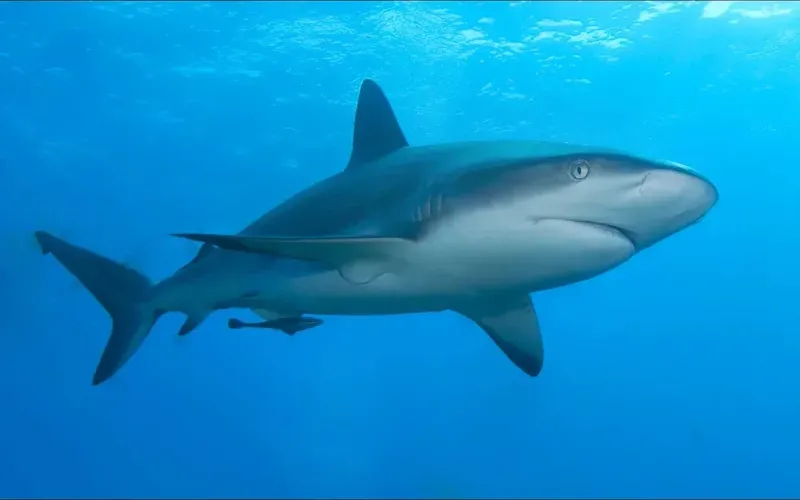
Approaching Bait Reef, divers are often immediately struck by the prevalence of various shark species, including white-tip reef sharks, black-tipped reef sharks, and wobbegong sharks, frequently observed along the reef walls and ledges. Schools of larger fish and a variety of colorful reef fish populate the coral formations.
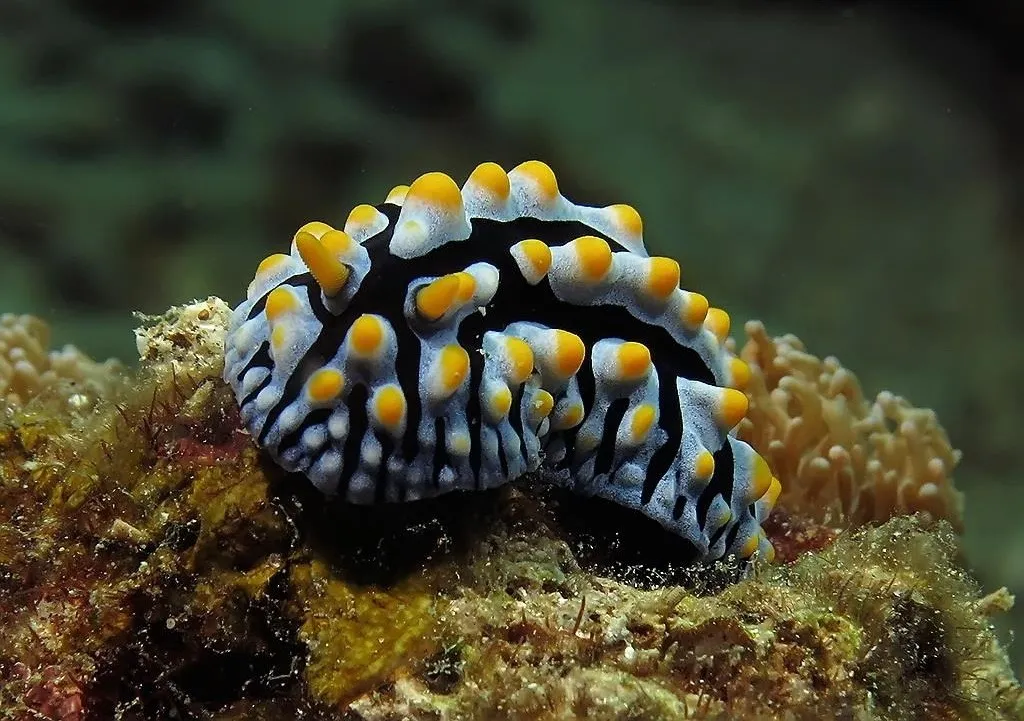
Look closer, and you'll find numerous nudibranchs. Significant sightings also include turtles, titan triggerfish, and graceful flutemouths.
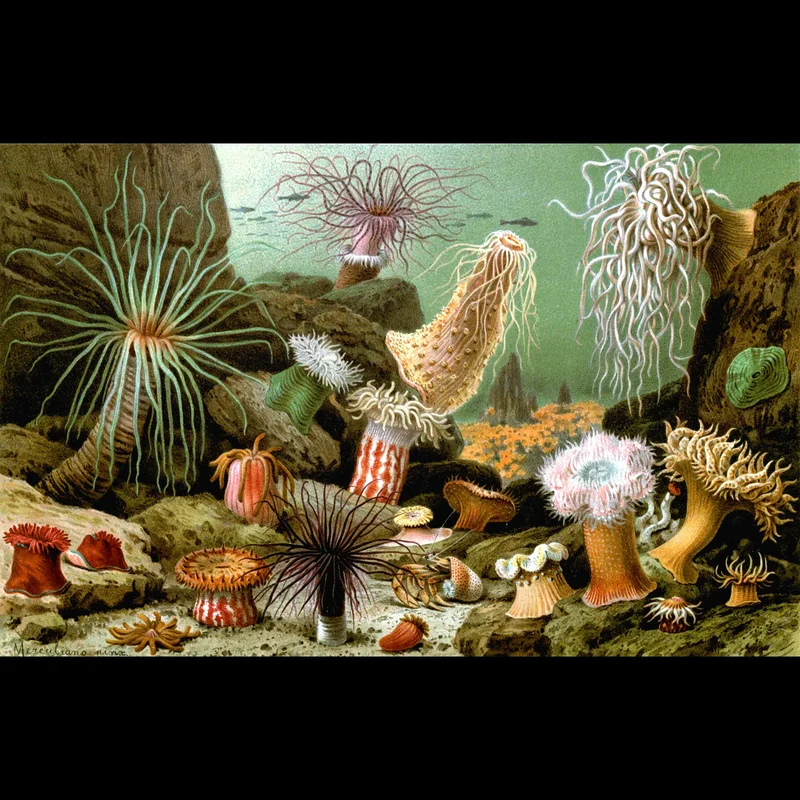
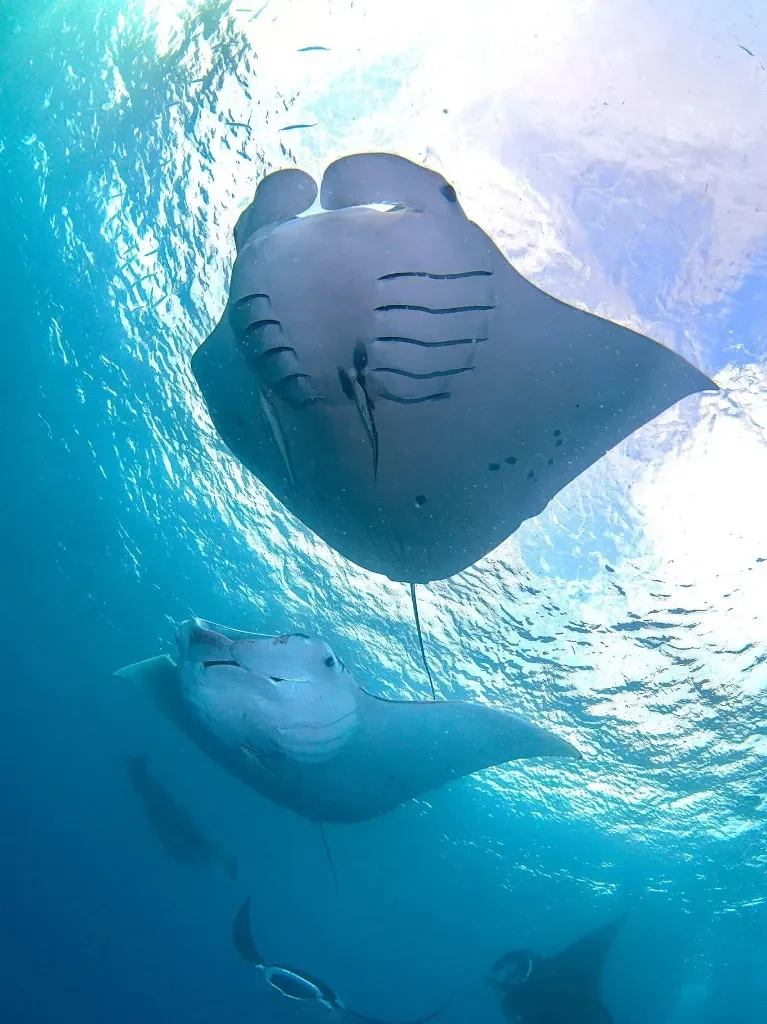
In particular, the anemones host several species of anemonefish, such as pink and Clark's anemonefish. Occasional manta rays may pass through the lagoon. Large soft corals add to the visual richness of this diverse ecosystem.

Dive Centers Near Bait Reef
No Dive Centers Local To Bait Reef
Are you a dive center visiting this location? Get listed to reach divers.
Nearest Airports
Nearest airports to help plan travel to this dive area.
Search Flights
Check available flights and routes on Expedia, using the nearby airports listed in this section.
Search Flights on ExpediaFrequently Asked Questions
What training is recommended for diving Bait Reef?
PADI Open Water Diver certification is generally sufficient for many areas, especially the shallower lagoon. For exploring deeper walls and complex topography, Advanced Open Water Diver training can be beneficial. Discover Scuba Diving is also offered for beginners under direct supervision.
What is the typical visibility like at Bait Reef?
Visibility is often exceptional, with outer reef areas frequently offering extensive clear conditions, while lagoon sections provide good visibility. This can vary by site and specific conditions.
Are there strong currents at Bait Reef?
Currents can vary. Gary's Lagoon generally offers protected, calmer waters. However, areas outside the lagoon entrance, such as "The Stepping Stones," can experience stronger or shifting currents, requiring divers to be aware and adjust plans.
What kind of underwater landscape can I expect to see?
The reef features a series of large coral bommies, shear walls dropping to recreational depths, sandy bottoms, and numerous overhangs and cracks. There's also a navigable tunnel connecting the outer reef to the lagoon.
What common marine life might I encounter?
Divers frequently encounter various reef sharks, turtles, and numerous species of reef fish. You might also spot titan triggerfish, flutemouths, diverse nudibranchs, and anemonefish inhabiting large anemones. Occasional manta rays are also reported.
Can yachts moor at Bait Reef?
Yes, there is a small section inside the reef, often referred to as a "lagoon," equipped with five moorings for yachts, conveniently located near the entrance from open water.
What are the deepest parts of Bait Reef for recreational diving?
While parts of the reef slope deeper, the shear walls typically drop to the maximum recreational limits, providing ample exploration. The lagoon itself offers significantly shallower sections, suitable for less experienced divers.
Planning to dive Bait Reef?
Send one inquiry and receive offers directly from the best verified local dive operators.
Conditions are Good
Optimal conditions expected
Current conditions near Bait Reef show 22° air, 22° sea temperature, 1.5 m waves, and 34 km/h wind. Forecast data is refreshed regularly to ensure accuracy.