
Diving at East Side Bommies (Australia)
Out between the Muiron Islands off Exmouth, East Side Bommies is a shallow boat dive over coral boulders scattered through sand, dropping to about 10 m / 33 ft. It's a known gathering spot for dolphins and manta rays. Rated beginner and open-water friendly, it's an easy, bright reef dive once you've made the run out from Bundegi.
Evening condition tracking at East Side Bommies features an air temperature of 23°C. We have recorded wave heights measuring 0.6 m during this period. These figures outline the environmental parameters currently present.
Dive Site Location & Key Facts
Dive Site Overview
Coral boulders are the whole layout here, big bommies sitting in clean sand on the eastern side of the Muiron Islands, roughly midway between the two. The diving runs to about 10 m / 33 ft, with an average closer to 7 m / 23 ft, so light reaches the coral and the dive stays relaxed.
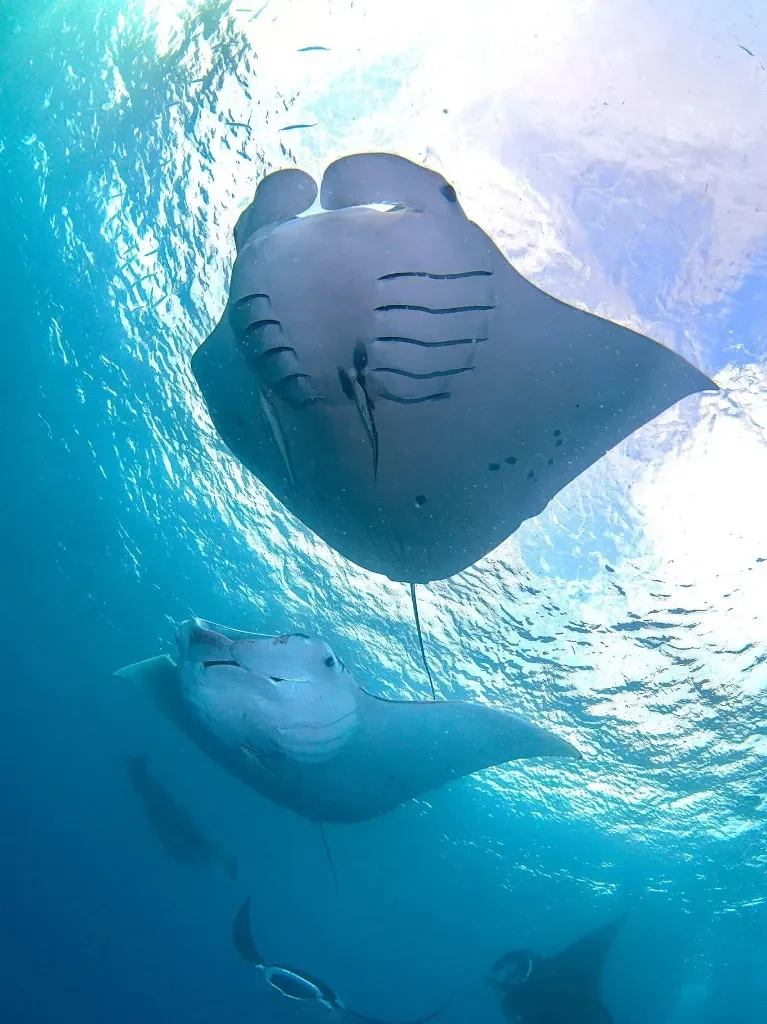
Each boulder works as its own pocket of life, with sand between them giving the site an open, easy-to-read shape. The draw, though, is what passes through the blue above and around the bommies: this is a favoured spot for dolphins and manta rays, and a manta gliding over the coral while you hang back is the kind of encounter that makes the long run worthwhile. Access is by boat, a roughly 25 km ride of about 35 minutes from Bundegi in good conditions, with anchoring on the sand patches. It's a planned trip, so it pays to go when the forecast is kind. Each bommie sits like an island of life in the surrounding sand, so you hop between them, and the open layout makes it easy to keep your bearings. The 35-minute run from Bundegi means this is a planned outing, not a quick dip, so go when the forecast is kind.
Conditions are Good
Optimal conditions expected
Current conditions near East Side Bommies show 23° air, 23° sea temperature, 1.1 m waves, and 36 km/h wind. Forecast data is refreshed regularly to ensure accuracy.
Best Time to Dive
Autumn into early winter, around April through June, brings the best scores, and they stay strong across most of the year in this warm region. Water is genuinely warm, peaking near 28.4°C / 83°F and staying around 22.4°C / 72°F even at its coolest, so light exposure protection works year-round. Wave height is low for an offshore site, in a 0.8–1.1 m / 3–4 ft band, but the wind blows hard out here, topping 34 km/h / 21 mph in several months. Given the boat ride to reach it, you want a calm-wind day for the run as much as for the dive, so keep an eye on the forecast and pick your window. Given the run out from Bundegi, a calm-wind day makes the boat trip as comfortable as the dive itself.
PEAK SEASON SCORE
Scores combine air & water temps, waves, wind & rainfall for overall conditions.
BEST MONTHS TO DIVE
Monthly records compiled from satellite and marine observation nodes over the last 3 years. Data provided by Open-Meteo and MET Norway.
Dive Experience & Conditions
Expect an easy, shallow boat dive worked around coral boulders. With a maximum near 10 m / 33 ft, air and no-deco time stay generous, so you can take it slow, moving boulder to boulder and checking each for what's sheltering there. The sand between bommies keeps navigation simple, and the structure does the work of holding the interest. The real draw is overhead and out in the blue, so it pays to keep glancing up and out for dolphins and mantas instead of fixing only on the coral. Swell exposure is the main condition, manageable most days thanks to the low wave height, but the wind can stir the surface, so a calmer day makes the dive and the boat ride both more comfortable.
Dive Difficulty & Safety Guidelines
Shallow depth and easy terrain make this a forgiving, beginner-friendly dive, and the open-water level in the notes fits. Swell exposure is the listed hazard, and it's usually gentle here given the low wave height, so the practical concern is more about a comfortable boat ride than testing conditions underwater.
If dolphins or a manta come through, keep your position and let them approach on their own terms instead of chasing them, which both protects the animals and gives you a better encounter. With the coral so shallow, steady buoyancy keeps you off the bommies. Beyond reading the wind and respecting any wildlife, there's little to manage, and on a calm day it stays an easy, enjoyable reef dive.
Recommended Equipment
- Dive Computer
- DSMB
This gear list is based on verified equipment signals for East Side Bommies, Australia. Always confirm final gear choices with your dive operator, guide, or liveaboard.
Recommended Dive Suit
A warming trend is expected over the next few days. A warming trend is expected over the next few days.
Factors such as dive duration, depth, and activity level can influence how warm a diver feels underwater.
3-5mm wetsuit typically balances flexibility and thermal protection in these temperatures. A hood or vest is suggested for sensitive divers due to surface winds. Surface intervals may feel cooler. The latest environmental readings for East Side Bommies suggest water temperatures around 23°C (74°F). Surface air temperatures are resting at 23°C (73°F).
Due to technical issues with our weather providers, data hasn't been fetched for over 48 hours. The data above reflects the conditions at the time of the last successful fetch.
Emergency & Medical Support
Essential information to help you plan your dive trip to East Side Bommies.

Hyperbaric chambers are a critical part of dive safety infrastructure. Availability varies significantly by region, and not all dive areas have immediate access.
Before diving, it's recommended to:
- confirm nearest medical facilities
- check emergency procedures with local dive operators
- ensure dive insurance covers evacuation if required
Divers Alert Network
Diving emergency assistance available through DAN World.
+1-919-684-9111- 24/7 emergency hotline
- Diving medical assistance
- Evacuation coordination
Emergency contacts are provided for reference. Always verify local emergency services before diving.
Marine Life at East Side Bommies
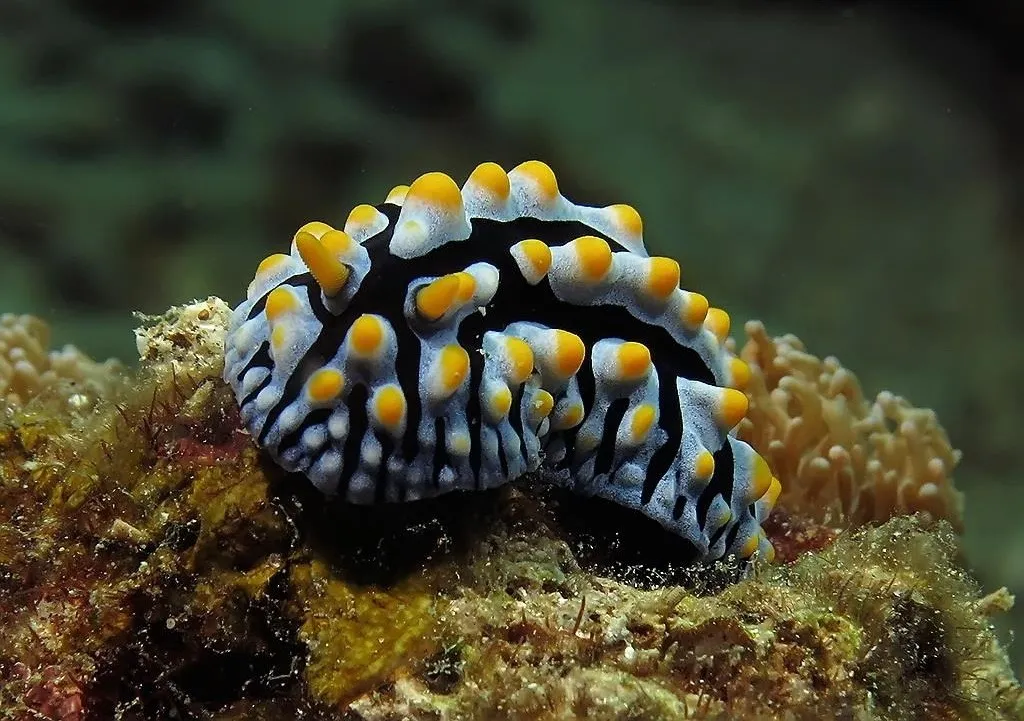
The bommies are a favoured haunt for the big visitors: manta rays are recorded here, and a manta sweeping over the coral is the encounter people make the trip for. The boulders and their crevices also hold nudibranchs for divers who slow down and look closely.
Dolphins are noted around the site as well, along with juvenile fish sheltering in the coral, though those sit a touch less certain than the mantas. Position yourself near a bommie, stay still, and let the open water deliver; the reward here is the chance of the big animals as much as the reef itself.

Dive Sites Near East Side Bommies
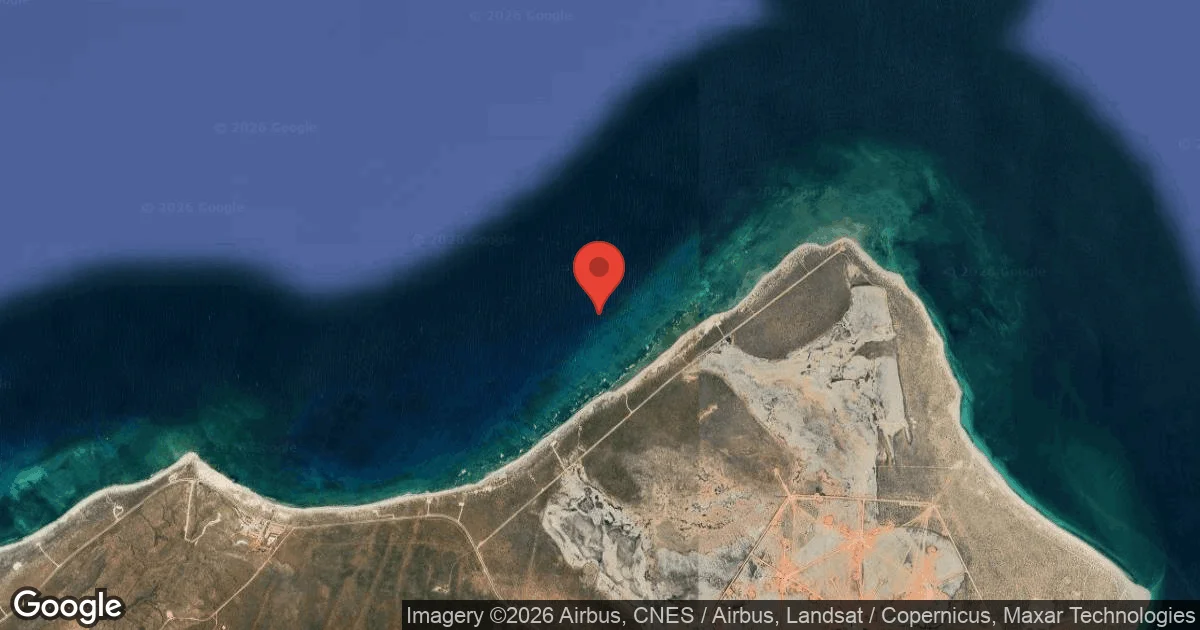
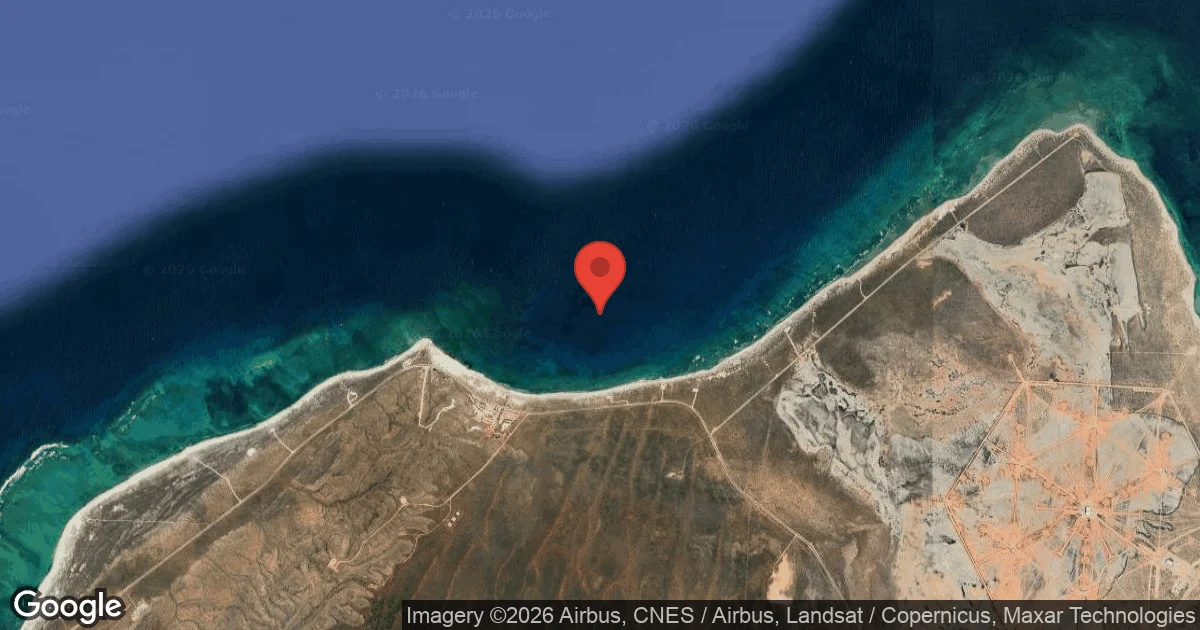
View all dive sites in AustraliaDiscover more underwater gems in this area.
Dive Centers Near East Side Bommies
No Dive Centers Local To East Side Bommies
Are you a dive center visiting this location? Get listed to reach divers.
Nearest Airports
Nearest airports to help plan travel to this dive area.
Search Flights
Check available flights and routes on Expedia, using the nearby airports listed in this section.
Search Flights on ExpediaFrequently Asked Questions
What's the main draw at East Side Bommies?
It's a favoured spot for dolphins and manta rays, with mantas recorded gliding over the coral boulders. The bommies also hold nudibranchs for a closer look.
How deep is it?
Shallow, about 10 m / 33 ft at most and closer to 7 m / 23 ft on average, so it's easy on air and beginner-friendly.
How do I get there?
By boat, a roughly 25 km ride of about 35 minutes from Bundegi boat ramp in good conditions, with anchoring on the sand patches.
Am I guaranteed to see mantas or dolphins?
No. The site is a known gathering spot for both, but sightings depend on the day, so hold your position and let any that appear come to you.
When should I dive it?
Scores are best from April to June, and since it's a boat ride out, a calm-wind day makes both the trip and the dive more comfortable.
Planning to dive East Side Bommies?
Send one inquiry and receive offers directly from the best verified local dive operators.
Conditions are Good
Optimal conditions expected
Current conditions near East Side Bommies show 23° air, 23° sea temperature, 1.1 m waves, and 36 km/h wind. Forecast data is refreshed regularly to ensure accuracy.