
Diving at Gullivers (Australia)
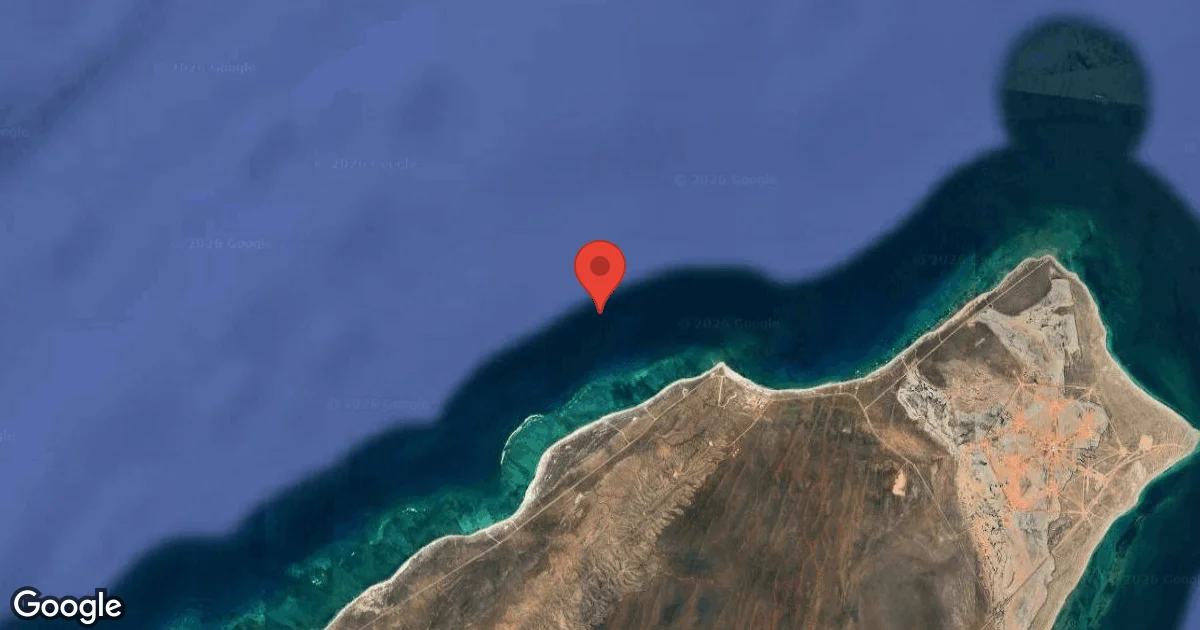
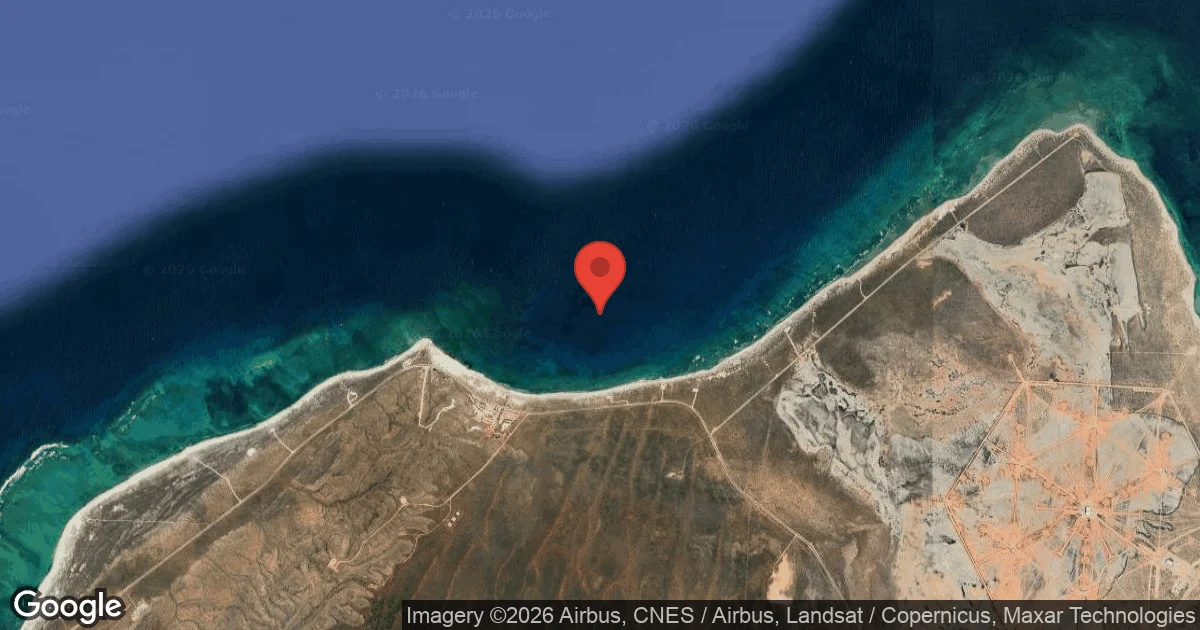
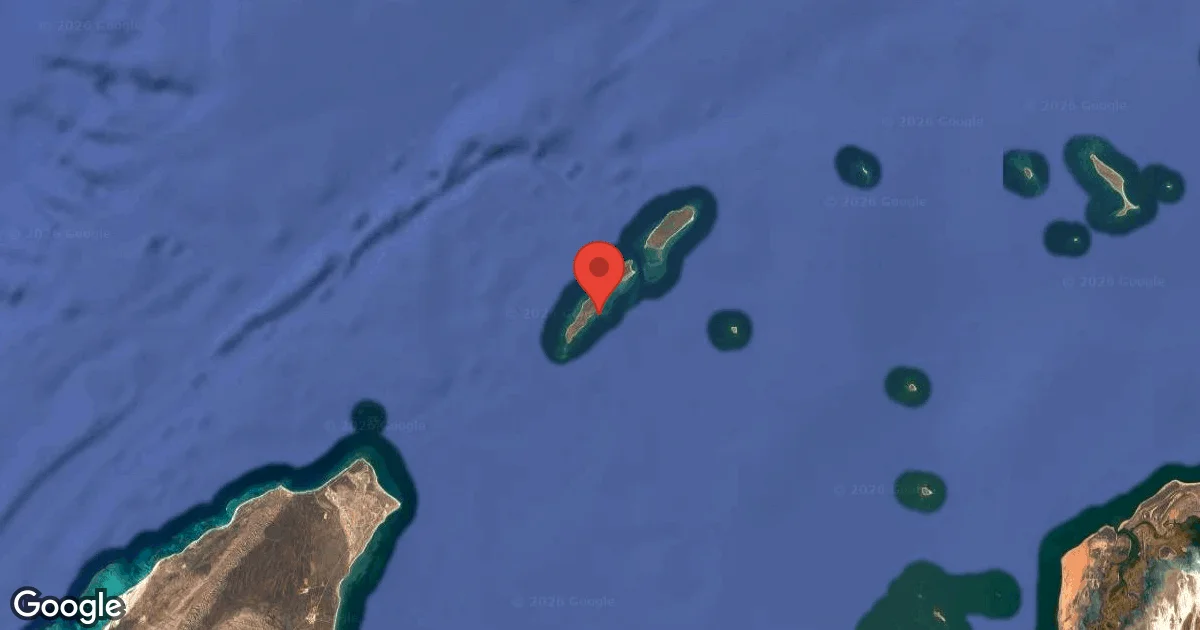
In Lighthouse Bay on the northern tip of the Exmouth Peninsula, Gullivers is a boat-accessed coral reef dropping to about 14 m / 46 ft, with multiple outcrops full of life. Moray eels, lionfish, blue-spotted stingrays and blue groper all feature. Warm water and a mooring make it an accessible, rewarding reef dive for a range of divers when the northerly stays away.
As evening covers Gullivers, the local air temperature is measured at 25.5°C. The current wave height at the surface is recorded at 0.6 m. These late-day readings characterize the surface conditions for the night.
Dive Site Location & Key Facts
Dive Site Overview
Multiple coral outcrops rise from the reef here, each a knot of structure and life, with the whole site running to about 14 m / 46 ft and averaging closer to 12 m / 39 ft. It's a rich, busy reef in one of Exmouth's better-regarded spots.
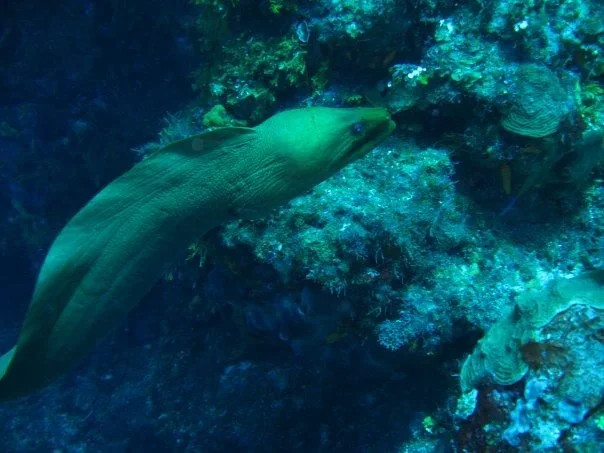
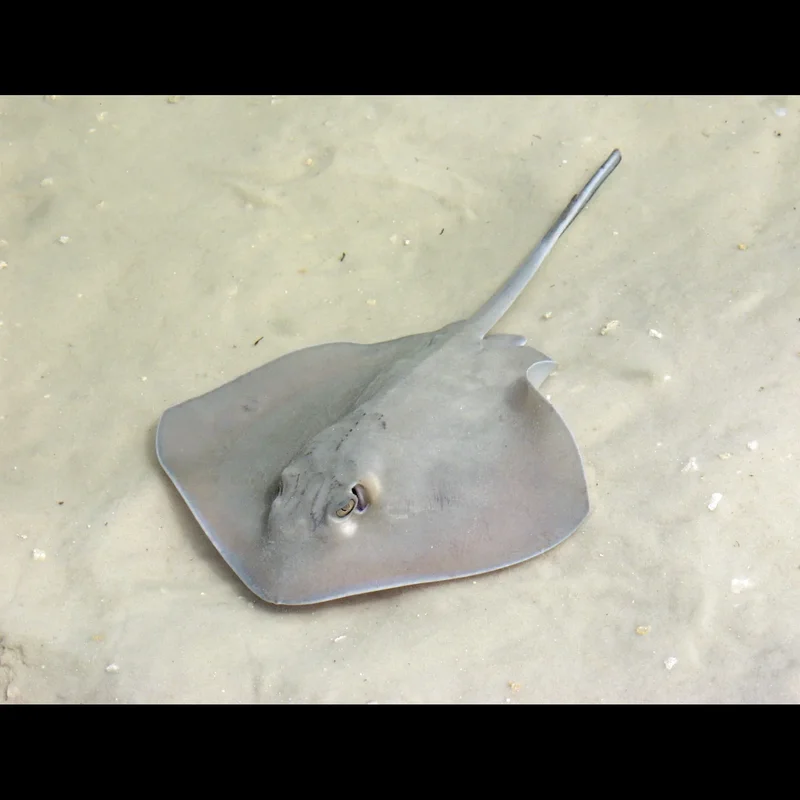
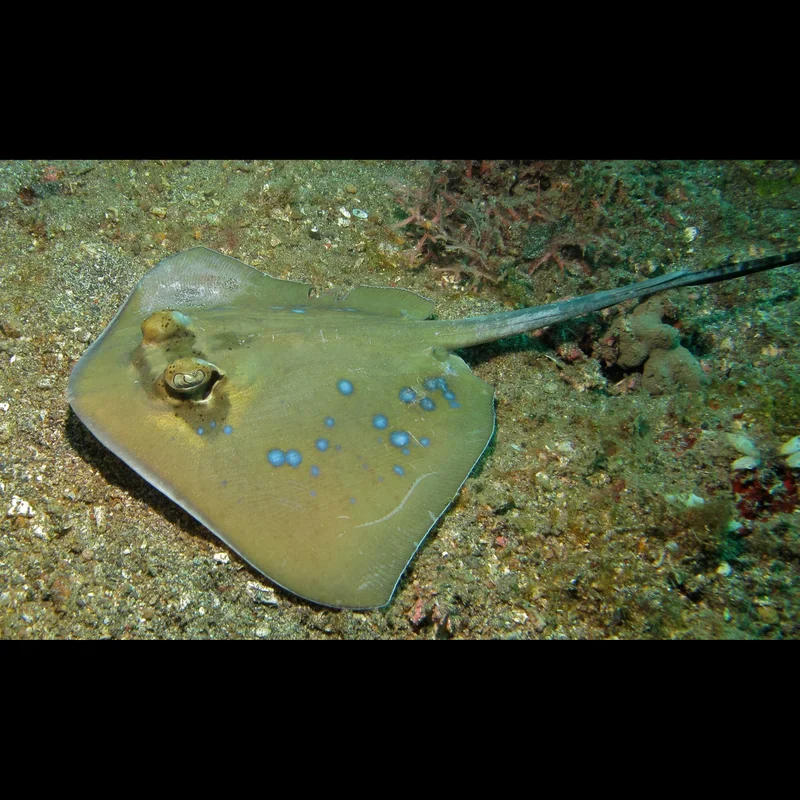
The appeal is the sheer spread of life through the coral. Moray eels lurk in the holes, lionfish hang in the open with their fins fanned, blue-spotted stingrays rest on the sand, and blue groper patrol the bigger heads. Drifting up to a coral outcrop and finding a moray watching you from a crevice is the kind of moment the site delivers regularly. Access is by boat with a mooring available, which keeps the anchoring simple. Northerly winds influence the conditions, so the dive is best on a calmer day, but the moderate depth and easy terrain make it accessible to a wide range of divers. The outcrops give you natural waypoints, so you can move methodically from one to the next without losing your place. A mooring keeps the boat side simple, and the warm water lets you linger over each coral head.
Conditions are Good
Optimal conditions expected
Current conditions near Gullivers show 26° air, 24° sea temperature, 0.8 m waves, and 36 km/h wind. Forecast data is refreshed regularly to ensure accuracy.
Best Time to Dive
Autumn into early winter, roughly April through June, brings the best scores, and they stay strong almost year-round in this warm region. Water is genuinely warm, peaking near 28.6°C / 83°F and staying around 22°C / 72°F at its coolest, so light exposure protection works throughout. Wave height is very low, in a 0.6–0.9 m / 2–3 ft band, so swell is rarely the issue. The condition that matters is the wind, since northerlies influence the site, so a calmer day keeps the reef comfortable. With warm water and gentle seas lining up for much of the year, the main job is picking a day the wind cooperates. With warm water and low swell lining up for most of the year, the only real variable is finding a day the wind stays light.
PEAK SEASON SCORE
Scores combine air & water temps, waves, wind & rainfall for overall conditions.
BEST MONTHS TO DIVE
Monthly records compiled from satellite and marine observation nodes over the last 3 years. Data provided by Open-Meteo and MET Norway.
Dive Experience & Conditions
Plan a boat dive over coral outcrops at about 14 m / 46 ft, moving outcrop to outcrop and reading each for its residents. The moderate depth keeps air and no-deco time comfortable, so the pace can be slow and thorough. A torch helps you peer into the coral holes where morays and other life shelter. Lionfish hang in the open, so admire them and keep your hands clear of their venomous spines. The reef terrain is easy to navigate, with the outcrops giving you natural waypoints, and the mooring keeps the boat side simple. Northerly winds shape the conditions, so a calmer day makes for the best visibility and the easiest diving across the outcrops. Work each outcrop slowly and the density of life rewards the patience.
Dive Difficulty & Safety Guidelines
No formal difficulty is recorded, but the moderate depth of about 14 m / 46 ft and easy reef terrain make this accessible to a wide range of divers, from comfortable open-water divers upward. The conditions are gentle most days, with low swell, so the main variable is the wind.
Lionfish are present, so enjoy them at a distance and avoid their venomous spines. Moray eels in the holes are best admired without poking around, since they'll bite if cornered. With no overhead and gentle terrain, the risks are minor and mostly about respecting the marine life. Pick a calmer day for the visibility, keep good buoyancy around the coral, and it stays a relaxed, rewarding reef dive.
Recommended Equipment
- Dive Computer
- DSMB
This gear list is based on verified equipment signals for Gullivers, Australia. Always confirm final gear choices with your dive operator, guide, or liveaboard.
Recommended Dive Suit
Divers visiting Gullivers today can expect water conditions around 24°C (75°F). Surface air temperatures are resting at 26°C (78°F).
3-5mm wetsuit is generally considered suitable for water temperatures like this. Consider warmer surface protection (like a boat coat) due to brisk winds.
Forecast trends indicate similar diving conditions over the next few days.
Emergency & Medical Support
Essential information to help you plan your dive trip to Gullivers.

Hyperbaric chambers are a critical part of dive safety infrastructure. Availability varies significantly by region, and not all dive areas have immediate access.
Before diving, it's recommended to:
- confirm nearest medical facilities
- check emergency procedures with local dive operators
- ensure dive insurance covers evacuation if required
Divers Alert Network
Diving emergency assistance available through DAN World.
+1-919-684-9111- 24/7 emergency hotline
- Diving medical assistance
- Evacuation coordination
Emergency contacts are provided for reference. Always verify local emergency services before diving.
Marine Life at Gullivers
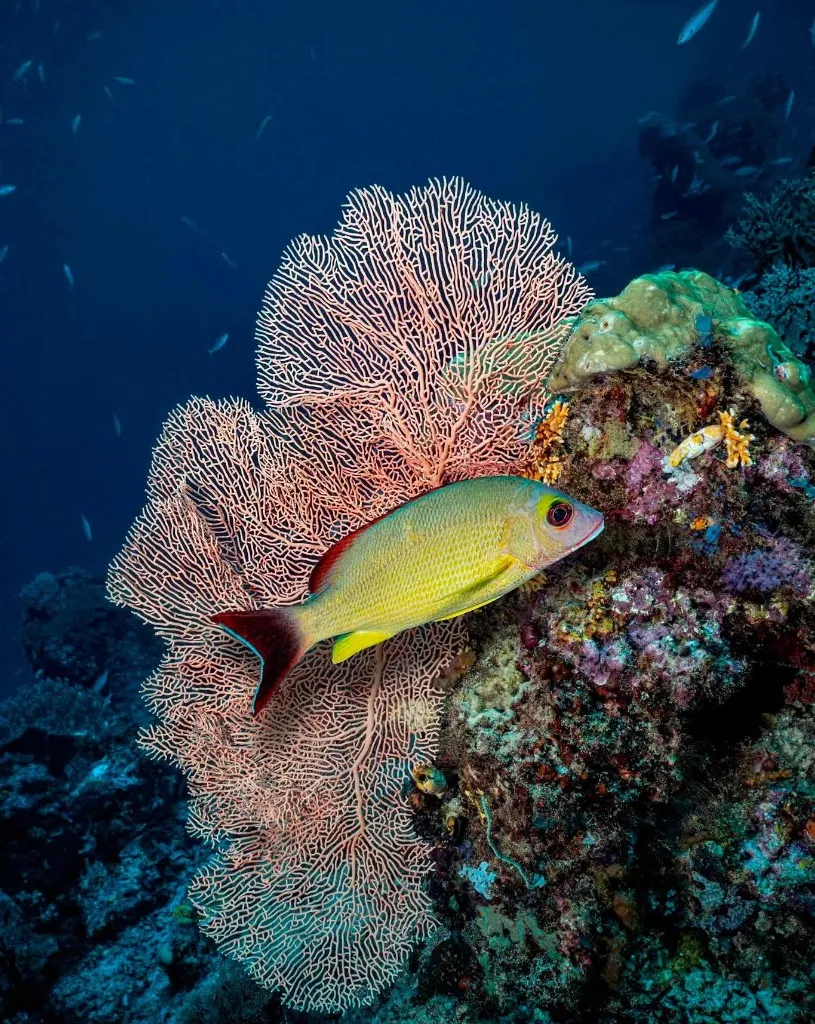
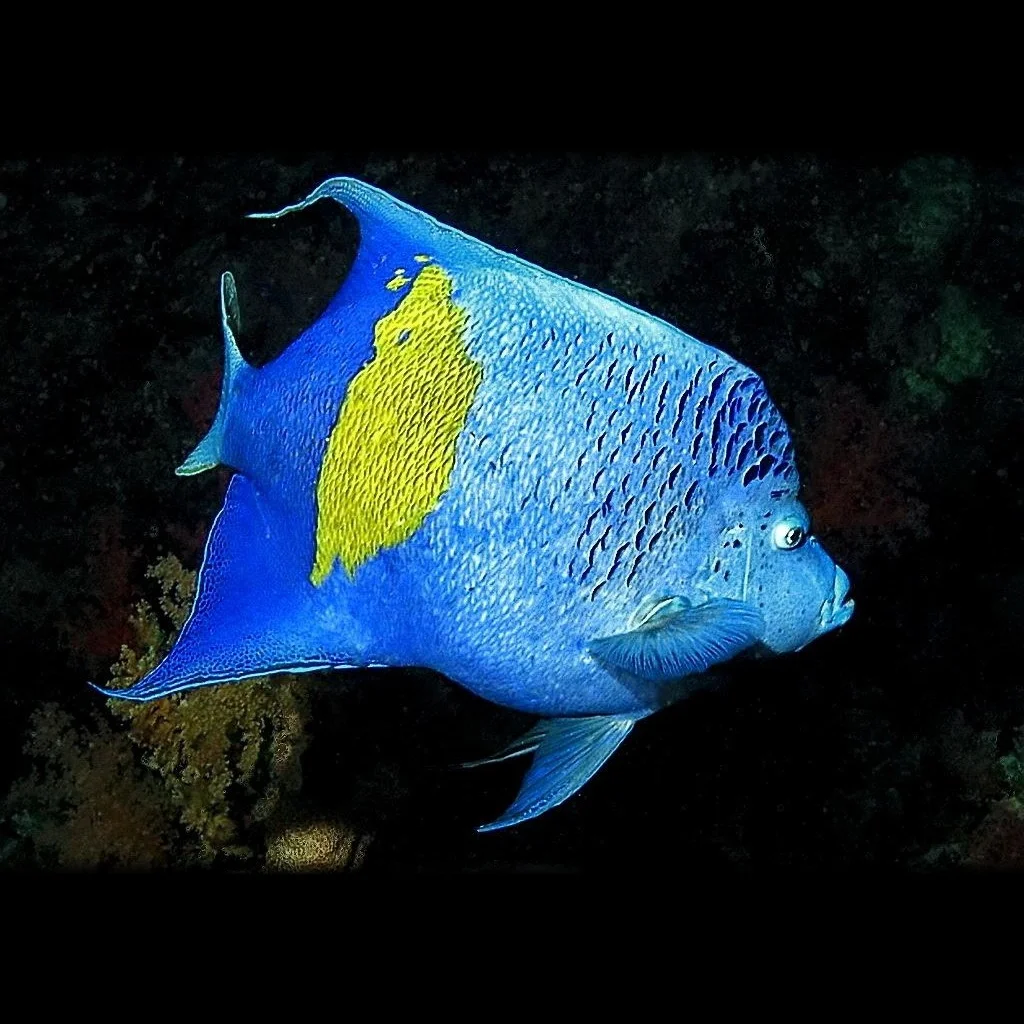
This is a busy reef, and the confirmed list is long: moray eels in the holes, lionfish hanging in the open, blue-spotted stingrays on the sand, blue groper, snapper, angelfish and nudibranchs all work the coral outcrops. Coming face to face with a moray peering from a crevice is a regular highlight.
The accounts also point to large bull rays passing through, with a touch less certainty. Take your time across the outcrops, look into the coral holes, and the density of life makes every head worth a careful look.
Dive Sites Near Gullivers
View all dive sites in AustraliaDiscover more underwater gems in this area.
Dive Centers Near Gullivers
No Dive Centers Local To Gullivers
Are you a dive center visiting this location? Get listed to reach divers.
Nearest Airports
Nearest airports to help plan travel to this dive area.
Search Flights
Check available flights and routes on Expedia, using the nearby airports listed in this section.
Search Flights on ExpediaFrequently Asked Questions
What will I see at Gullivers?
A rich reef: moray eels, lionfish, blue-spotted stingrays, blue groper, snapper, angelfish and nudibranchs are all confirmed across the coral outcrops.
How deep is it?
About 14 m / 46 ft at most, averaging closer to 12 m / 39 ft, a comfortable, moderate depth.
Is it suitable for newer divers?
No formal difficulty is recorded, but the moderate depth and easy reef terrain make it accessible to a wide range of divers in calm conditions.
Are the lionfish dangerous?
Lionfish have venomous spines, so admire them at a distance and keep your hands clear. They're not aggressive if left alone.
When are conditions best?
Scores peak from April to June, swell is low year-round, and the main thing is a calmer day, since northerly winds influence the site.
Planning to dive Gullivers?
Send one inquiry and receive offers directly from the best verified local dive operators.
Conditions are Good
Optimal conditions expected
Current conditions near Gullivers show 26° air, 24° sea temperature, 0.8 m waves, and 36 km/h wind. Forecast data is refreshed regularly to ensure accuracy.