
Diving at Gold Coast Seaway (Australia)
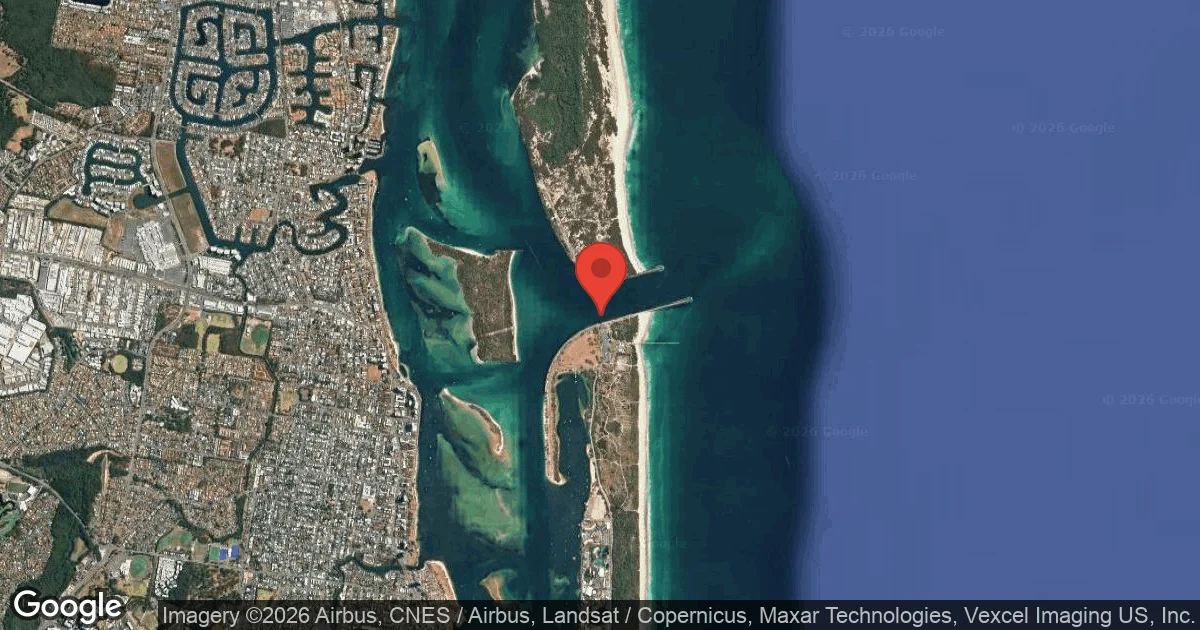
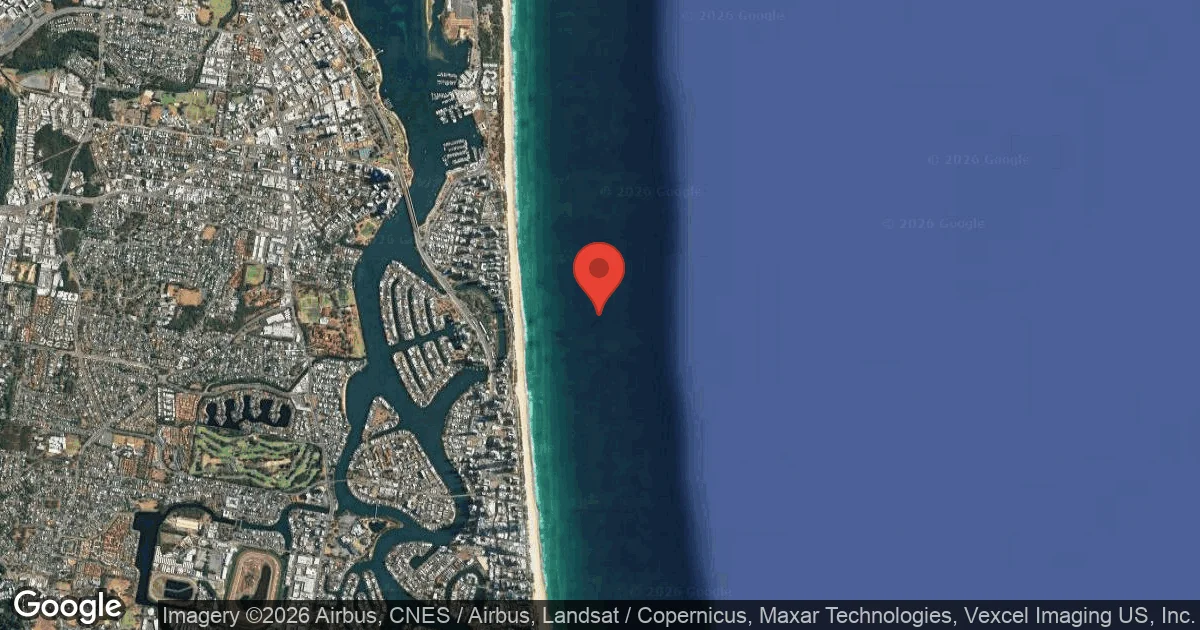
The Gold Coast Seaway carves a dynamic underwater passage, connecting the Pacific Ocean with the Gold Coast Broadwater. This site's structure features a significant south wall and an elevated pipeline that stretches across the channel. These prominent underwater landmarks, alongside various rocky reefs and bommies, create a diverse habitat for marine life. Depths here typically span from 5 m / 16 ft down to 25 m / 82 ft, offering varied exploration opportunities.
Evening condition tracking at Gold Coast Seaway features an air temperature of 20°C. We have recorded wave heights measuring 0.9 m during this period. These figures outline the environmental parameters currently present.
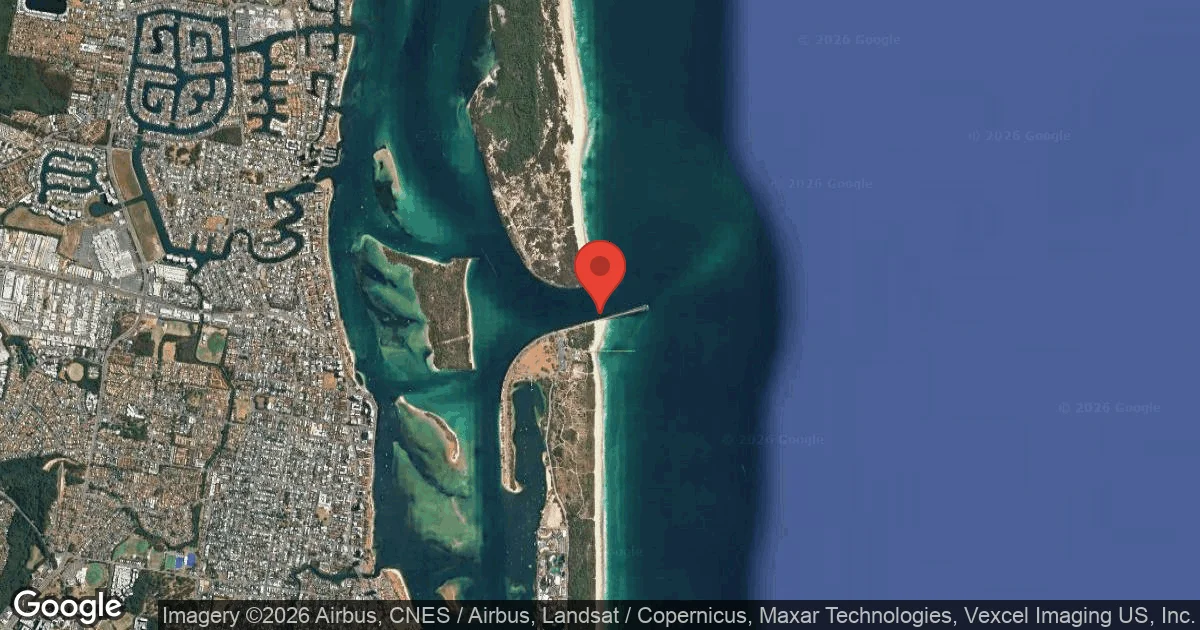
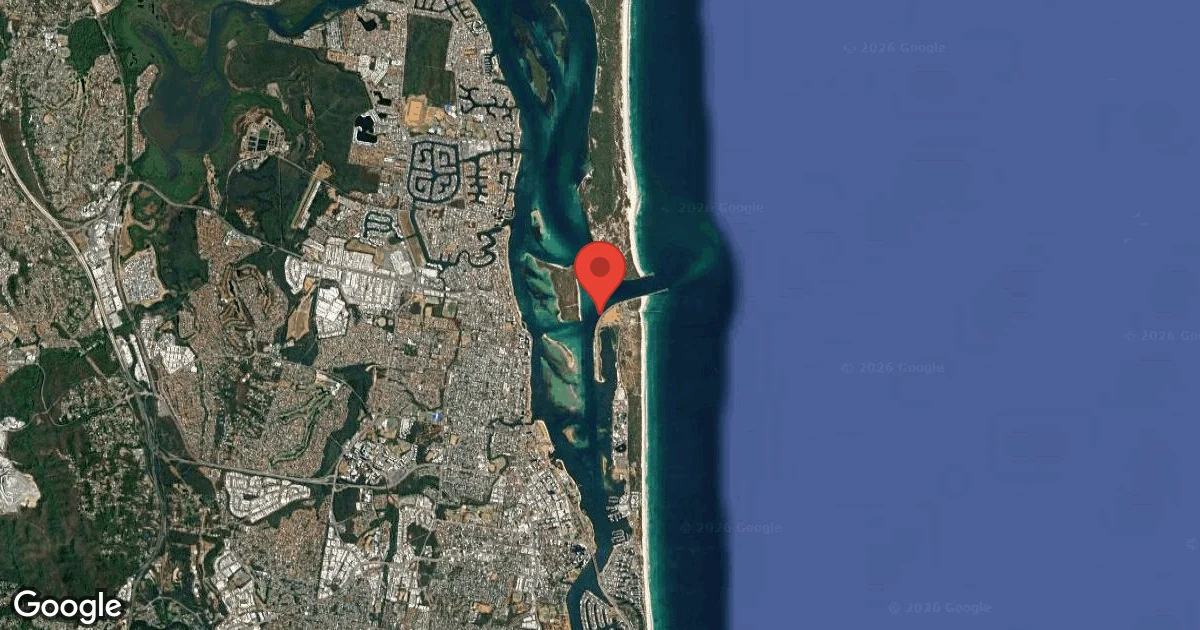
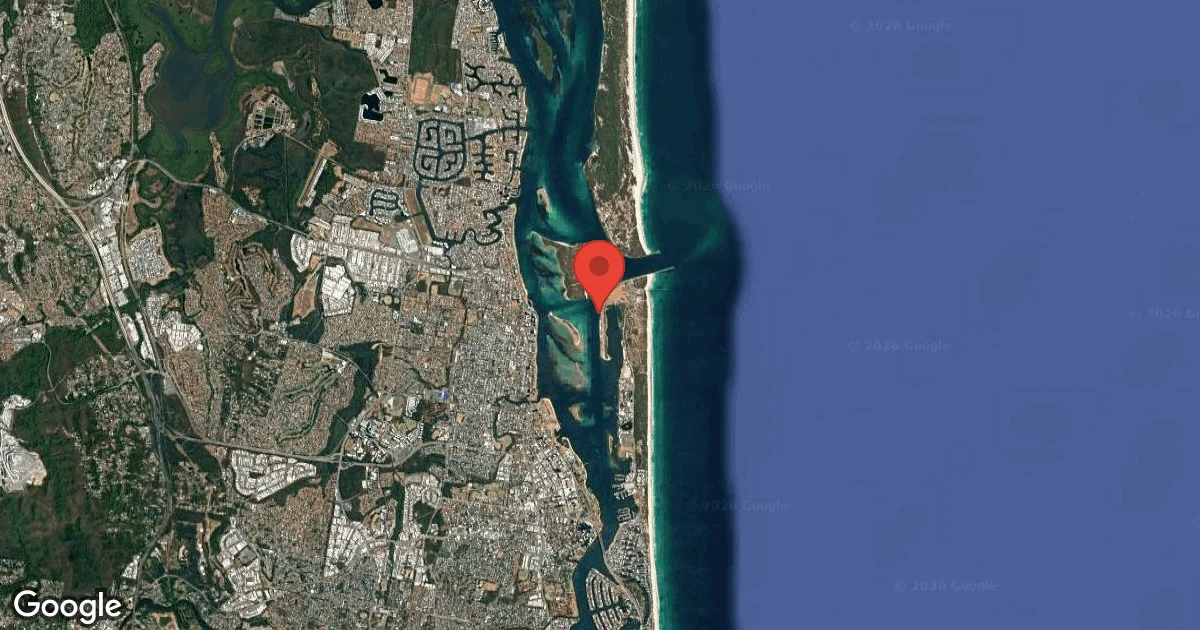
Dive Site Location & Key Facts
Dive Site Overview
Anticipate a dynamic drift dive at the Gold Coast Seaway, an environment primarily dictated by precise tidal movements. Diving here is strictly limited to the incoming tide, ensuring safe conditions and optimal visibility; an outgoing tide is never advisable.
Descending near the prominent south wall, divers are guided by the natural flow along this extensive structure. This site isn't just a conduit for water; it's a vibrant and extensively documented ecosystem, confirmed to host over 400 different species. The current carries divers past various rocky outcrops, sandy patches, and deeper ledges that characterize the seaway's floor.
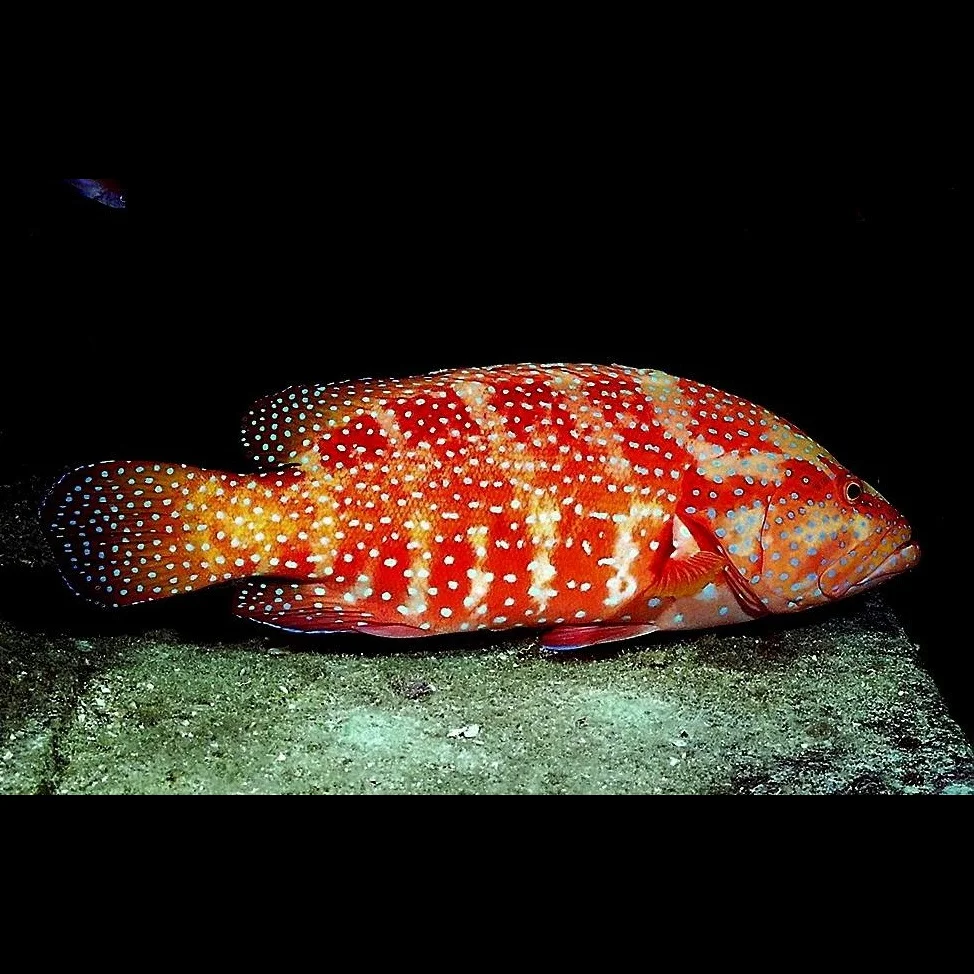
Encounters along the elevated pipeline, a consistent feature spanning parts of the channel, often become a memorable highlight, known for its resident Queensland Groupers and other smaller reef life finding shelter. The drift provides a unique perspective, revealing different aspects of the environment as the current unfolds the dive path.
Divers will experience a consistent, yet manageable, flow that dictates the pace, requiring comfort with drift diving techniques. It's a journey through a living waterway, where the marine inhabitants are accustomed to the moving water, creating an active and engaging experience for those prepared for its currents.
Conditions are Good
Optimal conditions expected
Current conditions near Gold Coast Seaway show 20° air, 21° sea temperature, 1.5 m waves, and 18 km/h wind. Forecast data is refreshed regularly to ensure accuracy.
Best Time to Dive
Optimizing visibility at the Gold Coast Seaway primarily depends on diving during the incoming tide, ideally within 15 minutes before the high tide. Seasonally, the climate data indicates favorable diving conditions throughout most of the year. Months like June to September, which see average air temperatures ranging from 15.5°C to 19°C / 60°F to 67°F and minimal rainfall, often present particularly good conditions with high dive scores. The warmer months, from December to February, offer air temperatures between 24.5°C and 25°C / 77°F and 77°F, but can experience slightly higher average rainfall, which might affect coastal runoff.
PEAK SEASON SCORE
Scores combine air & water temps, waves, wind & rainfall for overall conditions.
BEST MONTHS TO DIVE
Monthly records compiled from satellite and marine observation nodes over the last 3 years. Data provided by Open-Meteo and MET Norway.
Dive Experience & Conditions
As divers descend into the Gold Coast Seaway, the incoming tidal current becomes the primary force, orchestrating a measured drift along the expansive south wall. Entry is typically made via designated stairs on the south side, leading directly into the water, where the gentle push of the tide soon takes hold. This current isn't overwhelming but demands awareness and controlled buoyancy, allowing for a relaxed glide past diverse underwater features. Water temperature isn't consistently reported, but it varies seasonally with broader oceanic influences, generally feeling temperate. Visibility is a crucial factor here, making the pre-high tide window essential for a clear perspective, often extending several meters. Divers will traverse varied terrain, from the shallower rock formations near the entry to deeper sandy sections and the elevated pipeline, which creates a complex habitat. While much of the dive occurs at mid-water depths, opportunities exist to explore down to 25 meters / 82 feet, or stay shallower, depending on the chosen path and current strength. Maintaining situational awareness and a watchful eye on dive computers is key to a smooth and enjoyable drift.
Dive Difficulty & Safety Guidelines
Navigating the Gold Coast Seaway safely hinges entirely on understanding its strong tidal currents. The most critical guideline is to never attempt this dive on an outgoing tide; such conditions present extreme hazards due to powerful currents and greatly reduced visibility. Divers must meticulously plan their entry for the incoming tide, specifically aiming for approximately 15 minutes before high tide, when the water flow is optimal for a safe drift.
This shore dive requires proficient drift diving techniques. Always carry a dive computer, a dive flag, and a surface marker buoy (SMB) for safety and surface visibility, especially in an area with boat traffic.
Recommended Equipment
Current and surface separation risk. Local briefing strongly recommended.
- Dive Computer
- DSMB
- Reel / Spool
- Hard-soled Dive Boots
This gear list is based on verified equipment signals for Gold Coast Seaway, Australia. Always confirm final gear choices with your dive operator, guide, or liveaboard.
Recommended Dive Suit
In conditions like these, many divers prefer diving with 3-5mm wetsuit. Surface intervals may feel cooler.
Divers planning a dive at Gold Coast Seaway today will likely encounter water temperatures close to 21°C (70°F). Surface air temperatures are resting at 20°C (68°F).
Environmental conditions appear stable for the near future.
Emergency & Medical Support
Essential information to help you plan your dive trip to Gold Coast Seaway.

Hyperbaric chambers are a critical part of dive safety infrastructure. Availability varies significantly by region, and not all dive areas have immediate access.
Before diving, it's recommended to:
- confirm nearest medical facilities
- check emergency procedures with local dive operators
- ensure dive insurance covers evacuation if required
Divers Alert Network
Diving emergency assistance available through DAN World.
+1-919-684-9111- 24/7 emergency hotline
- Diving medical assistance
- Evacuation coordination
Emergency contacts are provided for reference. Always verify local emergency services before diving.
Marine Life at Gold Coast Seaway
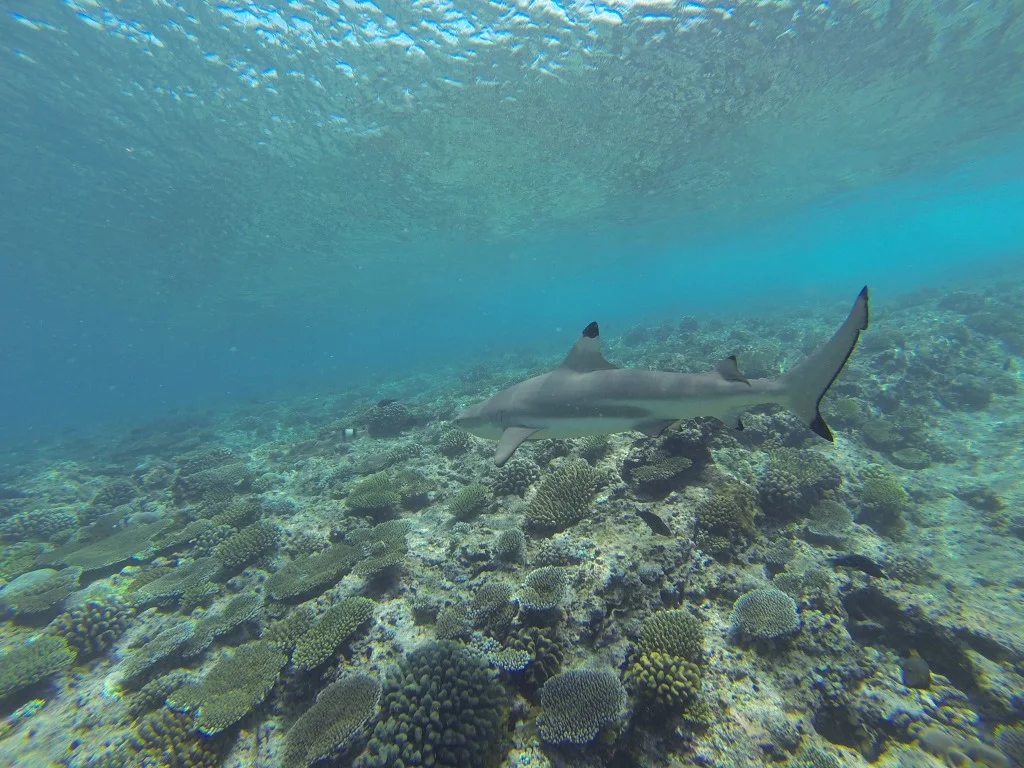
Upon entering the Gold Coast Seaway, divers frequently notice the abundant and diverse aquatic populations inhabiting this crucial marine thoroughfare, which is known to host over 400 different species. Keep a keen eye on the elevated pipeline, a consistent hangout for Queensland Groupers, often seen resting or moving through the structure. While not guaranteed on every dive, encounters with sharks, turtles, and various schooling fish are possible within the seaway’s dynamic environment.
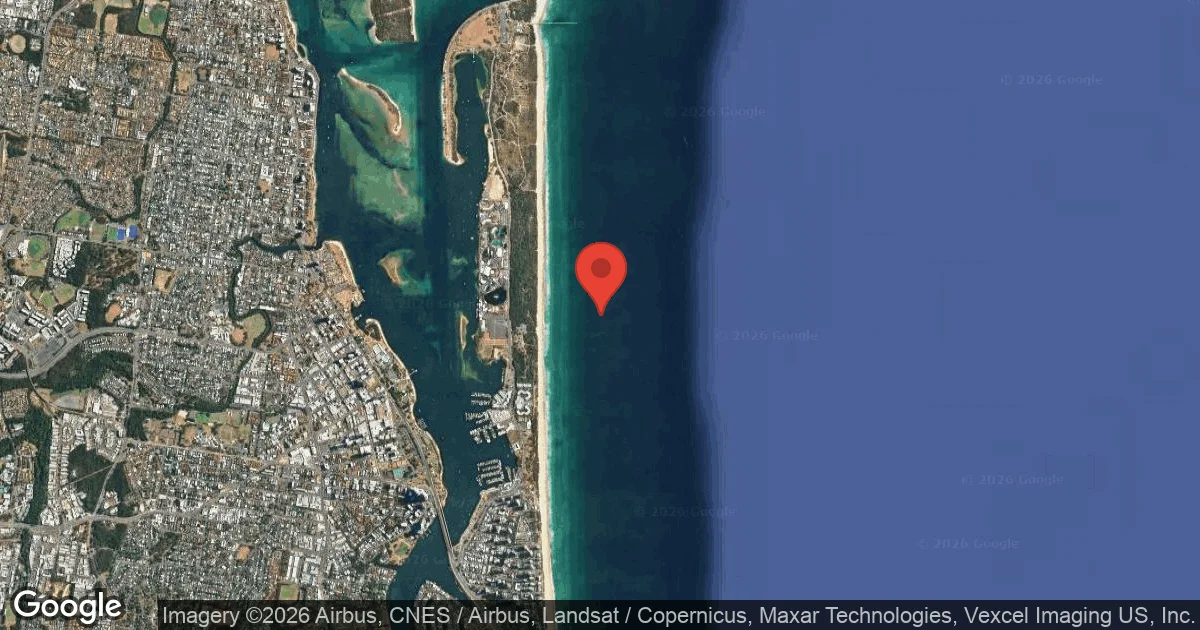
Dive Sites Near Gold Coast Seaway
View all dive sites in AustraliaDiscover more underwater gems in this area.
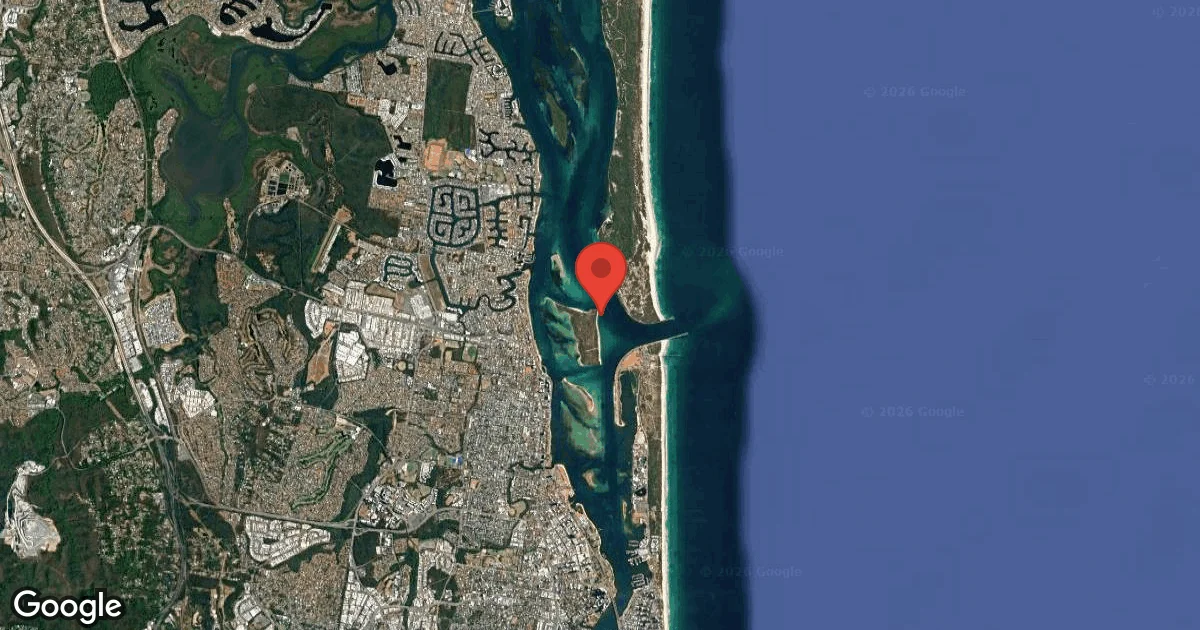
Dive Centers Near Gold Coast Seaway
Today: 09:00 - 17:00
Nearest Airports
Nearest airports to help plan travel to this dive area.
Search Flights
Check available flights and routes on Expedia, using the nearby airports listed in this section.
Search Flights on ExpediaFrequently Asked Questions
What type of dive is the Gold Coast Seaway?
The Gold Coast Seaway is predominantly a drift dive, following the natural flow of the incoming tide along the south wall. It is also characterized as a wall dive, with an elevated pipeline creating additional structure.
What are the essential safety considerations for diving here?
Safety at the Seaway relies on strict adherence to tidal conditions. You must only dive on an incoming tide, ideally 15 minutes before high tide, and never on an outgoing tide due to dangerous currents. Proper drift diving experience is essential.
What marine life can I expect to see?
The Seaway is home to over 400 species. Highlights include Queensland Groupers, often found around the elevated pipeline. Divers may also encounter various sharks, turtles, and schooling fish depending on the season and conditions.
What are the typical depths at this dive site?
Depths at the Gold Coast Seaway vary significantly, from shallower areas near the entry to deeper sections. Most of the dive occurs in mid-water, but options exist for deeper exploration depending on the current and chosen path.
Is the Gold Coast Seaway a shore or boat dive?
The Gold Coast Seaway is accessible as a shore dive, with entry points via stairs on the south side. However, some operators may offer boat access for specific sections or combined itineraries.
What is the best time of day for diving the Seaway?
The optimal time to dive the Gold Coast Seaway for the best visibility and manageable current is approximately 15 minutes before high tide. This timing ensures you are diving with the beneficial incoming tide.
What are the seasonal climate trends for diving?
Generally, the Seaway offers good diving conditions year-round, with dive scores rated 'Good' for most months. Winter months (June-September) often have lower air temperatures but less rain and consistently good dive scores, while summer months are warmer but can see slightly higher rainfall.
Planning to dive Gold Coast Seaway?
Send one inquiry and receive offers directly from the best verified local dive operators.
Conditions are Good
Optimal conditions expected
Current conditions near Gold Coast Seaway show 20° air, 21° sea temperature, 1.5 m waves, and 18 km/h wind. Forecast data is refreshed regularly to ensure accuracy.