
Diving at Palm Beach Reef (Australia)
Approaching Palm Beach Reef demands an understanding of its sheer scale and diverse topography. This extensive system, spanning approximately 950 m (3,117 ft) in length and 500 m (1,640 ft) in width, requires strategic planning to uncover its many distinct dive sites. It's a destination best explored over multiple excursions, revealing new facets with each visit, often surprisingly underrated by even local divers.
Evening condition tracking at Palm Beach Reef features an air temperature of 23.5°C. We have recorded wave heights measuring 1 m during this period. These figures outline the environmental parameters currently present.
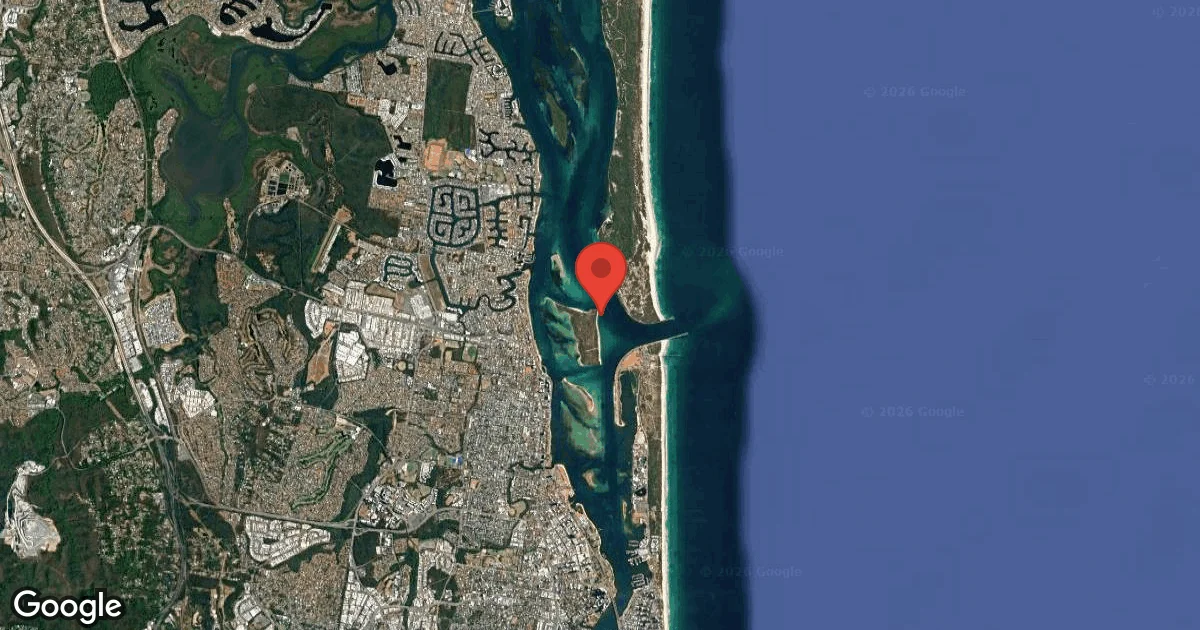
Dive Site Location & Key Facts
Dive Site Overview
Palm Beach Reef stands as the Gold Coast's largest reef system, offering an expansive underwater environment that invites thorough exploration. Over 10 distinct dive sites exist within its boundaries, spanning locations from The Gutters to Clown City, where divers encounter diverse conditions and marine life.
Depths here accommodate various certification levels, ranging from shallow 5 m (16 ft) sections to deeper areas reaching 25 m (82 ft). A rich tapestry of marine plants, including soft and hard corals, covers this rocky reef, providing shelter and sustenance for a wide array of life.
Fully appreciating this dynamic site may require numerous dives, perhaps 10-20, to experience its full scope. Diverse topography, encompassing rocky outcrops and large bommies, hosts unique ecosystems.
Navigating its extensive footprint reveals a range of micro-habitats, each with specific inhabitants and formations. Considering the reef's sheer size and varied environments, it remains a significant destination for any diver seeking a comprehensive Gold Coast dive experience.
Each sector presents different features, encouraging repeated visits and careful planning for optimal discovery.
Conditions are Good
07:00 - 14:00
Optimal conditions expected
Current conditions near Palm Beach Reef show 24° air, 21° sea temperature, 1.2 m waves, and 20 km/h wind. Forecast data is refreshed regularly to ensure accuracy.
Best Time to Dive
Visibility often dictates the optimal dive experience at Palm Beach Reef, frequently reported as the best among Gold Coast dive sites. During the warmer summer months (December to February), the climate averages show air temperatures around 24°C (75°F) with moderate rain, leading to generally good dive scores, aligning with the hotspot season for leopard sharks in areas like The Gutters. Winter months (June to August) also present good dive scores with cooler average air temperatures around 15-17°C (59-63°F) and less rain, making it a period when grey nurse sharks may be sighted. Wave heights, which can influence boat access, tend to be lower in winter months, averaging around 1.2-1.3 m (4 ft), compared to summer's 1.4-1.6 m (4.6-5.2 ft). Ultimately, consistent periods of good dive scores from June through October, and again from December to January, suggest favorable conditions for planning trips.
PEAK SEASON SCORE
Scores combine air & water temps, waves, wind & rainfall for overall conditions.
BEST MONTHS TO DIVE
Monthly records compiled from satellite and marine observation nodes over the last 3 years. Data provided by Open-Meteo and MET Norway.
Dive Experience & Conditions
Entering the waters of Palm Beach Reef typically reveals a calm environment, largely protected from south-easterly swells by Point Danger. Divers will find conditions generally suitable for all experience levels, primarily due to the varied depths and usually minimal currents. While stronger currents are rare, they can occur, so awareness of local conditions is advisable. The reef's shallower sections, often between 6 m (20 ft) and 12 m (39 ft), are particularly vibrant and colorful, making them accessible and engaging for less experienced divers. Deeper parts extend to around 25 m (82 ft). Many operators favor drift dives, allowing divers to seamlessly transition between sites like Clown City, known for its anemone fish, and The Gutters, a summer gathering point for leopard sharks. This approach maximizes exploration across the reef's extensive footprint.
Dive Difficulty & Safety Guidelines
Successfully navigating Palm Beach Reef centers on thorough dive planning and local guidance. Given its expansive nature with numerous sites, consulting with an experienced dive guide is highly recommended, especially for those unfamiliar with the area. This ensures appropriate site selection for prevailing conditions and diver skill levels.
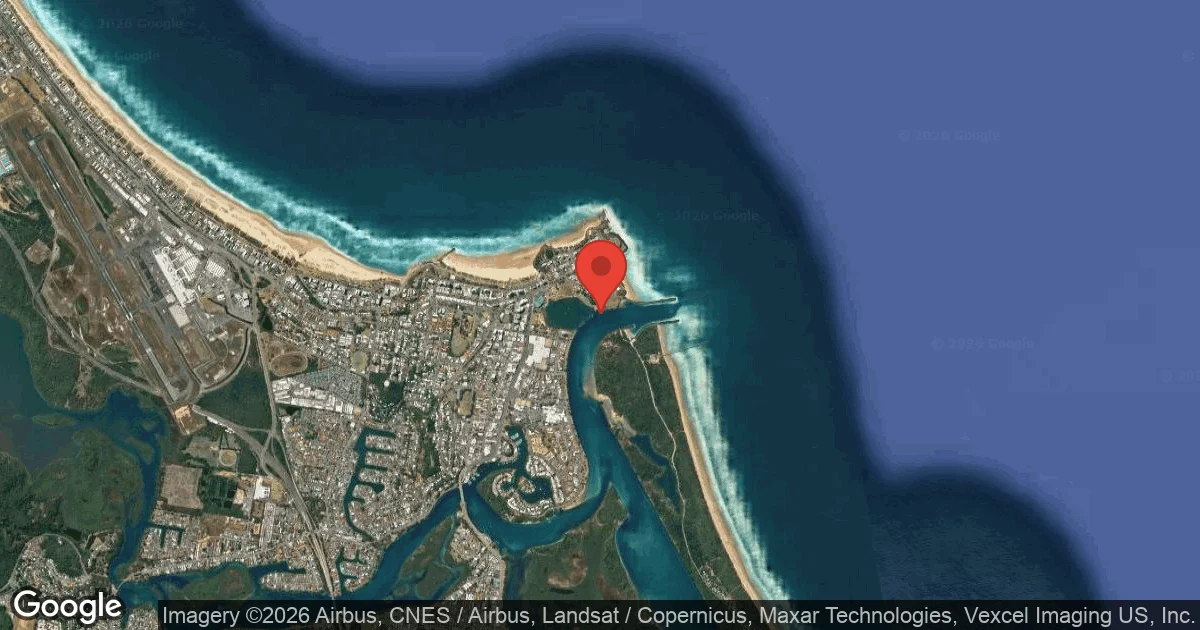
Access to the reef is exclusively by boat, typically departing from the Gold Coast Seaway, a journey that can take around 25-35 minutes depending on wave height. It's crucial to avoid attempting access via Currumbin Creek due to its shallow and potentially dangerous bar crossing.
Divers might consider PADI Advanced Open Water Diver certification to confidently explore the full range of depths and environments this diverse reef offers.
Recommended Equipment
- Dive Computer
- DSMB
This gear list is based on verified equipment signals for Palm Beach Reef, Australia. Always confirm final gear choices with your dive operator, guide, or liveaboard.
Recommended Dive Suit
Divers who spend more time observing marine life often prefer slightly warmer gear.
Environmental readings suggest that the waters surrounding Palm Beach Reef are about 21°C (70°F) at the moment. Surface air temperatures are resting at 24°C (75°F). Water temperatures in this range are often well suited to diving with 5mm wetsuit.
Weather models indicate a small drop in surface temperatures later this week. A significant temperature drop is forecast; strongly suggest bringing a backup warmer suit option. A thicker wetsuit may be worth considering for extended dives.
Emergency & Medical Support
Essential information to help you plan your dive trip to Palm Beach Reef.

Hyperbaric chambers are a critical part of dive safety infrastructure. Availability varies significantly by region, and not all dive areas have immediate access.
Before diving, it's recommended to:
- confirm nearest medical facilities
- check emergency procedures with local dive operators
- ensure dive insurance covers evacuation if required
Divers Alert Network
Diving emergency assistance available through DAN World.
+1-919-684-9111- 24/7 emergency hotline
- Diving medical assistance
- Evacuation coordination
Emergency contacts are provided for reference. Always verify local emergency services before diving.
Marine Life at Palm Beach Reef
Palm Beach Reef's underwater landscape bursts with a diverse range of marine inhabitants. During summer, The Gutters teem with leopard sharks, and winter often brings the occasional grey nurse shark cruising through.
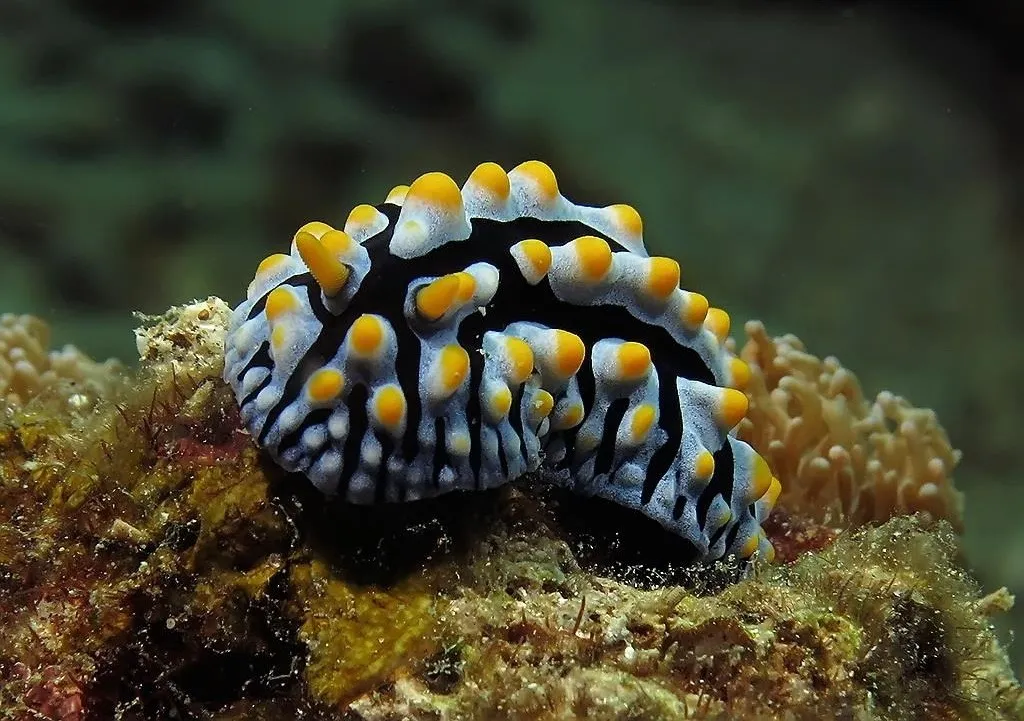
Resident species seen throughout the year include various turtles, rays, and wobbegong sharks, frequently encountered among rocky outcrops and bommies. For macro enthusiasts, the reef is a noted 'nudibranch heaven,' boasting a wide array of smaller critters.
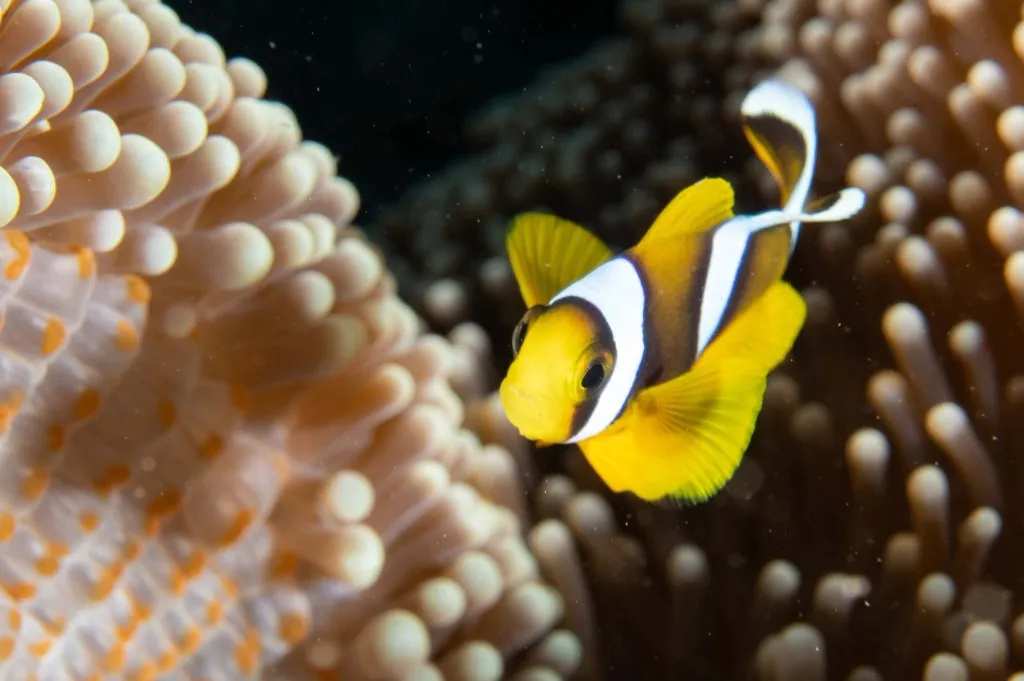
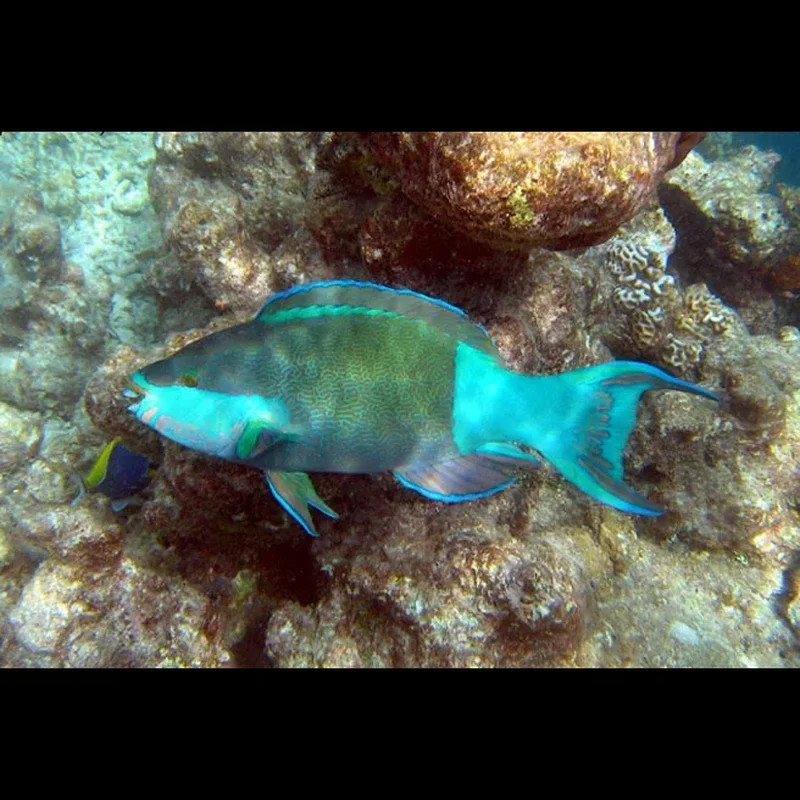
Shallower areas are especially rich, providing a home to schools of tropical fish like blue wrasse, parrotfish, painted wrasse, and vibrant anemone fish at sites such as Clown City.

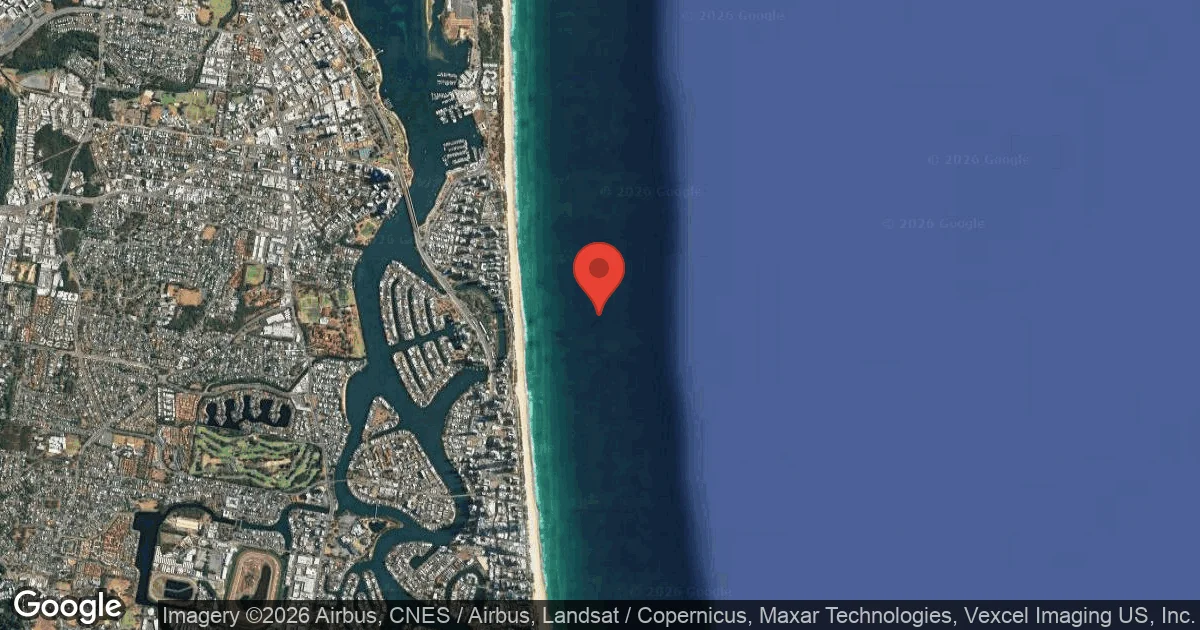
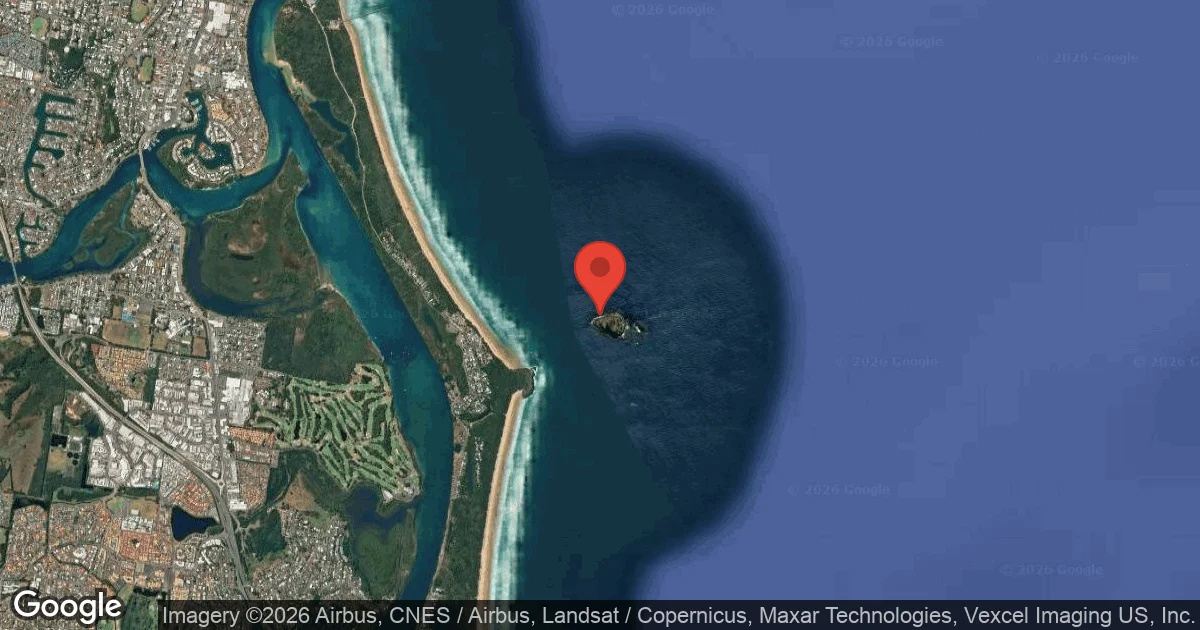
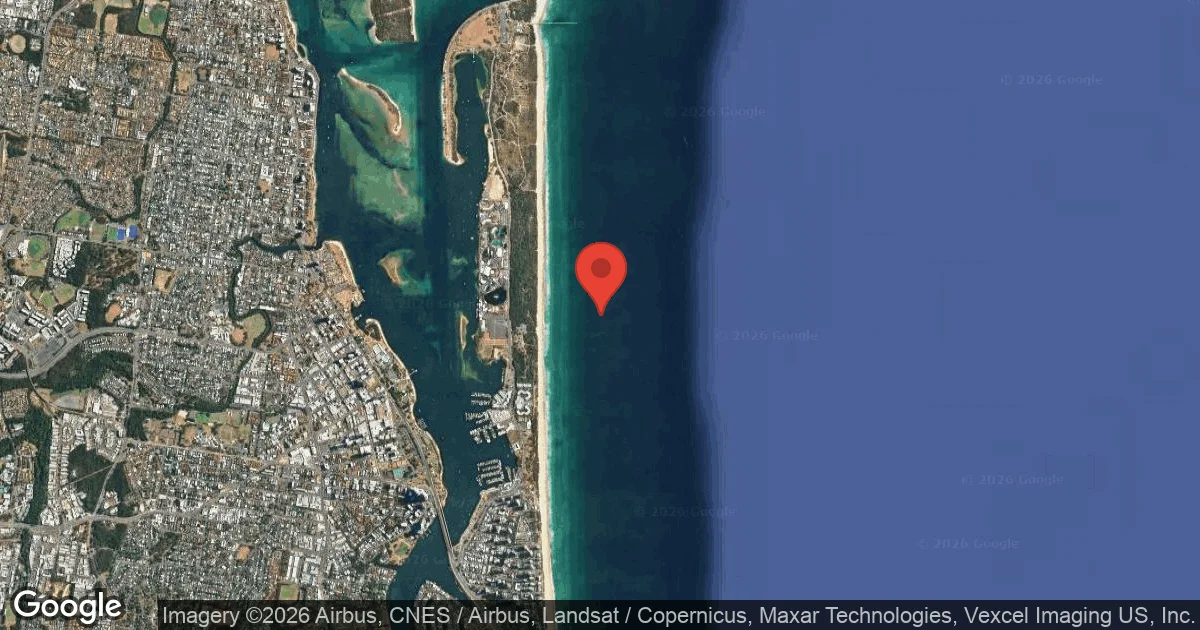
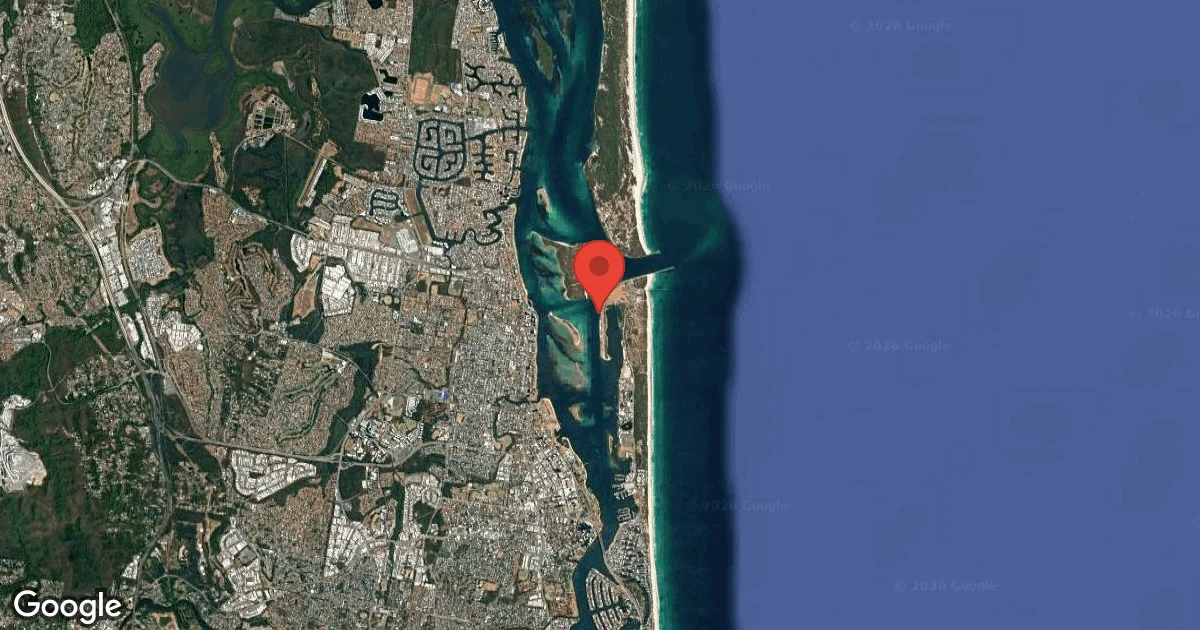
Dive Sites Near Palm Beach Reef
View all dive sites in AustraliaDiscover more underwater gems in this area.
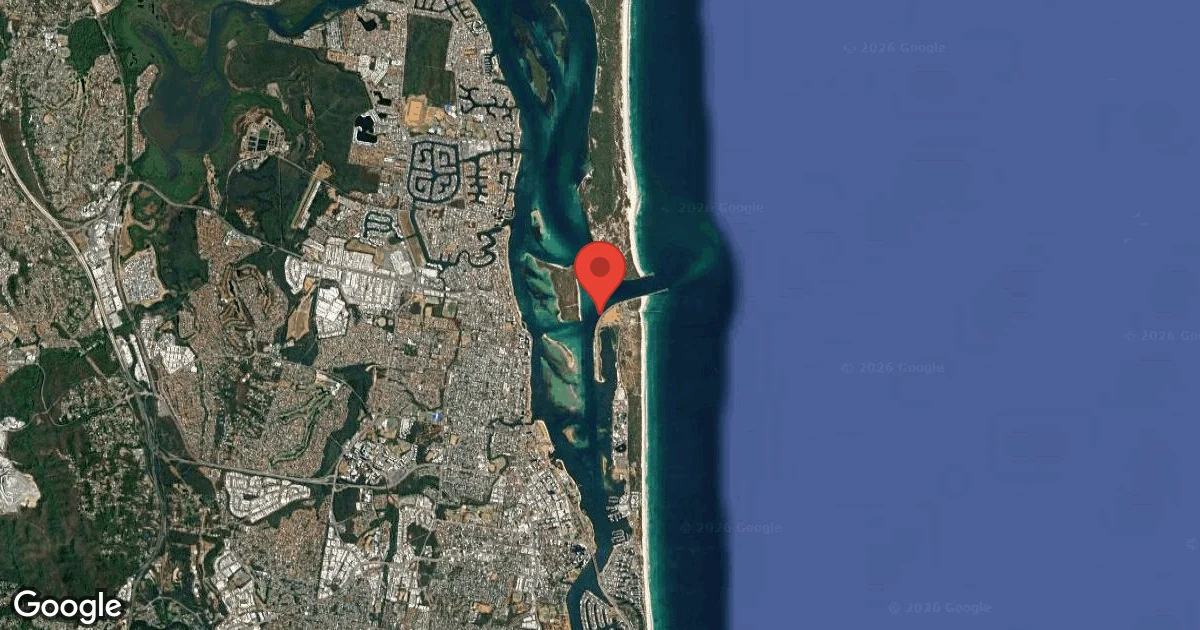
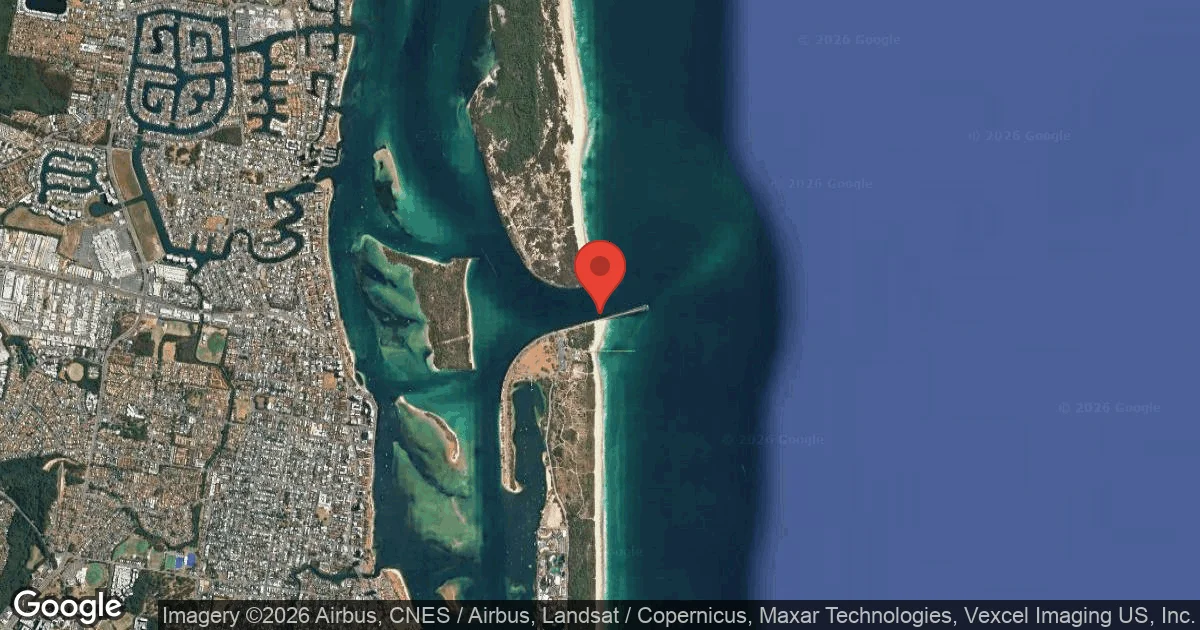
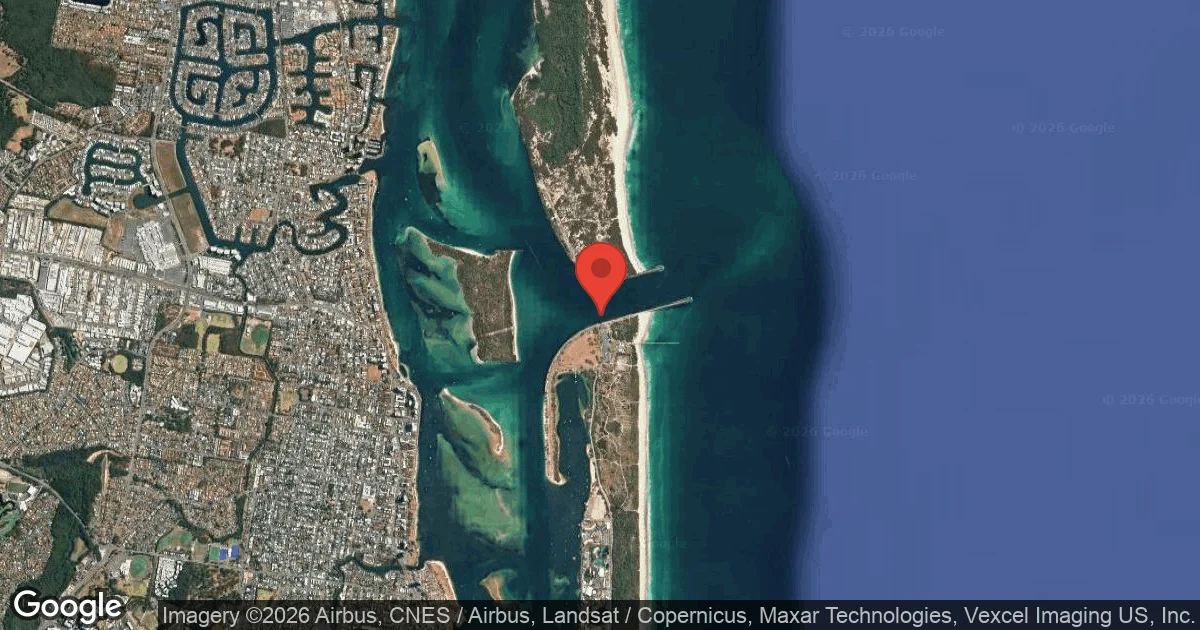
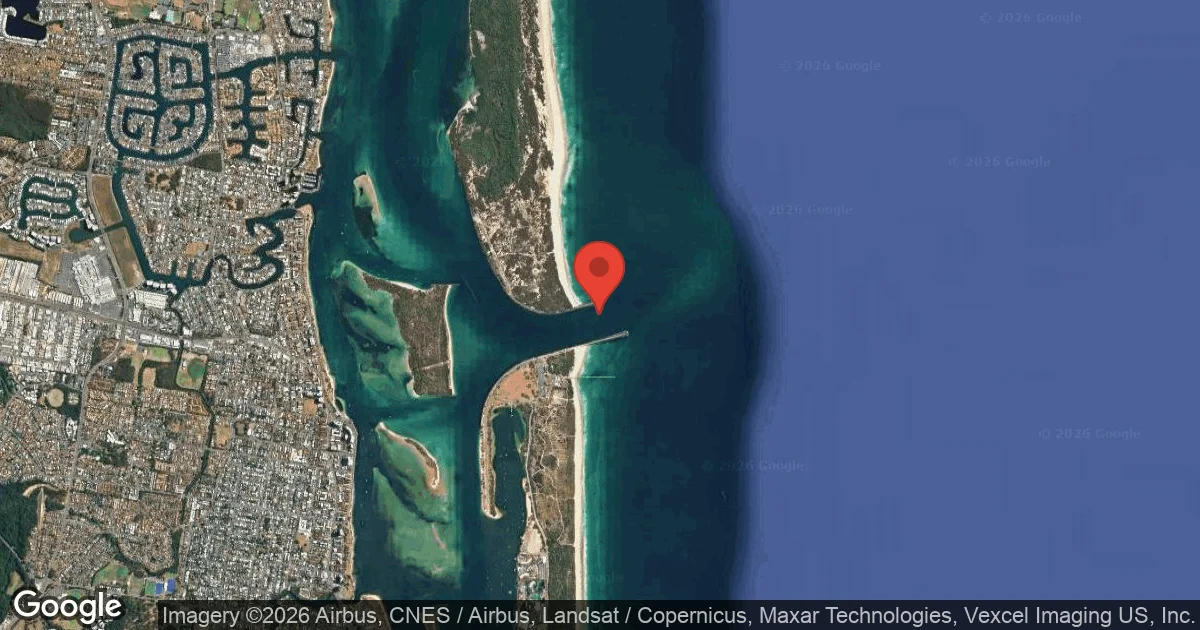
Dive Centers Near Palm Beach Reef
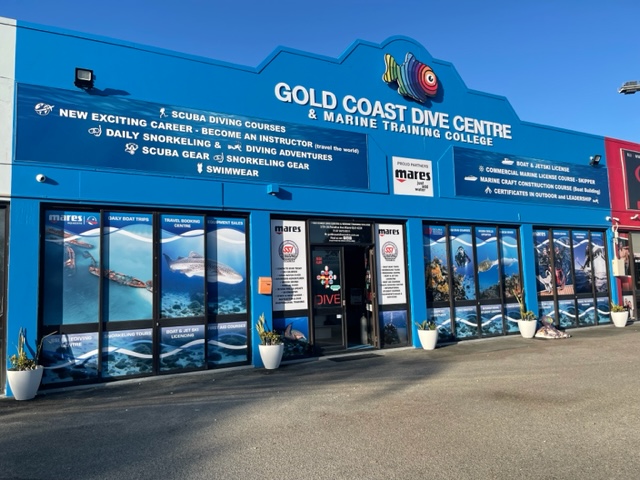
Today: 09:00 - 17:00
Nearest Airports
Nearest airports to help plan travel to this dive area.
Search Flights
Check available flights and routes on Expedia, using the nearby airports listed in this section.
Search Flights on ExpediaFrequently Asked Questions
What is Palm Beach Reef?
Palm Beach Reef is the largest reef system on Australia's Gold Coast, covering an area approximately 950 m (3,117 ft) long and 500 m (1,640 ft) wide. It hosts over 10 distinct dive sites, offering diverse marine life and topography.
What are the typical dive depths at Palm Beach Reef?
Depths at Palm Beach Reef vary significantly, ranging from shallow sections as little as 5 m (16 ft) to deeper areas reaching up to 25 m (82 ft). This makes the reef suitable for divers of different experience levels.
What marine life can be seen at Palm Beach Reef?
Divers often encounter leopard sharks, particularly in summer, along with grey nurse sharks in winter. Other common sightings include turtles, rays, wobbegong sharks, spotted eagle rays, and a variety of tropical fish, including anemone fish and nudibranchs.
Is Palm Beach Reef suitable for all diver experience levels?
Yes, Palm Beach Reef is suitable for all certified diver experience levels. Its varying depths and generally calm conditions allow both novice and advanced divers to find appropriate and engaging sites.
How do I access Palm Beach Reef?
The reef is only accessible by boat, typically via the Gold Coast Seaway, with boat rides lasting around 25-35 minutes. It's important to avoid the Currumbin Creek bar crossing due to safety concerns.
What are the general diving conditions like?
The reef is somewhat protected from south-easterly swells, leading to generally calm conditions and minimal currents. Visibility is often considered among the best on the Gold Coast, though it can vary.
Planning to dive Palm Beach Reef?
Send one inquiry and receive offers directly from the best verified local dive operators.
Conditions are Good
07:00 - 14:00
Optimal conditions expected
Current conditions near Palm Beach Reef show 24° air, 21° sea temperature, 1.2 m waves, and 20 km/h wind. Forecast data is refreshed regularly to ensure accuracy.