
Diving at South-West Wall - Gold Coast Seaway (Australia)
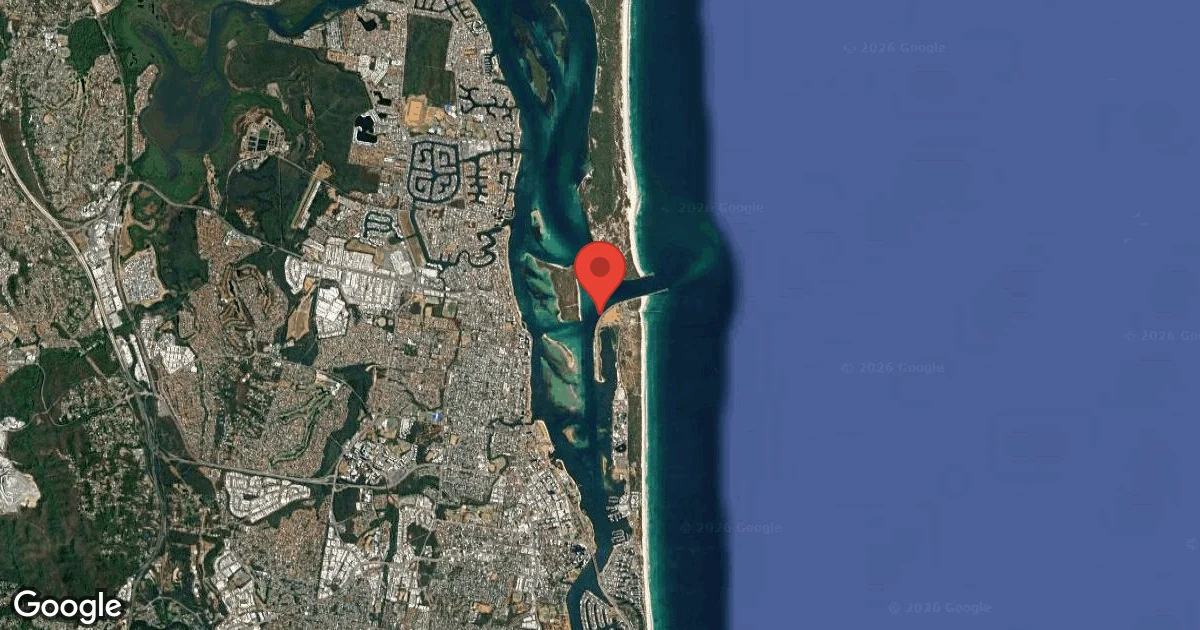
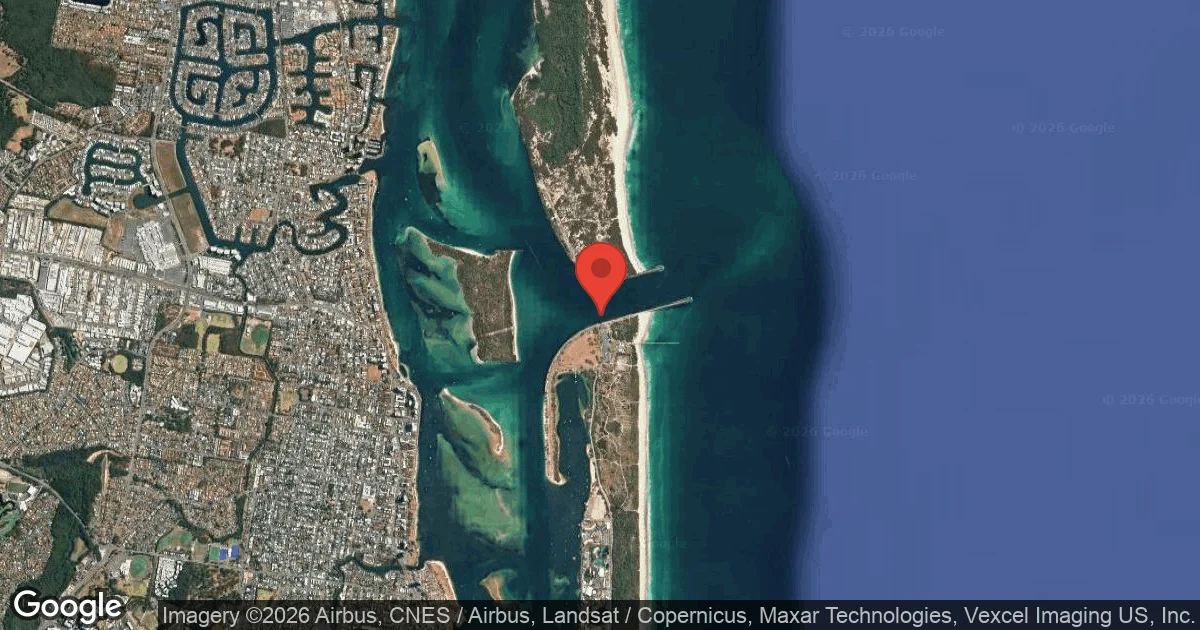
As a vital navigation channel connecting the Pacific Ocean to the Gold Coast Broadwater, the Gold Coast Seaway experiences dynamic water movement. The South-West Wall is a prominent shore dive within this active entrance, making it a highly accessible and popular site in South East Queensland. It supports a vibrant ecosystem due to the constant water exchange and human-made structures.
As evening covers South-West Wall - Gold Coast Seaway, the local air temperature is measured at 25°C. The current wave height at the surface is recorded at 0.7 m. These late-day readings characterize the surface conditions for the night.
Dive Site Location & Key Facts
Dive Site Overview
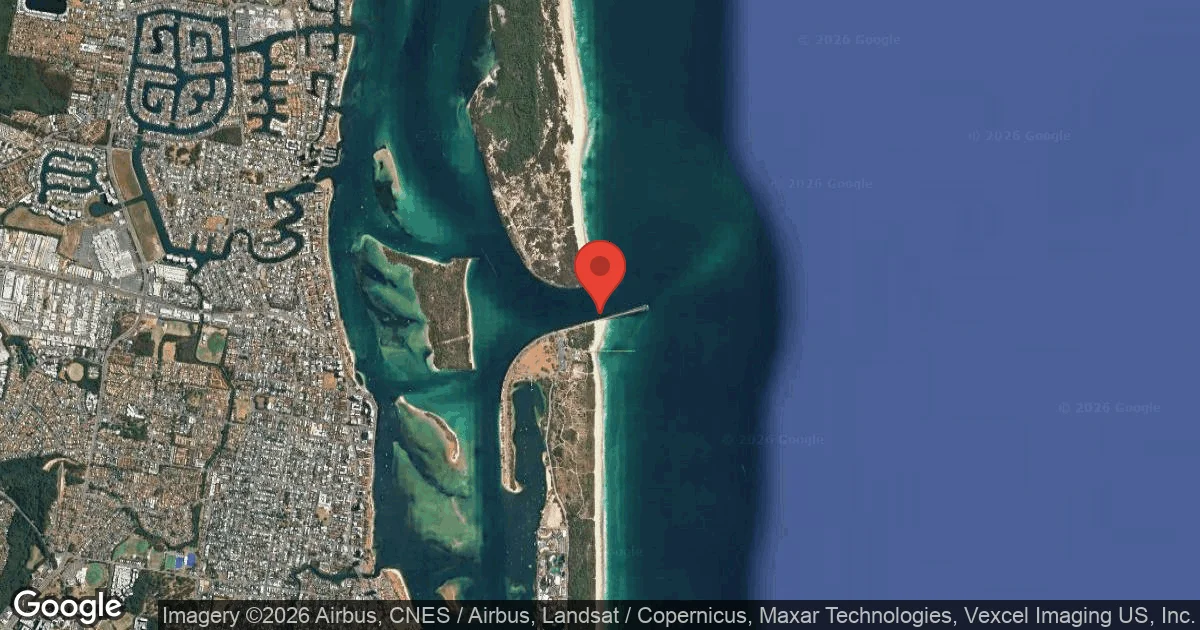
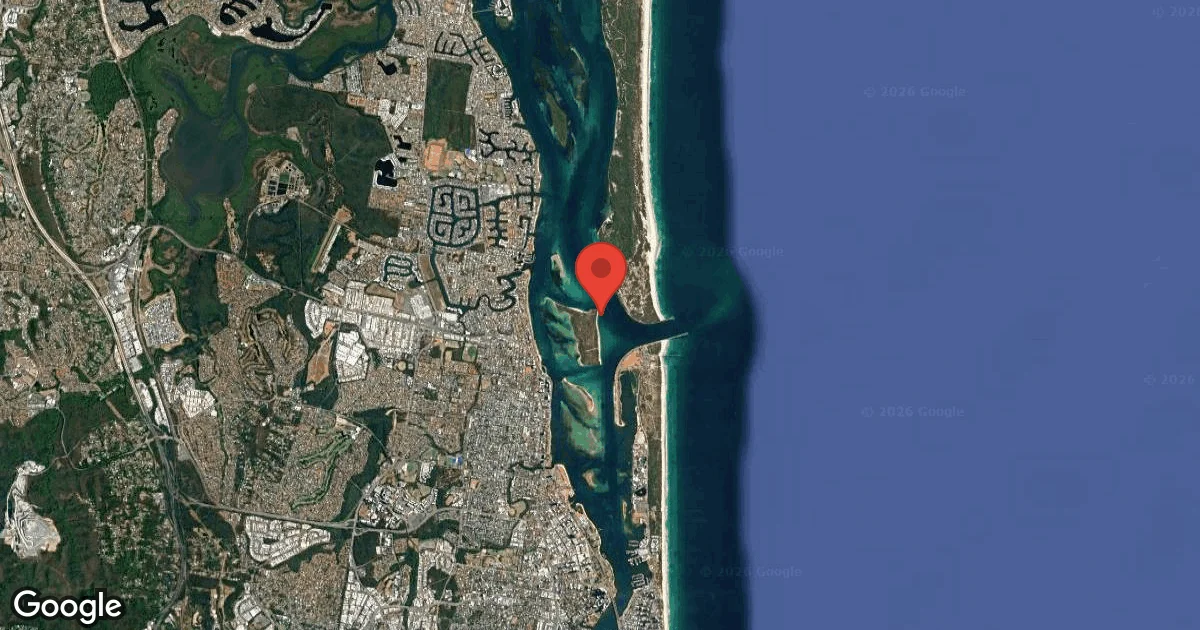
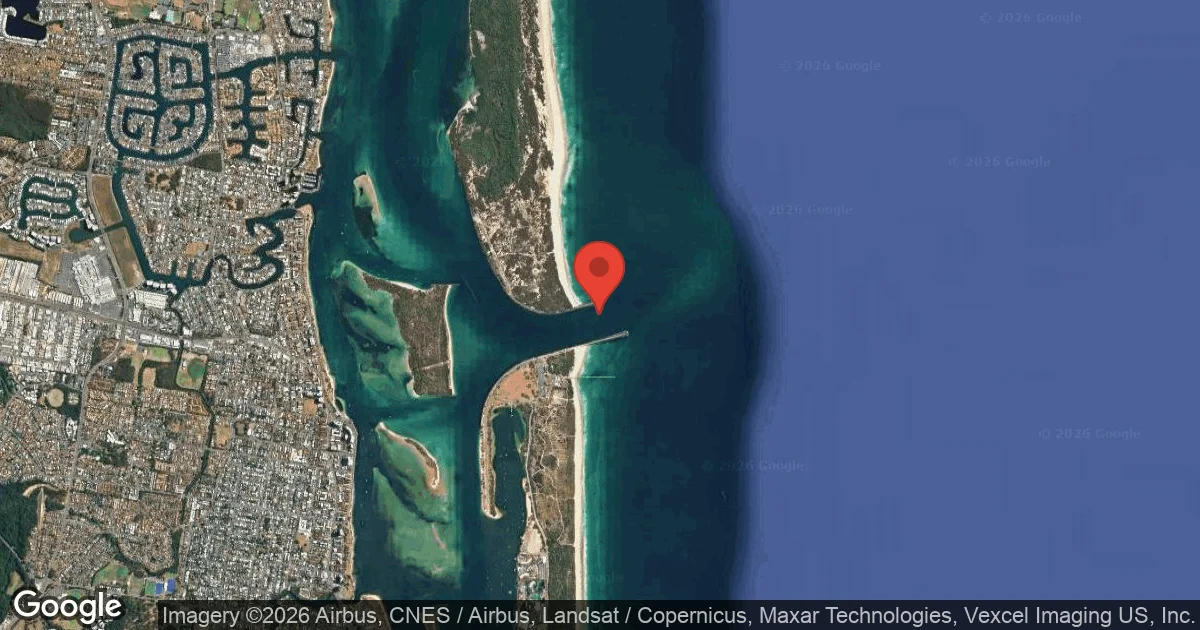
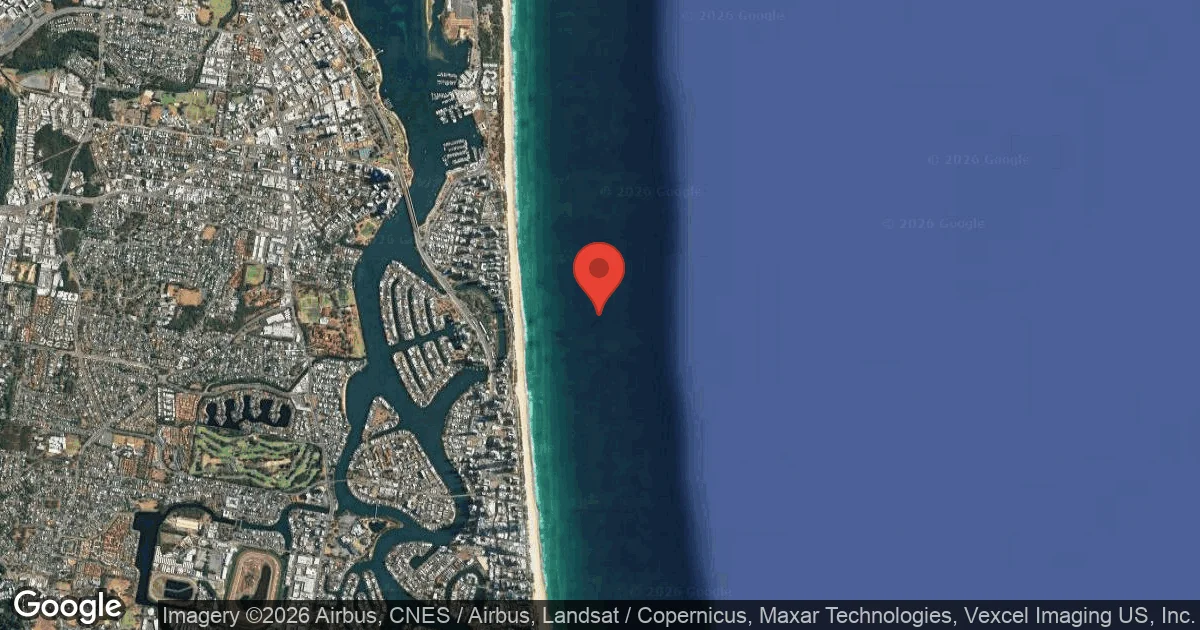
The Gold Coast Seaway, established as the main navigation entrance, presents a remarkable habitat for over 400 marine species. Reaching the South-West Wall dive site involves utilizing two sets of stairs found on the south side of the Seaway.
Descending from these points, divers can explore a maximum depth of 8 meters (26 feet), encountering a landscape primarily shaped by sand and artificial structures. An elevated pipeline, extending from south to north across the Seaway, offers an interesting exploration route, providing shelter and attachment points for various organisms.
Conditions can vary significantly; navigating the site during high or incoming tides often provides improved visibility, though aiming for slack tide is essential to manage potential currents. This makes the South-West Wall a versatile location, suitable for both beginner divers and those seeking macro photography opportunities.
Conditions are Good
07:00 - 14:00
Optimal conditions expected
Current conditions near South-West Wall - Gold Coast Seaway show 25° air, 21° sea temperature, 0.9 m waves, and 22 km/h wind. Forecast data is refreshed regularly to ensure accuracy.
Best Time to Dive
For divers seeking optimal conditions, planning a visit during the cooler, drier months often proves rewarding. June and July offer some of the best dive scores, with average air temperatures around 16-17°C (61-63°F) and minimal rainfall, typically less than 1.5 mm. Through September to December, conditions remain favorable with consistently good dive scores, and air temperatures gradually climb from 19°C (66°F) to 24°C (75°F). While diving is possible year-round, March can see increased rainfall, averaging over 10 mm, which may affect visibility. Regardless of the season, timing your dive for slack water is crucial to mitigate strong currents and enhance the overall experience; avoiding northern winds also tends to improve underwater clarity. Night diving during a high tide can reveal different nocturnal creatures not typically observed during the day.
PEAK SEASON SCORE
Scores combine air & water temps, waves, wind & rainfall for overall conditions.
BEST MONTHS TO DIVE
Monthly records compiled from satellite and marine observation nodes over the last 3 years. Data provided by Open-Meteo and MET Norway.
Dive Experience & Conditions
Descending into the South-West Wall reveals an underwater landscape dominated by rock formations and sandy patches, providing ample crevices for marine life. Visibility here is highly variable, ranging from 3-5 meters (10-16 feet) on some days to an impressive 15 meters (50 feet) under optimal conditions. Water temperatures are not consistently reported but generally align with regional subtropical averages. Currents are a significant factor and necessitate careful dive planning, particularly around slack tides, to ensure a comfortable and safe drift along the wall or pipeline. Entry and exit are facilitated by stairs directly from the shore, making access relatively straightforward for a shore dive. Divers will encounter diverse critters hiding amongst the structures, alongside many tropical fish moving through the area.
Dive Difficulty & Safety Guidelines
Approaching the South-West Wall requires adherence to specific safety measures, primarily due to the presence of currents. Diving at slack tide is strongly recommended to minimize exertion and reduce the risk of being swept by the flow. Divers should remain vigilant for fishing lines, which are frequently encountered throughout the site; carrying a dive knife is an essential piece of equipment for safely managing potential entanglements.
Stonefish may be present, so avoiding direct contact with the pipe and surrounding rocks is a critical precaution. For night dives, be aware that the car park in front of the stairs closes at 8 pm, requiring parking further afield.
Divers seeking to enhance their skills for this environment might consider PADI Open Water Diver and PADI Underwater Photographer courses.
Recommended Equipment
- Dive Computer
- Hard-soled Dive Boots
This gear list is based on verified equipment signals for South-West Wall - Gold Coast Seaway, Australia. Always confirm final gear choices with your dive operator, guide, or liveaboard.
Recommended Dive Suit
For divers planning standard recreational dives, 3-5mm wetsuit is usually a suitable option. Divers vary widely in how quickly they feel cold underwater.
The waters surrounding South-West Wall - Gold Coast Seaway are currently maintaining temperatures close to 21°C (70°F). Surface air temperatures are resting at 25°C (77°F).
Environmental conditions may feel slightly cooler as the week progresses. A significant temperature drop is forecast; strongly suggest bringing a backup warmer suit option. Bringing an additional thermal layer can be helpful if conditions change.
Emergency & Medical Support
Essential information to help you plan your dive trip to South-West Wall - Gold Coast Seaway.

Hyperbaric chambers are a critical part of dive safety infrastructure. Availability varies significantly by region, and not all dive areas have immediate access.
Before diving, it's recommended to:
- confirm nearest medical facilities
- check emergency procedures with local dive operators
- ensure dive insurance covers evacuation if required
Divers Alert Network
Diving emergency assistance available through DAN World.
+1-919-684-9111- 24/7 emergency hotline
- Diving medical assistance
- Evacuation coordination
Emergency contacts are provided for reference. Always verify local emergency services before diving.
Marine Life at South-West Wall - Gold Coast Seaway
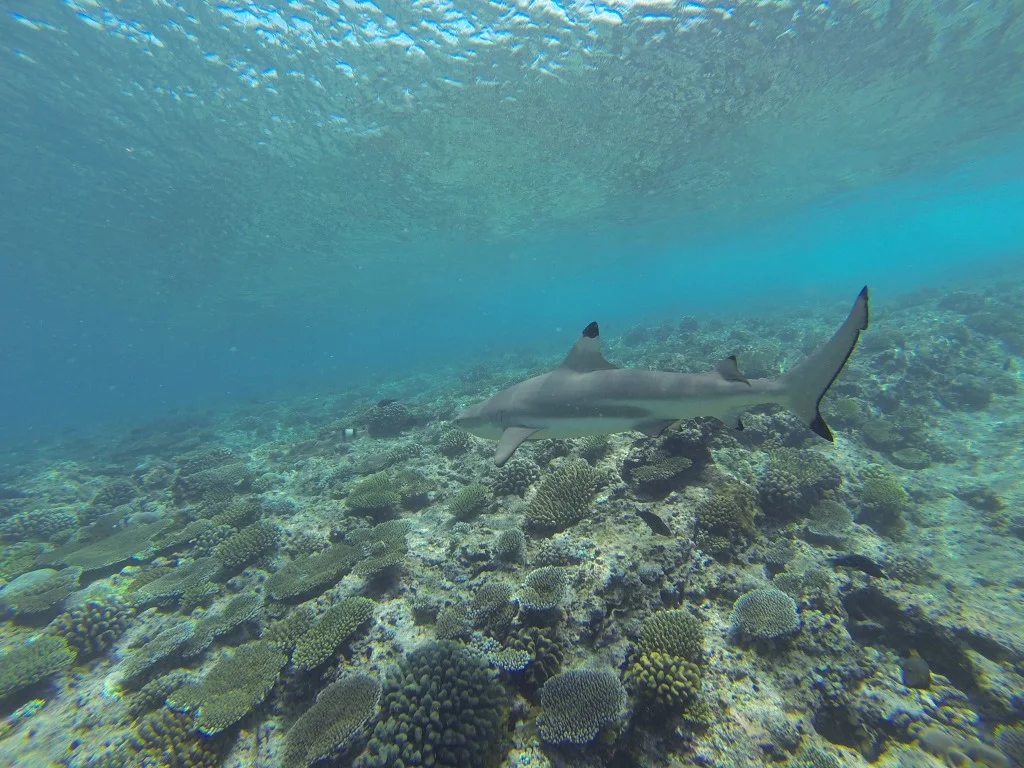
The Seaway's South-West Wall thrives with a diverse array of marine inhabitants, acting as a productive habitat for over 400 different species. Macro photography enthusiasts will find abundant subjects, from small critters tucked into the rocks to various tropical fish schooling around the human-made structures.
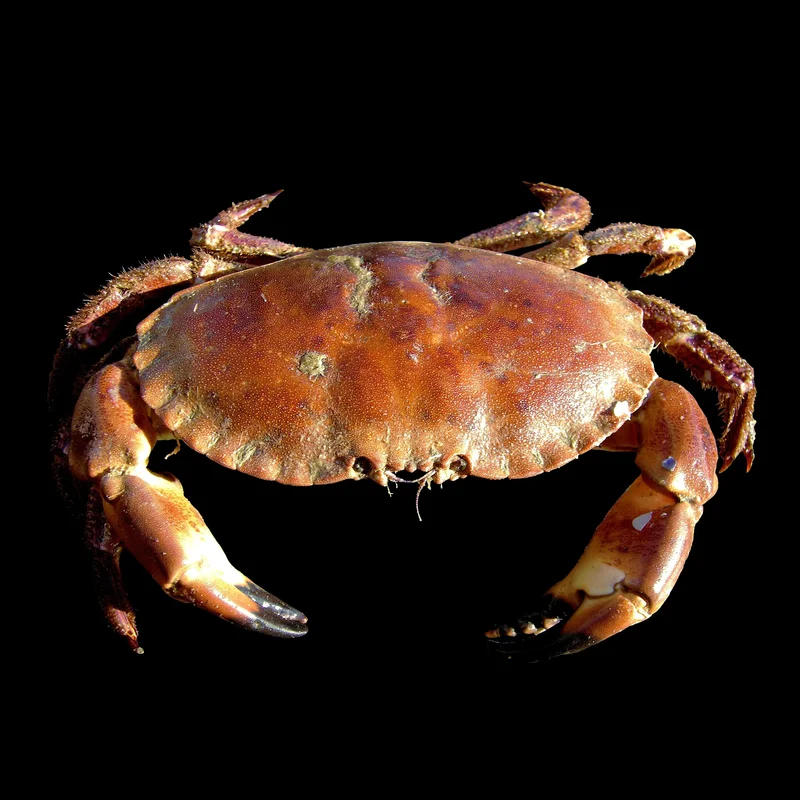
Common sightings reported for the broader Seaway area include sharks, whales, dolphins, and turtles, though these larger creatures are typically more transient. During night dives, an entirely different suite of creatures emerges, including small eels, octopus, slugs, crabs, and a variety of crustaceans, offering a unique nocturnal experience.
Dive Sites Near South-West Wall - Gold Coast Seaway
View all dive sites in AustraliaDiscover more underwater gems in this area.
Dive Centers Near South-West Wall - Gold Coast Seaway
Today: 09:00 - 17:00
Nearest Airports
Nearest airports to help plan travel to this dive area.
Search Flights
Check available flights and routes on Expedia, using the nearby airports listed in this section.
Search Flights on ExpediaFrequently Asked Questions
What is the maximum depth at the South-West Wall?
A maximum depth of 8 meters (26 feet) is recorded at the South-West Wall. This range makes it accessible for most certified recreational divers.
How do I access the dive site?
Access is convenient via two sets of stairs located on the south side of the Gold Coast Seaway. These lead directly down to the water, facilitating shore entry and exit.
What is the typical visibility at this site?
Visibility at the South-West Wall can vary significantly. Conditions range from lower visibility days of 3 to 5 meters to as much as 15 meters under optimal conditions. It often improves during high or incoming tides and when avoiding northern winds.
Are there strong currents at the South-West Wall?
Yes, currents are a notable factor due to the Seaway's role as a navigation entrance. Diving during slack tide is highly recommended to manage these currents effectively.
Can I do a night dive here?
Night diving is possible and reveals different marine life, such as eels, octopus, and crustaceans. However, be aware that the main car park near the stairs closes at 8 pm, requiring alternative parking arrangements.
What kind of marine life can I expect to see?
The site hosts over 400 species, with many critters in the rocks and numerous tropical fish. Macro life is abundant, and occasional sightings of sharks, whales, dolphins, and turtles are reported in the broader Seaway.
What training is recommended for diving at this site?
PADI Open Water Diver certification is suitable for this depth. Divers interested in capturing the site's smaller inhabitants might also consider PADI Underwater Photographer training.
Are there any specific hazards to be aware of?
Divers should be cautious of fishing lines, so carrying a dive knife is advisable. Additionally, stonefish are present in the area, requiring care to avoid contact with the rocks or pipeline.
Planning to dive South-West Wall - Gold Coast Seaway?
Send one inquiry and receive offers directly from the best verified local dive operators.
Conditions are Good
07:00 - 14:00
Optimal conditions expected
Current conditions near South-West Wall - Gold Coast Seaway show 25° air, 21° sea temperature, 0.9 m waves, and 22 km/h wind. Forecast data is refreshed regularly to ensure accuracy.