
Diving at Western (Second) Steps - Southport Seaway (Australia)
Beneath the surface of Southport Seaway, a gentle underwater landscape characterizes the Western (Second) Steps, primarily a sandy bottom. Accessible from shore, it serves as an ideal entry point for training dives, offering a straightforward environment for divers refining skills. Its layout provides a sheltered, manageable area, less intimidating for those new to the underwater world. Smoothly, the area transitions from its entry point into a relatively shallow, calm expanse.
Tonight's objective overview for Western (Second) Steps - Southport Seaway shows an air temperature of 24.5°C. The measured surface conditions include wave heights around 0.7 m. This environmental data is logged for the close of the day.
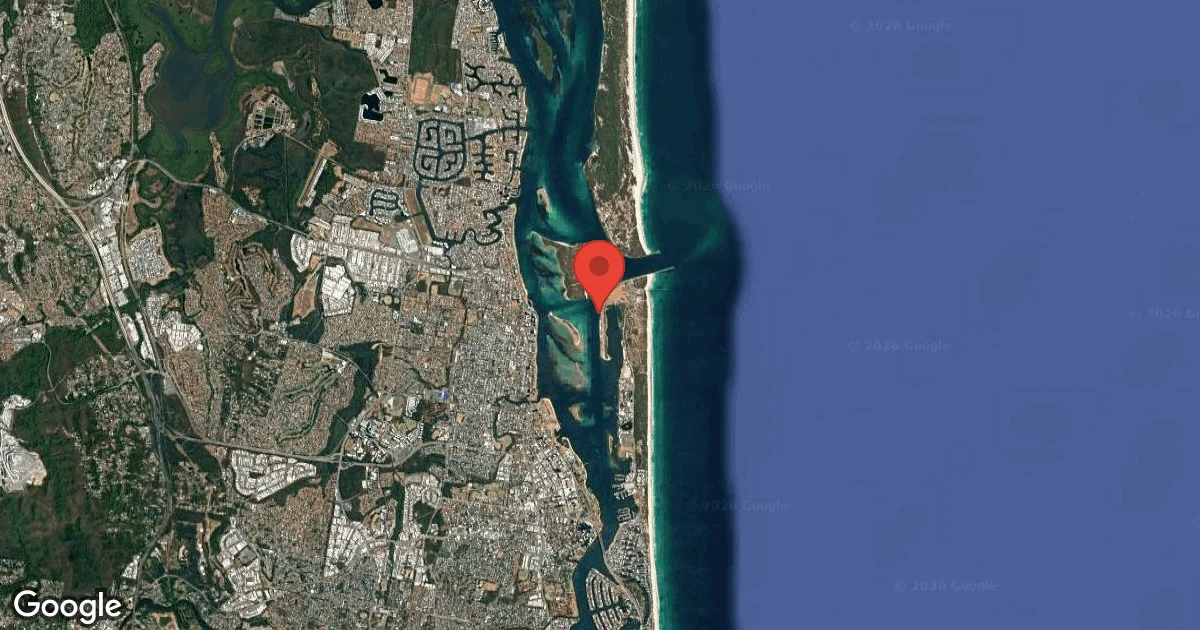
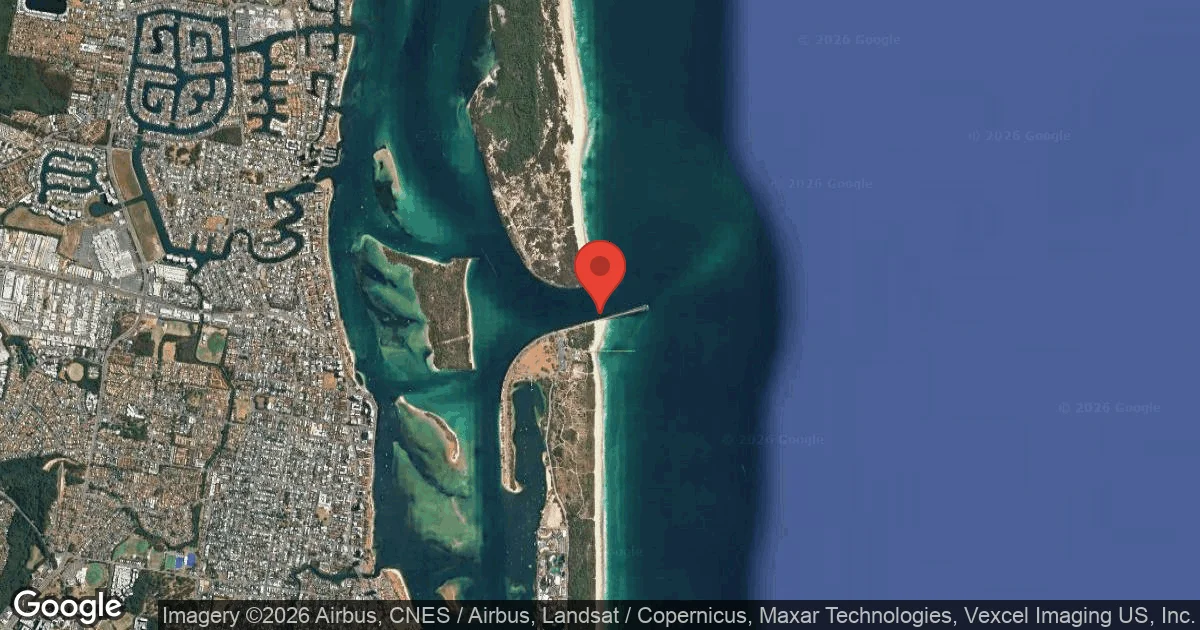
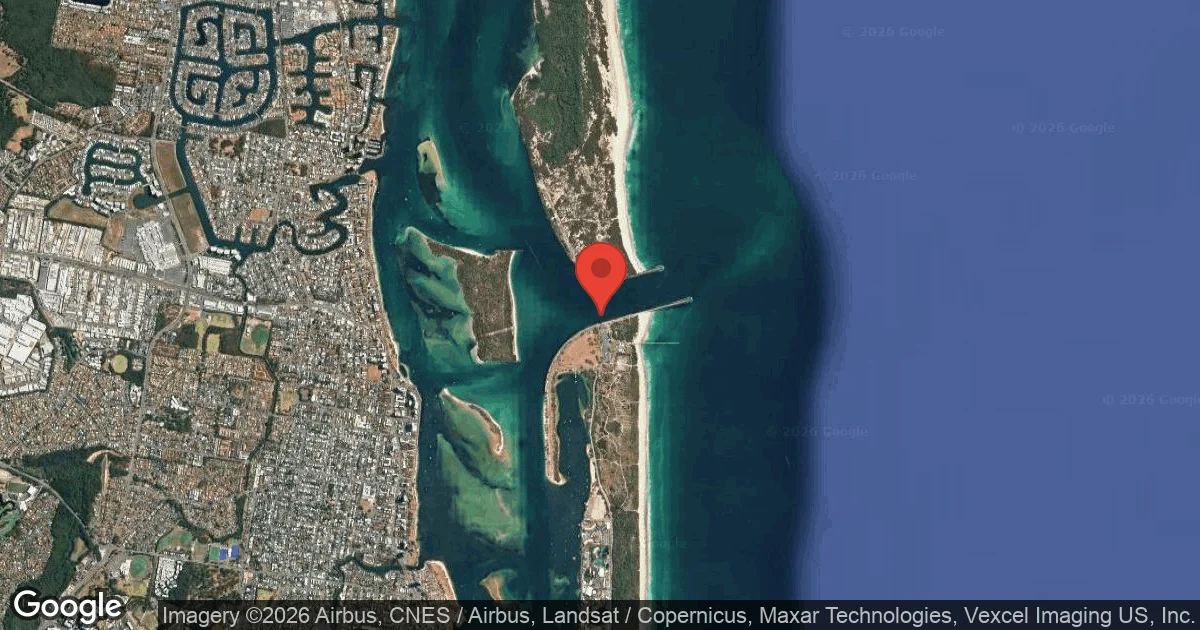
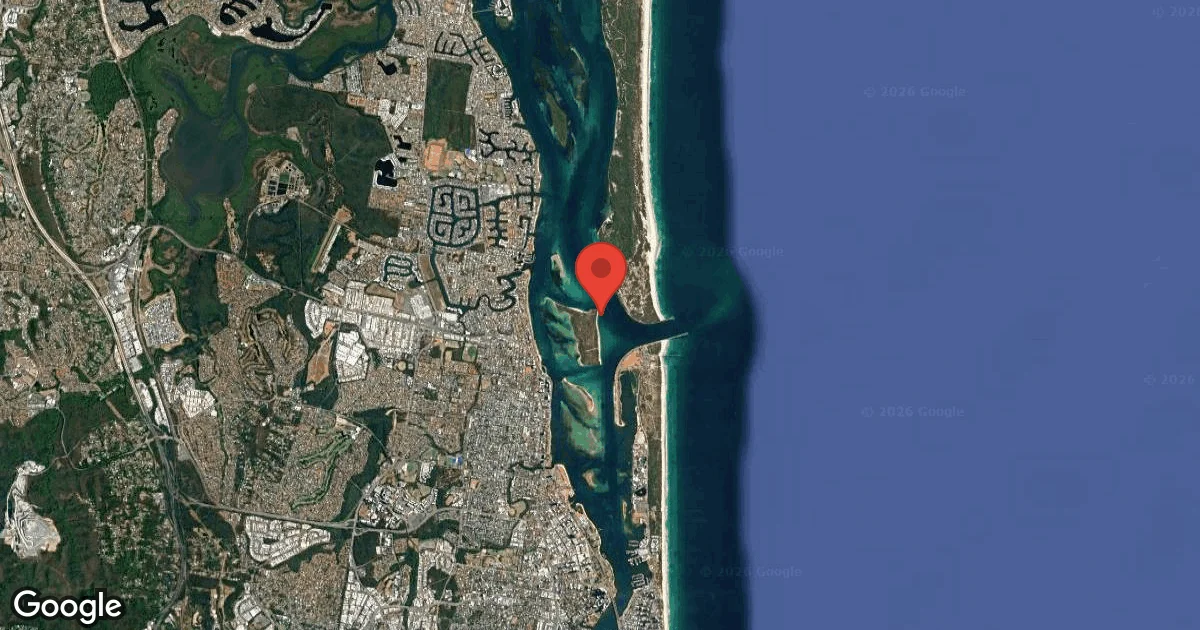
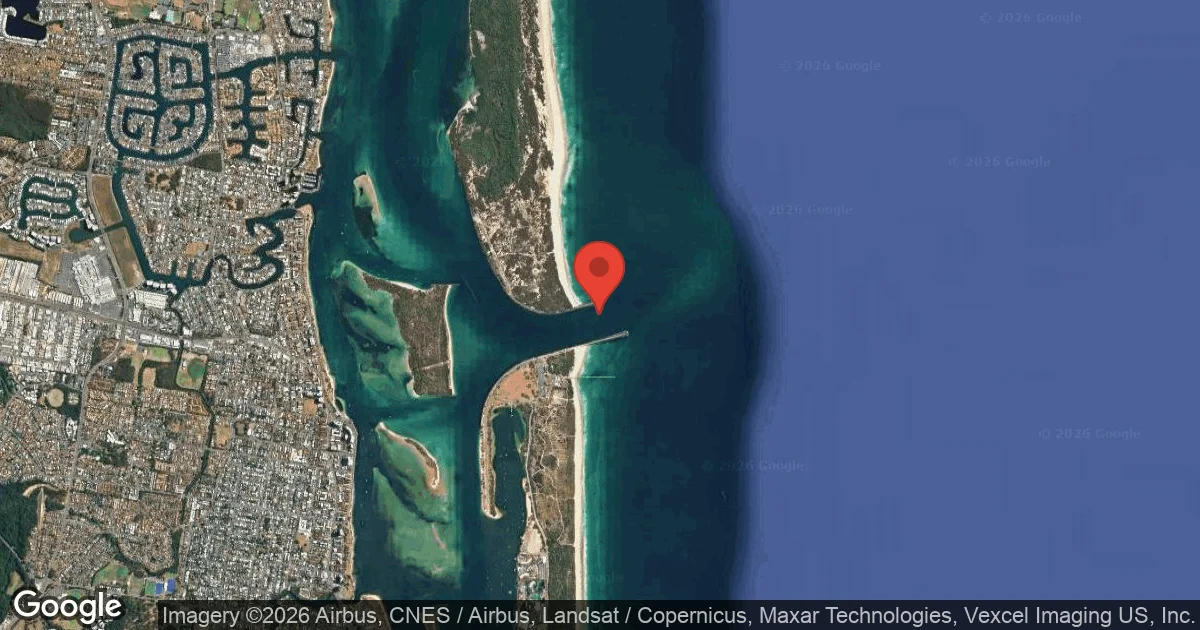
Dive Site Location & Key Facts
Dive Site Overview
A crucial training location within the dynamic Southport Seaway, the Western (Second) Steps delivers a highly accessible and practical dive experience. Standing out for its straightforward shore entry and ample space, the site often provides a less congested environment compared to popular alternatives like the Pipes.
Divers navigating here encounter a predominantly sandy bottom, gradually descending to a modest maximum depth of 8 meters (26 feet). Conditions prove particularly favorable during the peak of high tide; divers can then anticipate optimal water clarity and significantly reduced current flow, ideal for skill development. Remaining a viable year-round diving opportunity, this characteristic estuary entrance appeals to novices undertaking initial certifications and experienced individuals seeking local exploration.
It accommodates a wide range of underwater activities, from refining fundamental buoyancy control to focused marine life observation. Its sheltered nature helps divers build confidence in a controlled setting.
A consistent environment makes the site a reliable choice for instructors and students alike, allowing practice of various techniques without strong external pressures. Such stability is a key factor in its continued use for diverse training objectives, fostering a comfortable learning curve. Gentle currents on an incoming tide also support easy navigation.
Conditions are Good
07:00 - 14:00
Optimal conditions expected
Current conditions near Western (Second) Steps - Southport Seaway show 24° air, 21° sea temperature, 0.9 m waves, and 23 km/h wind. Forecast data is refreshed regularly to ensure accuracy.
Best Time to Dive
Planning a dive at the Western (Second) Steps often benefits from considering seasonal variations and tidal patterns. While specific water temperatures aren't consistently reported for this precise spot, air temperatures offer a useful proxy, ranging from a cooler 15.5°C (60°F) in July to a warmer 25°C (77°F) in January. Generally, the site records 'Good' dive scores for most of the year. March tends towards 'Moderate' due to higher average rainfall (10.2mm) and wave heights (1.3m). Conversely, June through September typically see lower rainfall (around 1-2mm) and calmer waves (0.8-1.0m), potentially contributing to better conditions. Regardless of the month, diving at the peak of high tide is advisable for optimal water clarity and to experience the most forgiving currents.
PEAK SEASON SCORE
Scores combine air & water temps, waves, wind & rainfall for overall conditions.
BEST MONTHS TO DIVE
Monthly records compiled from satellite and marine observation nodes over the last 3 years. Data provided by Open-Meteo and MET Norway.
Dive Experience & Conditions
Your descent into the Western (Second) Steps begins with an easy shore entry, leading to an expansive sandy bottom. Geared specifically towards training, it serves as an excellent location for PADI Open Water, Advanced Open Water, and various specialty courses like Peak Performance Buoyancy or Underwater Naturalist. Conditions are generally calm, particularly during high tide. This time also offers the best visibility and minimal current flow, allowing for a relaxed pace. Divers can comfortably explore the bottom, descending to its modest maximum depth of 8 meters (26 feet). Conducive to practicing skills, observing marine life, and maintaining a comfortable dive profile, the underwater environment presents no significant challenges.
Dive Difficulty & Safety Guidelines
Approaching a dive at the Western (Second) Steps requires mindful planning, similar to any inshore site. Conserving energy by maintaining a relaxed pace is always a smart strategy. Always dive with a partner, ensuring you communicate regularly and maintain close visual contact throughout the dive to provide mutual support.
Before entering, perform a thorough equipment check and familiarize yourself with the current site conditions, especially tide schedules. Engaging responsibly with the marine environment is paramount; refrain from touching marine life, as some species may be poisonous or have sharp defenses like corals that can cause injury.
Respecting these guidelines contributes to both diver safety and the ongoing conservation of the Gold Coast's underwater world.
Recommended Equipment
- Dive Computer
- Hard-soled Dive Boots
This gear list is based on verified equipment signals for Western (Second) Steps - Southport Seaway, Australia. Always confirm final gear choices with your dive operator, guide, or liveaboard.
Recommended Dive Suit
Individual comfort in the water can vary significantly from diver to diver, even under the same conditions.
For most recreational dives, 3-5mm wetsuit should provide comfortable protection. The coming days appear slightly cooler according to the latest forecast. Cooler days are ahead; you might want a warmer option for later in the week. Carrying a secondary suit is common practice among experienced divers.
Current temperature readings suggest that the water at Western (Second) Steps - Southport Seaway is around 21°C (70°F). Surface air temperatures are resting at 24°C (76°F).
Emergency & Medical Support
Essential information to help you plan your dive trip to Western (Second) Steps - Southport Seaway.

Hyperbaric chambers are a critical part of dive safety infrastructure. Availability varies significantly by region, and not all dive areas have immediate access.
Before diving, it's recommended to:
- confirm nearest medical facilities
- check emergency procedures with local dive operators
- ensure dive insurance covers evacuation if required
Divers Alert Network
Diving emergency assistance available through DAN World.
+1-919-684-9111- 24/7 emergency hotline
- Diving medical assistance
- Evacuation coordination
Emergency contacts are provided for reference. Always verify local emergency services before diving.
Marine Life at Western (Second) Steps - Southport Seaway
Around the Western (Second) Steps, a diverse aquatic community reveals itself. Divers frequently encounter schools of trevally and mulloway moving in coordinated patterns.
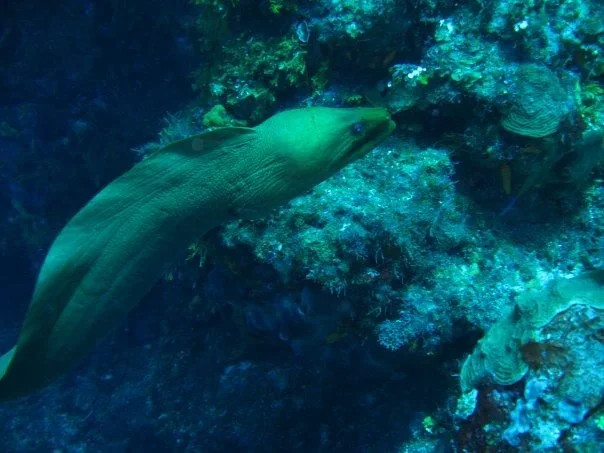
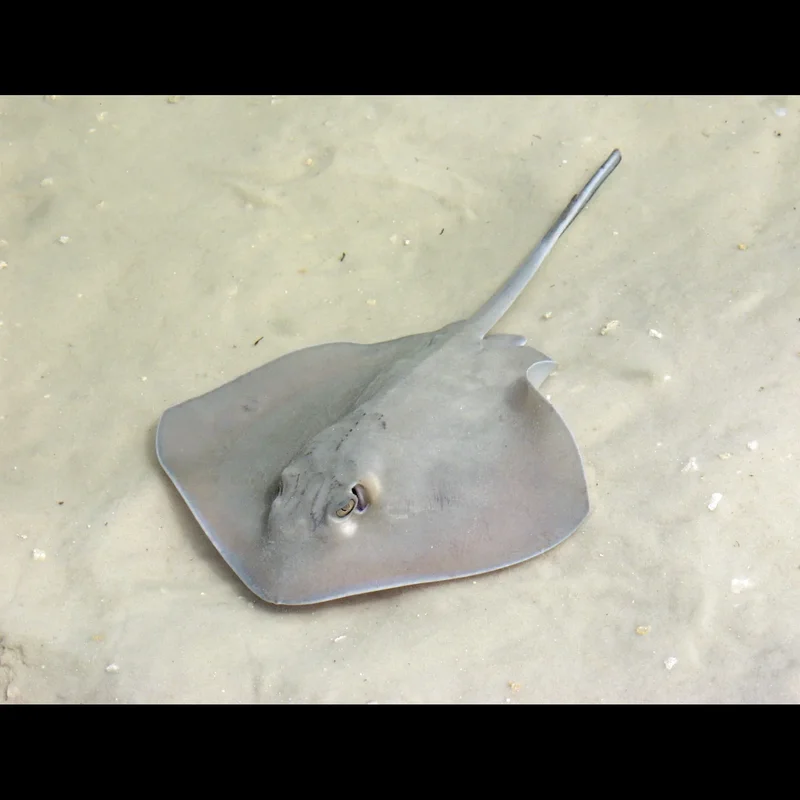
Moray eels can be observed slinking between natural crevices, while turtles glide with noticeable serenity in the water column. Stingrays are often found resting camouflaged on the sandy bottom, blending seamlessly with their surroundings.
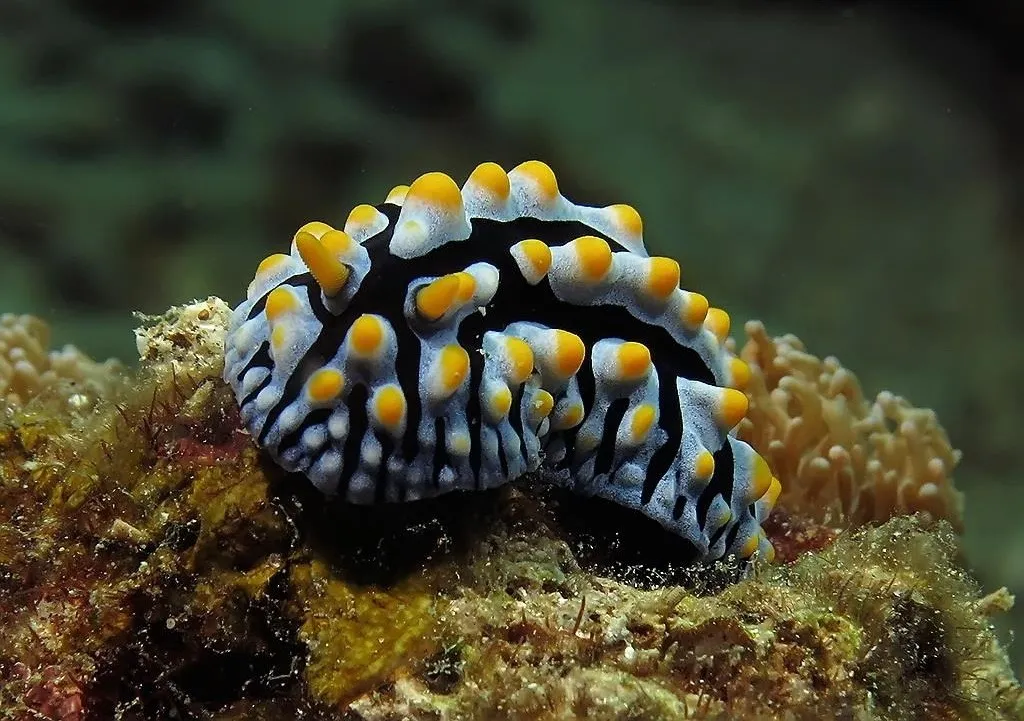
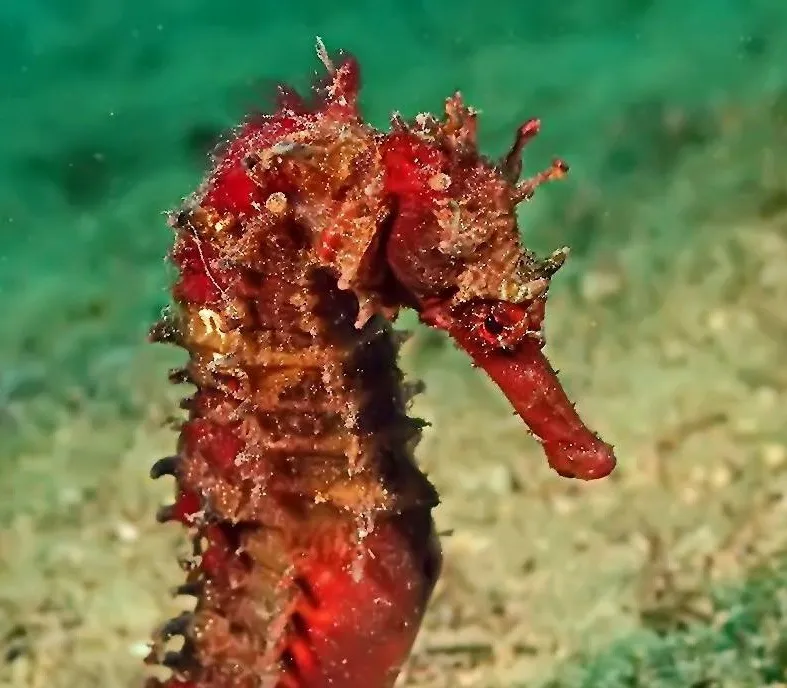
Smaller, more intricate life forms like seahorses and various nudibranchs also add delicate beauty to the underwater scene, inviting close observation and showcasing the rich biodiversity of the Southport Seaway.

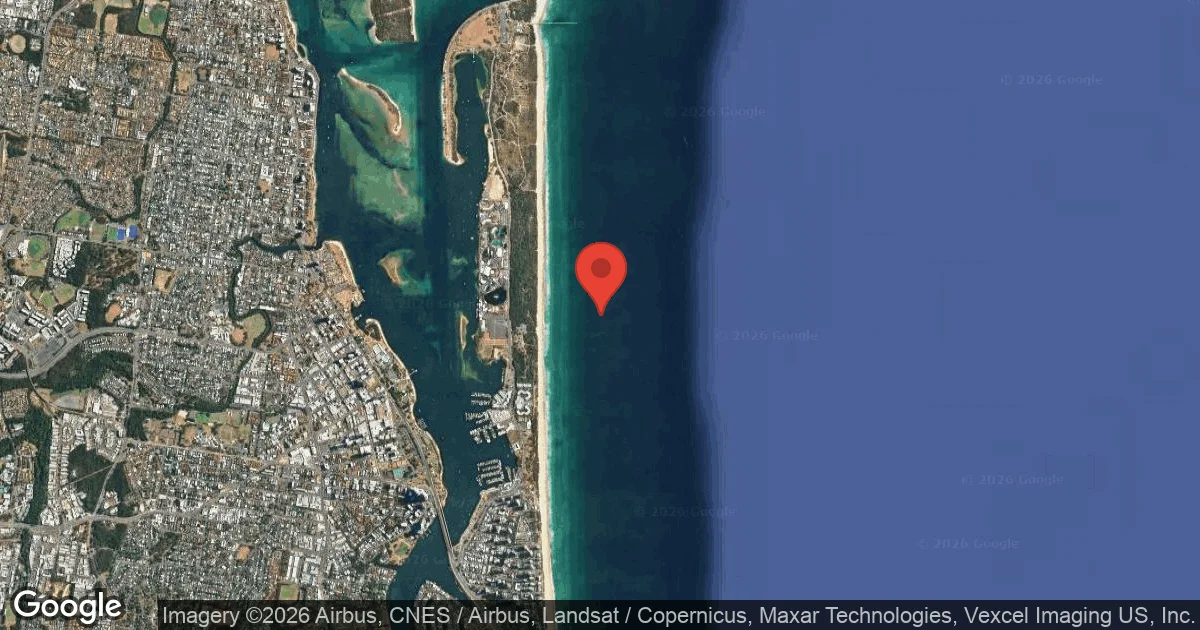
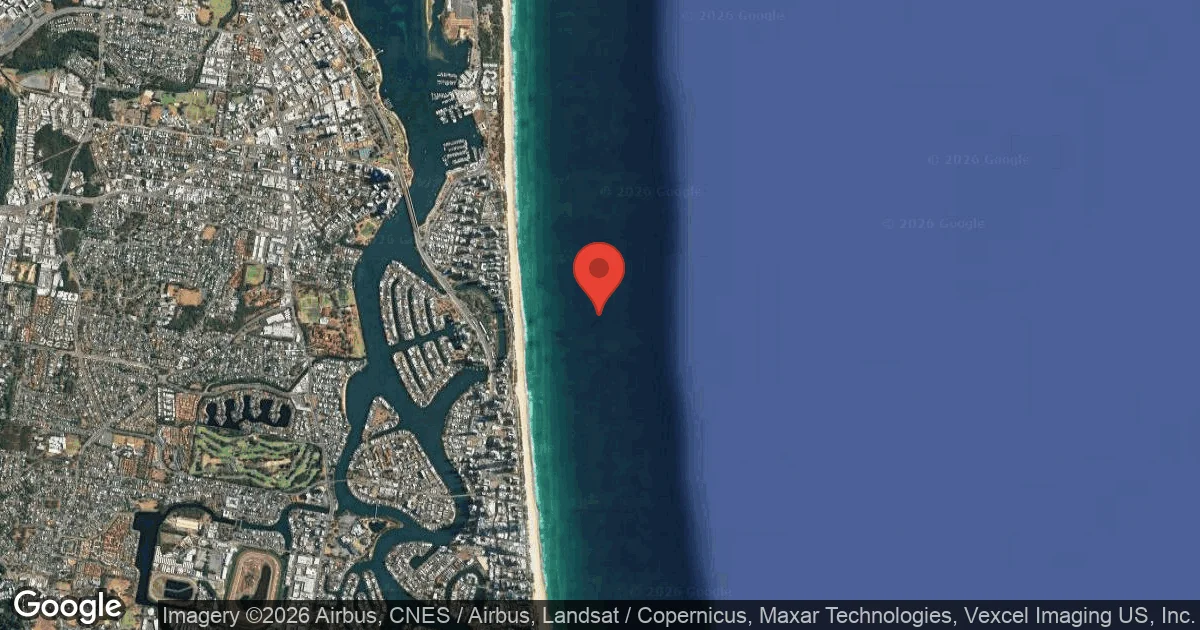
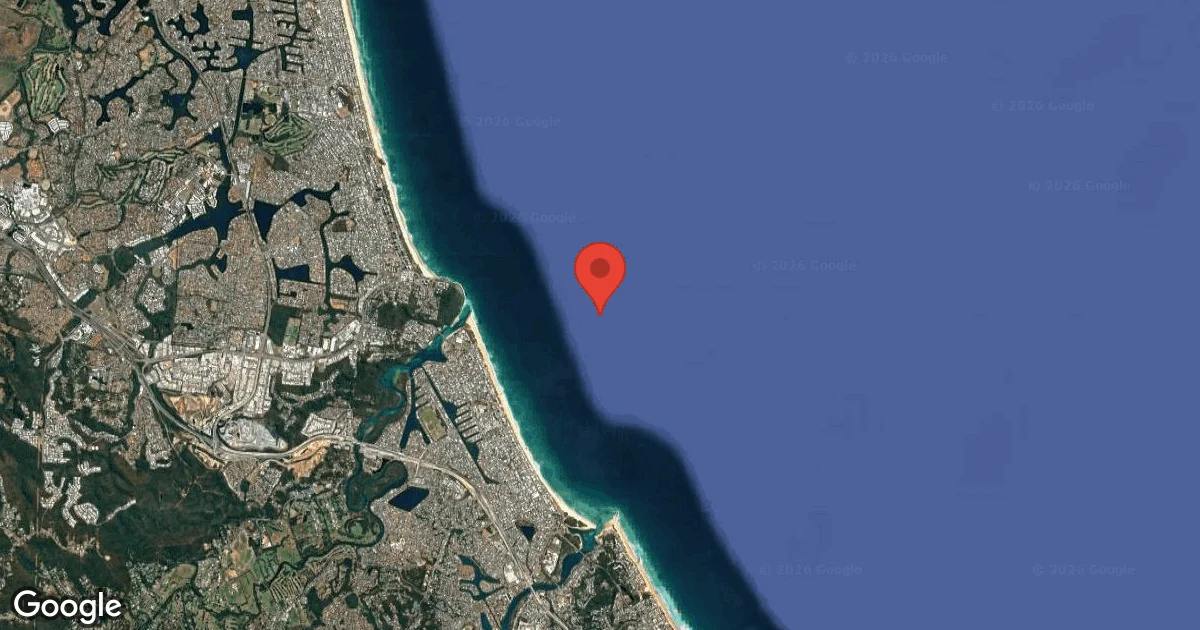
Dive Sites Near Western (Second) Steps - Southport Seaway
View all dive sites in AustraliaDiscover more underwater gems in this area.
Dive Centers Near Western (Second) Steps - Southport Seaway
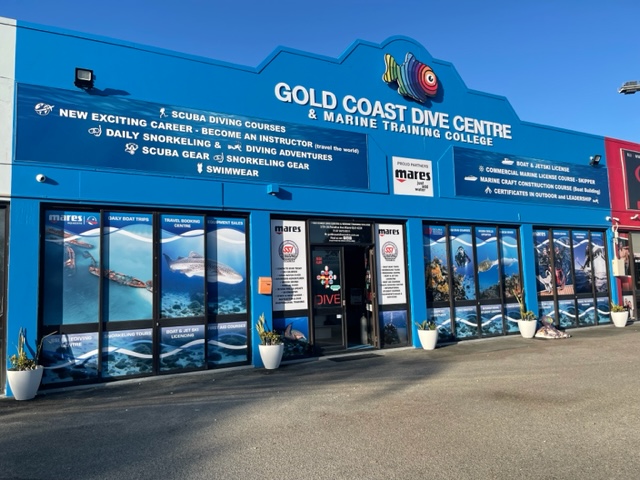
Today: 09:00 - 17:00
Nearest Airports
Nearest airports to help plan travel to this dive area.
Search Flights
Check available flights and routes on Expedia, using the nearby airports listed in this section.
Search Flights on ExpediaFrequently Asked Questions
Is the Western (Second) Steps suitable for beginner divers?
Yes, it is considered a fantastic training location for beginner divers. The site features an easy entry point and offers calm conditions, particularly at high tide, which makes it less challenging for new divers to manage.
What is the maximum depth at the Western (Second) Steps?
The maximum depth recorded for this dive site is approximately 8 meters (26 feet). This makes it suitable for entry-level certifications and shallower training dives.
When is the best time to dive for optimal visibility and current conditions?
The water's clarity is generally at its zenith and currents are most forgiving at the pinnacle of high tide. Planning your dive around high tide can significantly enhance your experience.
What kind of marine life can I expect to see?
Divers commonly observe schools of trevally and mulloway, moray eels, turtles, and stingrays resting on the sandy bottom. Keep an eye out for smaller species like seahorses and nudibranchs too.
Are there any specific safety precautions to consider?
Always dive with a buddy, maintain visual contact, and communicate regularly. It's also crucial to respect marine life by not touching it, and to conserve energy by maintaining a relaxed pace.
Is the site crowded?
The Western (Second) Steps is often noted for being less crowded compared to other popular spots in the Seaway, such as 'Pipes'. This provides a more relaxed environment for training and leisure dives.
Planning to dive Western (Second) Steps - Southport Seaway?
Send one inquiry and receive offers directly from the best verified local dive operators.
Conditions are Good
07:00 - 14:00
Optimal conditions expected
Current conditions near Western (Second) Steps - Southport Seaway show 24° air, 21° sea temperature, 0.9 m waves, and 23 km/h wind. Forecast data is refreshed regularly to ensure accuracy.