
Diving at Jervoise Wall (Australia)
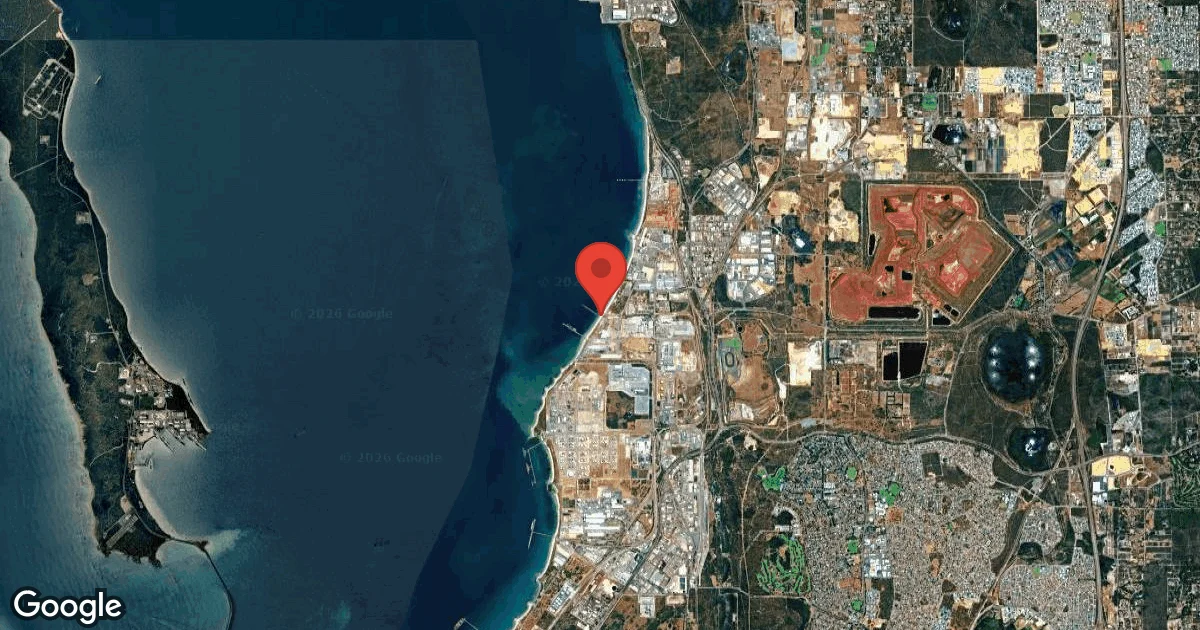
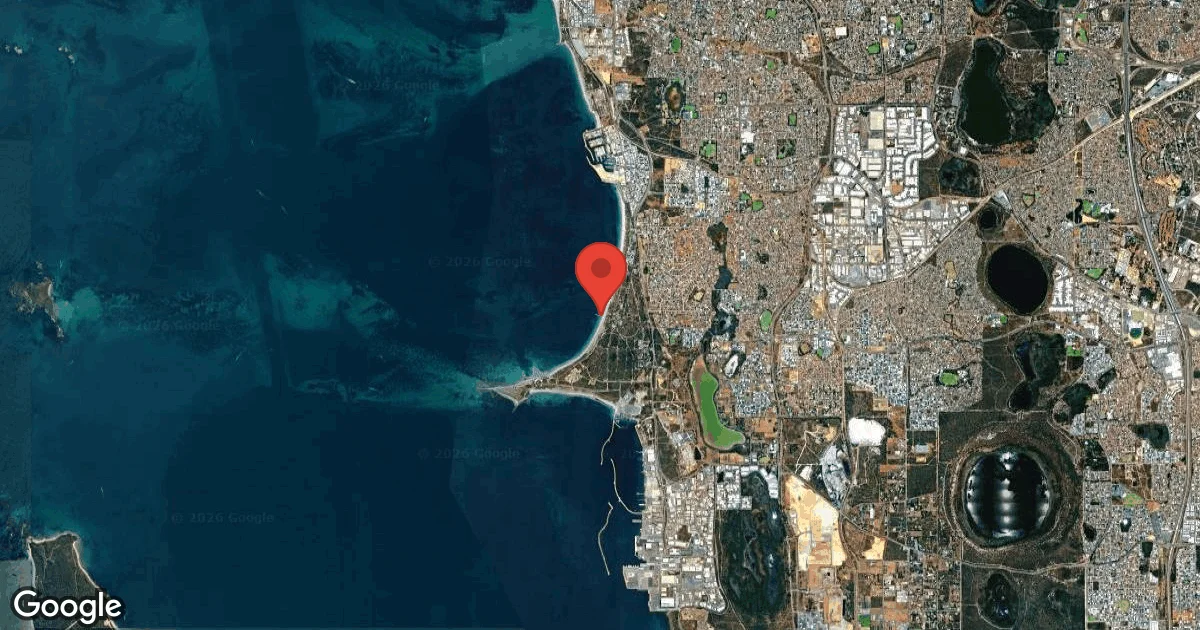
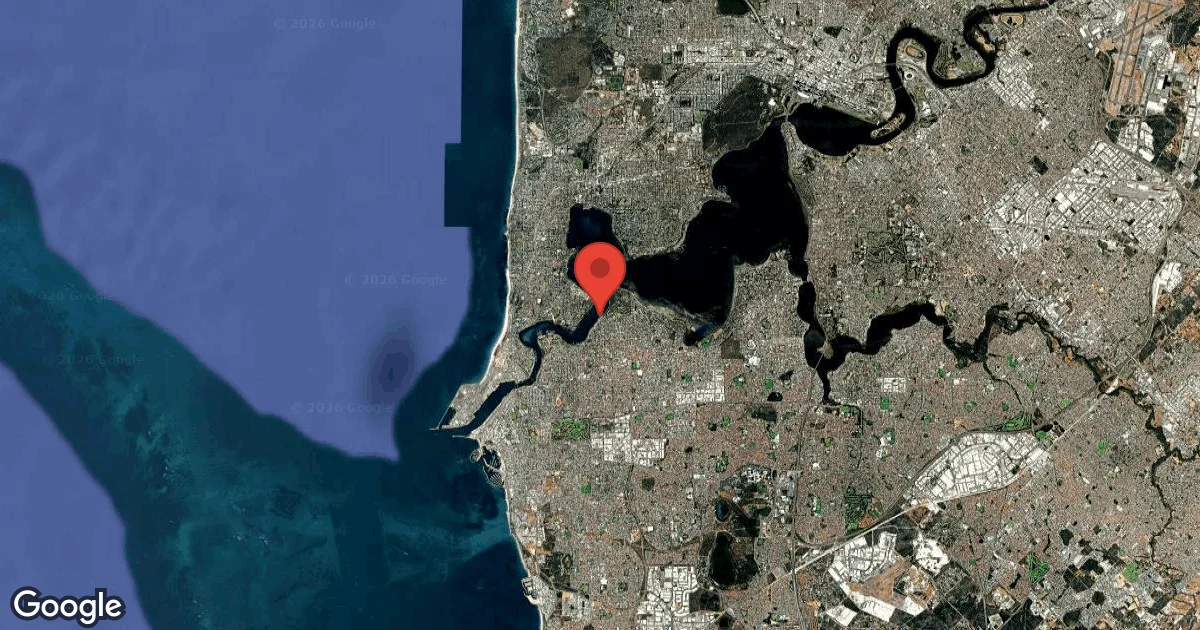
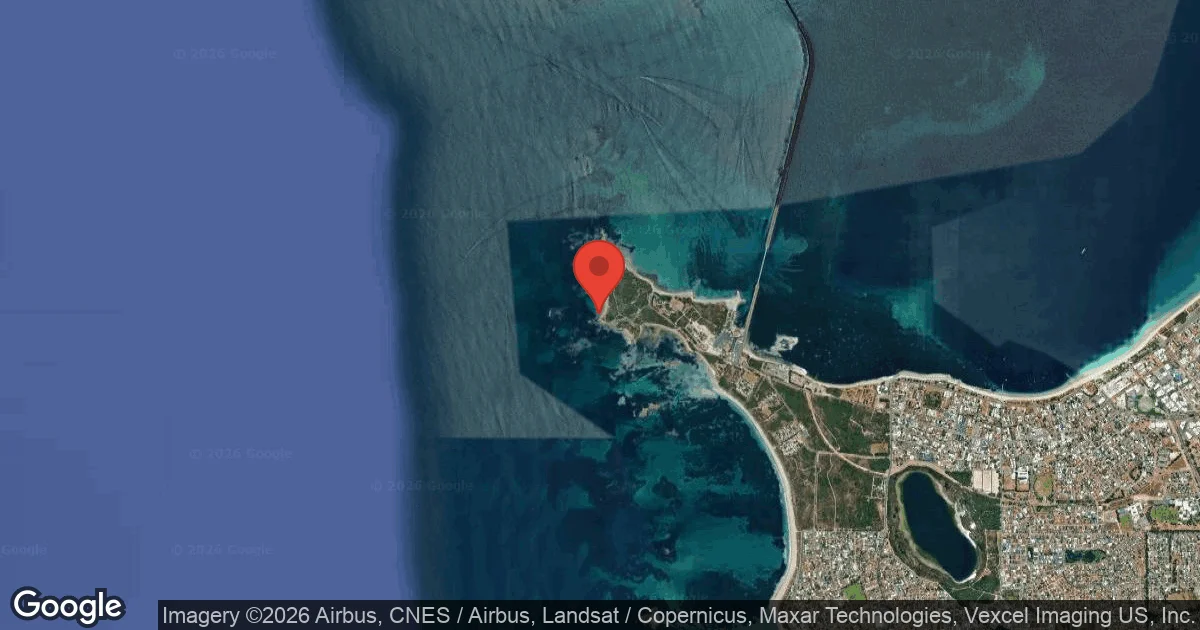
On the southern side of Woodman Point at the Cockburn Boat Club near Rockingham, Jervoise Wall is a sheltered shore dive along man-made rock barriers and a concrete jetty, dropping to about 10 m / 33 ft. You pick your spot by the wind for shelter in almost any weather. Rated beginner and open-water friendly, with slippery rocks and boat traffic to manage.
Evening condition tracking at Jervoise Wall features an air temperature of 17°C. We have recorded wave heights measuring 3 m during this period. These figures outline the environmental parameters currently present.
Dive Site Location & Key Facts
Dive Site Overview
This is a man-made dive site, built from rock barriers with a concrete jetty at the end of one of them, and that's part of its usefulness: it offers shelter in almost any weather if you pick the right side. Depth runs to about 10 m / 33 ft, with an average closer to 8 m / 26 ft, and the wall has nooks and crannies worked through it.
Where you dive depends on the wind. Some divers work the outside of the wall on the northern side, where there's less boat traffic; others dive the inside and under the concrete jetty, depending on the sea. You enter from the beach or off the wall, and the rocks are slippery and tricky, so the entry wants care. A torch is the key to the dive, since the reward is the small life tucked into the dark sections and crannies of the structure. Read the wind, choose your side, and it's a reliable sheltered dive. Picking the sheltered side by the wind is the whole skill on the surface, and once you're in, the dive is all about reading the small life in the structure.
Conditions are Poor
High Swell Advisory. Not recommended.
Current conditions near Jervoise Wall show 17° air, 19° sea temperature, 3.5 m waves, and 42 km/h wind. Forecast data is refreshed regularly to ensure accuracy.
Best Time to Dive
Summer, January through March, posts the best scores, and they stay reasonable across much of the year thanks to the sheltered, pick-your-side nature of the site. Water runs cool to mild, peaking near 24.2°C / 76°F and dropping to about 17°C / 62°F in winter, so a proper wetsuit earns its place outside summer. Wave height is modest, in a 1.3–2.1 m / 4–7 ft band, and because you can dive whichever side the wind shelters, the site stays workable across a wide range of conditions. That flexibility is its strength, so the main job is reading the wind on the day and choosing the protected side. That pick-your-side flexibility is the real strength here, so the main job is reading the wind and choosing the protected side on the day.
PEAK SEASON SCORE
Scores combine air & water temps, waves, wind & rainfall for overall conditions.
BEST MONTHS TO DIVE
Monthly records compiled from satellite and marine observation nodes over the last 3 years. Data provided by Open-Meteo and MET Norway.
Dive Experience & Conditions
Plan a sheltered shore dive along man-made rock barriers and a concrete jetty at about 10 m / 33 ft. You choose your side by the wind, working the outside wall where boat traffic is lighter or the inside and under the jetty when the sea suggests it. A torch is essential here, since the small life hides in the dark sections and crannies of the wall and jetty. The entry over slippery rock wants care and good footing. Boat traffic is a real consideration, especially on the inside, so keep close to the structure, stay aware of the surface, and surface deliberately with a marker. Pick the sheltered side, mind the rocks, and it's an easy, flexible dive in most weather.
Dive Difficulty & Safety Guidelines
This is an easy, beginner-friendly dive at an open-water level, with the main cautions being the entry and the boat traffic instead of depth. The rocks are slippery and tricky, so take care entering and exiting, and pick your footing deliberately.
Boat traffic is the other hazard, especially on the inside near the jetty, so stay close to the structure, keep aware of what's above, and carry a surface marker for ascents. The nooks in the wall are features to look into, with no overhead to manage. Choose the side the wind shelters, dive with a torch so you can actually see into the dark sections, and the site stays a low-stress, sheltered option in most conditions.
Recommended Equipment
- Dive Computer
- Hard-soled Dive Boots
This gear list is based on verified equipment signals for Jervoise Wall, Australia. Always confirm final gear choices with your dive operator, guide, or liveaboard.
Recommended Dive Suit
5mm wetsuit is widely used for recreational dives in waters of this temperature. Strong winds are present; please take strong precautions against rapid cooling during surface intervals. A thermal robe or jacket is recommended between dives. For divers entering the water at Jervoise Wall, temperatures are currently hovering around 19°C (66°F). Surface air temperatures are resting at 17°C (62°F).
Short-term weather patterns suggest stable conditions for divers visiting the area.
Water temperatures can occasionally shift throughout the day depending on currents and depth layers.
Emergency & Medical Support
Essential information to help you plan your dive trip to Jervoise Wall.

Hyperbaric chambers are a critical part of dive safety infrastructure. Availability varies significantly by region, and not all dive areas have immediate access.
Before diving, it's recommended to:
- confirm nearest medical facilities
- check emergency procedures with local dive operators
- ensure dive insurance covers evacuation if required
Divers Alert Network
Diving emergency assistance available through DAN World.
+1-919-684-9111- 24/7 emergency hotline
- Diving medical assistance
- Evacuation coordination
Emergency contacts are provided for reference. Always verify local emergency services before diving.
Marine Life at Jervoise Wall
Keep your expectations habitat-focused here, because the records note only small marine life and general fish, with no specific species firmly logged. What you get is a man-made wall and jetty whose nooks and crannies shelter a scatter of small life.
So the interest is in what the structure has gathered instead of a named cast. Work the wall and the jetty pylons slowly with a torch, looking into the dark sections, and enjoy whatever small life is using the shelter; the exploration is the point more than ticking off particular animals.
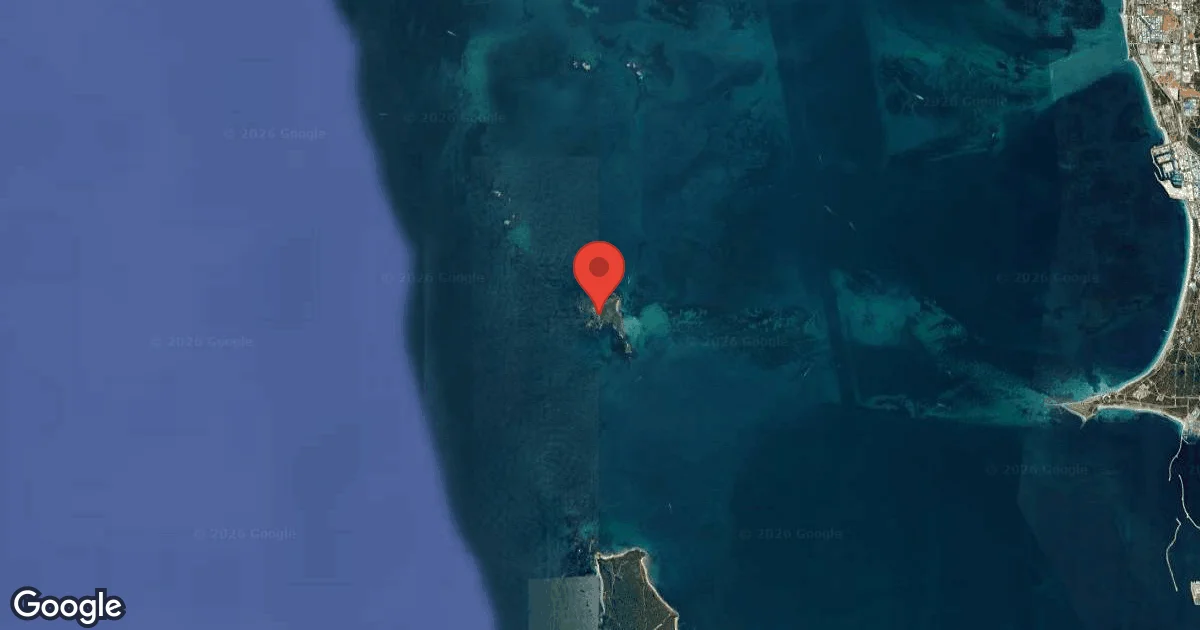
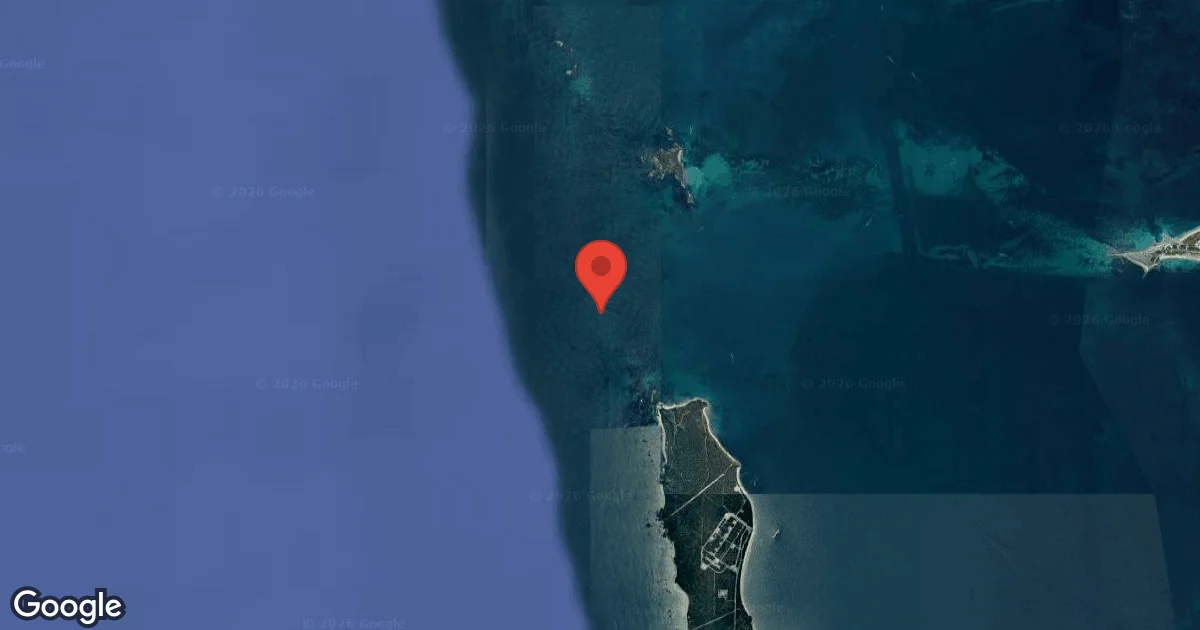
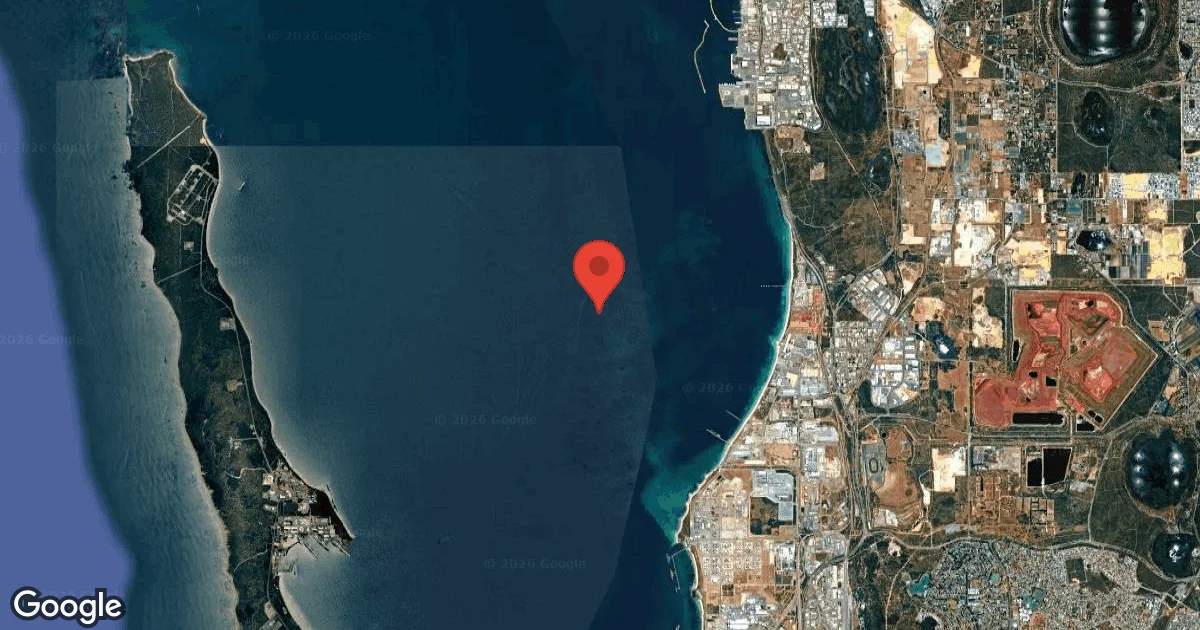
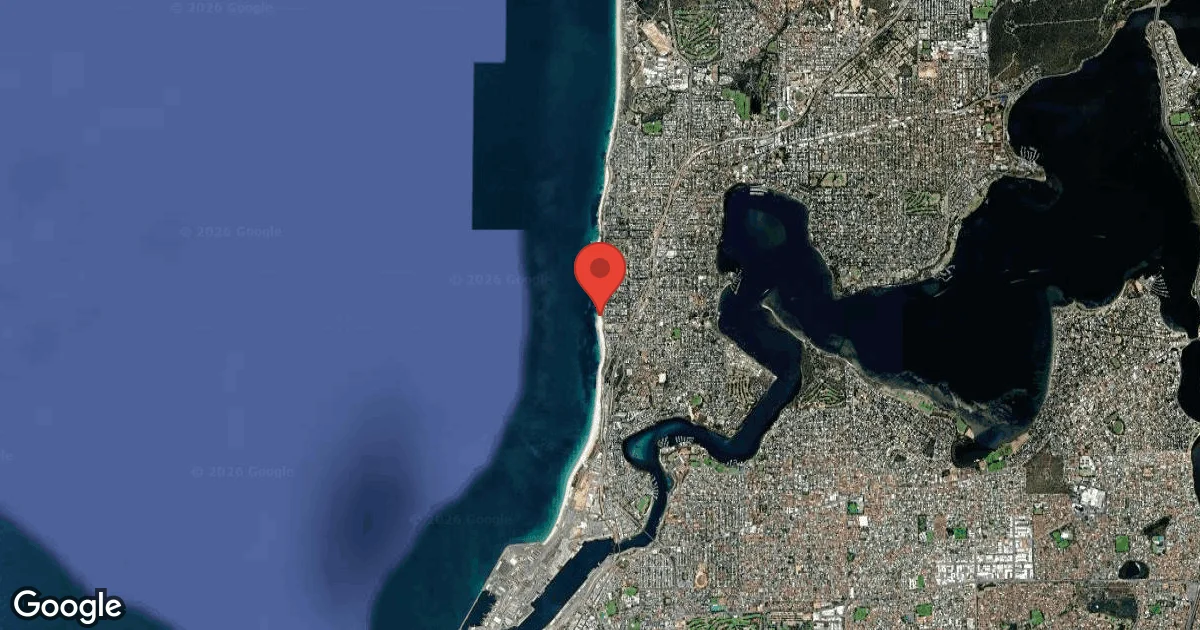
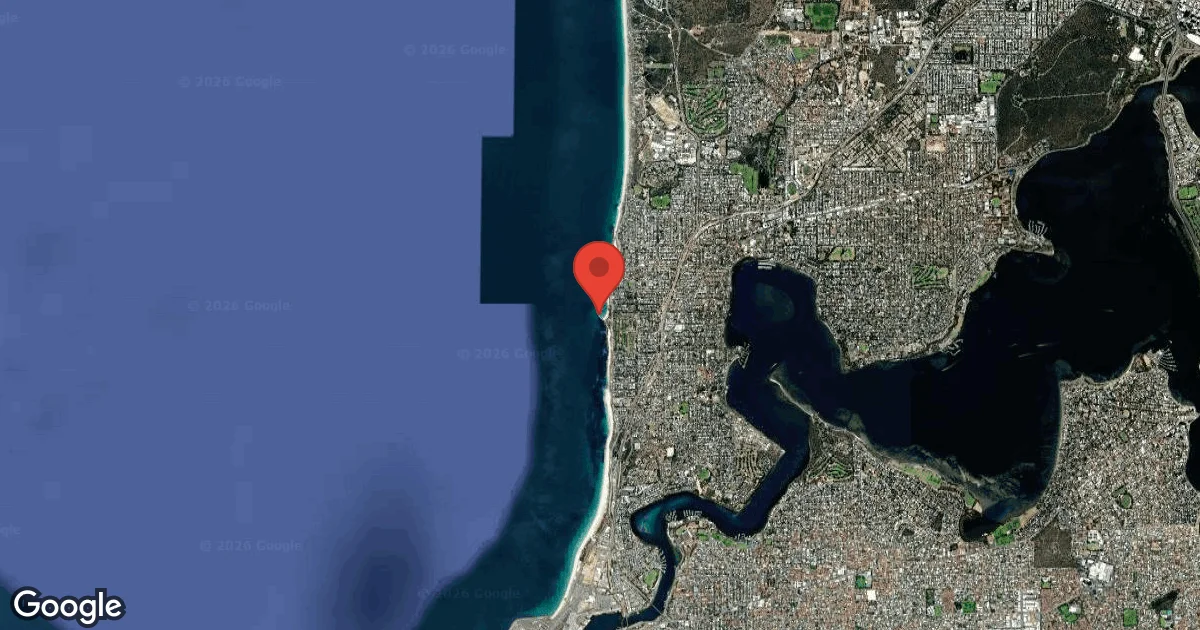
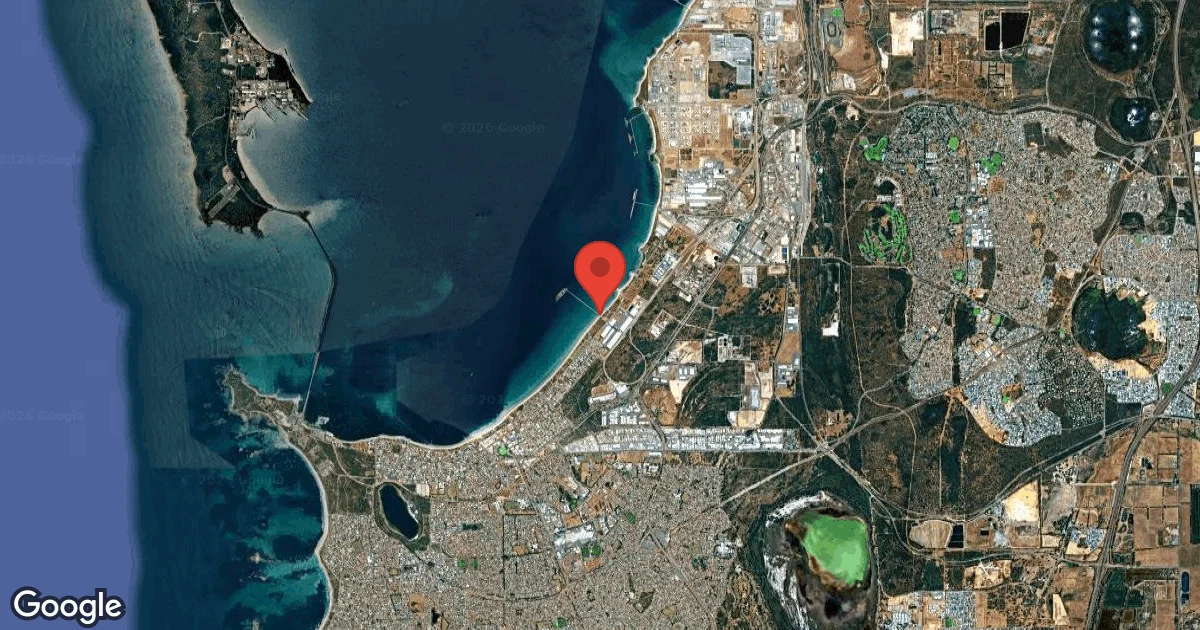
Dive Sites Near Jervoise Wall
View all dive sites in AustraliaDiscover more underwater gems in this area.
Dive Centers Near Jervoise Wall
Today: 09:00 - 16:00
Nearest Airports
Nearest airports to help plan travel to this dive area.
Search Flights
Check available flights and routes on Expedia, using the nearby airports listed in this section.
Search Flights on ExpediaFrequently Asked Questions
What's good about Jervoise Wall?
It offers shelter in almost any weather, since you can dive whichever side of the man-made wall the wind protects, along rock barriers and a concrete jetty.
How deep is it?
About 10 m / 33 ft at most, averaging closer to 8 m / 26 ft, so it stays shallow and easy on air.
What are the main hazards?
Slippery rocks at the entry and boat traffic, especially on the inside near the jetty. Take care getting in, and carry a surface marker.
Do I need a torch?
Yes. The small life hides in the dark sections and crannies of the wall and jetty, so a torch is the key to the dive.
What marine life is here?
No specific species are recorded, just small marine life and general fish using the structure, so the exploration is the main draw.
Planning to dive Jervoise Wall?
Send one inquiry and receive offers directly from the best verified local dive operators.
Conditions are Poor
High Swell Advisory. Not recommended.
Current conditions near Jervoise Wall show 17° air, 19° sea temperature, 3.5 m waves, and 42 km/h wind. Forecast data is refreshed regularly to ensure accuracy.