
Diving at D9 Dredge (Australia)
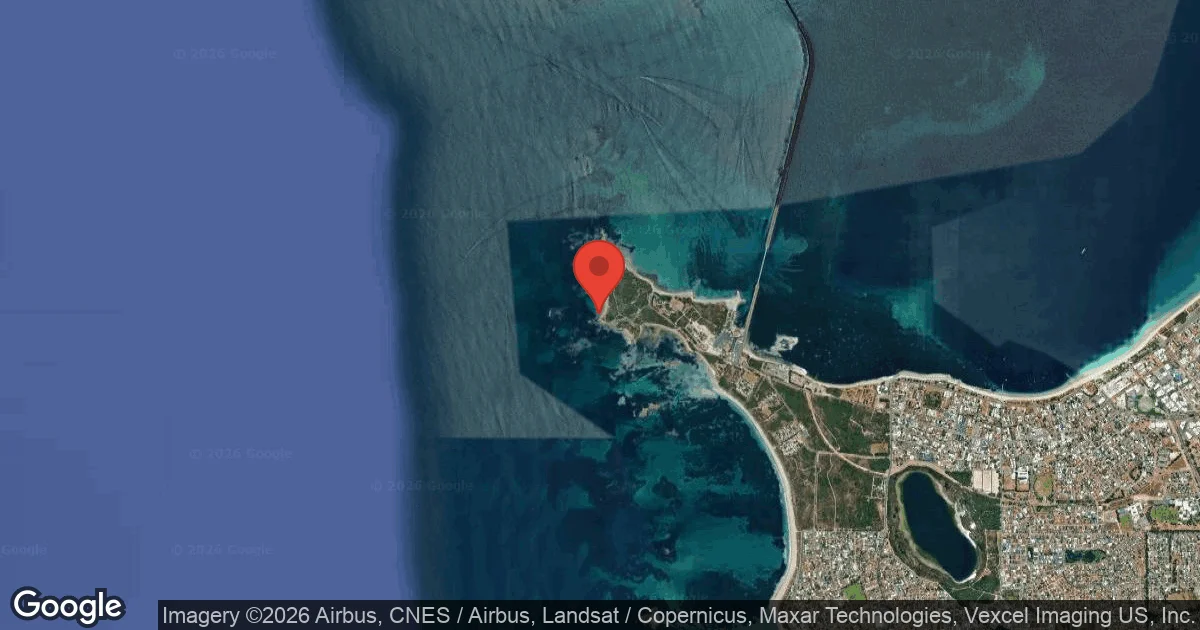
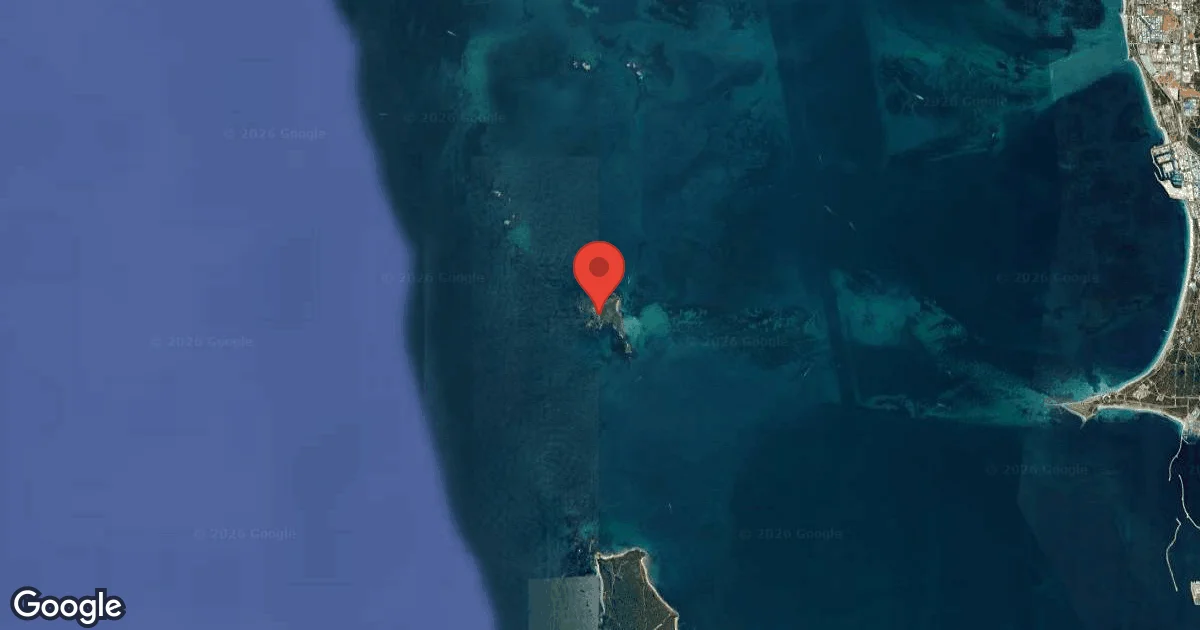
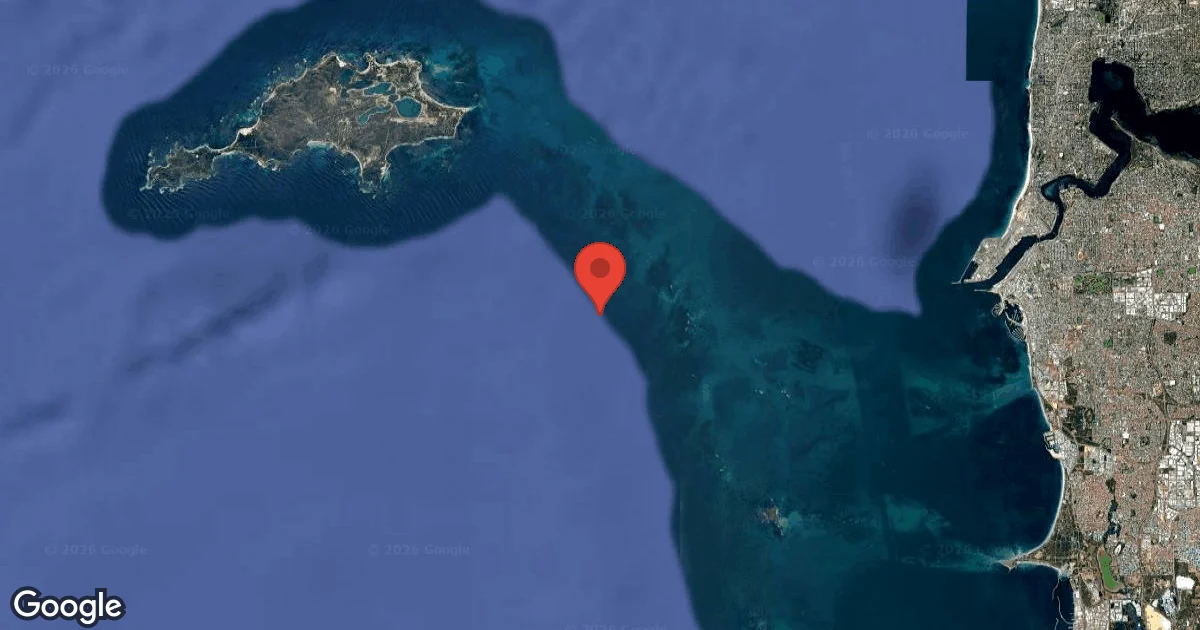
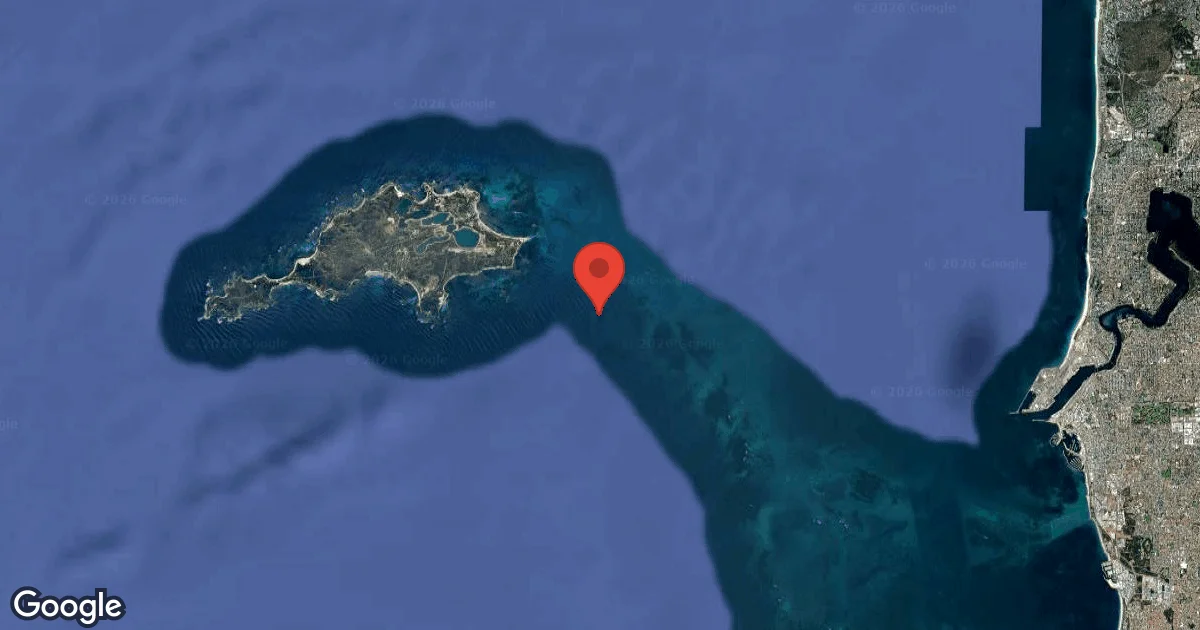
In the middle of Cockburn Sound near Rockingham, D9 Dredge is the wreck of a 1962 dredge, once the Parmelia, lying in about 14 m / 46 ft and now a breeding ground thick with snapper. Swim-throughs and arches cut the structure. Penetration risk, fishing lines and boat traffic put it at intermediate, with an advanced-open-water level noted.
Tonight's objective overview for D9 Dredge shows an air temperature of 21°C. The measured surface conditions include wave heights around 1 m. This environmental data is logged for the close of the day.
Dive Site Location & Key Facts
Dive Site Overview
An old working dredge from 1962, formerly named the Parmelia, sits on the sandy floor of Cockburn Sound, reaching about 14 m / 46 ft. Over the decades it has turned into a thriving artificial reef, and its claim to fame is the snapper that breed around it.
The wreck is shaped for diving, with swim-throughs and arches you can pass through and structure that concentrates the fish. Drifting into a cloud of snapper hanging over the old dredge is the kind of scene that makes a wreck dive memorable. The arches and swim-throughs are passable, but interior penetration is a trained-divers-only call, and there's real entanglement risk from fishing lines snagged on the structure. Access is by boat with anchoring on the sand patches, in a busy stretch of water where boat traffic overhead is part of the picture. The dredge sits shaped for diving, its swim-throughs and arches passable while the snapper gather thick over the steel. Anchor on the sand patches and drop onto the structure, keeping an ear out for the boats working the Sound above.
Conditions are Unsafe
High Swell Advisory. Not recommended.
Current conditions near D9 Dredge show 21° air, 19° sea temperature, 3.0 m waves, and 40 km/h wind. Forecast data is refreshed regularly to ensure accuracy.
Best Time to Dive
Late summer into autumn, around February through April, brings the best scores. Water runs cool to mild, peaking near 23.5°C / 75°F and dropping to about 17°C / 62°F in winter, so plan a proper wetsuit outside the warmer months. Cockburn Sound is relatively sheltered, with wave height in a modest 1.4–2.4 m / 5–8 ft range that eases over summer. The bigger day-to-day variables are visibility and the boat traffic above, so a calm day helps the water clear and makes the busy surface easier to manage on ascent. Aim for settled weather and you'll get the wreck at its best. Cockburn Sound stays fairly sheltered, so visibility and the boat traffic above matter more to your day than the swell does.
PEAK SEASON SCORE
Scores combine air & water temps, waves, wind & rainfall for overall conditions.
BEST MONTHS TO DIVE
Monthly records compiled from satellite and marine observation nodes over the last 3 years. Data provided by Open-Meteo and MET Norway.
Dive Experience & Conditions
Plan a boat dive over a wreck at about 14 m / 46 ft, with swim-throughs and arches to pass through and snapper massing around the structure. The depth is forgiving, so you've time to work the wreck slowly. A torch brings out detail in the shaded steel and any sections you're trained to enter, while a cutting tool earns its place against fishing line snagged on the wreck. Boat traffic overhead means a deliberate ascent and a surface marker are sensible. Treat the arches and swim-throughs as passages to move through with care, and keep full penetration to those trained for it. On a calm day with good visibility, the snapper alone make it worthwhile. Pass through the arches with care and keep full penetration to those trained for it.
Dive Difficulty & Safety Guidelines
Three hazards set the tone: penetration risk, fishing lines and boat traffic. Interior penetration of the wreck is for trained, equipped divers only, with the entanglement and disorientation risks that come with overhead steel. Snagged fishing line is a real entanglement hazard even outside the wreck, so a cutting tool is worth carrying.
Boat traffic above means you ascend deliberately, ideally on a line or with an SMB, and stay aware of the busy surface. Depth at about 14 m / 46 ft is manageable, keeping this an intermediate dive for divers comfortable around wreck structure. Pass through the arches with care, keep penetration within your training, and the dive stays well within reach.
Recommended Equipment
Overhead / entanglement risk. Wreck penetration requires proper training.
- Dive Computer
- DSMB
- Primary & Backup Lights
- Wreck Reel
- Cutting Tool
This gear list is based on verified equipment signals for D9 Dredge, Australia. Always confirm final gear choices with your dive operator, guide, or liveaboard.
Recommended Dive Suit
With water temperatures around 19°C (65°F), many divers find a 5mm wetsuit provides comfortable protection.
Divers performing multiple dives may appreciate slightly warmer protection later in the day.
A modest cooling trend is expected in the upcoming forecast. Cooler days are ahead; you might want a warmer option for later in the week. A warmer option can provide additional comfort if conditions shift.
Due to technical issues with our weather providers, data hasn't been fetched for over 48 hours. The data above reflects the conditions at the time of the last successful fetch.
Emergency & Medical Support
Essential information to help you plan your dive trip to D9 Dredge.

Hyperbaric chambers are a critical part of dive safety infrastructure. Availability varies significantly by region, and not all dive areas have immediate access.
Before diving, it's recommended to:
- confirm nearest medical facilities
- check emergency procedures with local dive operators
- ensure dive insurance covers evacuation if required
Divers Alert Network
Diving emergency assistance available through DAN World.
+1-919-684-9111- 24/7 emergency hotline
- Diving medical assistance
- Evacuation coordination
Emergency contacts are provided for reference. Always verify local emergency services before diving.
Marine Life at D9 Dredge
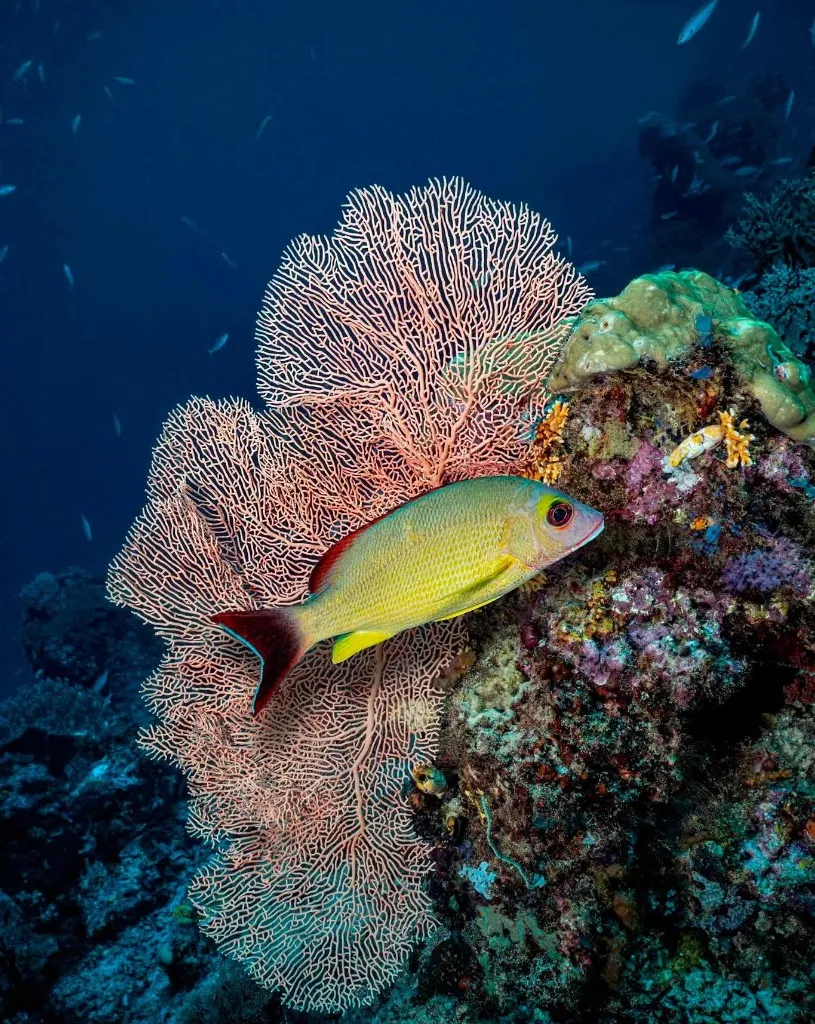
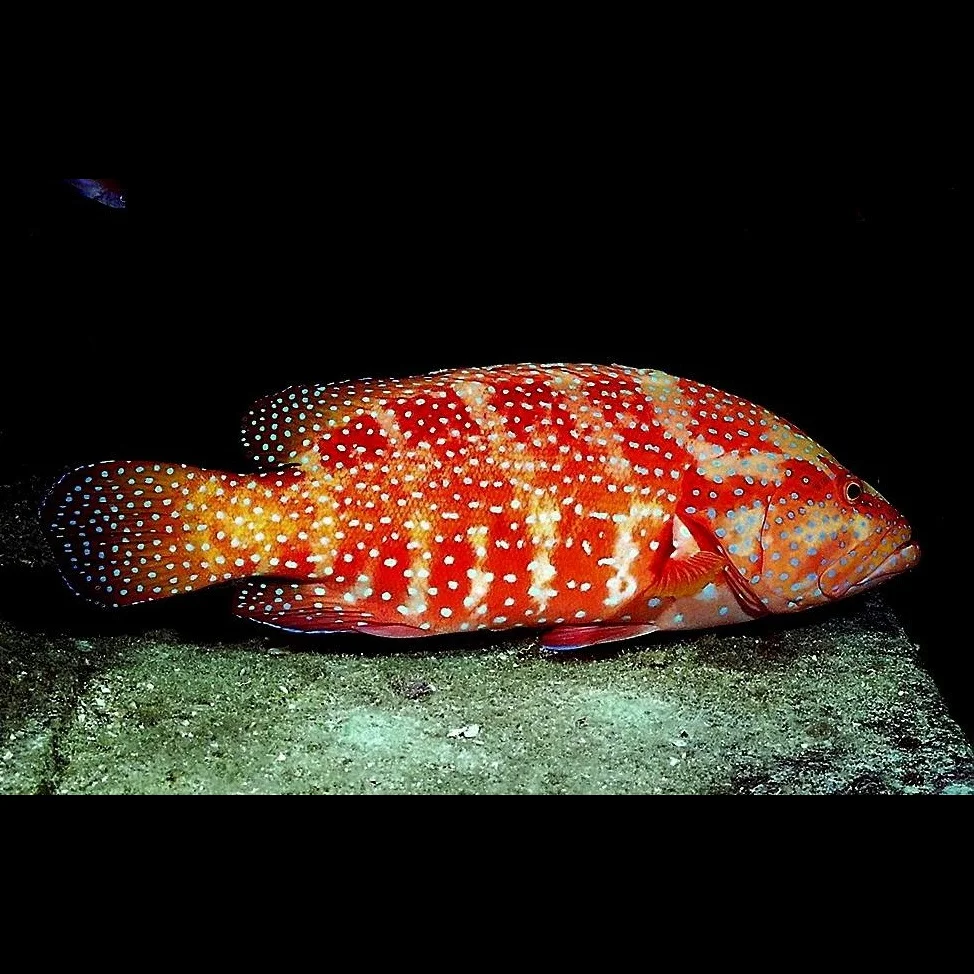
Snapper are the signature, breeding around the wreck in numbers, and blue grouper and other grouper hold on the structure too. Hanging back as a school of snapper swirls over the old dredge is the moment this dive is built around.
The notes also mention kingfish, sponges and hard coral colonising the steel, with a little less certainty. The wreck works as a fish magnet, so settle near the structure and let the residents gather instead of chasing them across the sand.

Dive Sites Near D9 Dredge
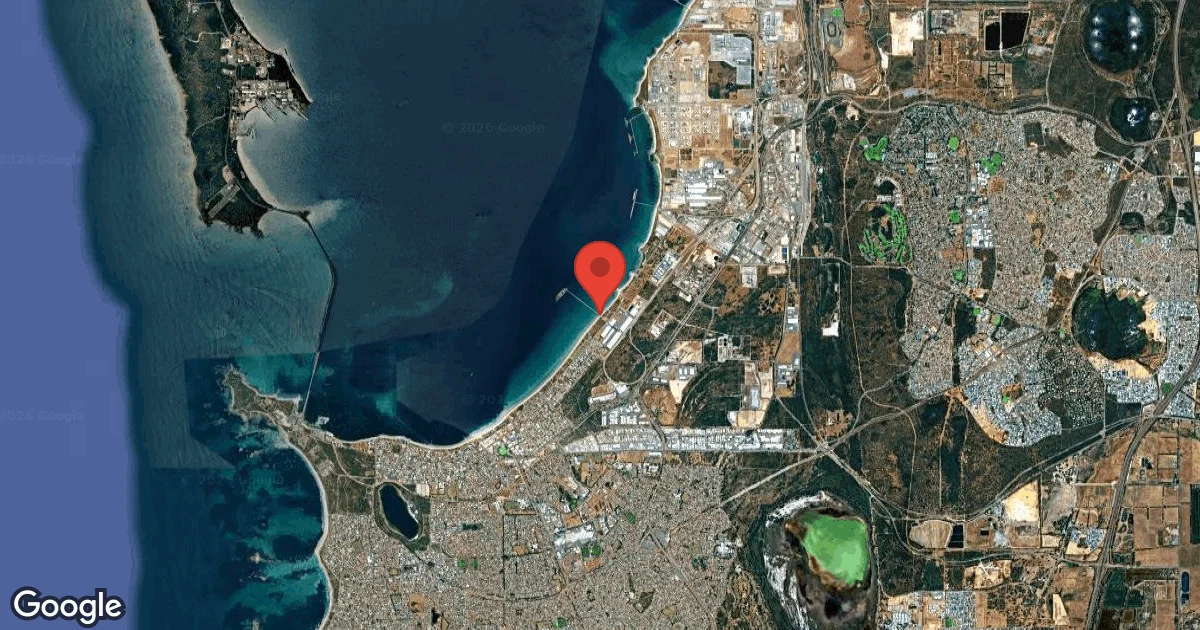
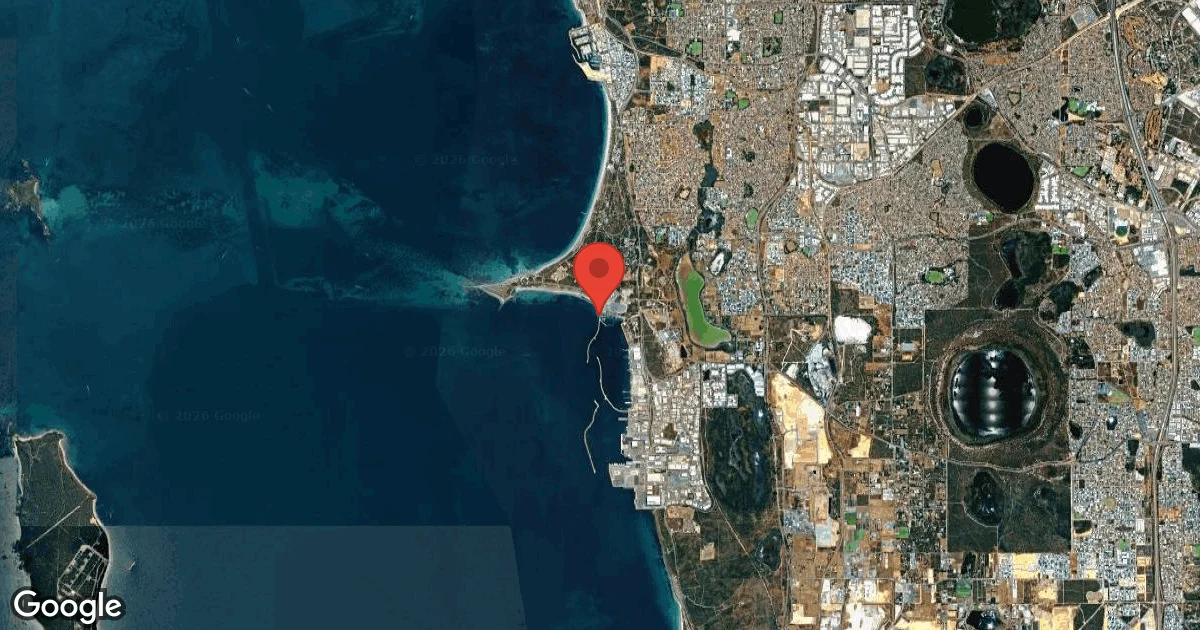
View all dive sites in AustraliaDiscover more underwater gems in this area.
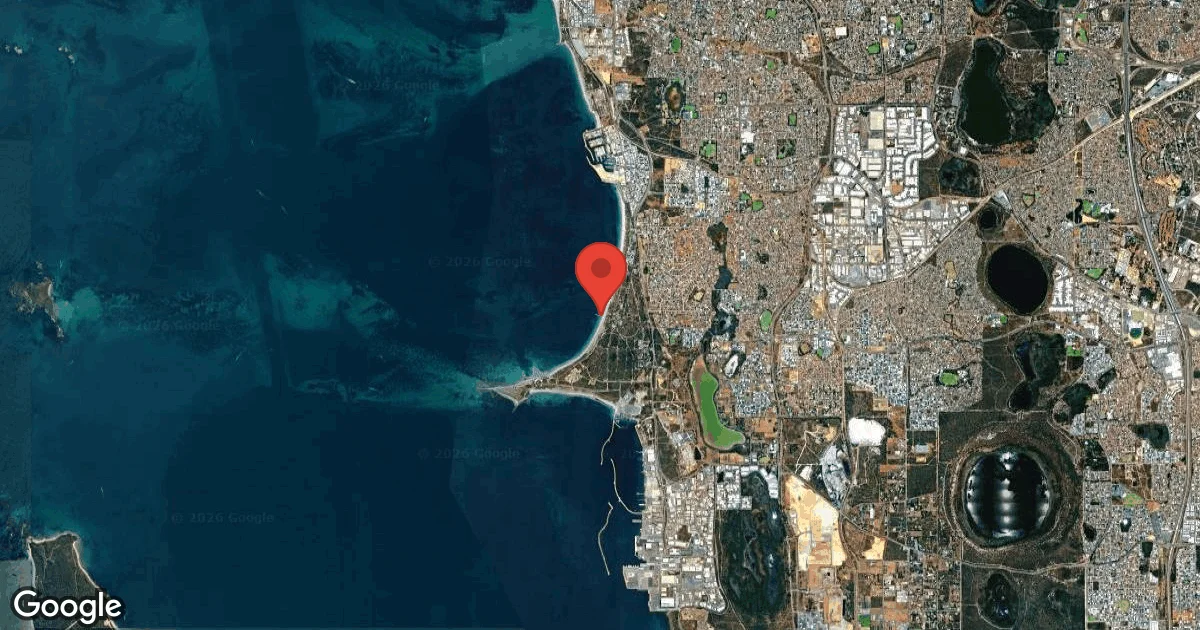
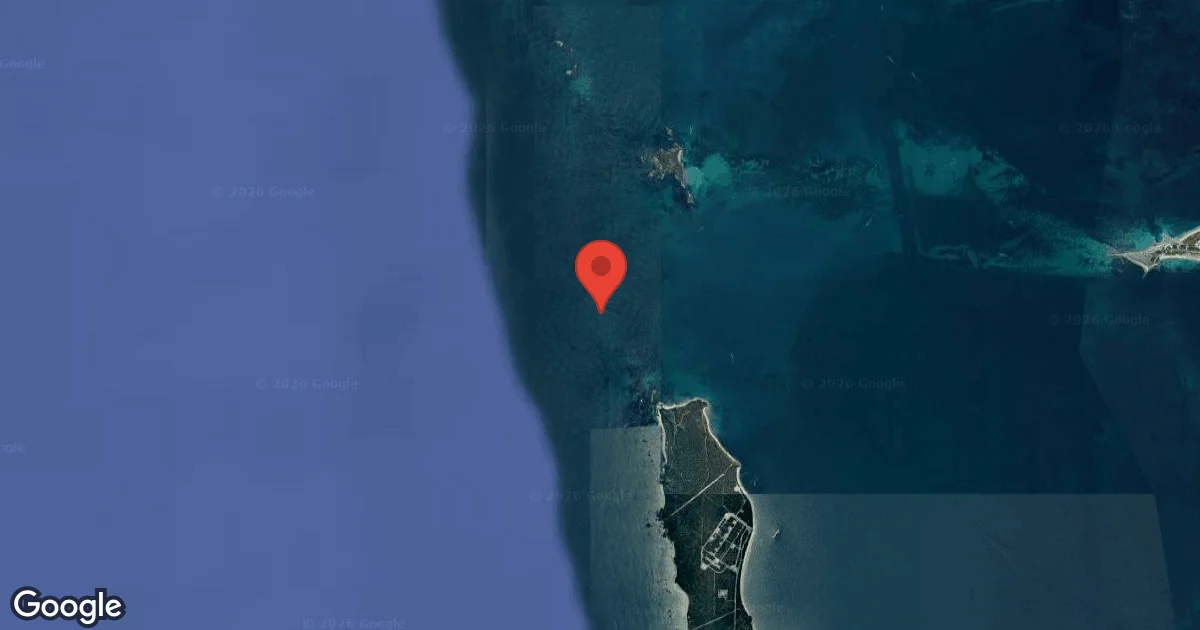
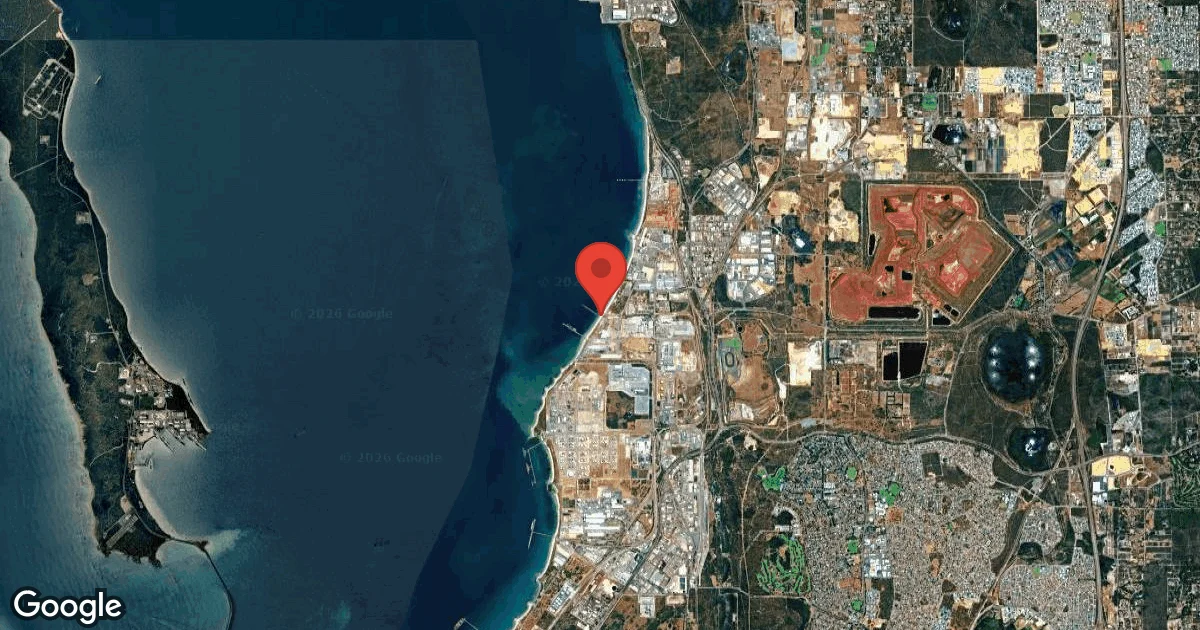
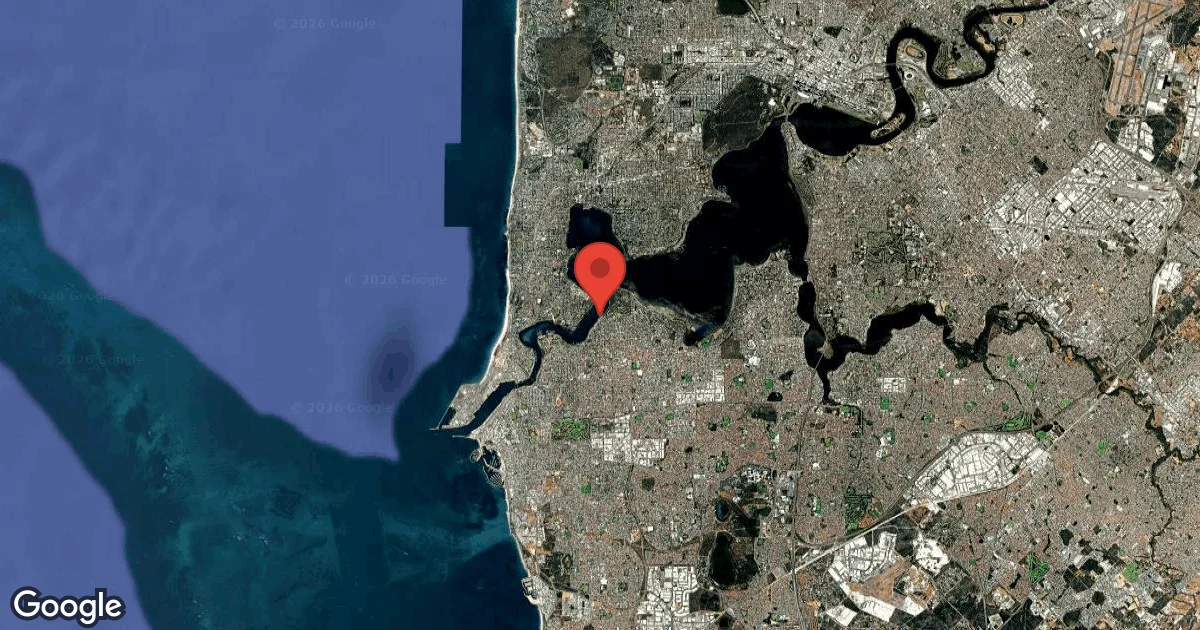
Dive Centers Near D9 Dredge
Today: 09:00 - 16:00
Nearest Airports
Nearest airports to help plan travel to this dive area.
Search Flights
Check available flights and routes on Expedia, using the nearby airports listed in this section.
Search Flights on ExpediaFrequently Asked Questions
What is the D9 Dredge?
A 1962 dredge, formerly the Parmelia, now a wreck in about 14 m / 46 ft in Cockburn Sound, known as a breeding ground for snapper.
Can I swim through it?
It has passable swim-throughs and arches, but interior penetration is for trained divers only, partly because of entanglement risk from snagged fishing line.
How deep is it?
About 14 m / 46 ft at most, averaging closer to 12 m / 39 ft, so it's a forgiving depth.
What are the main hazards?
Penetration risk, fishing lines and boat traffic. Carry a cutting tool, keep penetration within your training, and ascend deliberately with an SMB.
What will I see?
Lots of snapper, which breed around the wreck, plus blue grouper and other grouper, with kingfish and sponges noted as well.
Planning to dive D9 Dredge?
Send one inquiry and receive offers directly from the best verified local dive operators.
Conditions are Unsafe
High Swell Advisory. Not recommended.
Current conditions near D9 Dredge show 21° air, 19° sea temperature, 3.0 m waves, and 40 km/h wind. Forecast data is refreshed regularly to ensure accuracy.