
Diving at Cape Peron / Point Peron (Australia)
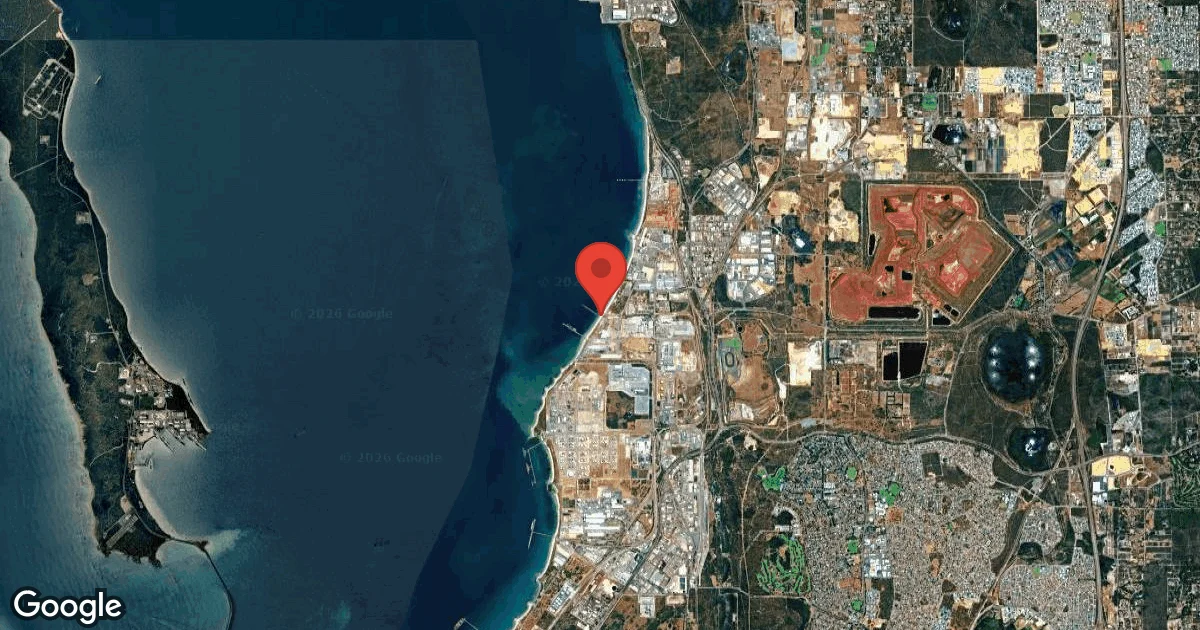
In Shoalwater Islands Marine Park near Rockingham, Cape Peron is a big, easy shore dive over seagrass, with limestone riddled by small caves and swim-throughs, dropping to about 8 m / 26 ft. The shallows are gentle and beginner-friendly in calm water, but strong current, surge and overhead caves mean parts of it ask for more care and the right training.
As evening covers Cape Peron / Point Peron, the local air temperature is measured at 21°C. The current wave height at the surface is recorded at 1.6 m. These late-day readings characterize the surface conditions for the night.
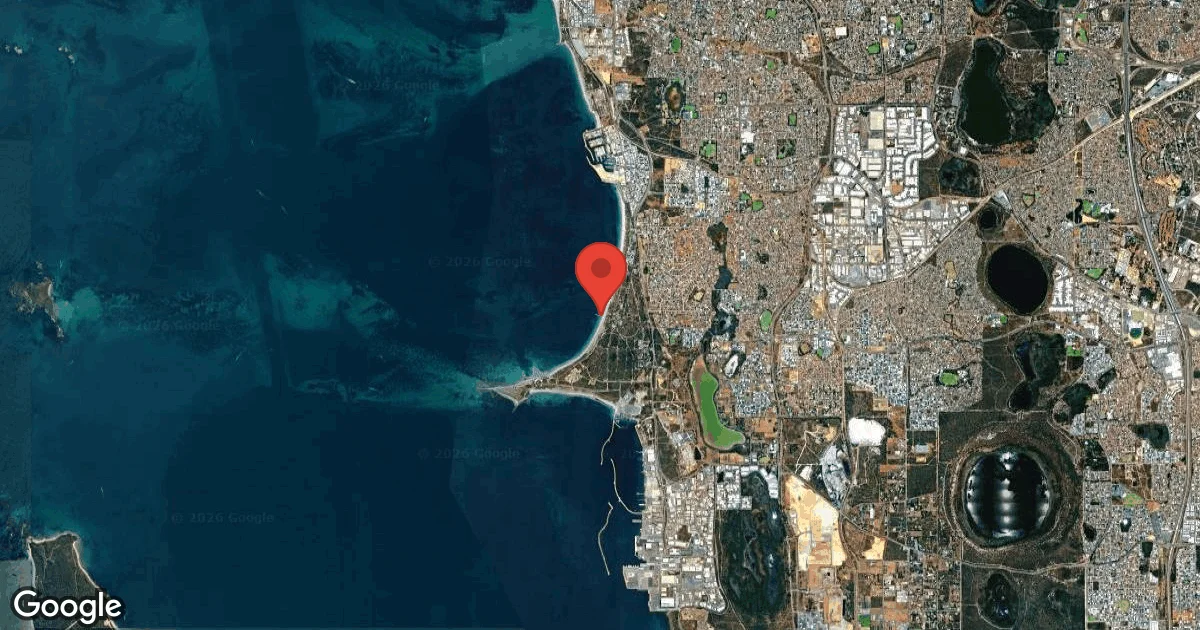
Dive Site Location & Key Facts
Dive Site Overview
Two sides to this place sit right next to each other. There's a huge, easy expanse of seagrass perfect for an unhurried shore dive, and then there's the limestone, formed into small caves, overhangs and swim-throughs that turn the same site into something more involved. Depth runs to about 8 m / 26 ft, averaging around 6 m / 20 ft.
For a newer diver in calm conditions, the seagrass flats are genuinely relaxed. The limestone is where you raise your guard: those caves are overhead environments, and the warning here specifically flags cave penetration. Add a strong current that can run through, and the easy shore dive becomes a serious one when the conditions turn. A torch opens up the swim-throughs and the shaded pockets where the more interesting life hides. Read the day honestly and dive the version of the site that matches it. The seagrass expanse is genuinely large, so you can spend a whole easy dive on the flats and never go near the limestone. Save the caves and swim-throughs for a calm day and the right training.
Conditions are Unsafe
High Swell Advisory. Not recommended.
Current conditions near Cape Peron / Point Peron show 21° air, 19° sea temperature, 3.6 m waves, and 51 km/h wind. Forecast data is refreshed regularly to ensure accuracy.
Best Time to Dive
The scores favour late spring through early autumn, with standout months around January, March and November. Water runs cool to mild, peaking near 23.7°C / 75°F in summer and dropping to about 17°C / 62°F in winter, so plan your wetsuit for cooler water outside the warm months. Swell is the practical limiter, easing to around 1.5 m / 5 ft in summer and building toward 2.6 m / 9 ft in winter. Because the caves and current here turn dangerous in surge, a low-swell day is what keeps the more adventurous parts of the site in play, while the seagrass shallows stay easy across a wider range of conditions. The caves and current turn dangerous in surge, so a low-swell window is what keeps the more adventurous parts in play.
PEAK SEASON SCORE
Scores combine air & water temps, waves, wind & rainfall for overall conditions.
BEST MONTHS TO DIVE
Monthly records compiled from satellite and marine observation nodes over the last 3 years. Data provided by Open-Meteo and MET Norway.
Dive Experience & Conditions
Your dive can be as gentle or as involved as you choose. Cross the seagrass and it's a flat, easy potter at about 8 m / 26 ft; head into the limestone and you're threading swim-throughs and skirting small caves. Strong current is the condition that changes the math, so check how the water is moving before you commit to the more exposed structure. The caves are overhead environments, full stop, so treat them as look-and-pass features unless you're trained and equipped for penetration. A torch is worth carrying for the swim-throughs and the shaded life. On a calm day the whole area opens up; on a surgy one, stay in the easy shallows or skip it. Decide which version of the site you're diving before you get in the water.
Dive Difficulty & Safety Guidelines
This site straddles two difficulty levels, and you need to know which one you're diving. The seagrass shallows are beginner-friendly in calm water; the limestone caves are an overhead environment with an explicit penetration warning, and strong current and surge can affect the whole area.
Keep penetration out of the picture unless you hold cave training, and even then let conditions decide. For everyone else, the caves are things to look into, not enter. Watch the current, time your dive to a low swell, and stay in the easier ground if the sea is up. Handled with that judgment, it's an accessible site; treated carelessly, the caves and current are where it bites.
Recommended Equipment
- Dive Computer
- Hard-soled Dive Boots
This gear list is based on verified equipment signals for Cape Peron / Point Peron, Australia. Always confirm final gear choices with your dive operator, guide, or liveaboard.
Recommended Dive Suit
Current diving conditions indicate water temperatures around 19°C (66°F) at Cape Peron / Point Peron. Surface air temperatures are resting at 21°C (69°F).
Environmental conditions may feel slightly cooler as the week progresses. Cooler days are ahead; you might want a warmer option for later in the week. A neoprene vest or hood can add flexibility if temperatures feel cooler underwater.
Divers who prefer moderate insulation typically choose 5mm wetsuit in similar environments. Consider warmer surface protection (like a boat coat) due to brisk winds. Surface intervals may feel cooler. Many experienced divers adjust their exposure protection depending on the type of dive planned. Stronger winds may also make surface intervals feel cooler than usual.
Emergency & Medical Support
Essential information to help you plan your dive trip to Cape Peron / Point Peron.

Hyperbaric chambers are a critical part of dive safety infrastructure. Availability varies significantly by region, and not all dive areas have immediate access.
Before diving, it's recommended to:
- confirm nearest medical facilities
- check emergency procedures with local dive operators
- ensure dive insurance covers evacuation if required
Divers Alert Network
Diving emergency assistance available through DAN World.
+1-919-684-9111- 24/7 emergency hotline
- Diving medical assistance
- Evacuation coordination
Emergency contacts are provided for reference. Always verify local emergency services before diving.
Marine Life at Cape Peron / Point Peron
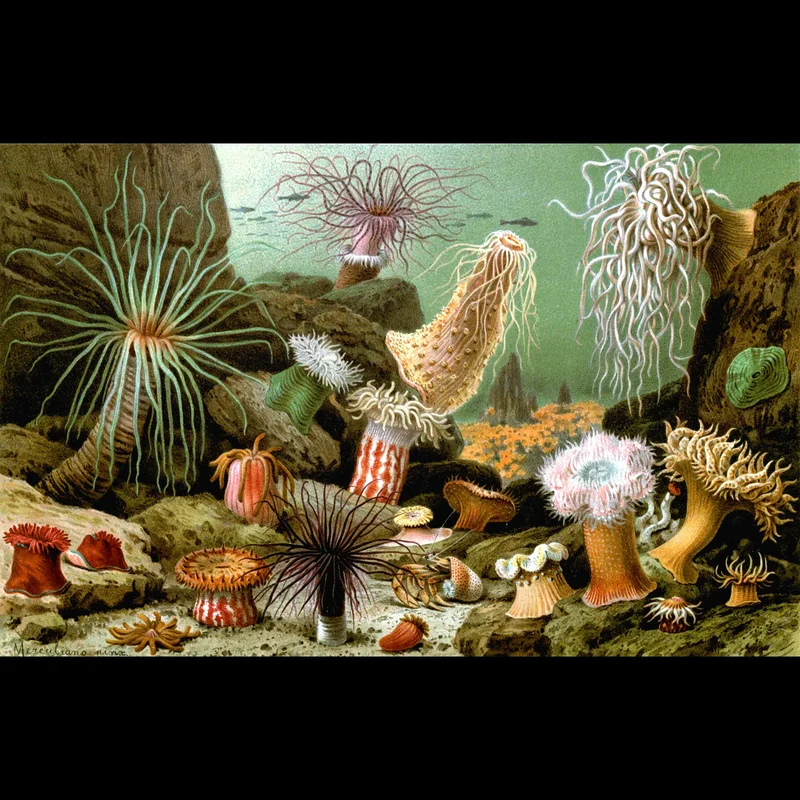
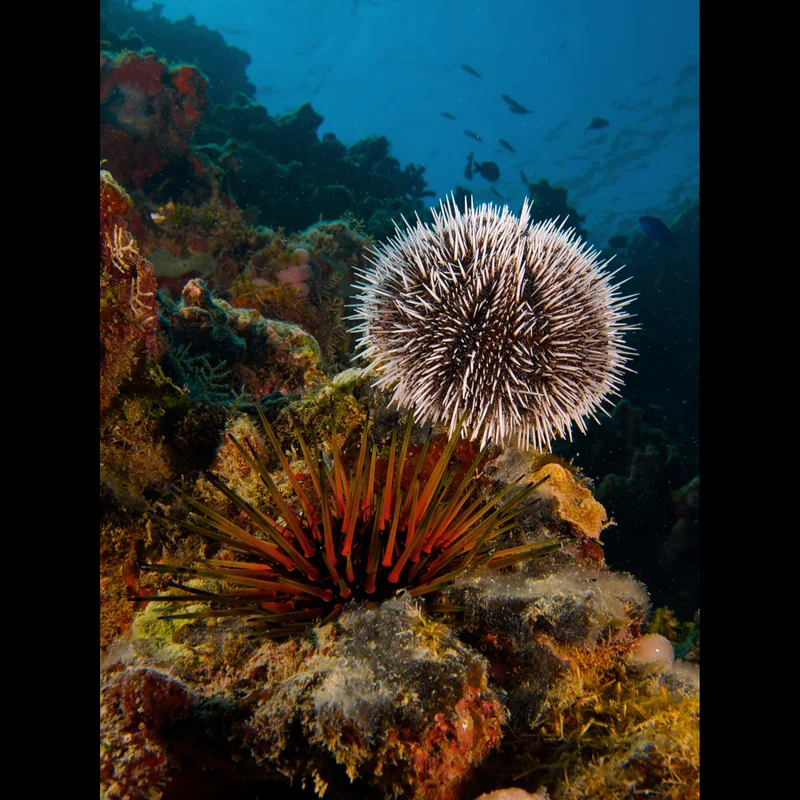
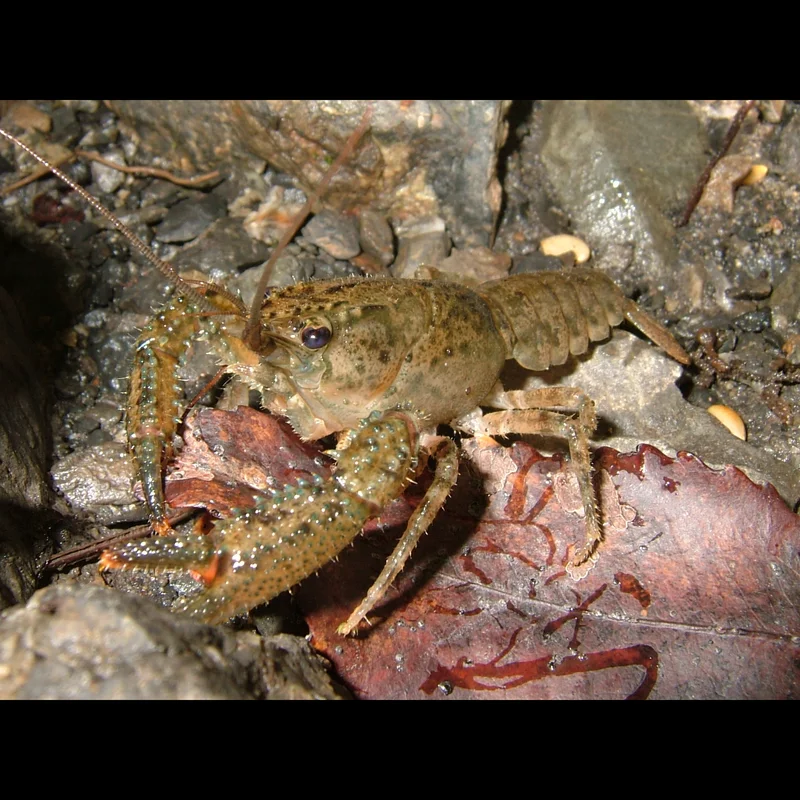
The reliable residents are the smaller, hardy types: anemones, sea urchins and crayfish among the limestone, with sea lions recorded in the area too. A sea lion cruising past while you work the seagrass is the kind of encounter that makes the whole dive.
Less certain, but tantalising, are the seadragons and octopus the notes mention, along with seahorses, sponges and soft coral. Finding a seadragon drifting in the grass would be a real prize, so move slowly and scan the seagrass and ledges; just don't bank on it.

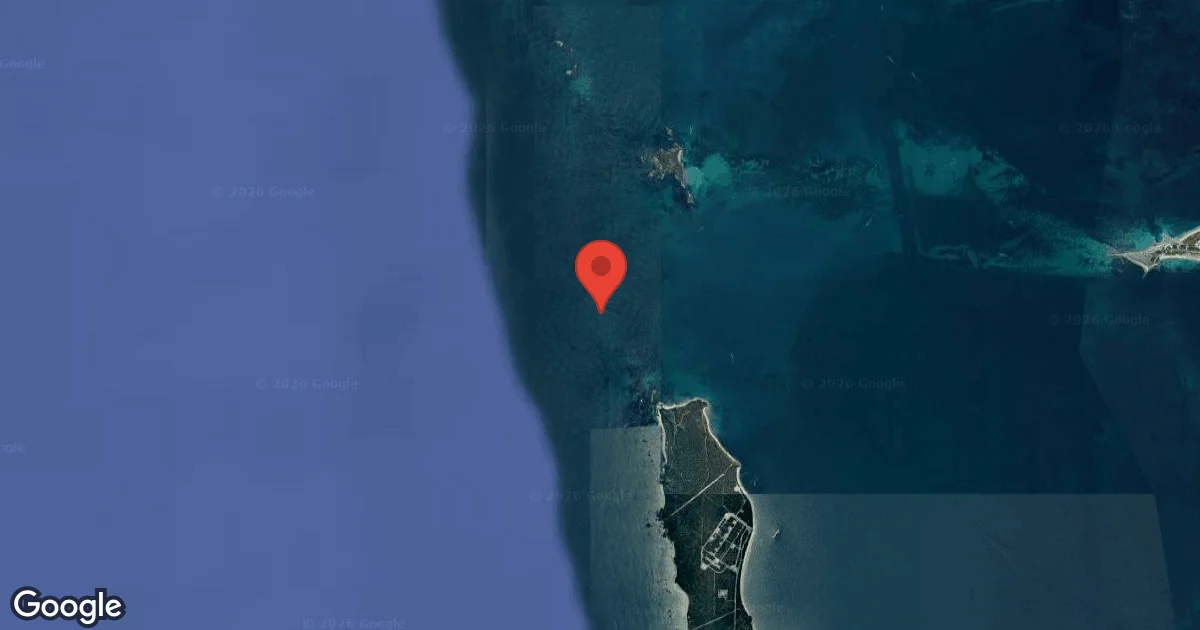
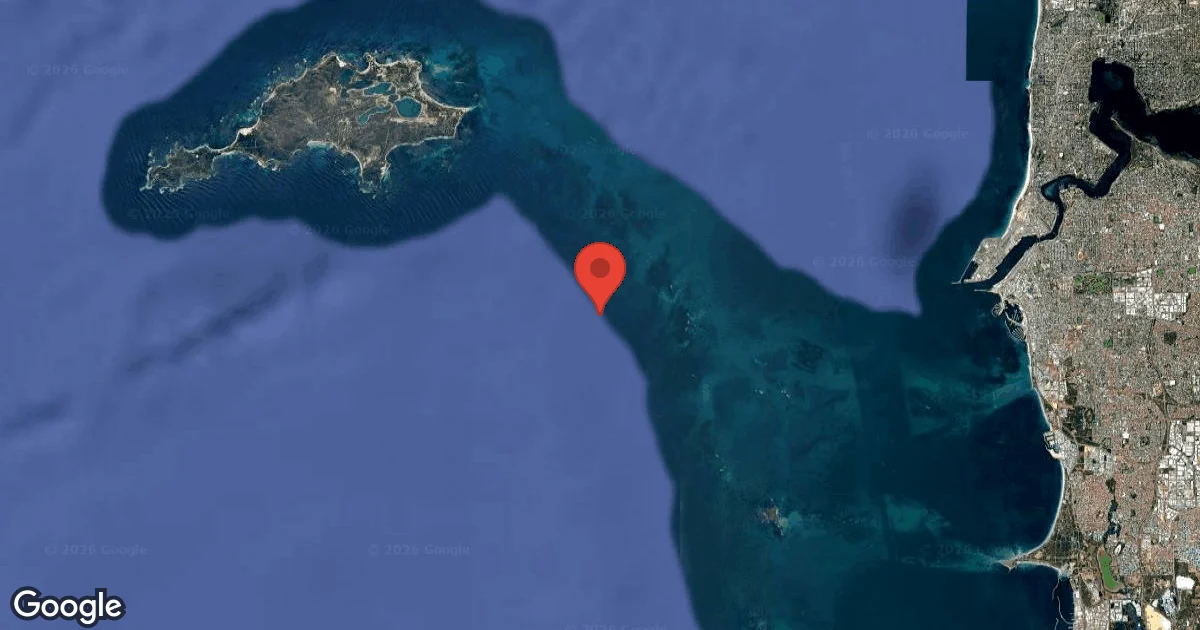
Dive Sites Near Cape Peron / Point Peron
View all dive sites in AustraliaDiscover more underwater gems in this area.
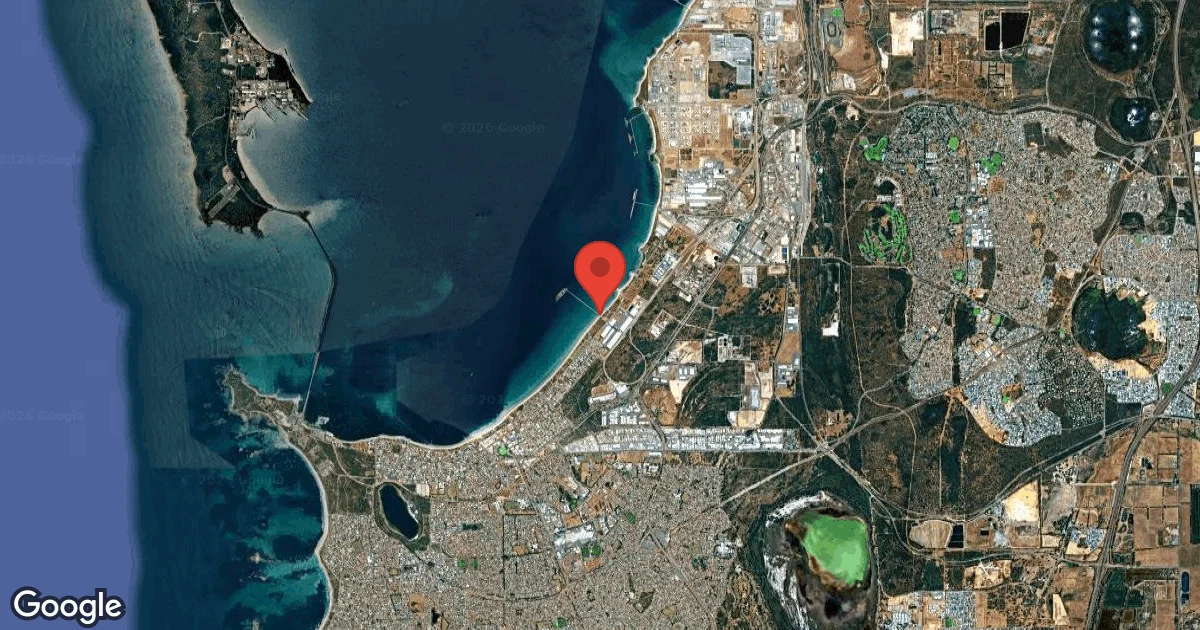
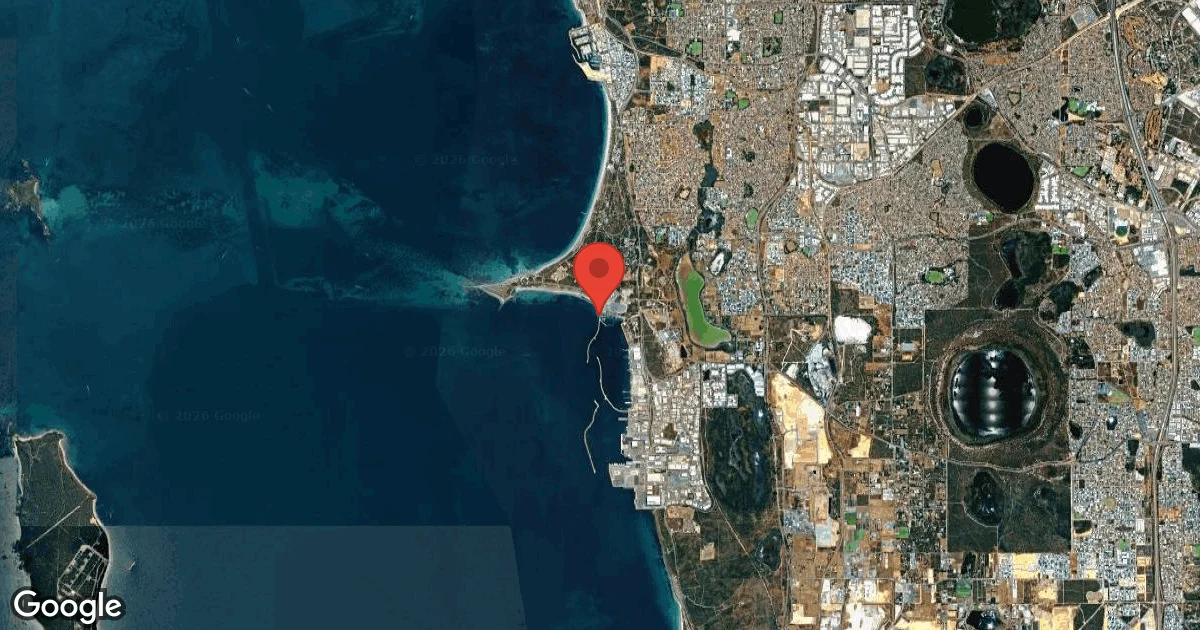
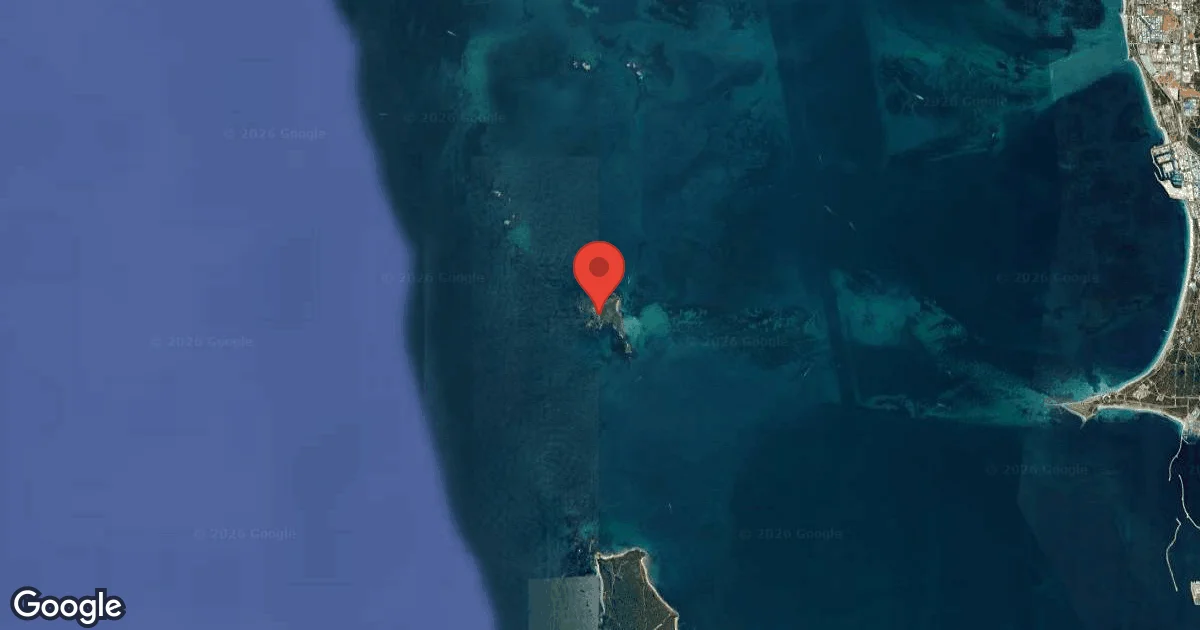
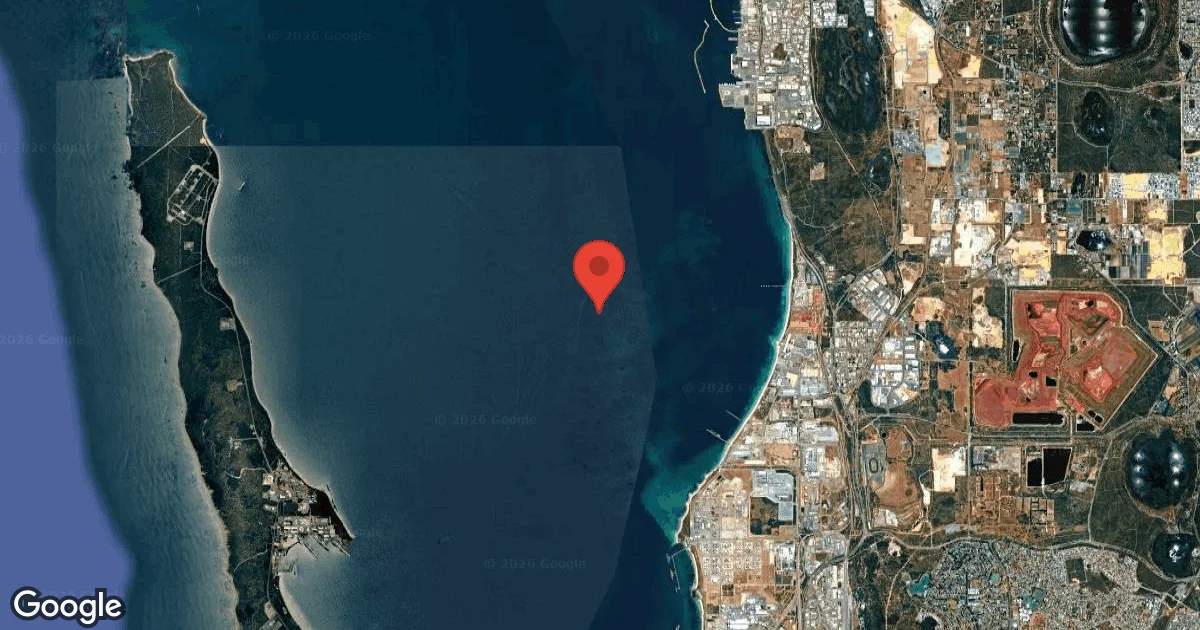
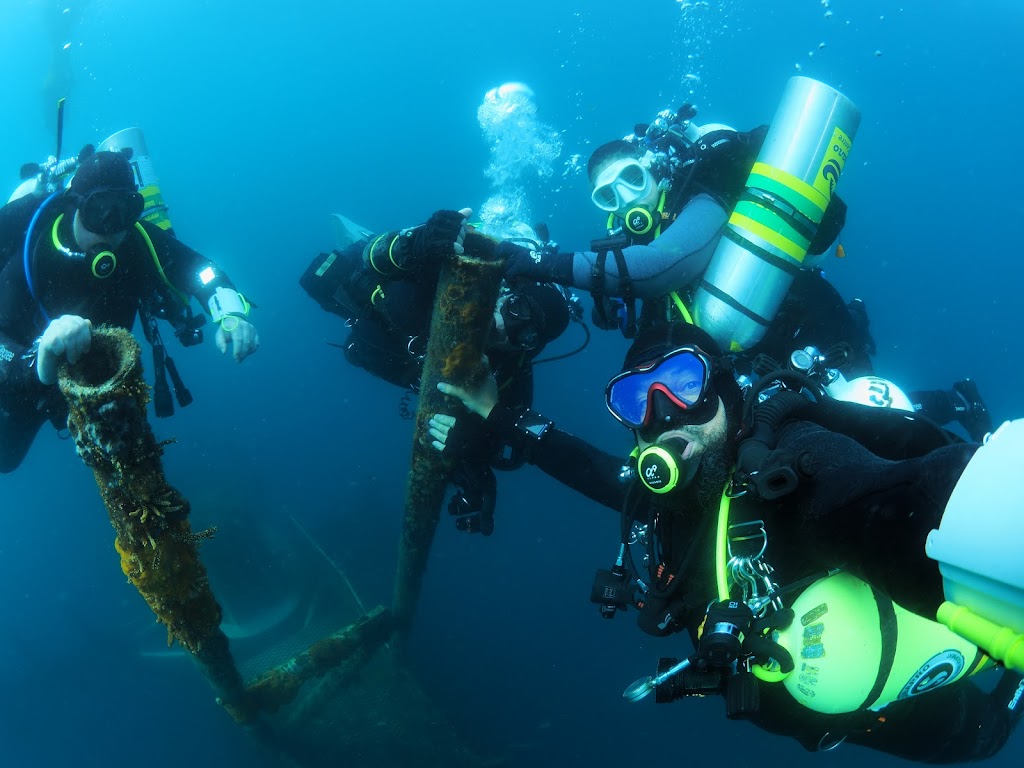
Dive Centers Near Cape Peron / Point Peron
Today: 09:00 - 16:00
Nearest Airports
Nearest airports to help plan travel to this dive area.
Search Flights
Check available flights and routes on Expedia, using the nearby airports listed in this section.
Search Flights on ExpediaFrequently Asked Questions
Is Cape Peron good for beginners?
The seagrass shallows are easy and beginner-friendly in calm water. The limestone caves are an overhead environment with a penetration warning, so those parts need training and care.
Can I go into the caves?
Only if you're cave-trained and equipped, and only when conditions allow. For everyone else they're features to look into, not enter.
How deep is it?
About 8 m / 26 ft at most, averaging around 6 m / 20 ft, so depth is never the challenge here.
What's the catch on such an easy site?
Strong current and surge. They can turn an easy shore dive serious, so check the water movement and pick a low-swell day.
Might I see a seadragon?
Possibly. Seadragons are mentioned but not firmly confirmed, so move slowly through the seagrass and treat one as a lucky find instead of a sure thing.
Planning to dive Cape Peron / Point Peron?
Send one inquiry and receive offers directly from the best verified local dive operators.
Conditions are Unsafe
High Swell Advisory. Not recommended.
Current conditions near Cape Peron / Point Peron show 21° air, 19° sea temperature, 3.6 m waves, and 51 km/h wind. Forecast data is refreshed regularly to ensure accuracy.