
Diving at Challenger Rock (Australia)
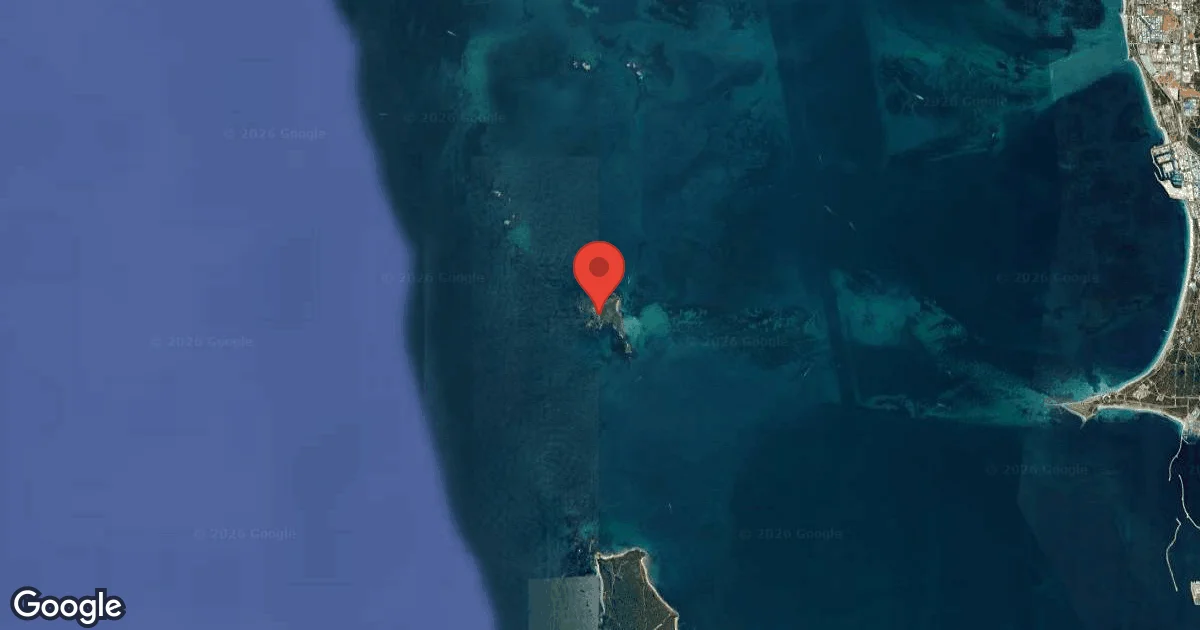
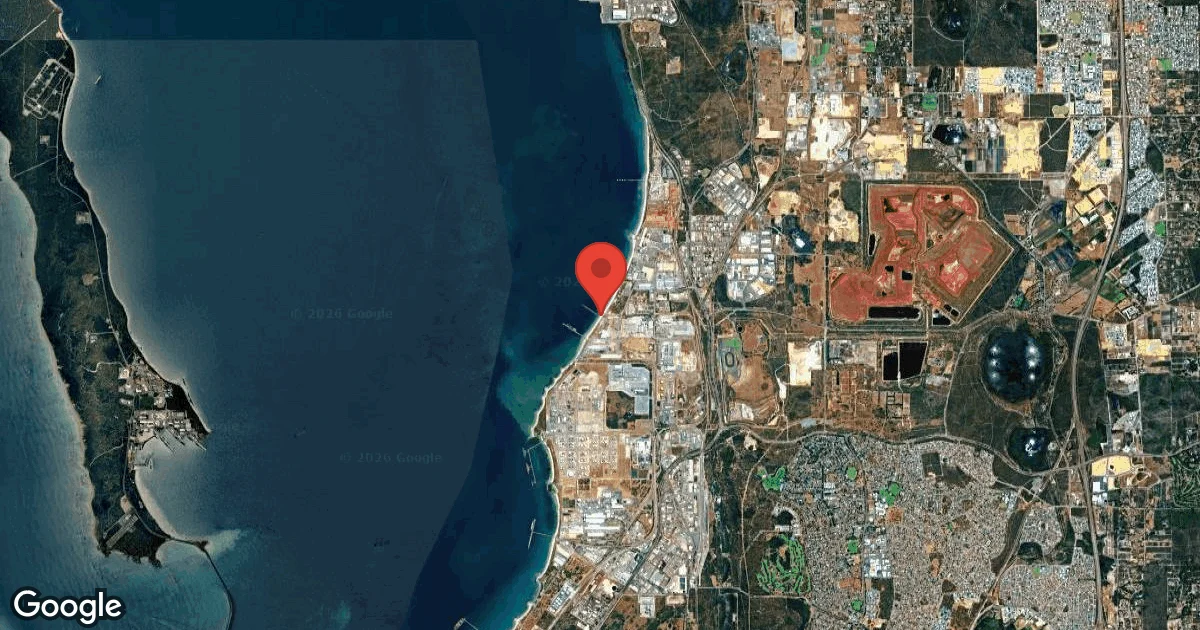
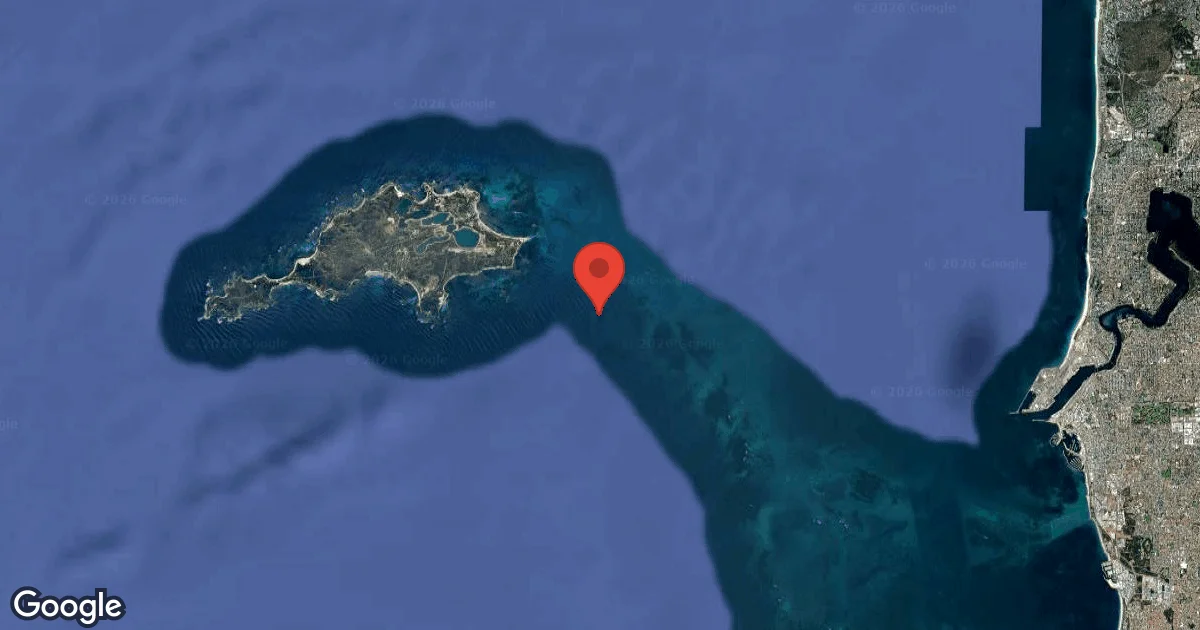
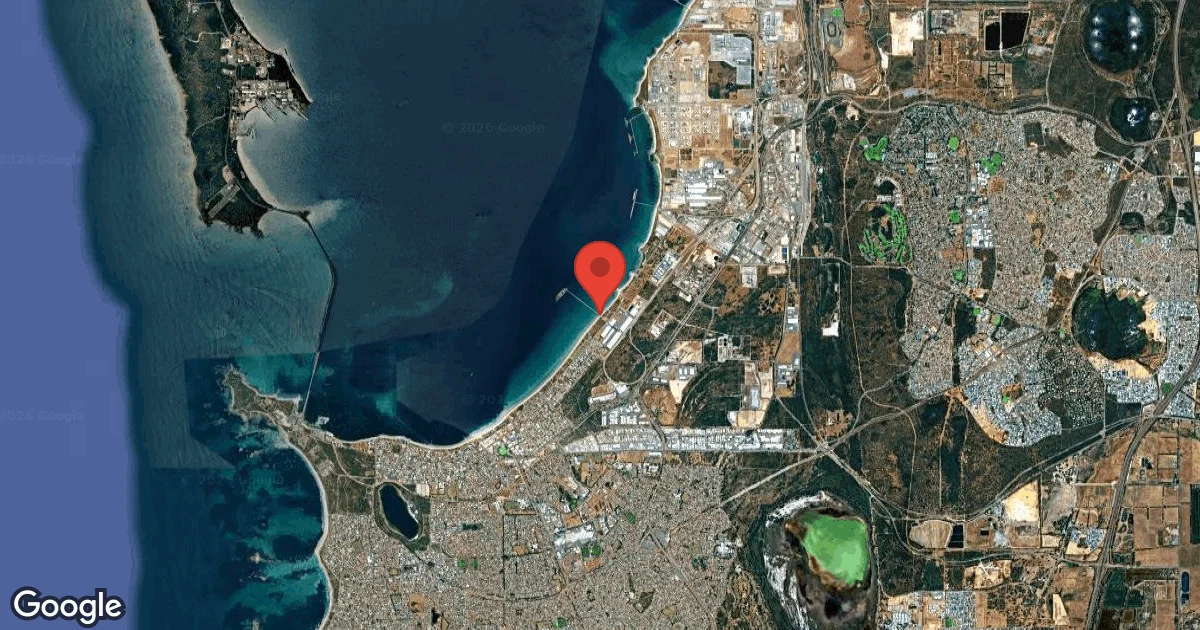
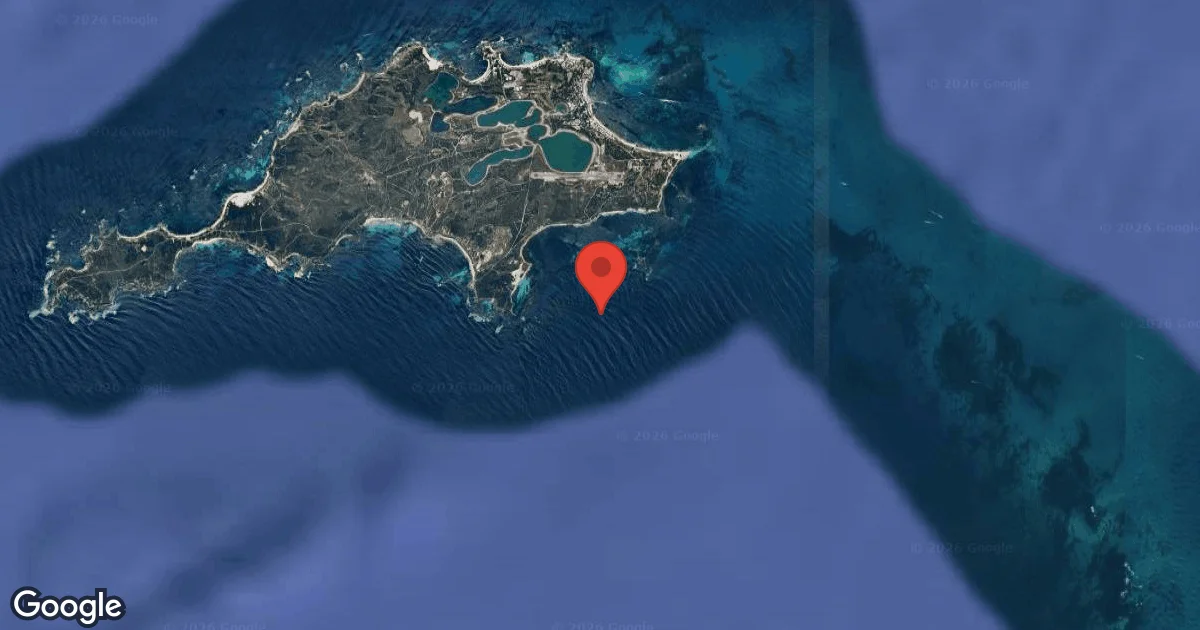
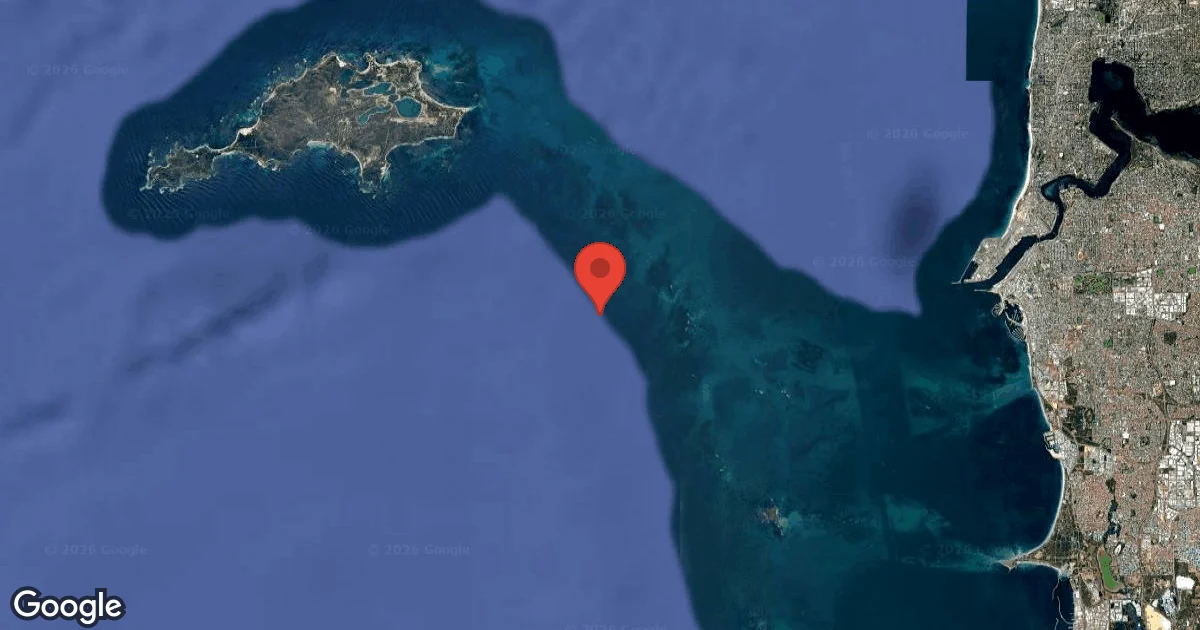
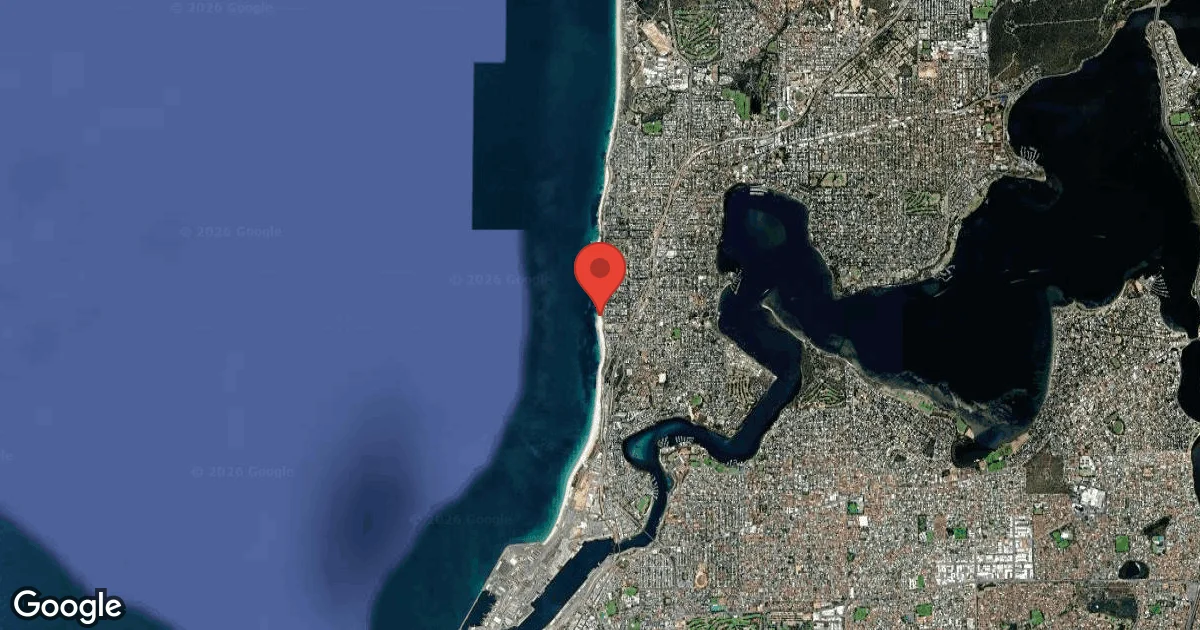
Challenger Rock is an exposed open-water pinnacle about 10 km west of Woodman Point and around 2 km north-west of Garden Island. The rock rises from roughly 14 m / 46 ft to within about one metre of the surface at low tide, with an average depth of around 13 m / 43 ft. In calm conditions, this is a very easy dive: divers can simply circle the rock formation, with fish life and cave-like structures around the site.
The main limitation is exposure. There is no shelter in open ocean, so swell, surge, wind and strong currents can quickly make conditions unsuitable. Best dived when the swell is low and winds are light.
As evening covers Challenger Rock, the local air temperature is measured at 17°C. The current wave height at the surface is recorded at 3.7 m. These late-day readings characterize the surface conditions for the night.
Dive Site Location & Key Facts
Dive Site Overview
A rock pinnacle climbs from about 14 m / 46 ft almost to the surface here, topping out within a metre of the air, and it's alive with fish from base to crown. Caves and a wall structure break up the rock, giving the dive shape and shelter for marine life.
The setting is the defining thing. This is open ocean with no protection, so the same exposure that feeds the abundant life also means surge and strong current are part of the deal. Sweeping up the pinnacle as it rises toward the light, fish swirling around you, is a genuinely good piece of diving, but it's earned in conditions that don't forgive complacency. Access is by boat out to the rock, and the plan starts with an honest look at the swell and current before anyone gets wet. The rock climbs almost to the surface, so you finish among the densest fish life in the shallows, then send up a marker before you surface into open water. With no shelter out here, the plan starts and ends with the swell.
Conditions are Unsafe
High Swell Advisory. Not recommended.
Current conditions near Challenger Rock show 17° air, 19° sea temperature, 3.9 m waves, and 51 km/h wind. Forecast data is refreshed regularly to ensure accuracy.
Best Time to Dive
Summer, around January through March, gives the steadiest scores and the best chance of the calm window this exposed rock needs. Water is mild, peaking near 22.9°C / 73°F and dropping to about 18°C / 65°F in winter, so dress for cool water. With no shelter out here, swell governs everything. Wave height eases to around 1.7 m / 6 ft in summer and builds toward 2.7 m / 9 ft in winter, and on an open-ocean pinnacle with strong current, you want the low end of that range. This is a fair-weather dive: when the sea is up, the exposure and current make it a site to leave alone. On an open-ocean rock with no protection, you want the calmest day you can get, so watch the forecast closely.
PEAK SEASON SCORE
Scores combine air & water temps, waves, wind & rainfall for overall conditions.
BEST MONTHS TO DIVE
Monthly records compiled from satellite and marine observation nodes over the last 3 years. Data provided by Open-Meteo and MET Norway.
Dive Experience & Conditions
Expect an exposed, current-aware dive on a pinnacle that rises from about 14 m / 46 ft to nearly the surface. You work the rock, explore the caves and wall, and let the structure shelter you from the flow where it can. Strong current and surge are constants, not surprises, so confident current technique and a careful read of the water are essential. The fish life is thick around the pinnacle, which is the reward for being there on a good day. With no protection from open ocean, your ascent may finish away from the boat, so an SMB and a plan for that are part of the kit. Check the conditions hard before splashing, because this is a site that demands the sea cooperates.
Dive Difficulty & Safety Guidelines
Treat this as an easy but condition-dependent dive despite its shallow depth. Challenger Rock sits in open ocean with no protection, so swell, surge, wind and strong currents can quickly change the difficulty. Those conditions, not the 14 m / 46 ft depth, set the real difficulty, so approach it as a dive for people already comfortable in moving, exposed water.
Current technique and an SMB are essential, and you should be ready to surface away from the boat. The caves are features to look into, not penetrate without training. Above all, this is swell-dependent: on a calm day it's a rewarding, fish-rich pinnacle, and on a rough one the exposure makes it genuinely hazardous. When the forecast is marginal, the right call is to wait.
Recommended Equipment
- Dive Computer
- DSMB
This gear list is based on verified equipment signals for Challenger Rock, Australia. Always confirm final gear choices with your dive operator, guide, or liveaboard.
Recommended Dive Suit
Individual comfort in the water can vary significantly from diver to diver, even under the same conditions.
For most recreational dives, 5mm wetsuit should provide comfortable protection. Strong winds are present; please take strong precautions against rapid cooling during surface intervals. Forecast trends indicate little change in overall diving conditions during the next few days.
Divers heading to Challenger Rock today should expect water temperatures around 19°C (66°F). Surface air temperatures are resting at 17°C (63°F).
Emergency & Medical Support
Essential information to help you plan your dive trip to Challenger Rock.

Hyperbaric chambers are a critical part of dive safety infrastructure. Availability varies significantly by region, and not all dive areas have immediate access.
Before diving, it's recommended to:
- confirm nearest medical facilities
- check emergency procedures with local dive operators
- ensure dive insurance covers evacuation if required
Divers Alert Network
Diving emergency assistance available through DAN World.
+1-919-684-9111- 24/7 emergency hotline
- Diving medical assistance
- Evacuation coordination
Emergency contacts are provided for reference. Always verify local emergency services before diving.
Marine Life at Challenger Rock
The pinnacle's pull is the sheer volume of fish, and the notes describe abundant marine life swarming the rock instead of naming particular species. Rising up the pinnacle into that mass of fish, with the surface shimmering just above, is the image the site trades on.
Because no specific animals are firmly recorded, go in expecting density over a tick-list. The reward here is the spectacle of a fish-covered open-ocean rock, not the chance to log a named rarity. The volume of fish is the spectacle, so let the pinnacle fill with life around you and take it in.
Dive Sites Near Challenger Rock
View all dive sites in AustraliaDiscover more underwater gems in this area.
Dive Centers Near Challenger Rock
Today: 09:00 - 16:00
Nearest Airports
Nearest airports to help plan travel to this dive area.
Search Flights
Check available flights and routes on Expedia, using the nearby airports listed in this section.
Search Flights on ExpediaFrequently Asked Questions
What makes it special?
A pinnacle rising from about 14 m / 46 ft to within a metre of the surface, swarming with fish and cut with caves.
How deep is it?
About 14 m / 46 ft at the base, but the rock climbs almost to the surface, so much of the dive is shallow.
What's the main hazard?
Exposure. Strong current and surge in open water with no protection are the real challenge, not the depth.
When can I dive it?
On a calm, low-swell day. When the sea is up, the current and exposure make it a site to skip.
Planning to dive Challenger Rock?
Send one inquiry and receive offers directly from the best verified local dive operators.
Conditions are Unsafe
High Swell Advisory. Not recommended.
Current conditions near Challenger Rock show 17° air, 19° sea temperature, 3.9 m waves, and 51 km/h wind. Forecast data is refreshed regularly to ensure accuracy.