
Diving at Middle Island (Australia)
Exploring the coastal fringes of Warrnambool, Middle Island presents a distinct shore diving experience in Victoria, Australia. This site, part of the Merri Marine Sanctuary, combines accessibility with rich underwater topography. Divers planning a visit here should anticipate a dive where careful attention to environmental conditions directly impacts the experience.
Tonight's objective overview for Middle Island shows an air temperature of 11°C. The measured surface conditions include wave heights around 2.5 m. This environmental data is logged for the close of the day.
Dive Site Location & Key Facts
Dive Site Overview
Middle Island's underwater realm reveals a remarkably complex topography, characterized by an intricate network of boulders, natural channels, and extensive overhangs. Divers navigating these structures will encounter impressive reef formations, some of which feature dramatic walls ascending from depths of approximately 10 meters (33 ft) directly towards the surface.
Further enriching the structural diversity are various accessible caves and swim-throughs, inviting detailed exploration. These subterranean passages often hold unique micro-ecosystems. Interspersed throughout the site, vibrant bull kelp forests sway with the surge, creating a dynamic environment that provides both shelter and essential foraging grounds for a wide array of marine life.
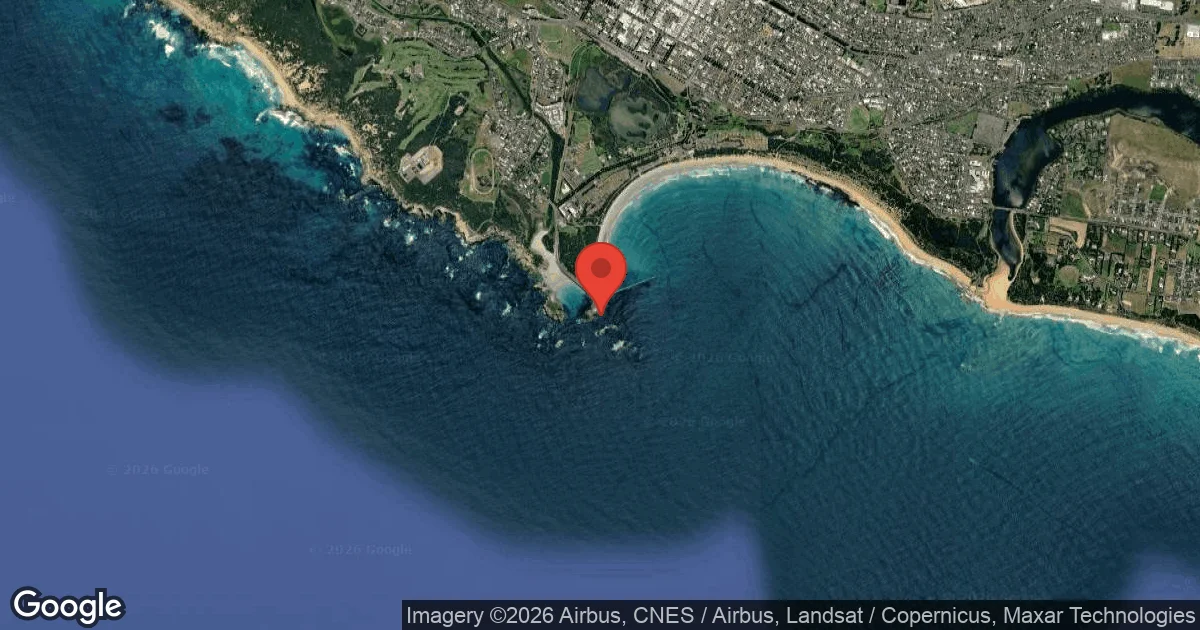
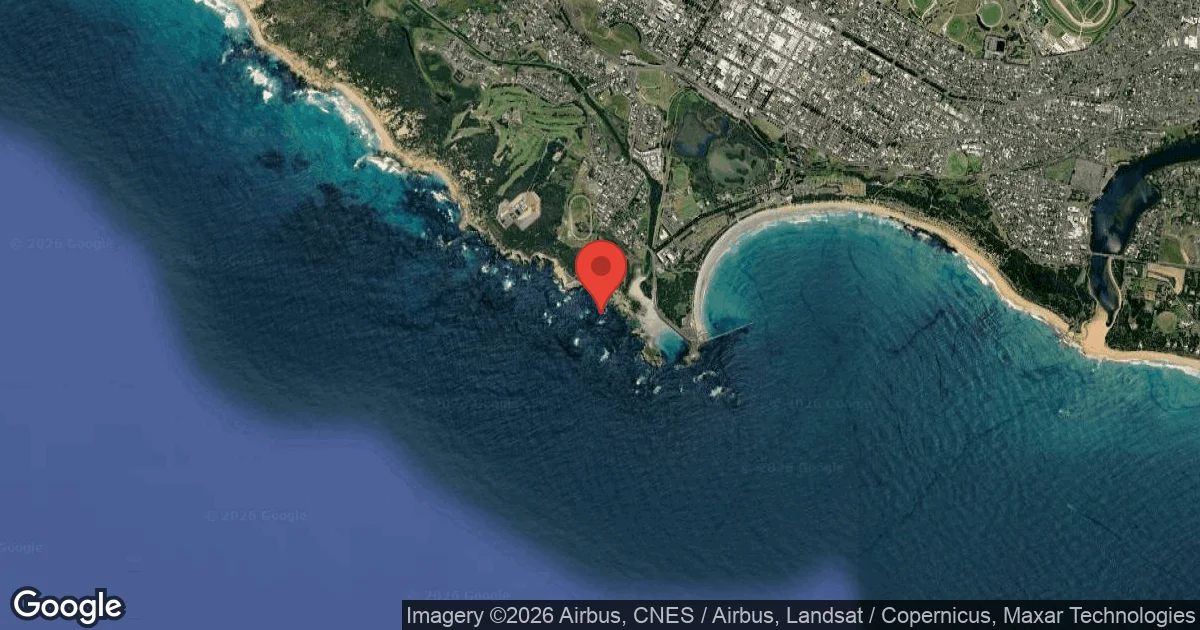
While reports on exact maximum depths vary, the site consistently offers a rewarding experience within recreational diving limits, typically reaching up to 14 meters (45 ft). Accessing the site is straightforward; it's a shore dive, usually involving a walk of about 70 meters across sandy stretches.
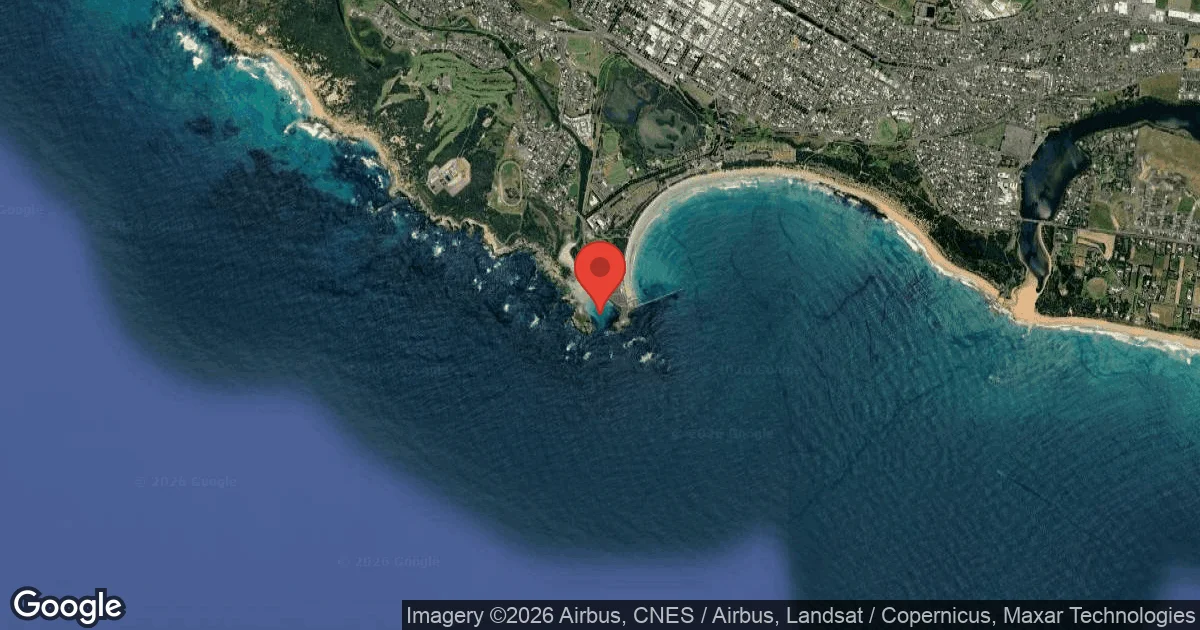
This includes traversing a small channel to reach the optimal entry point, which is conveniently located from Stingray Bay. Planning the entry requires attention to tide levels to ensure a smooth transition.
Conditions are Moderate
Optimal conditions expected
Current conditions near Middle Island show 11° air, 14° sea temperature, 1.9 m waves, and 37 km/h wind. Forecast data is refreshed regularly to ensure accuracy.
Best Time to Dive
Achieving optimal visibility and comfort at Middle Island largely depends on selecting the right conditions. This dive site is best explored during low tide, specifically when swell is very low and winds are light, ideally from the North or North-Easterly direction. Such conditions mitigate strong currents and surge, which can otherwise significantly reduce underwater clarity. Air temperatures range from cooler averages of 10.5°C (51°F) in July to warmer averages of 18.5°C (65°F) in February, influencing surface comfort. Monthly rainfall varies from 0.72 mm in February to 2.70 mm in November, which is generally not a primary factor affecting underwater visibility here, but prevailing winds and swell remain paramount.
PEAK SEASON SCORE
Scores combine air & water temps, waves, wind & rainfall for overall conditions.
BEST MONTHS TO DIVE
Monthly records compiled from satellite and marine observation nodes over the last 3 years. Data provided by Open-Meteo and MET Norway.
Dive Experience & Conditions
A descent into Middle Island's waters reveals an environment that can range from easy to intermediate, heavily contingent on prevailing weather and sea states. During periods of low swell and light winds, the conditions offer a relaxed exploration of the reefs and structural features. Conversely, when the sea is rough, strong currents and surge can develop, transforming the dive into a more challenging experience. Divers will find the main features like boulders, channels, and reef walls distributed across recreational depth ranges, allowing for thorough investigation. While specific water temperature data for Middle Island isn't consistently reported, divers should prepare for temperate conditions.
Dive Difficulty & Safety Guidelines
Navigating Middle Island requires a keen awareness of dynamic ocean conditions to ensure diver safety. The area can become quite dangerous if the sea is rough, with strong currents and significant surge often present when swells are up. It's strongly recommended to dive this site with a local who possesses intimate knowledge of its specific characteristics and hazards.
As a designated no-take zone within the Merri Marine Sanctuary, all divers must observe 'look, don't touch' regulations, ensuring the preservation of the marine ecosystem. Practical shore access facilities, including car parking near Stingray Bay and a toilet block with cold showers approximately 50 meters from the beach access, support comfortable dive preparation.
Recommended Equipment
- Dive Computer
- Hard-soled Dive Boots
This gear list is based on verified equipment signals for Middle Island, Australia. Always confirm final gear choices with your dive operator, guide, or liveaboard.
Recommended Dive Suit
Weather models currently point toward consistent diving conditions over the next several days.
Even in warm destinations, extended dives can gradually draw heat away from the body. Surface intervals may feel noticeably cooler once you exit the water.
Exposure protection such as 7mm wetsuit or semidry is commonly used when diving in waters of this temperature. A hood or vest is suggested for sensitive divers due to surface winds. Strong cold advisory: dress warmly immediately after exiting the water. Divers preparing to enter the water at Middle Island will likely find temperatures around 14°C (58°F) today. Surface air temperatures are resting at 11°C (52°F).
Due to technical issues with our weather providers, data hasn't been fetched for over 48 hours. The data above reflects the conditions at the time of the last successful fetch.
Emergency & Medical Support
Essential information to help you plan your dive trip to Middle Island.

Hyperbaric chambers are a critical part of dive safety infrastructure. Availability varies significantly by region, and not all dive areas have immediate access.
Before diving, it's recommended to:
- confirm nearest medical facilities
- check emergency procedures with local dive operators
- ensure dive insurance covers evacuation if required
Divers Alert Network
Diving emergency assistance available through DAN World.
+1-919-684-9111- 24/7 emergency hotline
- Diving medical assistance
- Evacuation coordination
Emergency contacts are provided for reference. Always verify local emergency services before diving.
Marine Life at Middle Island
Beneath the surface, Middle Island supports a diverse array of marine life. Divers frequently encounter a variety of reef fish amidst the bull kelp forests and rocky structures.
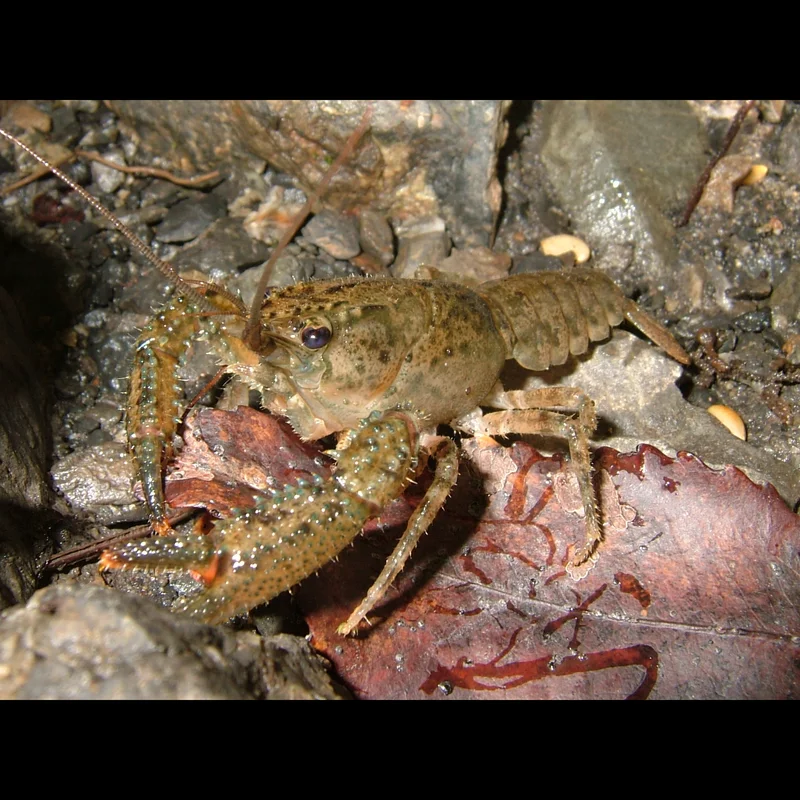
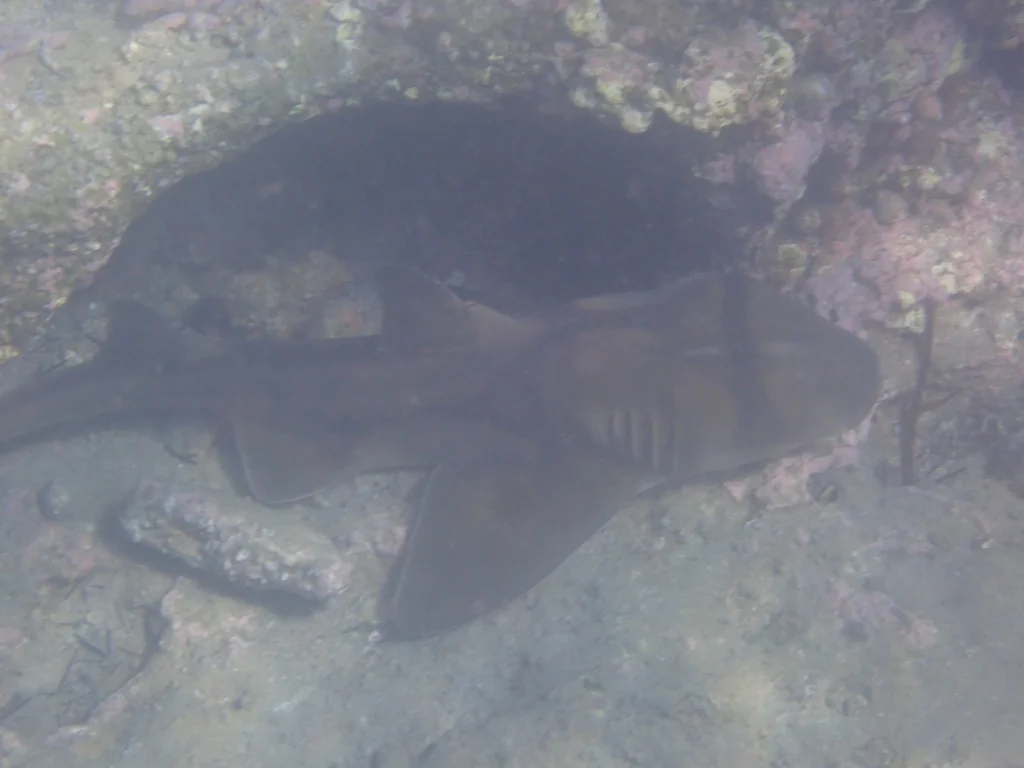
Crayfish are often seen inhabiting the crevices and overhangs. For those with a keen eye, sightings of Wobbegong Sharks and Port Jackson Sharks are common occurrences, adding an exciting dimension to the underwater exploration.
As part of the Merri Marine Sanctuary, the 'no-take' status helps to foster a protected environment for these species.

Dive Sites Near Middle Island
View all dive sites in AustraliaDiscover more underwater gems in this area.
Dive Centers Near Middle Island
No Dive Centers Local To Middle Island
Are you a dive center visiting this location? Get listed to reach divers.
Nearest Airports
Nearest airports to help plan travel to this dive area.
Search Flights
Check available flights and routes on Expedia, using the nearby airports listed in this section.
Search Flights on ExpediaFrequently Asked Questions
What is the maximum depth at Middle Island?
The maximum depth reported for Middle Island varies but generally reaches up to 14 meters (45 ft), making it suitable for most recreational divers. Some reef walls extend to the surface from approximately 10 meters (33 ft).
What are the best conditions for diving Middle Island?
Middle Island is best dived during low tide, with very low swell, and light winds from the North or North-Easterly direction. These conditions minimize strong currents and surge, improving safety and visibility.
Is Middle Island a beginner-friendly dive site?
Diving at Middle Island can range from easy to intermediate. Beginners can enjoy the site under ideal calm conditions, but it can become challenging with strong currents and surge if the sea is rough.
What kind of marine life can be seen at Middle Island?
The site is home to various reef fish, crayfish, Wobbegong Sharks, and Port Jackson Sharks. It is a marine sanctuary, so observing the marine life without touching is essential.
How do I access Middle Island for diving?
Middle Island is a shore dive. Divers typically park at Stingray Bay and walk about 70 meters across the sand, crossing a small channel to reach the dive entry point.
Are there facilities available at the dive site?
Yes, there is a car park near Stingray Bay. A toilet block, located approximately 50 meters from the beach access, offers fresh cold water showers and change rooms for diver convenience.
Planning to dive Middle Island?
Send one inquiry and receive offers directly from the best verified local dive operators.
Conditions are Moderate
Optimal conditions expected
Current conditions near Middle Island show 11° air, 14° sea temperature, 1.9 m waves, and 37 km/h wind. Forecast data is refreshed regularly to ensure accuracy.