
Diving at Pickering Point (Australia)
For a rewarding dive at Pickering Point, prioritize days with exceptionally calm seas and minimal swell. This shore-entry site, accessible to divers of all levels in the right conditions, demands vigilant condition monitoring as water states can shift rapidly. Planning your visit for low tide further optimizes accessibility and safety for exploration.
Evening condition tracking at Pickering Point features an air temperature of 18°C. We have recorded wave heights measuring 1.9 m during this period. These figures outline the environmental parameters currently present.
Dive Site Location & Key Facts
Dive Site Overview
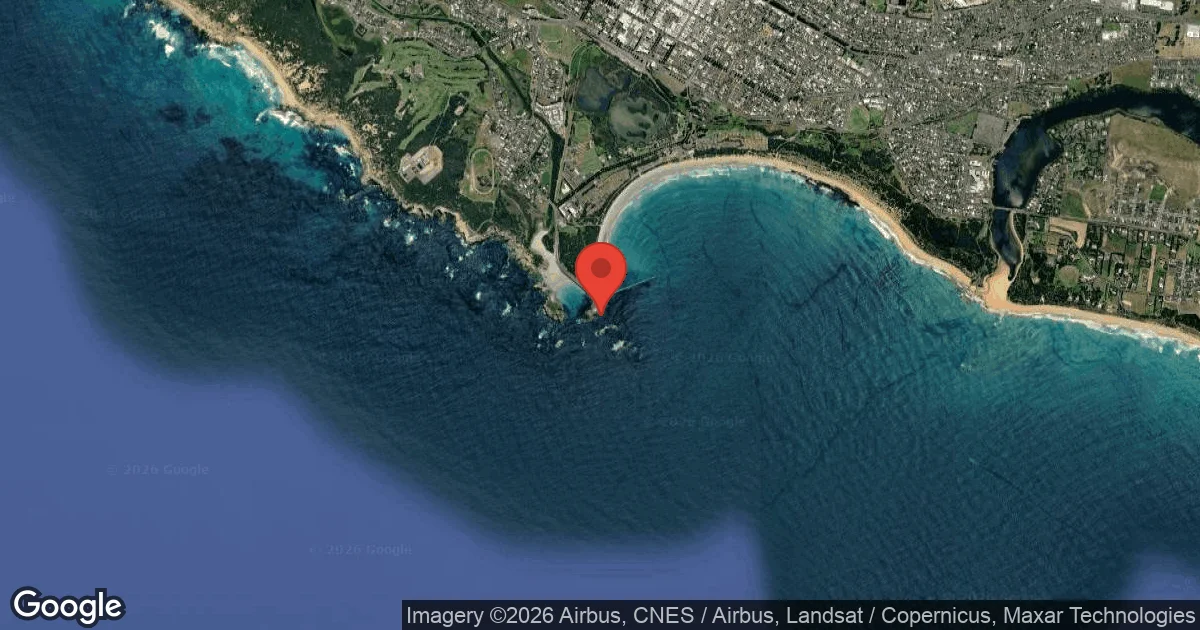
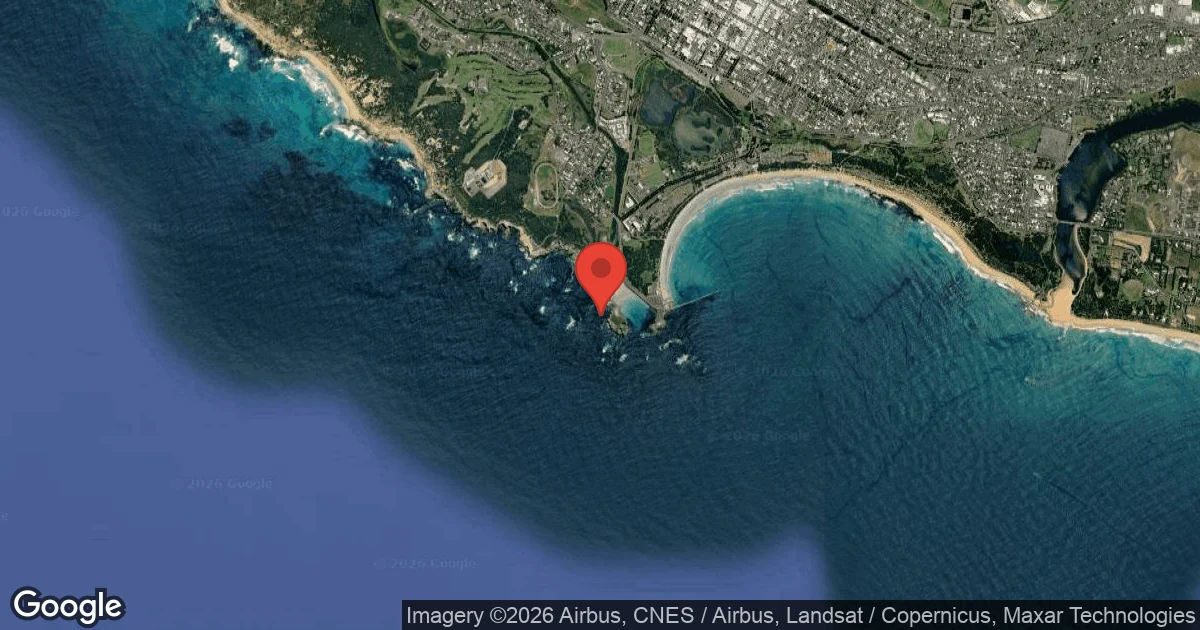
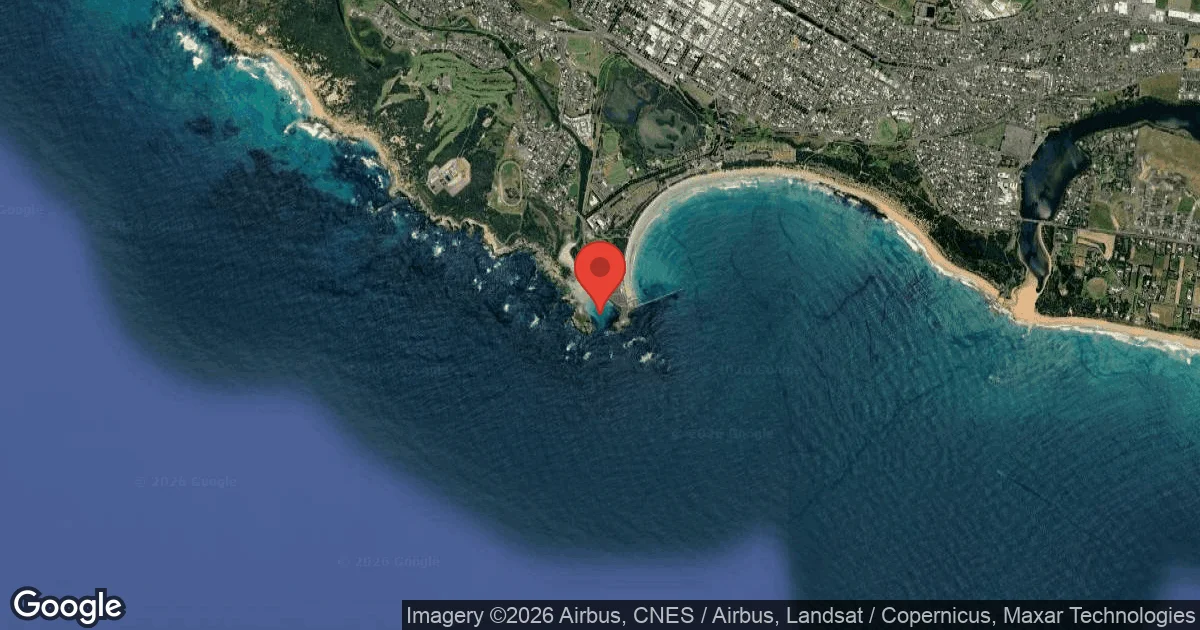
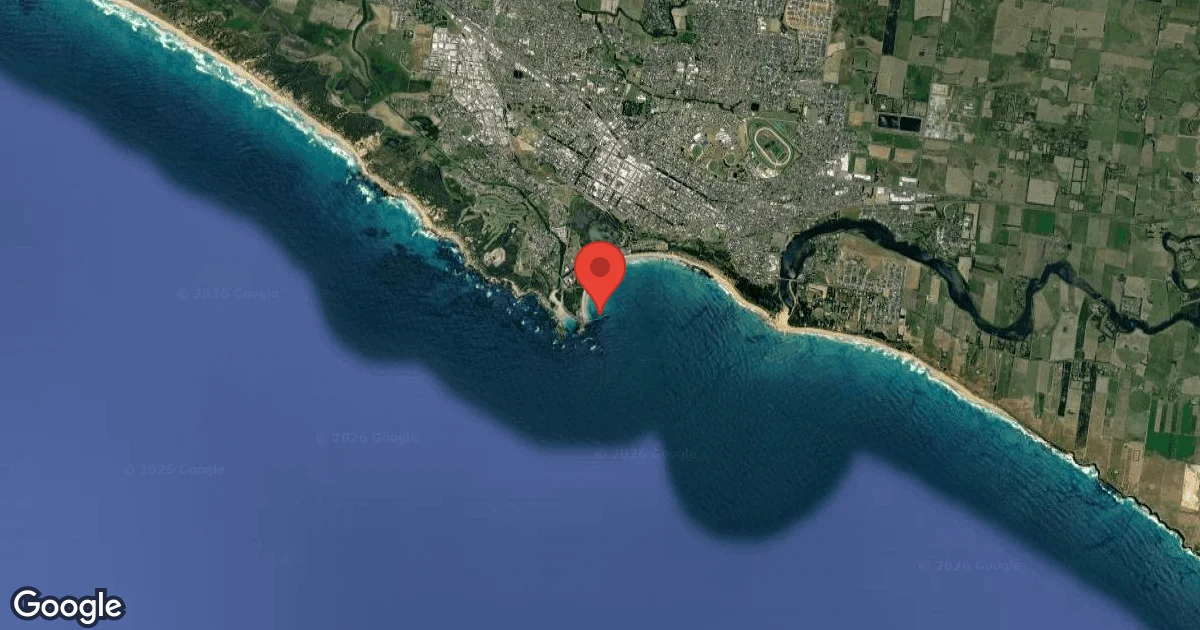
Pickering Point reveals a diverse underwater landscape just offshore, offering captivating exploration within the protected Merri Marine Sanctuary. From a gentle 5 m (16 ft) near the shore, the bottom gradually slopes to 20 m (66 ft) on the extensive reefs approximately 200 meters offshore.
Navigating the reef to the right unveils a series of fascinating features, including a cavern, distinct channels, and various overhangs that create excellent habitat. These structures shelter a vast array of marine life, making it a particularly diverse and colorful site. Situated on Victoria's Shipwreck Coast, just east of Thunder Point, this location serves as a valuable protected no-take zone, contributing to the health of its underwater ecosystems.
Its direct exposure to the Southern Ocean influences the prevailing conditions, making calm days essential for a good dive.
Conditions are Moderate
High Swell Advisory. Not recommended.
Current conditions near Pickering Point show 18° air, 14° sea temperature, 2.1 m waves, and 44 km/h wind. Forecast data is refreshed regularly to ensure accuracy.
Best Time to Dive
Optimizing visibility at Pickering Point heavily relies on selecting the calmest days, ideally coinciding with low tide and minimal swell. Climate data indicates average air temperatures ranging from approximately 10.5°C (51°F) in July to 18.5°C (65°F) in January and February. Throughout the year, average wave heights frequently hover around 2 meters (6.5 ft) or more, with September experiencing the highest average at 2.5 meters (8.2 ft). Wind speeds are consistently above 20 km/h (12 mph) in most months, peaking in September and December, which can churn the water. Rain levels are generally low, with July and November showing slightly higher averages. Water temperature for this specific site is not consistently reported, but conditions suitable for diving generally occur when wind and swell are significantly reduced. Divers should consult local marine forecasts, especially for Thunder Point, to determine optimal tidal and swell conditions.
PEAK SEASON SCORE
Scores combine air & water temps, waves, wind & rainfall for overall conditions.
BEST MONTHS TO DIVE
Monthly records compiled from satellite and marine observation nodes over the last 3 years. Data provided by Open-Meteo and MET Norway.
Dive Experience & Conditions
The diving experience at Pickering Point begins with a straightforward shore entry from Stingray Bay, typically involving a short walk across the beach followed by a giant stride or roll back into roughly 3 meters of water. Divers then descend into deeper sections, with the reef system extending to a maximum recreational depth offshore. Following the reef to the right, explorers will encounter a sequence of fascinating structures, including a cavern, several distinct channels, and various overhangs that provide shelter for marine life. Due to its south-west facing position into the Southern Ocean, conditions require very calm seas with low swell to avoid strong surge and potentially dangerous currents. Visibility varies depending on these surface conditions but can be quite good on exceptionally calm days.
Dive Difficulty & Safety Guidelines
Approaching Pickering Point demands a conservative mindset, as sea conditions can transition rapidly from calm to dangerously rough, characterized by significant swells and strong currents. Divers must constantly monitor swell, surge, and current strength, especially given its exposure to the Southern Ocean.
Local knowledge is a significant asset for safely navigating this site, including understanding optimal tide times and wind directions. Before gearing up, always check the water for 'white water,' which indicates rough conditions unsuitable for diving.
Pickering Point is within the Merri Marine Sanctuary, a protected no-take zone, meaning all marine life is protected and no collection is permitted. Parking is available along the western side of Viaduct Road, near the first set of steps.
Recommended Equipment
Overhead environment. Do not enter beyond training and gas planning limits.
- Dive Computer
- Primary & Backup Lights
- Reel / Spool
- Cutting Tool
- Hard-soled Dive Boots
This gear list is based on verified equipment signals for Pickering Point, Australia. Always confirm final gear choices with your dive operator, guide, or liveaboard.
Recommended Dive Suit
In conditions like these, many divers prefer diving with 7mm wetsuit or semidry. Consider warmer surface protection (like a boat coat) due to brisk winds. Surface intervals may feel cooler.
Divers planning a dive at Pickering Point today will likely encounter water temperatures close to 14°C (58°F). Surface air temperatures are resting at 18°C (64°F).
Weather models indicate a small drop in surface temperatures later this week. A significant temperature drop is forecast; strongly suggest bringing a backup warmer suit option. Having a second exposure option available is often a good precaution.
Emergency & Medical Support
Essential information to help you plan your dive trip to Pickering Point.

Hyperbaric chambers are a critical part of dive safety infrastructure. Availability varies significantly by region, and not all dive areas have immediate access.
Before diving, it's recommended to:
- confirm nearest medical facilities
- check emergency procedures with local dive operators
- ensure dive insurance covers evacuation if required
Divers Alert Network
Diving emergency assistance available through DAN World.
+1-919-684-9111- 24/7 emergency hotline
- Diving medical assistance
- Evacuation coordination
Emergency contacts are provided for reference. Always verify local emergency services before diving.
Marine Life at Pickering Point
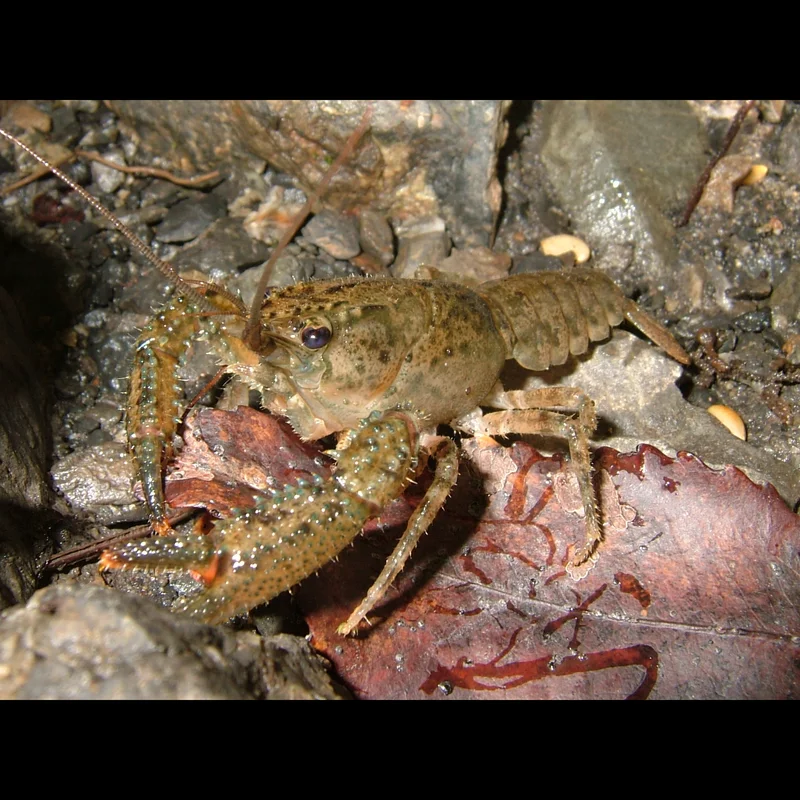
The varied underwater landscape at Pickering Point, characterized by its ledges, swim-throughs, and gutters, provides excellent habitat for a diverse and colorful array of marine life. Divers frequently encounter numerous reef fish, various invertebrates, including crayfish, and several species of rays throughout the site.
The intricate structures offer shelter and foraging grounds for these creatures, making for engaging observations. Within the broader Merri Marine Sanctuary, Little Penguins are known to roost and breed on nearby islands, foraging for food in the waters surrounding Pickering Point and beyond.
Dive Sites Near Pickering Point
View all dive sites in AustraliaDiscover more underwater gems in this area.
Dive Centers Near Pickering Point
No Dive Centers Local To Pickering Point
Are you a dive center visiting this location? Get listed to reach divers.
Nearest Airports
Nearest airports to help plan travel to this dive area.
Search Flights
Check available flights and routes on Expedia, using the nearby airports listed in this section.
Search Flights on ExpediaFrequently Asked Questions
What is the typical depth range at Pickering Point?
The site offers a gentle slope starting from about 5 m (16 ft) close to shore, gradually descending to a maximum depth of 20 m (66 ft) on the offshore reefs. It caters to recreational divers within this range.
Is Pickering Point suitable for beginner divers?
Yes, Pickering Point is suitable for all levels of certified divers and snorkellers, provided conditions are very calm with low swell. Beginners should only attempt the dive under ideal circumstances and potentially with local guidance.
How do I access the dive site?
Access is via a shore entry from Stingray Bay. You'll take steps down to the beach, walk towards Pickering Point, and perform a giant stride or roll back entry into shallow water. Parking is along the western side of Viaduct Road.
What kind of marine life can I expect to see?
Divers often encounter a diverse range of reef fish, various invertebrates, crayfish, and rays. The complex reef structures, including ledges, swim-throughs, and overhangs, provide a rich habitat for these species.
Are there any special regulations for diving here?
Pickering Point is located within the Merri Marine Sanctuary, which is a protected no-take zone. This means all marine life is protected, and nothing may be removed from the sanctuary. Divers should respect these regulations.
How important is local knowledge for this dive site?
Local knowledge is quite important for safely diving Pickering Point. Conditions can change quickly, so understanding the nuances of tides, currents, and swell patterns specific to this area greatly enhances safety and enjoyment.
What should I look for before entering the water?
Before entering, visually inspect the water conditions. If you observe significant 'white water' or large swells, it indicates dangerously rough seas and strong surge, making it unsuitable for diving. Calm, flat conditions are essential.
Planning to dive Pickering Point?
Send one inquiry and receive offers directly from the best verified local dive operators.
Conditions are Moderate
High Swell Advisory. Not recommended.
Current conditions near Pickering Point show 18° air, 14° sea temperature, 2.1 m waves, and 44 km/h wind. Forecast data is refreshed regularly to ensure accuracy.