
Diving at Warrnambool Breakwater, Inside (Australia)
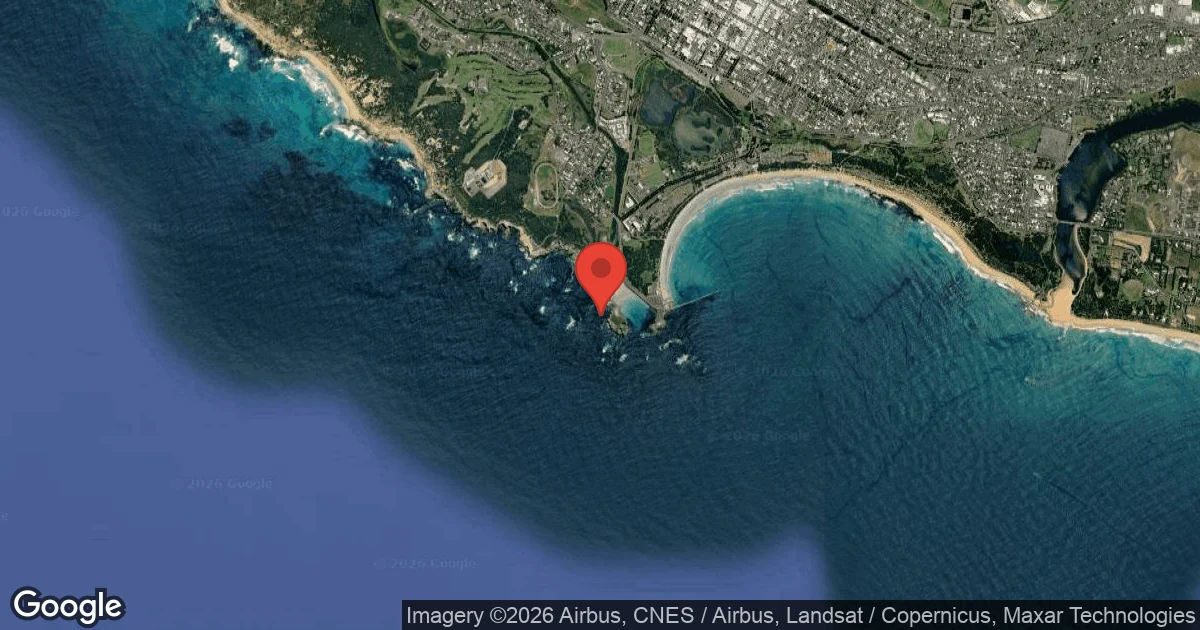
Venture beneath the waves at Warrnambool Breakwater, inside, a sheltered sanctuary on Victoria's southern coast. Divers find refuge here from the open ocean's southern swell and southerly winds, fostering a calmer environment. An accessible entry point leads directly to a concrete structure, adorned with kelp, providing immediate cover for local marine inhabitants.
Evening condition tracking at Warrnambool Breakwater, Inside features an air temperature of 18.5°C. We have recorded wave heights measuring 1.9 m during this period. These figures outline the environmental parameters currently present.
Dive Site Location & Key Facts
Dive Site Overview
Underwater, a robust concrete structure primarily defines Warrnambool Breakwater, inside, serving as its core topography. Dense kelp growths extend directly from this man-made wall, establishing a vital habitat and a dynamic environment for divers to navigate.
Positioned on the northern side of the breakwater, the site effectively buffers against powerful southern swells and prevailing southerly winds. Such protection creates generally calmer conditions, a stark contrast to more exposed ocean dives in the region. Divers will find maximum depths here reach around 8 m (26 ft), making it suitable for a wide range of certification levels, including those new to temperate water diving.
Terrain transitions from the breakwater wall to areas of muck and sandy bottom. Varied substrates collectively support diverse micro-habitats, inviting closer inspection for camouflaged or burrowing marine life.
Predominantly, access to this site is via shore or beach entry, offering relatively straightforward access for divers. Its inherent characteristics often align with what's described as a 'muck dive,' where diligent searching reveals small, often cryptic creatures thriving on seemingly unassuming substrate.
An interplay of structural elements with natural biological growth creates a continuously evolving and interesting dive experience, appealing to those who appreciate detailed exploration over grand vistas.
Conditions are Moderate
High Swell Advisory. Not recommended.
Current conditions near Warrnambool Breakwater, Inside show 19° air, 15° sea temperature, 2.1 m waves, and 44 km/h wind. Forecast data is refreshed regularly to ensure accuracy.
Best Time to Dive
For optimal diving at Warrnambool Breakwater, inside, calm surface conditions are key, directly influencing underwater visibility. While no precise visibility ranges are consistently reported, less wind and swell typically mean clearer water. Significant shelter from southern swells and southerly winds makes the breakwater accessible even when external conditions are challenging. During summer months (December to February), air temperatures average around 16.5-18.5°C (62-65°F), with lower rainfall, potentially contributing to more stable water columns. Conversely, winter months, particularly July, see air temperatures drop to around 10.5°C (51°F) and higher rainfall, which can introduce sediment. Strong winds, peaking around September, might still stir up particulate matter, even within the protected zone. Therefore, consulting local forecasts for calm seas and minimal recent rainfall is crucial. Given the consistent 'Moderate' dive score across all seasons, a well-timed dive during a calm spell, regardless of the month, often proves more important than a specific seasonal window for optimal conditions.
PEAK SEASON SCORE
Scores combine air & water temps, waves, wind & rainfall for overall conditions.
BEST MONTHS TO DIVE
Monthly records compiled from satellite and marine observation nodes over the last 3 years. Data provided by Open-Meteo and MET Norway.
Dive Experience & Conditions
A distinct sense of calm protection often characterizes the sensory experience descending into Warrnambool Breakwater, inside. Due to the site's sheltered nature from prominent southern swells, divers usually encounter reduced surge and gentler movements compared to open ocean sites. Saltwater gradually reveals a habitat defined by the robust concrete breakwater itself, which acts as a vertical garden for various kelp species. Beneath the kelp line, the bottom transitions into areas of muck and sand, where attention to detail is rewarded. Visibility varies, but on good days, structure and its inhabitants are clearly defined. Entry from the shore or beach is straightforward, allowing divers to gradually acclimate. Diving here encourages a slower pace, focusing on macro life and smaller creatures inhabiting nooks, crannies, and soft sediments, creating an intimate exploration rather than a wide-angle spectacle.
Dive Difficulty & Safety Guidelines
Concurrent human activities pose primary hazards when navigating Warrnambool Breakwater, inside. Fishermen regularly use the area, presenting a tangible risk of entanglement with lines and gear.
Consequently, divers must exercise significant caution and maintain situational awareness, particularly in shallower sections of the breakwater. Boat traffic also uses the site, necessitating the mandatory use of a dive float and flag to clearly signal your presence to surface vessels.
Such practice is non-negotiable for diver safety. Planning dives during off-peak fishing times, if possible, can further mitigate risks.
While the protected nature of the breakwater generally reduces strong currents, staying vigilant and aware of surroundings remains paramount for a safe and enjoyable dive experience at this unique location.
Recommended Equipment
- Dive Computer
- Pointer / Muck Stick
This gear list is based on verified equipment signals for Warrnambool Breakwater, Inside, Australia. Always confirm final gear choices with your dive operator, guide, or liveaboard.
Recommended Dive Suit
Comfort levels can also depend on how active a diver is during the dive.
Environmental readings suggest that the waters surrounding Warrnambool Breakwater, Inside are about 15°C (58°F) at the moment. Surface air temperatures are resting at 19°C (65°F). When water temperatures fall within this range, many divers dive comfortably with 7mm wetsuit or semidry. Consider warmer surface protection (like a boat coat) due to brisk winds. Surface intervals may feel cooler.
Weather models indicate a small drop in surface temperatures later this week. A significant temperature drop is forecast; strongly suggest bringing a backup warmer suit option. A thicker wetsuit may be worth considering for extended dives.
Emergency & Medical Support
Essential information to help you plan your dive trip to Warrnambool Breakwater, inside.

Hyperbaric chambers are a critical part of dive safety infrastructure. Availability varies significantly by region, and not all dive areas have immediate access.
Before diving, it's recommended to:
- confirm nearest medical facilities
- check emergency procedures with local dive operators
- ensure dive insurance covers evacuation if required
Divers Alert Network
Diving emergency assistance available through DAN World.
+1-919-684-9111- 24/7 emergency hotline
- Diving medical assistance
- Evacuation coordination
Emergency contacts are provided for reference. Always verify local emergency services before diving.
Marine Life at Warrnambool Breakwater, Inside
Within its protected confines, a surprisingly rich ecosystem thrives in Warrnambool Breakwater, inside. Concrete structures, densely covered in kelp, form intricate hiding spots and feeding grounds.
While exploring the wall and adjacent sandy and muck bottoms, divers frequently encounter rays gracefully gliding along the seabed. Sheltered waters provide refuge for a variety of smaller, less mobile marine creatures, often overlooked in more exposed environments.
Though direct sightings are less frequent within the breakwater itself, the broader Warrnambool area is known for occasional visits from larger marine species such as sharks, dolphins, and even whales, particularly during migration seasons. Dedicated macro photographers often find this site particularly rewarding for discovering cryptic invertebrates.
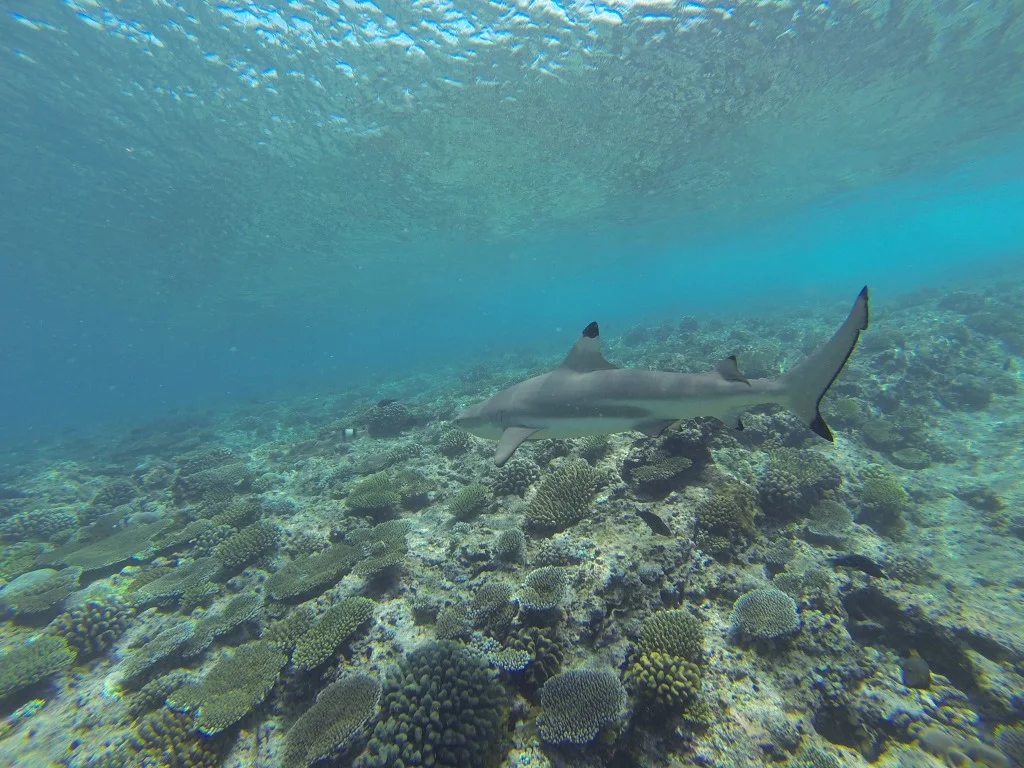

Dive Sites Near Warrnambool Breakwater, Inside
View all dive sites in AustraliaDiscover more underwater gems in this area.
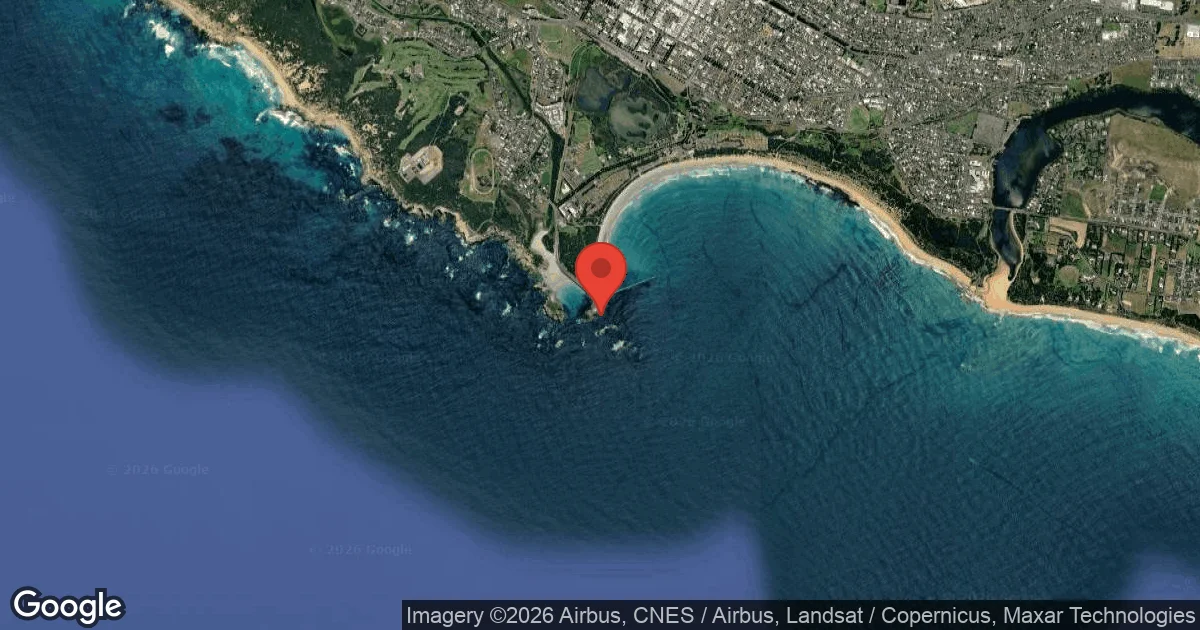
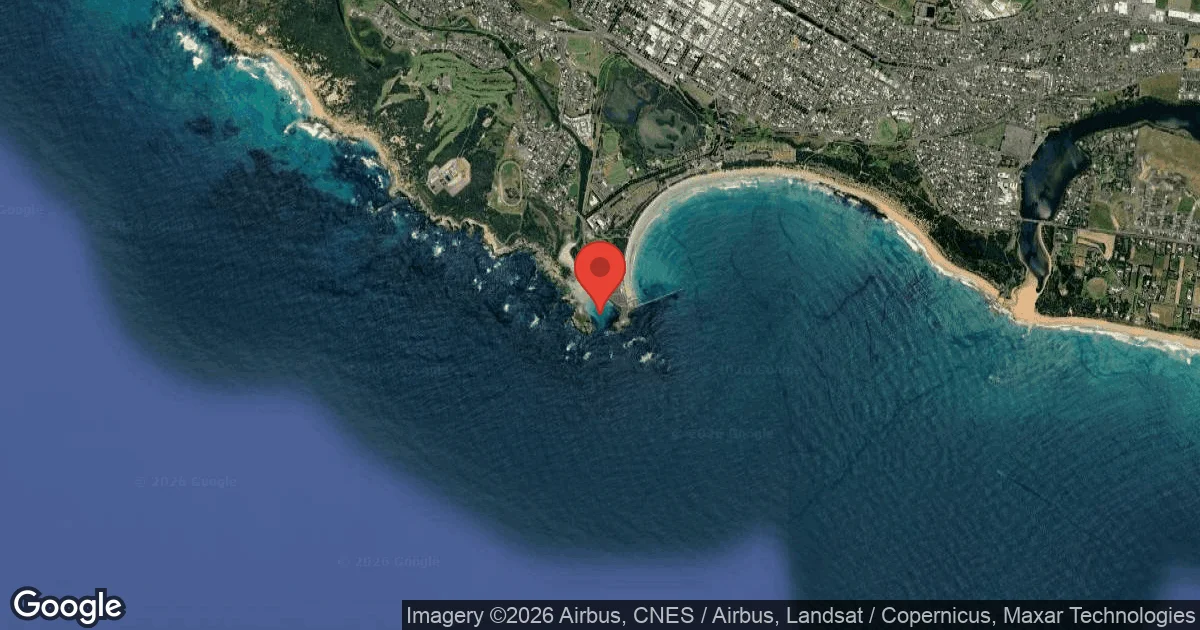
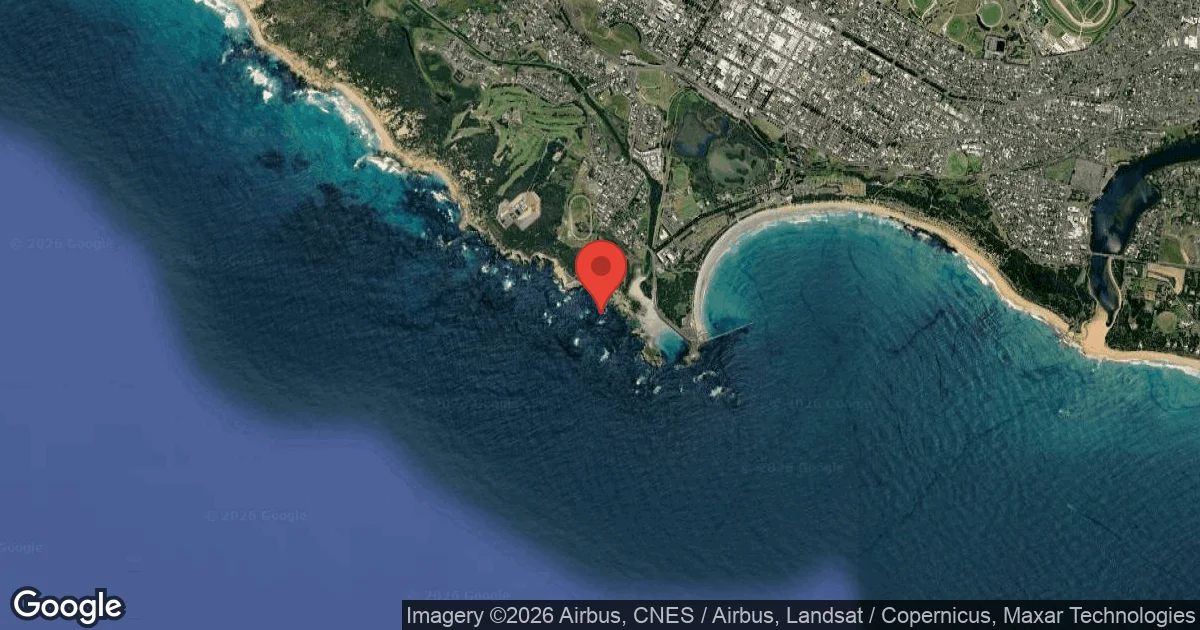
Dive Centers Near Warrnambool Breakwater, Inside
No Dive Centers Local To Warrnambool Breakwater, Inside
Are you a dive center visiting this location? Get listed to reach divers.
Nearest Airports
Nearest airports to help plan travel to this dive area.
Search Flights
Check available flights and routes on Expedia, using the nearby airports listed in this section.
Search Flights on ExpediaFrequently Asked Questions
What is the maximum depth at Warrnambool Breakwater, inside?
The maximum depth typically reaches 8 meters (26 feet). This makes the site accessible for divers of various certification levels, including entry-level certifications.
What kind of marine life can I expect to see?
The site is known for rays, which are frequently spotted gliding near the sandy bottom. The kelp-covered breakwater also hosts a variety of smaller, cryptic invertebrates and fish.
Is the site protected from harsh weather?
Yes, the Warrnambool Breakwater, inside, is significantly protected from southern swells and southerly winds. This often results in calmer water conditions compared to more exposed ocean dive sites.
What are the entry conditions for diving here?
Divers typically access the site via a straightforward shore or beach entry. This allows for a gradual and controlled entry into the water.
Are there any specific hazards to be aware of?
Yes, fisherman activity is present, so divers should be cautious of fishing lines and gear. Using a dive float and flag is mandatory due to boat traffic in the area.
What is the best time of year to dive at this location?
While dive scores are consistently moderate year-round, conditions are often best during calmer periods with minimal wind and recent rainfall. Checking local forecasts for quiet seas is more important than a specific season.
Planning to dive Warrnambool Breakwater, Inside?
Send one inquiry and receive offers directly from the best verified local dive operators.
Conditions are Moderate
High Swell Advisory. Not recommended.
Current conditions near Warrnambool Breakwater, Inside show 19° air, 15° sea temperature, 2.1 m waves, and 44 km/h wind. Forecast data is refreshed regularly to ensure accuracy.