
Diving at Stingray Bay (Australia)
Stingray Bay in Australia stands out as a protected, sheltered shore diving and snorkeling destination within the Merri Marine Sanctuary. Its distinct reef and kelp forest systems provide natural barriers, creating calm conditions often scarce along the more exposed Shipwreck Coast. Divers appreciate its accessibility and the unique opportunity to explore a pristine no-take zone, where marine life flourishes undisturbed by extractive activities. This site offers a rare combination of easy entry and vibrant underwater exploration.
Evening condition tracking at Stingray Bay features an air temperature of 15°C. We have recorded wave heights measuring 1.8 m during this period. These figures outline the environmental parameters currently present.
Dive Site Location & Key Facts
Dive Site Overview
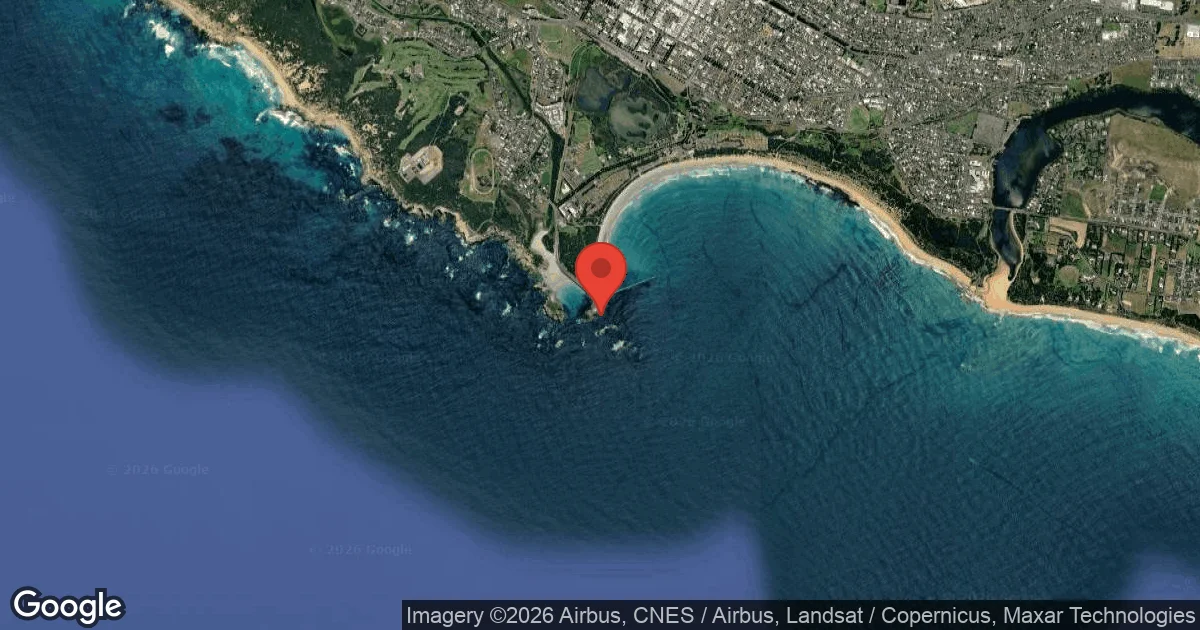
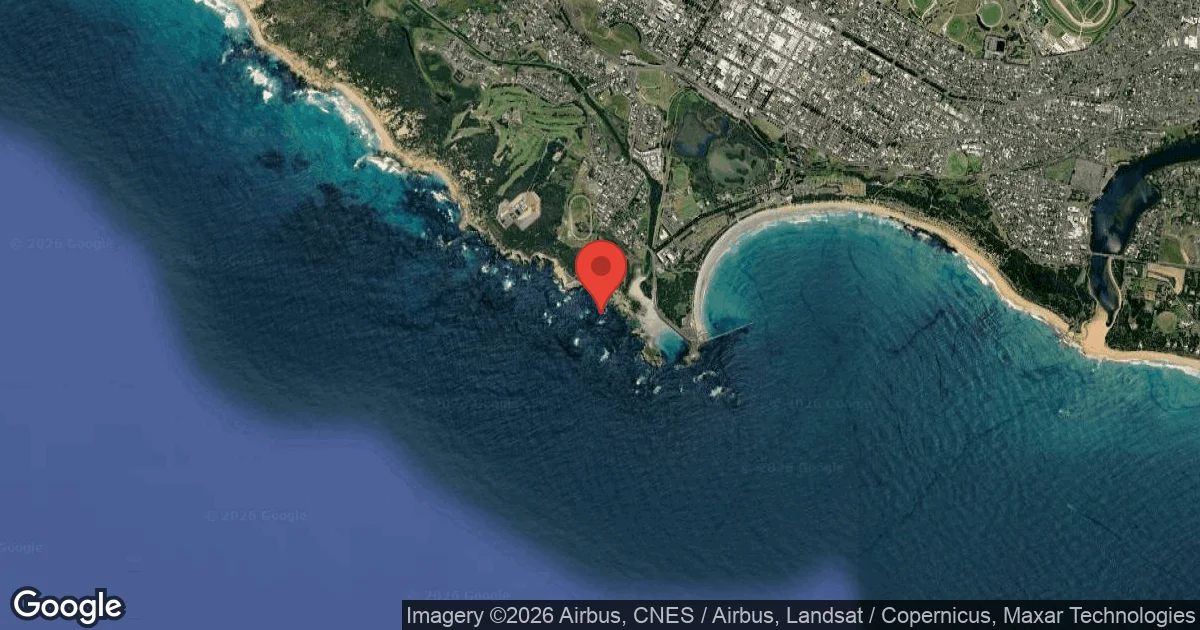
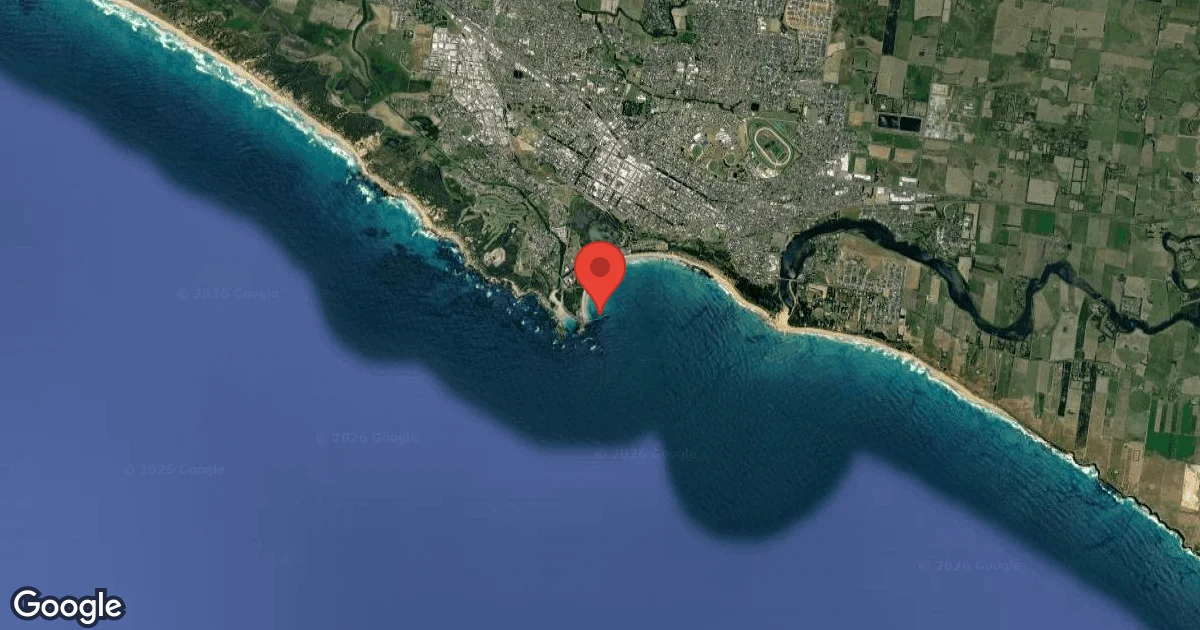
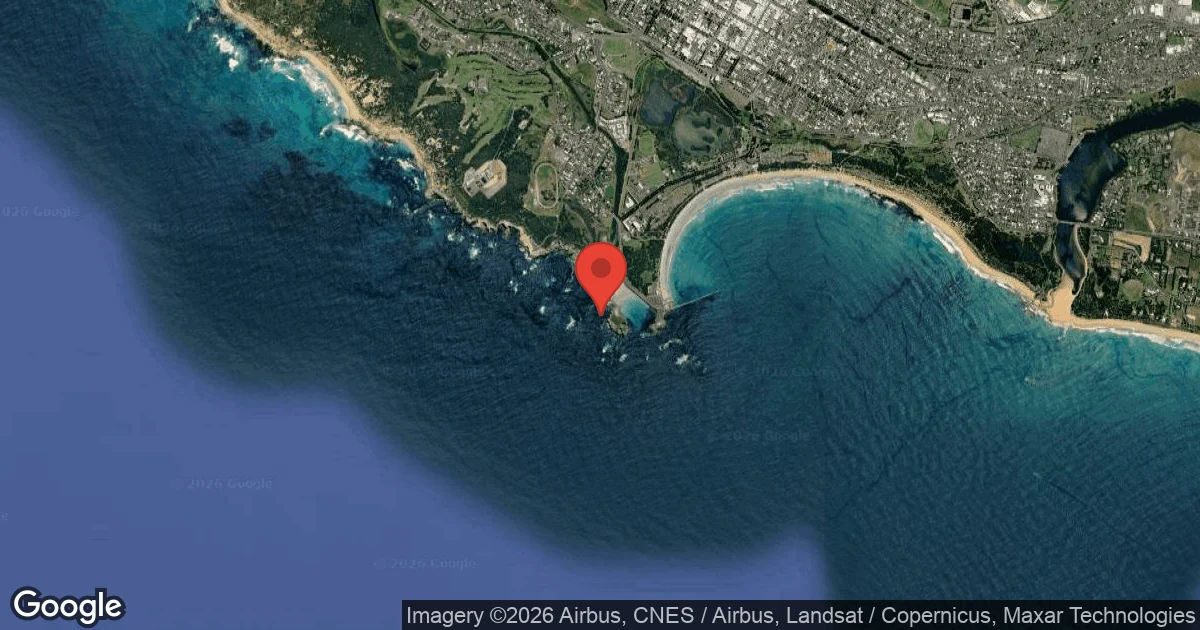
Stingray Bay, also known as Breakwater Bay and The Horseshoe, lies within the historically significant Shipwreck Coast of Victoria, Australia. Positioned at the mouth of the Merri River, between the Harbour Breakwater and Thunder Point Coastal Reserve, this site is an integral part of the Merri Marine Sanctuary.
A strict no-take zone, it encourages divers to observe marine life without disturbance, fostering a thriving ecosystem. Its unique geological structure, protected by fringing reefs and kelp forests to the south, islands to the west, and a rock wall to the east, naturally shields it from much of the open ocean's swell.
It's an accessible shore dive, allowing entry via steps down to the beach, with parking conveniently available. Depths at Stingray Bay generally range from 4 to 12 meters (13-39 ft), making it suitable for Open Water divers and snorkelers alike.
Underwater, a varied landscape includes rocky ledges, sandy bottoms, and extensive kelp forests, offering diverse habitats for numerous species. Exploring this sanctuary provides insight into the region's conservation efforts alongside its natural beauty.
Conditions are Moderate
High Wind Advisory (45km/h). Unsafe surface.
Current conditions near Stingray Bay show 15° air, 14° sea temperature, 1.9 m waves, and 45 km/h wind. Forecast data is refreshed regularly to ensure accuracy.
Best Time to Dive
Optimal diving at Stingray Bay hinges on specific environmental factors, primarily focusing on swell and wind conditions. Planning for the calmest experience means diving when the swell is 1.5 meters (5 feet) or less, ideally coinciding with an Easterly or Northerly wind. Southerly winds are generally not conducive for diving this site due to increased exposure. Low tide is often considered best for access, as it minimizes the walk through shallow water that can extend up to 200 meters (650 ft). Climate data shows air temperatures vary significantly throughout the year. Summer months, like January and February, see averages around 18.5°C (65°F). Winter, particularly July, brings cooler air temperatures, averaging approximately 10.5°C (51°F). Rainfall is relatively low year-round, ranging from roughly 0.7 mm (0.03 inches) in February to 2.7 mm (0.11 inches) in November. Wave heights tend to be moderate, averaging between 1.8 to 2.5 meters (6-8 ft), with wind speeds typically between 19 and 26 km/h (12-16 mph). Dive scores generally remain moderate, indicating that good conditions require careful planning around local weather.
PEAK SEASON SCORE
Scores combine air & water temps, waves, wind & rainfall for overall conditions.
BEST MONTHS TO DIVE
Monthly records compiled from satellite and marine observation nodes over the last 3 years. Data provided by Open-Meteo and MET Norway.
Dive Experience & Conditions
Beginning your dive at Stingray Bay involves a shore entry, navigating initial shallow waters. Descending, underwater topography shifts from sandy expanses to extensive fringing reefs and dense kelp forests. Kelp beds stretch across the bay, extending from the left reef towards Middle Island, forming a significant primary feature. Water temperature data isn't consistently reported for the specific site; divers should anticipate cooler Southern Ocean conditions, necessitating appropriate thermal protection. Visibility here varies depending on recent weather and tidal movements, but clear days reveal swim-throughs and rocky ledges that invite exploration. The bay's maximum depth, around 12 meters (39 ft), creates a calm environment, particularly when sheltered from southerly swells. Recreational divers will find the site straightforward, with its modest depths and generally mild currents making it suitable for practicing buoyancy or refining navigation skills. Sand and reef interact to create diverse micro-habitats, ideal for close observation.
Dive Difficulty & Safety Guidelines
To ensure a safe and enjoyable dive at Stingray Bay, paying close attention to environmental conditions is crucial. Always check local swell forecasts and wind directions; avoid diving during strong Southerly winds or when swell exceeds 1.5 meters (5 feet). As a shore dive, understanding the low tide access point can prevent a long surface walk through very shallow water, particularly helpful when carrying gear.
This bay is part of the Merri Marine Sanctuary, a strict no-take zone. Adhering to these regulations is paramount.
Divers must remember to look but not touch or remove anything from the sanctuary, including plants, animals, or even empty shells. Maintaining excellent buoyancy control protects the delicate kelp forests and marine life from accidental contact.
While not complex, a PADI Open Water Diver certification is recommended, along with optional specialties like Peak Performance Buoyancy or Underwater Navigator to enhance your experience. Familiarize yourself with emergency procedures and local dive support options before entering the water.
Recommended Equipment
- Dive Computer
- Hard-soled Dive Boots
This gear list is based on verified equipment signals for Stingray Bay, Australia. Always confirm final gear choices with your dive operator, guide, or liveaboard.
Recommended Dive Suit
Individual comfort in the water can vary significantly from diver to diver, even under the same conditions.
For most recreational dives, 7mm wetsuit or semidry should provide comfortable protection. A hood or vest is suggested for sensitive divers due to surface winds. A thermal robe or jacket is recommended between dives. Forecasts suggest a slight cooling pattern in the days ahead. Cooler days are ahead; you might want a warmer option for later in the week. Carrying a secondary suit is common practice among experienced divers.
Water temperatures across the dive area at Stingray Bay are presently estimated to be around 14°C (58°F). Surface air temperatures are resting at 15°C (59°F).
Emergency & Medical Support
Essential information to help you plan your dive trip to Stingray Bay.

Hyperbaric chambers are a critical part of dive safety infrastructure. Availability varies significantly by region, and not all dive areas have immediate access.
Before diving, it's recommended to:
- confirm nearest medical facilities
- check emergency procedures with local dive operators
- ensure dive insurance covers evacuation if required
Divers Alert Network
Diving emergency assistance available through DAN World.
+1-919-684-9111- 24/7 emergency hotline
- Diving medical assistance
- Evacuation coordination
Emergency contacts are provided for reference. Always verify local emergency services before diving.
Marine Life at Stingray Bay
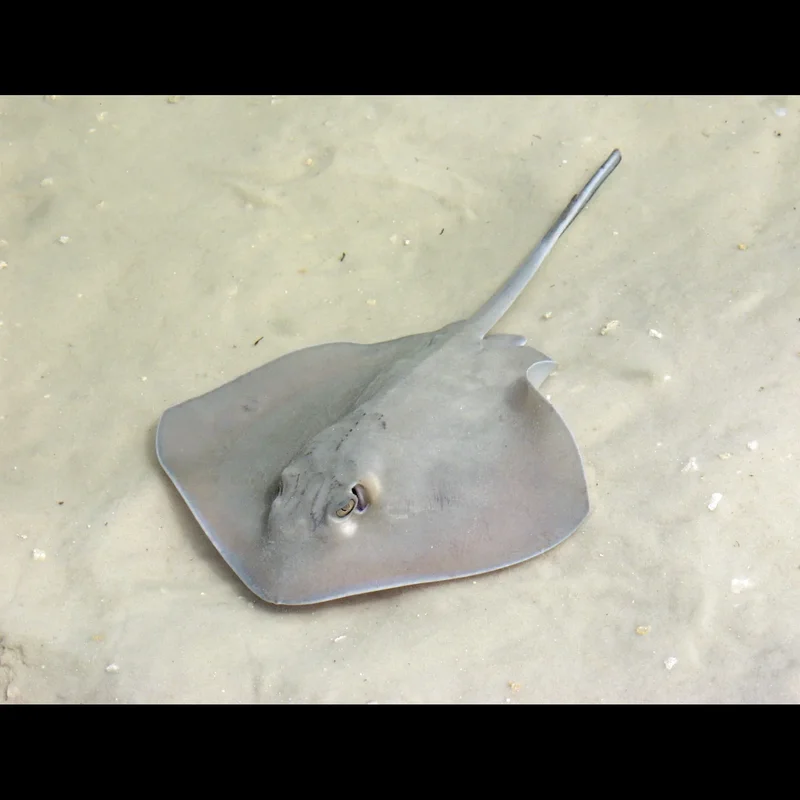
Upon entering Stingray Bay, divers often first notice the expansive kelp forests, which serve as crucial hiding spots and feeding grounds for a variety of fish and invertebrates. Look closely along the sandy bottom sections for the resident stingrays and flathead, providing a dynamic contrast to the reef life.
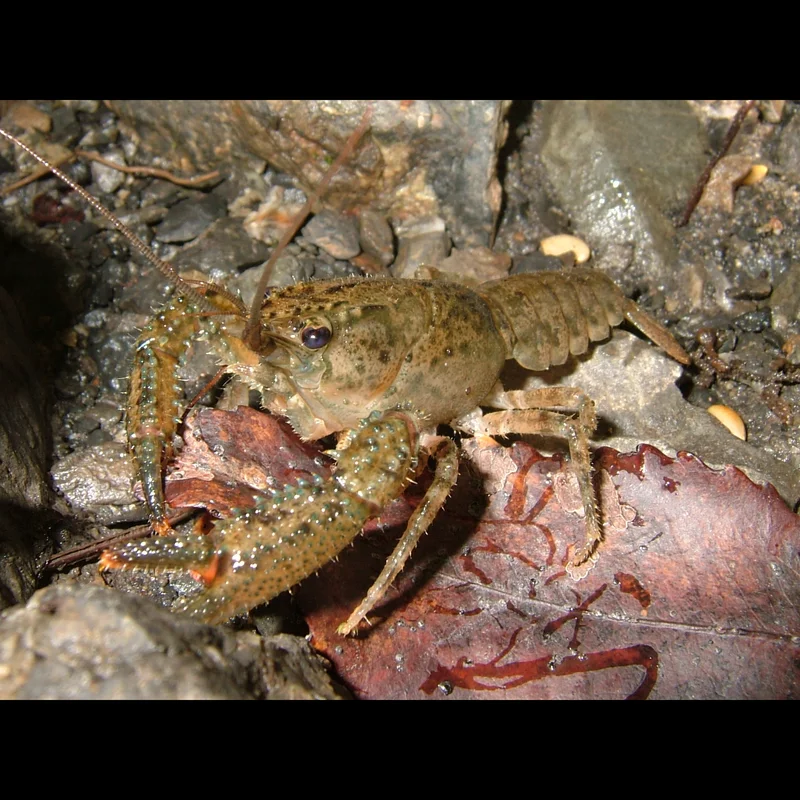
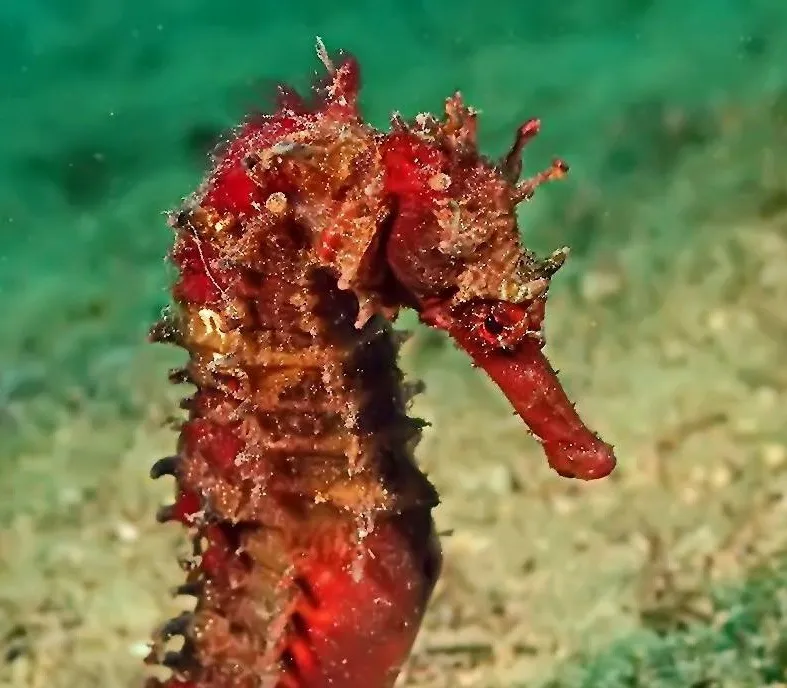
Crayfish are commonly observed resting calmly on ledges, often unafraid of photographers. The sanctuary also hosts unique species like Sea Sweep and Bigbelly Seahorses, hidden amongst the kelp.
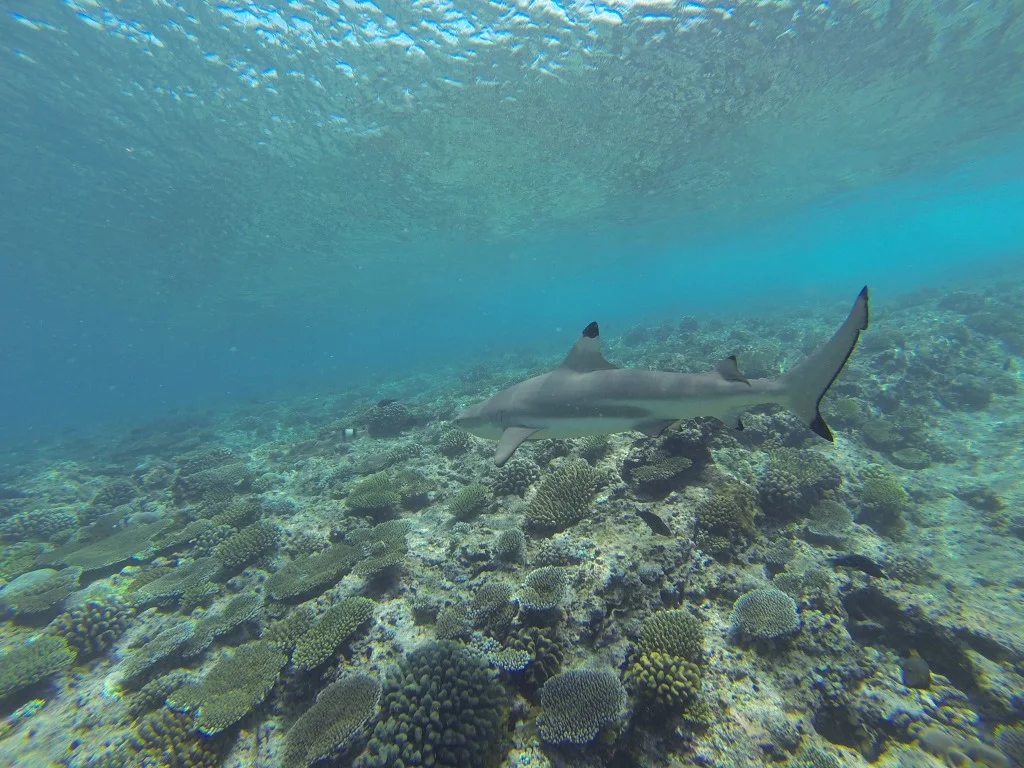
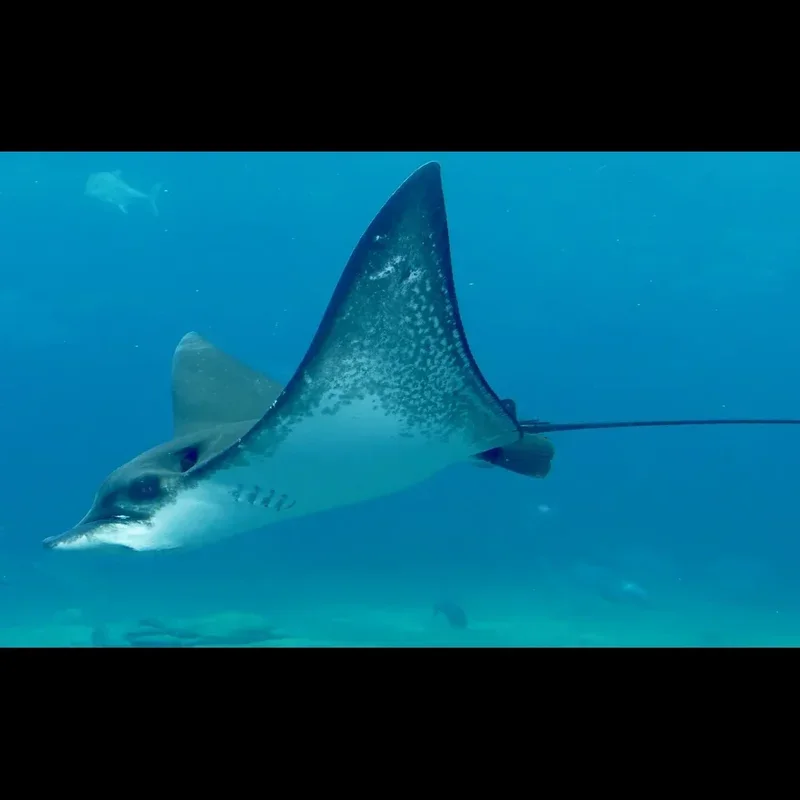
Keep an eye out for larger visitors like Bottlenose Dolphins and Australian Fur Seals, which frequent the Merri Marine Sanctuary. Draughtboard Sharks, Southern Eagle Rays, and Smooth Rays are also common sightings, making each dive a potential encounter with diverse aquatic inhabitants.
Dive Sites Near Stingray Bay
View all dive sites in AustraliaDiscover more underwater gems in this area.
Dive Centers Near Stingray Bay
No Dive Centers Local To Stingray Bay
Are you a dive center visiting this location? Get listed to reach divers.
Nearest Airports
Nearest airports to help plan travel to this dive area.
Search Flights
Check available flights and routes on Expedia, using the nearby airports listed in this section.
Search Flights on ExpediaFrequently Asked Questions
Is Stingray Bay suitable for beginner divers?
Yes, Stingray Bay is generally suitable for Open Water divers. Its sheltered nature and modest depths, typically between 4 to 12 meters (13-39 ft), make it a good site for less experienced divers, provided conditions are calm. It's also popular for snorkelers.
What types of marine life can I expect to see?
You'll commonly encounter stingrays, flathead, and crayfish on ledges. The kelp forests are home to various fish, invertebrates, Sea Sweep, and Bigbelly Seahorses. Keep an eye out for Bottlenose Dolphins, Australian Fur Seals, Draughtboard Sharks, and Southern Eagle Rays passing through the sanctuary.
Are there any specific entry requirements for diving here?
Access is via shore entry, typically using steps down to the beach. It's recommended to time your dive with low tide to avoid a long walk through shallow water. A PADI Open Water Diver certification is generally sufficient for exploring this site.
What are the ideal weather conditions for diving Stingray Bay?
Ideal diving conditions involve a swell of 1.5 meters (5 feet) or less, coupled with an Easterly or Northerly wind. Southerly winds typically make the bay less favorable. Always consult local forecasts prior to your dive.
Is Stingray Bay part of a protected area?
Yes, Stingray Bay sits within the Merri Marine Sanctuary. As a strict no-take zone, observing marine life and photography are encouraged; however, nothing should be disturbed or removed.
What is the maximum depth at Stingray Bay?
Maximum depths generally range from 4 to 12 meters (13-39 ft). A shallow profile makes it an excellent site for longer bottom times, also suitable for snorkeling.
Planning to dive Stingray Bay?
Send one inquiry and receive offers directly from the best verified local dive operators.
Conditions are Moderate
High Wind Advisory (45km/h). Unsafe surface.
Current conditions near Stingray Bay show 15° air, 14° sea temperature, 1.9 m waves, and 45 km/h wind. Forecast data is refreshed regularly to ensure accuracy.