
Diving at The Nursery (Australia)
Entering The Nursery feels like descending into a calm, protected aquatic realm. Intricate rocky outcrops below the surface transition into sandy expanses, fostering a diverse environment. With water temperatures around 19°C / 66°F, the refreshing embrace complements the vibrant marine activity within Jervis Bay, Australia's sheltered waters. Divers will find a constant display of life.
As evening covers The Nursery, the local air temperature is measured at 23.5°C. The current wave height at the surface is recorded at 1.3 m. These late-day readings characterize the surface conditions for the night.
Dive Site Location & Key Facts
Dive Site Overview
A designation as a sanctuary for developing marine life quickly becomes apparent to divers at The Nursery. It's an expansive underwater domain presenting a dynamic mix of reef structures and sandy bottom, fostering a rich diversity of species.
Depths here remain moderate, generally reaching up to 16 m / 52 ft; the site is accessible for Open Water divers, while also providing enough intrigue for those with advanced certifications, positioning it as a versatile destination for underwater exploration. Navigating through a series of rocky outcrops, divers discover numerous hidden crevices and vibrant mini-ecosystems. Varied topography supports a wide spectrum of creatures.
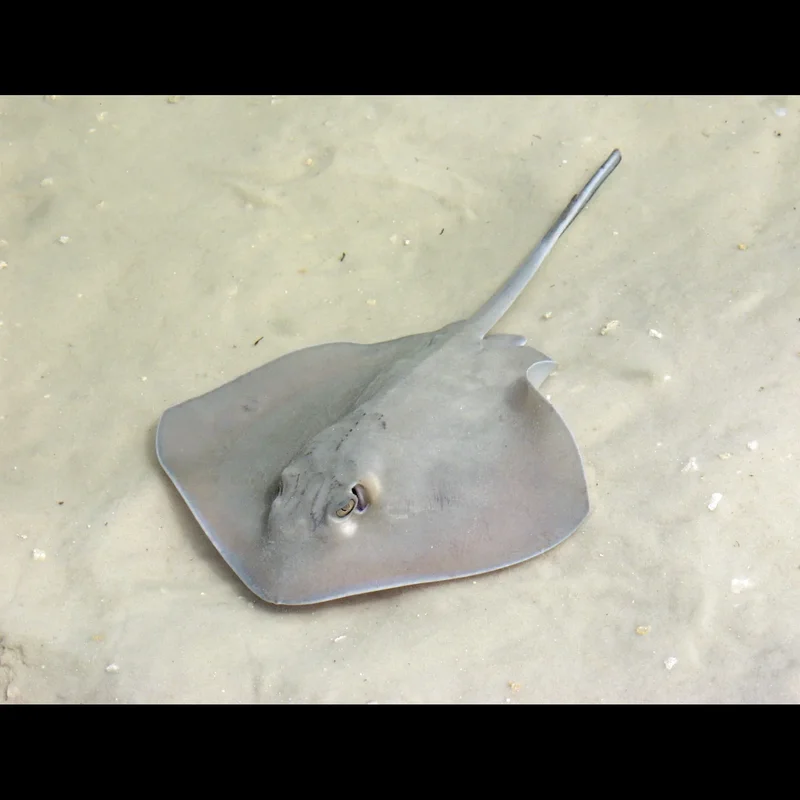
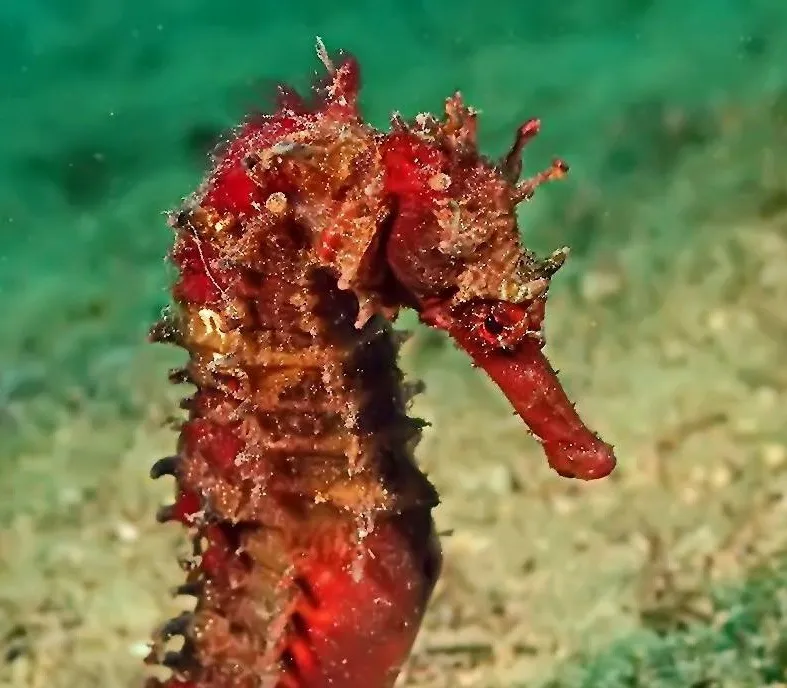
Expect to find everything from elusive seahorses, expertly camouflaged amongst the reef growth, to larger, more conspicuous species like wobbegong sharks and stingrays cruising the open sand patches. Visibility often averages around 15 meters, offering clear perspectives on the bustling activity.
Calm current dynamics usually allow for relaxed, unhurried observation of its many inhabitants and features.
Conditions are Good
Optimal conditions expected
Current conditions near The Nursery show 24° air, 18° sea temperature, 1.5 m waves, and 34 km/h wind. Forecast data is refreshed regularly to ensure accuracy.
Best Time to Dive
Considering average climate patterns, the conditions for diving at The Nursery often shift throughout the year, with dive scores rated 'Moderate' for much of it. Warmer months, from January to March, typically present higher air temperatures averaging around 21-22°C / 70-72°F, alongside relatively lower rainfall. That period offers comfortable surface intervals and generally pleasant weather. However, the winter months, specifically August to October, still maintain 'Moderate' dive scores and are particularly notable for the seasonal arrival of Grey Nurse Sharks, which are often observed here. Despite air temperatures dropping to approximately 14-17°C / 57-63°F during winter, the opportunity to witness these sharks provides a compelling reason to dive outside the warmer summer period. Wave heights and wind speeds can vary, but The Nursery is known to offer sheltered conditions when other sites might be exposed.
PEAK SEASON SCORE
Scores combine air & water temps, waves, wind & rainfall for overall conditions.
BEST MONTHS TO DIVE
Monthly records compiled from satellite and marine observation nodes over the last 3 years. Data provided by Open-Meteo and MET Norway.
Dive Experience & Conditions
Conditions at The Nursery usually involve minimal to mild current dynamics, allowing for relaxed navigation among its diverse features. Visibility often averages around 15 meters, providing clear views of the underwater topography and its inhabitants. A maximum depth of 16 m / 52 ft typically offers ample exploration within recreational limits. Divers encounter a mosaic of rocky formations interspersed with open sandy patches, forming corridors and overhangs that provide shelter and hunting grounds for various species. Buoyancy control is beneficial here to avoid disturbing the fragile ecosystems and to explore the site's intricate details effectively. While conditions are generally calm, the dive experience can vary slightly with local weather patterns.
Dive Difficulty & Safety Guidelines
Approaching The Nursery requires divers to be mindful of their skill level, as it's suitable for Open Water certified divers and beyond. While there are no specific hazards consistently reported for this site, maintaining good buoyancy control is always advisable, particularly around rocky structures, to protect the marine environment.
Diving with a buddy is recommended, as is common practice, to ensure mutual safety and enjoyment. As part of a marine park, adherence to local regulations is crucial, ensuring minimal impact on the delicate ecosystem. Divers should always be aware of their surroundings and avoid touching or disturbing marine life.
Recommended Equipment
- Dive Computer
- DSMB
This gear list is based on verified equipment signals for The Nursery, Australia. Always confirm final gear choices with your dive operator, guide, or liveaboard.
Recommended Dive Suit
Experienced divers often bring flexible gear options.
Divers exploring The Nursery today will likely encounter water temperatures close to 18°C (65°F). Surface air temperatures are resting at 24°C (74°F). Divers who spend longer periods underwater often choose 5mm wetsuit.
Environmental conditions may feel slightly cooler as the week progresses. A significant temperature drop is forecast; strongly suggest bringing a backup warmer suit option. A thicker wetsuit may be worth considering for extended dives.
Emergency & Medical Support
Essential information to help you plan your dive trip to The Nursery.

Hyperbaric chambers are a critical part of dive safety infrastructure. Availability varies significantly by region, and not all dive areas have immediate access.
Before diving, it's recommended to:
- confirm nearest medical facilities
- check emergency procedures with local dive operators
- ensure dive insurance covers evacuation if required
Divers Alert Network
Diving emergency assistance available through DAN World.
+1-919-684-9111- 24/7 emergency hotline
- Diving medical assistance
- Evacuation coordination
Emergency contacts are provided for reference. Always verify local emergency services before diving.
Marine Life at The Nursery
An underwater landscape at The Nursery bursts with life, hosting an impressive array of species that thrive amongst its mixed reef and sandy bottom. Divers frequently encounter Eastern Blue Devils, known for their striking appearance, alongside schools of fish gracefully moving through the water column.
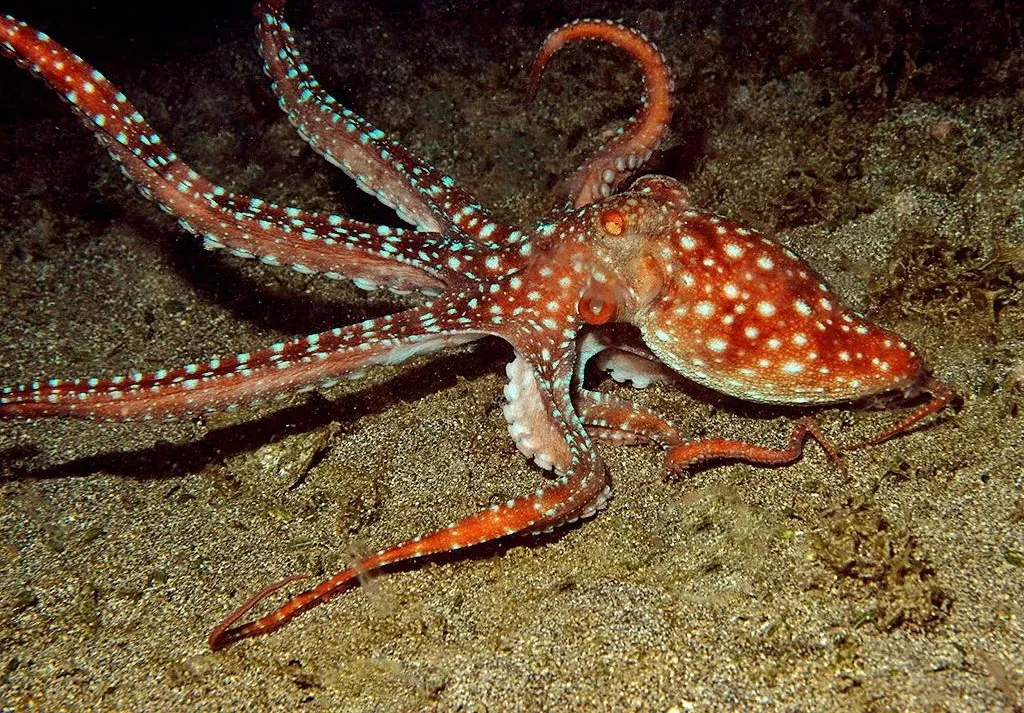
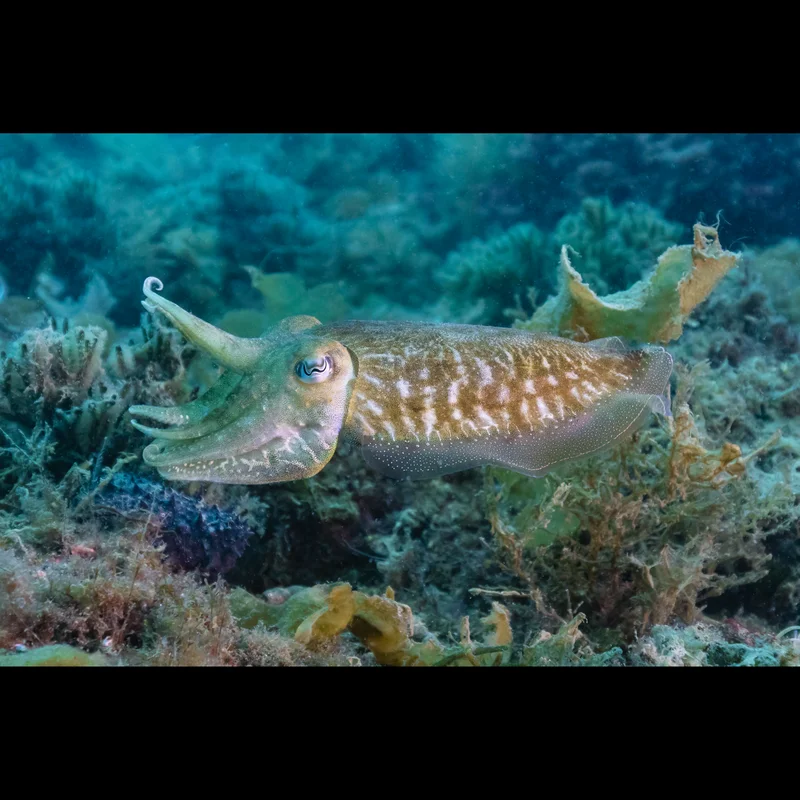
Its varied environment makes it a reliable spot for observing various cephalopods, including vibrant cuttlefish, agile squid, and elusive octopuses. One of the major draws is the presence of the endangered Grey Nurse Sharks, especially during cooler months, which often rest near the rocky formations.
Other sightings include the camouflaged wobbegong sharks, graceful stingrays, and the often-sought-after seahorse, carefully clinging to bits of reef.

Dive Sites Near The Nursery
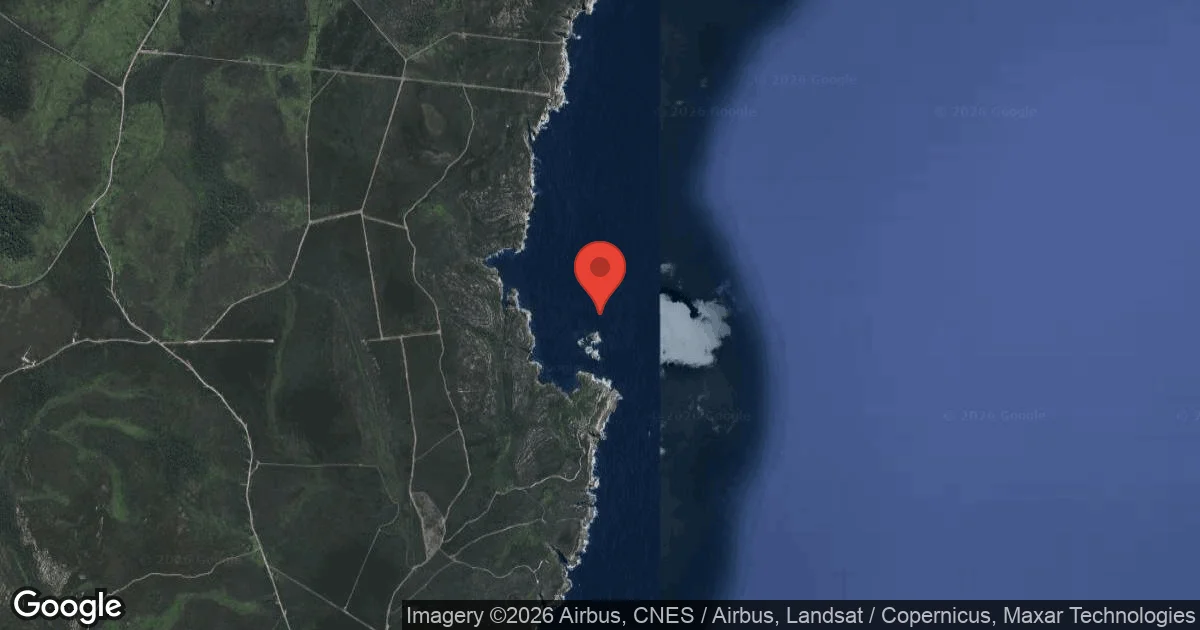
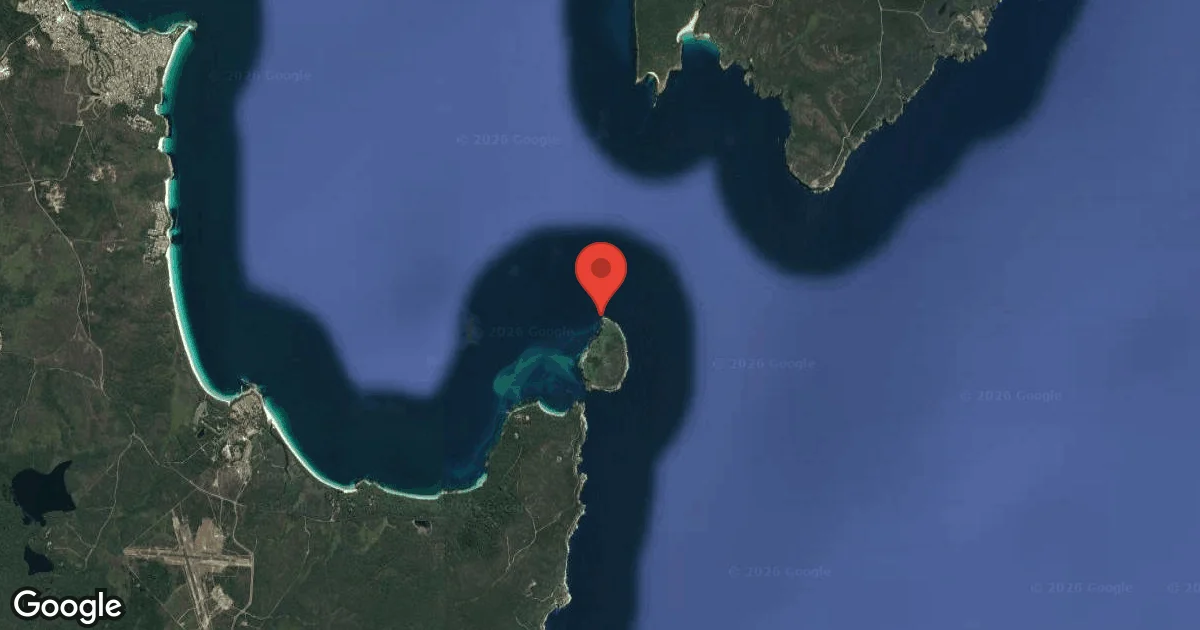
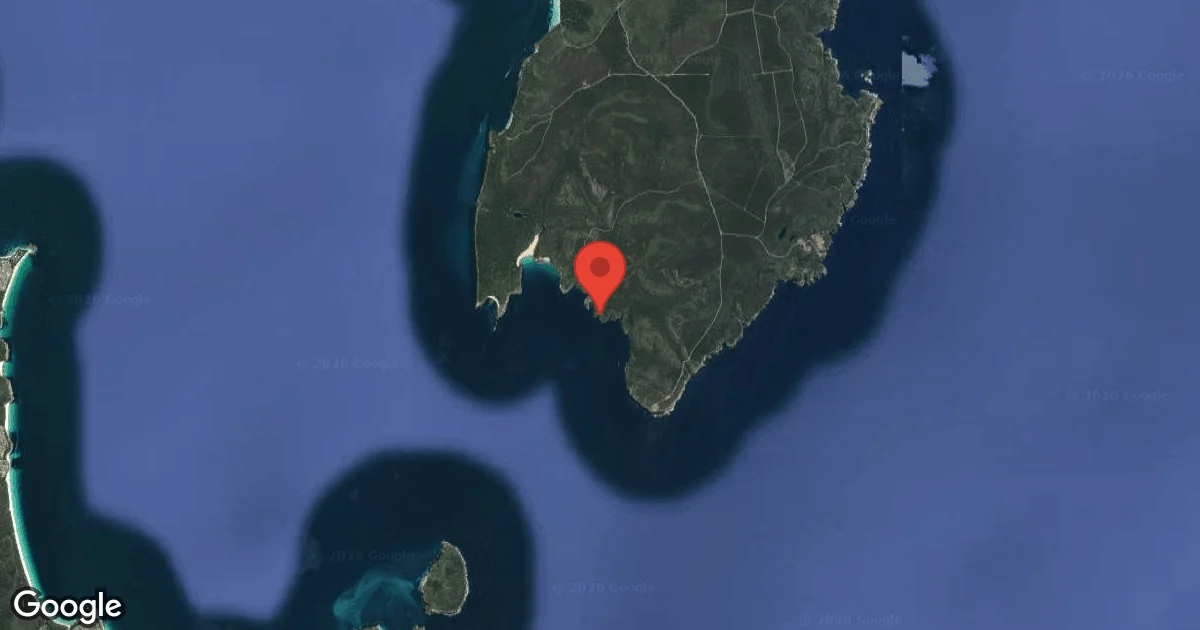
View all dive sites in AustraliaDiscover more underwater gems in this area.
Dive Centers Near The Nursery
Today: 07:00 - 17:00
Nearest Airports
Nearest airports to help plan travel to this dive area.
Search Flights
Check available flights and routes on Expedia, using the nearby airports listed in this section.
Search Flights on ExpediaFrequently Asked Questions
What is the typical depth range at The Nursery?
Offering a relatively shallow dive, The Nursery's depths generally range from a few meters down to a maximum of 16 m / 52 ft. Such depths make it accessible for a broad range of certified divers.
What certification level is required to dive at The Nursery?
Suitable for Open Water Divers and beyond, the site's moderate depth and generally calm conditions accommodate divers with various levels of experience.
When is the best time to see Grey Nurse Sharks?
Grey Nurse Sharks are frequently observed at The Nursery during the winter months. Their seasonal migration allows divers to encounter these endangered species.
What is the water temperature like at The Nursery?
Water temperature at The Nursery is typically around 19°C / 66°F. Conditions can vary slightly with the seasons, but generally call for a suitable wetsuit.
What kind of underwater environment can I expect?
Featuring a dynamic environment composed of rocky outcrops, intricate reef structures, and sandy expanses, The Nursery supports a wide variety of marine life. This offers diverse exploration opportunities.
Is The Nursery accessible by shore or boat?
Entry to The Nursery is primarily by boat. Dive operators in Jervis Bay typically organize boat trips to this site.
Planning to dive The Nursery?
Send one inquiry and receive offers directly from the best verified local dive operators.
Conditions are Good
Optimal conditions expected
Current conditions near The Nursery show 24° air, 18° sea temperature, 1.5 m waves, and 34 km/h wind. Forecast data is refreshed regularly to ensure accuracy.